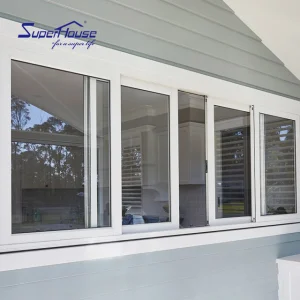
Explore our premier NFRC-certified, thermal break, and hurricane-rated architectural exterior systems designed for extreme climate endurance.
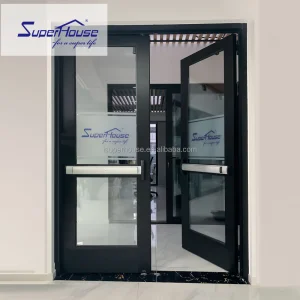
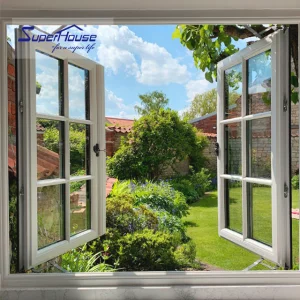
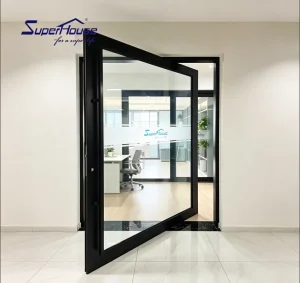
Navigating Modern Energy Codes, Thermal Core Innovations, and Global Supply Optimization
As global energy efficiency directives tighten—ranging from the North American International Energy Conservation Code (IECC) to the European Union's Energy Performance of Buildings Directive (EPBD)—the role of exterior envelope components has transformed. Insulated entry doors are no longer simple security barriers; they are highly engineered thermal management systems designed to minimize building thermal bridging, eliminate HVAC energy loss, and maintain environmental integrity across volatile climate zones.
Top China insulated entry door manufacturers have undergone a dramatic industrial transition over the past decade. Moving beyond standard hollow-metal or basic wood doors, Chinese facilities now lead in advanced continuous polyurethane (PUR) injection, polyamide (PA66-GF25) thermal break strip integration, and zero-leakage atmospheric sealing technologies. These innovations enable entry doors to achieve exceptional thermal performance, boasting U-factors below 0.18 BTU/h·ft²·°F (R-value > 5.5) alongside certified forced-entry resistance.
Established in 2003, Steelwar Entry Systems Co., Ltd. operates a large-scale 40,000 m² manufacturing plant specializing in high-security exterior entry doors. With 21 years of continuous industry experience and 9 years of global export capabilities, the company generates $35 million in annual export turnover. Steelwar focuses on key markets across North America, the Middle East, and Eastern Europe, primarily supplying building material distributors, security door stockists, and commercial construction contractors.
Supported by a solid trade background and a network of 1,100 supply chain partners, Steelwar maintains strict product reliability. Quality control is managed by a team of 50 QC specialists who execute dynamic impact resistance testing, automated frame tolerance checks, and corrosion-resistant coating audits. The company's engineering strength is backed by 75 R&D engineers who introduced 230 new product models last year. Custom options include ballistic steel cores, multi-point smart lock integration, customized RAL color finishes, and bespoke frame depths.
Inside Steelwar's Precision Manufacturing Workflow: From Raw Substrates to Certified Finished Doors
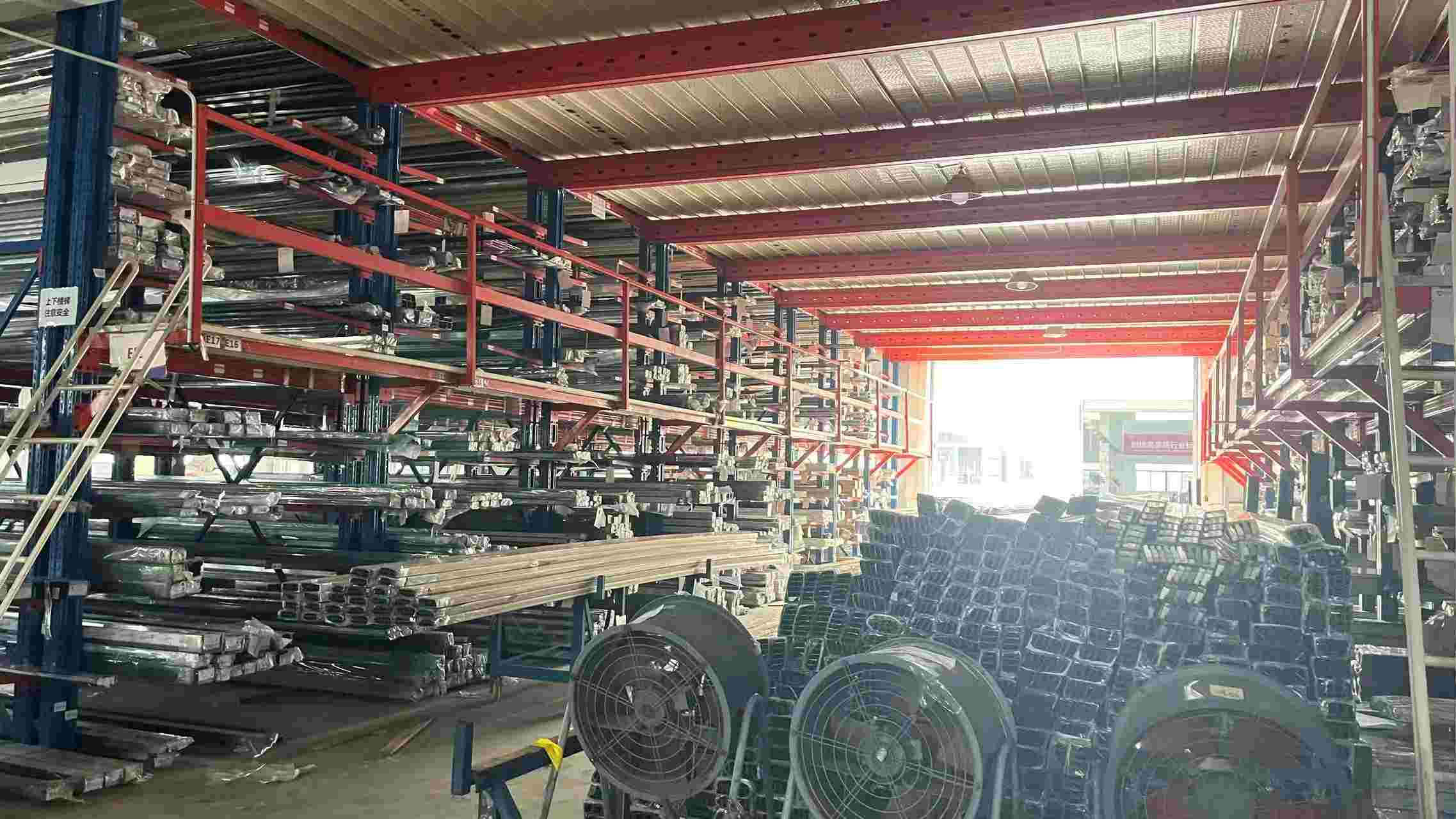 Raw Materials Inspection
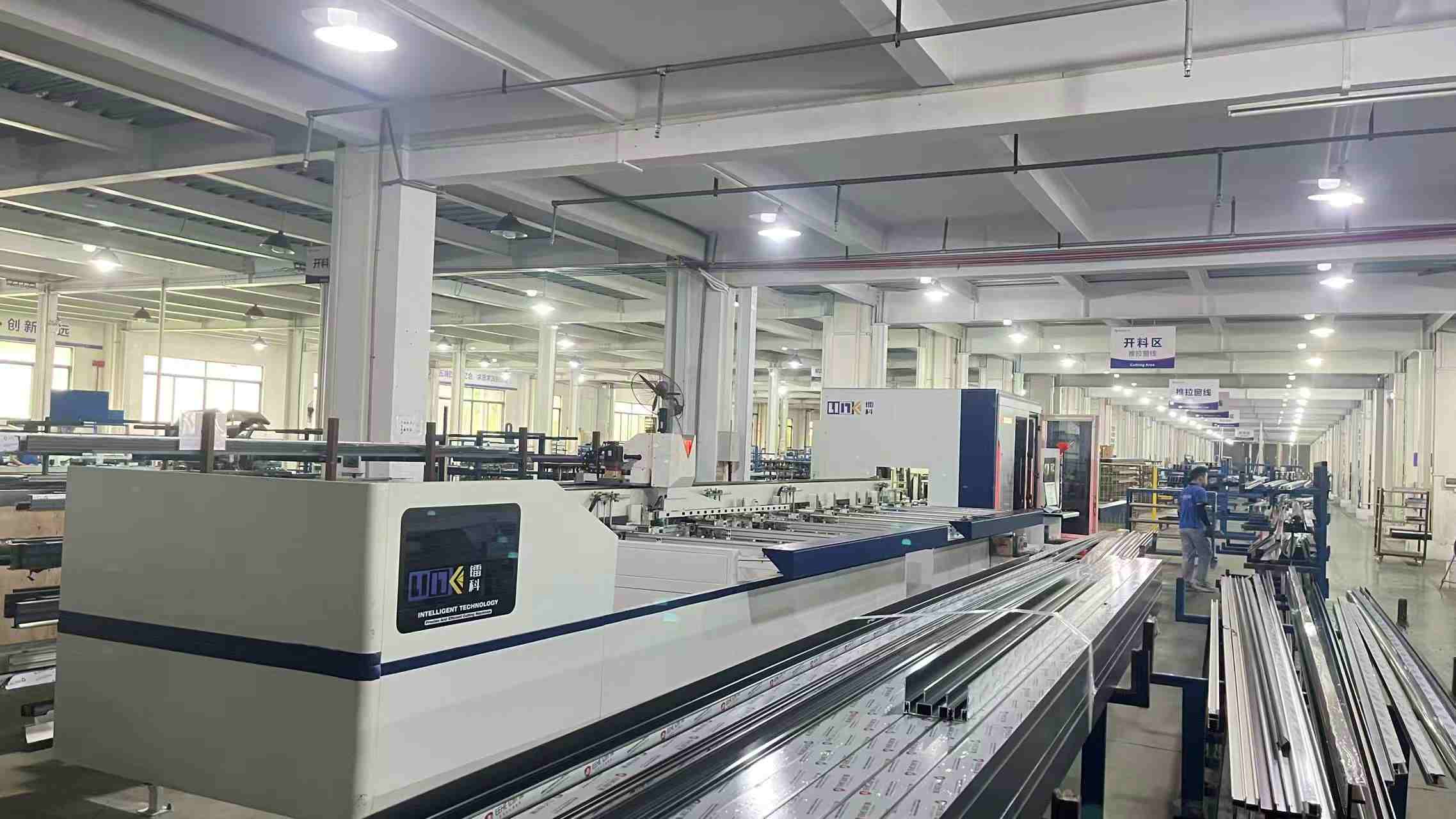 Precision Cutting
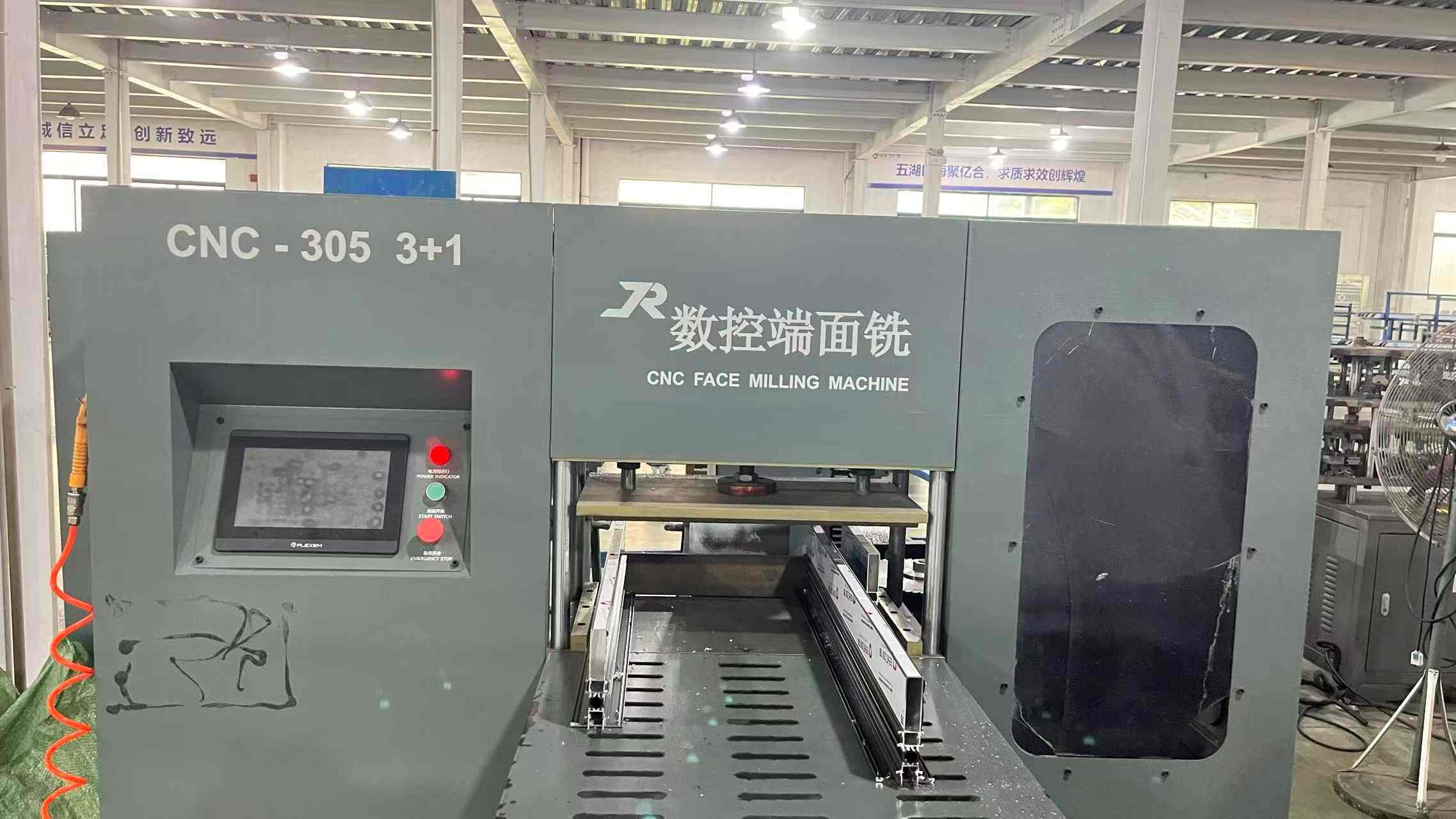 CNC Milling
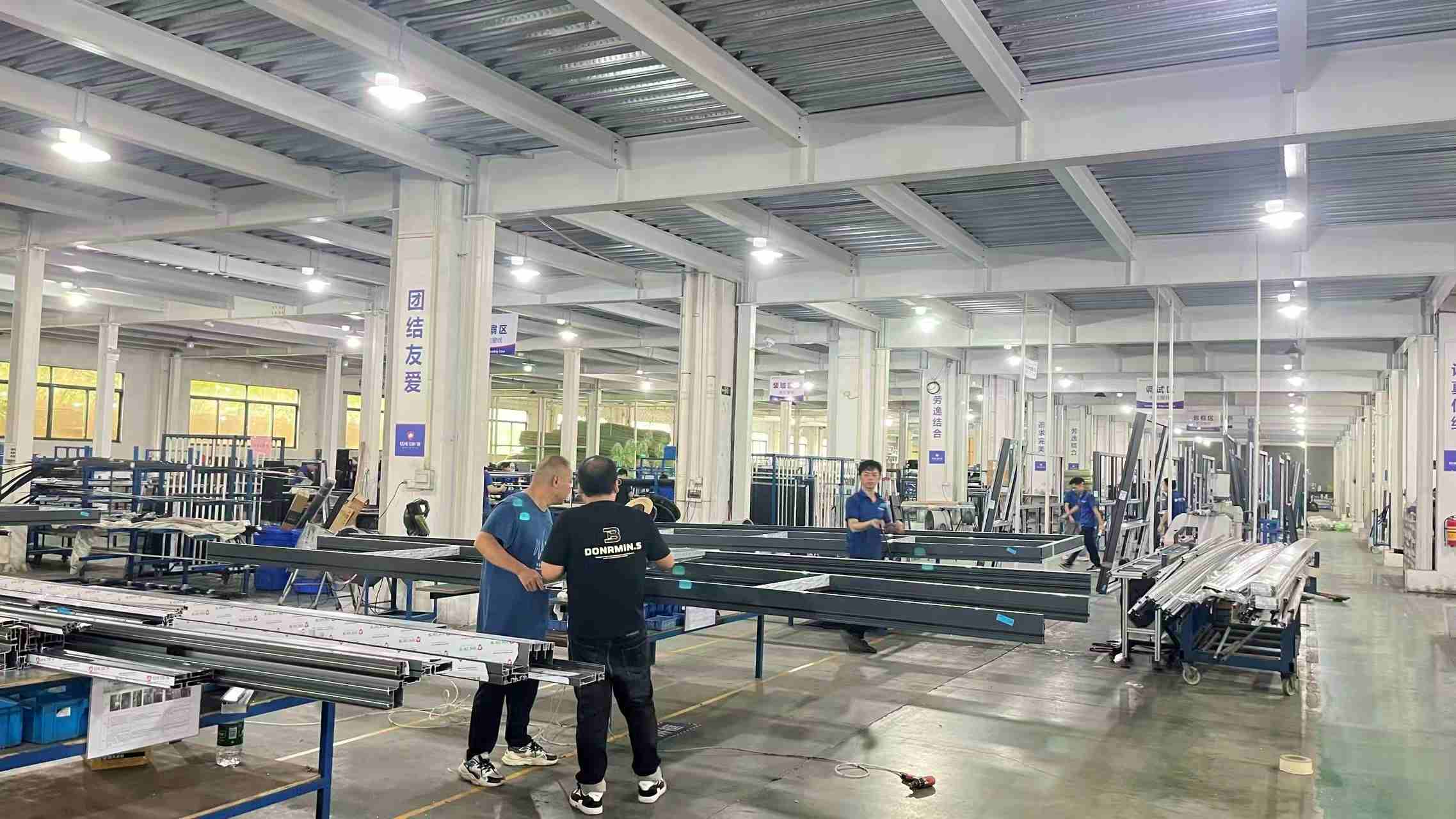 Frame Assembling
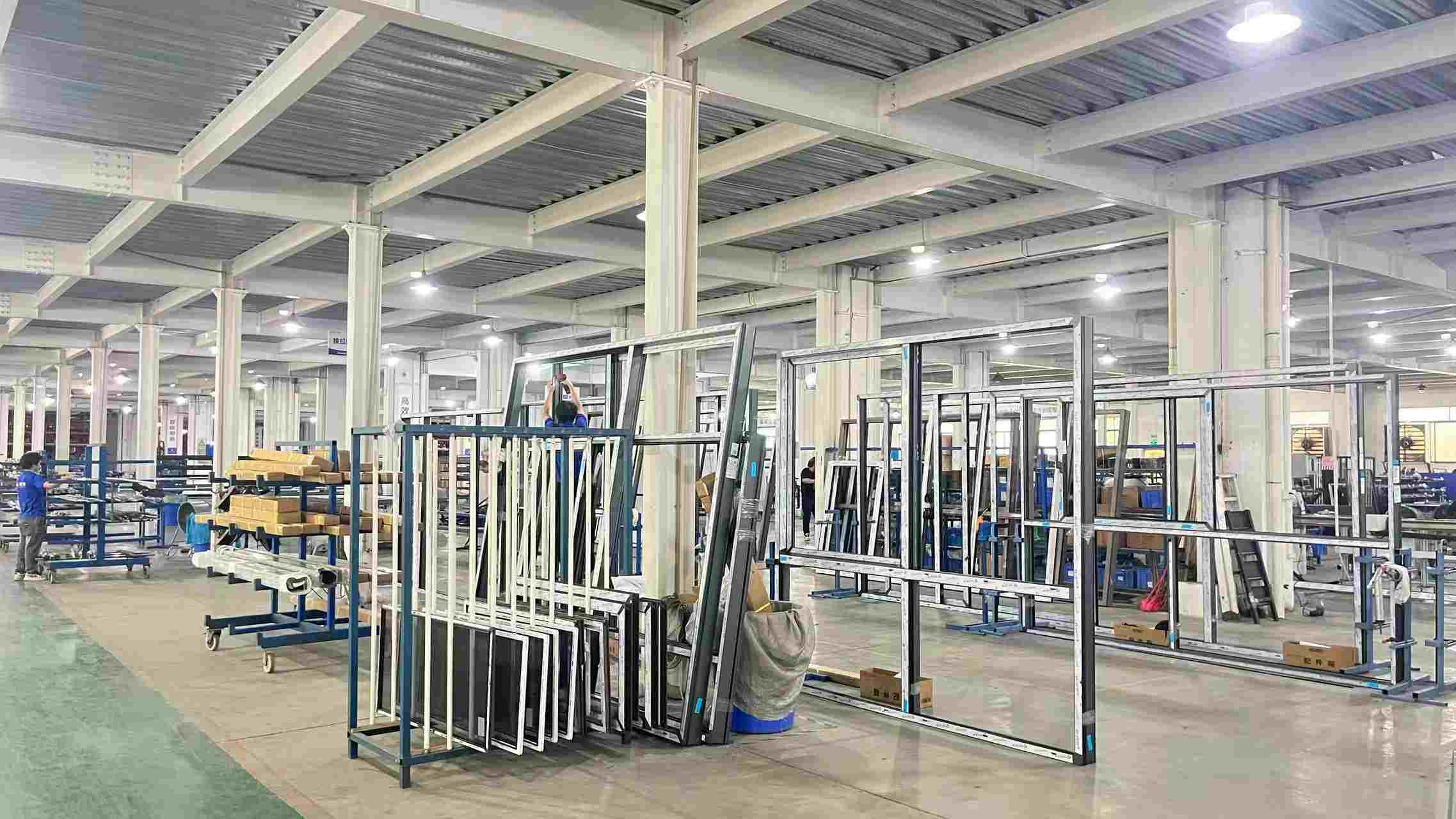 Core Panel Assembling
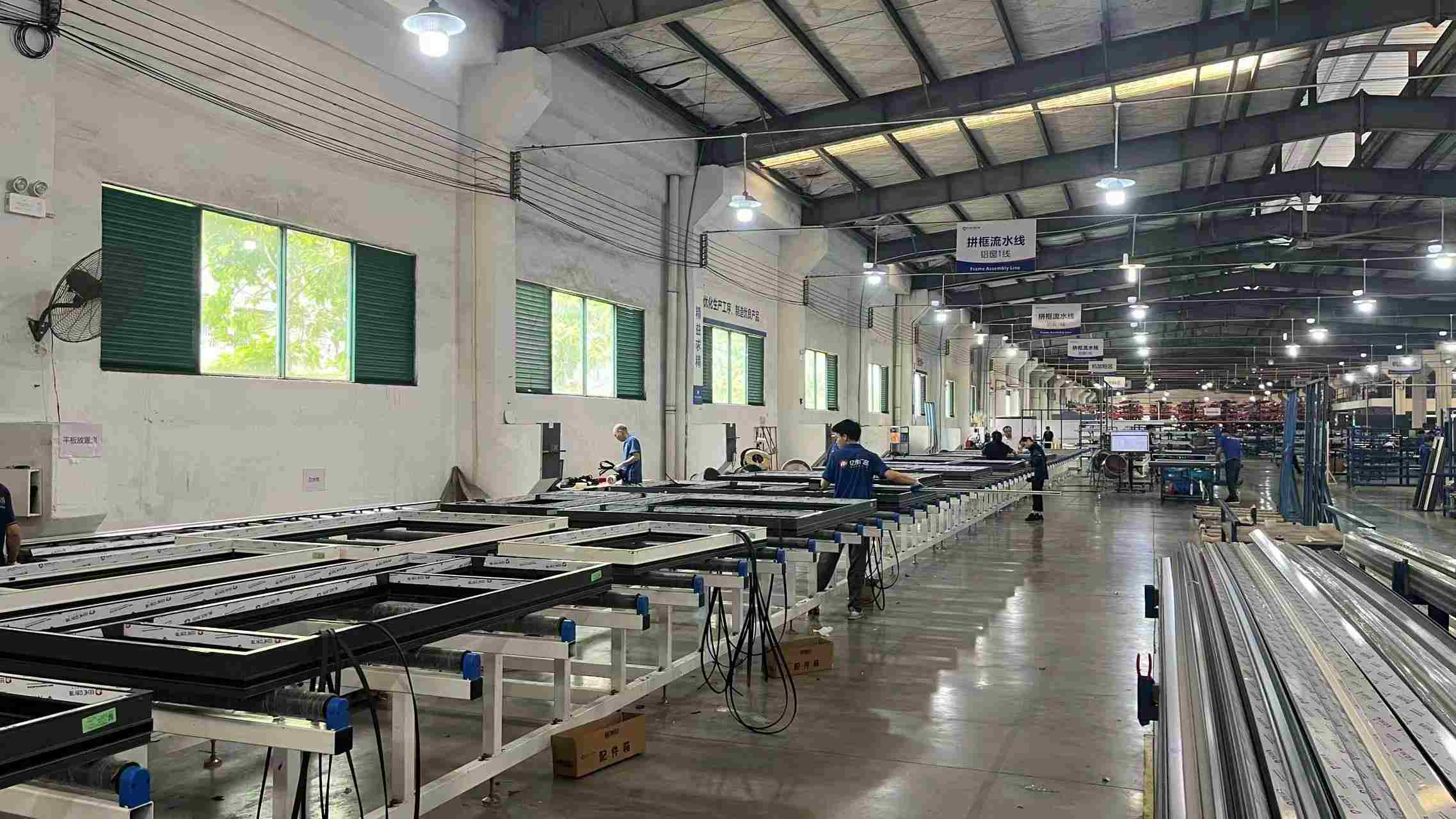 Insulation Gluing
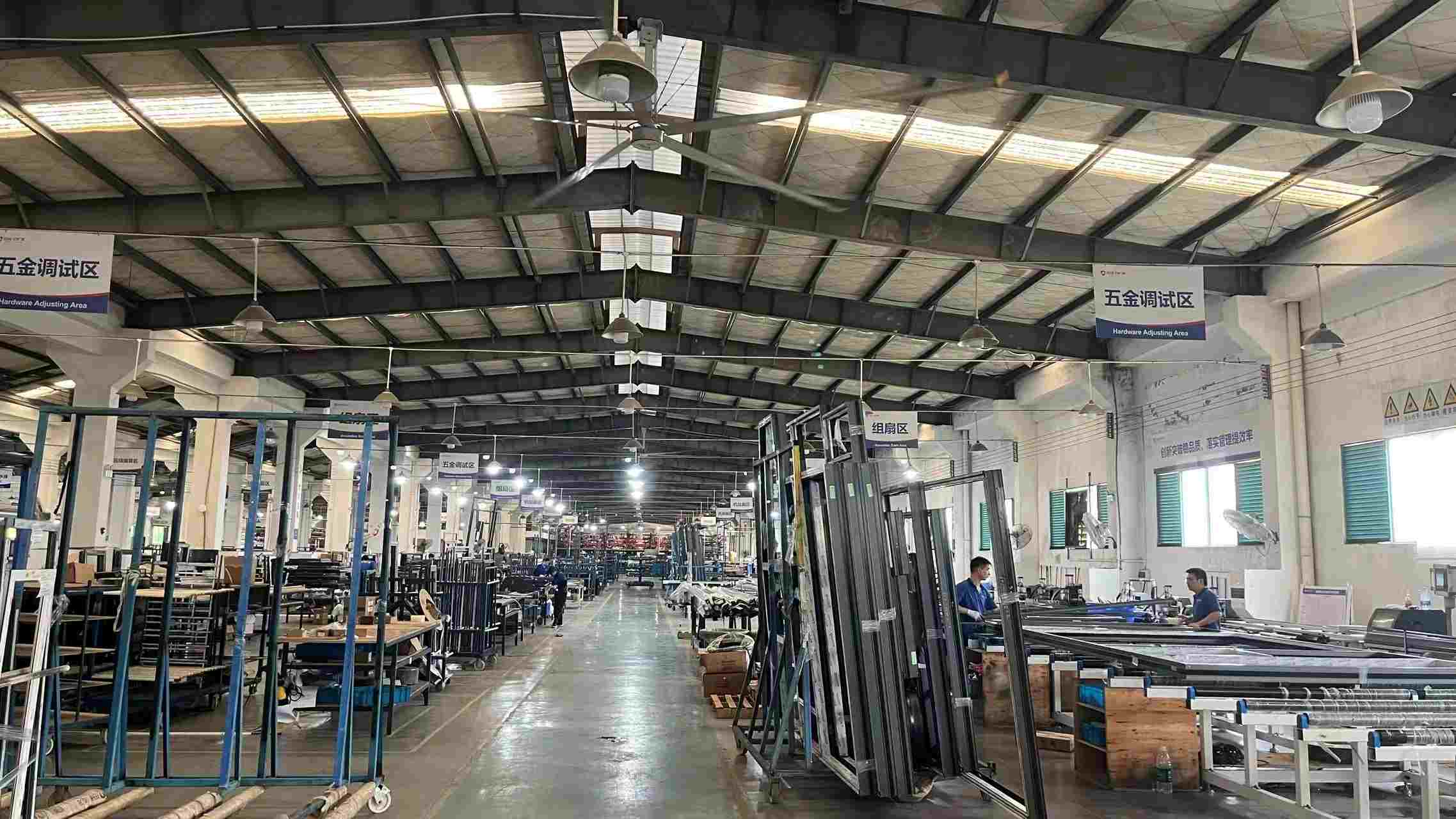 Performance Testing
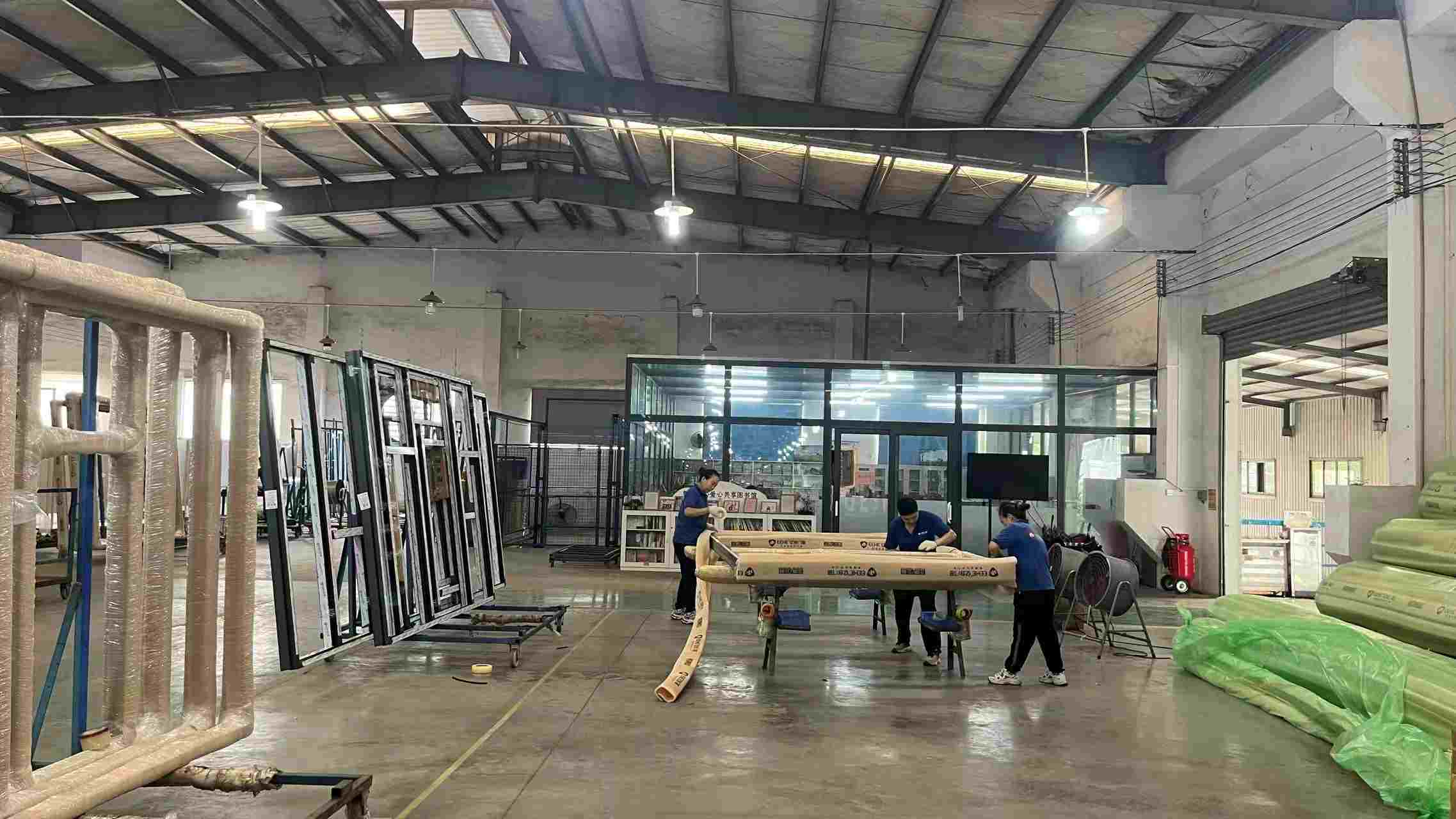 Export Packaging
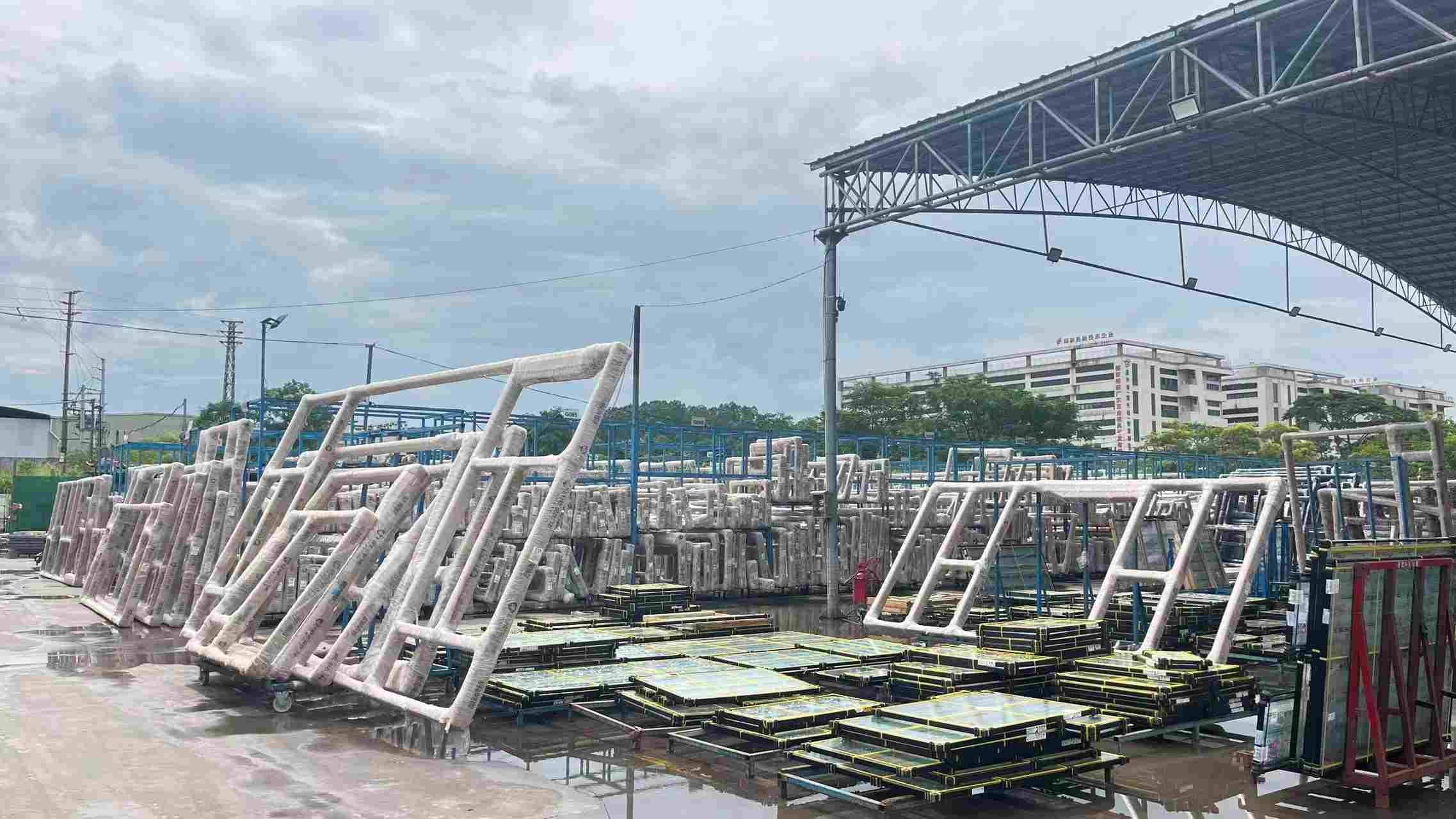 Warehouse Logistics
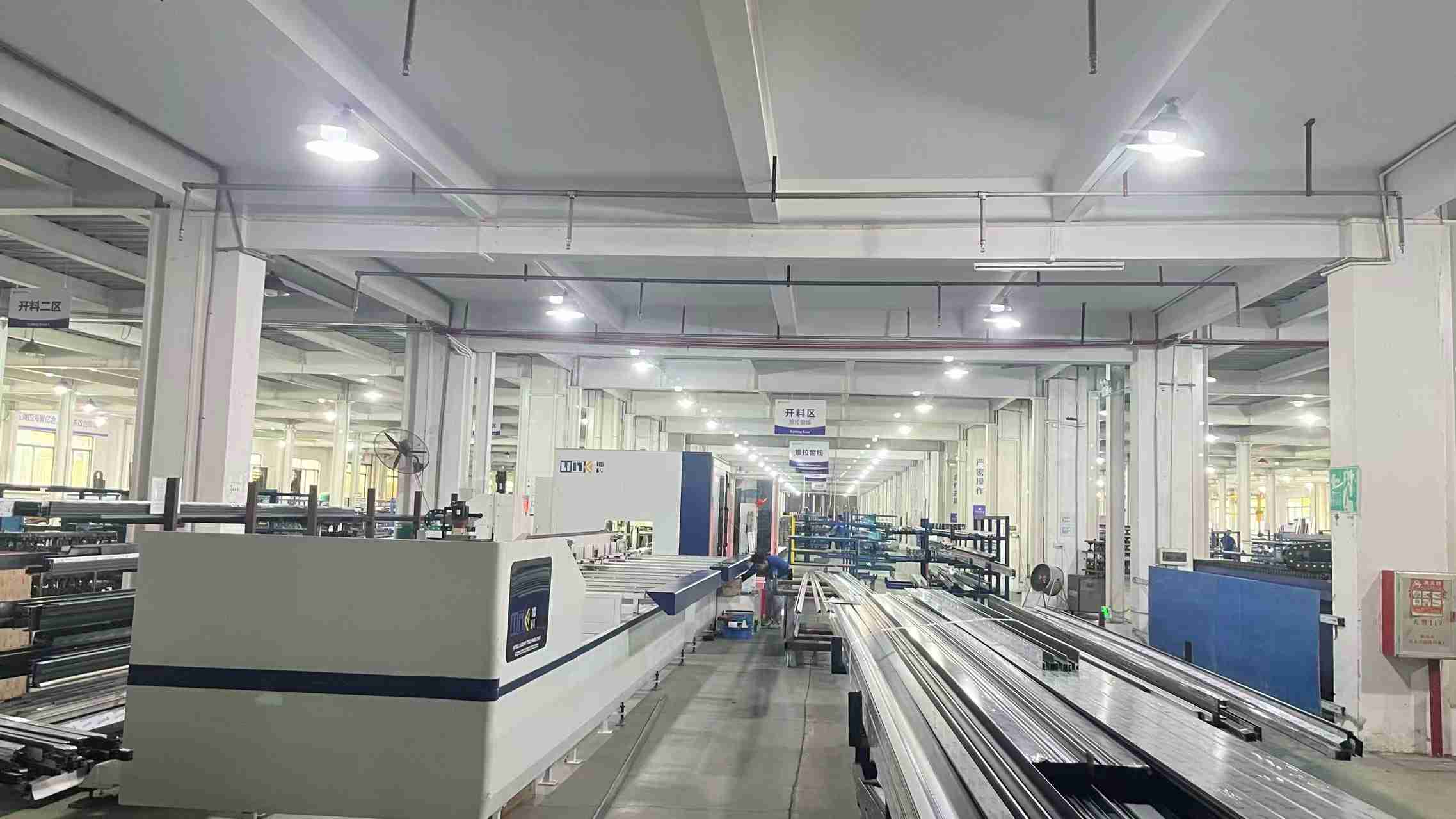 High-Speed Cutting Machine
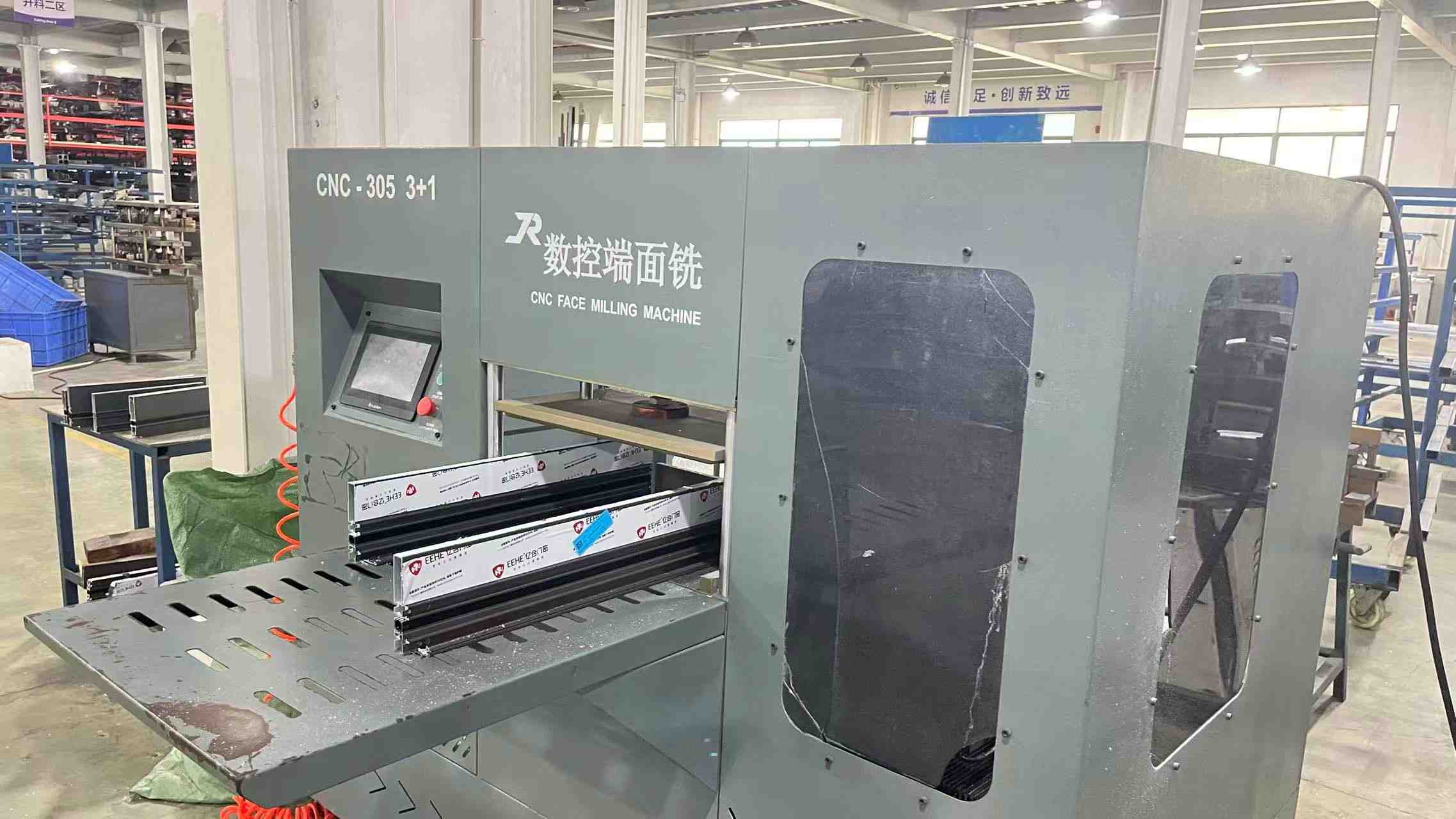 Automated Milling Machine
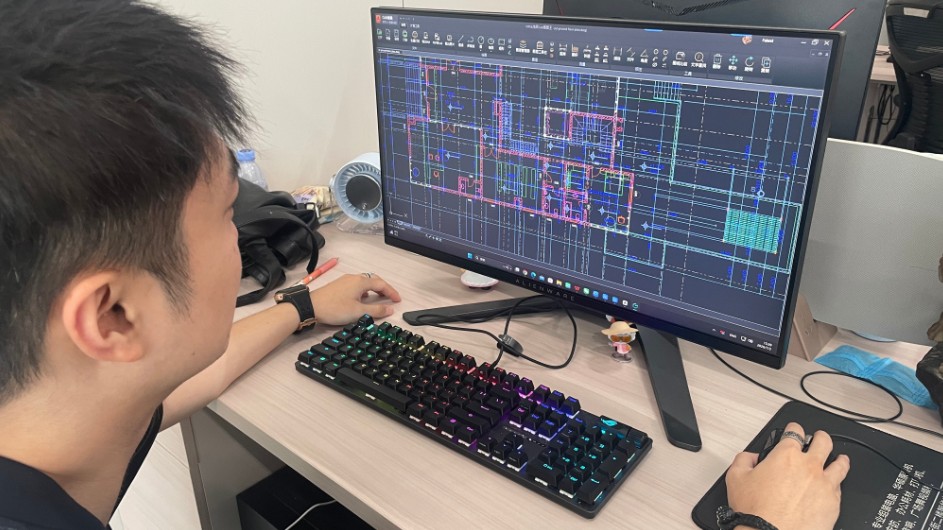 Bespoke CAD Design
Steelwar utilizes computer-aided engineering (CAD) and Building Information Modeling (BIM) workflows to bridge architectural concepts with shop-floor manufacturing. Every entry system undergoes automated finite element analysis (FEA) to simulate thermal transfer routes and wind load deflection prior to physical fabrication. This guarantees that custom door dimensions, window cutouts, and multi-point lock pre-drilling achieve sub-millimeter precision across mass production runs.
Deconstructing the Multi-Layer Insulation Architecture of Next-Generation Entry Systems
Modern entry doors engineered by top Chinese manufacturers employ high-density closed-cell polyurethane foam injected under 200 bars of hydraulic pressure. This process fills every internal cavity, creating an airtight thermal core with a thermal conductivity rating ($\lambda$) as low as 0.022 W/m·K. Unlike standard expanded polystyrene (EPS), high-density PUR prevents humidity absorption, preserves dimensional stability, and significantly reduces acoustic transmission.
Metal entry doors (both aluminum and heavy-gauge galvanized steel) incorporate PA66-GF25 (25% fiberglass reinforced polyamide) thermal break strips. These structural barriers isolate the exterior skin from the interior skin, stopping direct heat conduction. By breaking the metallic thermal bridge, these doors maintain warm interior surface temperatures even during sub-zero exterior conditions, preventing surface condensation and interior frost formation.
When insulated entry doors feature vision panels or side lites, advanced glazing technology is paramount. Top-tier manufacturers integrate triple-glazed Low-E glass units filled with 90% Argon gas, or cutting-edge Vacuum Insulated Glass (VIG) panels. Warm-edge spacer bars (TGI or stainless steel polymer hybrids) replace traditional conductive aluminum spacers, reducing edge-of-glass heat loss by up to 70%.
| Insulation Core Type | Density (kg/m³) | Thermal Conductivity (λ) | R-Value per Inch | Acoustic Attenuation (STC) | Moisture Resistance |
|---|---|---|---|---|---|
| High-Density Closed-Cell PUR | 45 - 50 kg/m³ | 0.022 - 0.024 W/m·K | R-6.0 to R-6.8 | STC 40 - 45 | Superior (Closed cell structure) |
| Expanded Polystyrene (EPS) | 18 - 25 kg/m³ | 0.035 - 0.038 W/m·K | R-3.8 to R-4.2 | STC 30 - 34 | Moderate (Absorbs moisture over time) |
| Aerogel Infused Fiber Matrix | 80 - 110 kg/m³ | 0.015 - 0.018 W/m·K | R-9.0 to R-10.5 | STC 42 - 48 | Hydrophobic (Maximum endurance) |
| Honeycombed Solid Mineral Wool | 100 - 140 kg/m³ | 0.038 - 0.042 W/m·K | R-3.6 to R-4.0 | STC 44 - 50 (Fire Resistant) | High (Non-combustible, breathable) |
Customizing Entry Door Architectures to Overcome Extreme Global Environmental Challenges
In regions like Northern Canada, Scandinavia, and the US Midwest (IECC Climate Zones 6-8), entry doors face ambient temperatures dropping below -30°C. Standard doors suffer frame warping and severe perimeter air leakage. China manufacturers address this by combining heavy-duty 70mm+ thermal break door leaves, dual magnetic weatherstripping, and silicone thermal compression gaskets. This setup prevents frost buildup around jambs and ensures smooth multi-point lock operation despite freeze-thaw cycles.
Coastal developments in Florida, the Caribbean, and Southeast Asia demand high thermal performance paired with intense hurricane impact resistance. Manufacturers design heavy-gauge galvannealed steel and 6063-T5 aluminum doors with internal ballistic cores and laminated impact glass. These assemblies pass ASTM E1886/E1996 missile impact testing and resist salt-spray corrosion via 10,000-hour fluorocarbon (PVDF) powder coatings.
In desert environments, surface exterior temperatures on metal entry doors can exceed 80°C while interior rooms are cooled to 20°C. This extreme temperature differential causes differential thermal expansion (the "bowing effect"). Premium Chinese suppliers utilize floating interior panel retention systems and high-grade PA66 thermal struts to absorb thermal expansion, preserving structural seal integrity and preventing door binding.
Commercial entry portals—such as hotel lobbies, multi-family apartment complexes, and healthcare facilities—require high durability alongside sound thermal insulation. Steelwar integrates heavy-duty concealed continuous hinges, automatic drop-down bottom seals, panic exit hardware, and automated smart access controls without compromising the continuous thermal barrier.
Why Partnering with Top Chinese Entry Door Manufacturers Delivers Unmatched B2B ROI
China's industrial door ecosystems benefit from hyper-concentrated raw material clusters. Sourcing aluminum profiles, galvanized steel coils, specialized PUR chemicals, hardware, and certified Low-E glass within a 50-kilometer radius minimizes logistics lead times and shields production schedules from global supply disruptions.
Leading facilities leverage automated 5-axis CNC machining centers, automated robotic welding arms, and continuous high-pressure polyurethane foaming lines. Automation ensures structural tolerances within ±0.5mm across high-volume production, eliminating human error during frame assembly and hardware pocket routing.
Unlike rigid Western manufacturers restricted to standard catalog dimensions, Chinese factories excel at bespoke customization. OEM buyers can specify custom frame depths (e.g., 4-9/16" or 6-9/16"), custom jamb extensions, integrated smart locks (biometric, RFID, keypad), and custom RAL architectural powder-coat finishes with low minimum order quantities (MOQs).
Meeting International Building Codes & Assuring Seamless Cross-Border Logistics
For international buyers, regulatory compliance is non-negotiable. Top Chinese insulated door manufacturers hold rigorous global certifications that streamline building inspection approvals:
Navigating international ocean freight and local port customs requires comprehensive export documentation. Industry-leading suppliers provide full DDP (Delivered Duty Paid) shipping packages, export ISPM-15 compliant sea-worthy crate packaging, detailed shop drawings, BIM models for architectural planning, and multi-lingual step-by-step installation guides.
Direct Insights for Sourcing Managers, Building Material Wholesalers, and General Contractors
Discover additional architectural solutions engineered for residential, commercial, and multi-family construction.
 Steelwar