Explore our premier engineered fenestration products certified to global standards including NFRC, Florida NOA, AS2047, and Title 24 compliance.
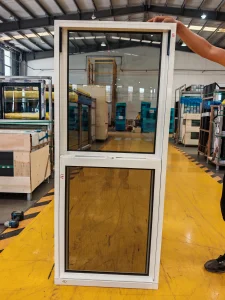
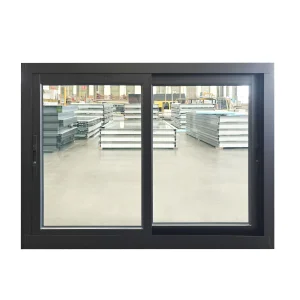
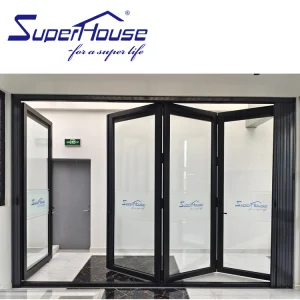
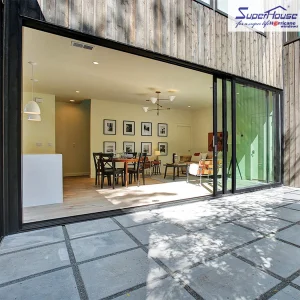
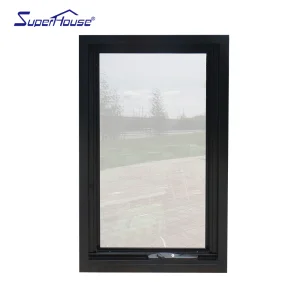
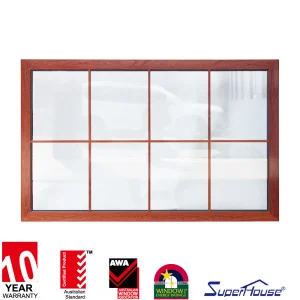
Established in 2003, Steelwar Entry Systems Co., Ltd. operates a large-scale 40,000 m² manufacturing plant specializing in high-security exterior entry doors and advanced architectural aluminum window systems. With 21 years of continuous industry experience and 9 years of robust global export capabilities, the company generates $35 million in annual export turnover. Steelwar focuses on key markets across North America, the Middle East, and Eastern Europe, primarily supplying building material distributors, security door stockists, and commercial construction contractors.
Supported by a solid trade background and a network of 1,100 supply chain partners, Steelwar maintains strict product reliability. Quality control is managed by a dedicated team of 50 QC specialists who execute dynamic impact resistance testing, automated frame tolerance checks, and dynamic corrosion-resistant coating audits. The company's engineering strength is backed by 75 R&D engineers who introduced 230 new product models last year. Custom architectural options include ballistic steel cores, multi-point smart lock integration, customized RAL color finishes, and bespoke frame depths.
The global commercial and residential architectural landscape is undergoing a structural transition toward decarbonization, high-performance building envelopes, and ultra-narrow visual profiles. Aluminum window manufacturers and suppliers must address severe climate variations, stringent building code revisions, and urban noise pollution through advanced metallurgical and thermal engineering.
Modern aluminum profiles utilize 24mm to 34mm Polyamide (PA66-GF25) thermal break strips reinforced with 25% glass fiber. This breaks the conductive thermal bridge inherent to metallic frames, reducing U-factors down to 0.8 - 1.2 W/m²K for net-zero carbon building envelope projects.
High-tensile 6063-T6 architectural aluminum alloy extrusions provide superior yield strength and exceptional surface finishing capabilities. The material structural integrity withstands coastal hurricane velocity pressures while allowing ultra-slim sightlines under 30mm.
To resist severe UV degradation and atmospheric chemical exposure, frames undergo 25-micron Fluorocarbon PVDF coating or Qualicoat Class 2 electro-powder coating, passing rigorous 3,000-hour neutral salt spray (NSS) environmental validation.
Commercial real estate developers and general contractors require absolute assurance of localized regulatory compliance. Our product lineup undergoes stringent physical testing across international testing bodies.
| Target Region | Certification Standard | Key Testing Parameters | Structural / Thermal Performance |
|---|---|---|---|
| North America (USA/Canada) | NFRC / AAMA / WDMA / CSA | U-Factor, SHGC, Air Infiltration (ASTM E283), Water Resistance (ASTM E331) | U-Factor ≤ 0.22 BTU/h·ft²·°F DP Rating: Up to DP70 |
| Florida HVHZ (USA) | Florida Building Code (NOA) | Large Missile Impact Test (TAS 201), Cyclic Wind Pressure (TAS 203) | Design Pressure: ±100 PSF Structural Load: 7500 Pa |
| Australia / New Zealand | AS2047 / AS1288 | Deflection Test (AS4040.1), Operating Force, Ultimate Strength | Passes 4500Pa Ultimate Limit State (ULS) |
| European Union (EU) | CE Mark / EN 14351-1 | Acoustic Isolation (EN ISO 717-1), Thermal Transmittance (EN ISO 10077) | Sound Reduction: Up to 45 dB Air Tightness: Class 4 |
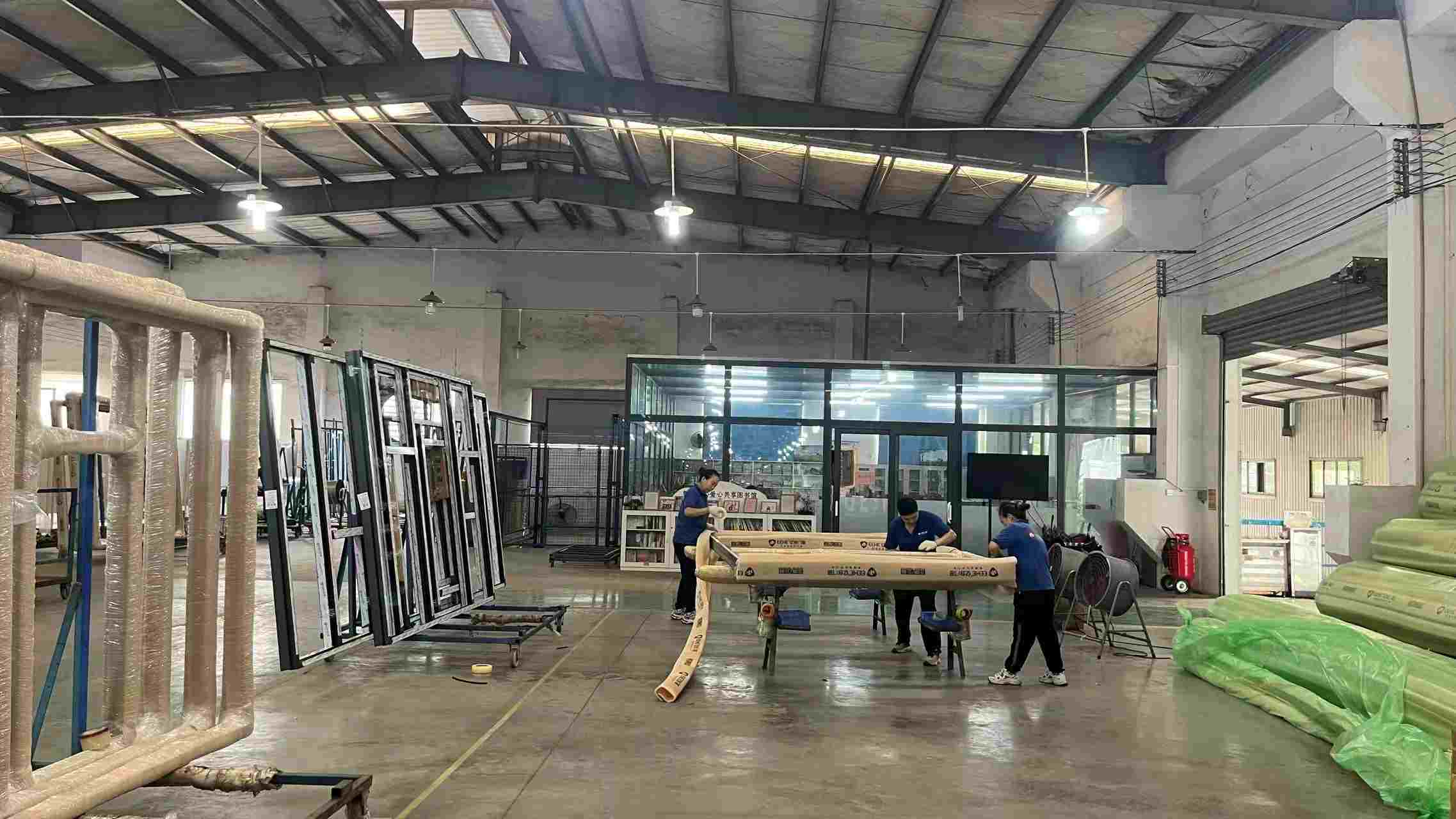
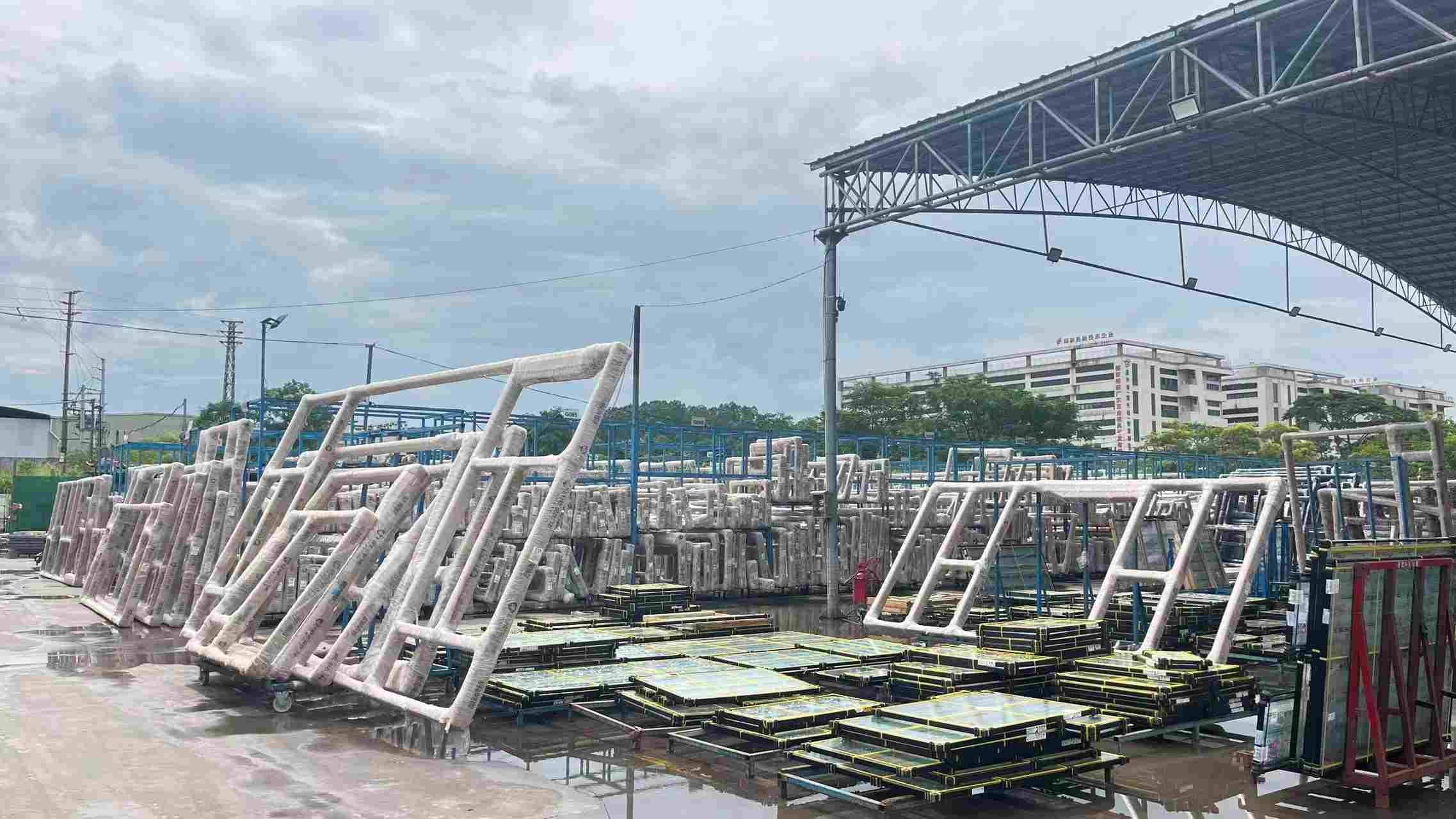
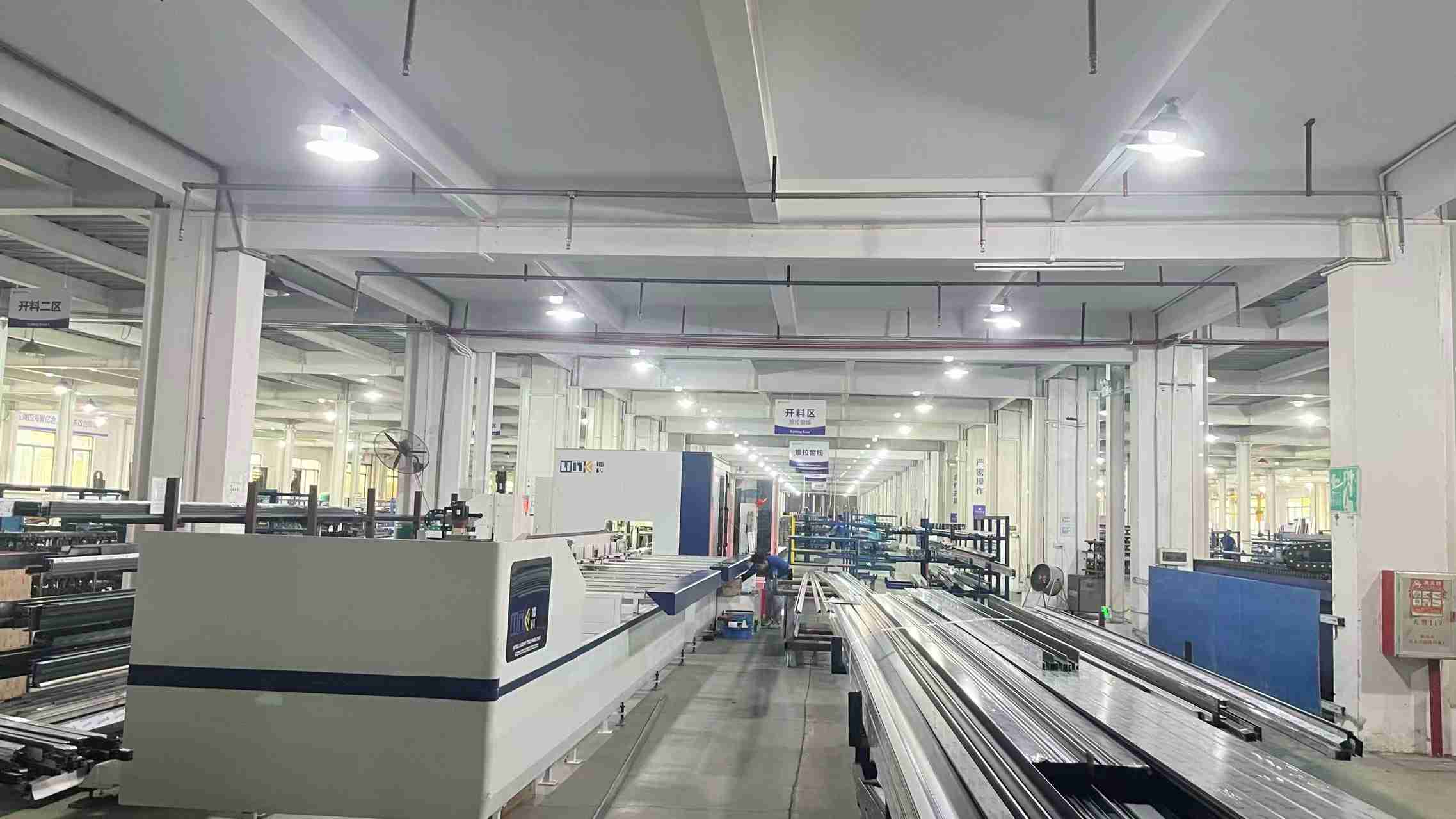
Every custom frame engineered at the Steelwar facility passes through an 11-stage quality-controlled fabrication chain to ensure seamless corner jointing, weatherproofing integrity, and dynamic operation longevity.
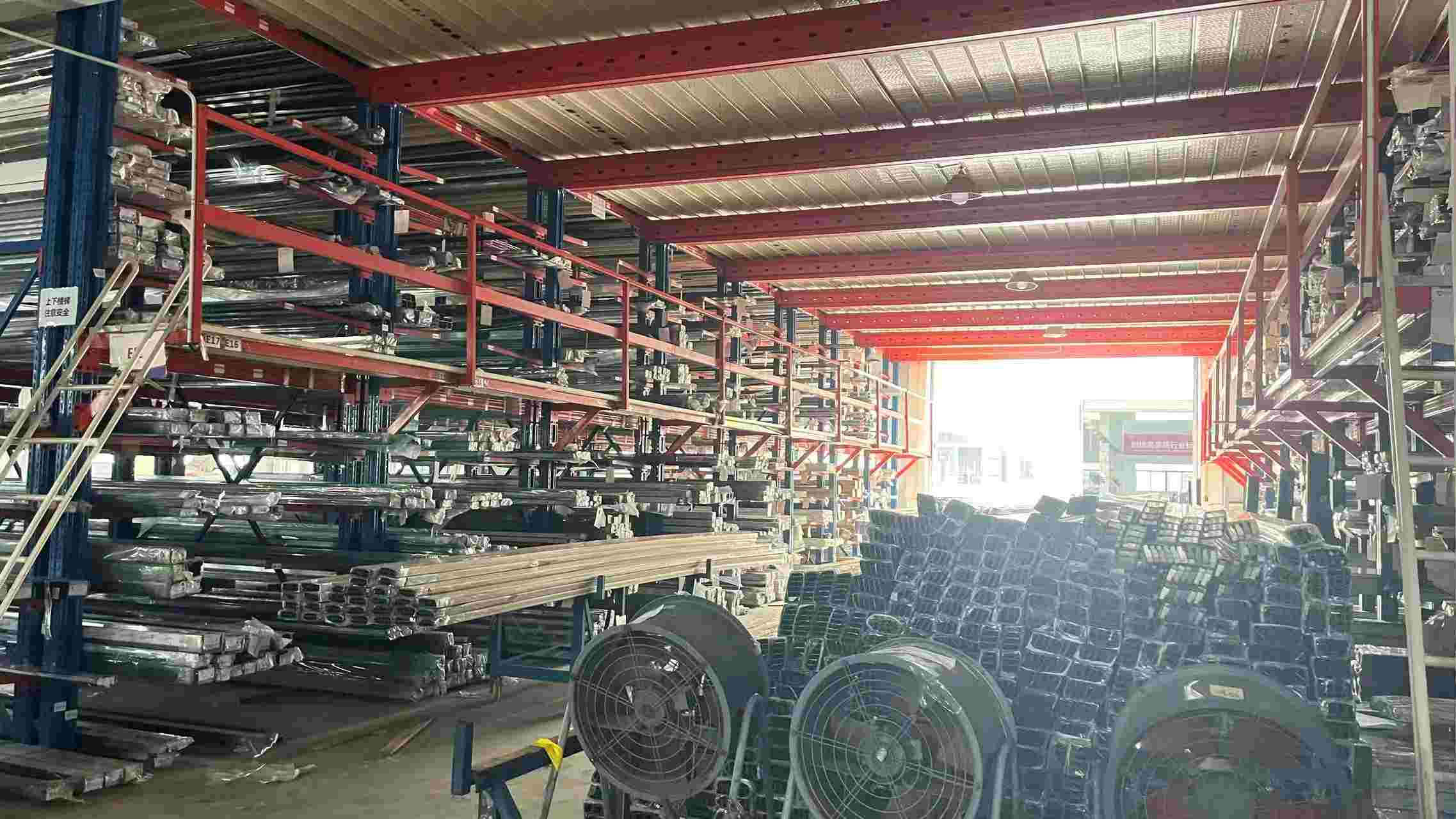
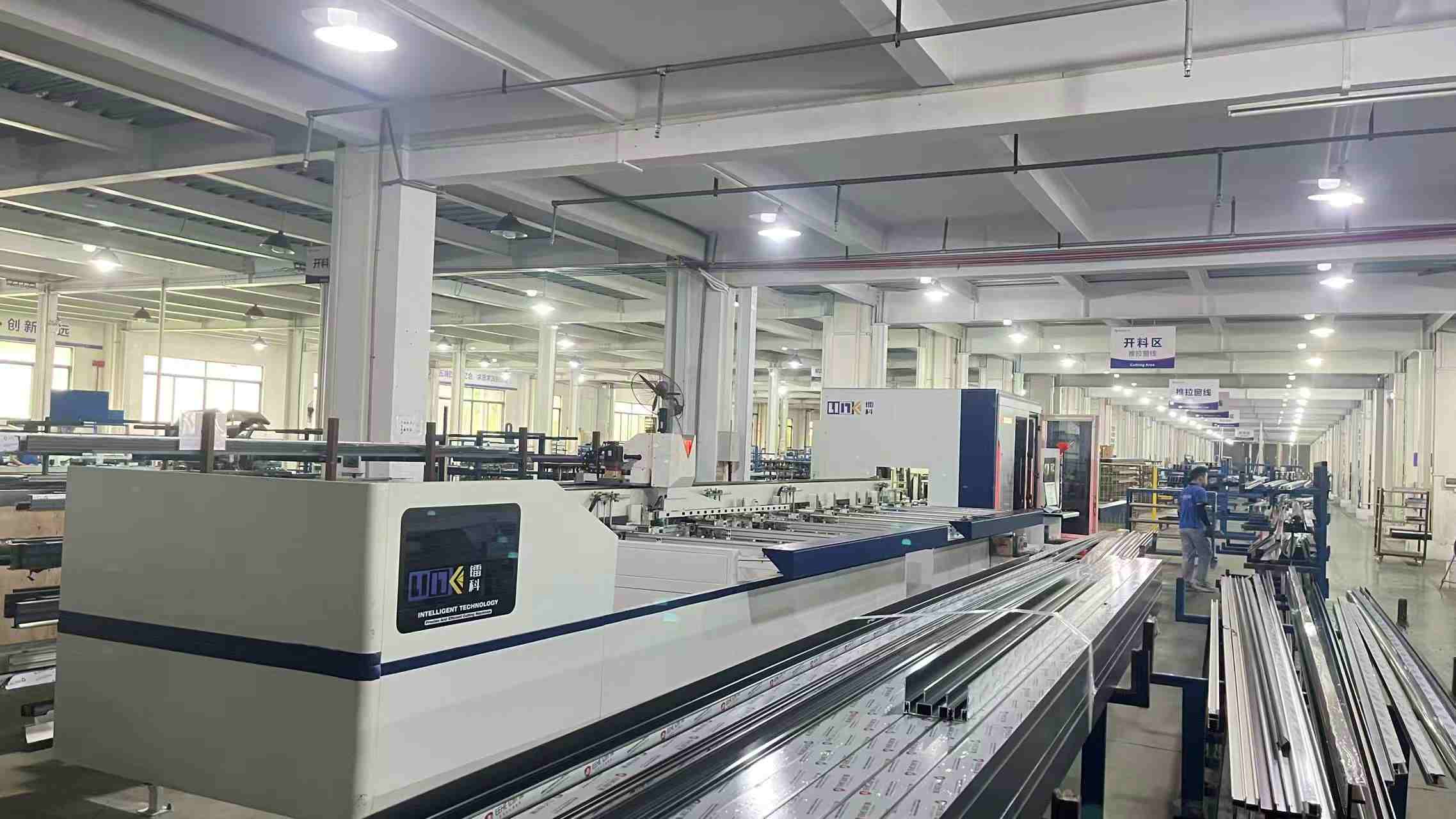
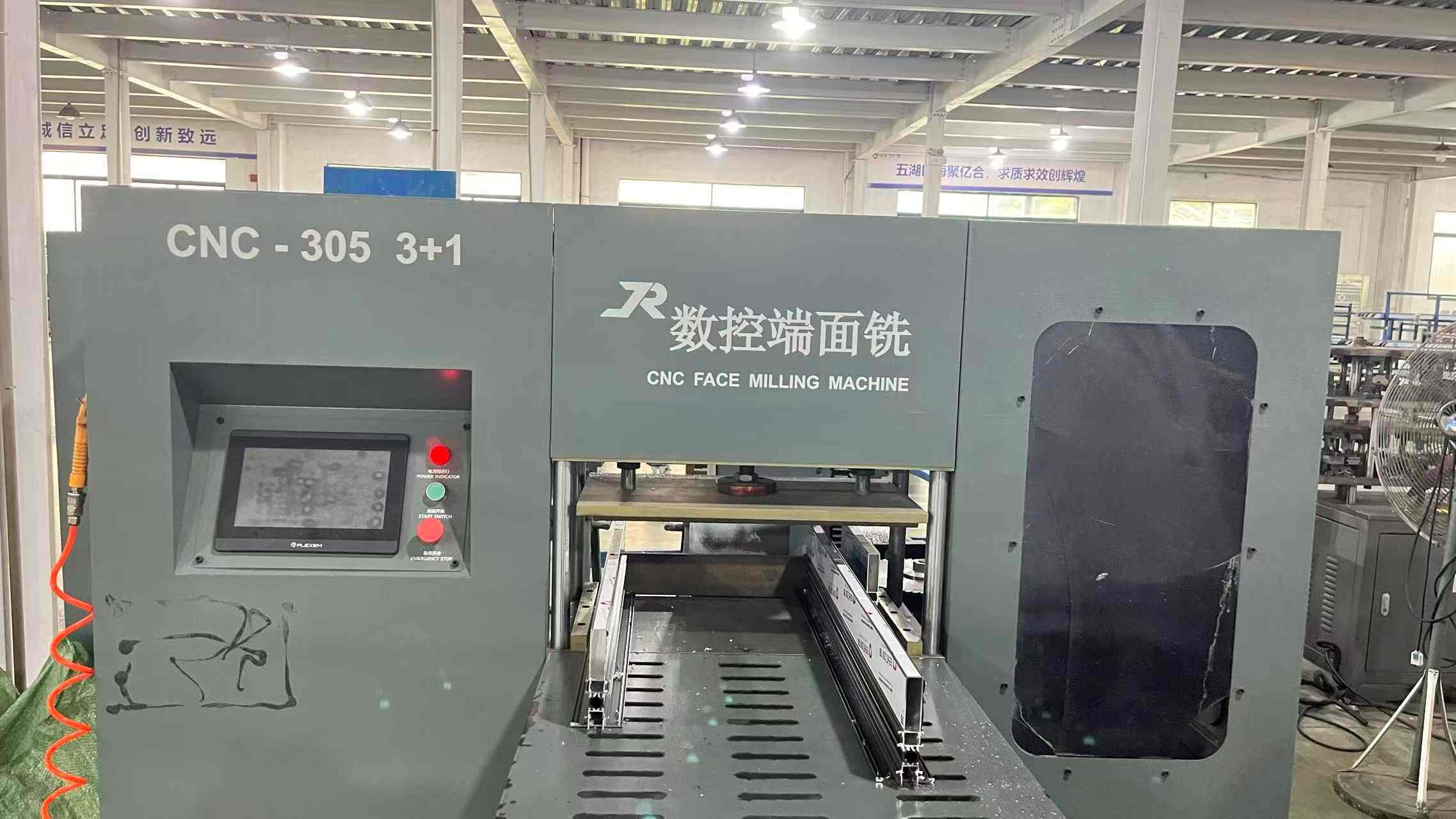
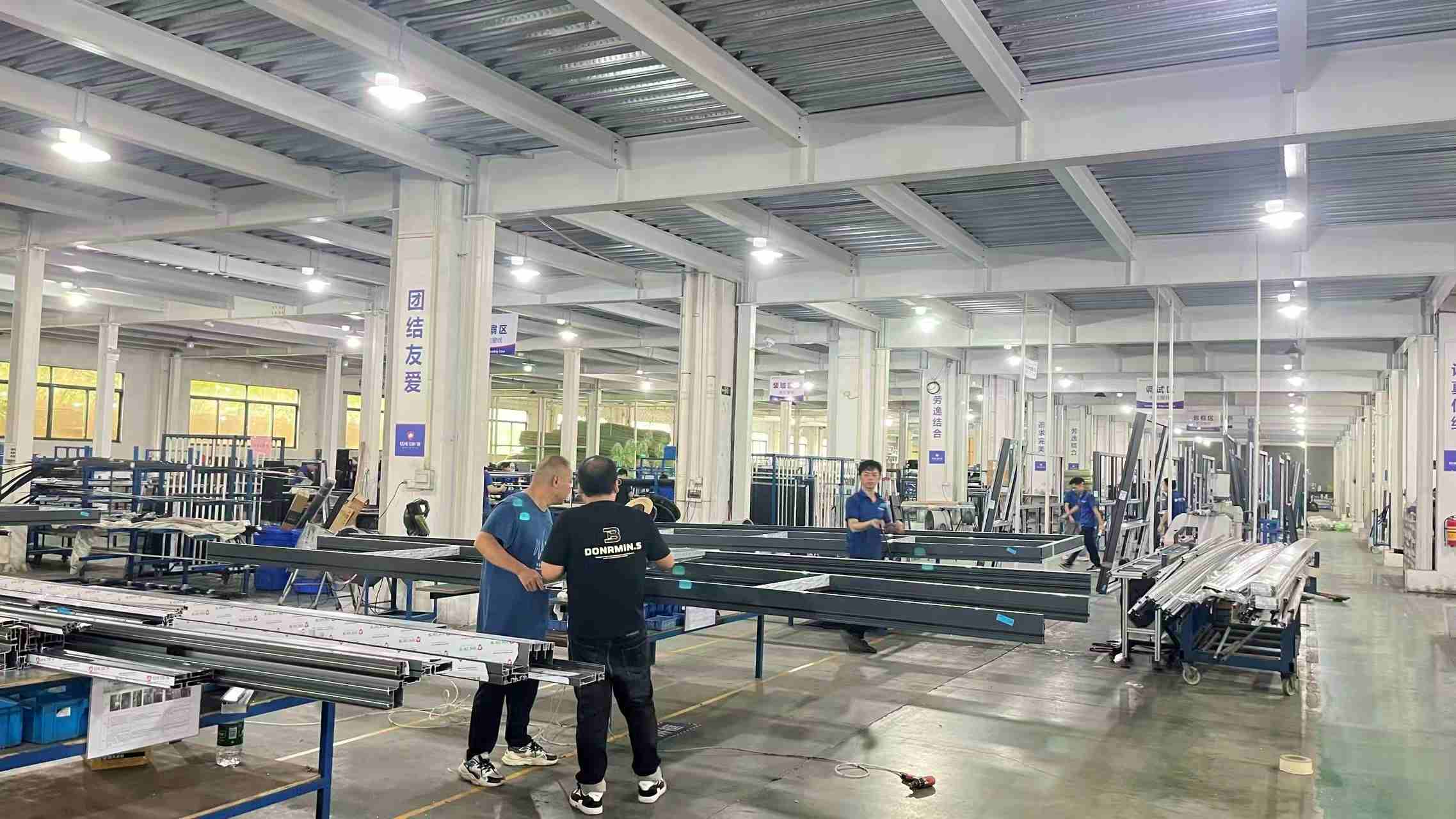
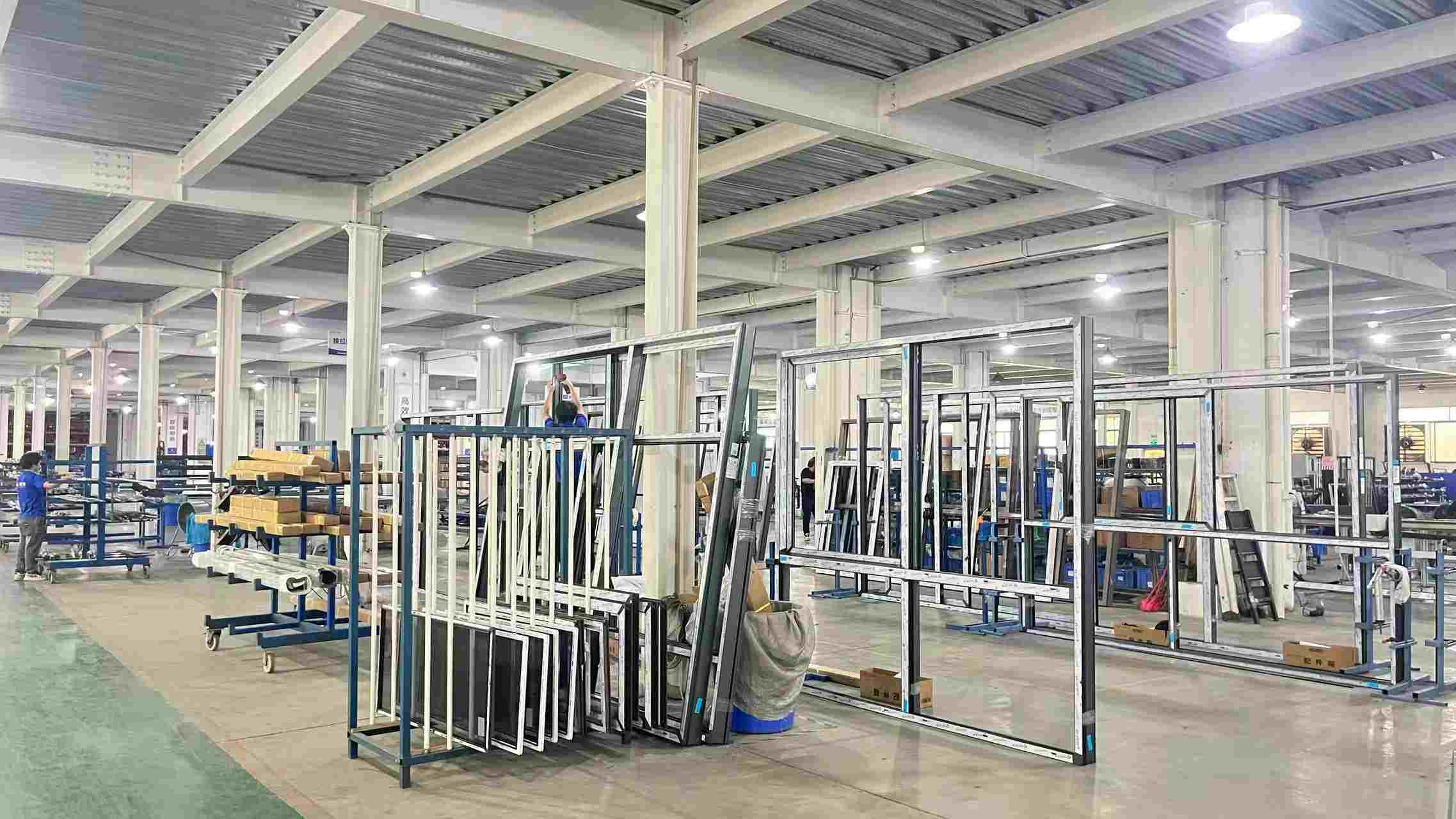
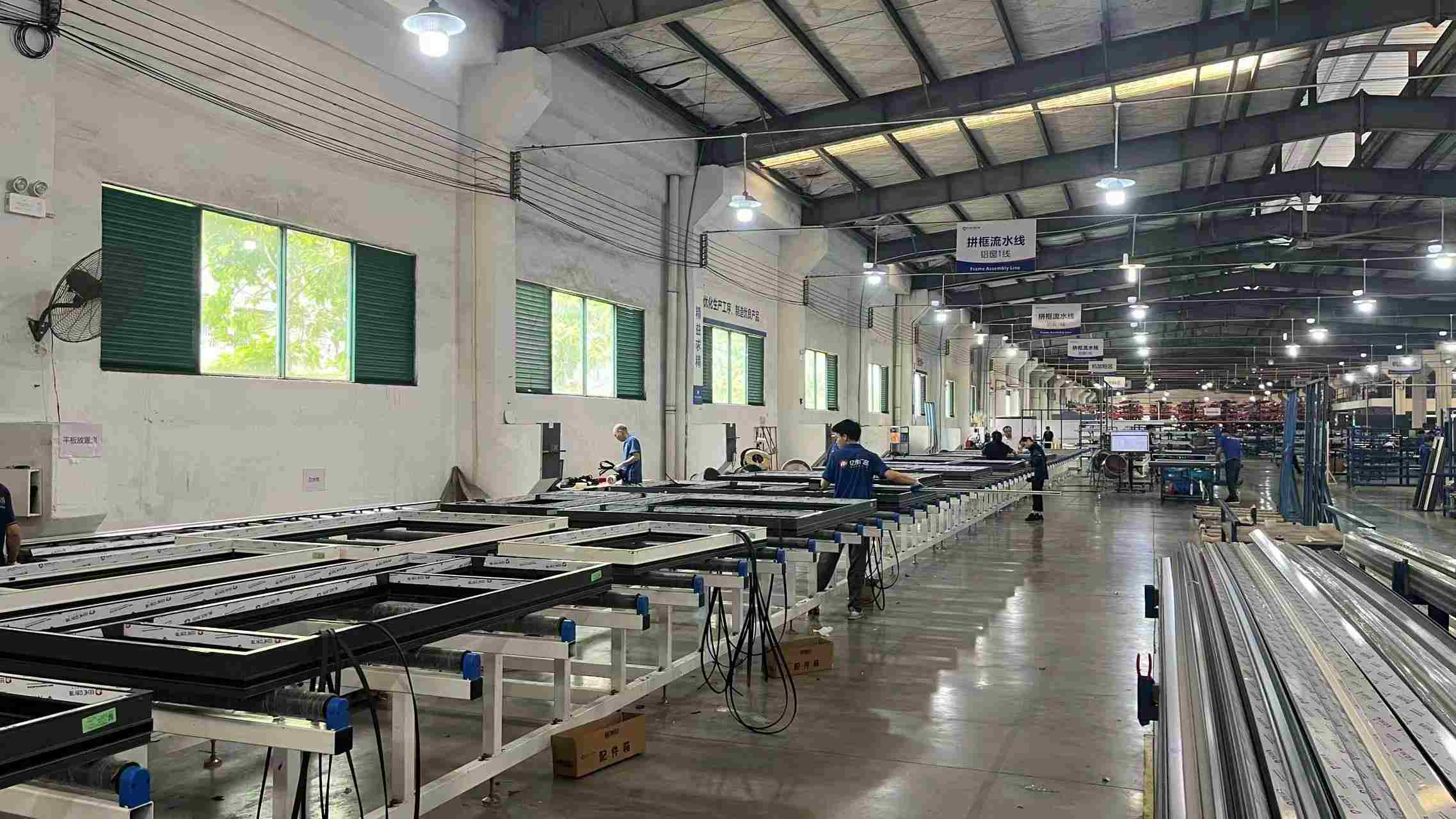
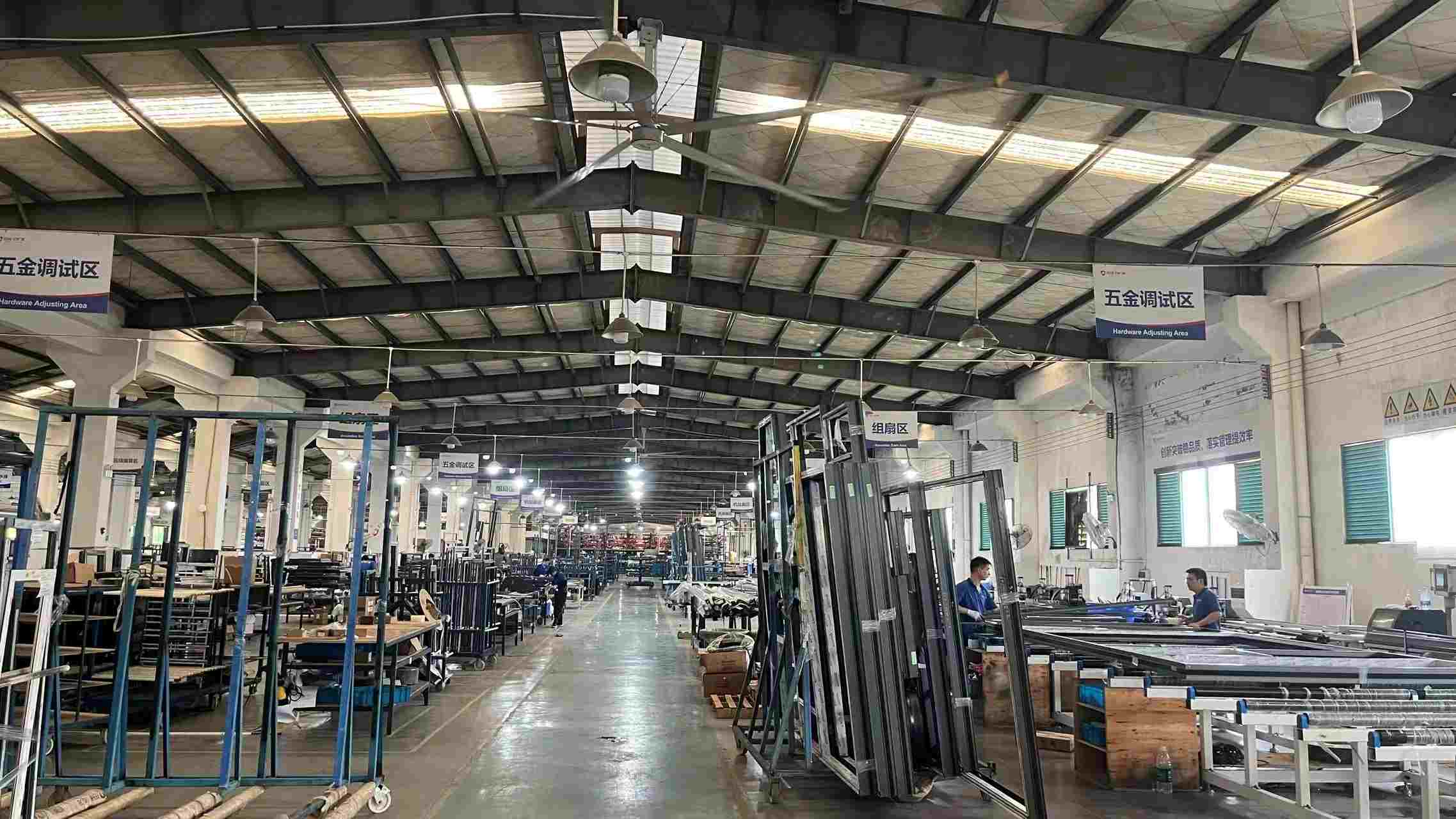
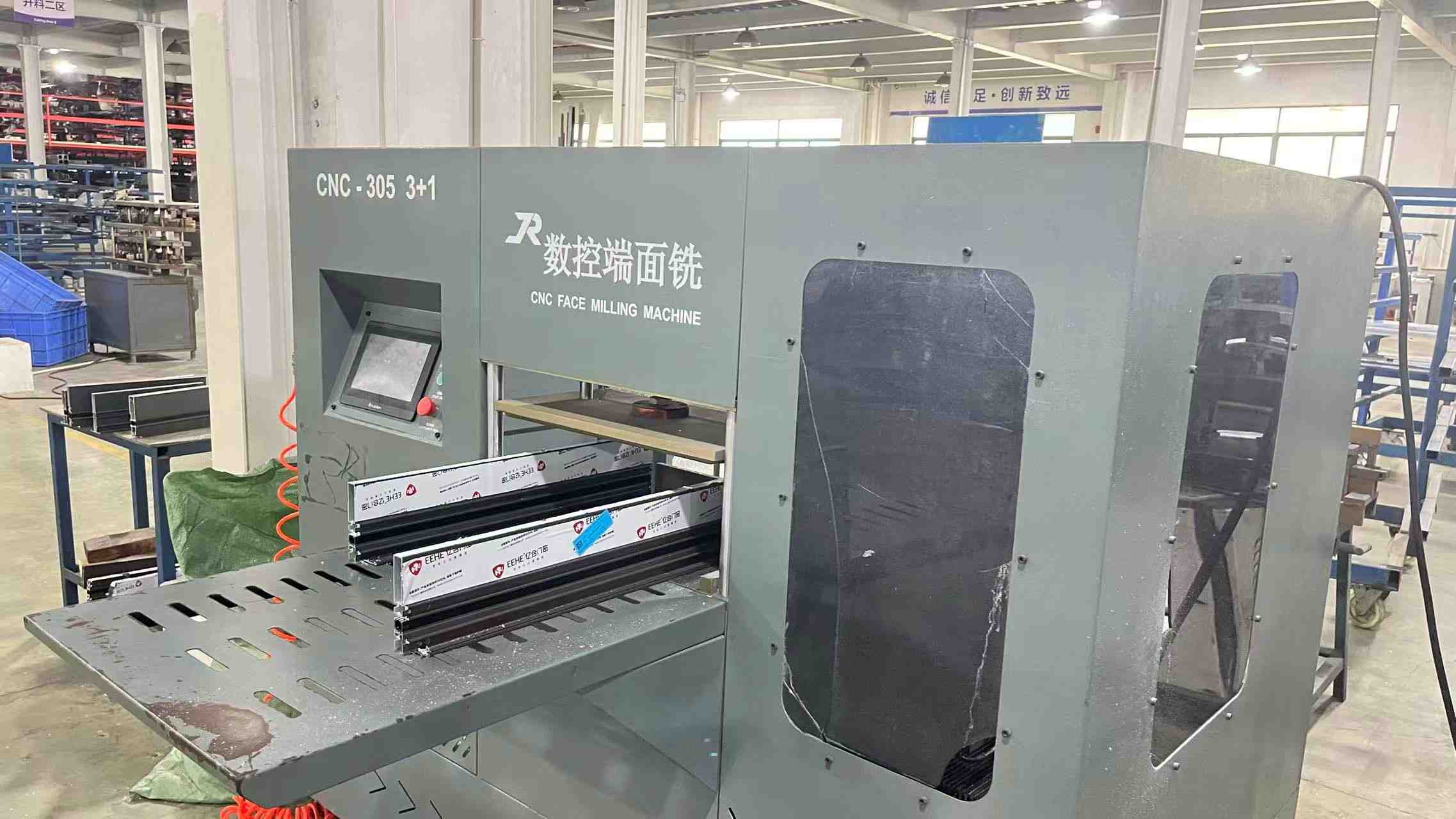
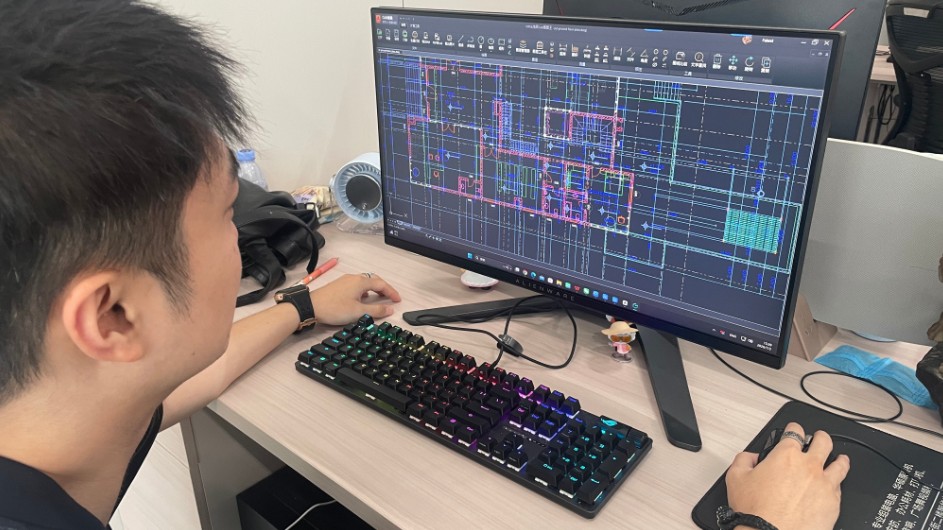
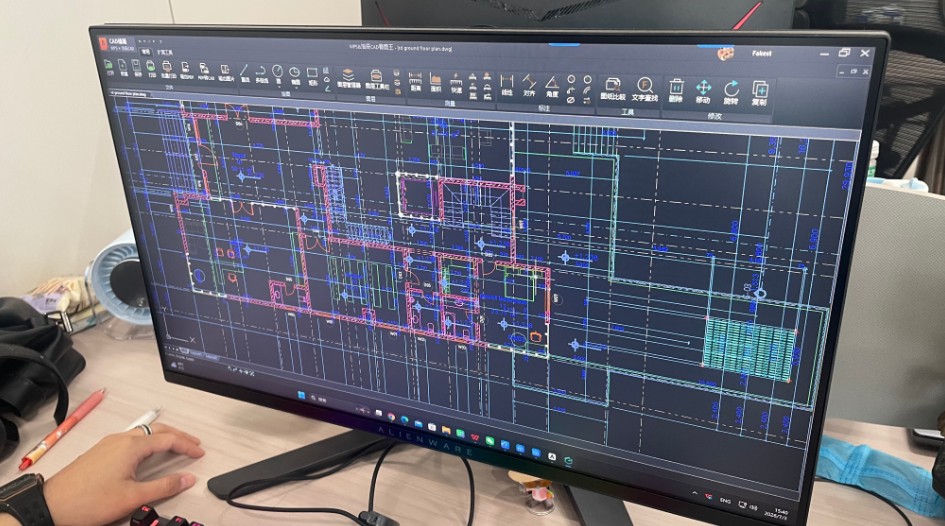
Our in-house staff of 75 R&D engineers utilizes advanced 3D BIM parametric modeling and Finite Element Analysis (FEA) to turn complex architectural blueprints into scalable manufacturing output.
Direct CAD/CAM integration with multi-axis CNC machinery guarantees frame corner tolerances within 0.1mm accuracy for exact site fitment.
Computer-driven thermal modeling verifies frame dew-point thresholds and structural wind load dynamics under maximum solar exposure and stress scenarios.
Managing large-scale procurement risks requires complete transparency. Steelwar’s strategic supply chain architecture ensures raw material price hedging, carbon footprint mitigation, and standardized international export protective packaging.
We prioritize low-carbon aluminum billets smelted using hydroelectric energy, containing up to 60% post-industrial recycled aluminum, significantly reducing embodied carbon per project without compromising structural yield strength.
All window systems are sealed with protective anti-scratch film, fully enclosed in fumigated solid wooden crates with internal steel strapping, guaranteeing zero ocean transport damage or atmospheric moisture oxidation.
Our global hardware supply partners (including Siegenia, Hoppe, and custom 316 marine-grade stainless components) guarantee flawless operation across 50,000 continuous open/close cycles.
As smart building technology evolves, modern architectural facades are transitioning from passive weather barriers to active environmental control systems. Steelwar's R&D division is actively deploying three core future technologies:
Integration of low-voltage dynamic glass tinting that adjusts light transmittance dynamically based on real-time solar radiation levels, eliminating exterior shading systems.
Transitioning from argon-filled double glazing to 0.3mm ultra-thin vacuum cavity glass units, achieving thermal performance equivalent to solid brick walls (U-factors ≤ 0.40 W/m²K).
Embedded hidden linear actuators connected to central BMS (Building Management Systems) for micro-climate ventilation, automated storm locking, and biometric access.
Discover our secondary portfolio of high-security tilt-and-turn, bi-fold, casement, and high-performance commercial window assemblies.
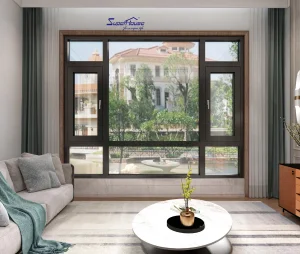
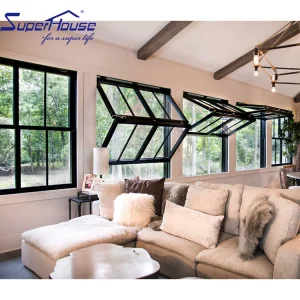
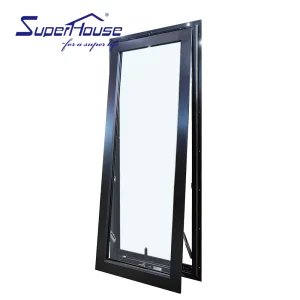
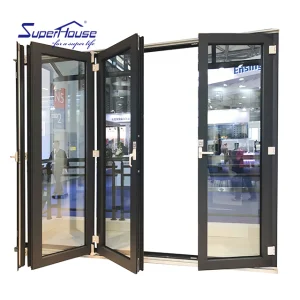
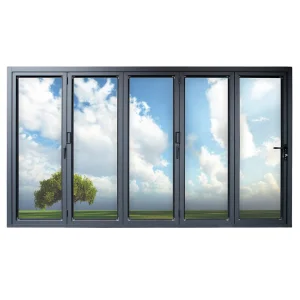
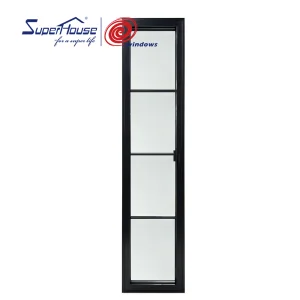
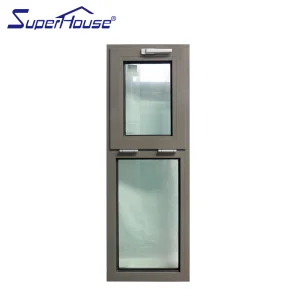
In-depth technical answers addressing common procurement, structural engineering, and compliance inquiries from global distributors and contractors.
Thermal break aluminum profiles incorporate a structural polyamide (PA66-GF25) thermal barrier inserted between interior and exterior aluminum extrusions. This barrier prevents heat conduction through the metal frame, dramatically lowering overall U-factors, eliminating interior surface condensation, and improving energy efficiency by up to 60% compared to non-thermal break profiles.
Yes. Our hurricane impact product lines undergo rigorous testing according to TAS 201 (Large Missile Impact), TAS 202 (Uniform Static Air Pressure), and TAS 203 (Cyclic Wind Pressure Loading). They comply fully with the Florida Building Code for High-Velocity Hurricane Zones (HVHZ).
Standard commercial project lead times range from 25 to 35 business days from CAD final approval. Minimum order quantities vary based on custom profile extrusion requirements, typically starting at 50 square meters for standard RAL colors and 200 square meters for custom extrusion dies.
Architectural 6063-T6 aluminum offers vastly superior tensile strength, structural rigidity, and UV resistance compared to UPVC. Aluminum frames do not yellow, warp, or degrade under extreme thermal cycles, offering a structural operational lifespan exceeding 40+ years in commercial applications.
For severe coastal environments (within 1 mile of saltwater), we strongly mandate PVDF (Fluorocarbon) 3-coat finishes or Qualicoat Class 2 anodized finishes combined with 316 marine-grade stainless steel hardware components to resist dynamic galvanic corrosion and salt fog oxidation.
 Steelwar