Engineered to meet stringent U-factor, SHGC, and Hurricane Impact specifications for Miami-Dade, California Title 24, and North American energy codes.
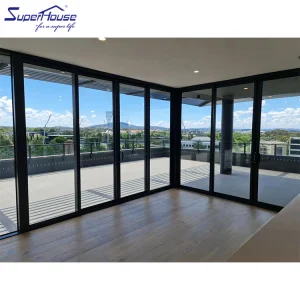
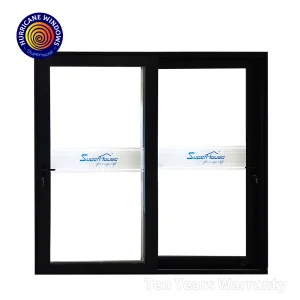
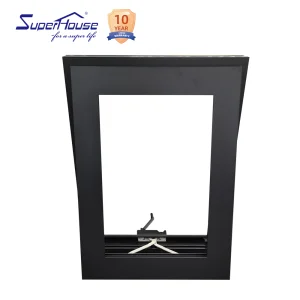
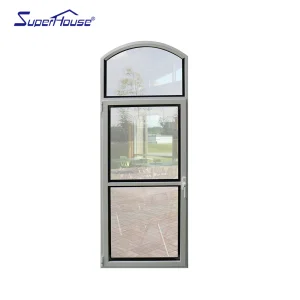
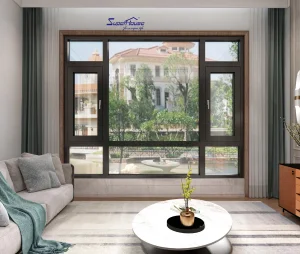
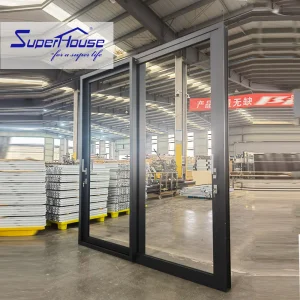

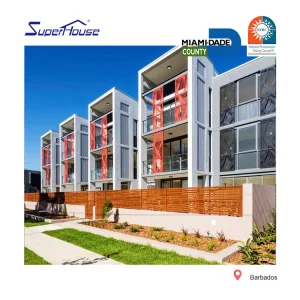
Backed by decades of manufacturing refinement, full-spectrum engineering capabilities, and stringent internal quality auditing protocols.
In modern architectural engineering across North America, the fenestration envelope plays the single most critical role in achieving operational carbon neutrality and structural envelope resilience. The intersection of USA National Fenestration Rating Council (NFRC) standards, California Energy Code Title 24 (Part 6), and Canada's strict building energy codes (such as CSA A440 and Energy Star Canada) requires structural glazing manufacturers to achieve unprecedented precision in thermal barrier engineering and frame design.
The NFRC provides a standardized rating system for window, door, and skylight thermal performance. For B2B commercial developers, architectural specifiers, and glazing contractors, compliance with NFRC testing (ANSI/NFRC 100, 200, 400, 500) guarantees verified metrics across four main pillars:
California's Title 24 envelope requirements are among the most stringent in the world. Mandatory prescriptive and performance pathways demand that all exterior windows and doors in residential and non-residential structures carry validated NFRC labels. Title 24 mandates specific maximum U-factors (typically ≤ 0.30) and maximum SHGC (typically ≤ 0.23 in climate zones 2, 4, and 8–15). Factory-customized thermal break aluminum framing combined with Warm Edge spacer technologies are essential to prevent thermal bridging and satisfy continuous insulation enforcement.
Exporting fenestration systems to Canada requires compliance with CSA A440 standards and Energy Star Canada technical zone requirements. Structural systems must withstand severe freeze-thaw thermal stress, wind-driven rain infiltration (hydrostatic pressure), and extreme thermal gradients where indoor-outdoor delta-T can exceed 50°C. Heavy-duty aluminum alloys (6063-T6) with multi-cavity thermal break extrusions ensure structural stability without frame warp or structural adhesive degradation.
| Regulatory Standard | Primary Regional Focus | Key Performance Indicators | Structural / Thermal Solution |
|---|---|---|---|
| NFRC (ANSI/NFRC 100/200) | United States National Standard | U-Factor ≤ 0.24, SHGC ≤ 0.22, VT ≥ 0.55 | PA66GF25 Polyamide Thermal Break + Triple Low-E IGUs |
| California Title 24 Part 6 | California (Residential & Commercial) | Prescriptive Envelope U ≤ 0.30, SHGC ≤ 0.23 | Double-Silver Low-E Glazing + Warm Edge Thermal Spacers |
| Energy Star Canada / CSA A440 | Canada (Sub-zero climate zones) | Energy Rating (ER) ≥ 34, U-Factor ≤ 0.21 | Multi-Cavity Argon Filled Triple Glazing + EPDM Weatherproofing |
| Miami-Dade NOA / HVHZ | Florida Coastal & Caribbean High-Wind Zones | TAS 201/202/203 Impact & Wind Load (>90 PSF) | Laminated Impact Glass (PVB/SGP) + Reinforced Steel Core Frames |
Established in 2003, Steelwar Entry Systems Co., Ltd. operates a large-scale 40,000 m² manufacturing plant specializing in high-security exterior entry doors and high-performance aluminum fenestration systems. With 21 years of continuous industry experience and 9 years of global export capabilities, the company generates $35 million in annual export turnover. Steelwar focuses on key markets across North America, the Middle East, and Eastern Europe, primarily supplying building material distributors, security door stockists, and commercial construction contractors.
Supported by a solid trade background and a network of 1,100 supply chain partners, Steelwar maintains strict product reliability. Quality control is managed by a team of 50 QC specialists who execute dynamic impact resistance testing, automated frame tolerance checks, and corrosion-resistant coating audits. The company's engineering strength is backed by 75 R&D engineers who introduced 230 new product models last year. Custom options include ballistic steel cores, multi-point smart lock integration, customized RAL color finishes, and bespoke frame depths.
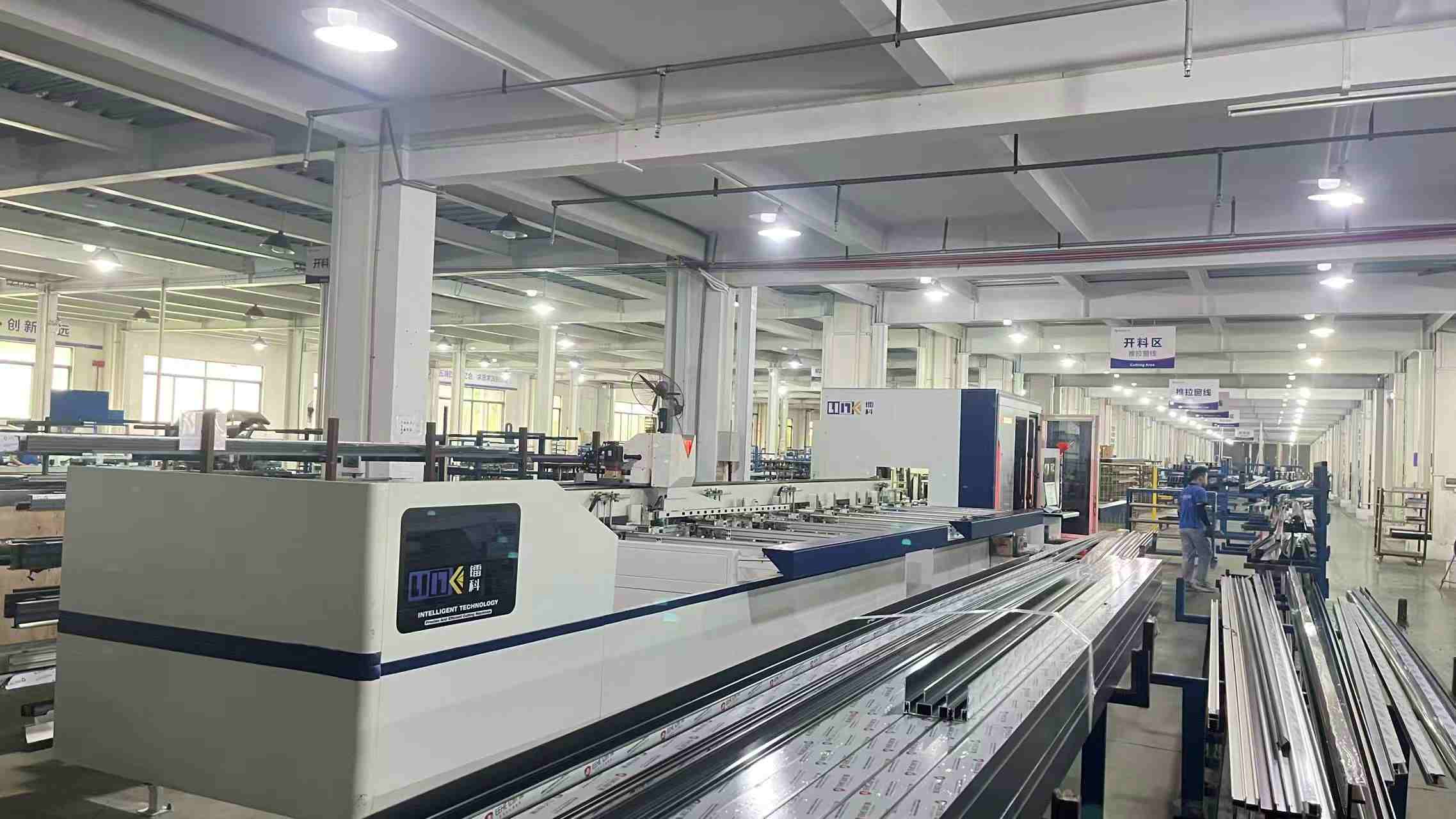
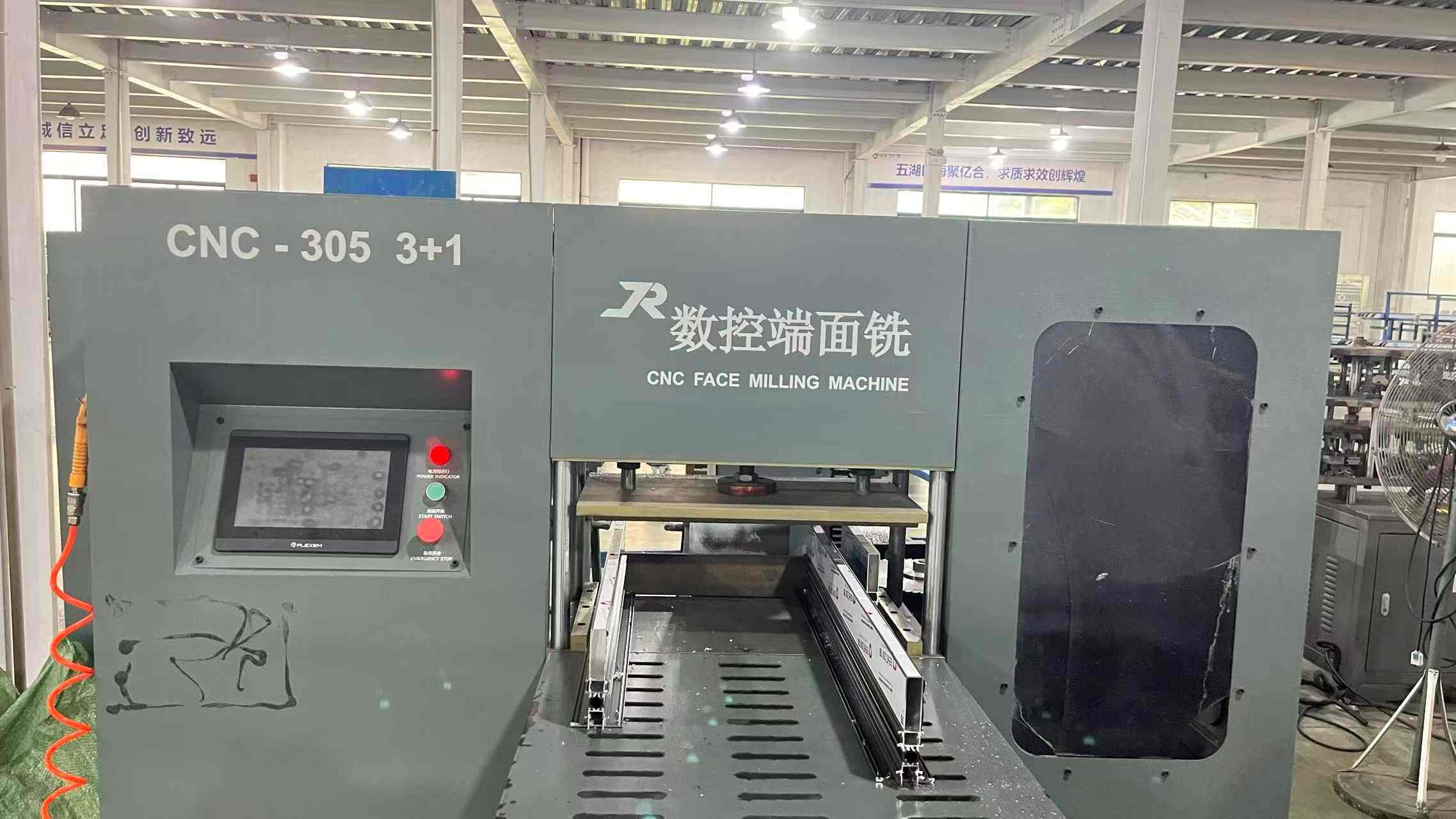
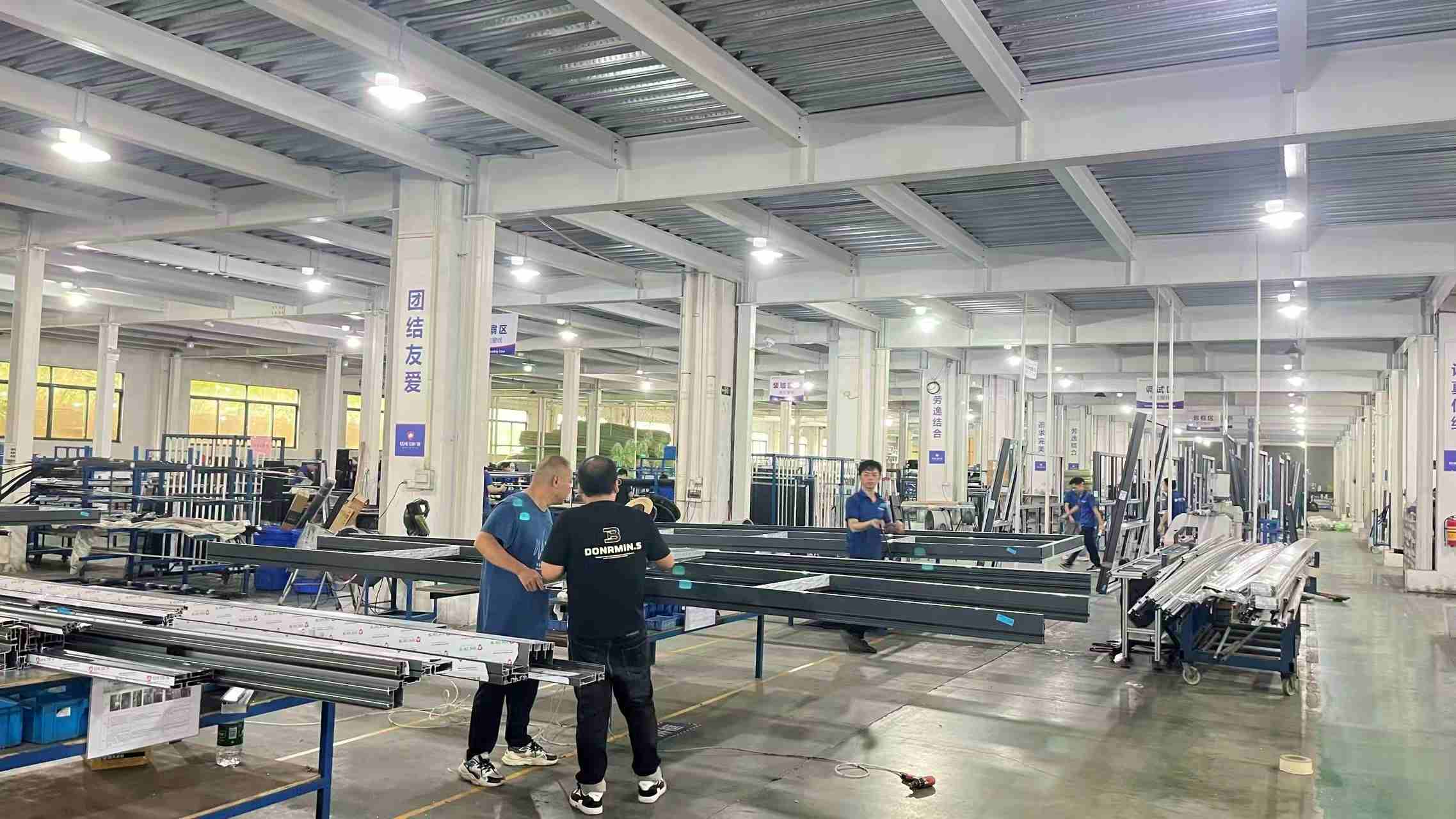
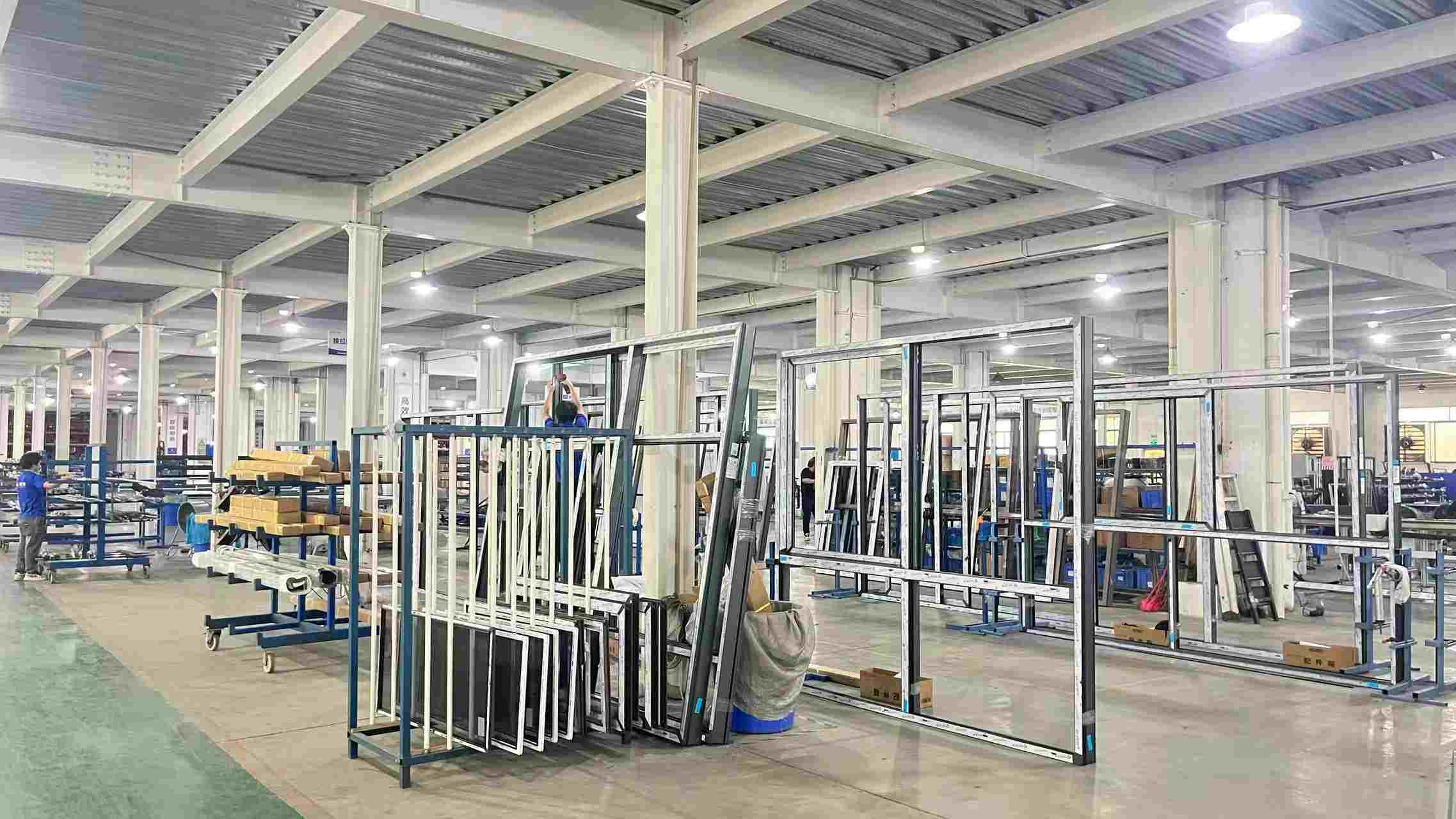
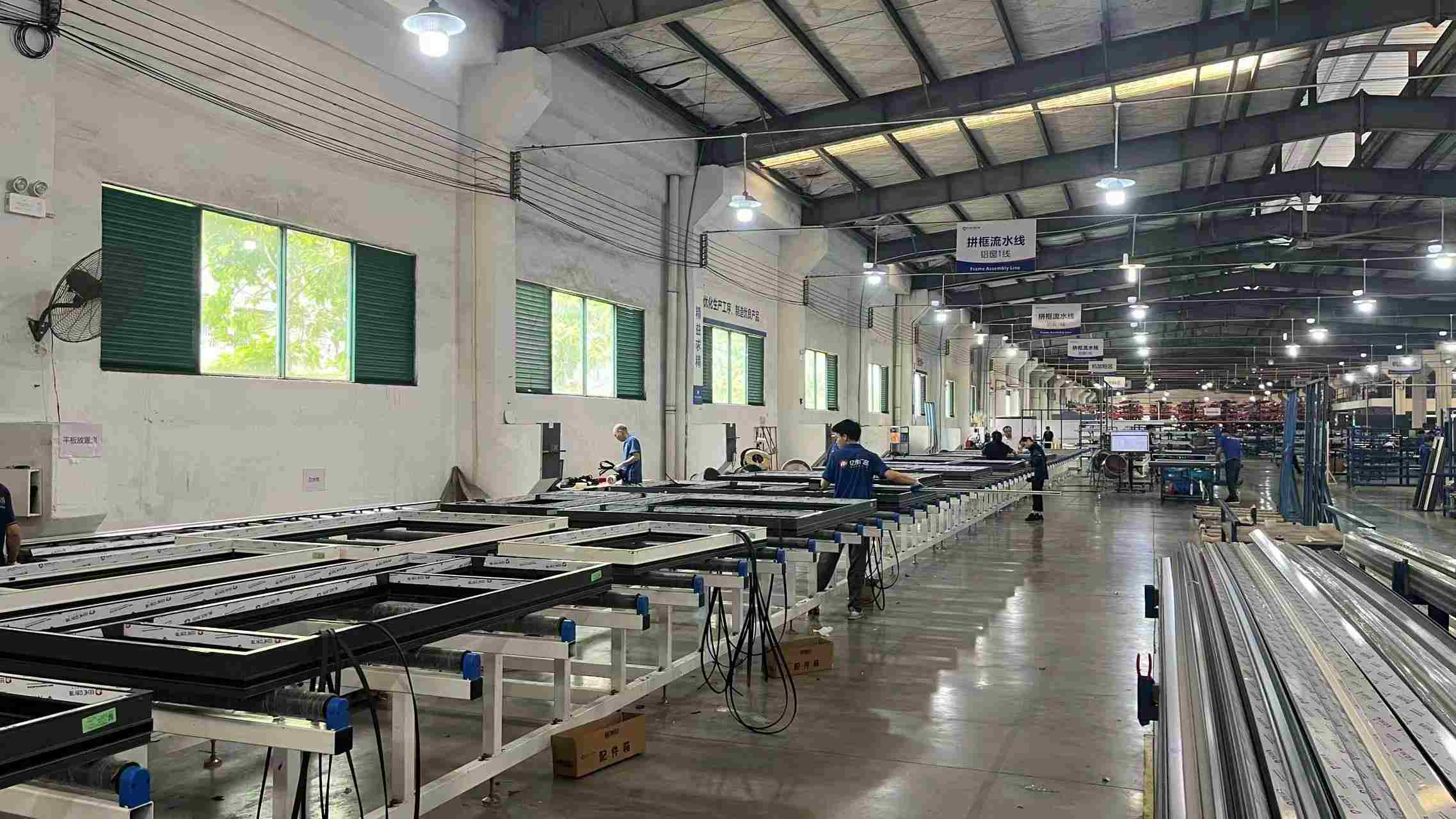
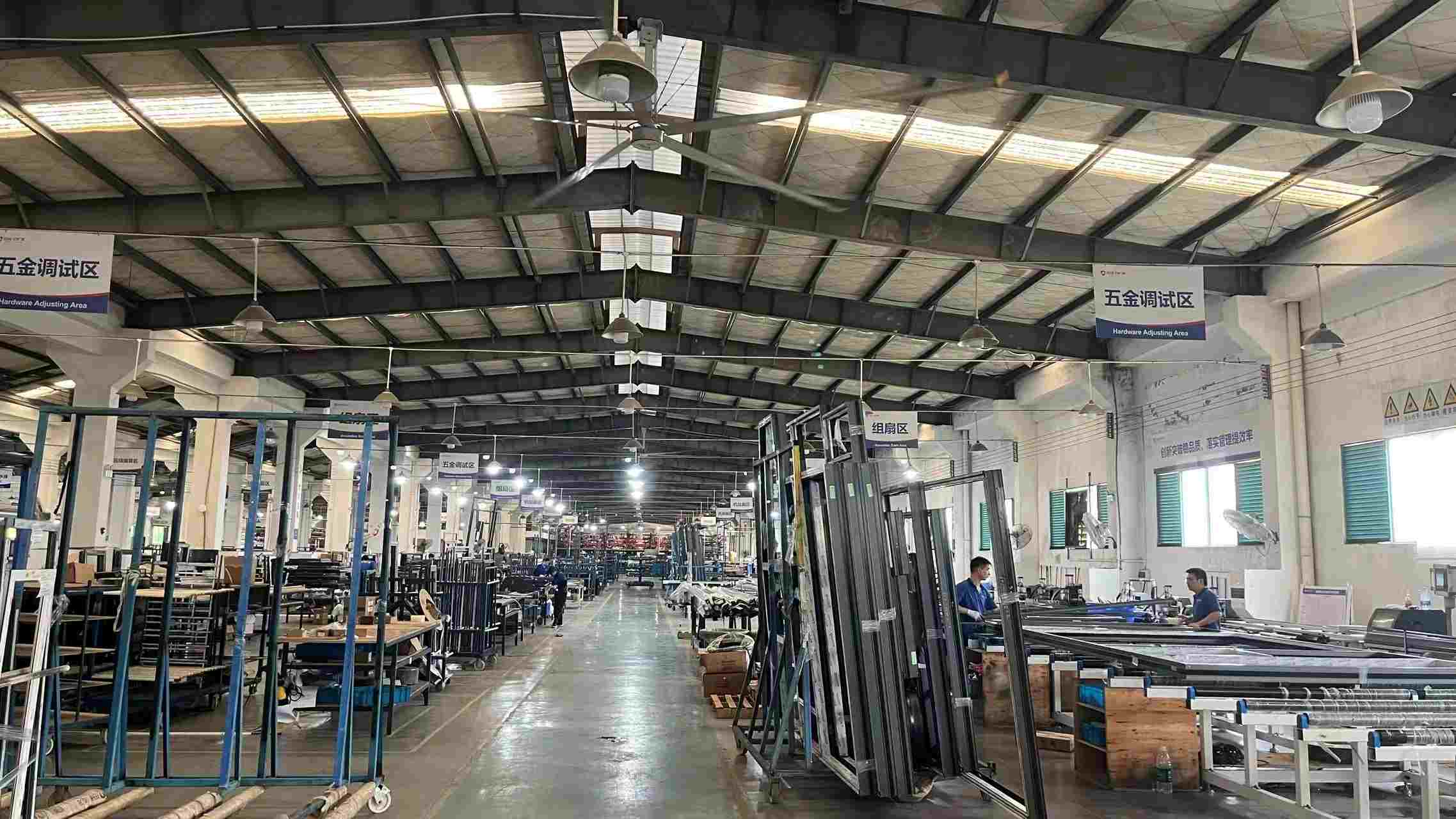
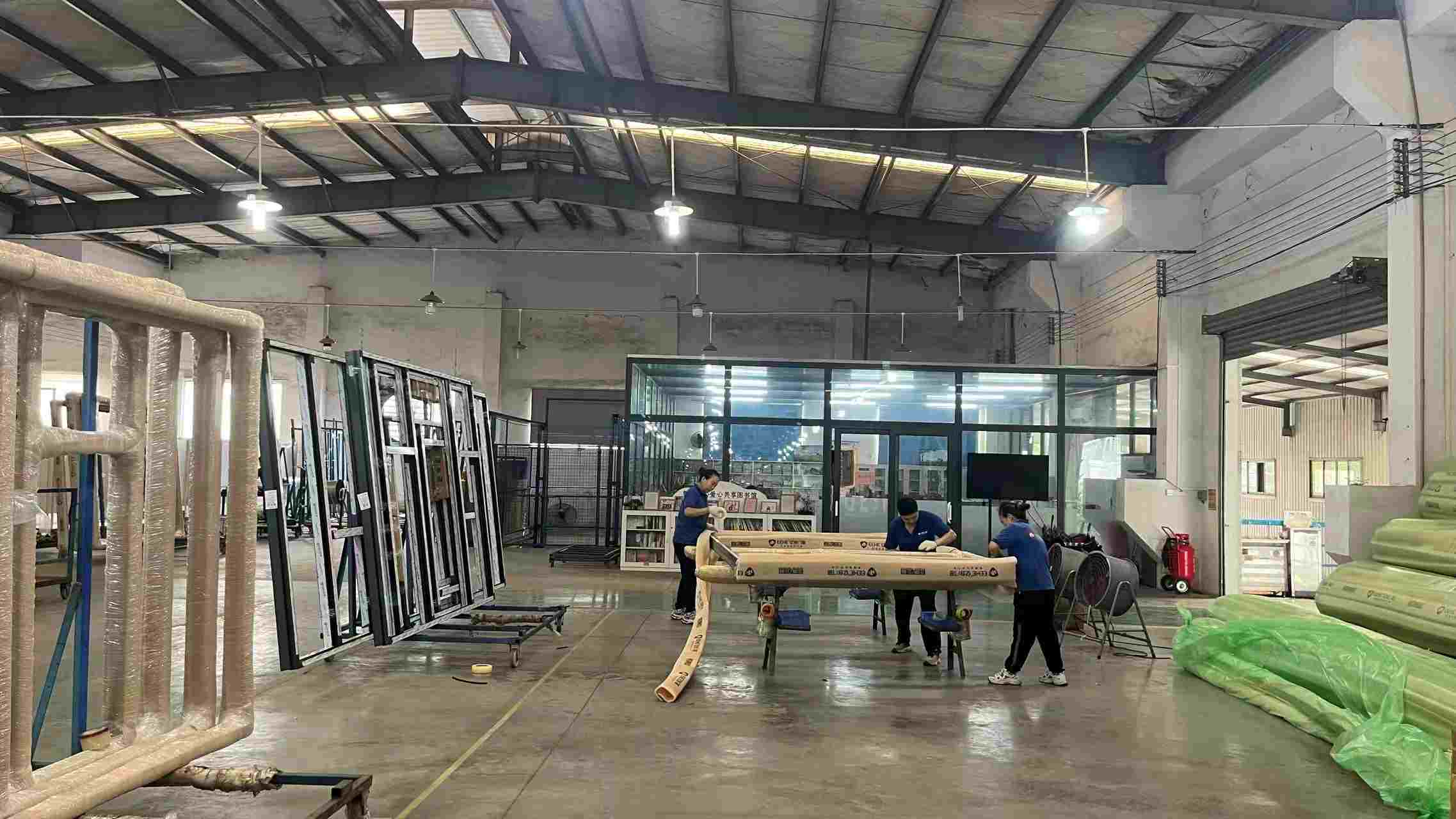
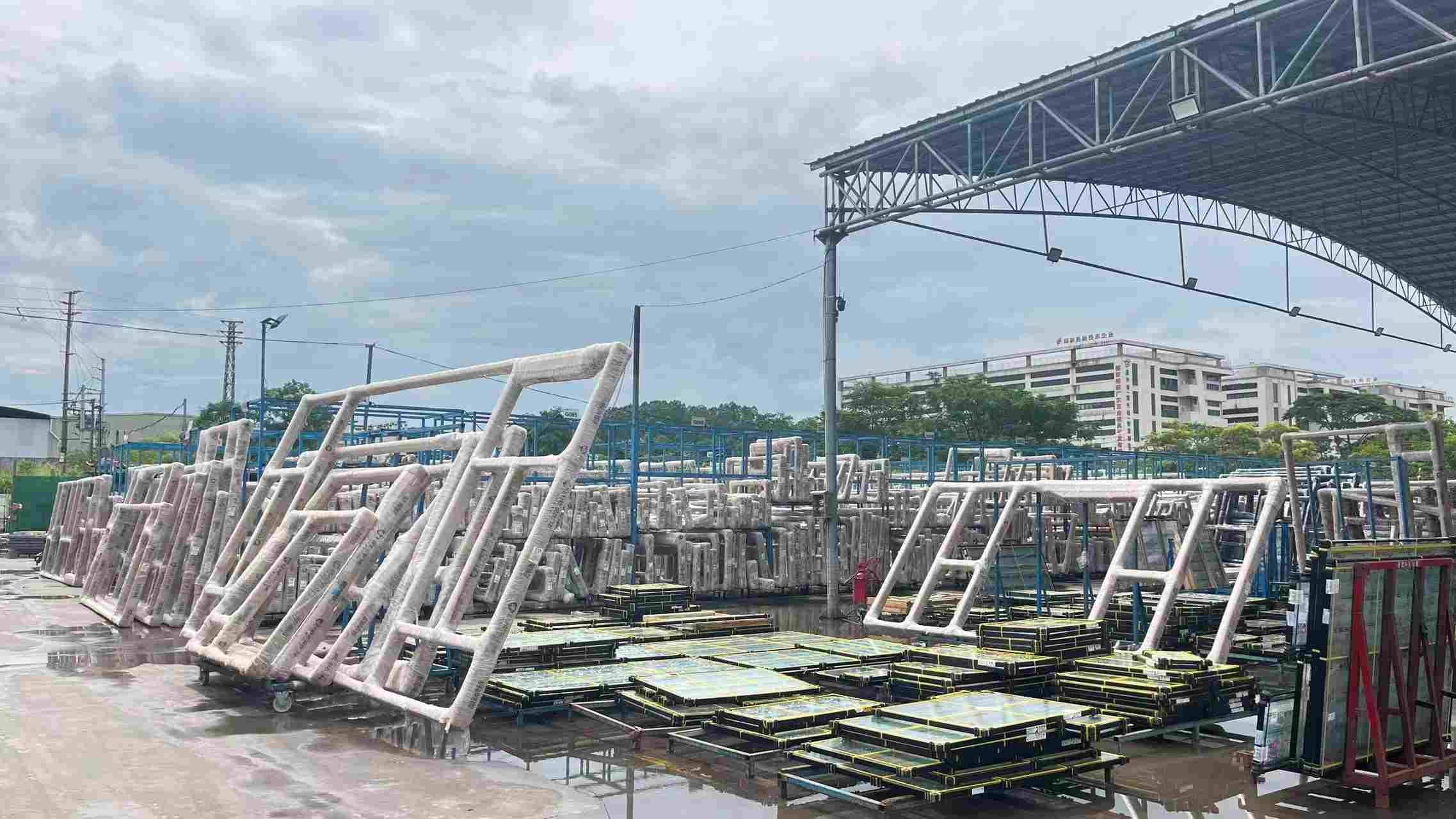
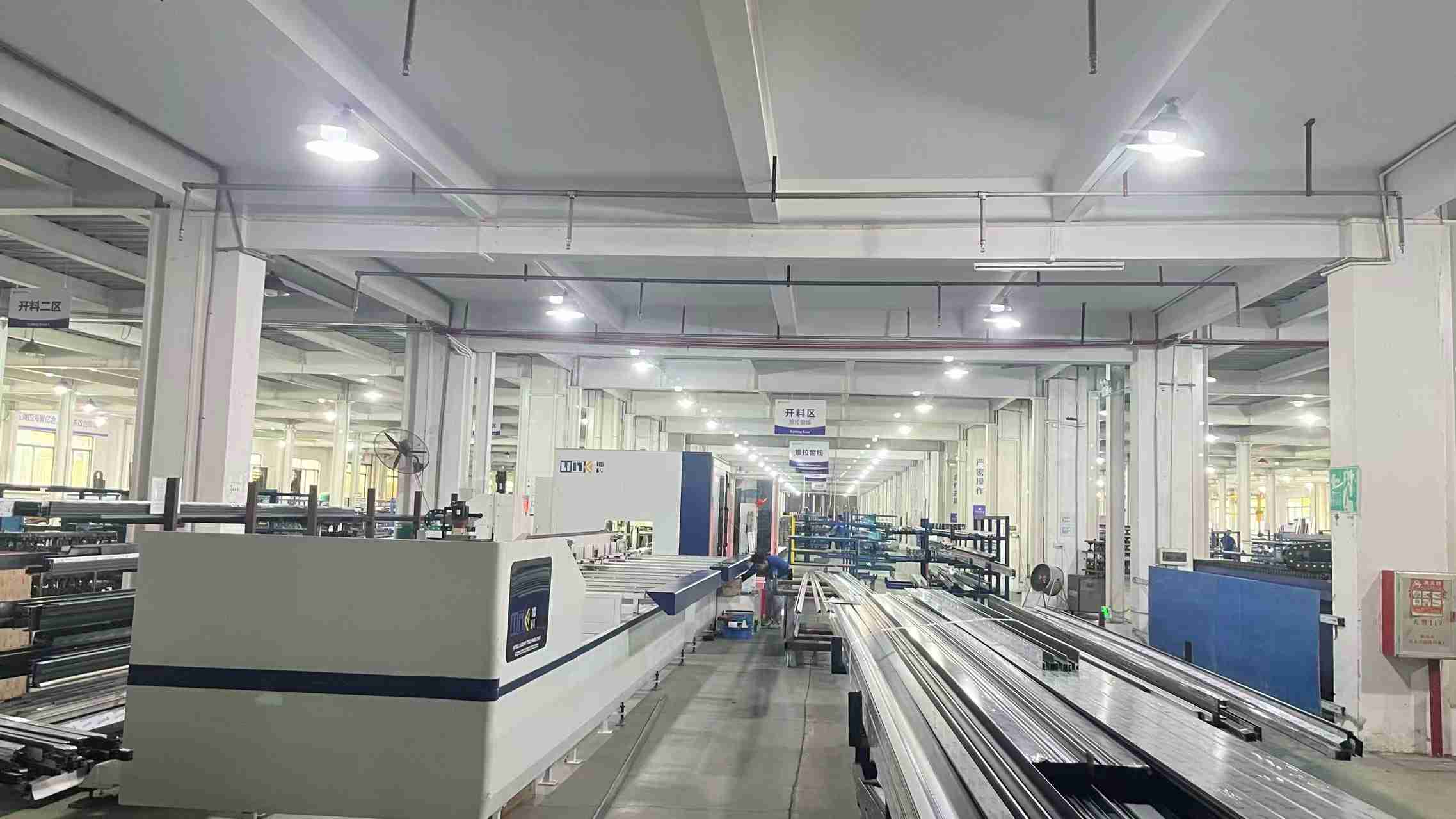
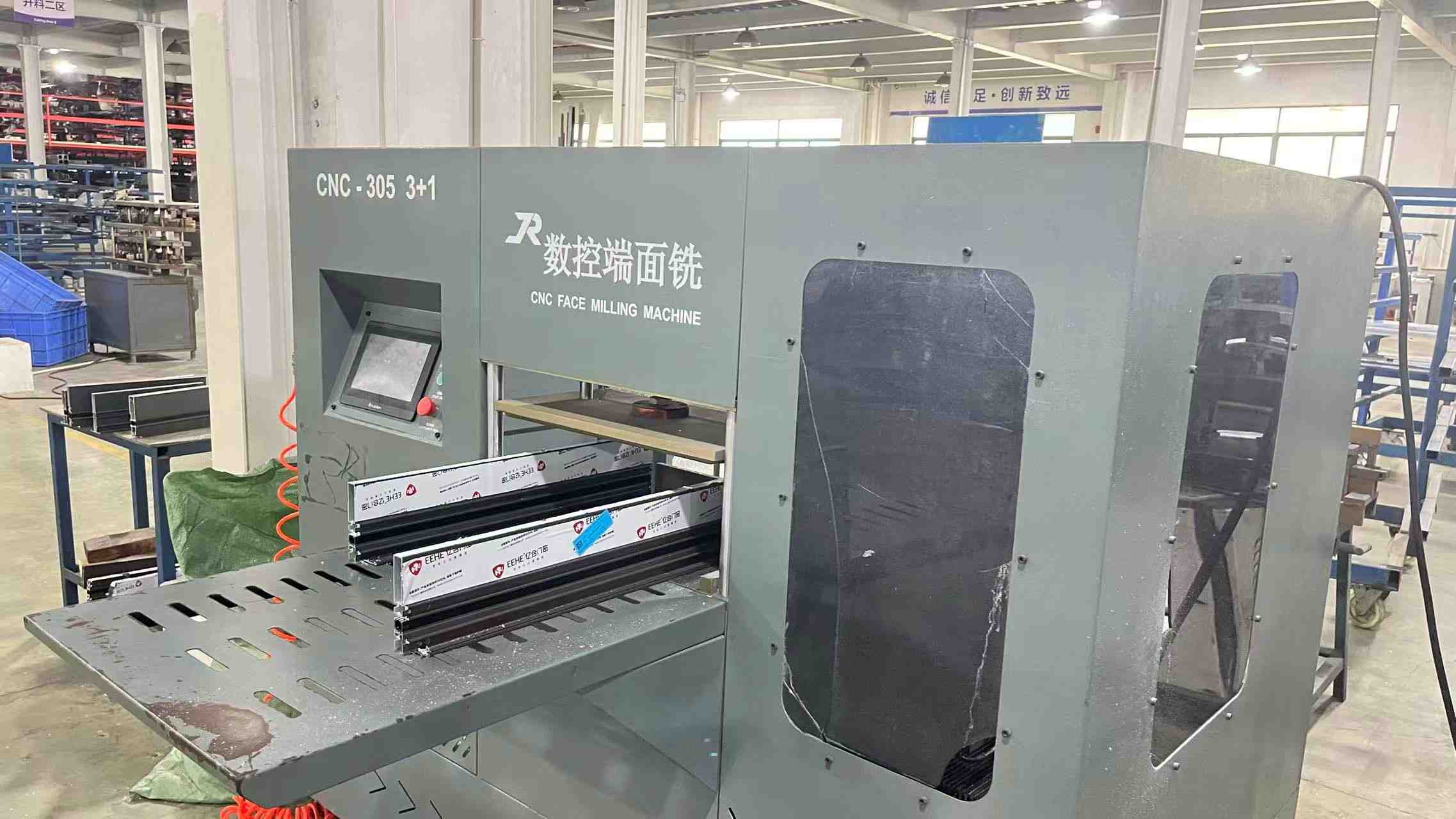
Below is the step-by-step physical manufacturing pipeline operating inside our 40,000 m² facility:
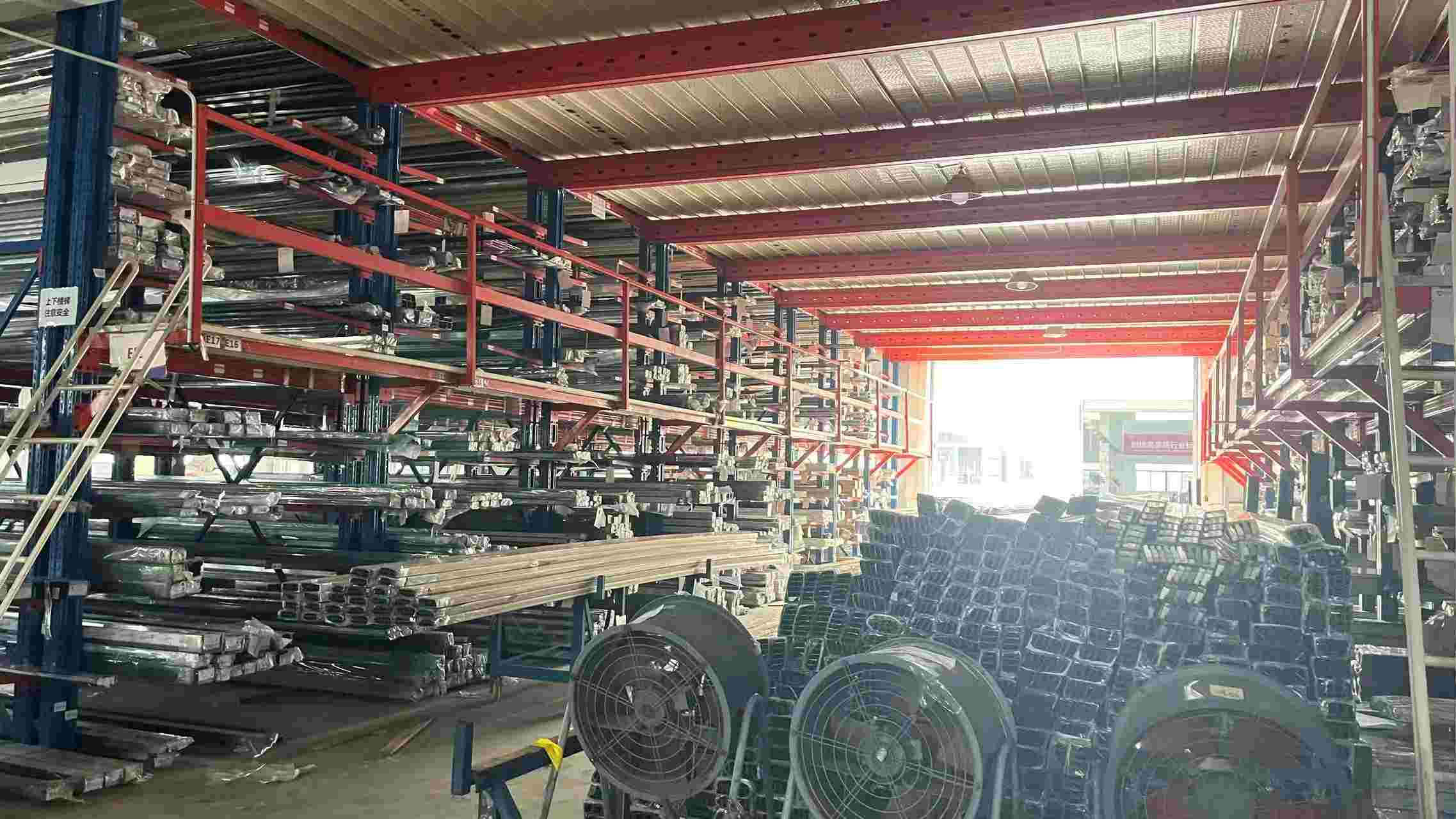
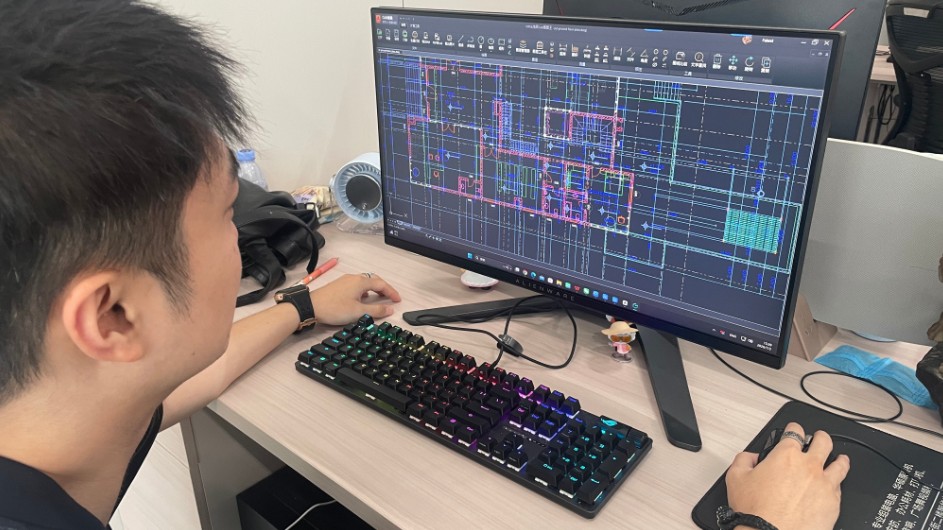
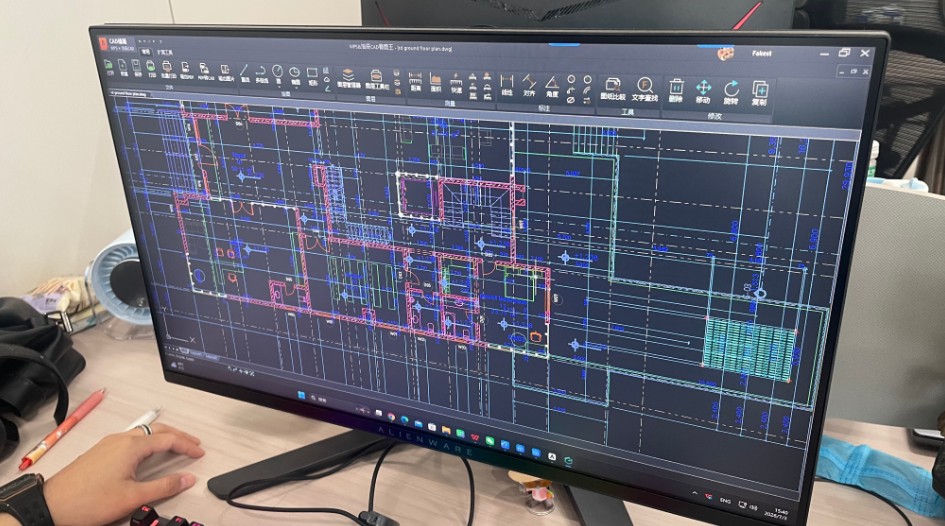
Our 75 R&D engineers utilize advanced computer-aided design to generate custom shop drawings and thermal modeling for commercial submittals:
Unlocking superior cost-to-performance ratios for global contractors without sacrificing NFRC or Title 24 compliance.
China hosts the world's most concentrated aluminum extrusion, hardware casting, and glass processing ecosystems. Steelwar leverages direct upstream access to primary 6063-T6 virgin aluminum ingots, PPG coating lines, and Saint-Gobain/Kuraray glass interlayers, reducing raw material procurement cycles by up to 40%.
With an in-house tooling shop and 75 experienced R&D engineers, customized extrusions for non-standard wall depths or curtain wall interfaces can progress from CAD drawing approval to physical die extrusion in under 15 days, maintaining agile project timelines.
Our 5-axis CNC machining centers perform automated milling, corner crimping, and gasket insertion with tolerances within ±0.2mm. Every batch undergoes mandatory hydrostatic pressure testing and air tightness validation supervised by 50 dedicated QC specialists.
Tailored product engineering designed specifically for diverse micro-climates across North America.
Challenge: Category 5 hurricanes, severe salt-spray corrosion, cyclic wind loads above 90 PSF.
Solution: Heavy-duty aluminum sliding and fixed windows equipped with SentryGlas® (SGP) laminated impact glass, Miami-Dade NOA approvals, and fluoropolymer (PVDF) 3-coat finishes resistant to salt mist.
Challenge: Strict Title 24 solar gain caps, noise abatement in dense metropolitan areas, sleek modern aesthetics.
Solution: Ultra-narrow frame thermal break casement windows with double-silver Low-E argon glass, achieving SHGC < 0.22 and acoustic sound insulation exceeding STC 42dB.
Challenge: Thermal bridging, frame condensation, extreme structural movement during severe freeze-thaw cycles.
Solution: Multi-cavity polyamide break systems filled with polyolefin insulation foam, paired with triple-pane Low-E warm-edge IGUs delivering U-factors down to 0.18 BTU/h·ft²·°F.
Challenge: Integration of PTAC air conditioning units without compromising building facade aesthetics or acoustic insulation.
Solution: 5-Star Hotel PTAC louver casement window assemblies combining fixed privacy louvers with integrated motorization and acoustic dampening baffles.
As international energy codes converge toward Zero Net Energy (ZNE) and embodied carbon tracking, the fenestration industry is undergoing rapid technological evolution. Steelwar's R&D department actively drives innovation in four key areas:
Replacing traditional gas-filled cavities with a 0.2mm high-vacuum gap yields U-factors equivalent to solid insulated walls (U ≤ 0.10 BTU/h·ft²·°F) while drastically reducing frame profile depth and total weight.
Smart glass systems that electronically tint on demand based on real-time solar irradiance sensors, allowing buildings to dynamically balance HVAC energy consumption and visual discomfort glare.
Transitioning frame supply to hydro-powered recycled aluminum extrusions, decreasing embodied carbon per square meter of window frame by over 65% to support LEED v4.1 credits.
Embedding multi-point motorized locking gear with smart home protocols (Zigbee/Z-Wave), enabling concealed sensor feedback for structural security and automated air exchange.
Expert answers to standard B2B procurement, code compliance, and custom fabrication inquiries.
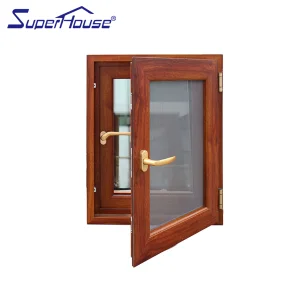
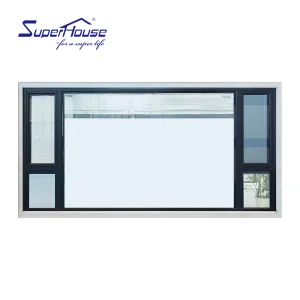
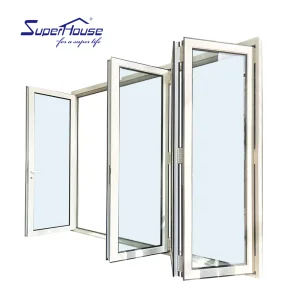
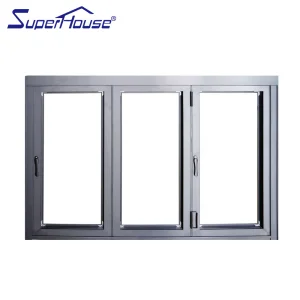
Select from our extensive catalog of certified aluminum windows, folding doors, and architectural fixed glazing systems.
 Steelwar