Explore our flagship structural fenestration solutions tested to rigorous TAS 201, 202, and 203 standards for commercial high-rises, coastal resorts, and luxury residential projects worldwide.
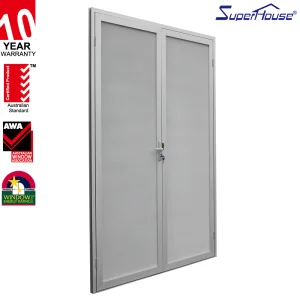
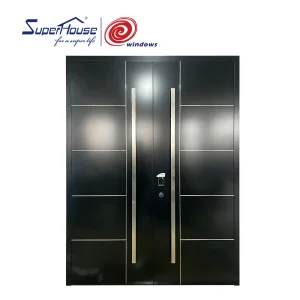
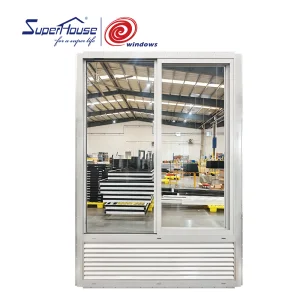
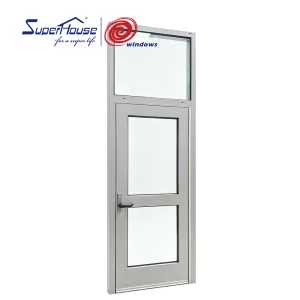
The global demand for high-performance architectural envelope systems capable of resisting extreme atmospheric anomalies has surged exponentially over the past decade. Coastal zones across North America, the Caribbean, the Gulf of Mexico, and the Pacific Rim are subject to severe hurricane activity, demanding elevated structural integrity for exterior fenestration. Among global building codes, the Florida Building Code (FBC)—specifically regulations governing the High-Velocity Hurricane Zone (HVHZ) encompassing Miami-Dade and Broward counties—represents the gold standard of mechanical durability, wind-borne debris protection, and air/water infiltration resistance.
Technical Insight: Obtaining a Florida Notice of Acceptance (NOA) requires rigorous testing under Testing Application Standards (TAS): TAS 201 (Large and Small Missile Impact Test), TAS 202 (Uniform Static Air Pressure Test), and TAS 203 (Cyclic Wind Pressure Loading Test). Our structural framing systems are designed to withstand positive and negative design pressures exceeding +/- 100 PSF (Pounds per Square Foot), corresponding to sustained winds beyond 170 mph (273 km/h).
Modern commercial and luxury residential developments in coastal regions no longer view impact-resistant fenestration merely as a regulatory requirement; it is a fundamental pillar of structural resiliency, asset protection, and occupant safety. Global procurement directors, general contractors, and structural engineers face multi-faceted challenges: balancing large-span architectural glass vistas with strict structural wind load compliance, solar thermal gain mitigation, and acoustical attenuation.
Florida NOA certification serves as an international badge of engineering excellence. Beyond Florida's borders, developers in regions such as the Caribbean, Hawaii, coastal Texas, the Middle East, and storm-prone Pacific regions routinely mandate Florida NOA protocols to guarantee structural survival during Category 5 hurricane events. Sourcing directly from an established original equipment manufacturer (OEM) with deep technical competence in NOA standards provides substantial capital efficiency, rapid project execution, and full structural validation.
Architectural impact-resistant windows and doors differ significantly from standard tempered glass fenestration. The core engineering rests upon multi-layered structural laminated glass compositions combined with heavy-gauge extruded aluminum frames (typically 6063-T6 alloy) engineered with internal reinforced web ribs.
Utilizing high-viscosity Polyvinyl Butyral (PVB) and SentryGlas® Plus (SGP) ionoplast interlayers. SGP interlayers provide up to 5 times the tear strength and 100 times the rigidity of standard PVB, maintaining glass barrier integrity even if outer glass layers fracture during extreme debris impacts.
Integrating high-density PA66 polyamide structural thermal insulation strips within the aluminum extrusions. This reduces thermal conductivity (U-Factor), prevents interior condensation, and ensures compliance with modern energy codes (ASHRAE 90.1 & IECC).
Incorporating marine-grade 316 stainless steel multi-point locking gear, heavy-duty continuous hinges, and dynamic dual-gasket weather stripping to eliminate water penetration under high static pressure heads (water pressure resistance tested up to 15 PSF / 720 Pa).
Navigating global structural fenestration procurement requires precise alignment with regional building authorities. For projects within Florida, products must be registered under the Florida Department of Business and Professional Regulation (DBPR) Product Approval System. Overseas projects—such as luxury island resorts in the Bahamas, high-rise residential towers in Panama, or coastal commercial structures in Australasia—frequently leverage Florida NOA documentation to achieve local structural engineering sign-offs without incurring duplicate laboratory testing fees.
By executing direct OEM procurement, enterprise buyers eliminate multi-tier distributor markups while accessing bespoke structural engineering support, custom shop drawings (CAD/BIM), precise structural wind load calculations, and tailored packaging designed for trans-oceanic shipping integrity.
Combining 21 years of door and window structural manufacturing mastery with state-of-the-art CNC automation, rigorous quality control, and worldwide shipping capabilities.
Established in 2003, Steelwar Entry Systems Co., Ltd. operates a large-scale 40,000 m² manufacturing plant specializing in high-security exterior entry doors. With 21 years of continuous industry experience and 9 years of global export capabilities, the company generates $35 million in annual export turnover. Steelwar focuses on key markets across North America, the Middle East, and Eastern Europe, primarily supplying building material distributors, security door stockists, and commercial construction contractors.
Supported by a solid trade background and a network of 1,100 supply chain partners, Steelwar maintains strict product reliability. Quality control is managed by a team of 50 QC specialists who execute dynamic impact resistance testing, automated frame tolerance checks, and corrosion-resistant coating audits. The company's engineering strength is backed by 75 R&D engineers who introduced 230 new product models last year. Custom options include ballistic steel cores, multi-point smart lock integration, customized RAL color finishes, and bespoke frame depths.
From digital CAD modeling to multi-axis CNC milling, glass assembly, and static structural testing—every stage is closely audited for zero-defect compliance.
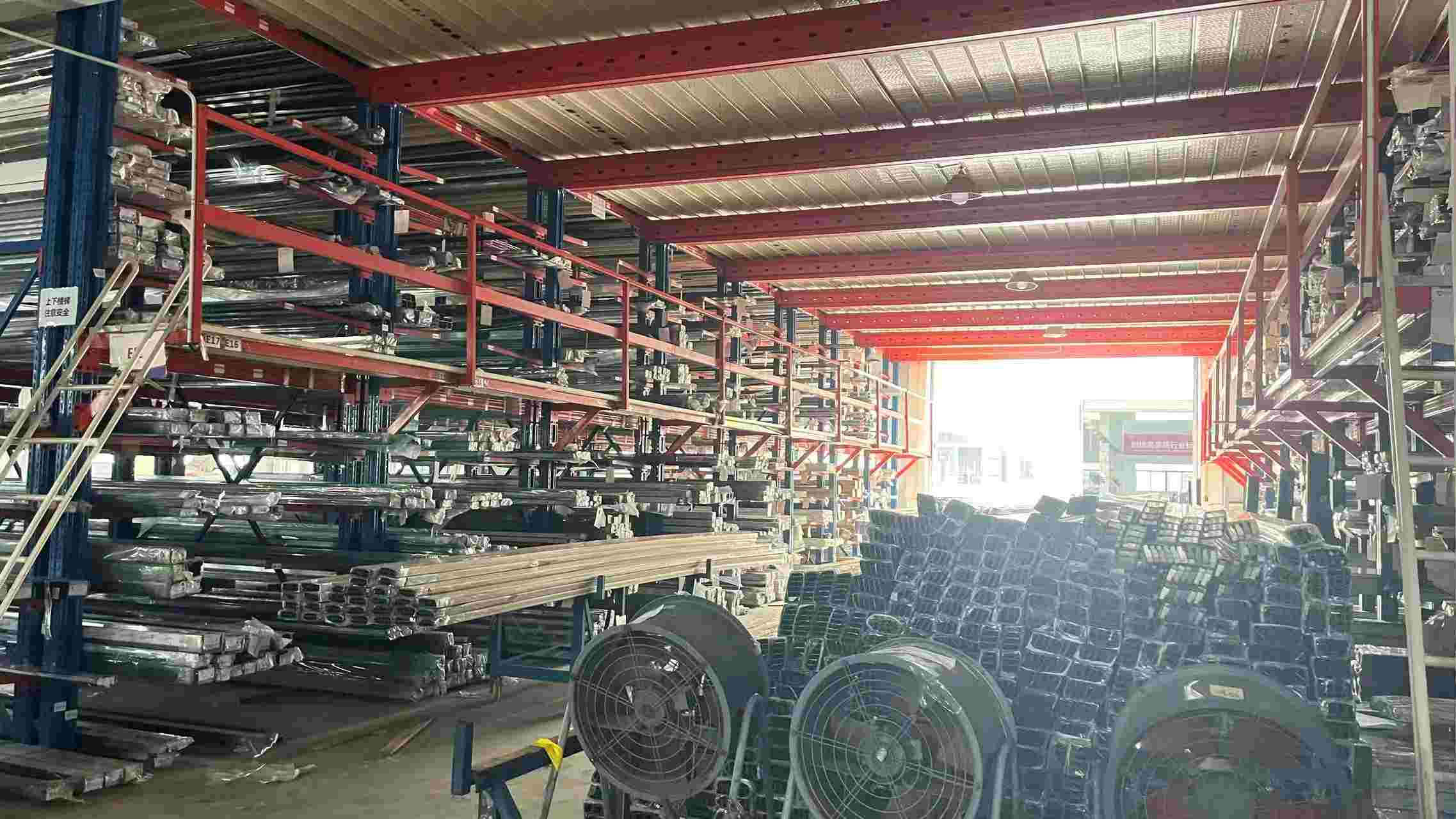
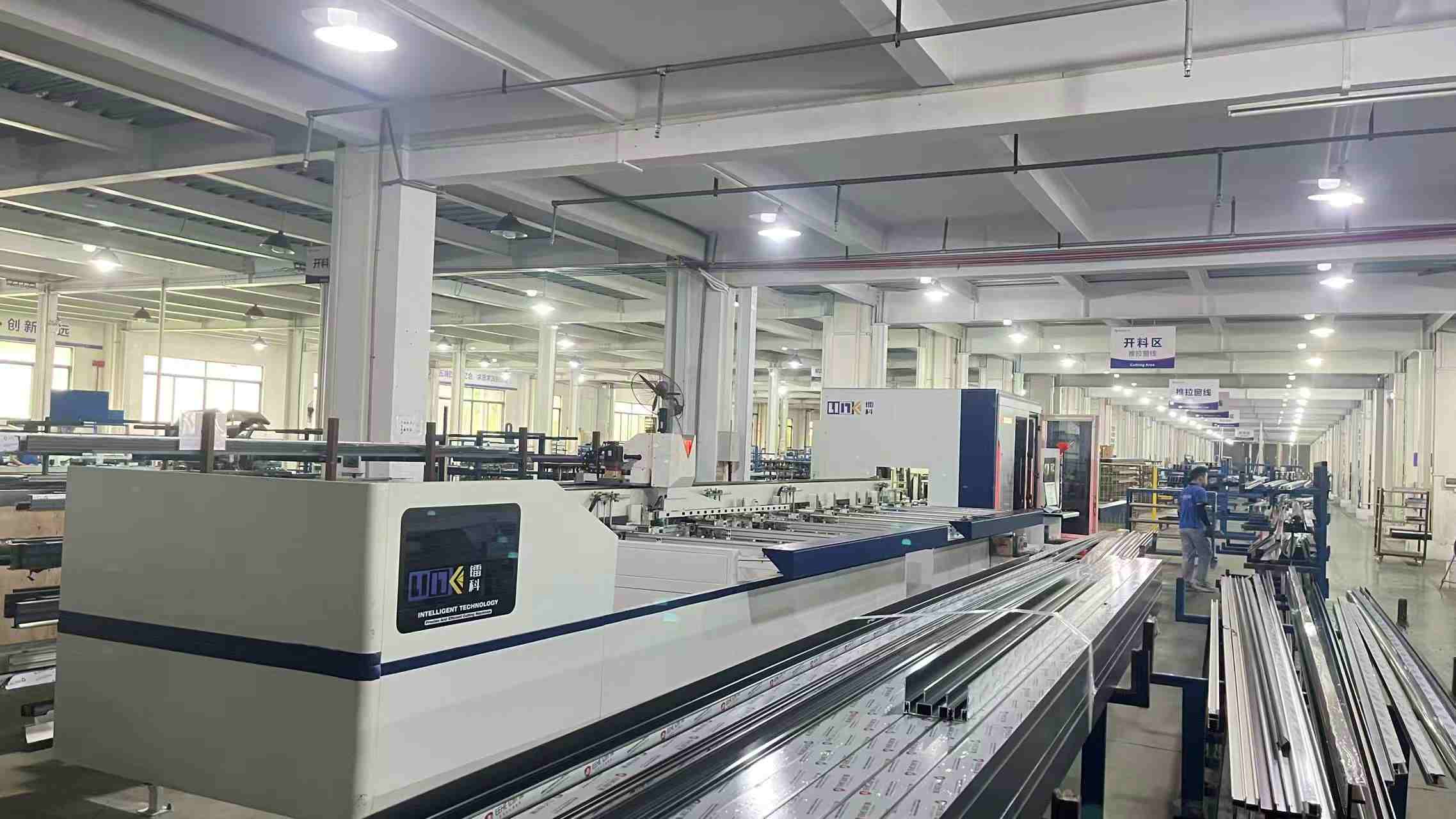
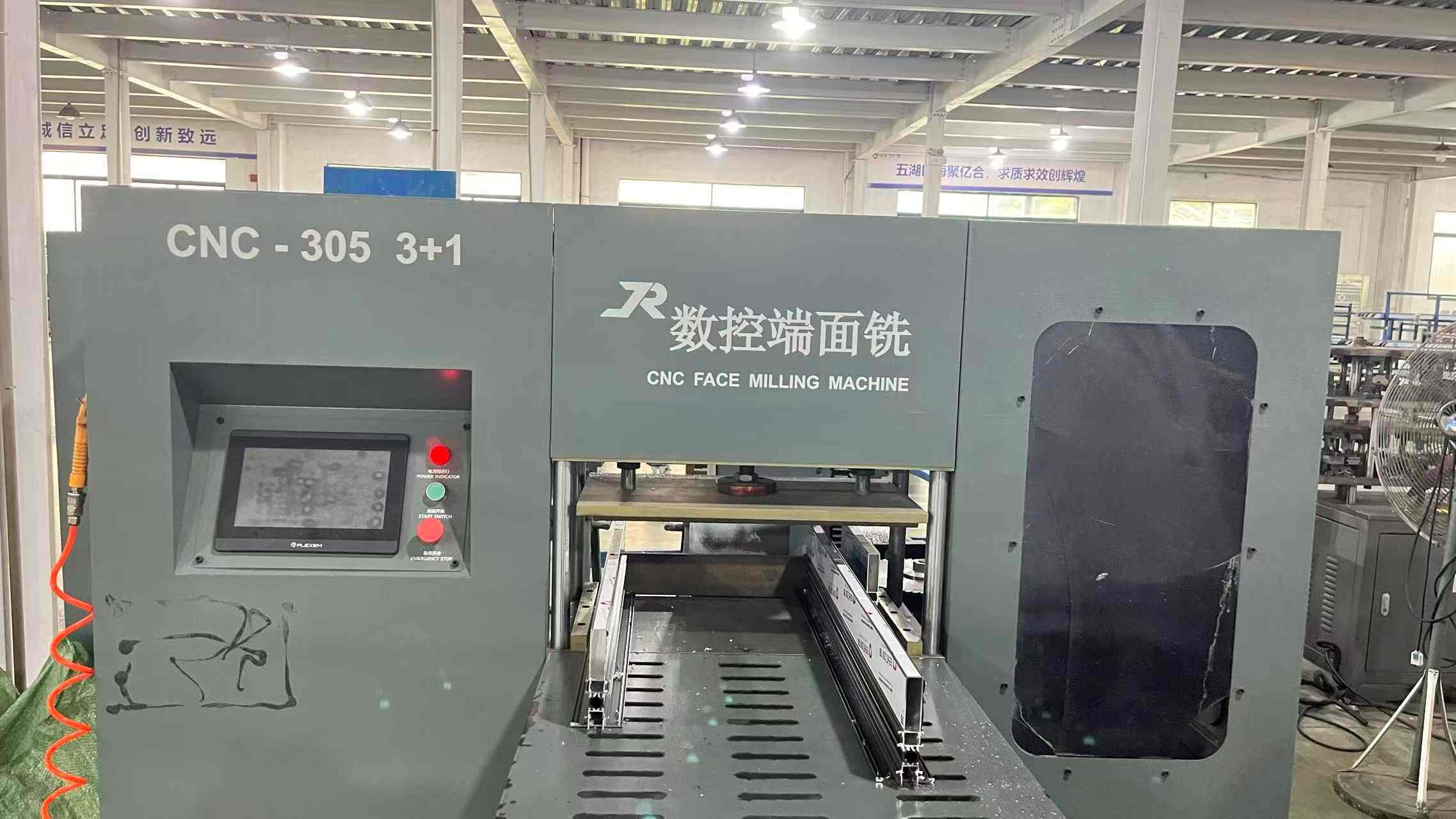
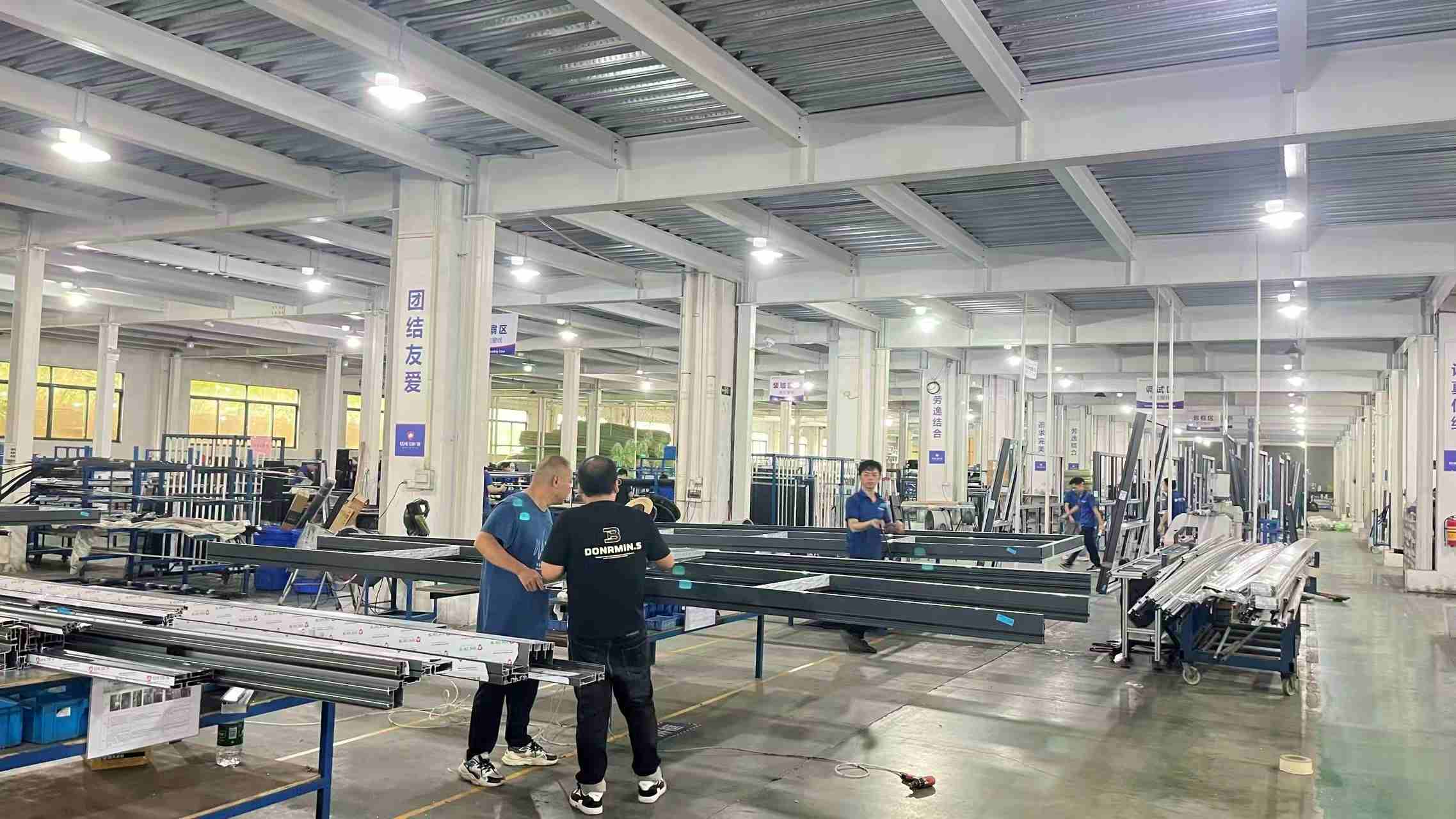
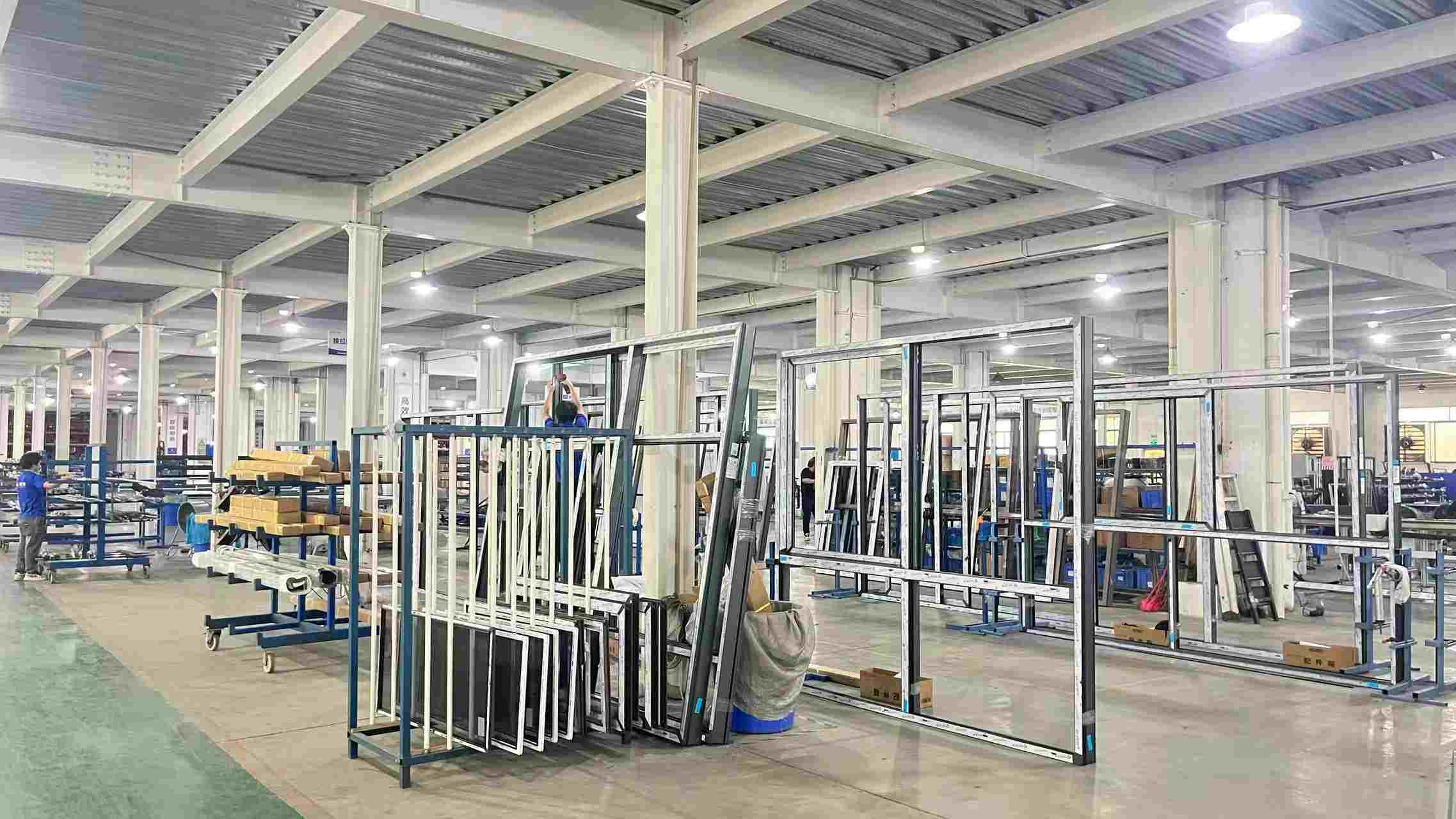
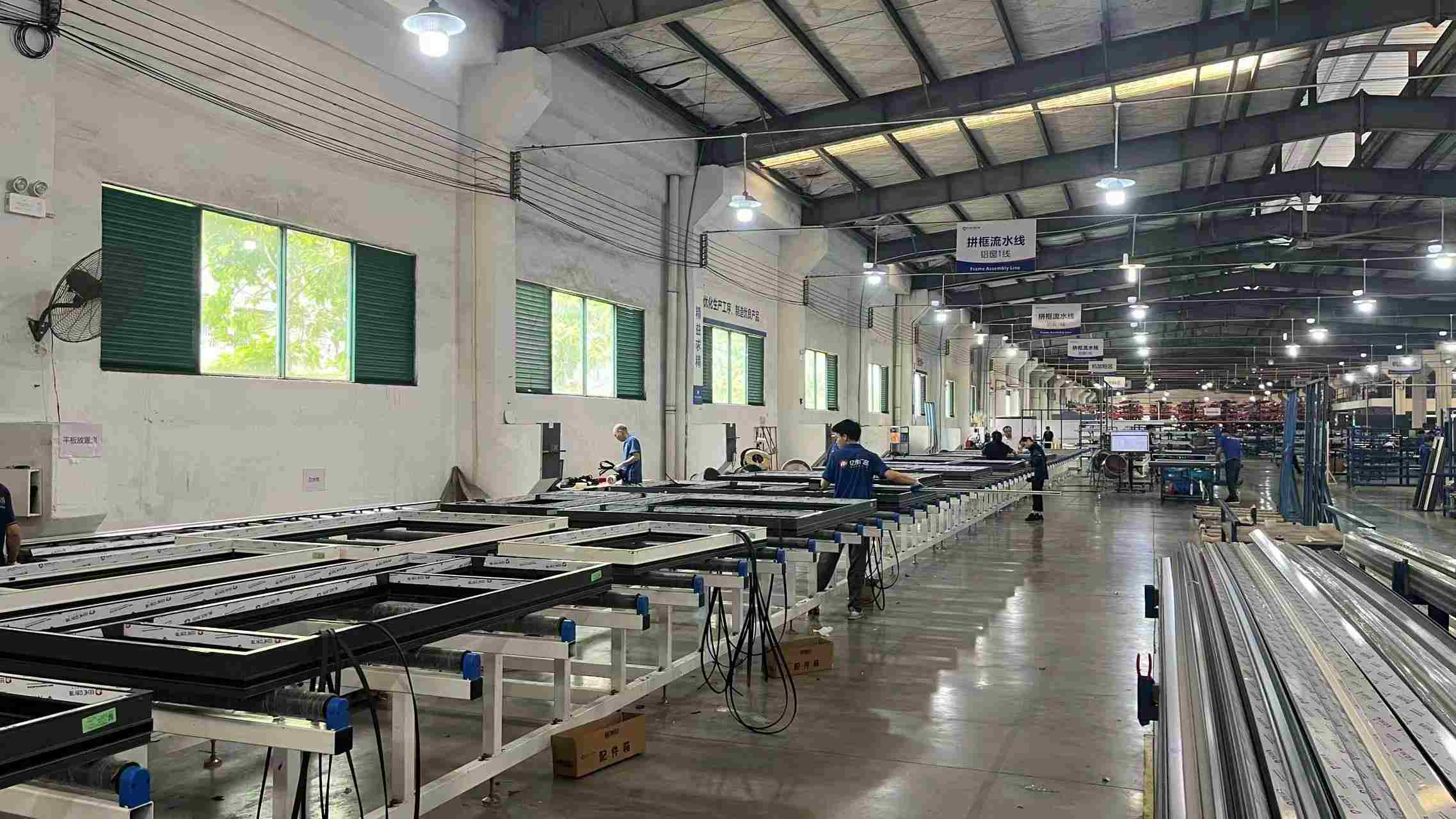
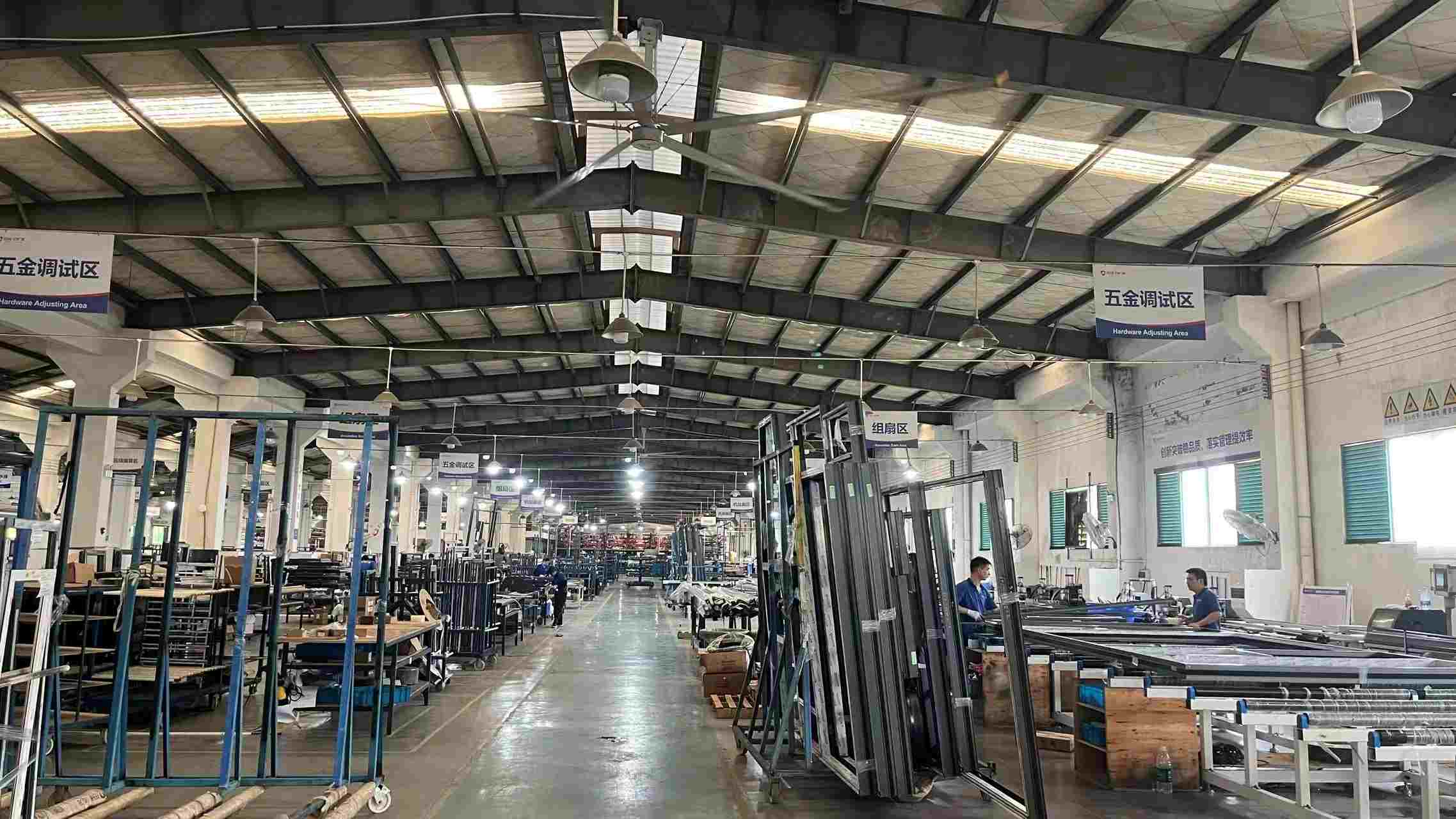
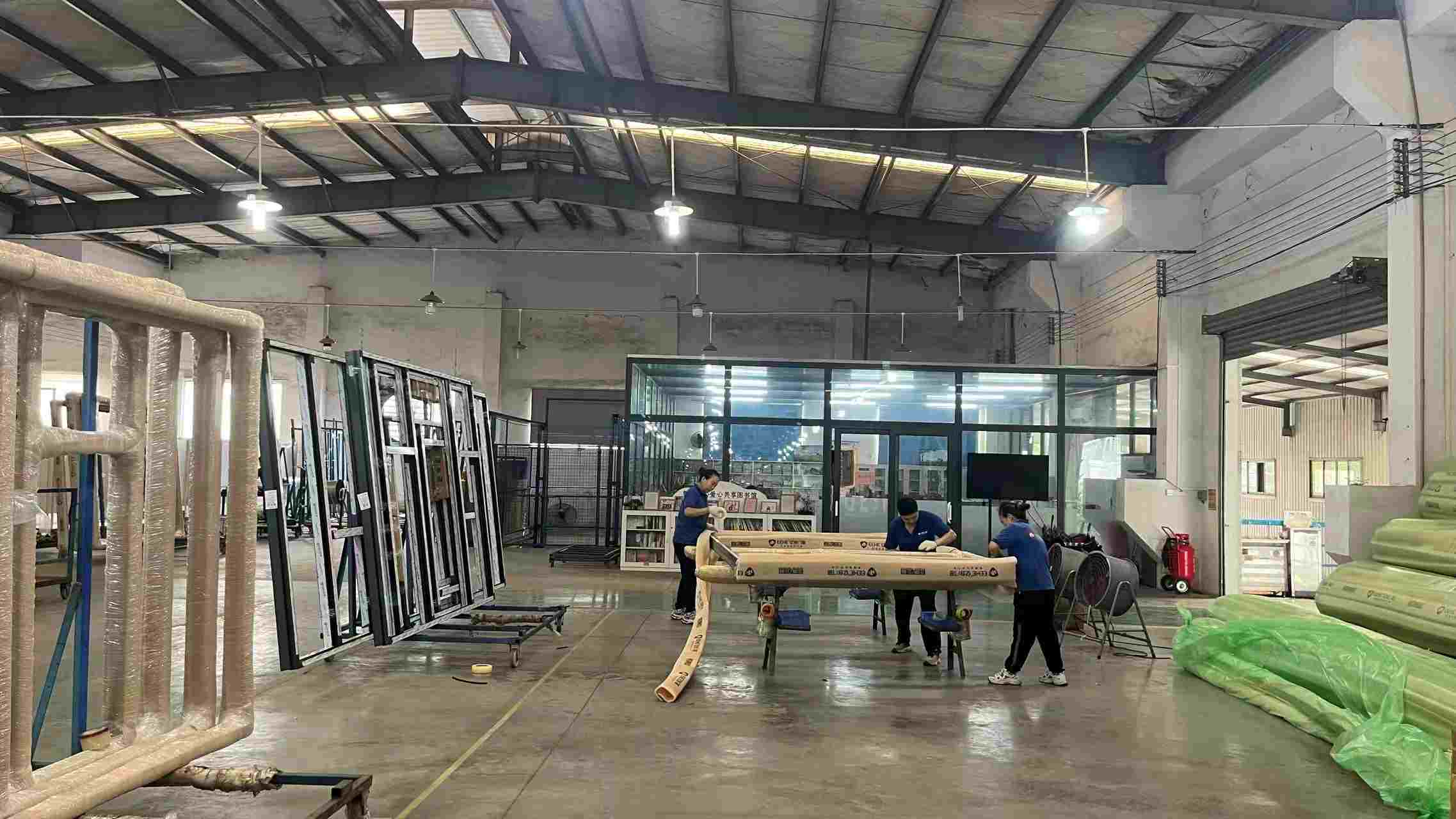
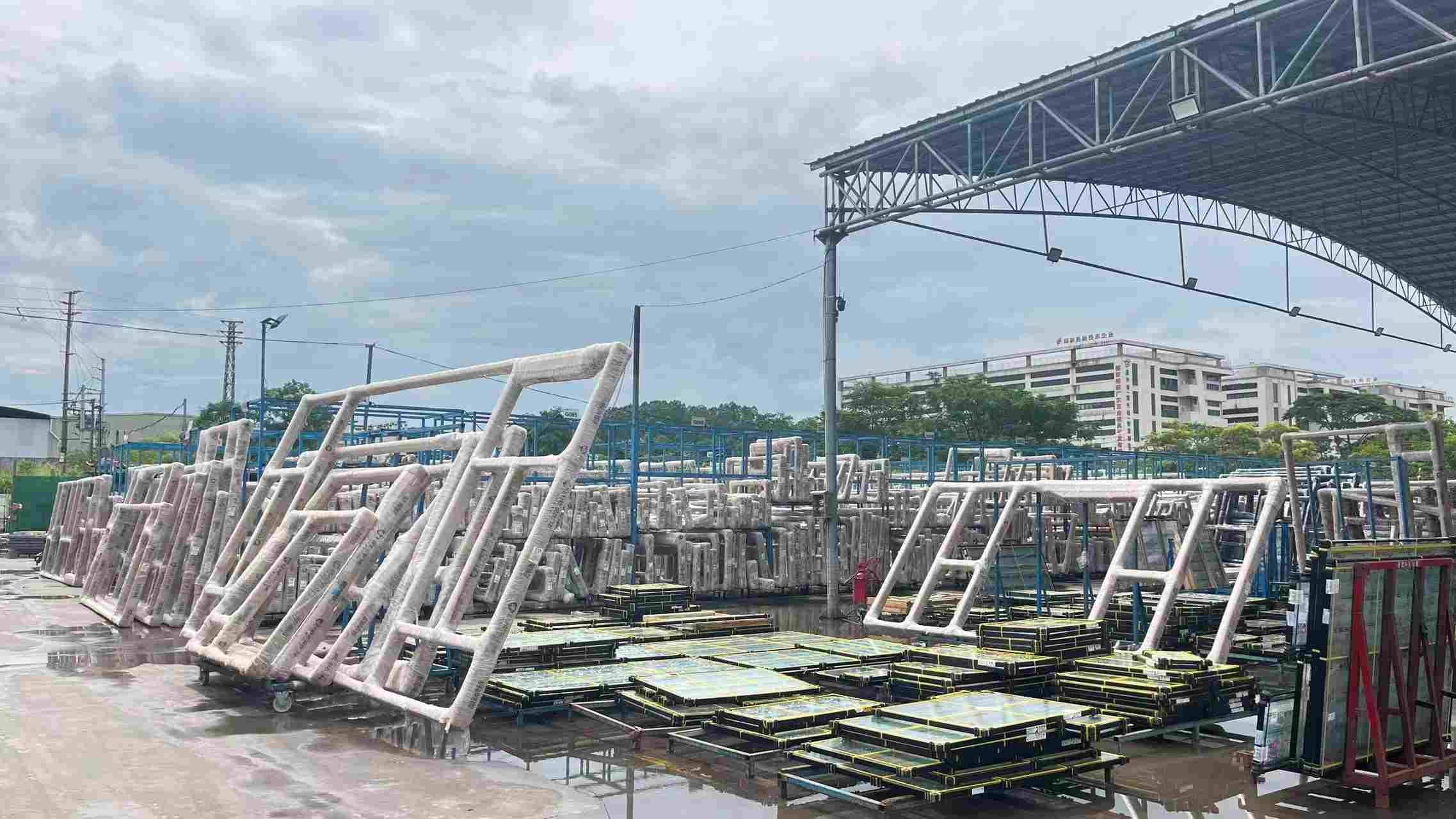
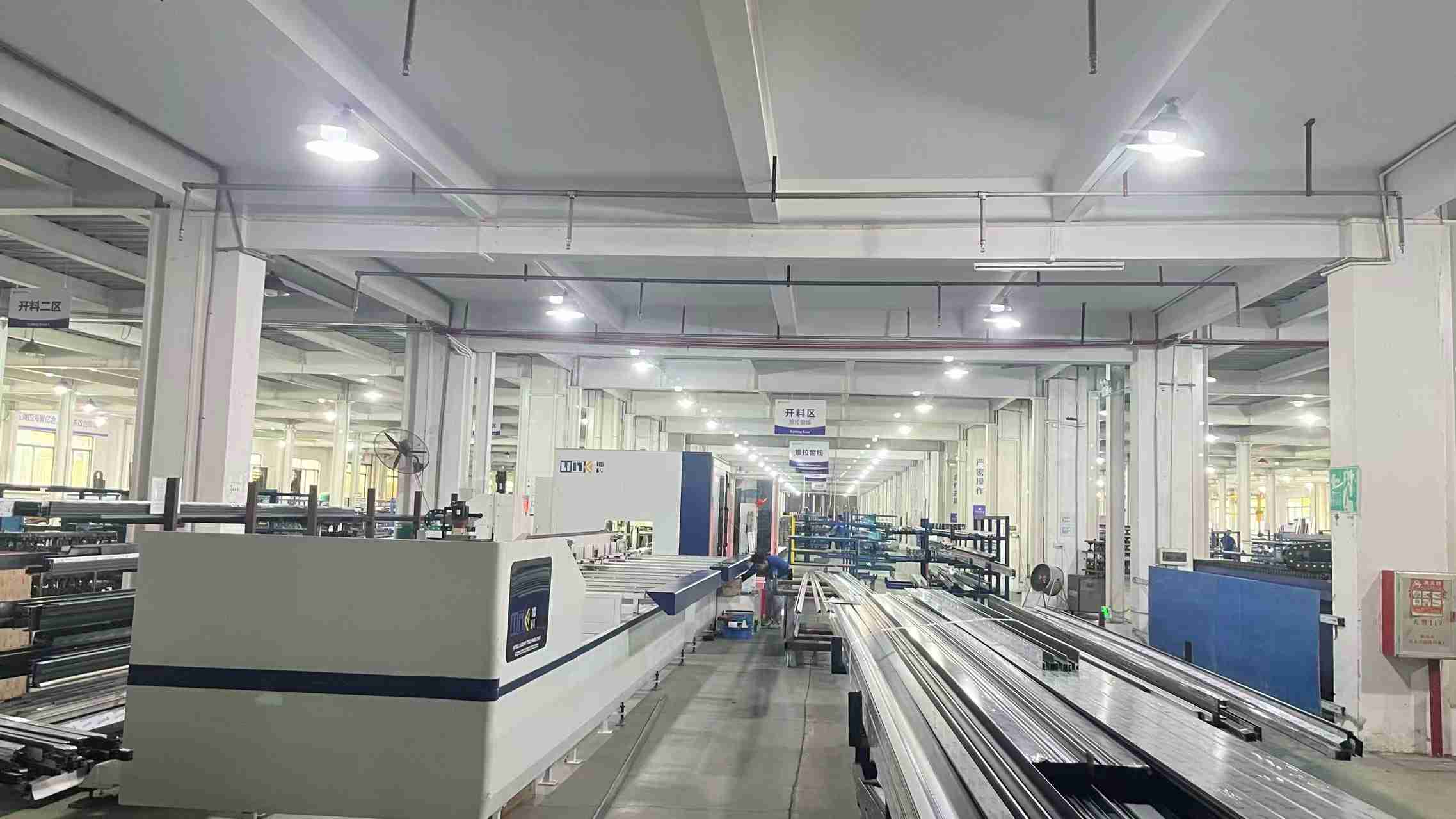
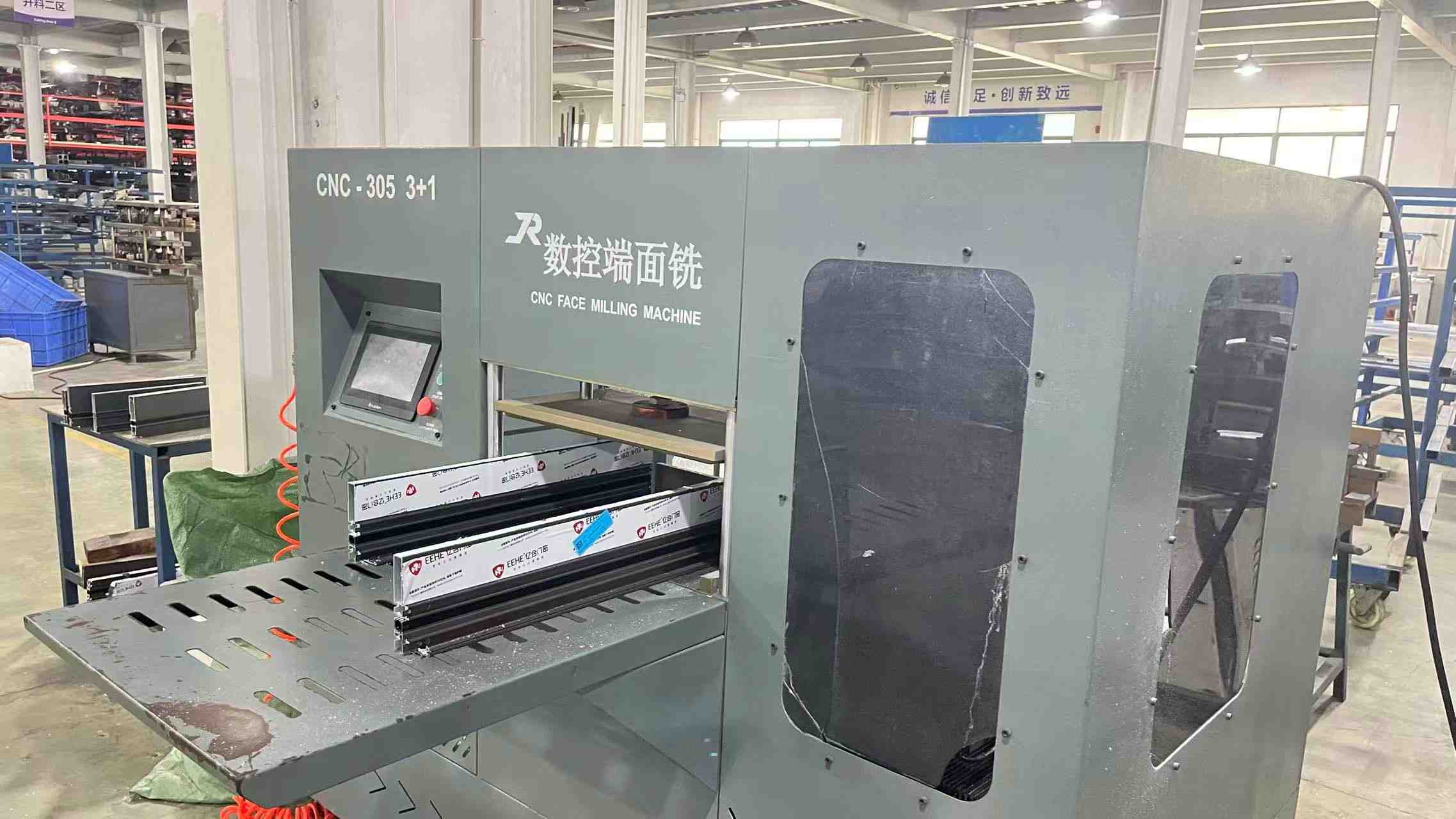
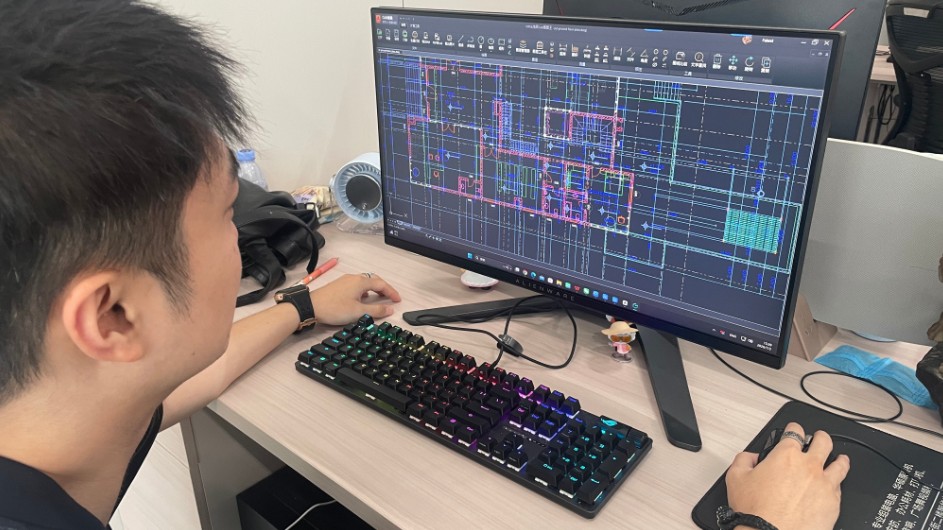
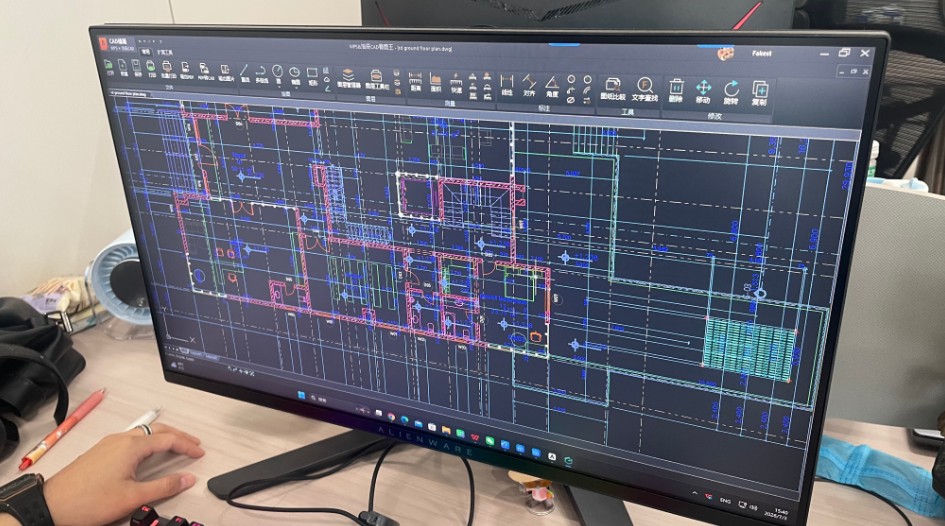
In coastal atmospheric conditions—particularly within 1,500 feet of salt ocean water—atmospheric chloride concentration accelerates electrolytic aluminum oxidation. Structural windows and doors require not only robust mechanical design but advanced chemical surface passivations.
Our aluminum impact profiles utilize high-grade 6063-T6 aluminum extrusion alloys, offering tensile strength ratings up to 30,000 PSI (207 MPa). To achieve extreme durability against salt spray corrosion, surface finishes undergo rigorous pre-treatments followed by thermosetting Fluoropolymer PVDF (Kynar 500®) coatings or minimum Class I 18-micron architectural anodization. These finishes meet AAMA 2605 specifications, guaranteeing color stability and chalking resistance under intense solar UV radiation for up to 20 years.
Contemporary architectural designs demand expansive uninhibited glazing spans, slim sightlines, and smart access technology without sacrificing wind-load safety. Our engineering department specializes in bespoke structural fenestration solutions including:
Direct answers to structural engineering, certification testing, and international shipping questions for commercial developers and distributors.
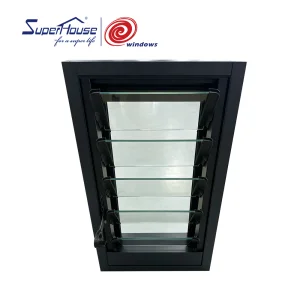
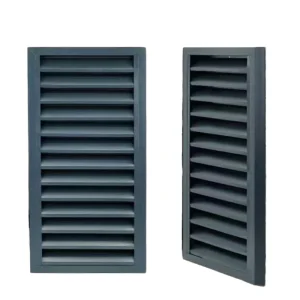
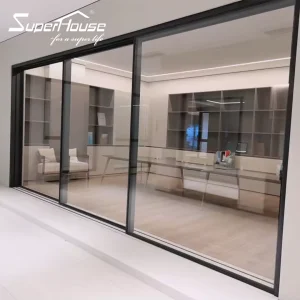
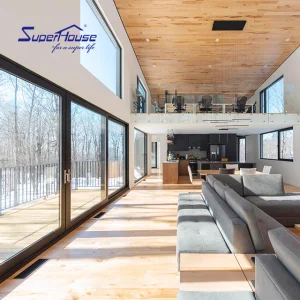
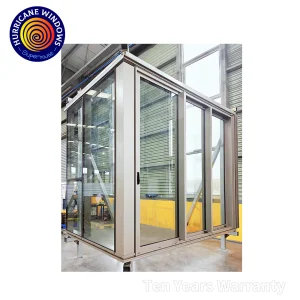
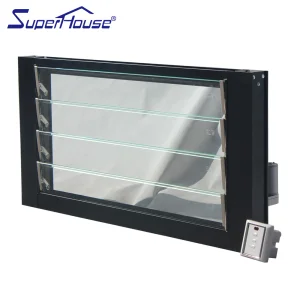
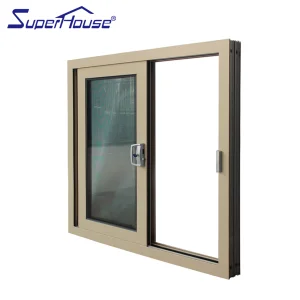
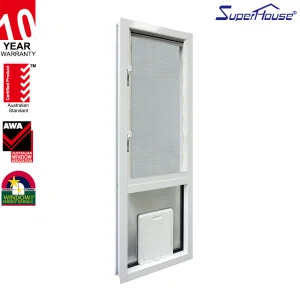
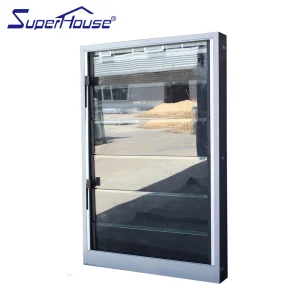
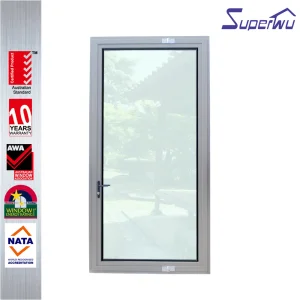
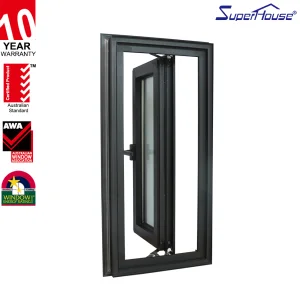
Discover our comprehensive collection of slim-frame sliding doors, motorized louver windows, fixed picture windows, and coastal-engineered villa solutions.
 Steelwar