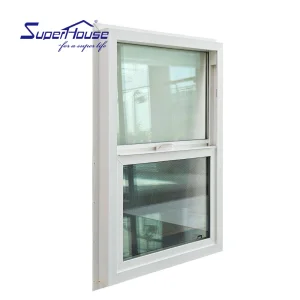
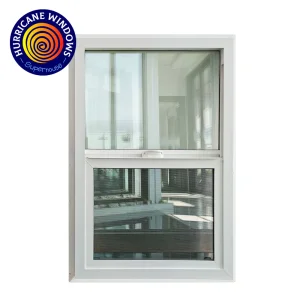
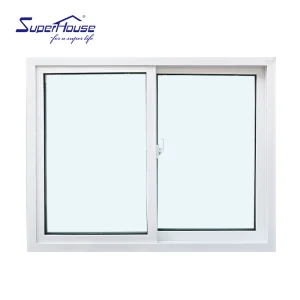
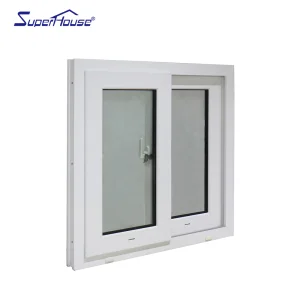
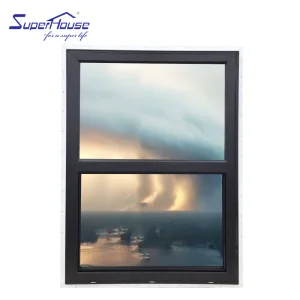
Architectural-grade vinyl single hung, double hung, sliding, and casement windows engineered for extreme climatic resistance and NFRC/AS2047 energy compliance.
Analyzing market dynamics, shift toward unplasticized polyvinyl chloride (uPVC), and decarbonization pressures across global construction ecosystems.
The global market for vinyl windows and doors is experiencing a structural paradigm shift driven by stringent energy efficiency mandates, net-zero carbon building regulations, and evolving architectural demands. Historically regarded as a cost-effective residential alternative to timber, vinyl—specifically modern Unplasticized Polyvinyl Chloride (uPVC)—has transformed into a high-performance material engineered for extreme durability, low maintenance, and exceptional thermal insulation.
In North America, vinyl fenestration currently accounts for over 68% of the residential replacement window market, bolstered by certification frameworks such as the National Fenestration Rating Council (NFRC) and ENERGY STAR® benchmarks. The shift is accelerated by rising climate volatility in coastal regions, where structural integrity must meet high design pressure (DP) ratings and Florida Building Code (FBC) High-Velocity Hurricane Zone (HVHZ) requirements (NOA / FPA approval standards).
Concurrently, in Eastern Europe and the Middle East, vinyl fenestration adoption is surging due to extreme ambient temperature differentials. In cold climates, multi-chambered vinyl profiles prevent internal condensation and frost bridging. In desert climates (such as the GCC region), modern vinyl profiles optimized with Titanium Dioxide ($TiO_2$) stabilizers effectively resist intense ultraviolet radiation, preventing yellowing, chalking, and thermal deformation even under surface temperatures exceeding 75°C.
Empowerment through automated extrusion control, dynamic impact testing, and rigorous global supply chain synchronization.
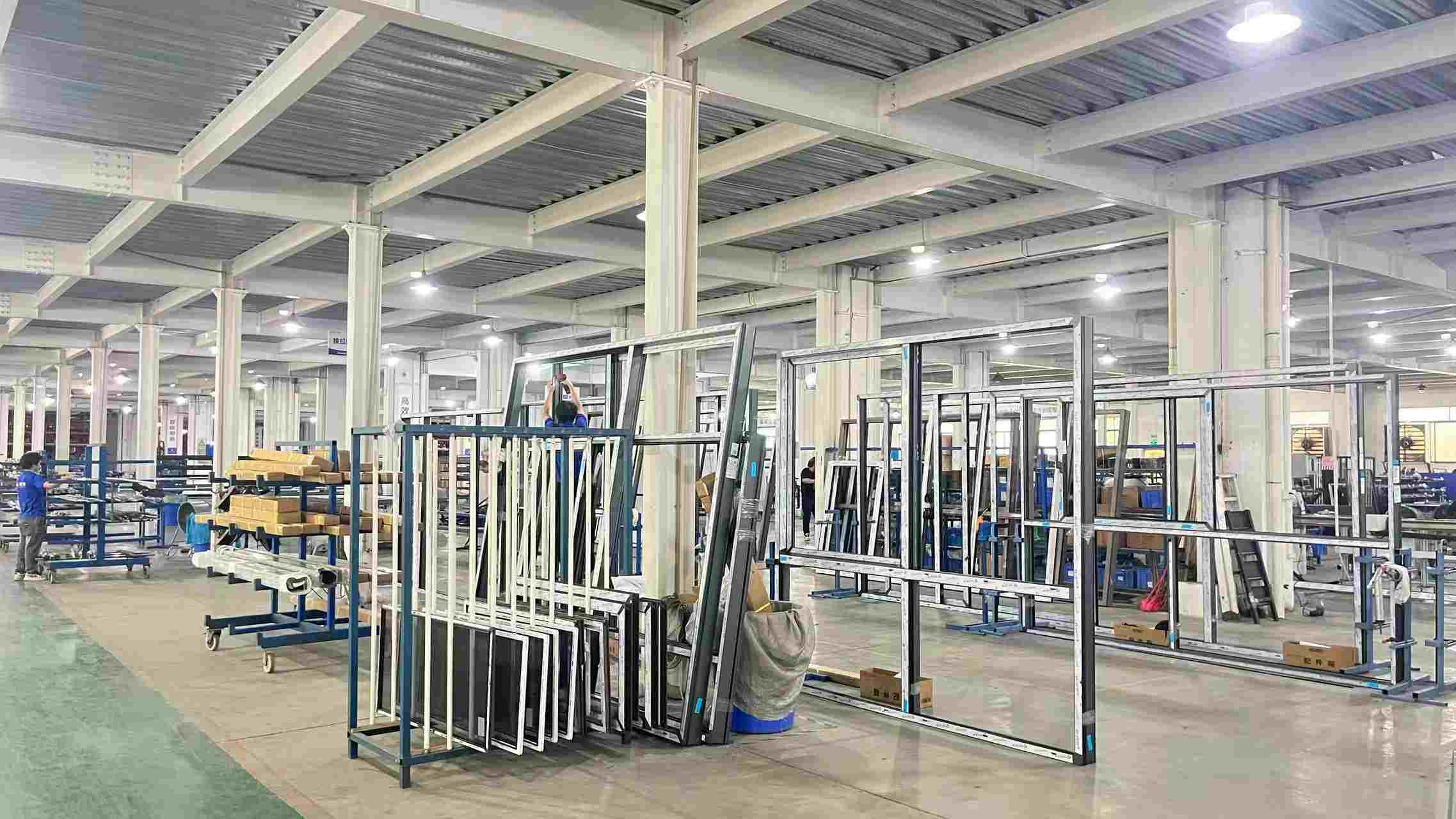
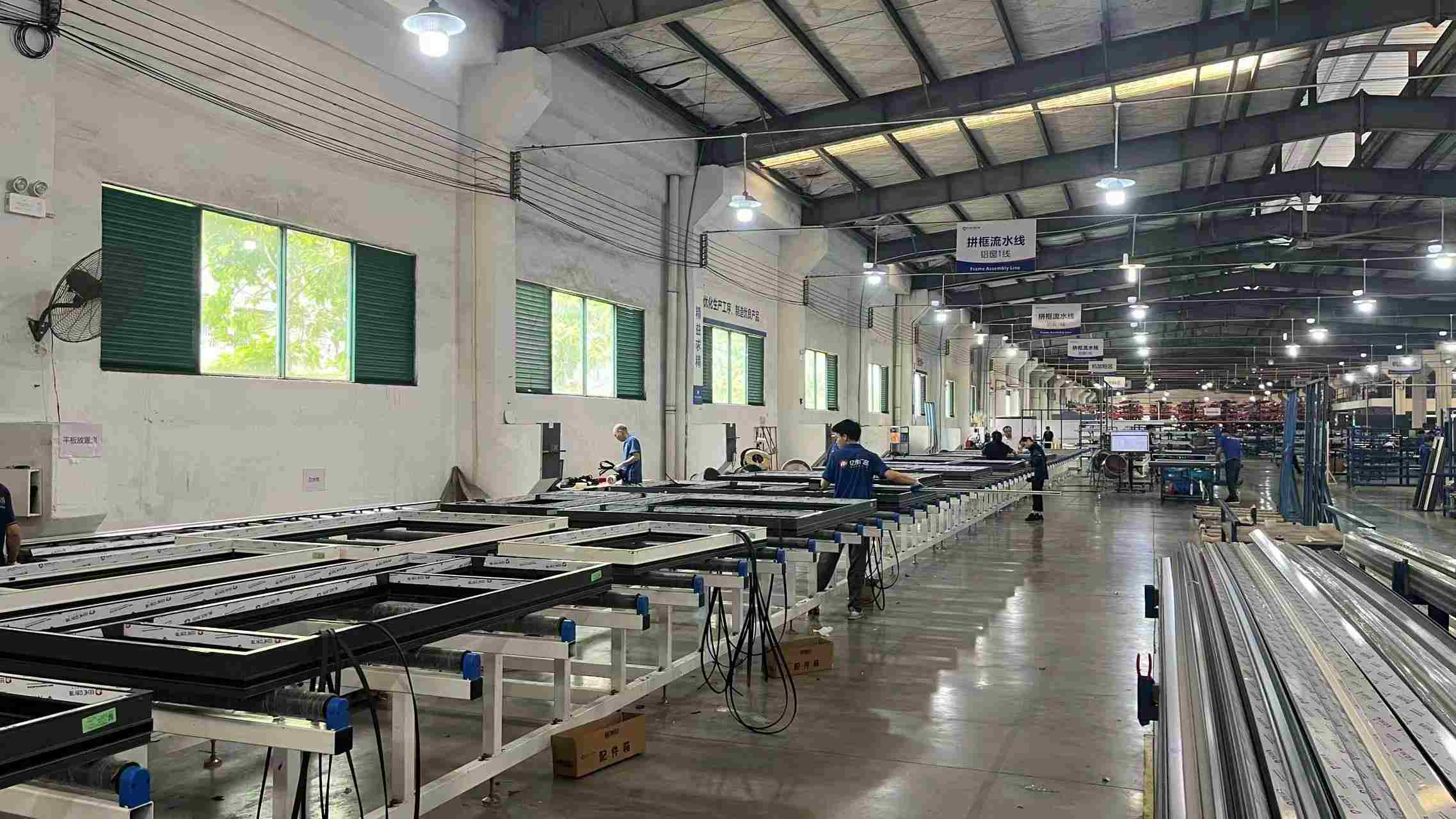
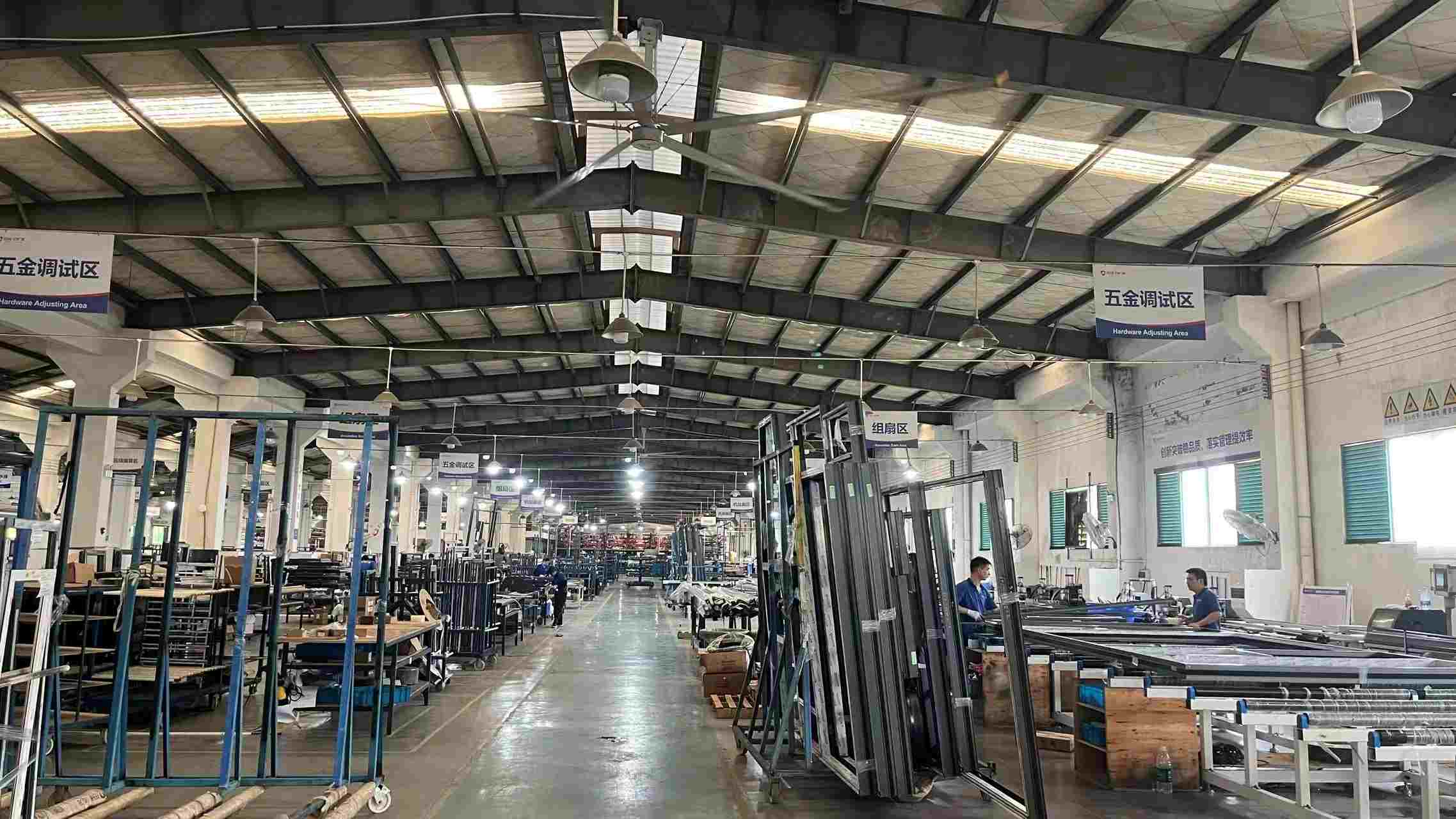
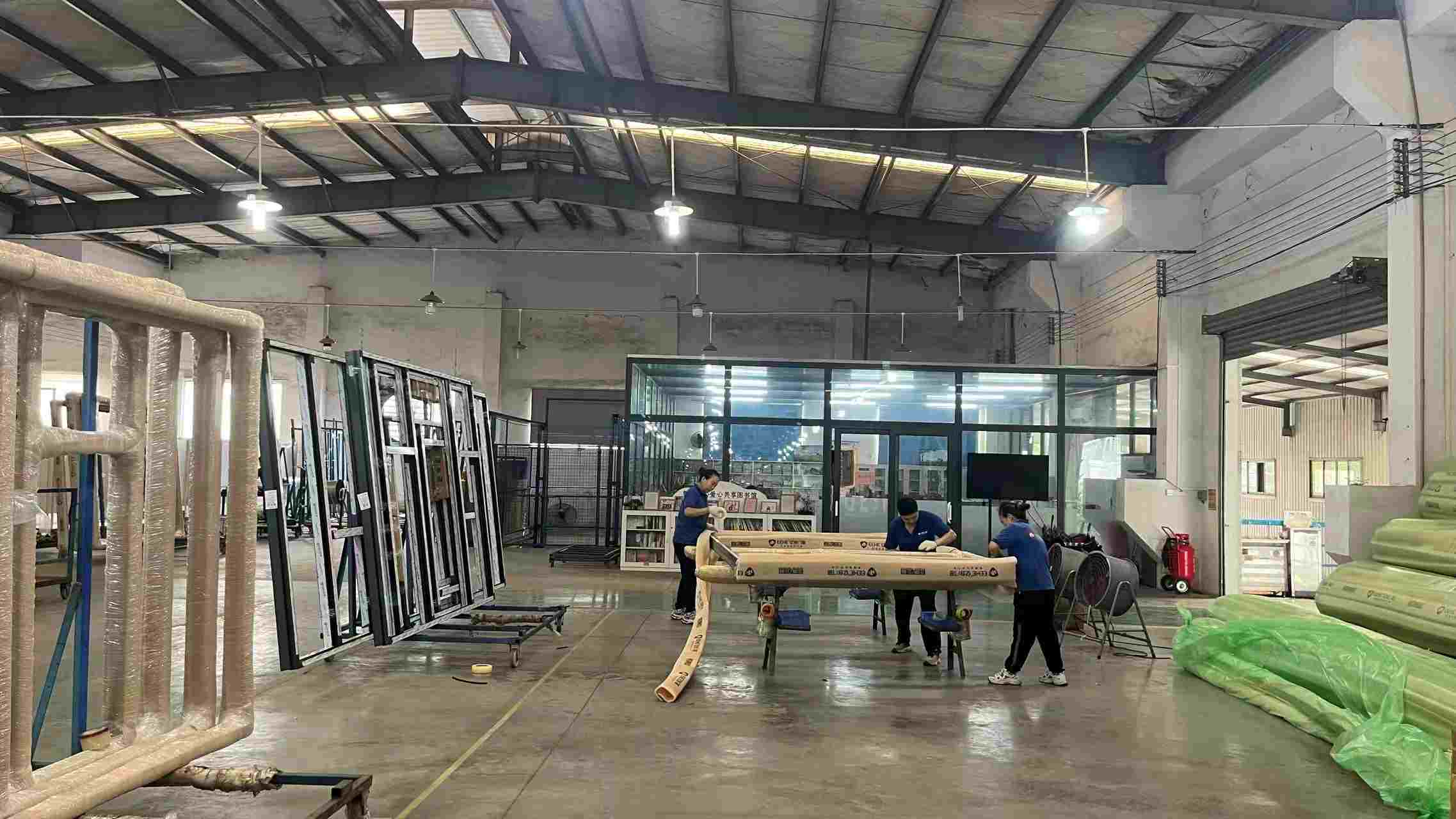
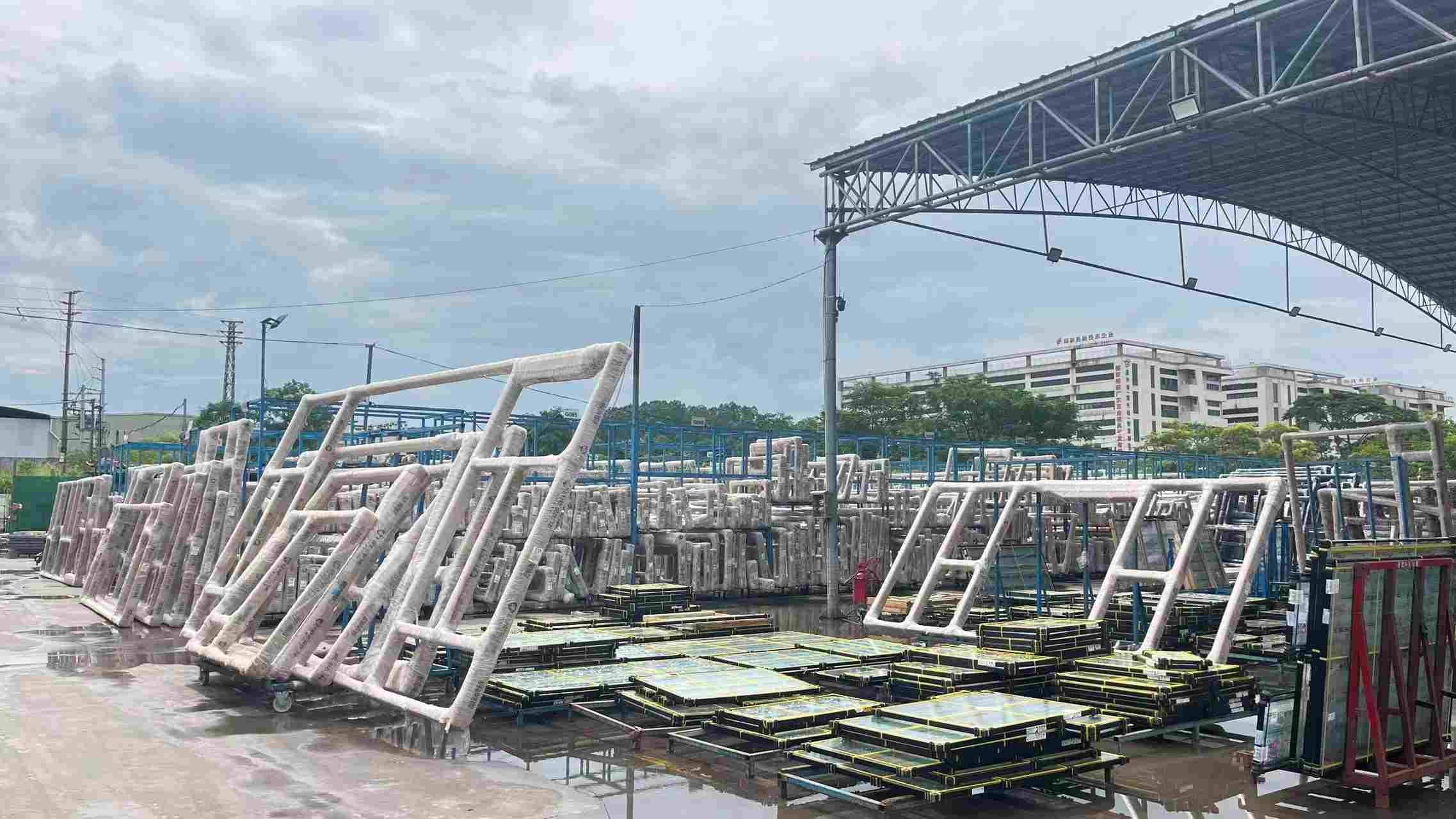
Established in 2003, Steelwar Entry Systems Co., Ltd. operates a large-scale 40,000 m² advanced manufacturing plant specializing in high-security exterior entry systems, vinyl fenestration, and architectural envelope solutions. With 21 years of continuous industry experience and 9 years of direct global export capabilities, the company generates $35 million in annual export turnover. Steelwar focuses on key markets across North America, the Middle East, and Eastern Europe, primarily supplying building material distributors, security door stockists, and commercial construction contractors.
Supported by a solid trade background and an expansive network of 1,100 supply chain partners, Steelwar maintains absolute product reliability and strict compliance with international engineering codes. Quality control is meticulously managed by a dedicated team of 50 QC specialists who execute dynamic impact resistance testing, automated frame tolerance checks, structural wind-load simulations, and corrosion-resistant coating audits. The company's engineering strength is backed by 75 R&D engineers who introduced 230 new product models last year alone. Custom enterprise options include ballistic steel cores, multi-point smart lock integration, customized RAL color finishes, and bespoke frame depths engineered for demanding commercial specs.
From CAD design modeling to automated fusion welding and final structural testing: Inside the Steelwar automated facility.
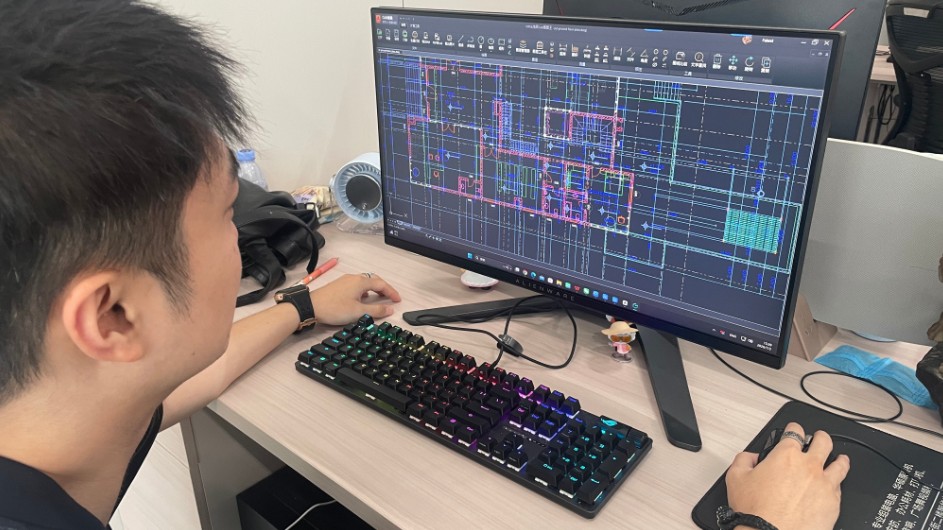
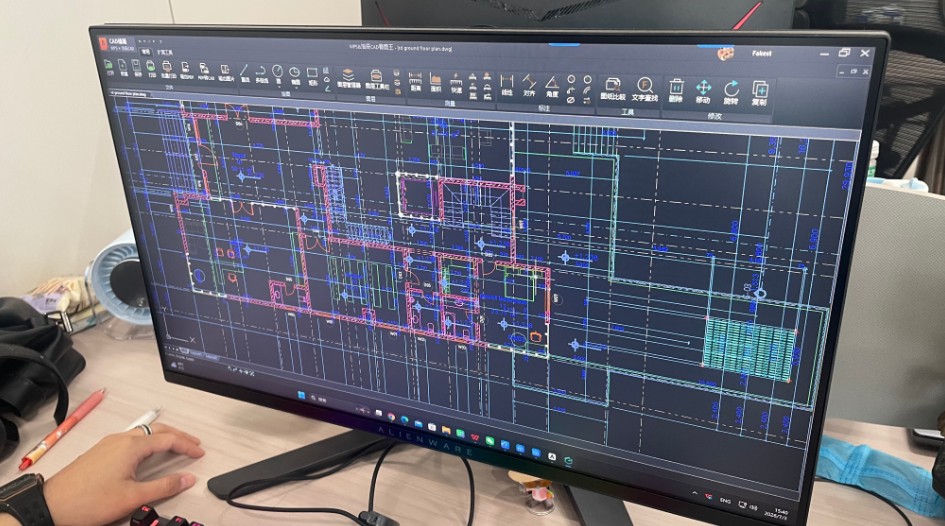
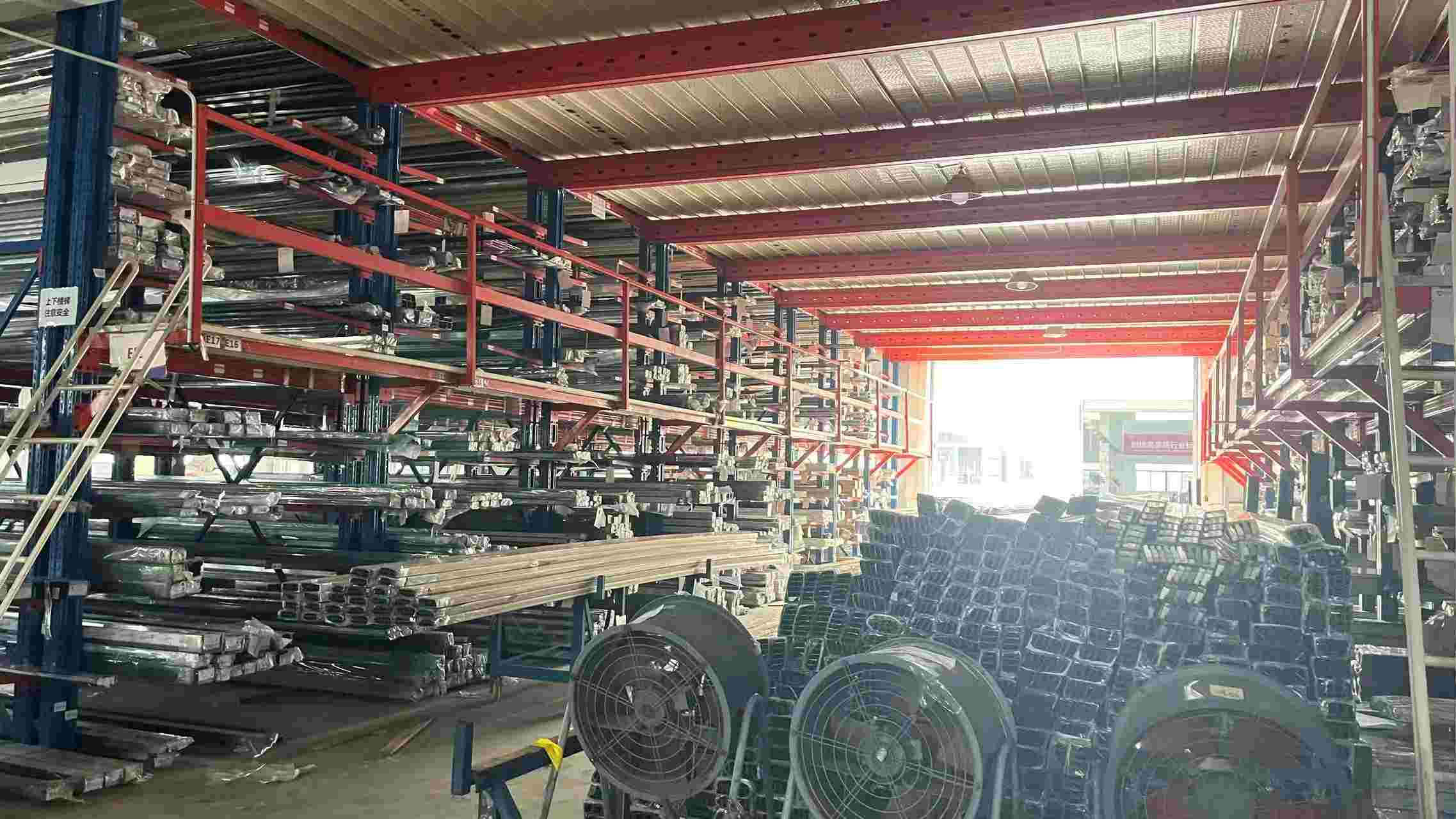
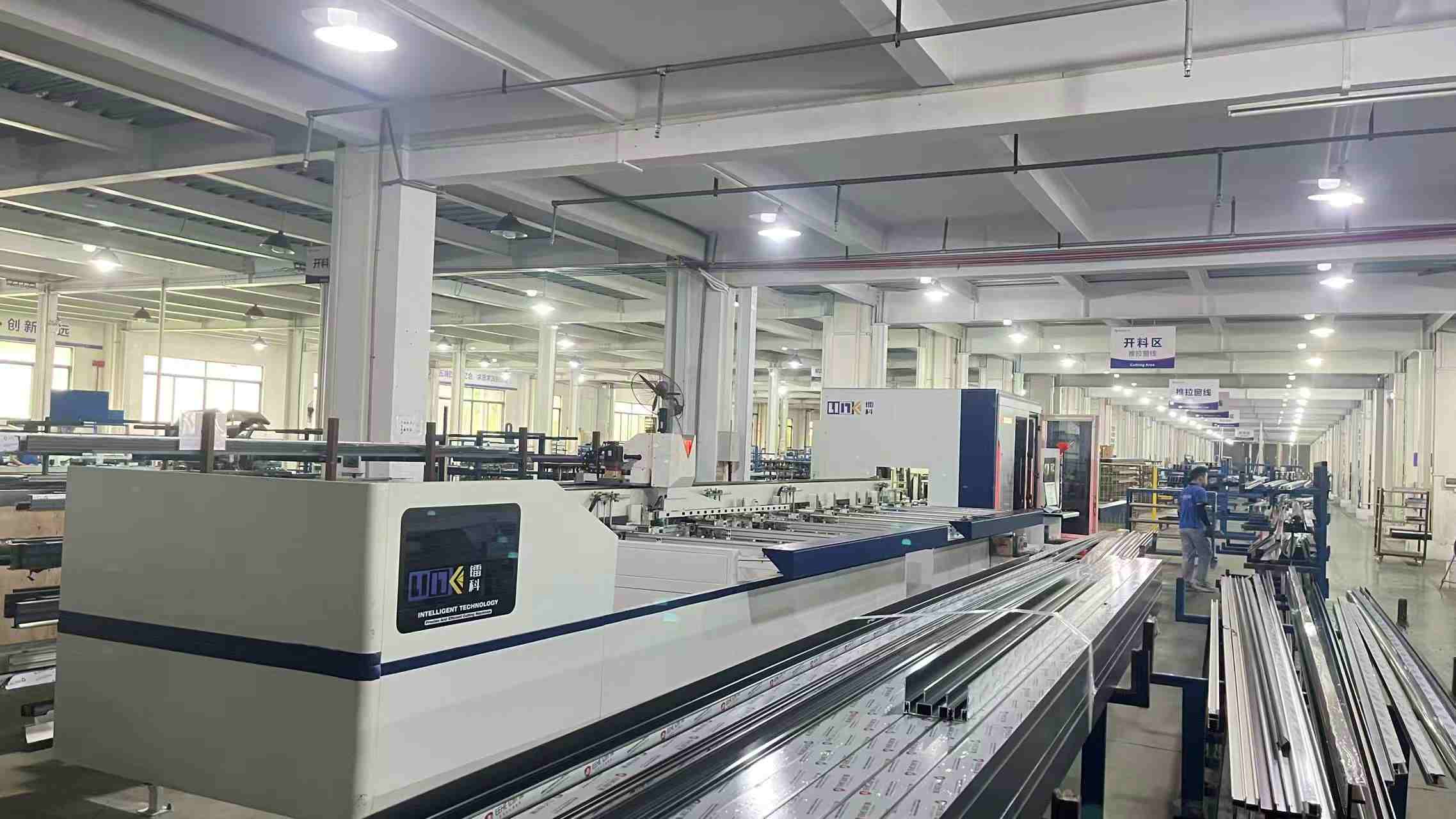
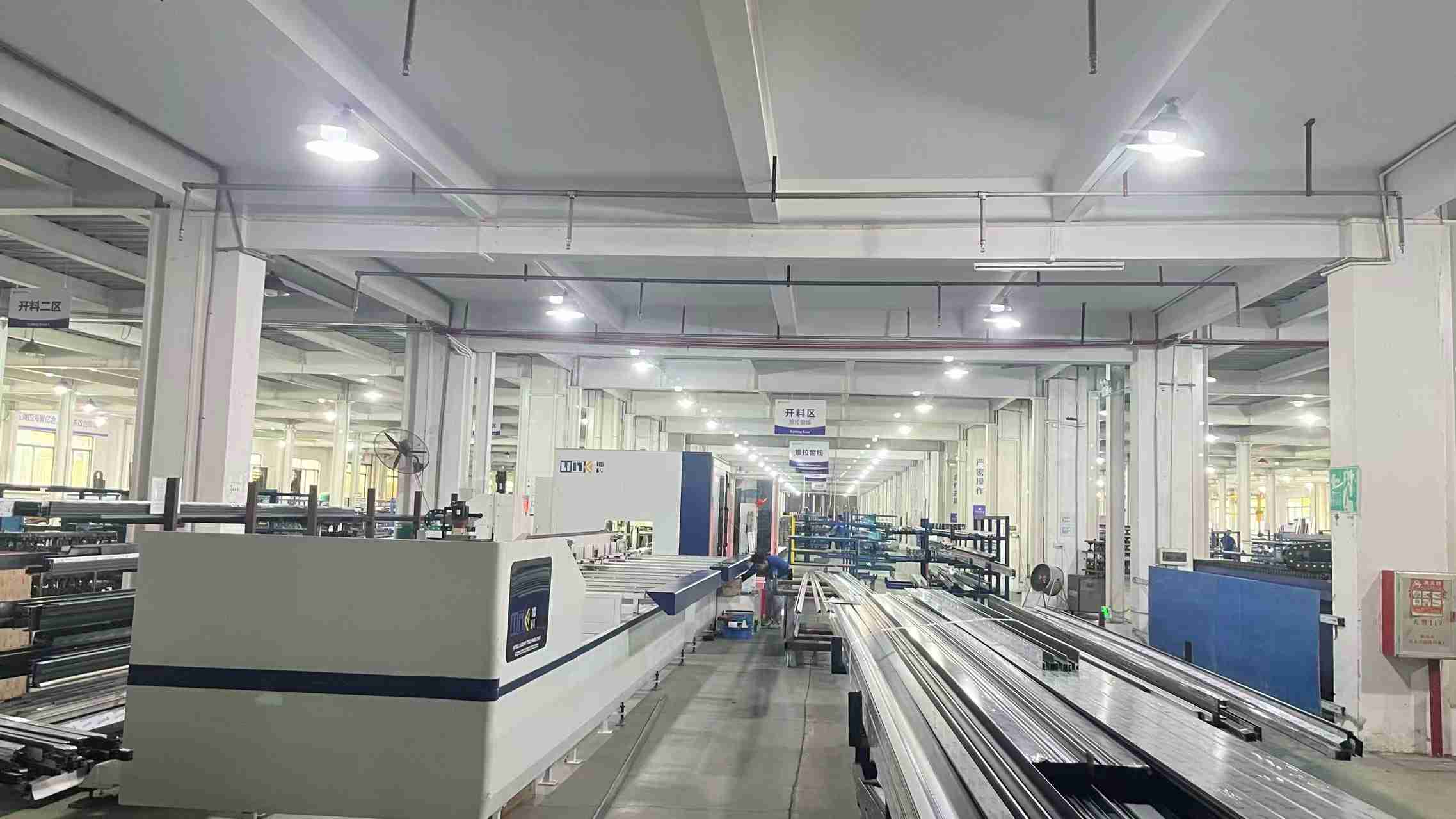
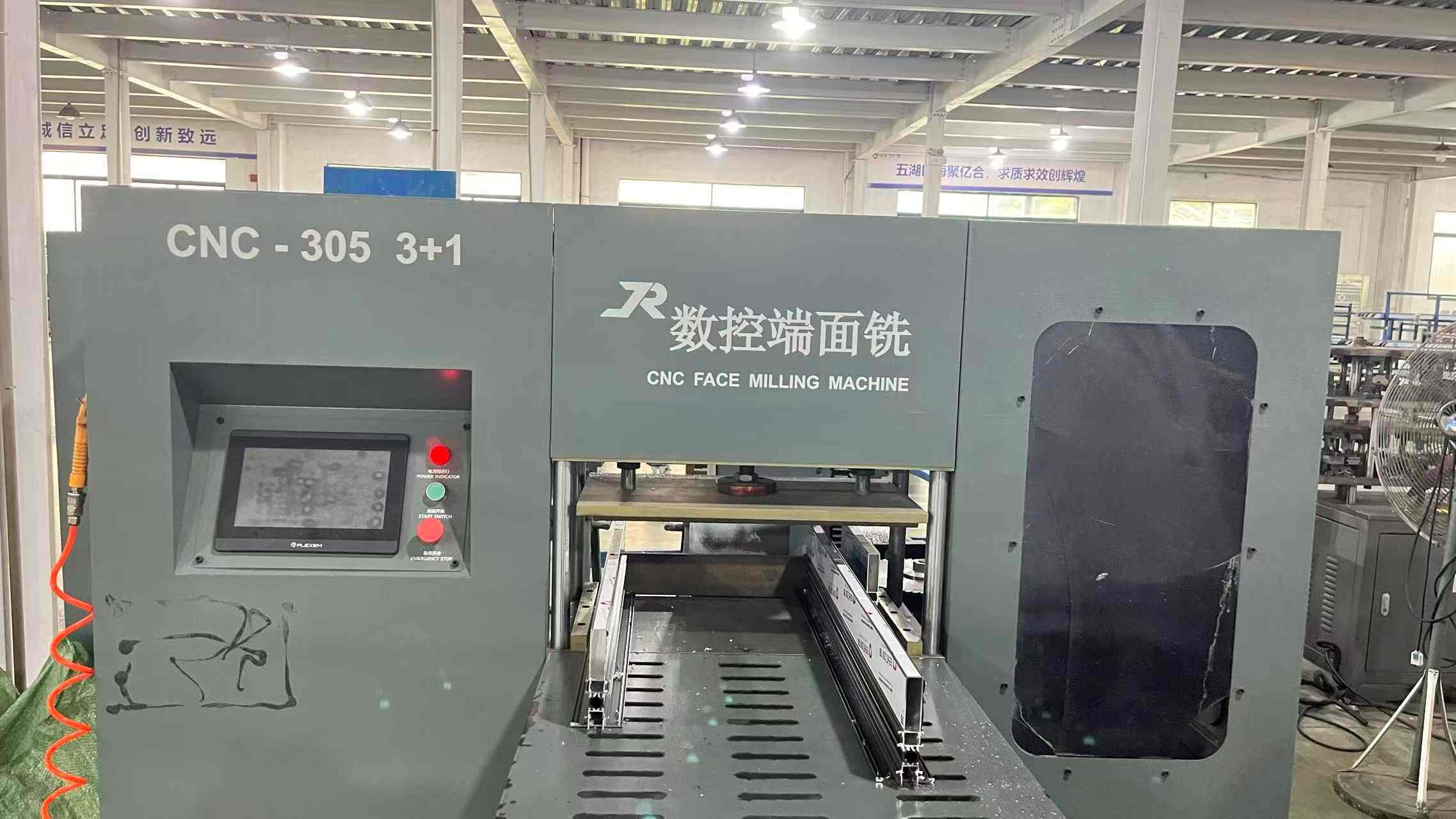
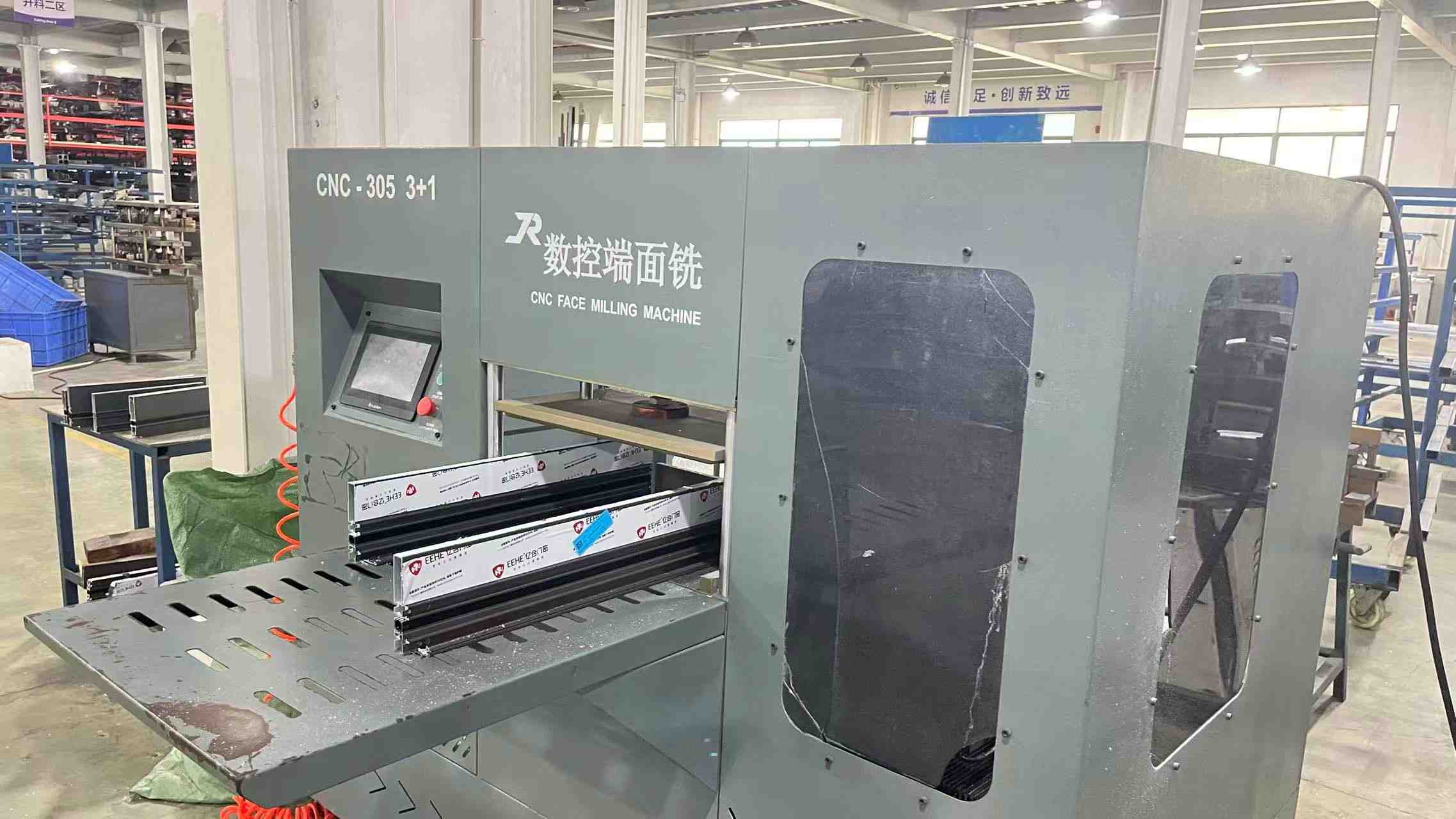
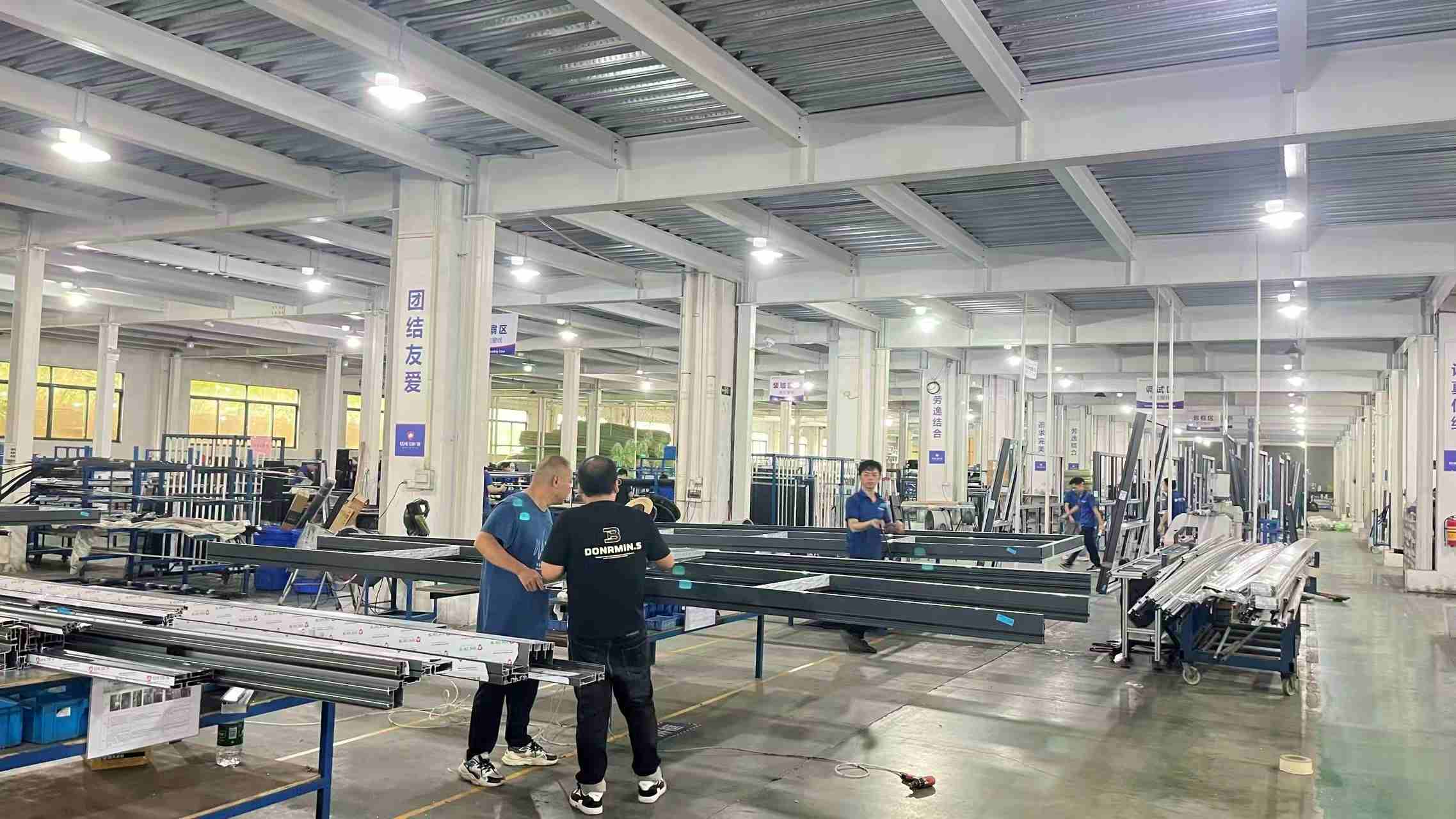
Evaluating overall heat transfer coefficient (U-Factor), Solar Heat Gain Coefficient (SHGC), and profile wall thickness standard metrics.
Vinyl extrusions utilize internal honeycomb air pockets (3 to 6 chambers). Air acts as a natural insulator, dramatically inhibiting convective heat transfer across the frame interior and lowering overall U-values down to 0.18 BTU/hr·ft²·°F.
Unlike mechanically fastened aluminum or timber frames that can separate over time creating air infiltration pathways, uPVC joints are heat-fusion welded at 240°C into a monolithic structural unit, yielding zero joint leakage.
Paired with microscopic silver oxide Low-E thermal coatings and 90% high-purity Argon gas fill between glass panes, units optimize daylight transmittance while reflecting up to 96% of destructive infrared heat radiation.
For high-rise commercial structures and severe wind zones, vinyl extrusions feature internal heavy-gauge galvanized steel channel inserts, enabling high structural resistance (DP rating 50 to 80+ pounds per square foot).
Double and triple glazed vinyl fenestration provides exceptional Sound Transmission Class (STC) ratings between 32 dB and 45 dB, isolating occupants from urban noise pollution and traffic vibrations.
Laminated impact glass integrated into vinyl framing prevents shattering under windborne debris flying at speeds exceeding 140 mph, complying with Florida Building Code (HVHZ) and NFRC impact standards.
A comprehensive structural breakdown for architects, procurement heads, and structural engineers.
| Performance Criteria | High-Grade uPVC Vinyl | Standard Aluminum | Thermal Break Aluminum | Architectural Timber |
|---|---|---|---|---|
| Thermal Conductivity (k) | Ultra Low (~0.17 W/mK) | High (~200 W/mK) | Moderate (~1.5 W/mK) | Low (~0.13 W/mK) |
| Condensation Resistance (CR) | Superior (CR 65 - 75) | Poor (CR 15 - 30) | Good (CR 50 - 60) | Moderate (CR 55 - 65) |
| Maintenance & Corrosion | Zero Corrosion / No Painting | Requires Anodizing/Coating | Requires Coating Maintenance | High Maintenance / Rot Risk |
| Corner Joint Seal Integrity | 100% Fusion-Welded Airtight | Gasket / Screw Mechanical | Gasket / Corner Crimp | Mortise & Tenon (Wood Glue) |
| Life Cycle Cost Efficiency | Maximum ROI (Lowest Total Cost) | Moderate | High Initial Investment | Very High Ongoing Cost |
Custom engineering strategies for distinct regional climate demands and building code environments.
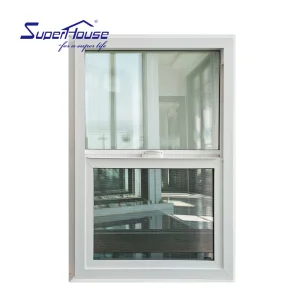
Challenge: Strict ENERGY STAR® Version 7.0 guidelines, high hurricane impact zone mandates, and high consumer preference for vertical single/double hung styles.
Solution: Custom-extruded NFRC and NOA certified vinyl single and double hung windows equipped with nail fins, constant-force balance systems, and double Low-E Argon units achieving U-factors $\le 0.22$.
Challenge: Extreme solar irradiance, sandstorm abrasion, and ambient heat reaching up to 50°C, causing frame distortion in subpar plastics.
Solution: Tropical-grade uPVC formulations containing high-mass fraction $TiO_2$ UV stabilizers, co-extruded EPDM gaskets, and spectrally selective double-tinted glass units reducing solar heat gain (SHGC $\le 0.20$).
Challenge: Sub-zero winter freezes, interior surface condensation leading to mold growth, and high heating energy overheads.
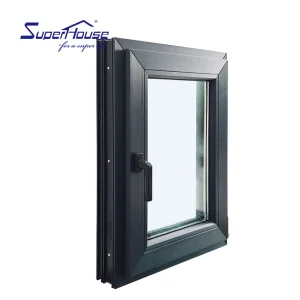
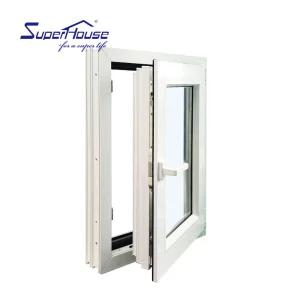
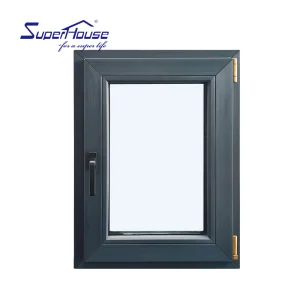
Solution: 6-chamber 80mm profile depth vinyl casement and tilt-and-turn windows featuring triple glass glazing, warm-edge composite spacers, and dual compression rubber weather-stripping.
Next-generation advancements shaping modern high-performance fenestration systems.
Transitioning from traditional petroleum-derived vinyl resin to bio-attributed PVC made from forestry side-streams, reducing the embodied carbon footprint of window frames by over 40% while preserving mechanical rigidity.
Incorporating ultra-thin Vacuum Insulated Glass units (0.2mm vacuum gap) into standard multi-chamber vinyl sashes, enabling triple-pane thermal performance in lightweight, slender frame profiles.
Integrating dynamic electrochromic tinting and transparent Building Integrated Photovoltaic (BIPV) coatings directly into vinyl window sash assemblies, generating clean solar power while automatically self-regulating indoor light levels.
Expert answers addressing certification, customization, structural performance, and supply logistics.
Explore customized color profiles, hurricane-proof structures, and double-glazed vinyl windows engineered for commercial projects.
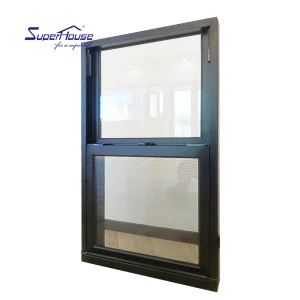
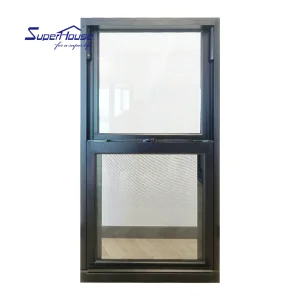
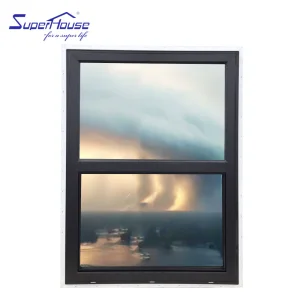
Leverage Steelwar Entry Systems Co., Ltd.'s 40,000 m² manufacturing ecosystem, 75 R&D engineers, and certified quality control protocols for your commercial construction project or distribution network.
 Steelwar