Precision-engineered aluminum envelope solutions built for structural rigidity, extreme climate resilience, and modern minimalist aesthetics.
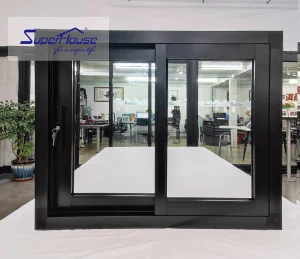
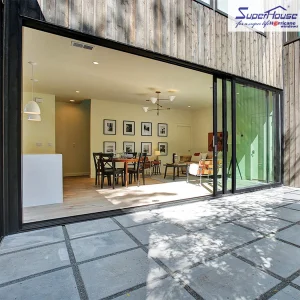
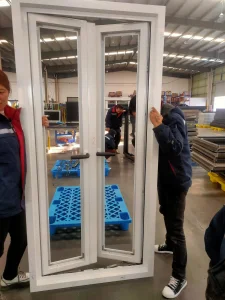
The global market for premium architectural front doors is undergoing a structural transformation. Driven by stringent carbon-neutrality mandates, extreme weather anomalies, and high-end residential design aesthetics, aluminum entry systems have rapidly outpaced traditional timber and hollow-core steel doors in both residential and commercial sectors.
Unlike natural timber, which is prone to warping, moisture expansion, and atmospheric degradation, high-grade extruded aluminum alloys (such as 6063-T6) offer unyielding dimensional stability. Enhanced by polyamide thermal break strips (PA66-GF25), modern aluminum front doors achieve U-values under 0.8 W/m²K, matching Passive House energy-efficiency benchmarks while providing dynamic wind-load resistance exceeding 5,000 Pa.
Modern architectural design trends favor large-format entrance spans, ultra-slim sightlines, and flush panel integrations. High-tensile aluminum extrusions support massive pivot doors and floor-to-ceiling entrance frames up to 4 meters high without structural deflection. Coupled with advanced fluorocarbon (PVDF) and electrostatic powder coatings, aluminum provides endless bespoke colorways including textured metal, anodic oxides, and realistic architectural timber finishes.
Modern entrance systems have evolved into integrated access control hubs. Today's commercial and luxury residential projects demand seamless hardware integration: 3D biometric fingerprint scanners, facial recognition cameras, motorized multi-point automatic locking hardware (EN 12209 standard), and hidden magnetic drop-seals. Aluminum profile cavities allow internal routing of low-voltage wiring and micro-actuators without compromising aesthetics or security structure.
Key Market Indicator: Global demand for thermally insulated, high-security aluminum exterior entrance doors is projected to grow at a CAGR of 6.8% through 2030, driven predominantly by North American coastal construction codes (NFRC/Florida HVHZ) and European green building initiatives (EPBD mandates).
To assist global procurement directors, commercial contractors, and facade engineers in identifying qualified OEM/ODM partners, we evaluated manufacturers against six rigorous industrial metrics: extrusion alloy purity, thermal break engineering, lock mechanism integration, surface treatment longevity, certification compliance, and global delivery capacity.
| Manufacturer Criteria | Technical Specification Benchmark | Primary Industrial Application | Global Quality Certification |
|---|---|---|---|
| 1. Steelwar Entry Systems | 40,000m² facility, 6063-T6 Aluminum, Ballistic Core, Multi-Point Smart Lock | High-Security Residential Villas, Commercial Facades, Global Distribution | ISO9001, NFRC, NOA Florida Approved, AS2047 |
| 2. Schuco International | Modular aluminum profile systems, subterranean drain channels, integrated sensor automation | Luxury Commercial Buildings, High-End European Passive Houses | CE, DIN EN 1627 RC4, Passive House Institute |
| 3. Reynaers Aluminium | High-insulation MasterLine 8 profiles, ultra-narrow sightlines, high air-water tightness | Architectural Office Towers, Premium Urban Residential Envelopes | Qualicoat Seaside, ISO 14001, BREEAM Compliant |
| 4. Cortizo Systems | Bi-fold and pivot entrance profiles, polyurethane break technology, sound attenuation up to 46 dB | Multi-Family Residential, Coastal Resort Developments | AAMA, Qualanod, CE Mark |
| 5. Kawneer (Arconic) | Heavy-duty commercial entrance swing doors, reinforced panic hardware integration | Institutional Infrastructure, Educational Facilities, Retail Malls | ASTM E330, Florida Building Code (FBC), LEED V4 |
| 6. Technal (Hydro Group) | Circal low-carbon recycled aluminum (>75% scrap), embedded dynamic thermal breaks | Sustainable Green Commercial Developments, Institutional Architecture | Cradle to Cradle Certified, ISO 50001, Qualicoat |
| 7. YKK AP America | MegaPro storm-resistant entry systems, heavy-gauge perimeter structural sub-frames | High-Velocity Hurricane Zone (HVHZ) Structures, Mid-Rise Commercial | Miami-Dade NOA, NFRC Certified, AAMA 101 |
| 8. Origin Global | Bespoke architectural front doors, precision engineered hinge assemblies, ultra-fast lead times | Bespoke Residential Upgrades, Custom Architectural Villas | PAS 24, Secured by Design (UK), ISO 9001 |
| 9. Alumil Fabrics | SUPREME SD95 & SD115 thermal entrance systems, carbon fiber internal stiffeners | Ultra-Modern Mega Mansions, Commercial Headquarters | ift Rosenheim Tested, CE, Qualicoat |
| 10. Andersen Commercial (AL Panel) | Extruded aluminum clad composite entry doors, extreme moisture barrier framing | North American Suburban Development, Mixed-Use Retail Base | NFRC Energy Star, WDMA Hallmark Certified |
Established in 2003, Steelwar Entry Systems Co., Ltd. operates a large-scale 40,000 m² manufacturing plant specializing in high-security exterior entry doors. With 21 years of continuous industry experience and 9 years of global export capabilities, the company generates $35 million in annual export turnover. Steelwar focuses on key markets across North America, the Middle East, and Eastern Europe, primarily supplying building material distributors, security door stockists, and commercial construction contractors.
Supported by a solid trade background and a network of 1,100 supply chain partners, Steelwar maintains strict product reliability. Quality control is managed by a team of 50 QC specialists who execute dynamic impact resistance testing, automated frame tolerance checks, and corrosion-resistant coating audits. The company's engineering strength is backed by 75 R&D engineers who introduced 230 new product models last year. Custom options include ballistic steel cores, multi-point smart lock integration, customized RAL color finishes, and bespoke frame depths.
Steelwar's 40,000 m² factory integrates digitized CNC machining centers, automated gluing stations, precise milling equipment, and rigorous QA testing environments to guarantee zero-defect tolerance for international shipments.
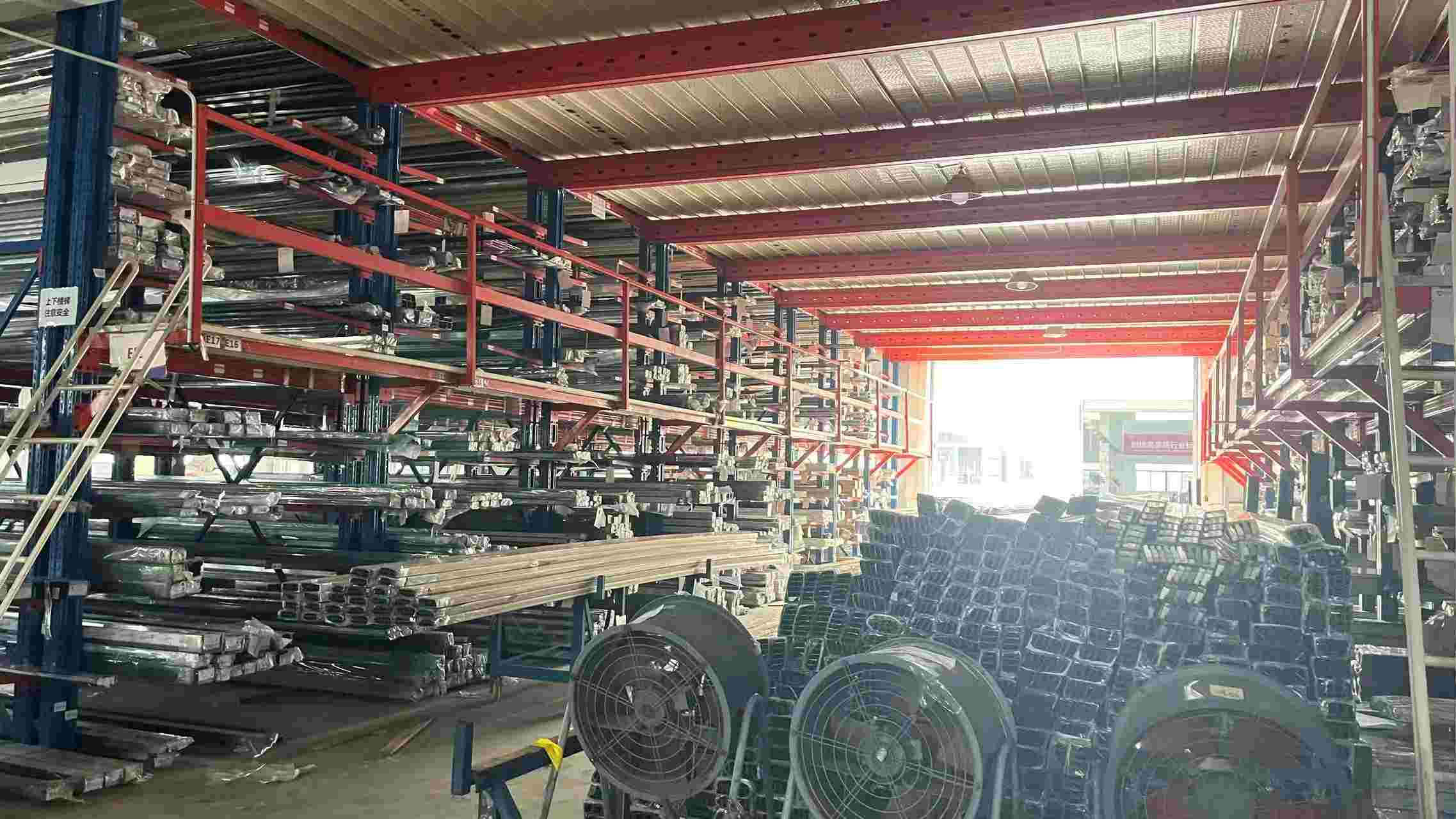 Raw Materials
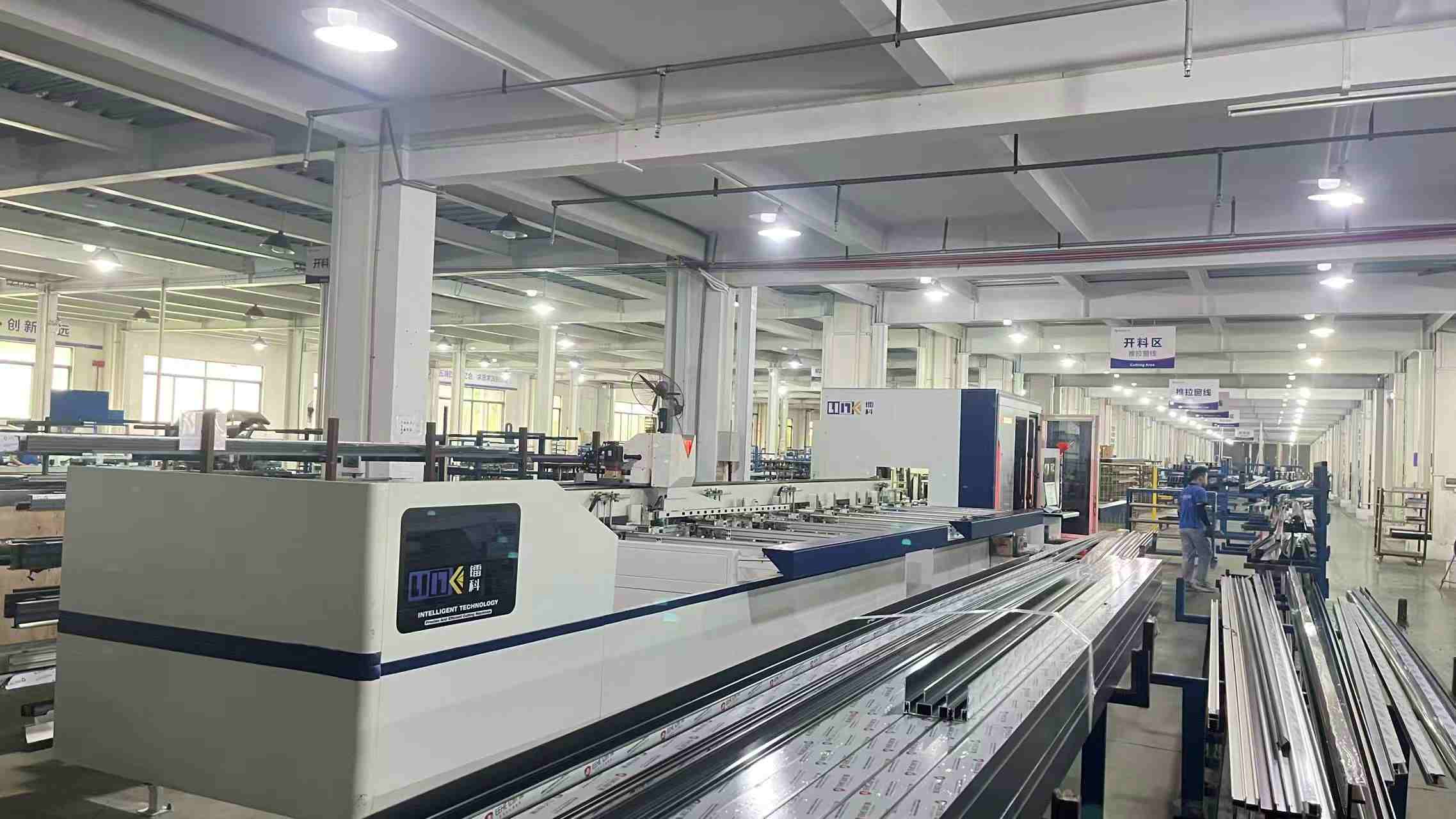 Cutting
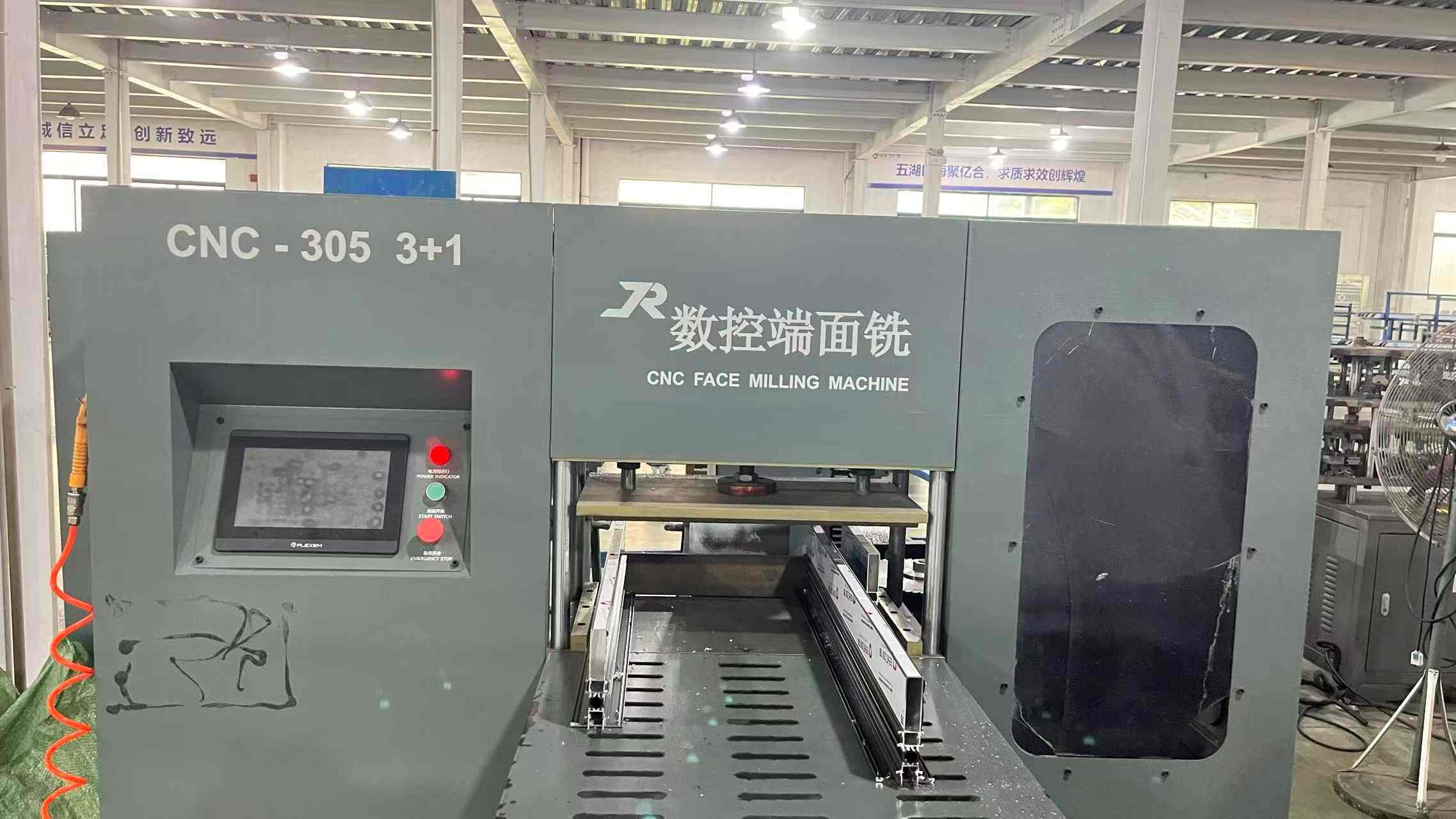 Milling
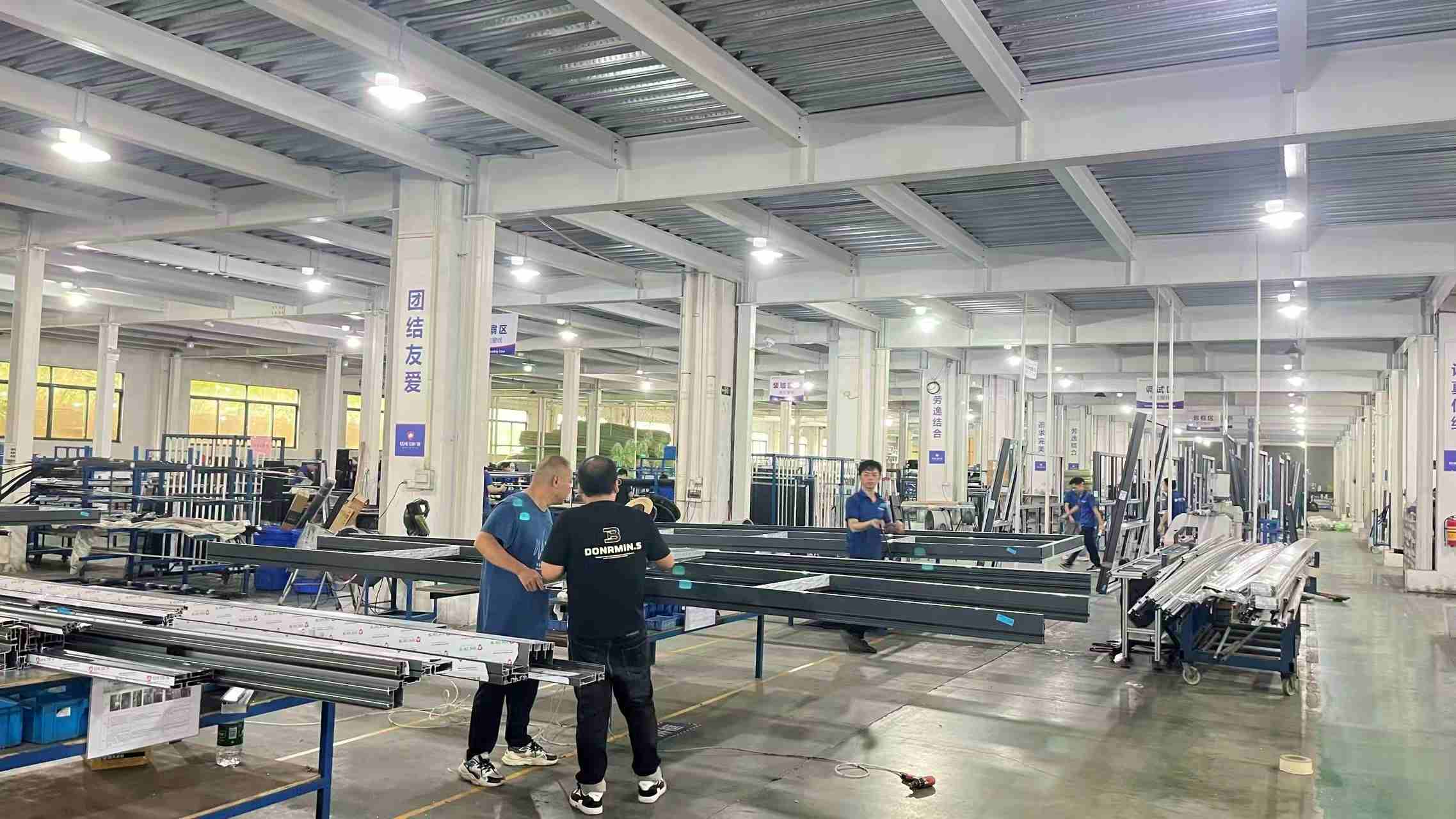 Assembling
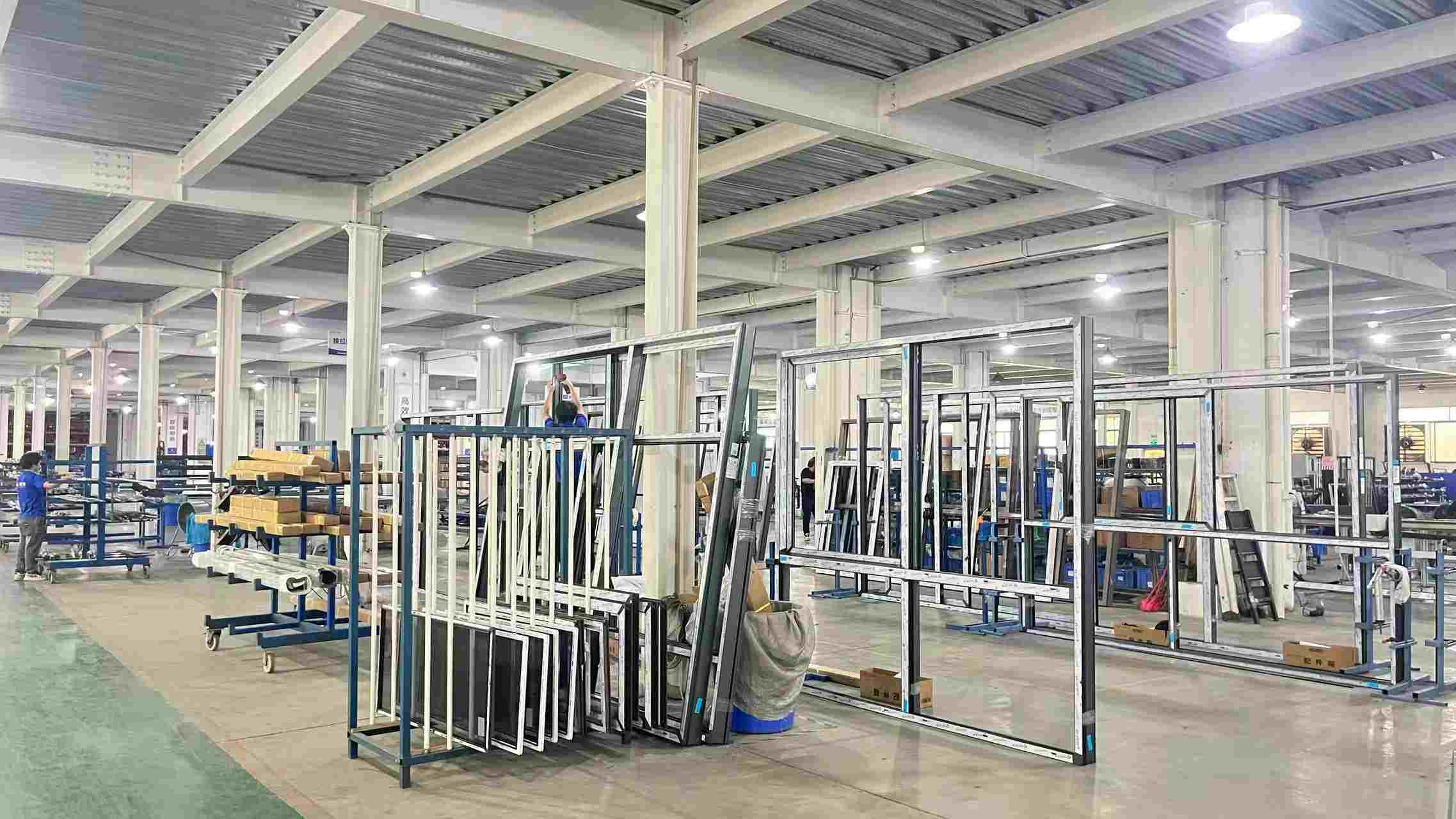 Assembling
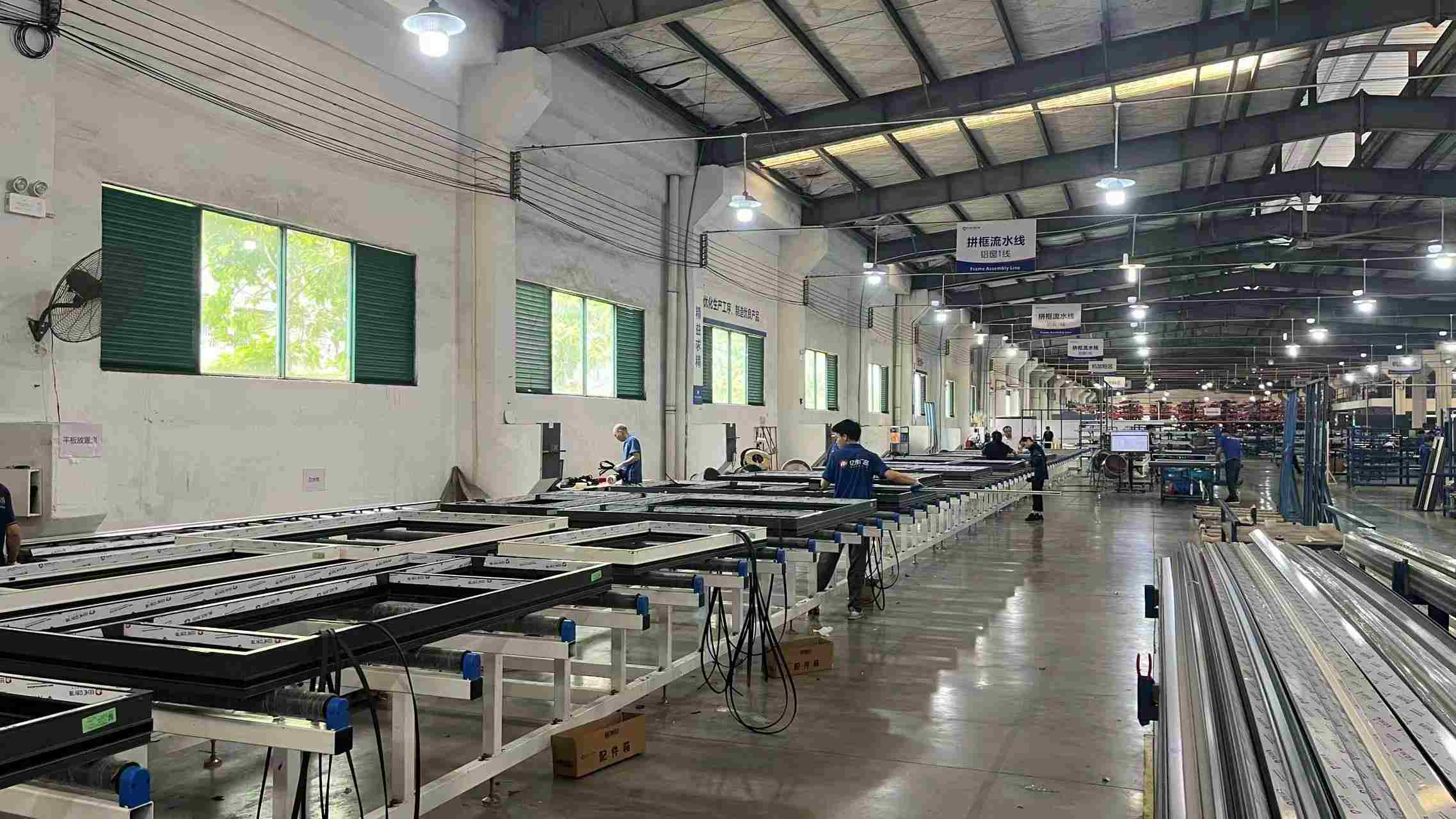 Gluing
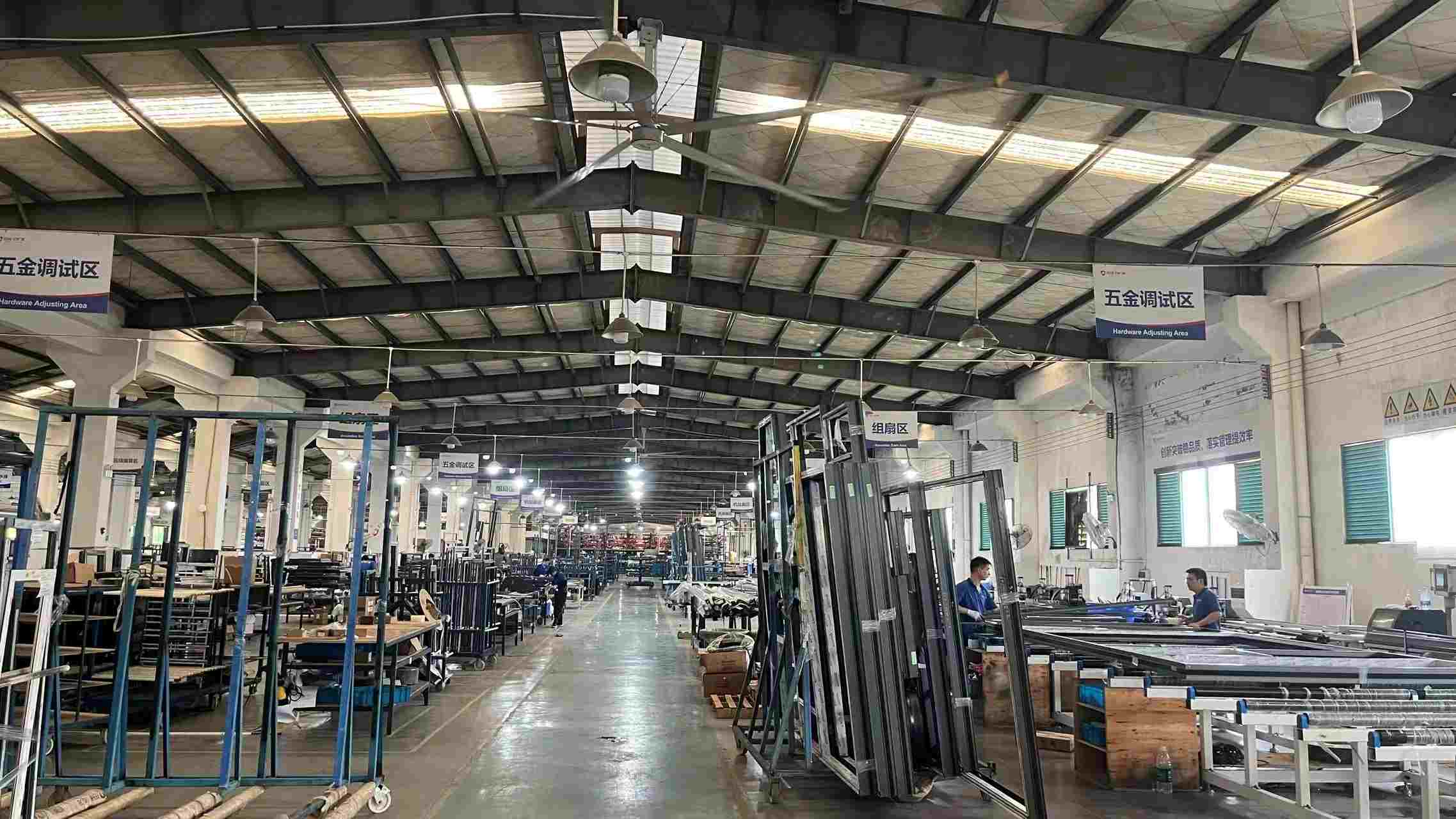 Testing
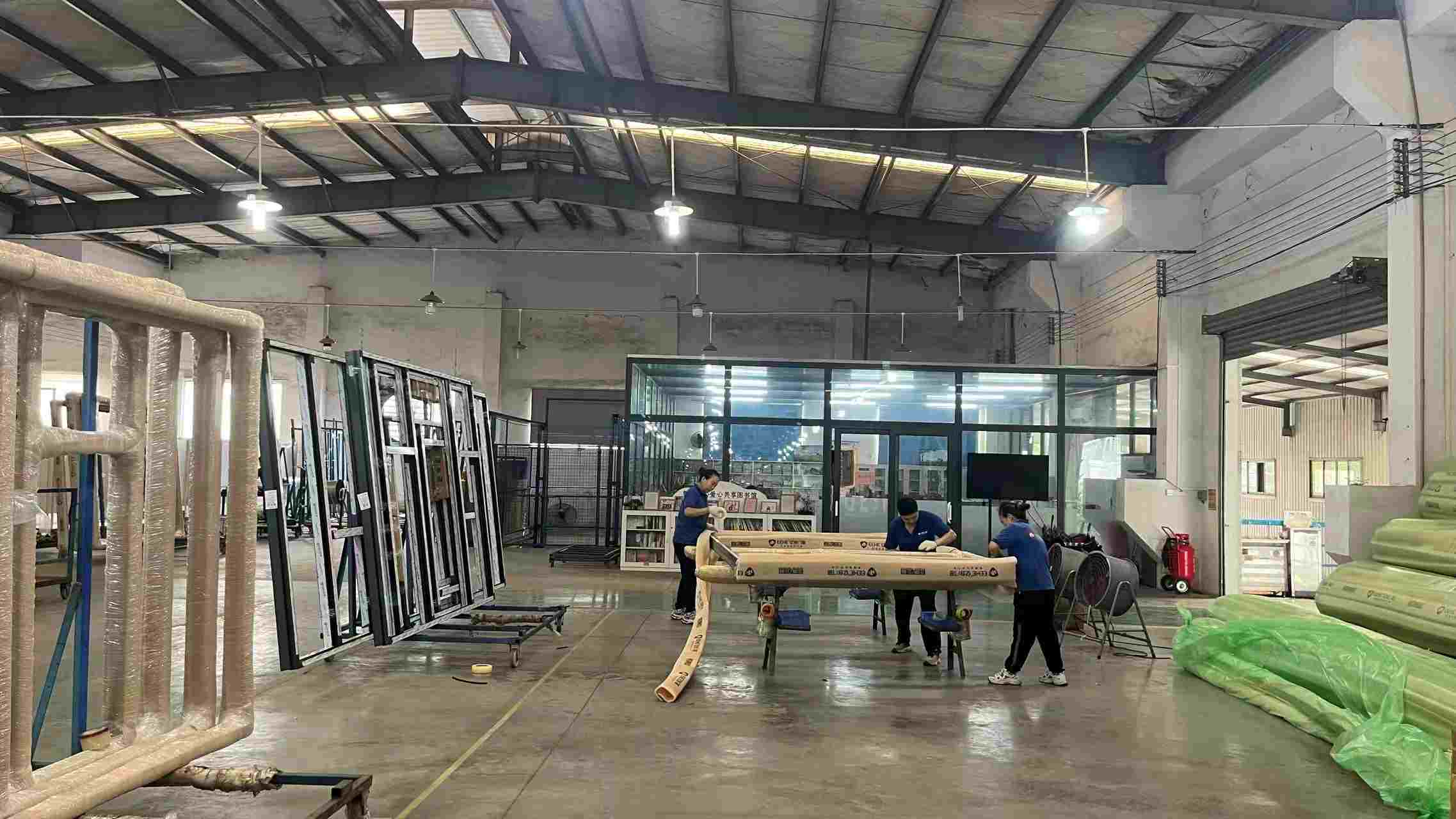 Packaging
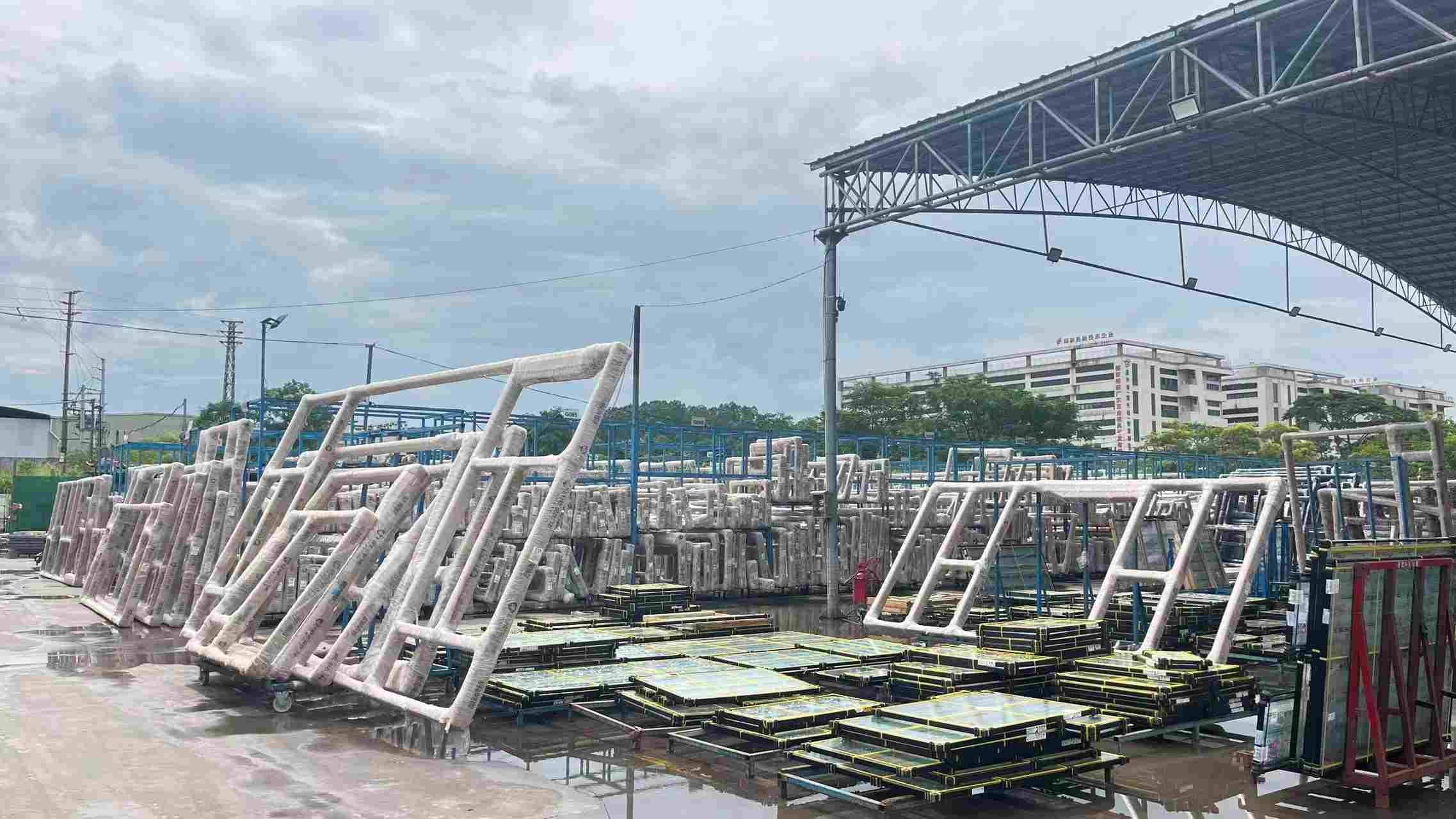 Warehouse
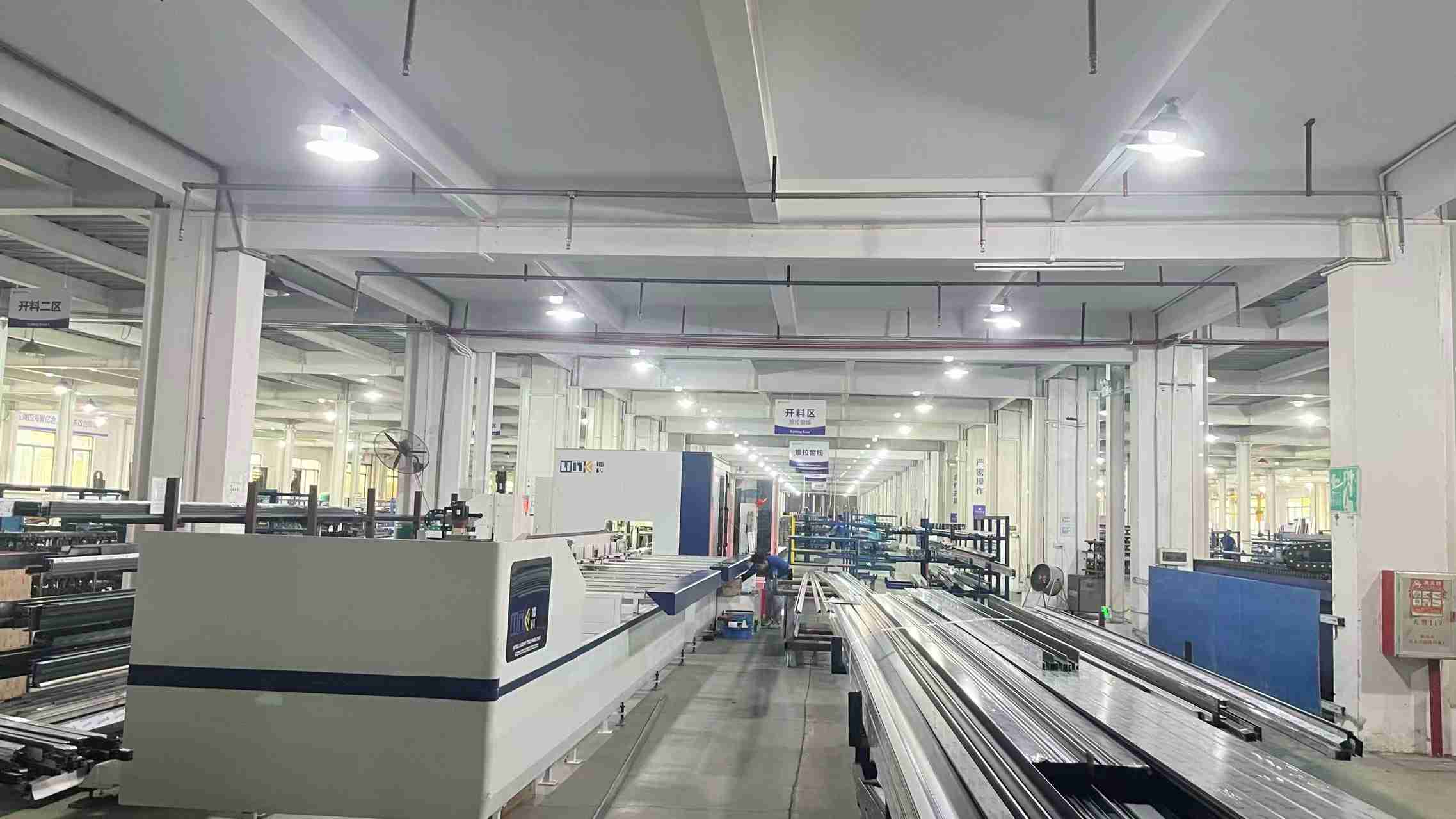 Cutting Machine
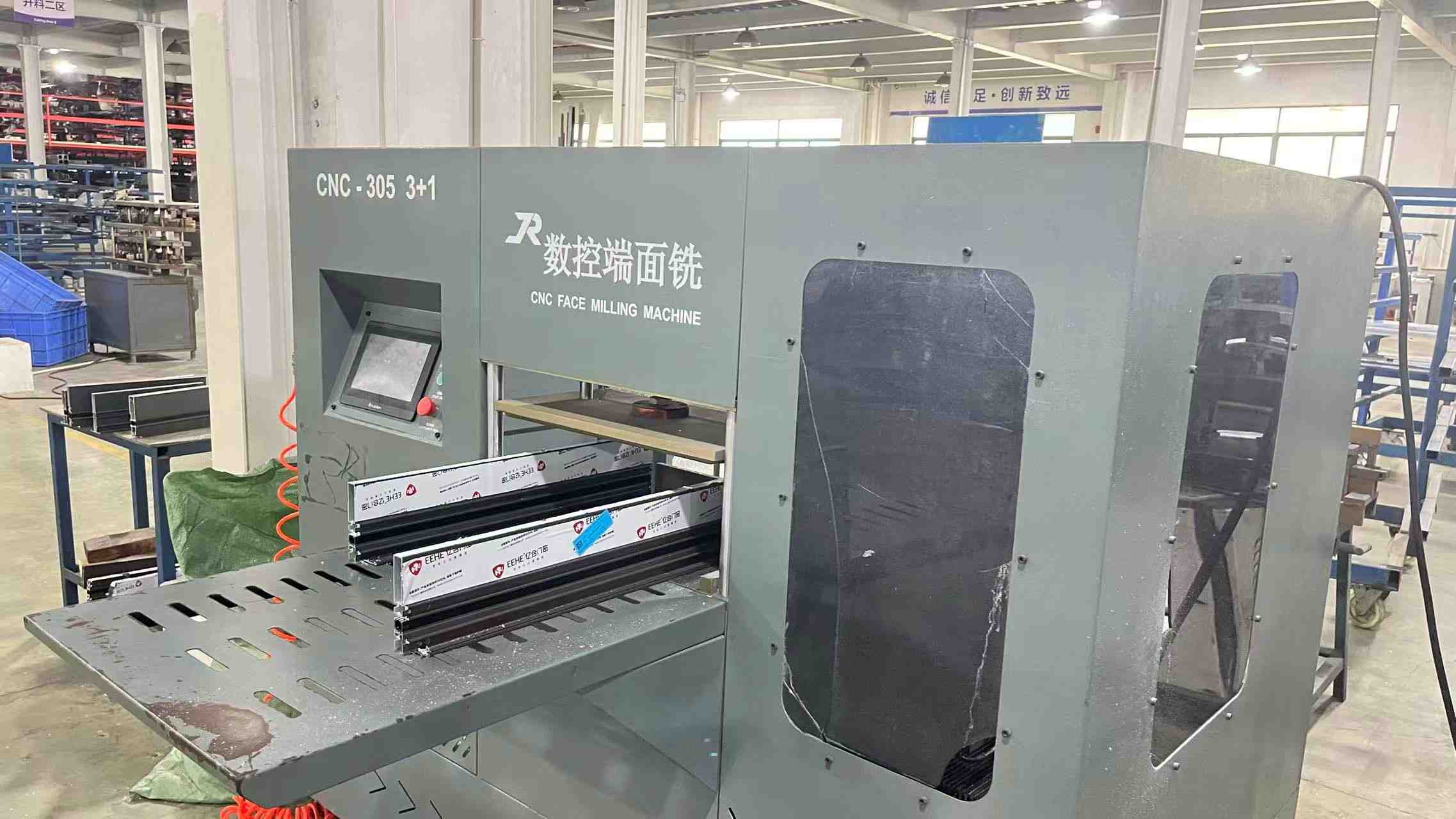 Milling Machine
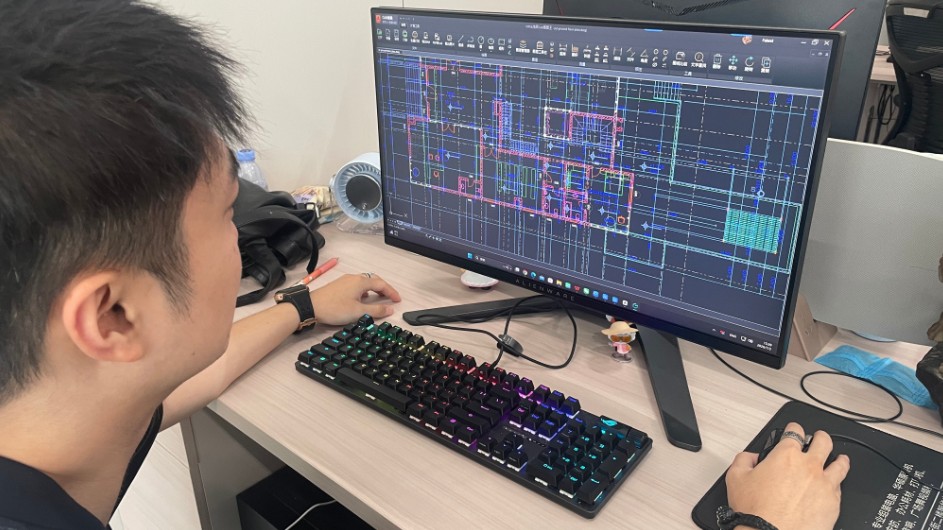 Design with CAD
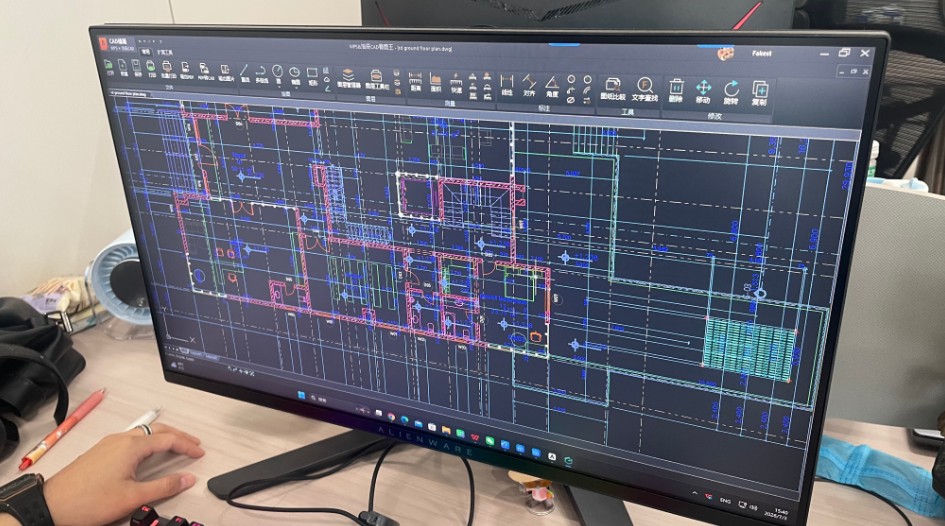 Design with Computer
Aluminum entrance doors are deployed across radically different climatic zones and regulatory environments. A high-performance door system engineered for Northern Europe requires structural adaptations when installed in coastal Florida or the extreme desert heat of the Middle East.
For coastal markets such as Florida, Texas, and the Caribbean, front doors must resist dynamic wind uplift and wind-borne debris impacts. Leading suppliers incorporate heavy-duty multi-layer laminated tempered glass, reinforced jamb anchors, and pass Miami-Dade NOA (Notice of Acceptance) and ASTM E1886/E1996 missile impact tests. NFRC energy ratings are mandatory to limit Solar Heat Gain Coefficients (SHGC ≤ 0.25).
The European market demands extraordinary thermal resistance. Front door profiles must feature multi-cavity thermal break extrusions, aerogel-filled core insulation, and triple continuous perimeter EPDM seals. Systems are evaluated under EN ISO 10077-1 standards to ensure total thermal transmittance (Ud) values fall below 0.80 W/(m²K), accompanied by EN 1627 RC3 or RC4 intruder-resistance security ratings.
In GCC markets (UAE, Saudi Arabia, Qatar), exterior surface temperatures routinely exceed 70°C. Front door manufacturers must employ AAMA 2605-compliant fluorocarbon coatings (PVDF) that resist color fading under intense ultraviolet light. Furthermore, dual-chamber thermal break profiles prevent internal core warping caused by extreme differential expansion between indoor air-conditioned spaces and outdoor heat.
The aluminum entrance door sector is converging with smart home technology, advanced metallurgy, and zero-carbon manufacturing processes. Key technological advancements defining the next 5 years include:
Traditional polyamide (PA66) thermal breaks are being enhanced with embedded silica aerogels. This nanostructured material reduces thermal conductivity of the break strip by up to 40%, allowing slighter door profiles to achieve unprecedented thermal efficiency without increasing frame depth.
Integration of ultra-thin, dynamic building-integrated photovoltaic (BIPV) solar glass panels into door sidelights and door skin panels. These systems harvest ambient daylight to power internal biometric scanners, smart locks, and motorized drops seals independently from the grid.
Tier-1 factories are shifting to low-carbon primary aluminum billets (e.g., Hydro CIRCAL) produced using hydroelectric power and containing over 75% post-consumer recycled metal. This reduces the embodied carbon footprint of extruded door frames by over 70% compared to traditional smelting.
Integration of Matter-compliant protocol chips directly into door frame sub-assemblies. Front doors will seamlessly communicate with home automation hubs, offering encrypted UWB (Ultra-Wideband) hands-free proximity entry, optical anti-tailgating sensors, and remote diagnostic lock auditing.
When sourcing modern aluminum front doors in container-load quantities, procurement heads must implement rigorous factory verification protocols to guarantee long-term performance and prevent costly field failures.
In-depth answers to common questions raised by architects, structural engineers, trade distributors, and project developers.
Aluminum offers an optimal balance of structural strength, weather durability, low maintenance, and architectural versatility. Unlike wood, aluminum will not swell, rot, warp, or crack under moisture or heat variations. Compared to standard hollow steel doors, thermally broken aluminum systems provide significantly superior insulation values, higher corrosion resistance in coastal environments, and far greater customization with sleek, ultra-modern aesthetic profiles.
A thermal break is a low-conductive material (typically fiberglass-reinforced polyamide PA66) mechanically joined between the interior and exterior aluminum extrusions. Because aluminum is a natural conductor of heat, the thermal break interrupts thermal transfer, preventing heat from entering during summer and keeping indoor warmth from escaping during winter. It also eliminates interior frame condensation.
For North America, key certifications include NFRC (National Fenestration Rating Council) for energy ratings (U-factor & SHGC), AAMA/WDMA/CSA 101/I.S.2/A440 for structural load performance, and Miami-Dade NOA or Florida Product Approval (FPA) for hurricane impact zones. For Europe, mandatory compliance includes CE Marking under EN 14351-1, Passive House certification for ultra-low energy builds, and EN 1627 burglary resistance ratings (RC2 to RC4).
Yes. Specialized manufacturers like Steelwar Entry Systems embed high-tensile armored steel cores or composite bullet-resistant plates inside the hollow chambers of aluminum door leaves. Combined with multi-point hook locks, heavy-duty anti-pry hinges, and impact-laminated security glass, aluminum entrance systems can achieve ballistic performance up to UL 752 / EN 1063 standards.
A high-quality aluminum front door treated with a PVDF or architectural powder coat finish has a operational lifespan exceeding 30 to 50 years. Maintenance is minimal, requiring only occasional wiping with mild soap and water to clear atmospheric salt or dirt buildup, alongside annual lubrication of moving lock gear mechanisms and weather-stripping inspections.
Modern aluminum pivot doors support advanced automated hardware including concealed hydraulic floor closers with hold-open dampers, motorized dynamic multi-point locks, integrated LED ambient accent strips, biometric fingerprint modules, keypad access controls, and smart home IoT relays integrated directly into the vertical door stiles.
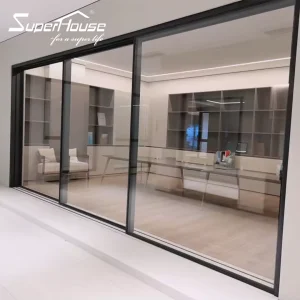
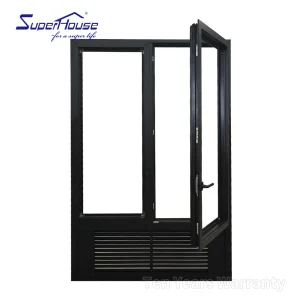
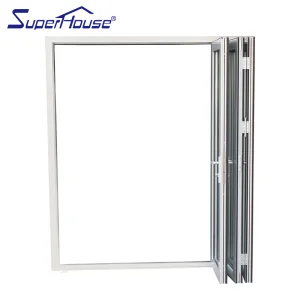
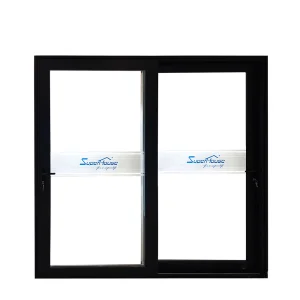
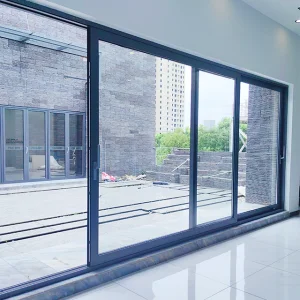
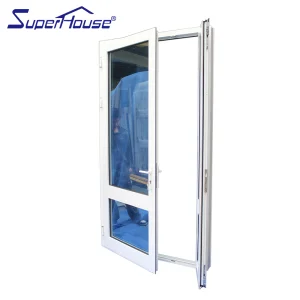
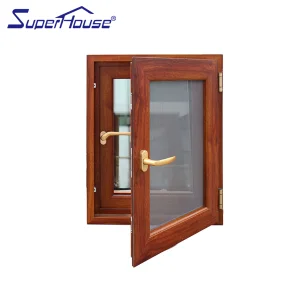
Explore additional certified aluminum sliding, folding, and heavy-duty casement systems designed for commercial contractors and residential distributors.
 Steelwar