Explore our certified high-performance product lineup designed for stringent international building codes and high-security architectural requirements.
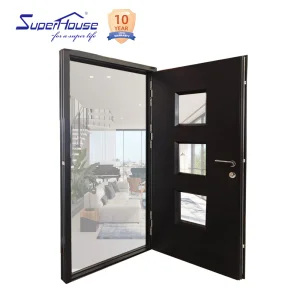
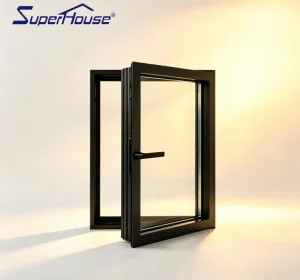
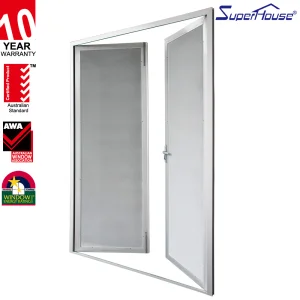
In modern architectural design and real estate development, the main entry point serves as both an aesthetic centerpiece and the primary defense boundary against environmental forces, forced entry, and acoustic distortion. Modern high-security aluminum entrance doors have evolved far beyond basic barrier functions. Today, they integrate multi-layered material science, precision engineering, thermal break barriers, smart access automation, and extreme weather resilience (such as hurricane impact resistance and coastal corrosion protection).
This technical whitepaper provides B2B buyers, commercial contractors, real estate developers, and security door stockists with an exhaustive analysis of high-security aluminum entry doors manufactured in China. We detail the structural mechanics, manufacturing workflows, testing metrics, regulatory compliance standards (such as NFRC, AS2047, Florida NOA, and CE), and global supply chain strategies that establish elite Chinese manufacturers at the forefront of global architectural hardware export.
High-security aluminum entrance doors are engineered to overcome the classic physical limitations of standard architectural aluminum alloys. By combining heavy-gauge extruded T6 temper aluminum with internal structural steel reinforcements and multi-chamber thermal breaks, manufacturers achieve structural integrity that matches traditional steel security doors while delivering superior corrosion resistance, lighter hinge loads, and unlimited surface finish capabilities.
Elite entrance systems utilize high-tensile 6063-T6 or 6060-T66 aluminum extrusions. Wall thicknesses for structural door frames typically range from 2.0mm to 3.0mm, far exceeding standard residential grade windows (1.4mm). The multi-chamber internal geometry provides enhanced torsional rigidity, resisting deformation under high forced-entry loads (EN 1627 RC2 to RC4 standards) or intense wind pressures reaching up to 5,000 Pa.
Technical Insight: Structural integrity is further boosted by cold-rolled ballistic steel cores or high-density composite steel reinforcement channels inserted directly inside the primary lock stiles and frame jambs, neutralizing attempted angle-grinder or pry-bar attacks.
Aluminum is inherently a conductive material. To achieve strict energy compliance such as California Title 24 or European Passive House standards, thermal break entrance doors utilize glass-fiber reinforced Polyamide (PA66GF25) strips. These strips mechanically join the exterior and interior aluminum extrusions, breaking the thermal bridge. Combined with dual or triple polyurethane foam insulation cores, U-values can drop below 1.2 W/m²K, substantially lowering operational HVAC costs for large-scale commercial footprint developments.
| Performance Parameter | Standard Aluminum Entry Door | High-Security Thermal Break Aluminum Entry Door | Testing & Regulatory Standard |
|---|---|---|---|
| Structural Frame Thickness | 1.2 mm - 1.4 mm | 2.0 mm - 3.0 mm + Internal Steel Core | GB/T 8478 / EN 14351-1 |
| Forced Entry Resistance | Basic Latch Protection | Multi-Point Hook Locks (RC2 / RC3 / RC4 Rated) | EN 1627-1630 / PAS 24 |
| Wind Pressure Resistance | 1,500 Pa – 2,500 Pa | Up to 5,000 Pa (HVHZ Approved) | ASTM E330 / AS2047 / TAS 202 |
| Thermal Transmittance (U-Value) | > 3.5 W/m²K | 0.8 – 1.4 W/m²K (Low-E Argon Double/Triple) | NFRC 100/200 / ISO 10077 |
| Acoustic Insulation (Rw) | 25 dB – 30 dB | 40 dB – 48 dB (Laminated Acoustic Interlayer) | ISO 717-1 / ASTM E413 |
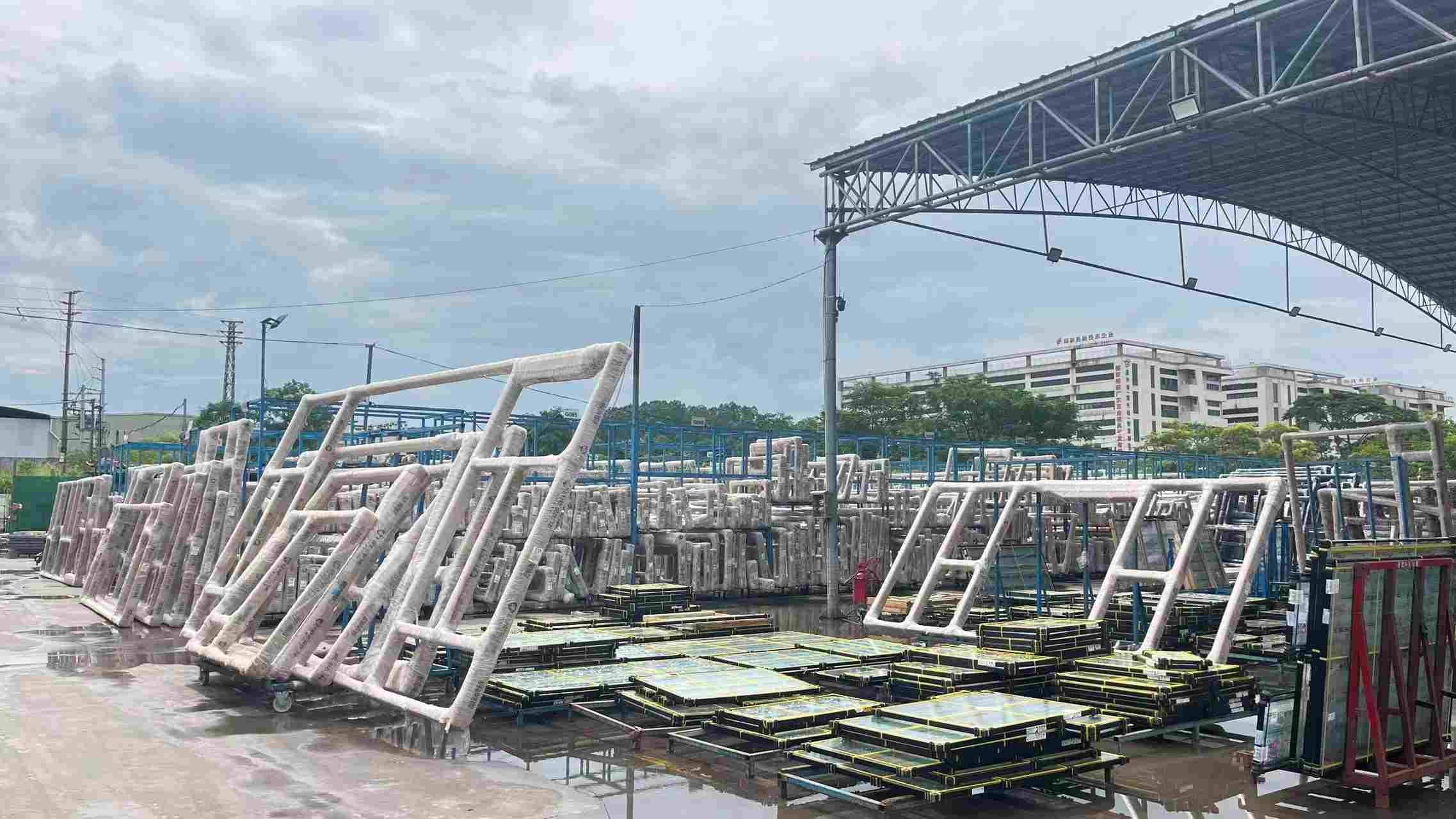
Established in 2003, Steelwar Entry Systems Co., Ltd. operates a large-scale 40,000 m² manufacturing plant specializing in high-security exterior entry doors. With 21 years of continuous industry experience and 9 years of global export capabilities, the company generates $35 million in annual export turnover. Steelwar focuses on key markets across North America, the Middle East, and Eastern Europe, primarily supplying building material distributors, security door stockists, and commercial construction contractors.
Supported by a solid trade background and a network of 1,100 supply chain partners, Steelwar maintains strict product reliability. Quality control is managed by a team of 50 QC specialists who execute dynamic impact resistance testing, automated frame tolerance checks, and corrosion-resistant coating audits. The company's engineering strength is backed by 75 R&D engineers who introduced 230 new product models last year. Custom options include ballistic steel cores, multi-point smart lock integration, customized RAL color finishes, and bespoke frame depths.
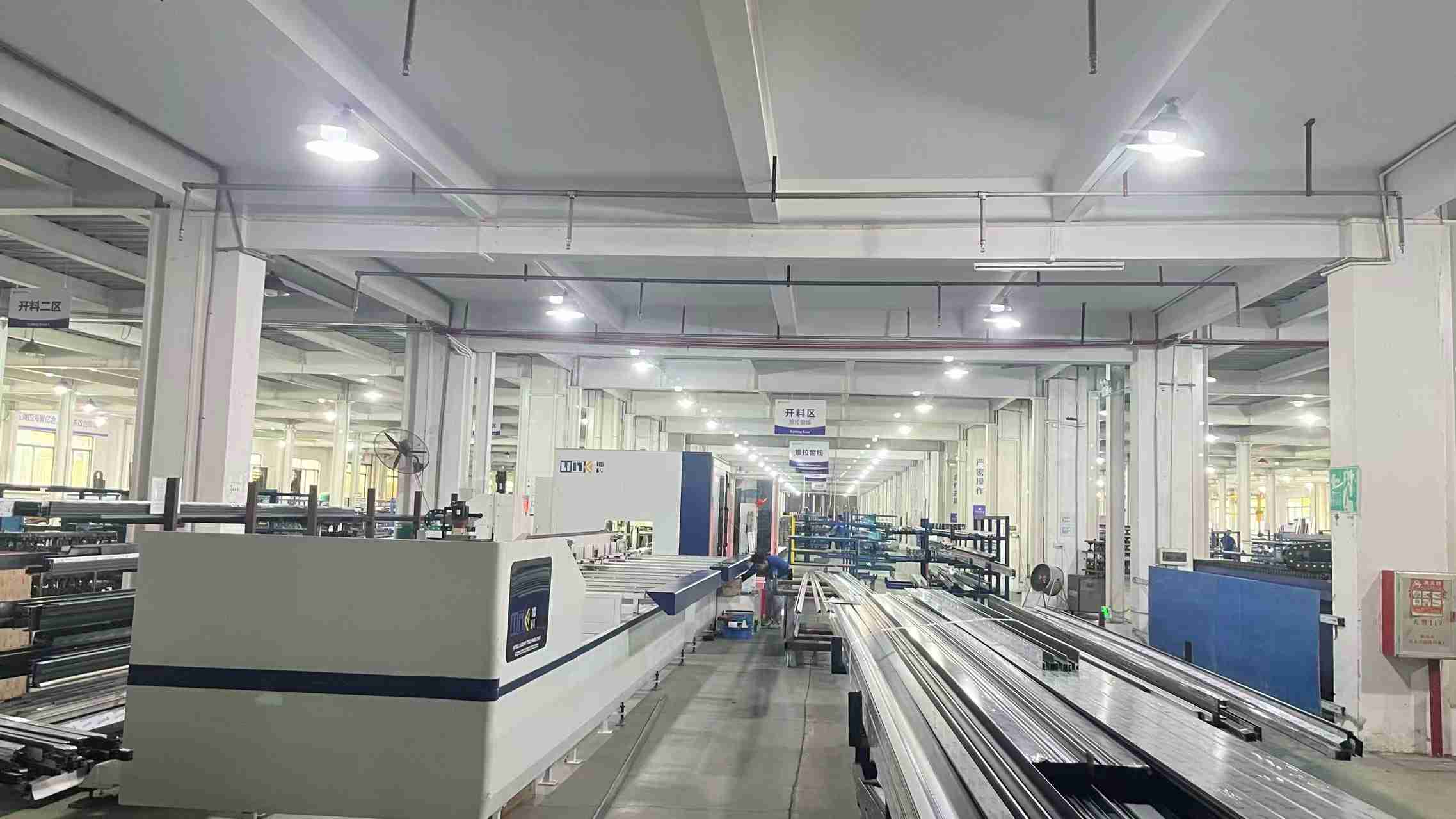
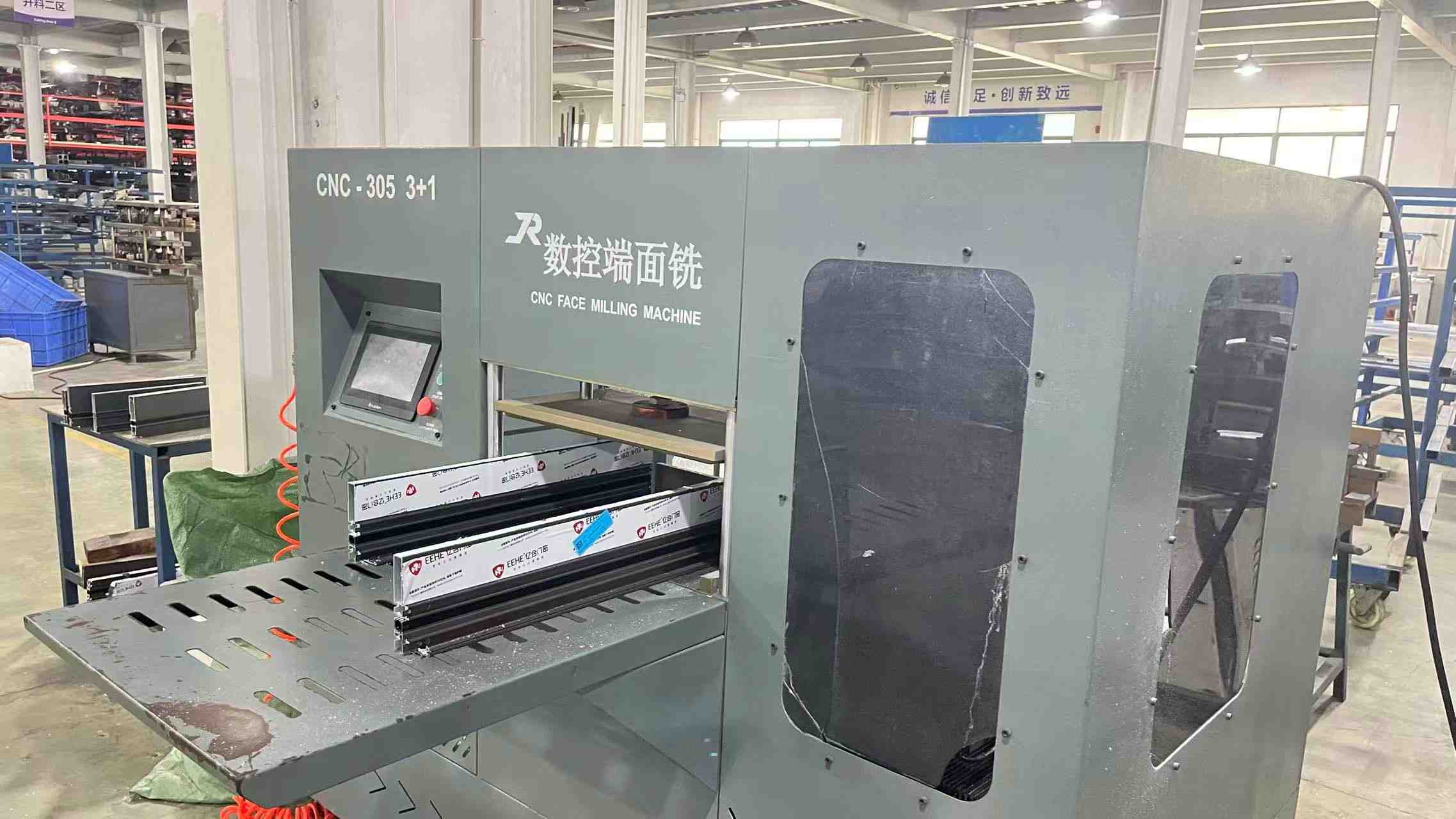
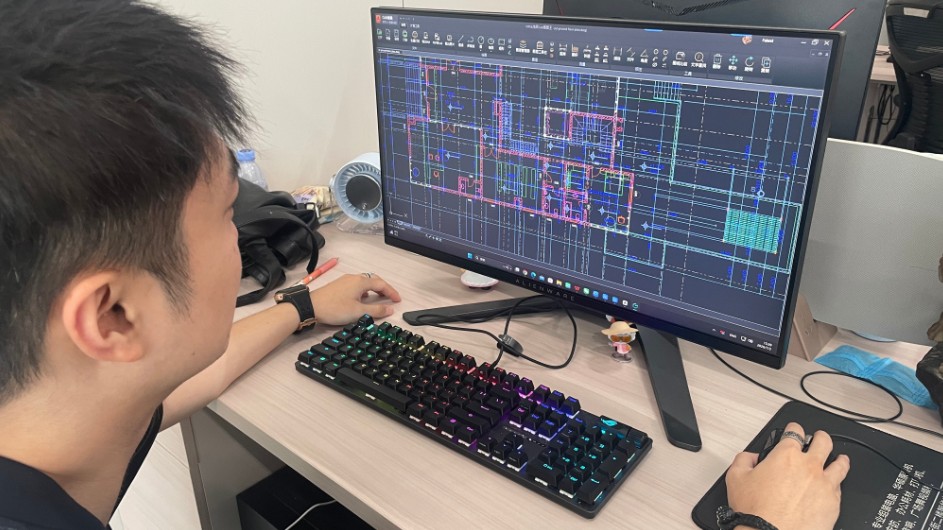
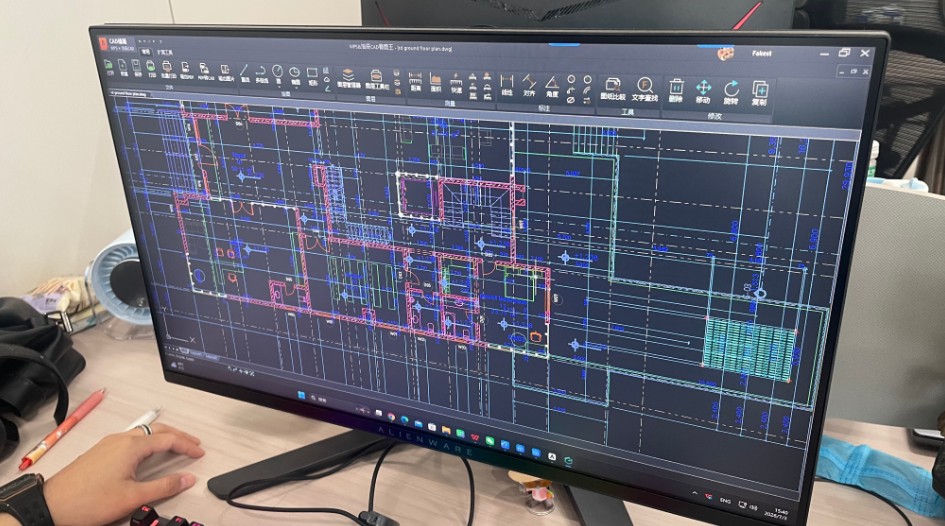
Every security door manufactured at Steelwar undergoes a rigorous 9-stage quality-controlled production sequence utilizing computerized CNC precision equipment and CAD/CAM engineering integration.
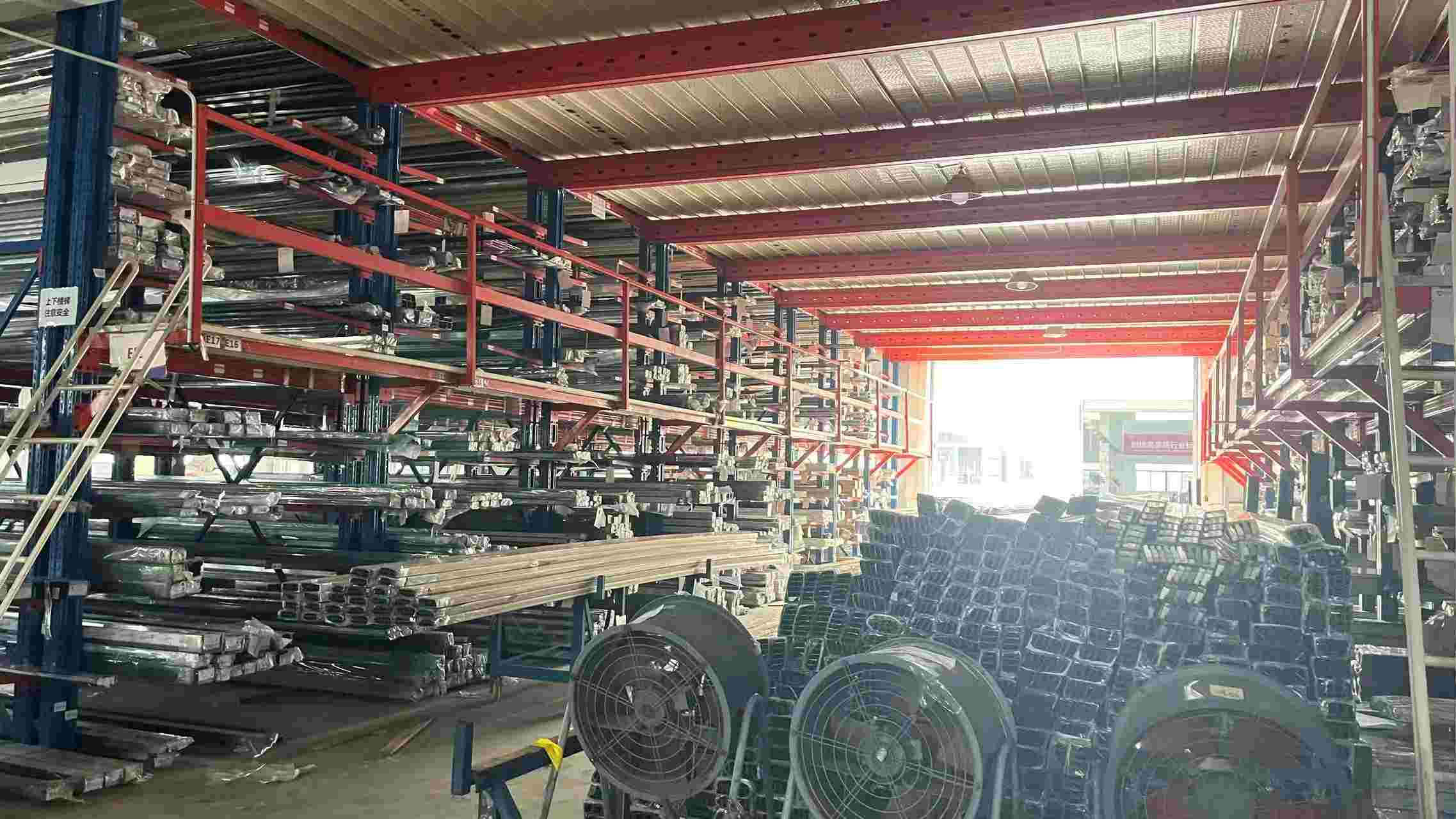
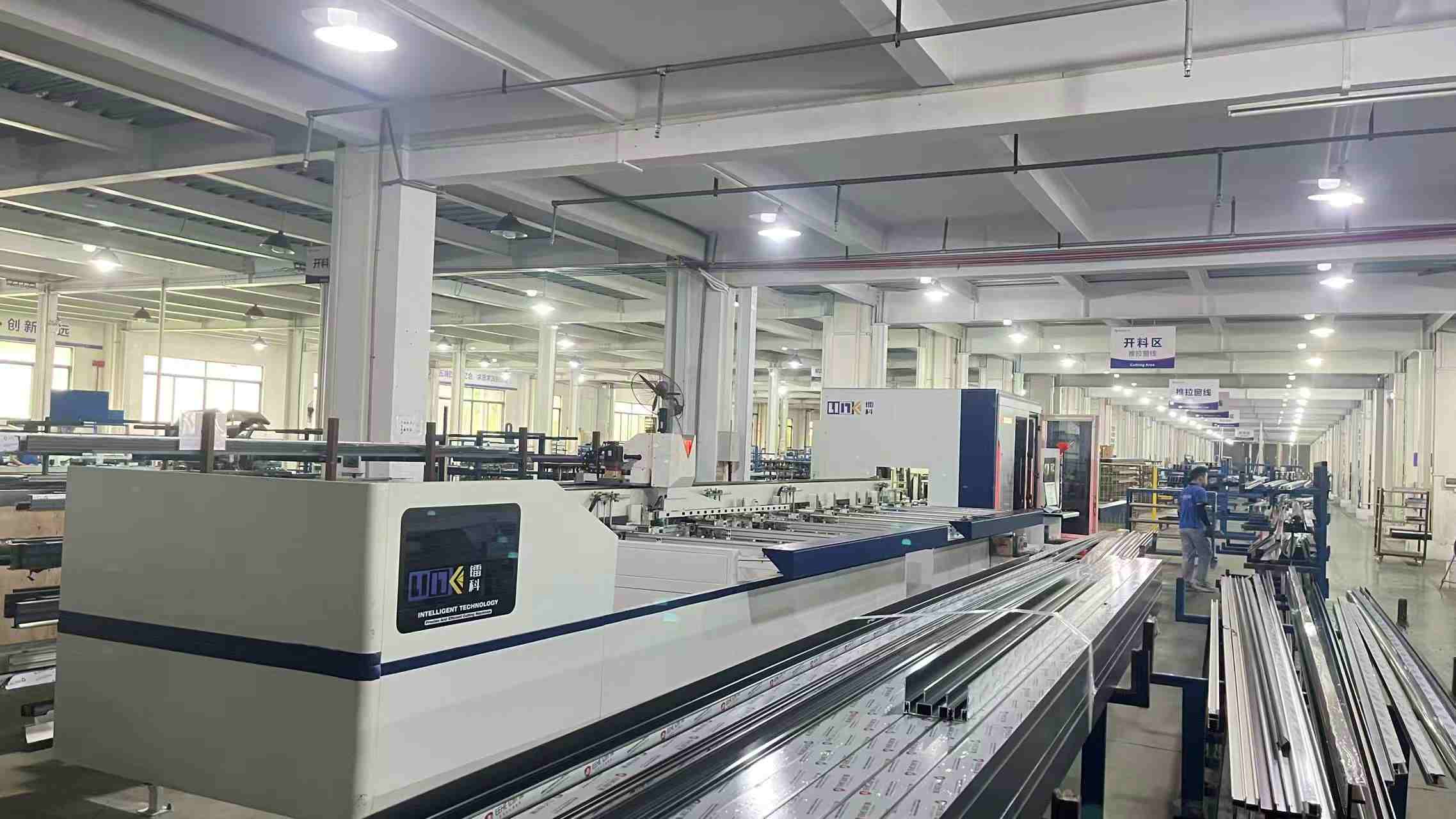
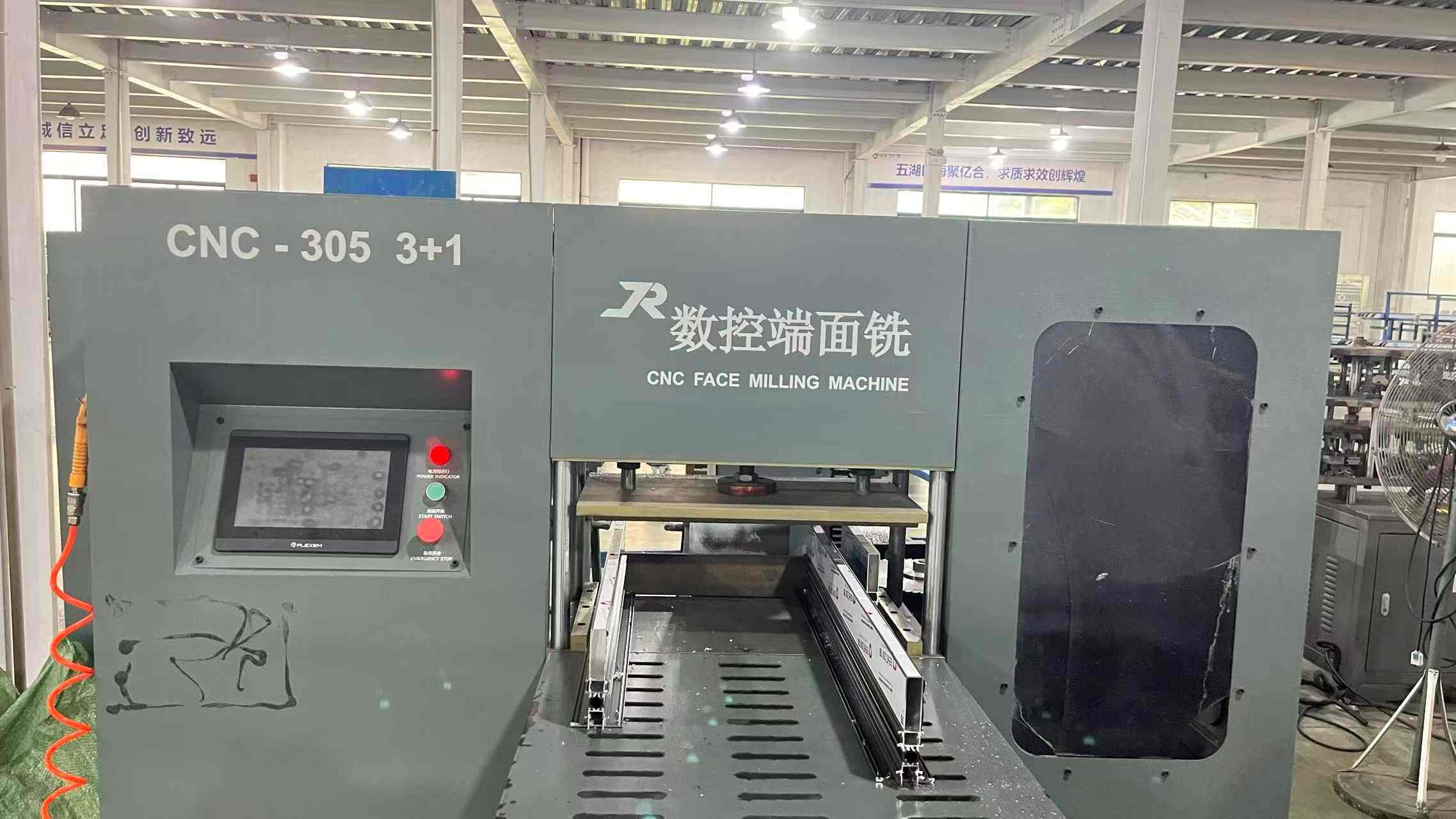
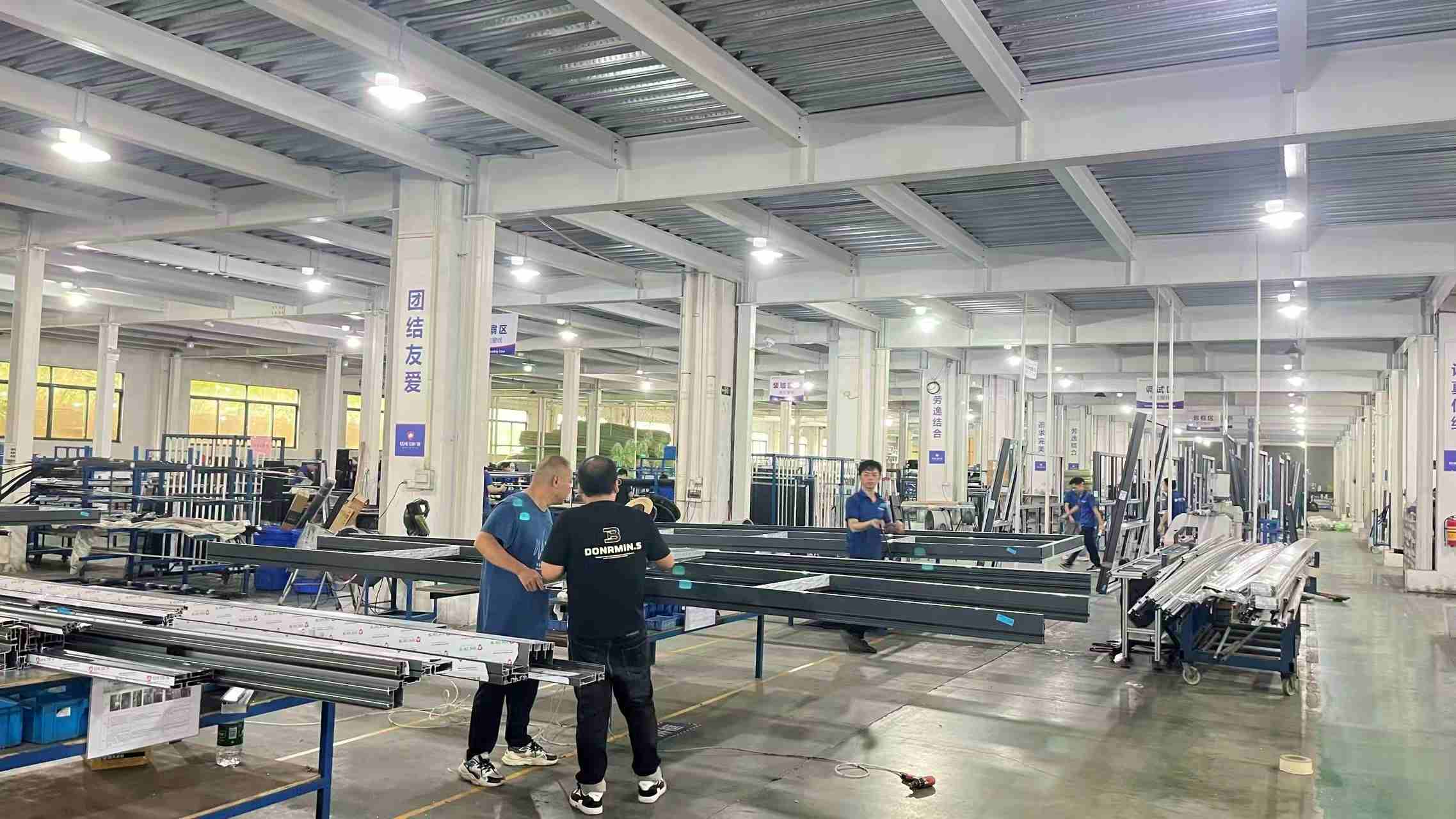
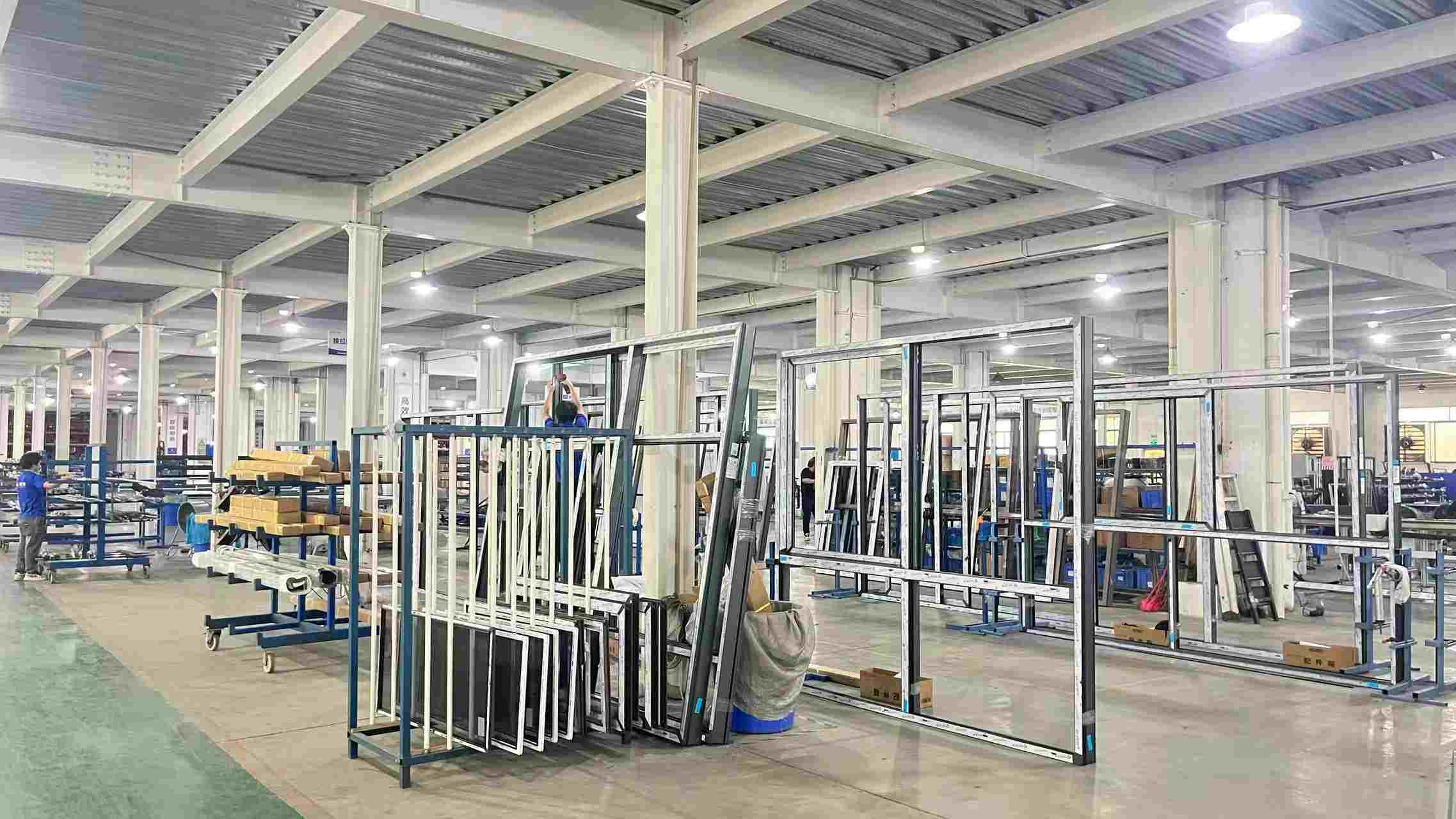
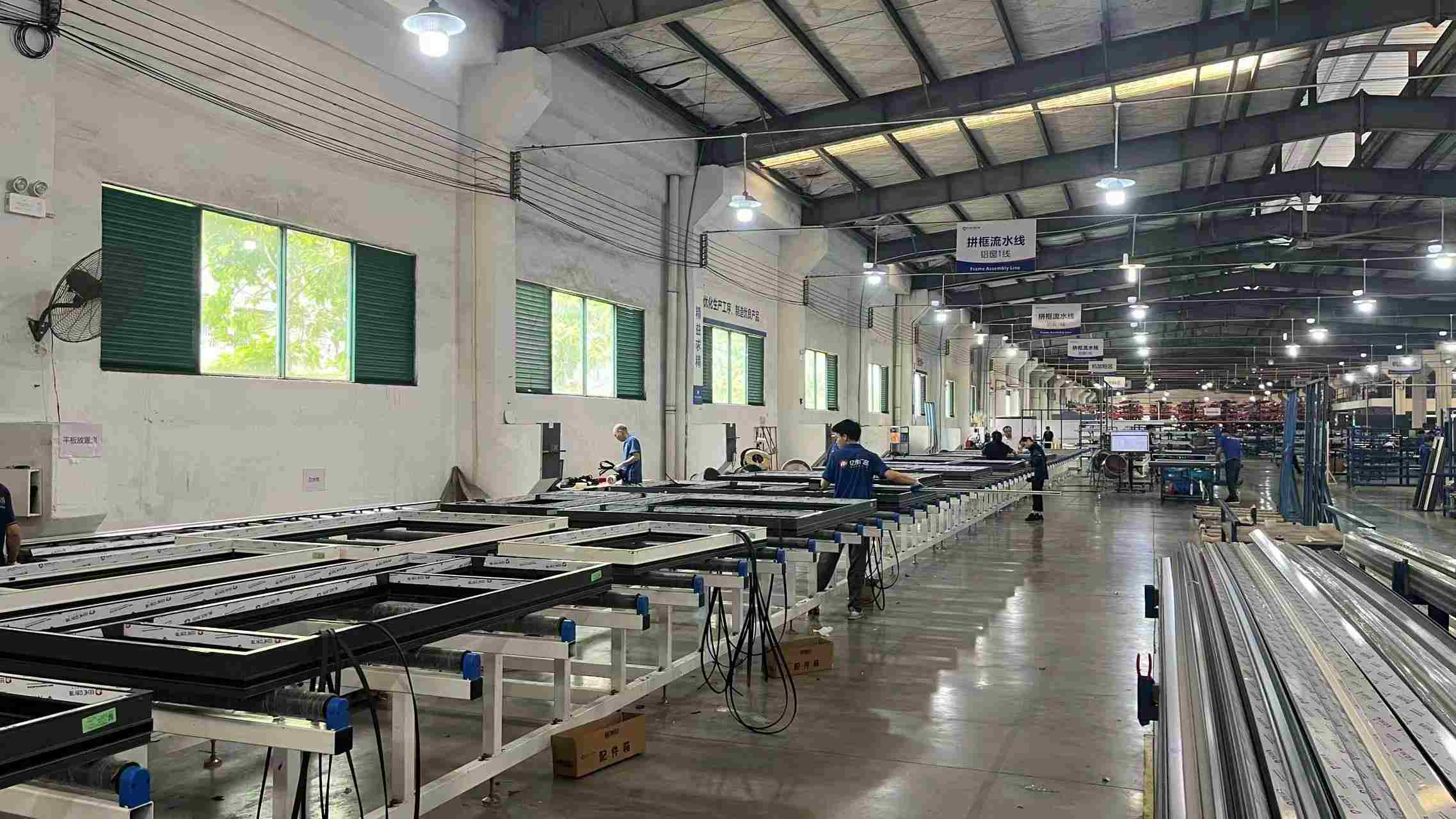
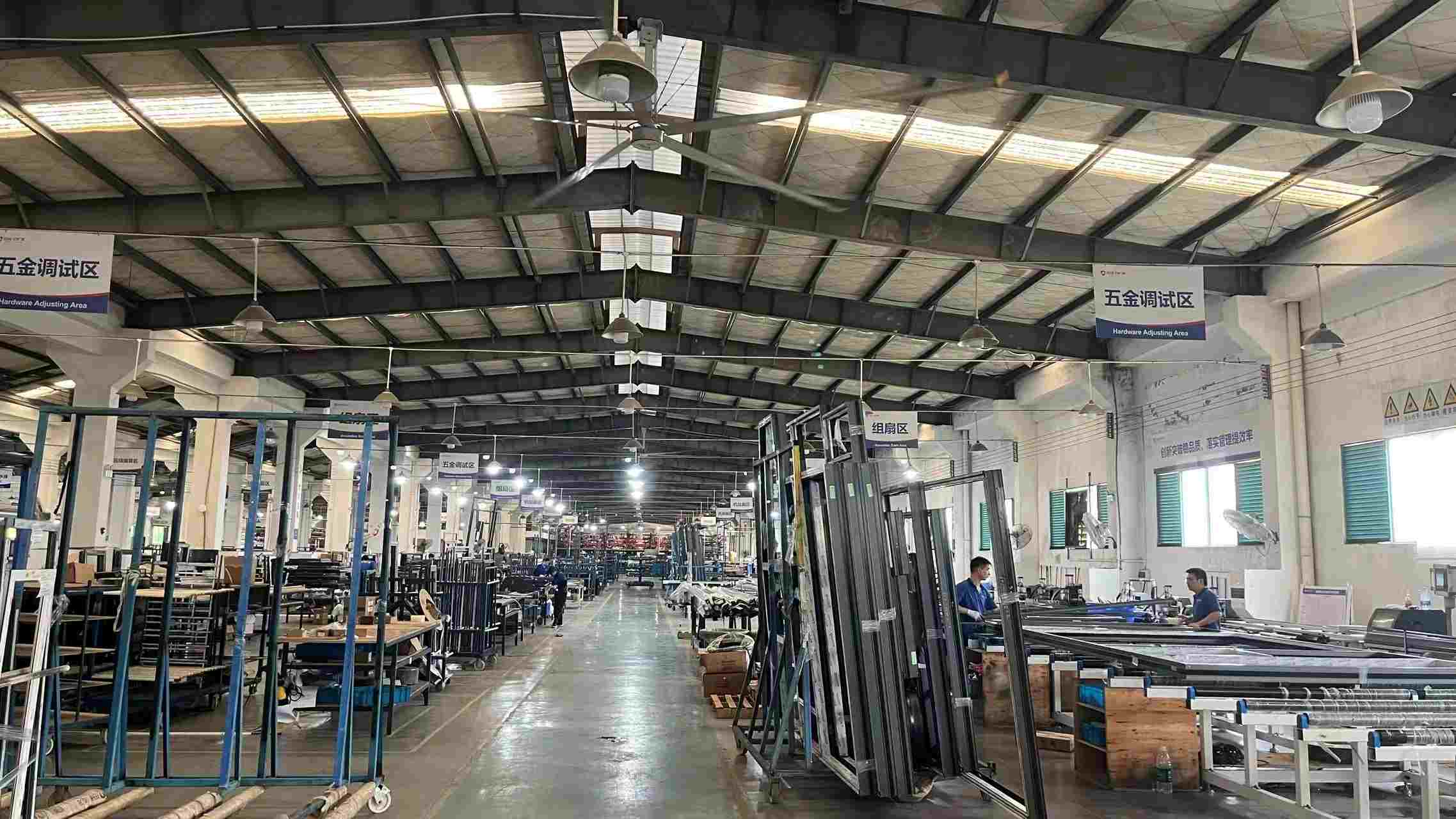
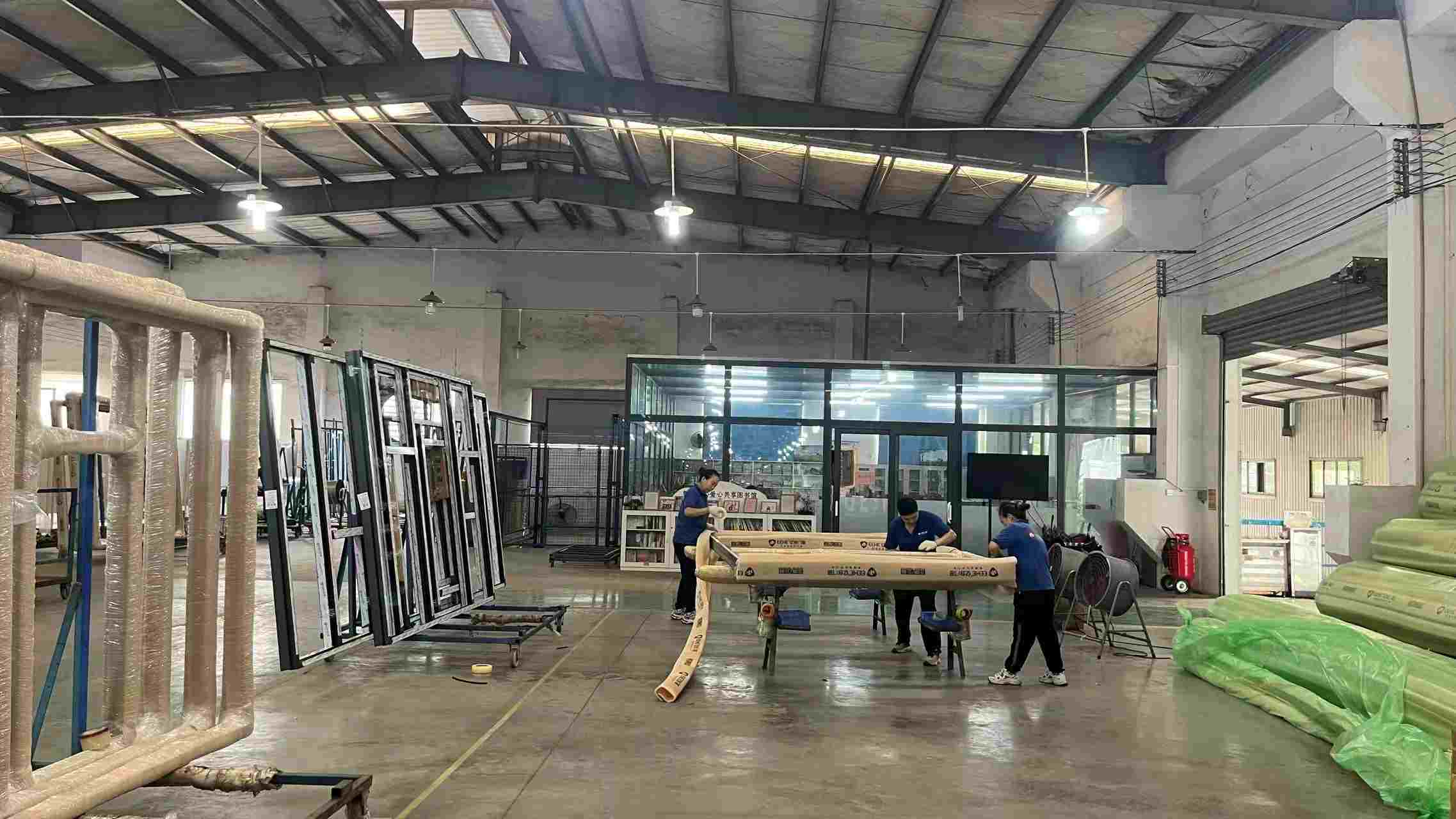
Investment in heavy CNC equipment ensures dimensional accuracy within 0.1mm tolerances across all custom frame profiles.
Global procurement directors and general contractors increasingly leverage Chinese door factories for high-end commercial and residential builds. China's architectural fenestration ecosystem has shifted from labor-intensive assembly to tech-driven, automated, high-precision manufacturing. Sourcing high-security entrance doors directly from China offers distinct competitive advantages:
Access to centralized bauxite refining, aluminum extrusion foundries, surface treatment facilities (AkzoNobel anodizing/powder coating lines), and global lock manufacturers within a unified geographic radius minimizes raw material transport times and cost overheads.
Leading Chinese door suppliers integrate top-tier global hardware brands such as German Siegenia, Hoppe, Monticelli, and GU, alongside premium domestic smart biometric locking mechanisms, ensuring smooth operation, tamper resistance, and electronic access integration.
With massive internal R&D engineering teams (such as Steelwar’s 75-engineer department producing 230+ annual product upgrades), custom architectural concepts can transition from CAD renders to physical prototypes within 7 to 14 days.
A primary challenge for global building material distributors is ensuring imported doors comply with regional structural, fire, and thermal efficiency codes. Modern high-security aluminum doors are engineered to pass stringent international laboratory testing frameworks across multiple continents:
For US export, doors are tested according to NFRC standards for solar heat gain coefficient (SHGC) and overall U-factor. For high-velocity hurricane zones (HVHZ) such as South Florida and coastal regions, products feature Notice of Acceptance (NOA) and Florida Product Approval (FPA). Double laminated safety glass panels withstand direct missile impacts (ASTM E1886 / E1996) and extreme cyclic wind pressures without structural seal failure. In California, thermal-break designs satisfy Title 24 energy mandates.
Export doors targeting Australian residential and commercial projects comply fully with AS2047 (Windows and Doors in Buildings) and AS1288 (Glass in Buildings). Testing covers structural deflection (water penetration up to 450 Pa and ultimate air limit state loads up to 4,500 Pa), guaranteeing long-term resistance to harsh ocean UV rays and bushfire heat exposure.
European entrance installations mandate compliance with EN 1627 through EN 1630 standards. High-security aluminum entry doors are rated for RC2, RC3, or RC4 burglar resistance classes, featuring dynamic drop-weight tests, multi-point hook locking gear, anti-drill cylinder plates, and reinforced concealed hinges that resist manual crowbar intrusion.
High-security aluminum entrance systems are highly versatile, engineered to adapt to diverse architectural styles and harsh climatic demands worldwide:
Oversized luxury pivot doors and heavy-duty hinged doors equipped with fluorocarbon (PVDF) salt-spray-resistant powder coating. Combined with Miami-Dade laminated glass, these doors withstand salt corrosion and severe ocean hurricanes.
Electric emergency escape doors, wide bifold glass walls, and ADA-compliant storefront entrances. Features motorized access control, smart keypads, emergency breakout hardware, and high-frequency usage durability.
Slim-frame aluminum glass entry systems offering high soundproofing (Rw 42+ dB) against city street traffic, paired with multi-point smart locks and automated door closers for modern high-density urban living.
The global security entrance industry is experiencing rapid innovation driven by smart building technology, structural minimalism, and stringent carbon-neutral directives.
Traditional mechanical keys are rapidly being replaced by integrated biometric scanners, facial recognition cameras, motorized lock actuators, and smart phone app control directly wired into home automation platforms.
Architectural trends favor ultra-slim outer frames combined with massive oversized door leaves up to 4 meters high. Heavy-duty concealed pivot hinges capable of supporting up to 500 kg door leaves ensure effortless operation.
With environmental regulations tightening across Europe and North America, factories are adopting hydro-powered low-carbon aluminum billets and 100% recyclable polyamide thermal break materials to meet LEED and BREEAM standards.
Clear answers to essential technical, logistics, and customization queries regarding China aluminum security entrance doors.
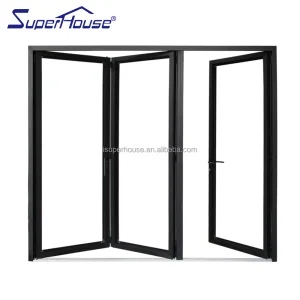
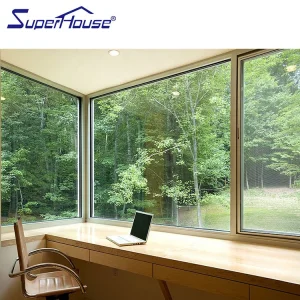
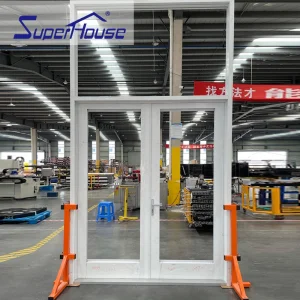
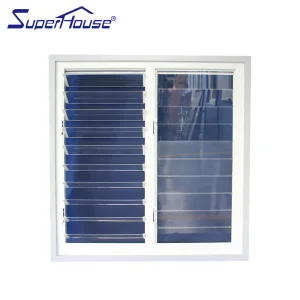
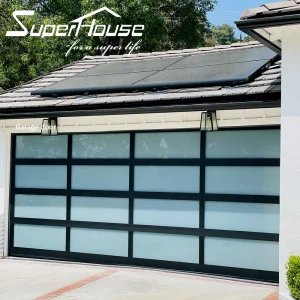
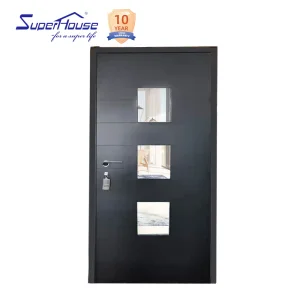
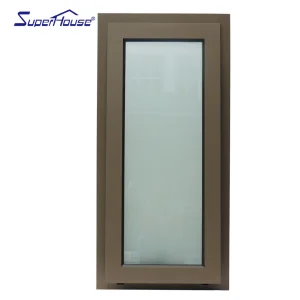
Browse additional architectural window and door units manufactured for commercial developments, residential homes, and institutional builds.
 Steelwar