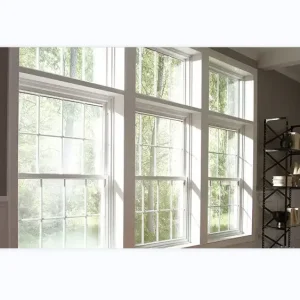
Certified structural and thermal exterior fenestration solutions tested to rigorous Miami-Dade NOA, NFRC, and European standard protocols.
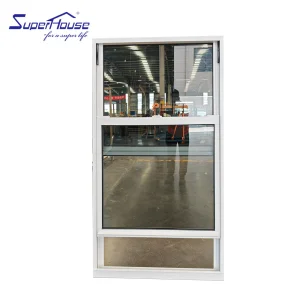
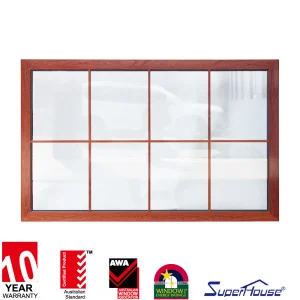
Established in 2003, Steelwar Entry Systems Co., Ltd. operates a large-scale 40,000 m² manufacturing plant specializing in high-security exterior entry doors. With 21 years of continuous industry experience and 9 years of global export capabilities, the company generates $35 million in annual export turnover.
Steelwar focuses on key markets across North America, the Middle East, and Eastern Europe, primarily supplying building material distributors, security door stockists, and commercial construction contractors. Supported by a solid trade background and an extensive global logisitics web, Steelwar maintains strict product reliability through rigorous quality assurance frameworks.
Quality control is managed by a team of 50 QC specialists who execute dynamic impact resistance testing, automated frame tolerance checks, and corrosion-resistant coating audits. The company's engineering strength is backed by 75 R&D engineers who introduced 230 new product models last year. Custom options include ballistic steel cores, multi-point smart lock integration, customized RAL color finishes, and bespoke frame depths.
In modern architectural engineering, the entry door is no longer viewed merely as a static barrier; it is a complex, active building envelope component required to handle mechanical stress, extreme thermal gradients, force intrusion, and intense environmental exposure. As a premier entry door manufacturer and global exporter, Steelwar designs entrance doors and window integration systems engineered to satisfy demanding building science criteria.
Energy loss through exterior portals represents a major inefficiency in modern commercial and residential structures. To mitigate heat transfer, high-performance modern entry doors utilize multi-chamber thermal break profiles constructed from high-density polyamide (PA66 GF25) structural insulation strips. This thermal bridge isolation prevents convective and conductive energy transfer between interior and exterior aluminum or steel cladding.
Combined with argon-filled, double- or triple-glazed Low-Emissivity (Low-E) glass units (IGUs), these systems routinely achieve overall U-factors below 0.24 BTU/h·ft²·°F (1.36 W/m²K). This level of thermal barrier performance prevents internal condensation in freezing northern winter environments and minimizes solar heat gain coefficients (SHGC) in desert or subtropical regions.
| Performance Indicator | Standard Entry System | Steelwar High-Performance System | Test Standard / Certification |
|---|---|---|---|
| Thermal Transmittance (U-Factor) | 0.45 - 0.60 W/m²K | 0.18 - 0.24 W/m²K | NFRC 100 / ISO 10077-1 |
| Structural Design Pressure (DP) | DP 30 - DP 45 | DP 70 - DP 100+ | ASTM E330 / TAS 202 |
| Acoustic Isolation (STC Rating) | STC 28 - STC 32 | STC 42 - STC 48 dB | ASTM E90 / ISO 717-1 |
| Water Penetration Resistance | 300 Pa | 750 Pa - 1100 Pa | ASTM E331 / EN 12208 |
| Air Leakage Infiltration | 0.30 cfm/ft² | < 0.05 cfm/ft² | ASTM E283 / EN 12207 |
For high-rise developments, luxury coastal villas, and hurricane-prone geographical sectors (such as the US Gulf Coast, Caribbean, and South China Sea coastal belts), entry structures must withstand extreme lateral wind loads and cyclic dynamic pressures. Engineered front entry doors utilize cold-rolled galvanized steel internal skeletons or heavy-duty 6063-T6 extruded aluminum profiles with wall thicknesses ranging from 2.0mm to 3.5mm.
Internal multi-layer reinforcing plates and structural polyurethane core injection provide torsion resistance, preventing frame deflection even when subjected to design pressures exceeding 100 PST (Pounds per Square Foot). Dynamic missile impact resistance (Large Missile Impact Test Level D / Level E) ensures that the entry system maintains structural envelope integrity during severe weather events without dynamic structural breach.
Contemporary security requirements extend beyond standard deadbolts. Steelwar's entry door manufacturing architecture integrates automated 5-point and 7-point gear-driven locking mechanisms crafted from 304 stainless steel. These mechanisms deploy top, bottom, and lateral deadbolts simultaneously upon door closure, distributing physical force loads across the entire frame. Furthermore, options for integrated biometric sensors, RFID entry, motorized multi-bolt actuators, and smart home protocol compatibility (Zigbee, Z-Wave, Matter) allow commercial project operators to manage access control remotely with encrypted data standards.
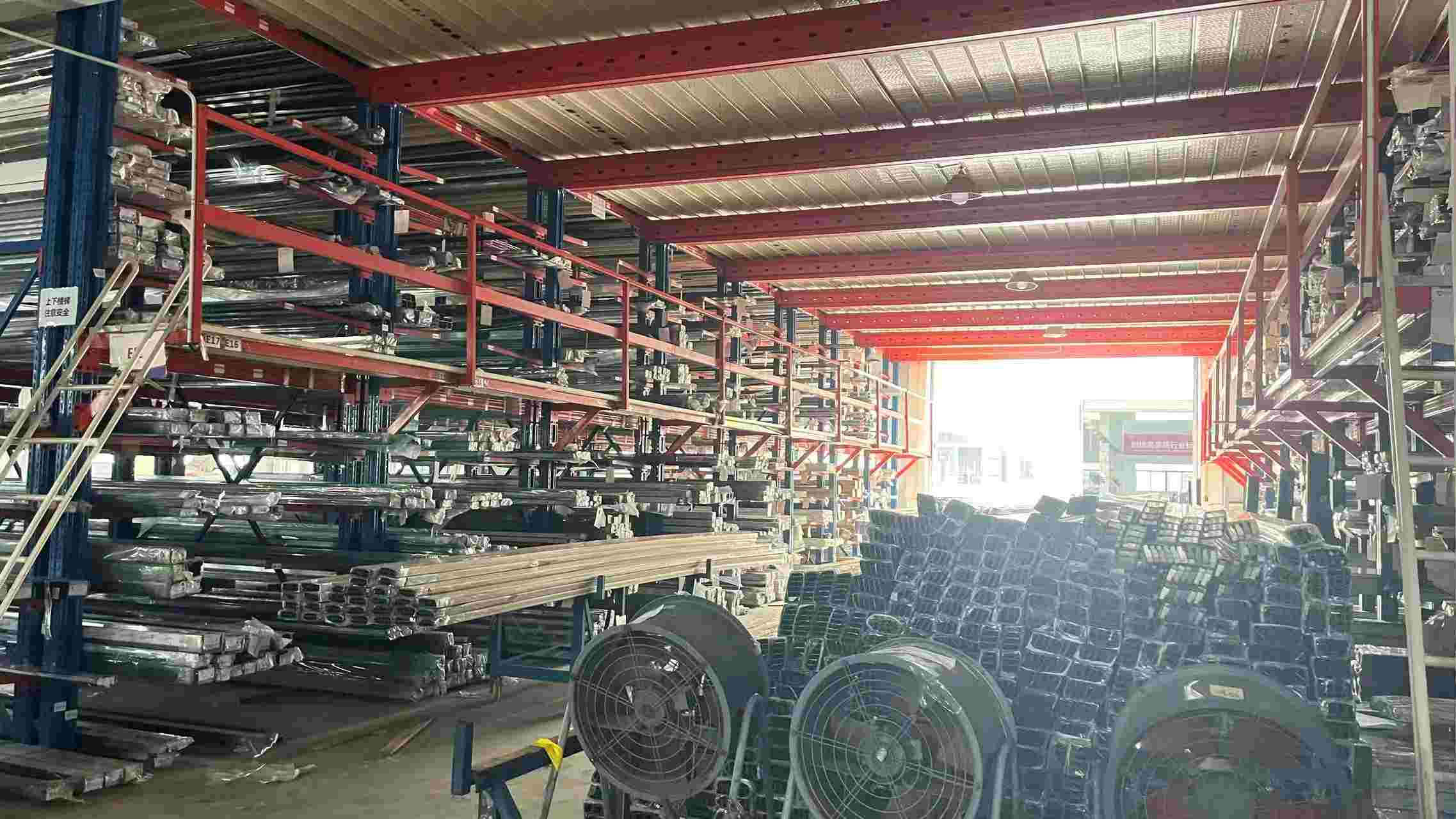
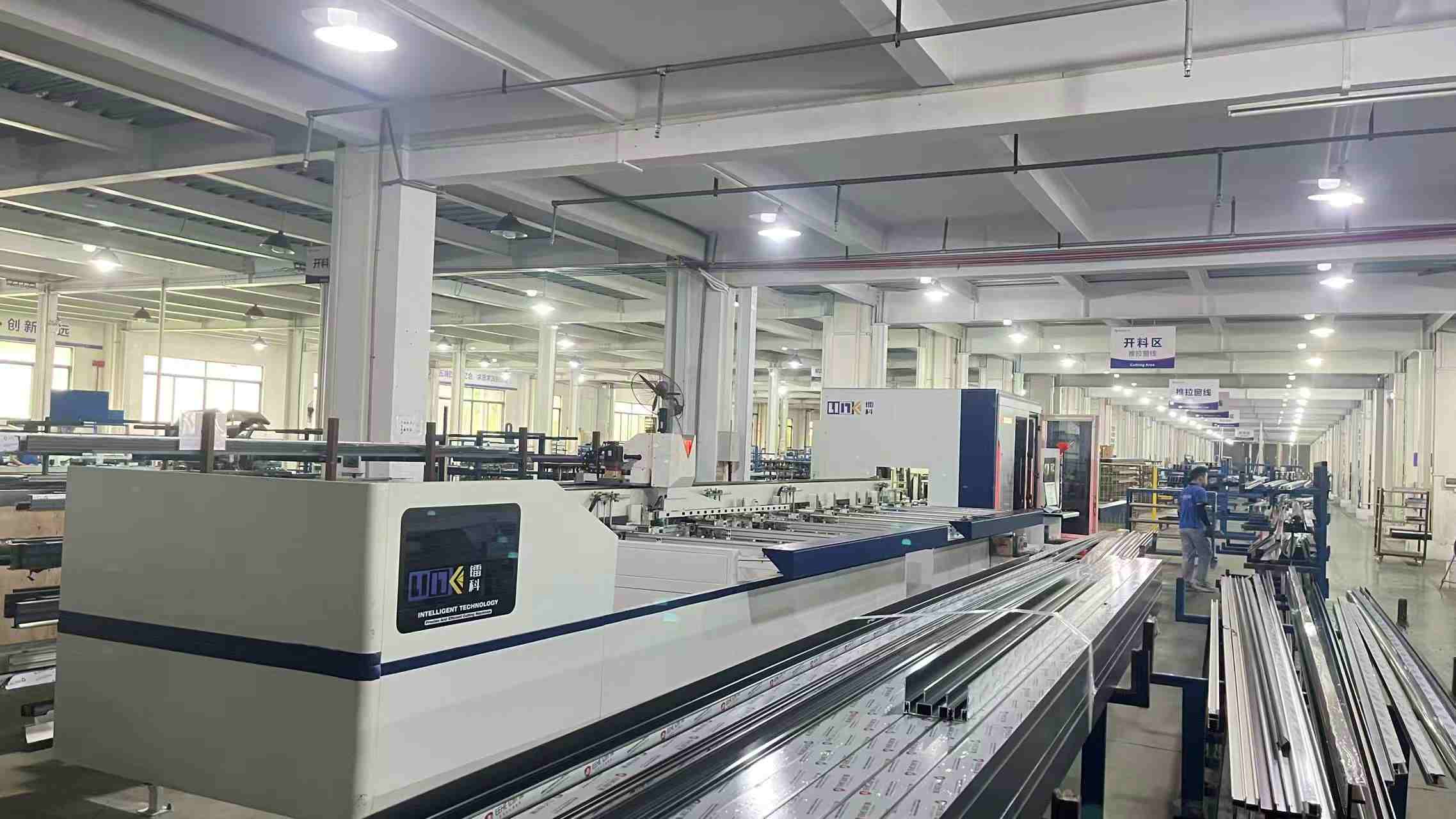
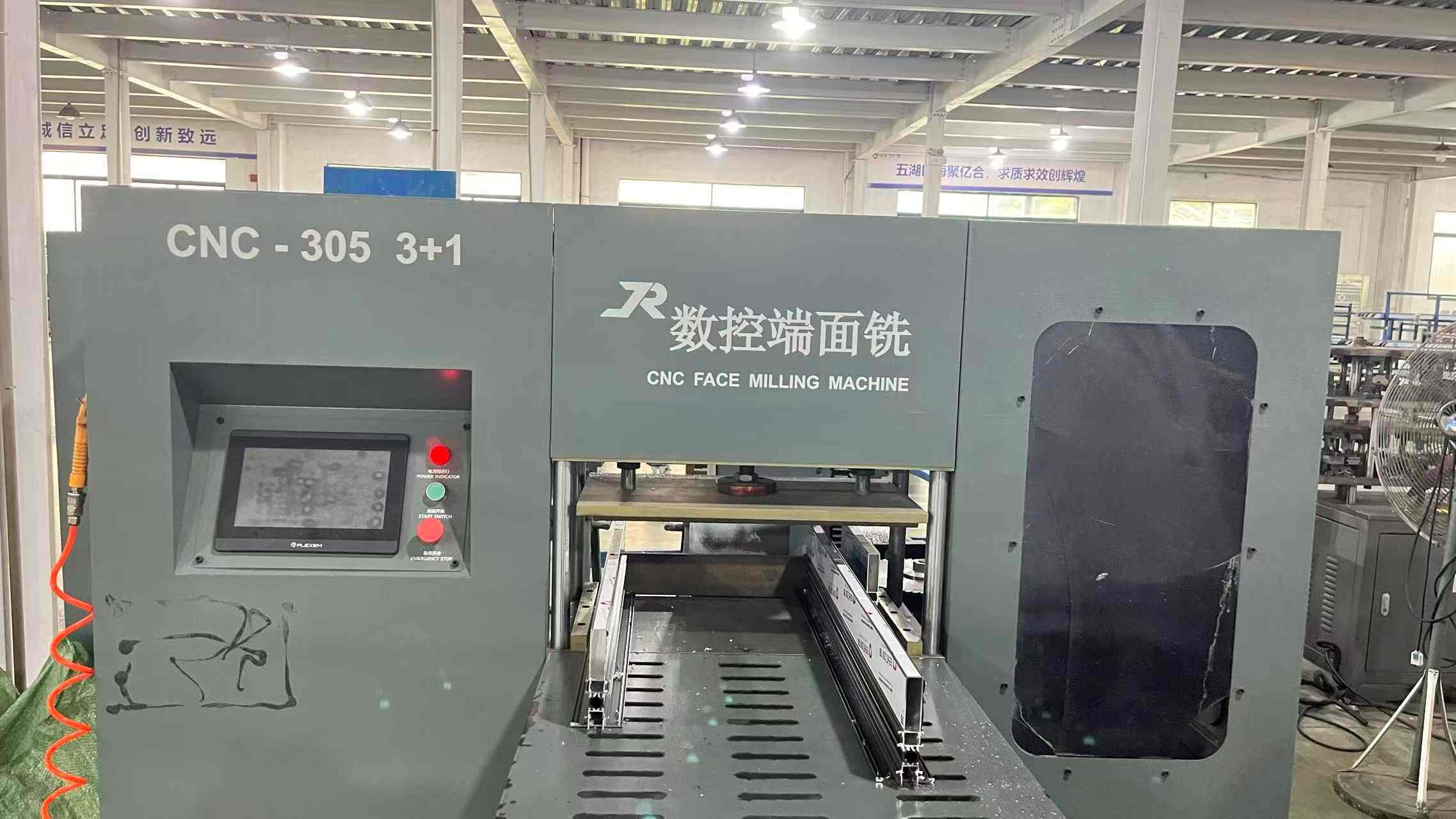
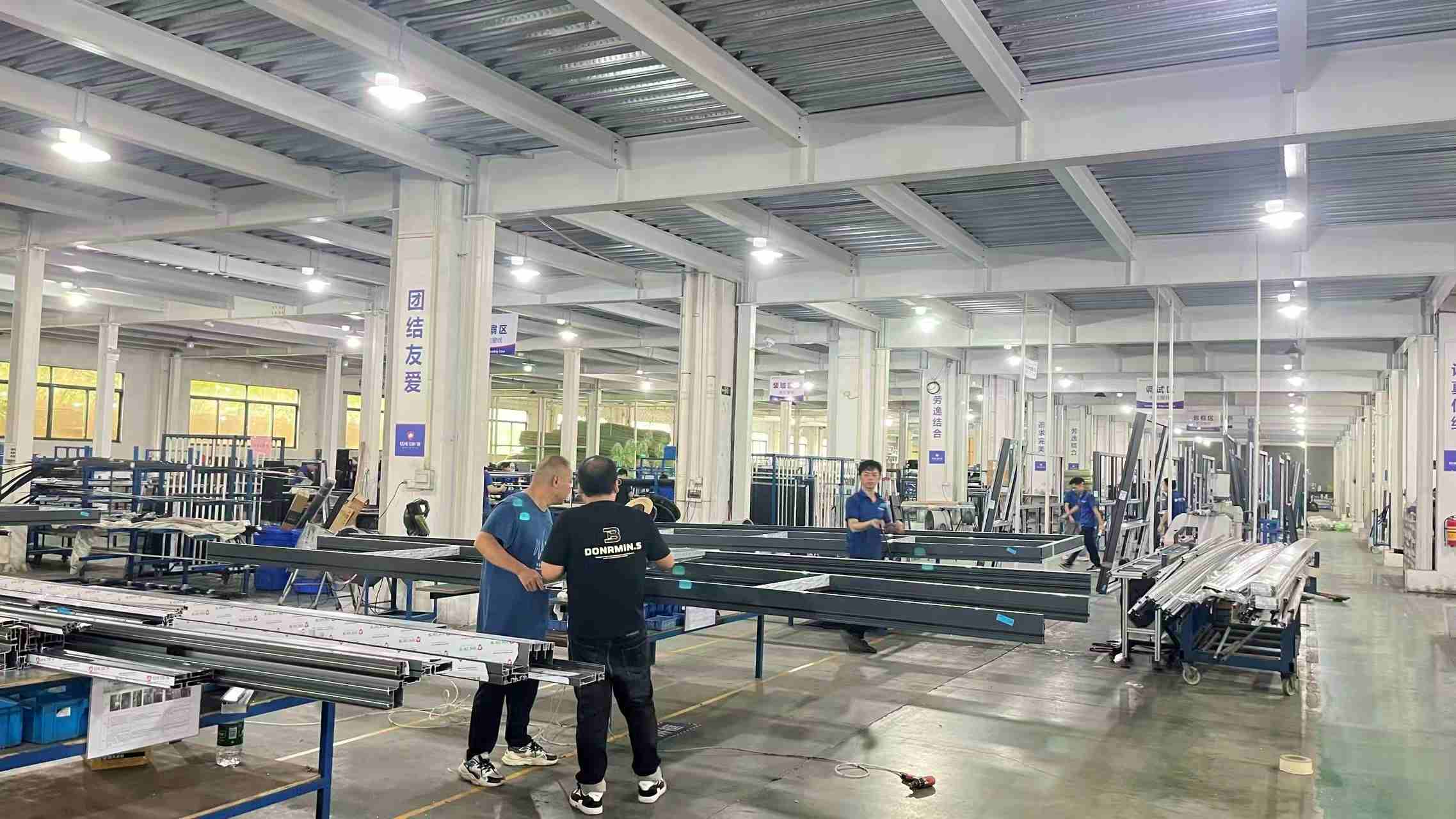
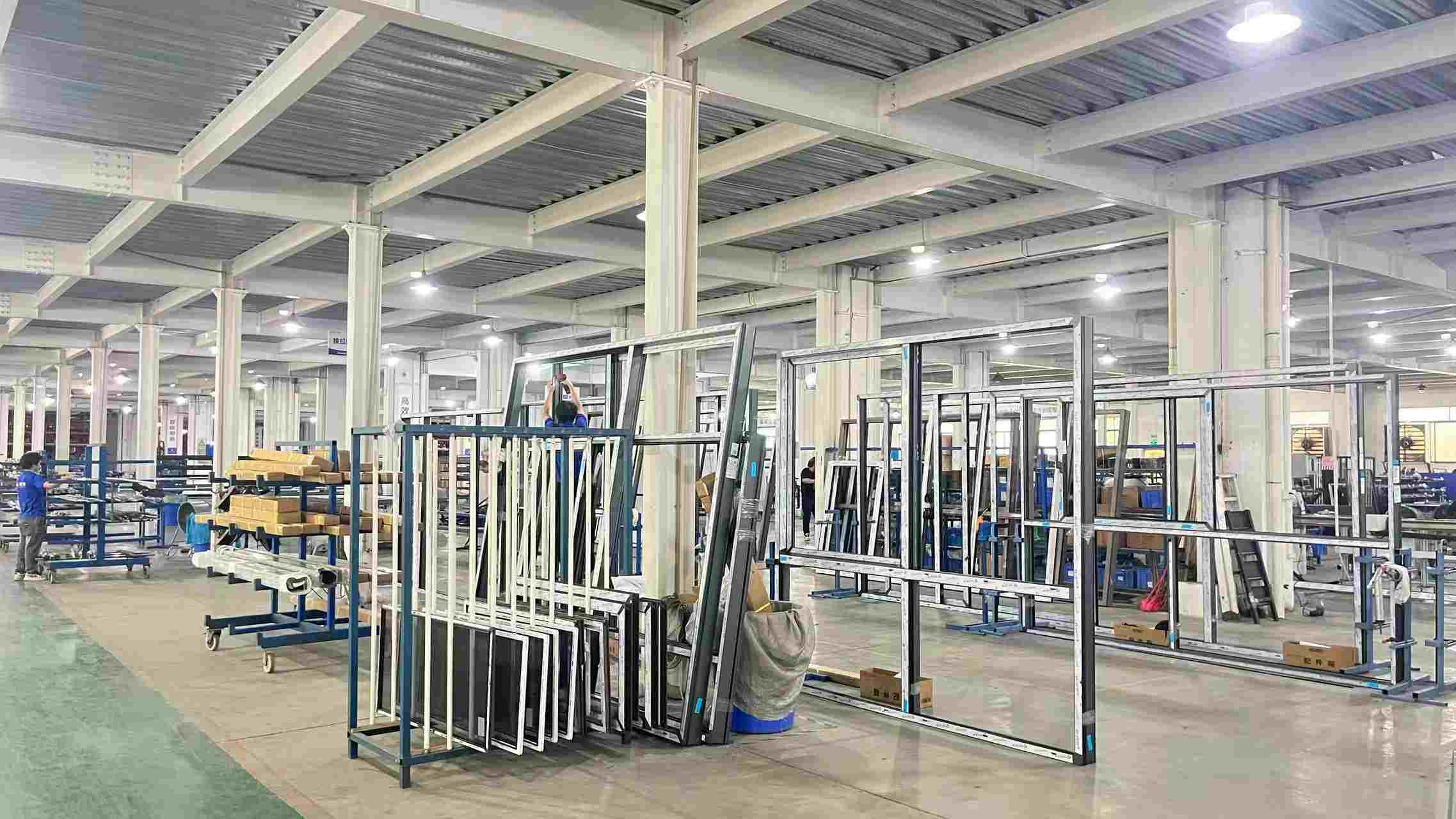
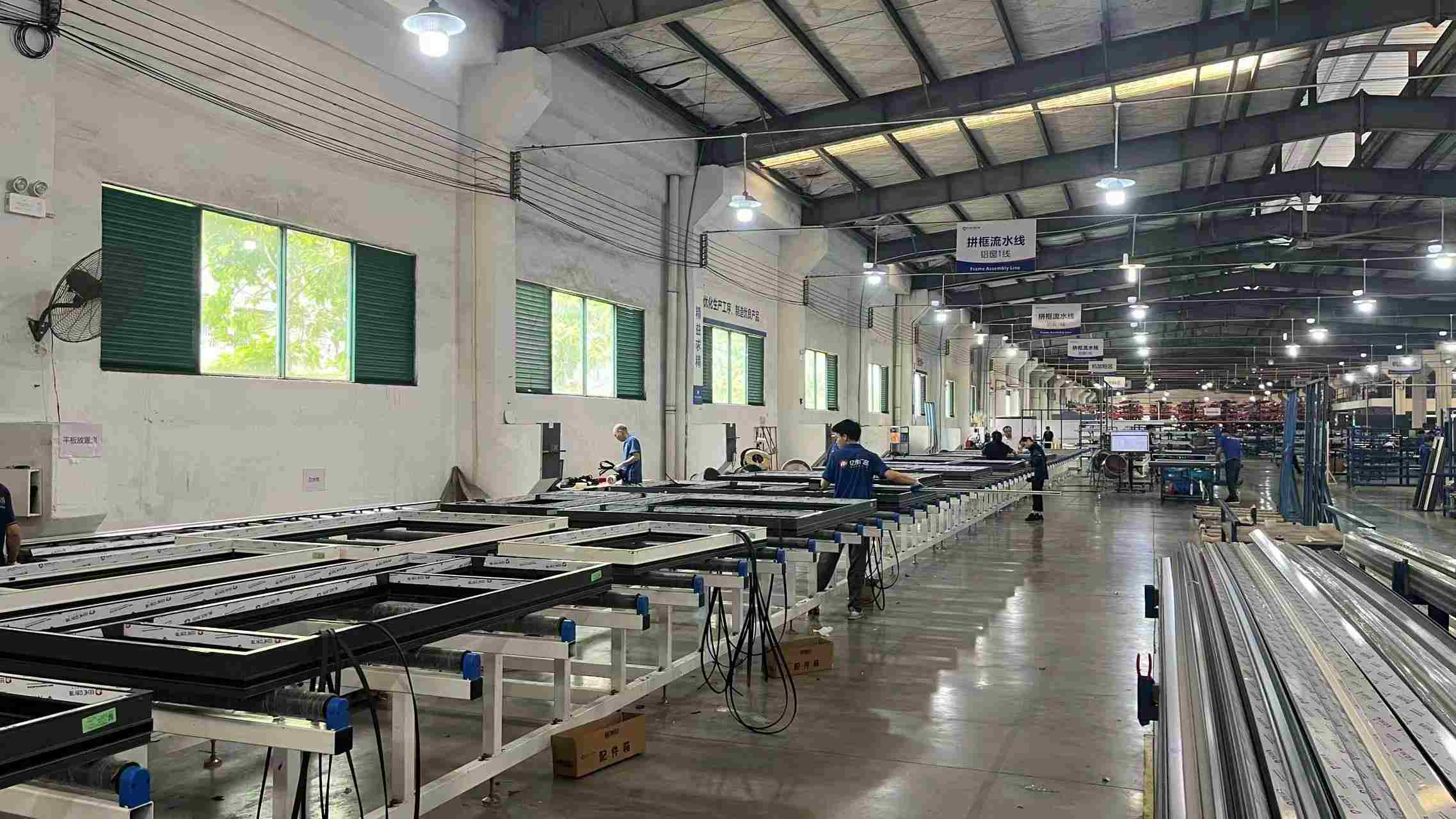
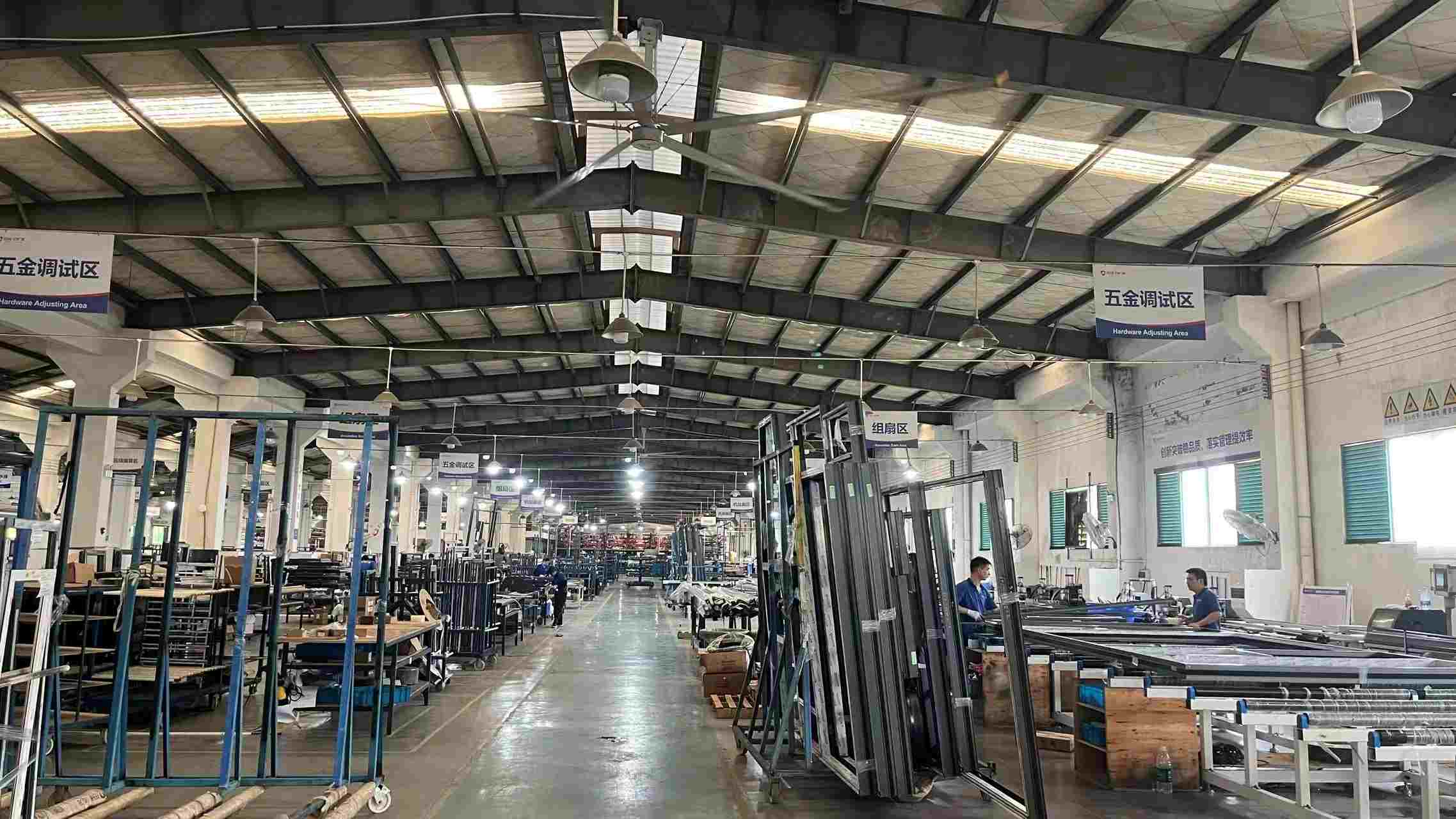
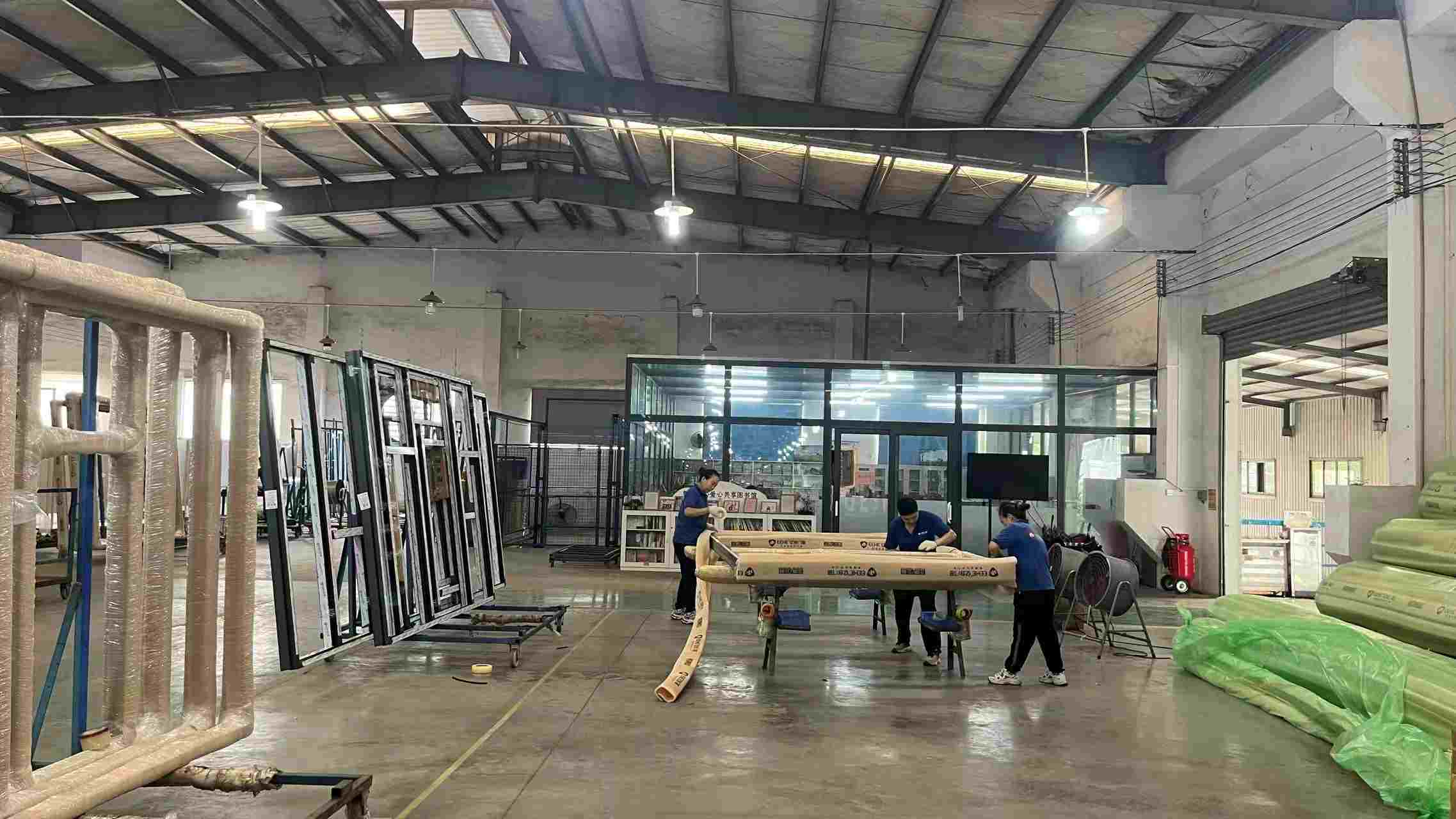
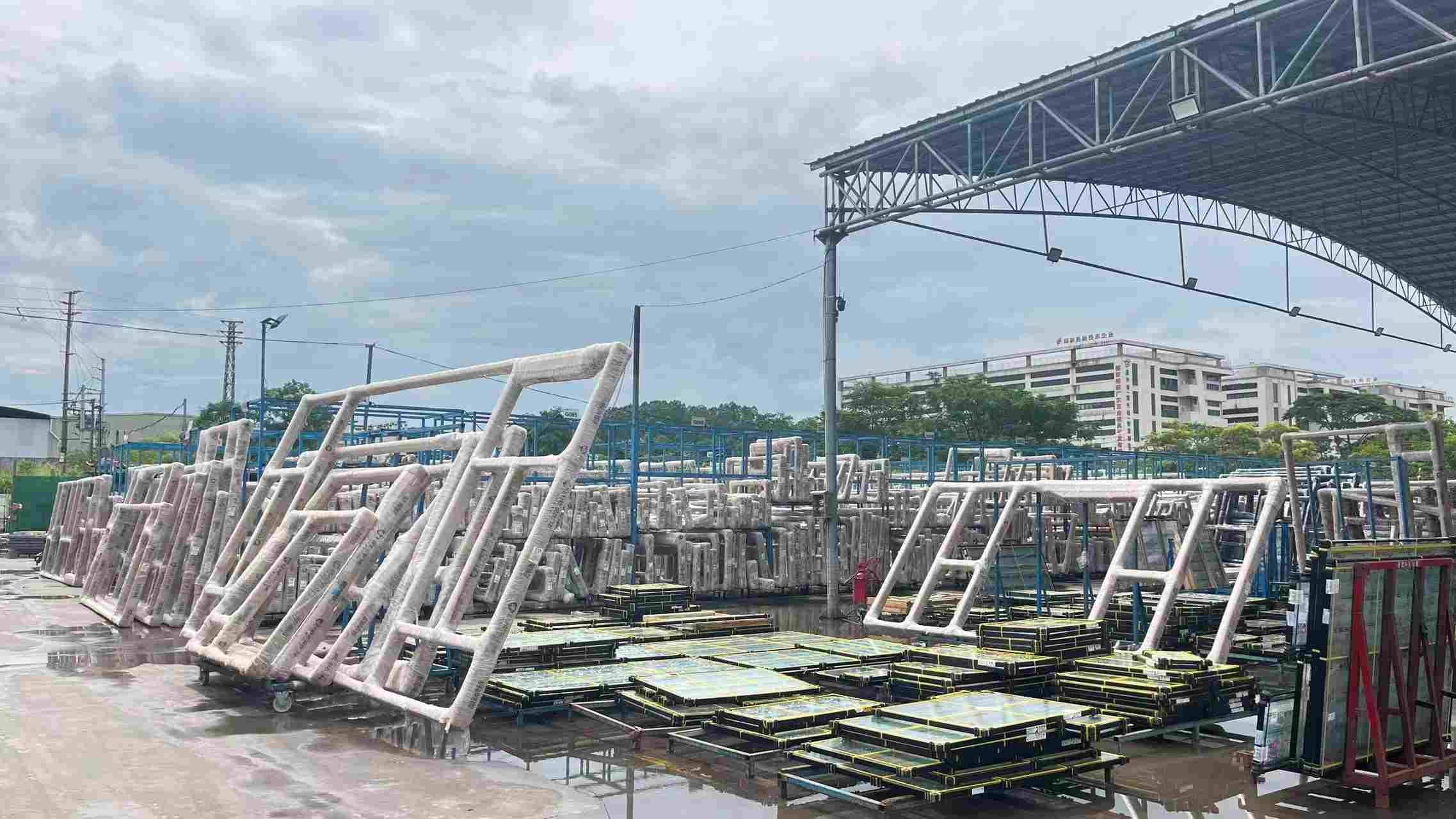
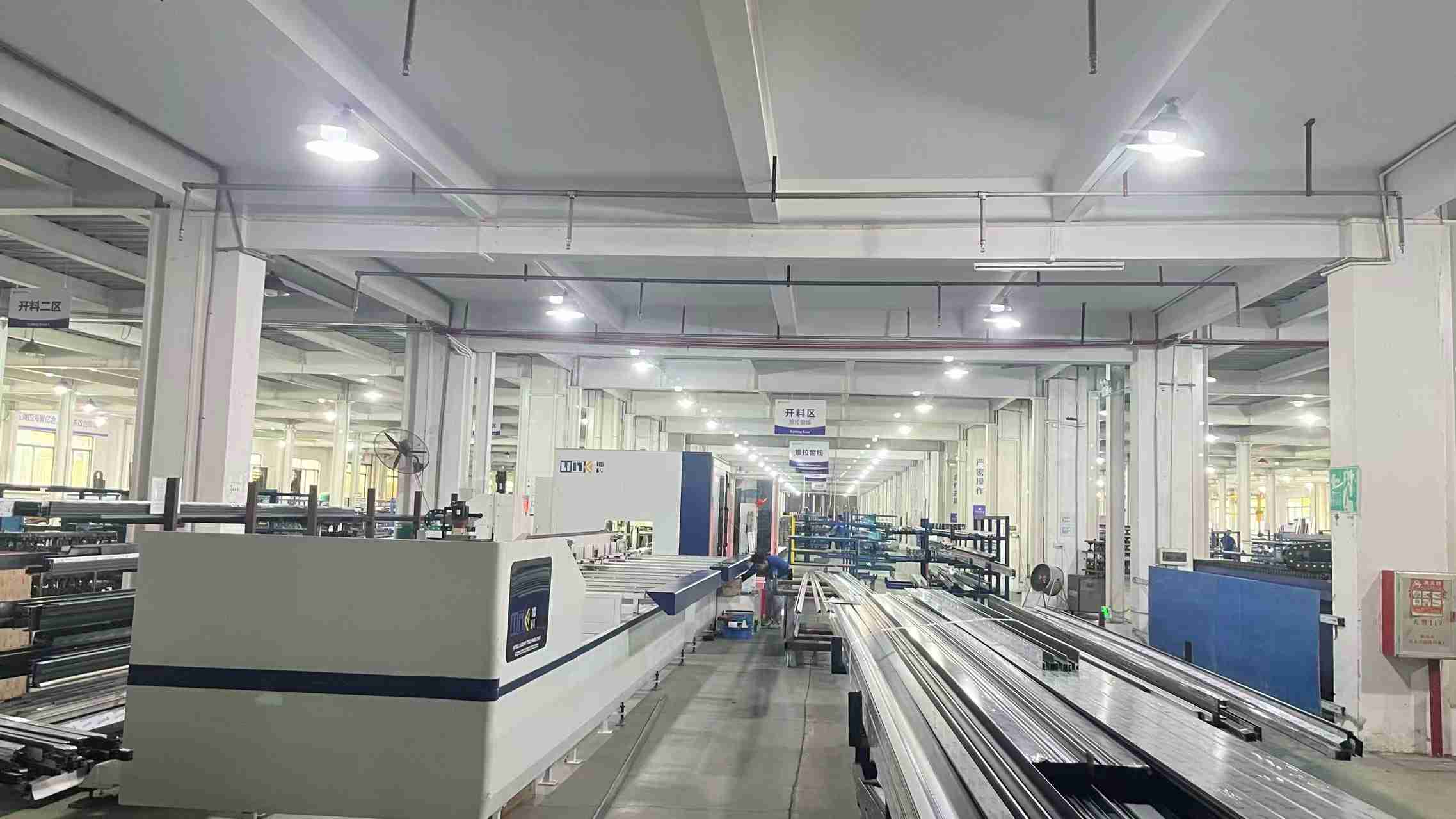
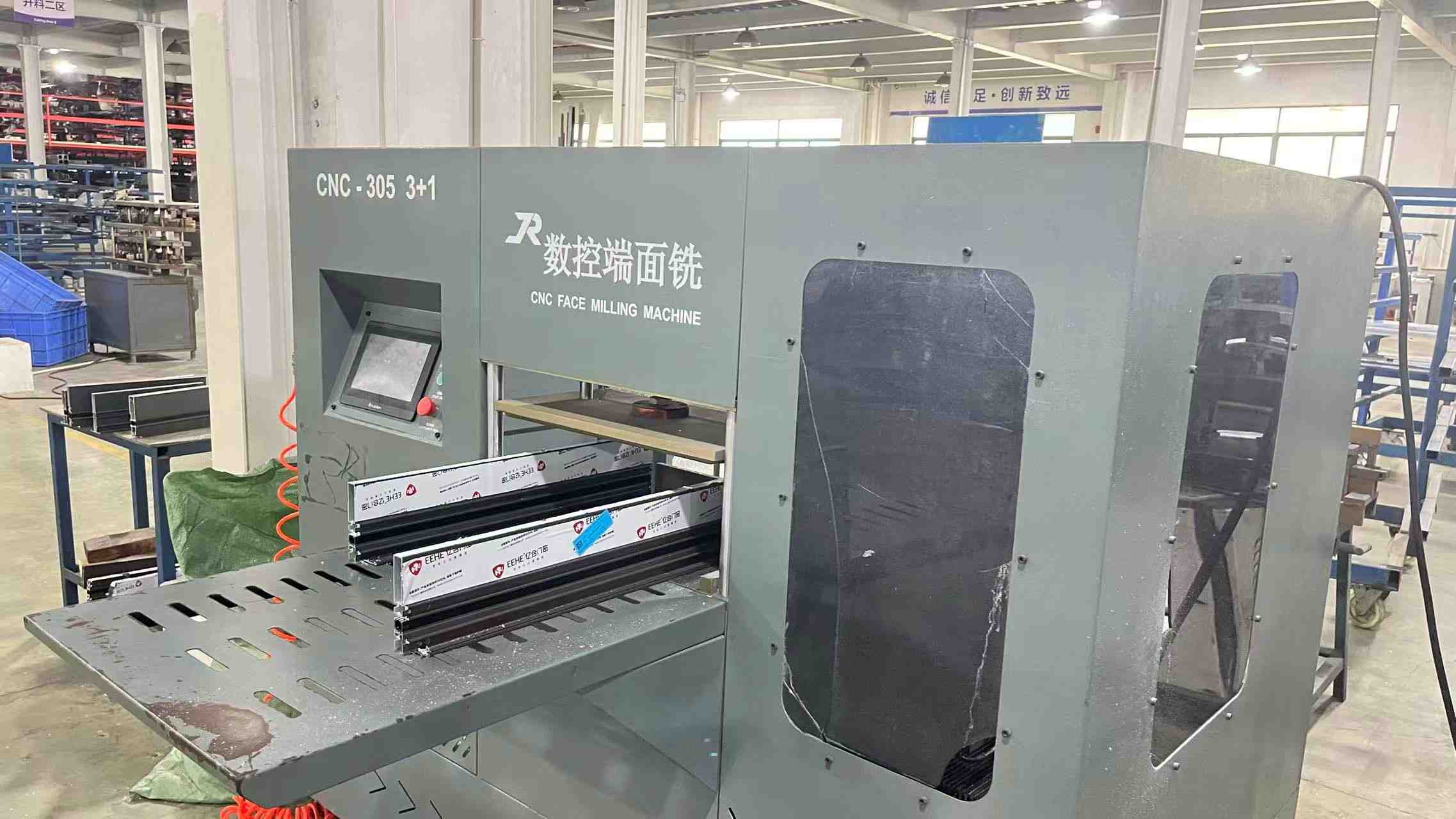
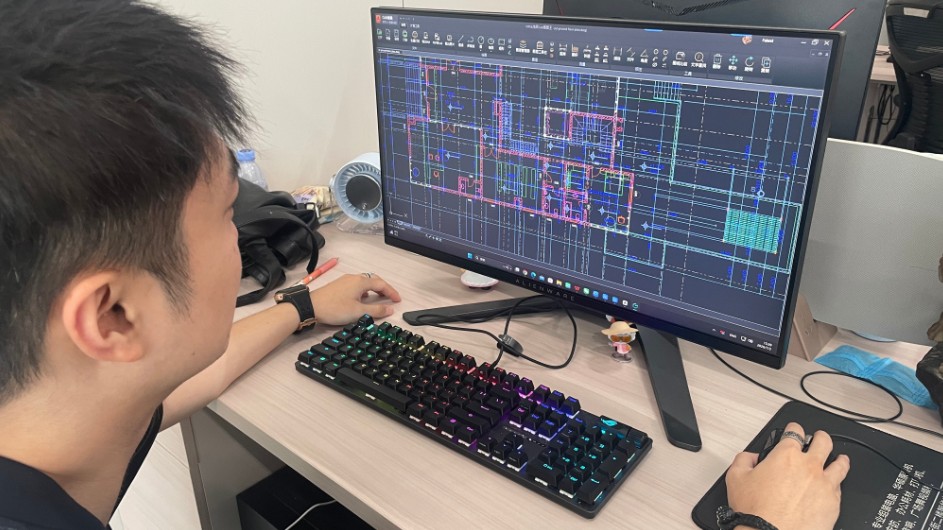
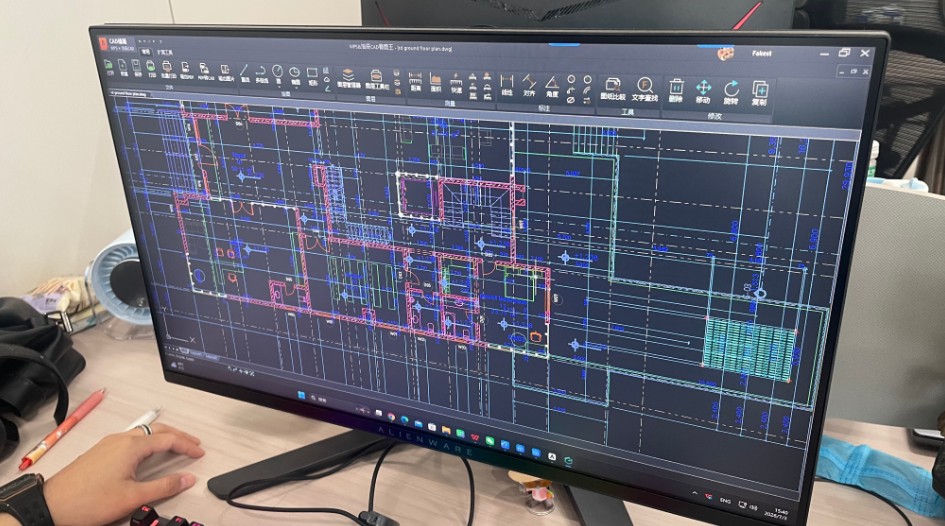
From raw alloy inspection to computerized CAD modeling and dynamic load testing, our 40,000 m² factory environment enforces strict precision protocols at every stage of production.
Procuring exterior fenestration systems and modern entry doors at commercial scale requires more than product specifications; it demands a resilient supply chain, cost predictable manufacturing schedules, and absolute compliance with international export logistics.
Through direct partnerships with top-tier aluminum billet extruders, raw steel mills, and glass float plants, Steelwar controls raw material purity from the melt stage. Our network of 1,100 supply chain partners eliminates intermediaries, driving down production overhead by 18-25% compared to Western assembly facilities.
Our 40,000 m² facility features automated double-head CNC miter saws, 5-axis profile milling centers, and automatic corner-crimping machines. This automation maintains framing tolerances within ±0.3mm across high-volume production batches, ensuring flawless field installation.
With 75 specialized R&D engineers, Steelwar translates client concepts or regional building code updates into production-ready CAD models in less than 72 hours. Last year alone, 230 new product designs were added to our client catalog, satisfying diverse architectural demands.
Every entry system undergoes multi-layer protective prep: surface polyethylene film, corner guards, honeycomb cardboard reinforcement, and vacuum-sealed plastic wrap, before placement in ISPM-15 certified heat-treated wooden crates to eliminate transit damage.
Navigating localized building regulations is a central challenge for international real estate developers, contractors, and door distributors. Steelwar products are engineered and tested in accordance with international safety, energy, and structural codes.
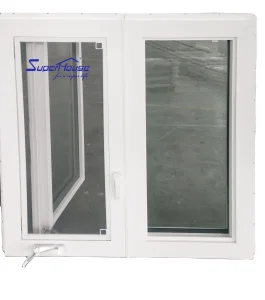
For high-velocity hurricane zones (HVHZ) such as South Florida and South Carolina, Steelwar offers products tested for Florida Statewide Product Approval and Miami-Dade NOA (Notice of Acceptance). These tests prove resistance to wind pressure, water intrusion, and heavy missile impacts. Additionally, thermal break casement and sliding units comply with NFRC (National Fenestration Rating Council) energy efficiency indices and California Title 24 building energy standards.
Products tailored for the Australasian region undergo rigorous structural deflection, air infiltration, water penetration, and ultimate strength evaluations according to AS2047 standard guidelines, utilizing safety glass certified to AS1288.
European export systems adhere to CE marking requirements under EN 14351-1, covering air permeability (EN 12207), watertightness (EN 12208), resistance to wind load (EN 12210), and acoustic isolation metrics (EN ISO 717-1).
Steelwar operates a structured B2B procurement model built to support commercial construction firms, building material stockists, and real estate developer specifications.
Review of structural engineering blueprints, structural opening sizes, wind pressure values, and target U-factors.
Our 75 R&D engineers generate detailed 2D/3D shop drawings detailing anchor points, threshold details, and hardware cutouts.
Full-scale mockups undergo air-water structural testing in our dynamic physical laboratory prior to mass assembly.
Full production under 50 QC specialists tracking dynamic impact, paint thickness, and tolerance checks.
Different building typologies require tailored architectural entry solutions. Steelwar's entry doors and integrated fenestration systems are adapted to specific deployment settings:
Equipped with corrosion-resistant PVDF (Fluorocarbon) finishes exceeding 3,000 hours of salt spray testing, Miami-Dade NOA impact glass, and invisible heavy-duty pivot hinges capable of supporting door panels up to 500 kg.
Optimized for elevated dynamic wind pressures, tight water infiltration controls (up to 1100 Pa), and structural acoustic dampening (STC 45+) to eliminate urban ambient noise pollution.
Featuring automated sliding or swing entry integration, high-traffic heavy-duty floor springs, electronic access card integrations, and customized architectural RAL powder coating matching brand guidelines.
Configured with triple-pane thermal break systems, warm-edge spacer technology, dual EPDM compression seals, and thermal isolators preventing frost build-up in temperatures below -30°C.
Detailed insights regarding our manufacturing parameters, structural certifications, customized options, and international freight protocols.
Explore our complete range of high-performance tilt-turn, casement, entry door, and energy-efficient building systems.
 Steelwar