Engineered for extreme climate resilience, strict thermal envelope compliance, and architectural security standards across North American and European markets.
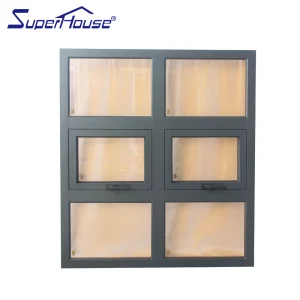
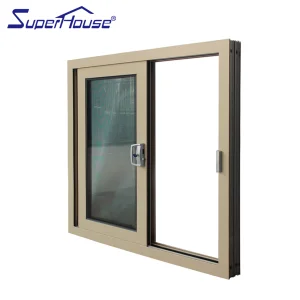
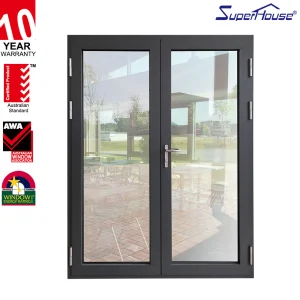
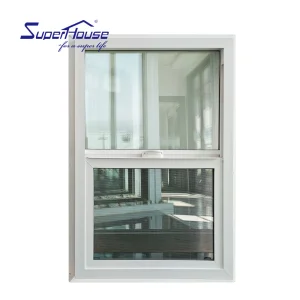
Analyzing regulatory shifts toward Net-Zero carbon envelopes, thermal bridge suppression, and structural security in contemporary commercial and residential fenestration.
The global construction sector is undergoing a structural paradigm shift driven by stringent decarbonization mandates, evolving building codes (such as Energy Star 7.0, the EU Energy Performance of Buildings Directive - EPBD, and ASHRAE 90.1), and accelerating demand for climate-resilient building envelopes. Front entry doors and fenestration assemblies represent one of the most critical zones for thermal leakage, structural vulnerability, and solar heat transfer. Consequently, global enterprise buyers, architectural specifiers, and commercial construction contractors are actively seeking top-trusted energy-efficient entry door factories capable of delivering certified structural integrity alongside advanced thermal insulation performance.
An entry door's energy efficiency performance is governed by three primary physics parameters: Overall U-Factor, Solar Heat Gain Coefficient (SHGC), and Air Infiltration Rate (CFM/ft²). Traditional solid steel or timber entry assemblies frequently fail modern thermal envelope standards due to uncontrolled thermal bridging—where thermal energy transfers rapidly across conductive metallic frames or uninsulated core voids.
Leading manufacturing factories overcome this limitation by deploying advanced Polyamide (PA66 GF25) thermal breaks, high-density polyurethane (PU) injected cores (density > 48 kg/m³), and low-emissivity (Low-E) double or triple-insulating glass units (IGUs) filled with 90%+ Argon or Krypton gas. These technical integrations dramatically lower the U-Factor to values below 0.18 BTU/h·ft²·°F (approx. 1.02 W/m²K), achieving significant baseline energy savings for commercial HVAC loads.
The global procurement market for high-efficiency exterior doors is transitioning from standard off-the-shelf residential units toward engineered, multi-functional architectural barrier systems. Key macroeconomic market drivers include:
| Performance Category | Standard Non-Insulated Entry Door | Standard Vinyl / Wood Door | Steelwar Premium Thermal Break Alloy Door |
|---|---|---|---|
| U-Factor (BTU/h·ft²·°F) | 0.48 - 0.65 | 0.28 - 0.35 | 0.14 - 0.20 (Energy Star Qualified) |
| Solar Heat Gain Coefficient (SHGC) | 0.40 - 0.55 | 0.25 - 0.35 | 0.12 - 0.22 (Low-E Triple Glazed) |
| Air Infiltration Rating | > 0.30 cfm/ft² | 0.15 - 0.25 cfm/ft² | < 0.05 cfm/ft² (EPDM Triple Gaskets) |
| Structural Wind Load Resistance | 20 - 35 PSF | 35 - 50 PSF | 70 - 110 PSF (Miami-Dade NOA Class) |
| Acoustic Isolation (STC Rating) | 22 - 26 dB | 28 - 32 dB | 38 - 45 dB (Acoustic Laminated Core) |
A world-class manufacturing powerhouse equipped with automated CNC engineering, rigorous quality assurance, and global export scalability.
Established in 2003, Steelwar Entry Systems Co., Ltd. operates a state-of-the-art 40,000 m² manufacturing plant specializing in high-security, energy-efficient exterior entry doors, architectural windows, and custom curtain wall fenestration systems. With 21 years of continuous industry experience and 9 years of direct global export capabilities, the company generates $35 million in annual export turnover across premier international markets in North America, the Middle East, and Eastern Europe.
Steelwar functions as a trusted tier-1 direct OEM/ODM supplier for building material distributors, security door stockists, architectural developers, and commercial construction contractors worldwide. Supported by a robust trade infrastructure and an expansive network of 1,100 supply chain partners, Steelwar guarantees unmatched material reliability, uninterrupted supply chains, and strict delivery timelines.
Product reliability is maintained by an internal team of 50 Quality Control (QC) specialists who perform dynamic impact resistance testing, automated frame tolerance checks, weather-chamber pressure sealing audits, and dynamic corrosion-resistant powder coating audits. Furthermore, Steelwar's engineering depth is driven by a dedicated group of 75 R&D engineers who introduced 230 new product models last year alone, setting technical benchmarks in structural security, smart door access control, and thermal efficiency.
Custom engineering options manufactured in-house include ballistic armor steel cores (NIJ Level III/IV compliance), multi-point motorized smart lock integration, customized architectural RAL color finishes (AkzoNobel powder coating), and bespoke frame depths ranging from 70mm to 120mm to fit diverse structural wall construction profiles.
From digital blueprint engineering to robotic fabrication and climate testing: Experience our transparent 11-stage door manufacturing pipeline.
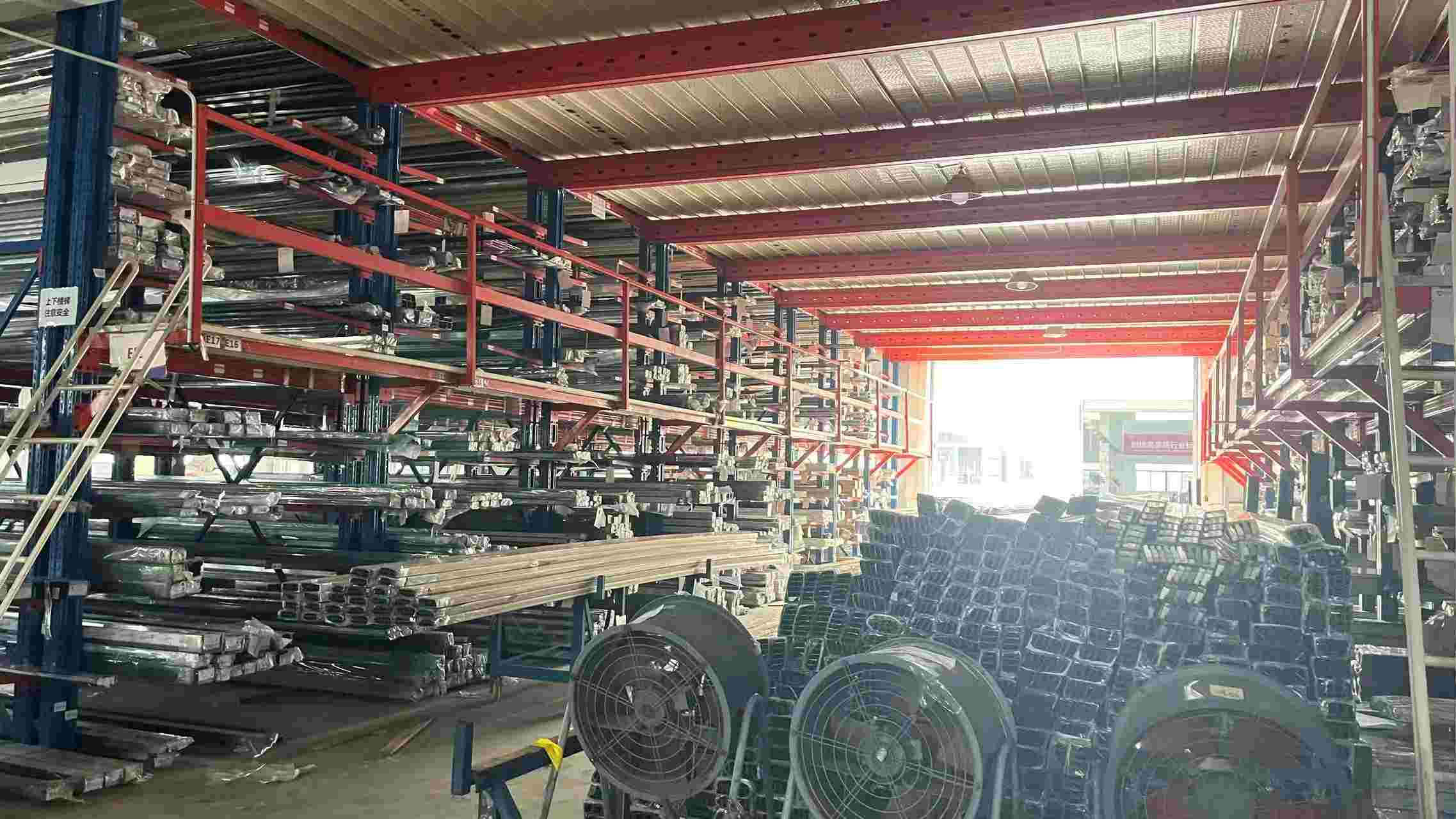
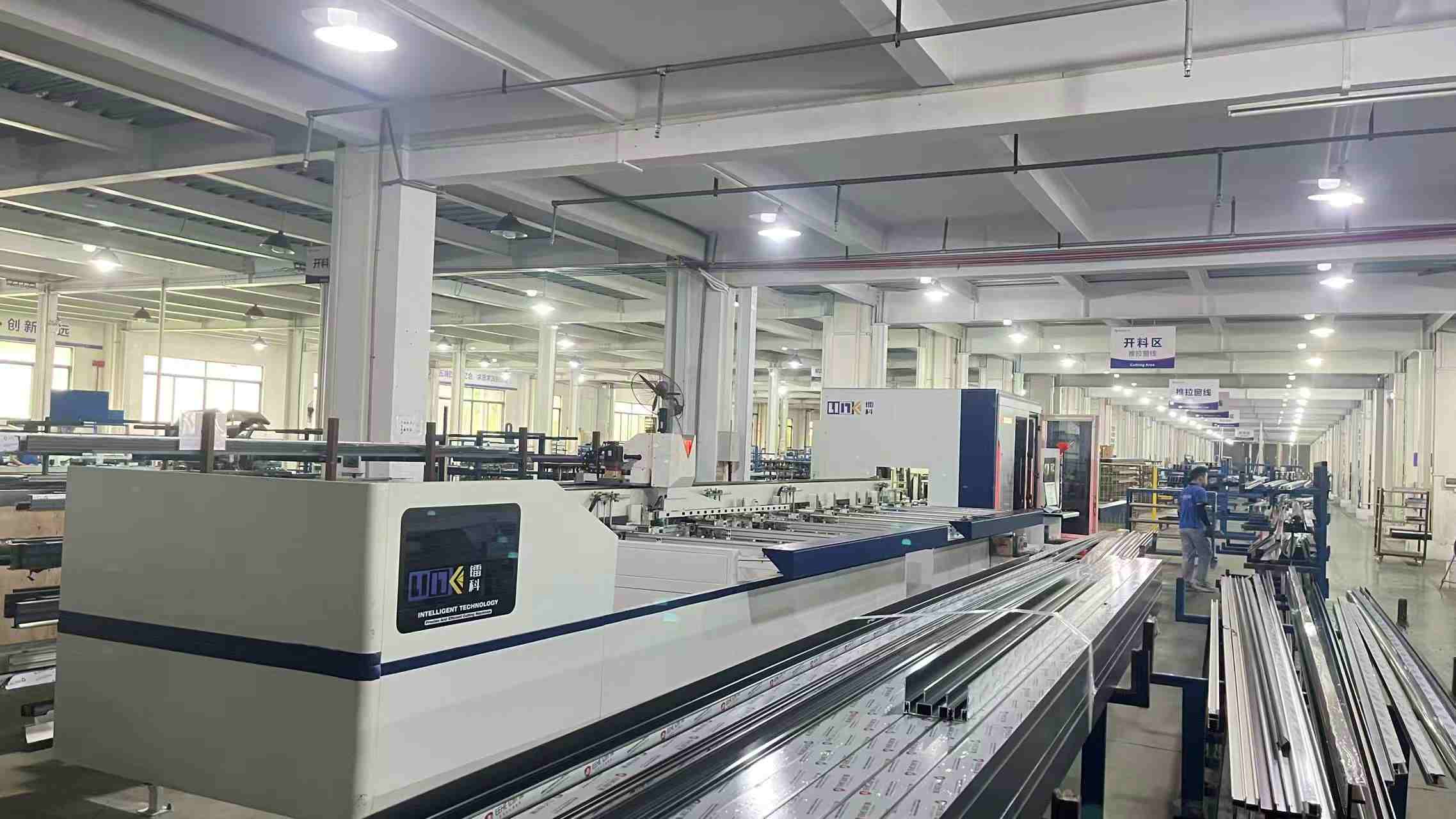
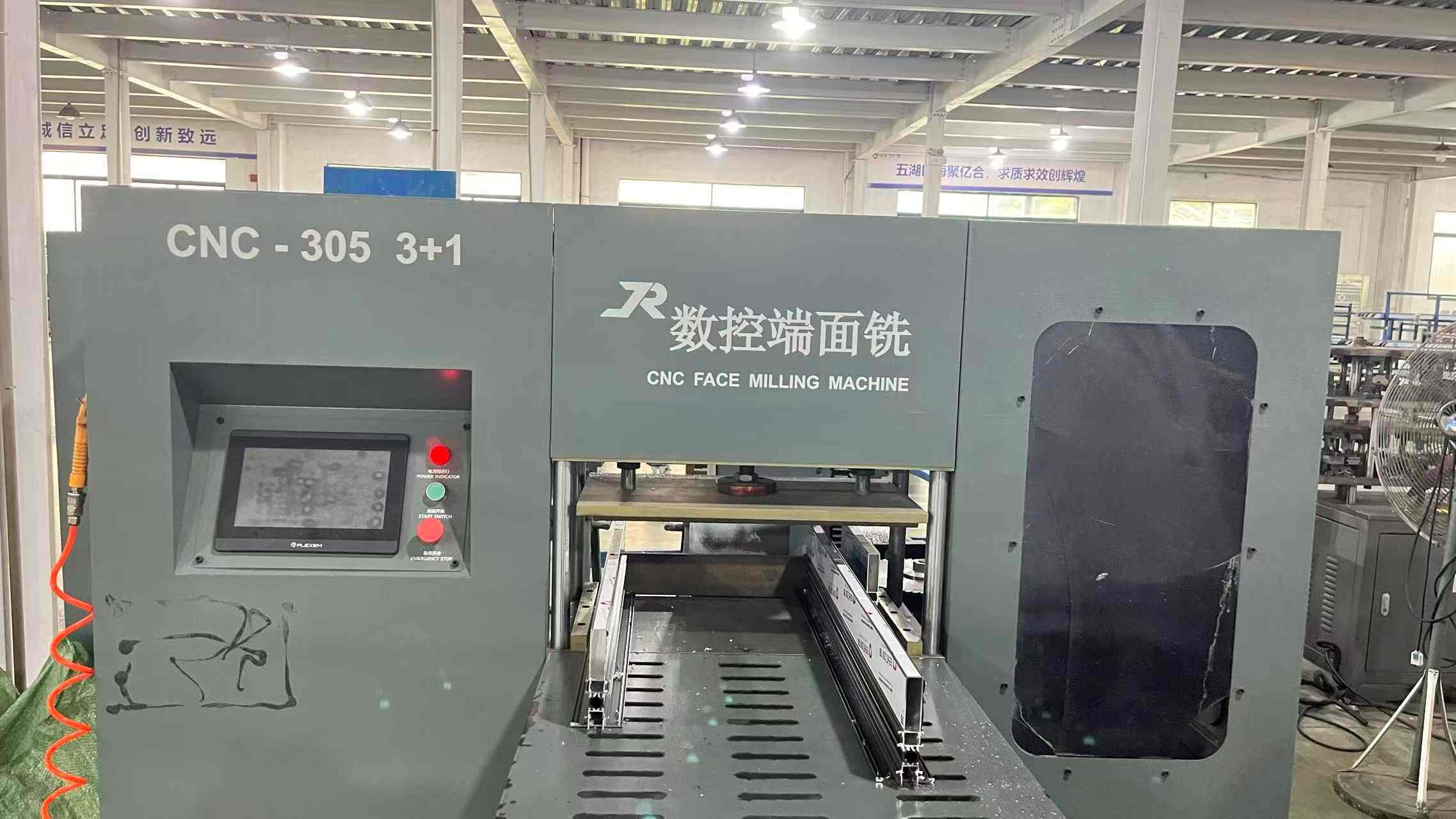
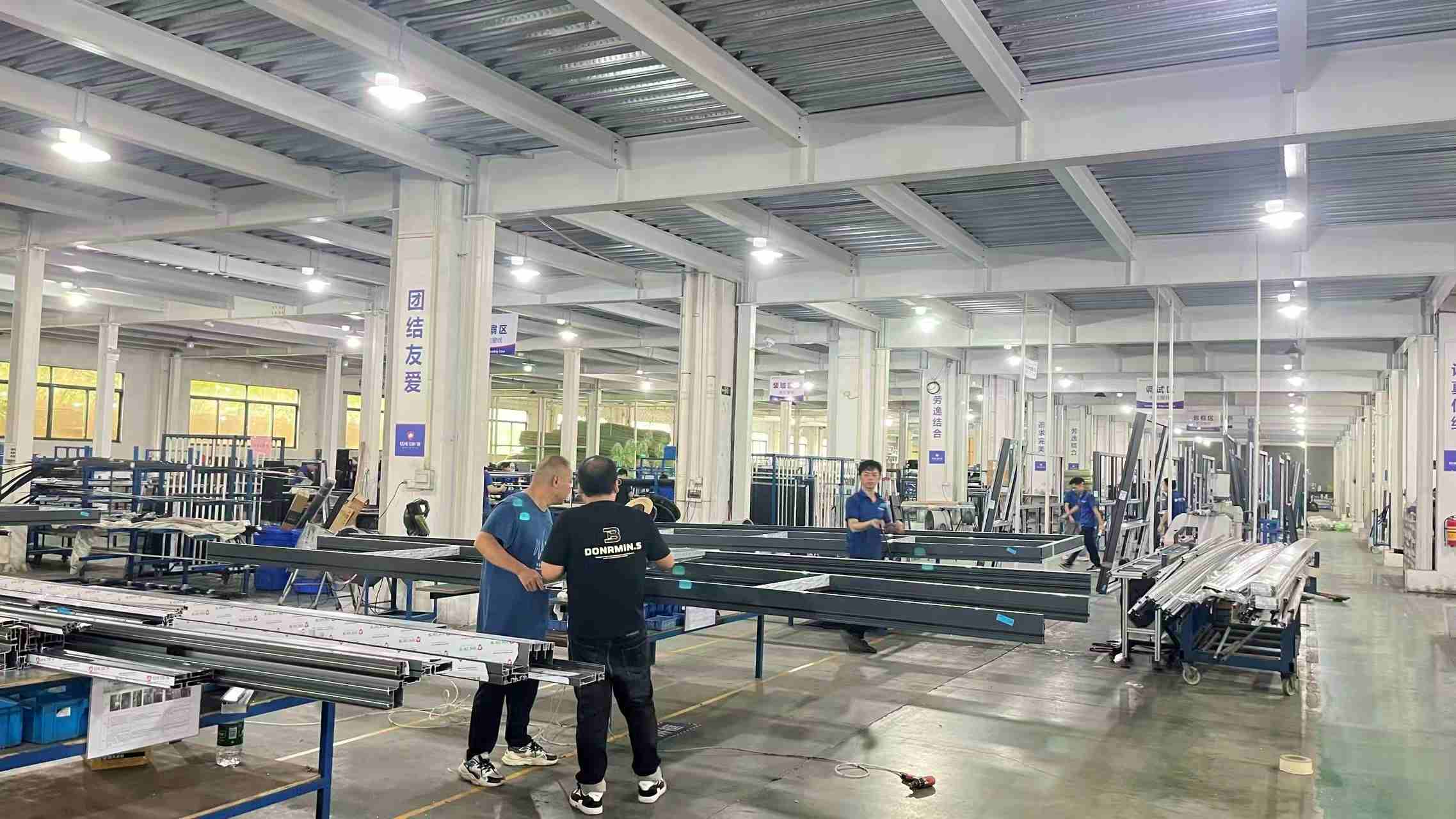
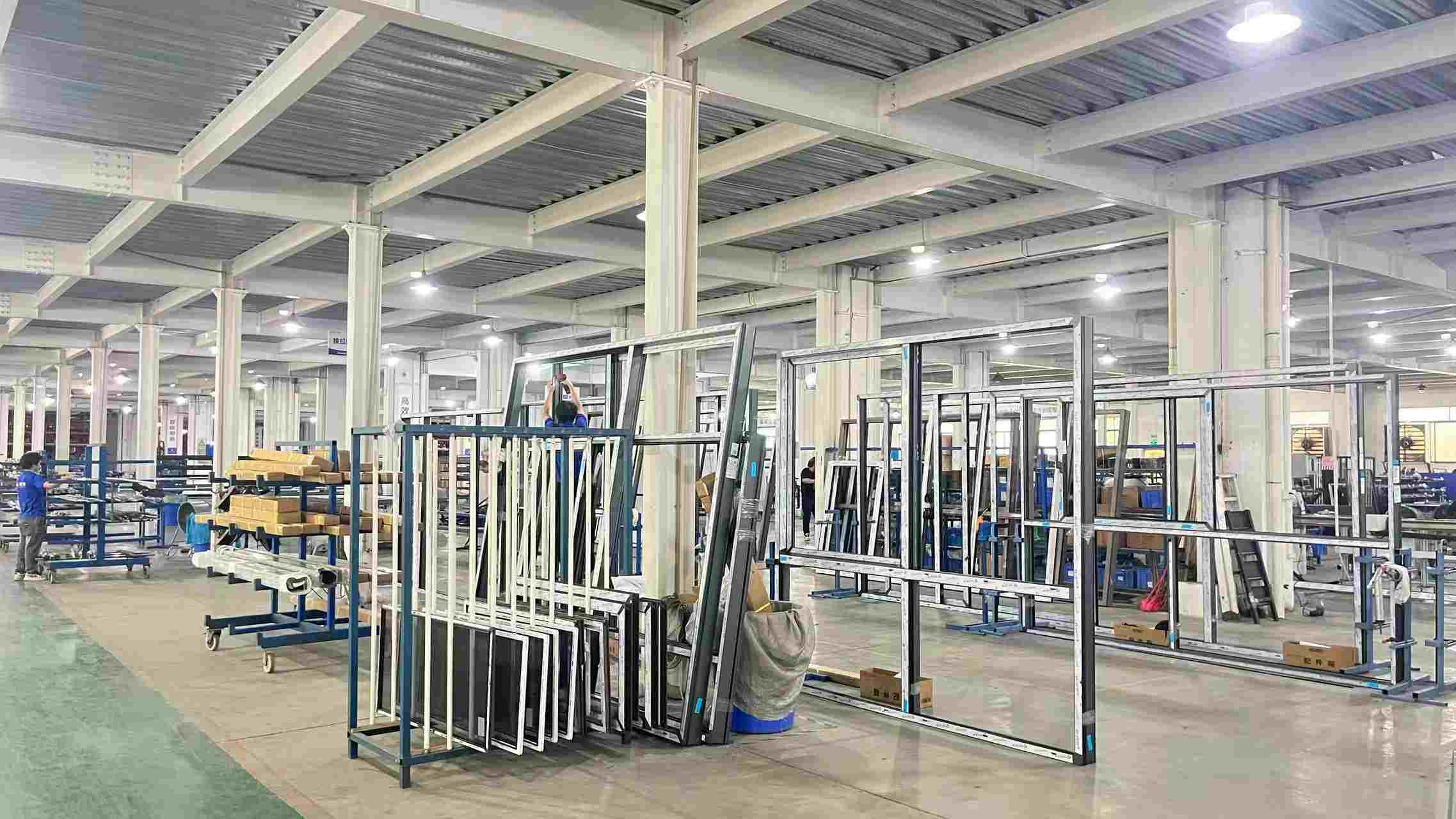
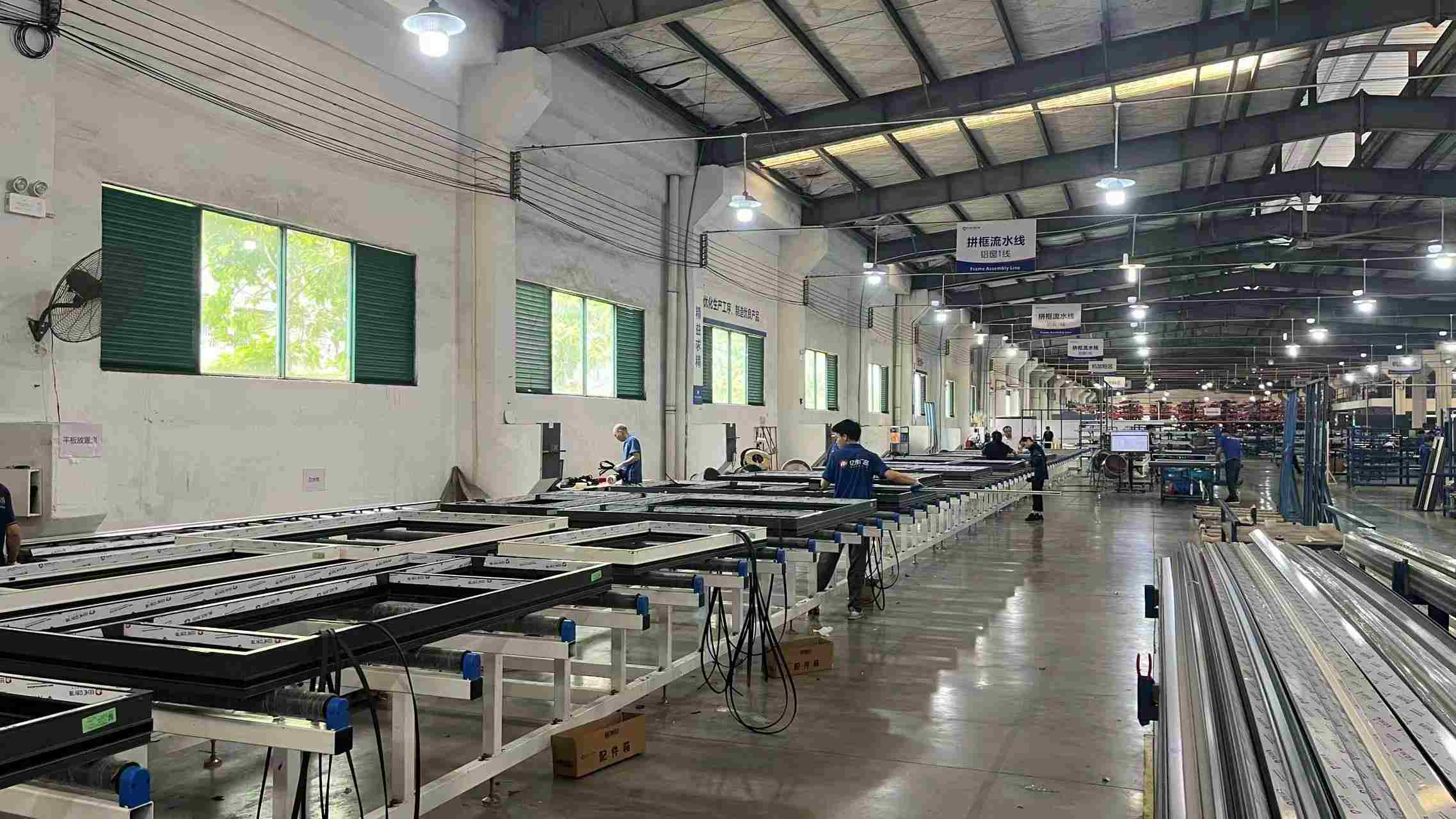
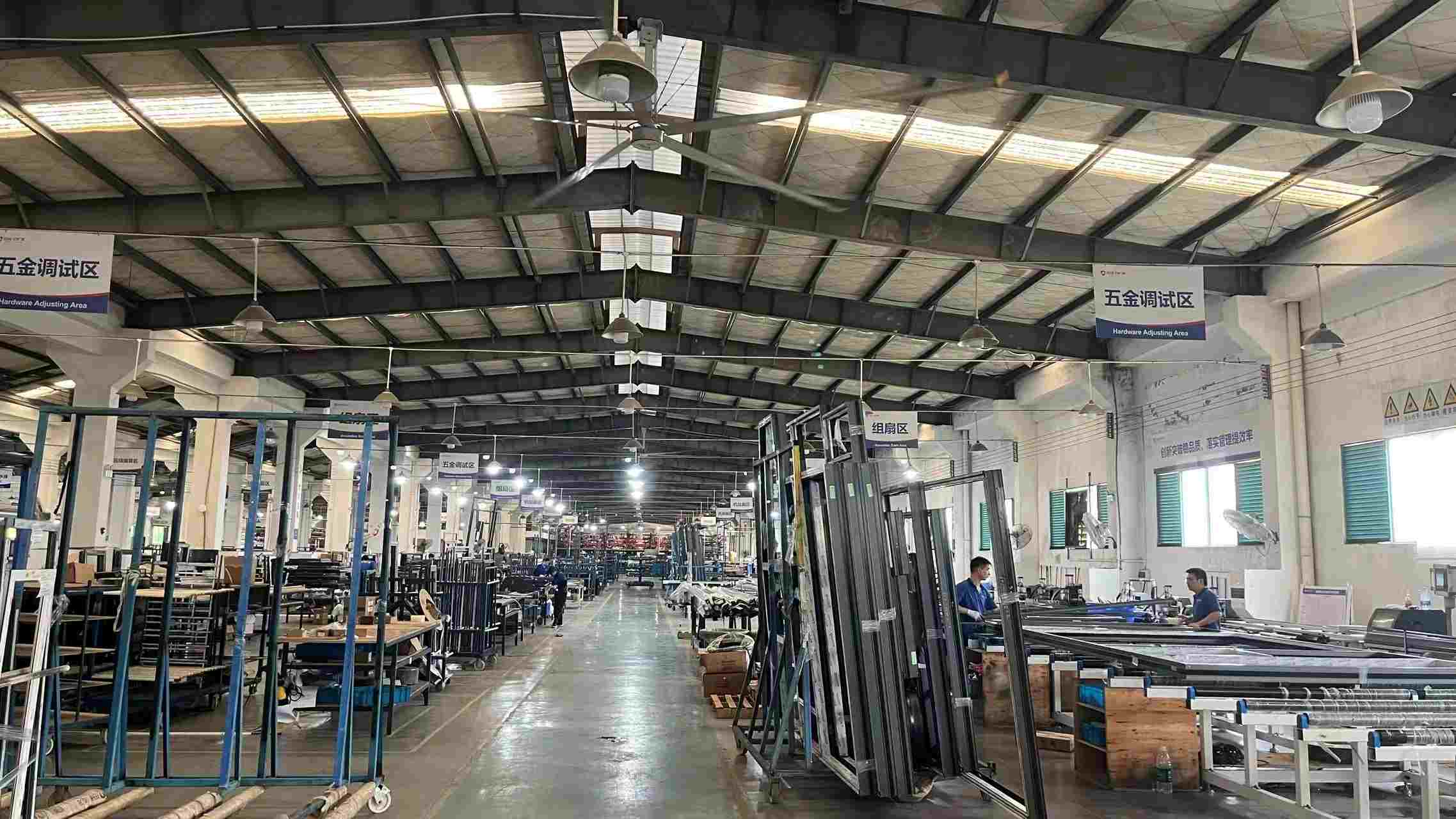
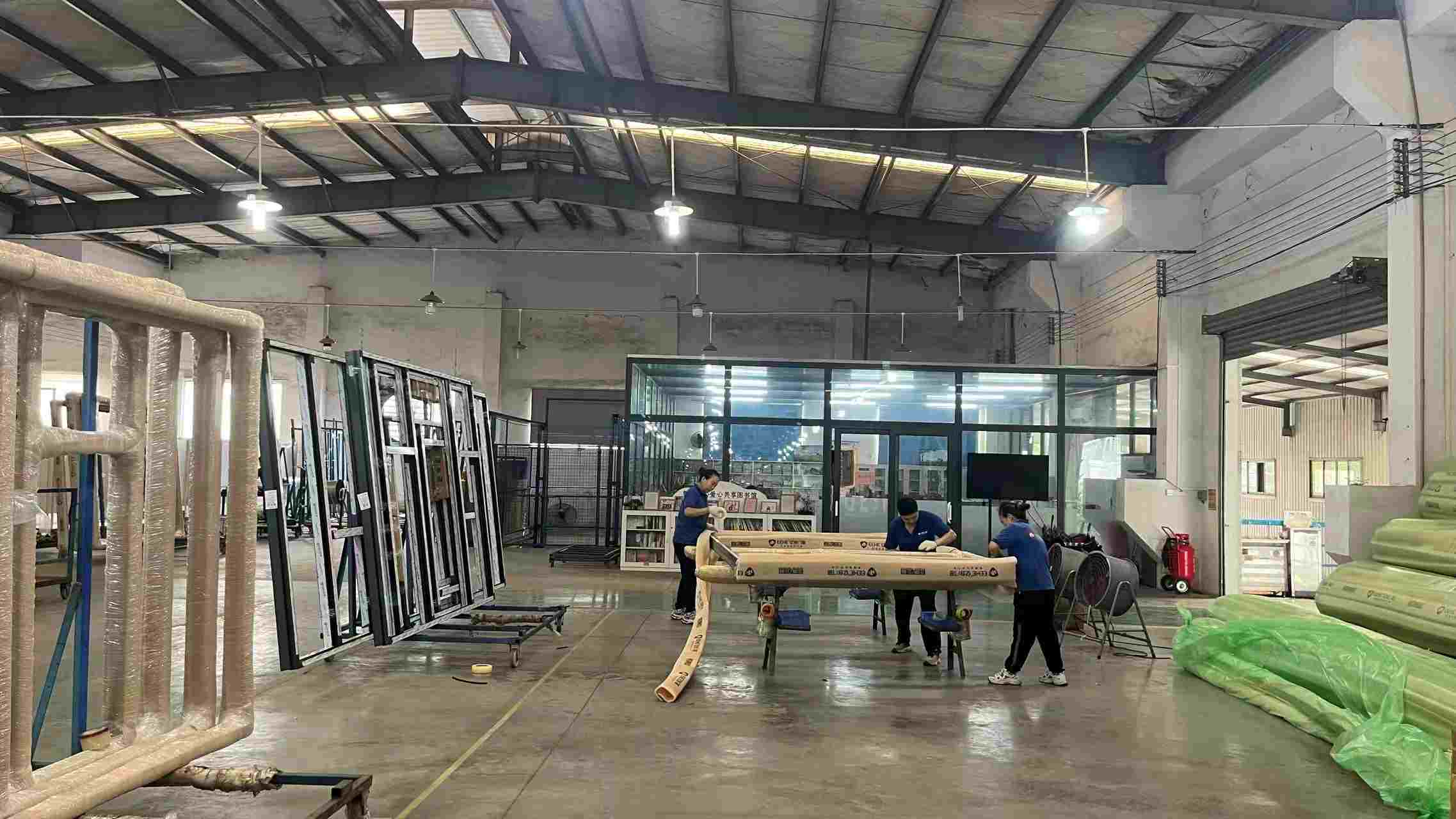
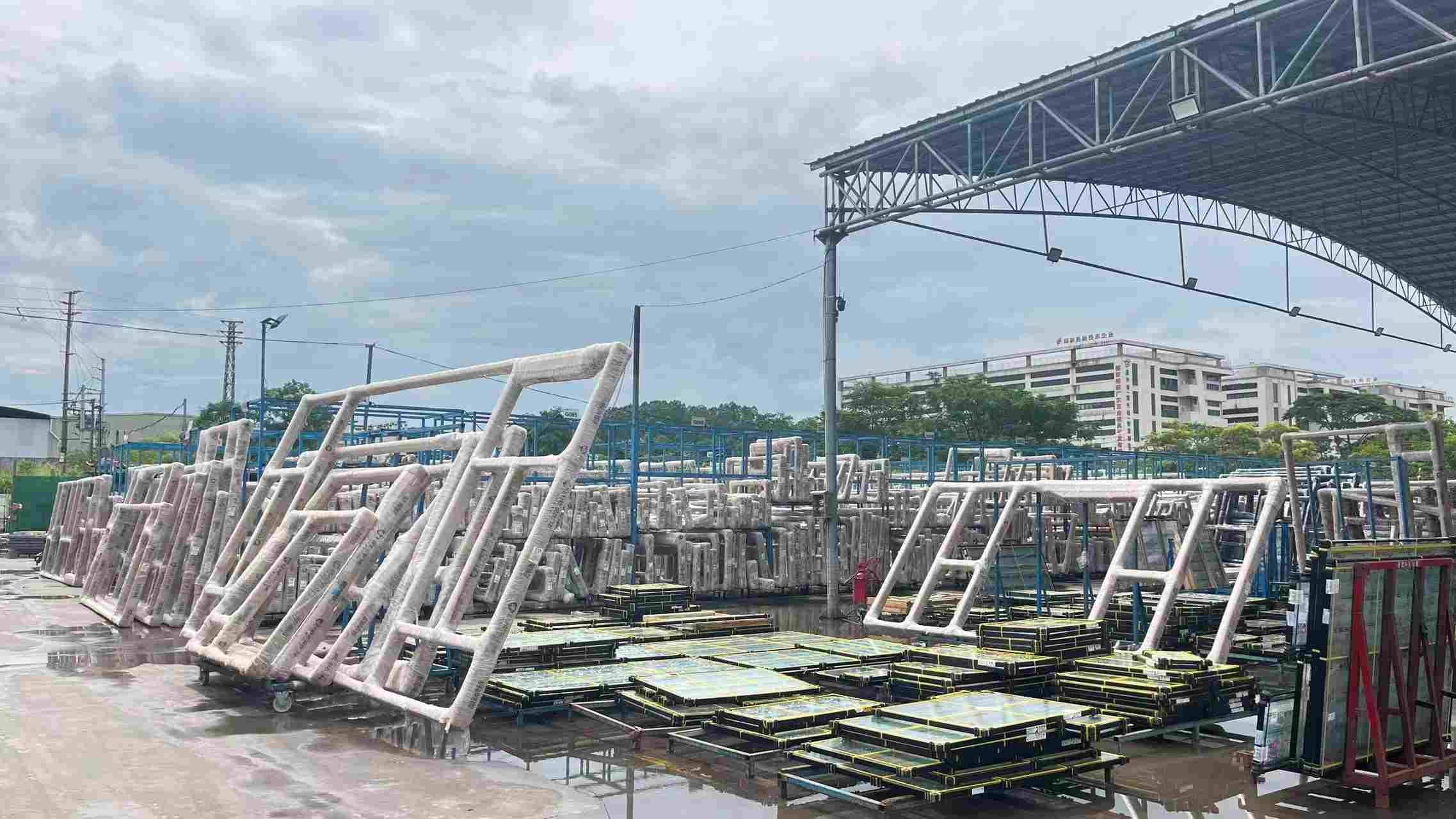
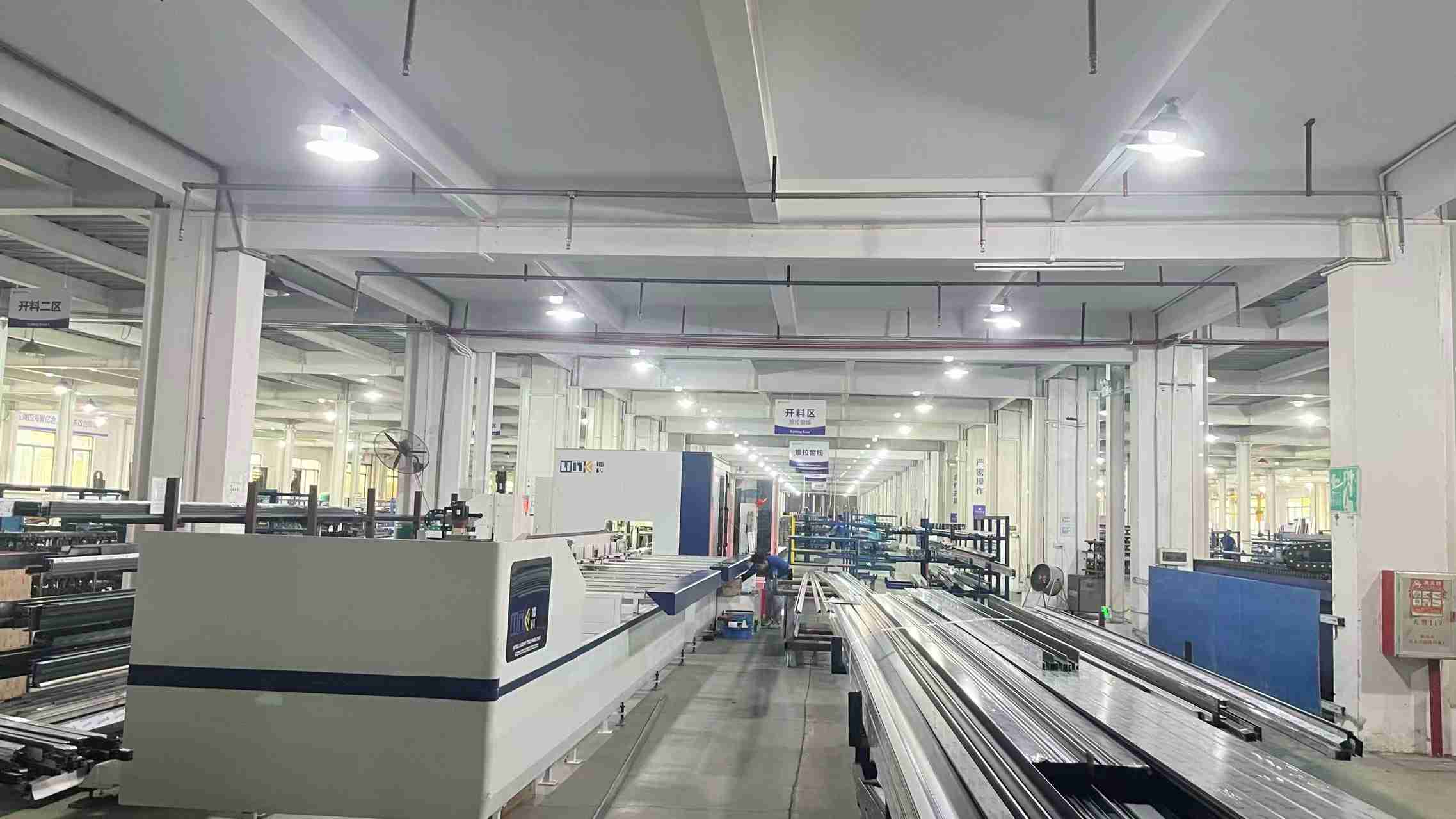
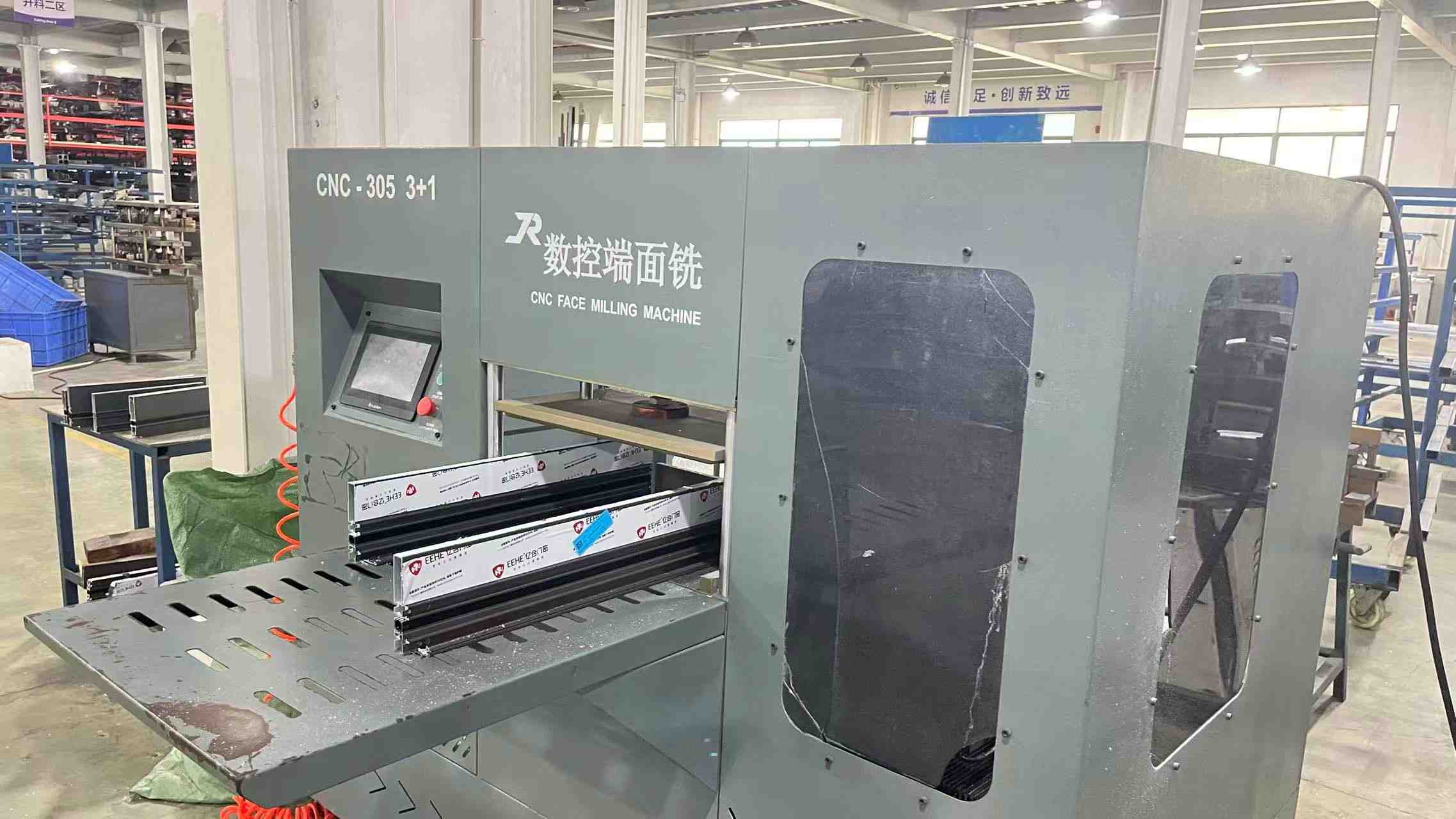
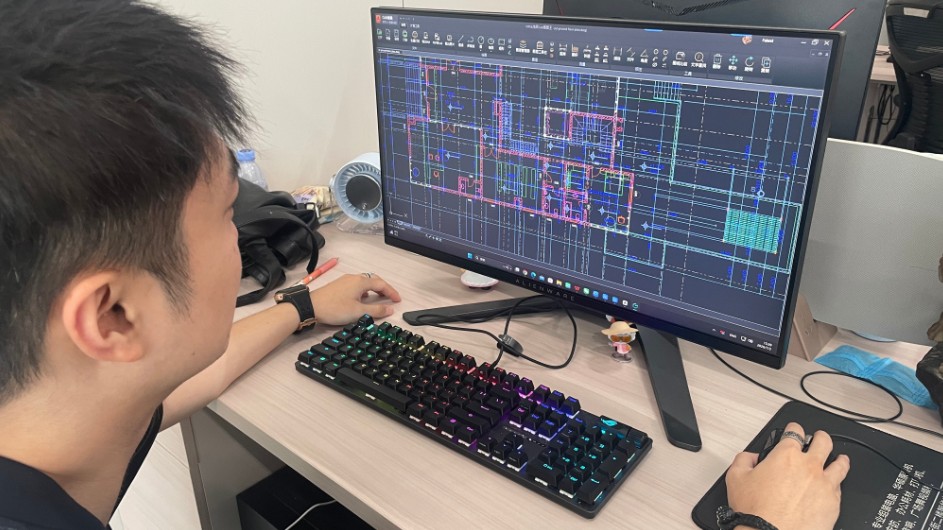
Discover how high-grade alloy profiles, polyamide barriers, and multi-seal weatherstripping achieve extreme thermal isolation.
Navigating complex international fenestration certifications to streamline project approval for architects and commercial builders.
Procuring entry doors for multi-jurisdictional construction projects requires strict compliance with local building codes and rigorous laboratory testing validation. As a premium global door OEM manufacturer, Steelwar Entry Systems subjects all window and door assemblies to third-party verification protocols matching North American, European, and Australian standards.
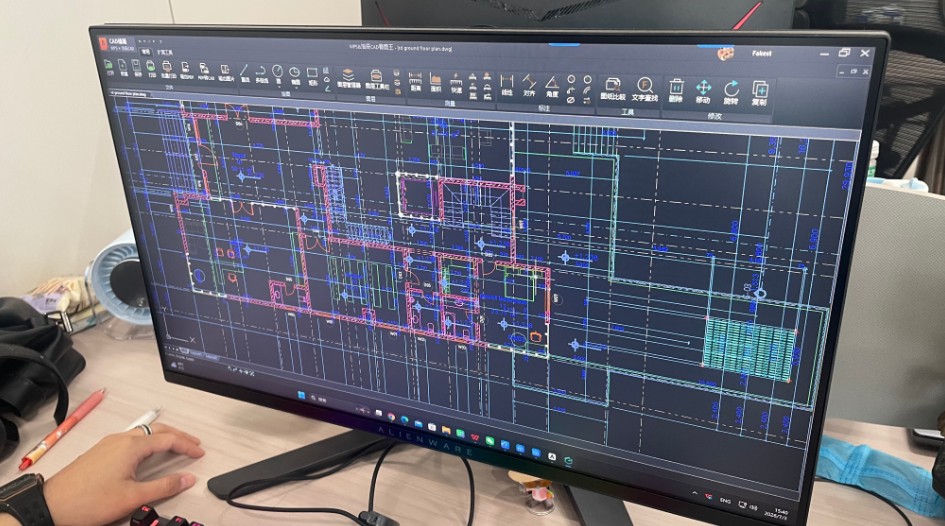
Our dedicated engineering department provides turnkey support for OEM clients, supplying detailed CAD shop drawings, finite element thermal analysis (THERM software), and structural calculation reports necessary for municipal building permit sign-offs.
Custom engineering solutions designed to resolve microclimate challenges, high foot-traffic wear, and energy conservation goals.
Pioneering smart materials, vacuum insulation, and building-integrated photovoltaic fenestration technologies.
As international carbon neutrality deadlines approach, entry door engineering is evolving beyond passive insulation toward active energy-generating and smart responsive building envelopes. Steelwar's R&D team of 75 engineers is actively developing and piloting next-generation thermal technology roadmaps:
Expert answers regarding thermal break engineering, minimum order quantities (MOQ), OEM customization, and certification testing.
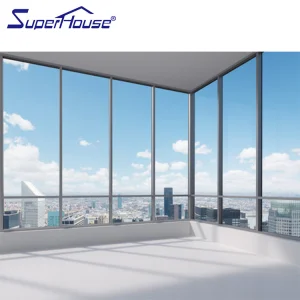
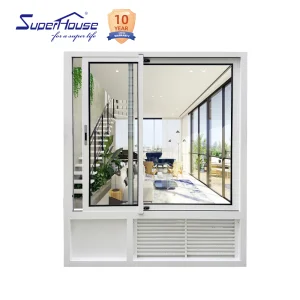
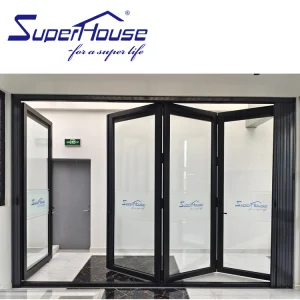
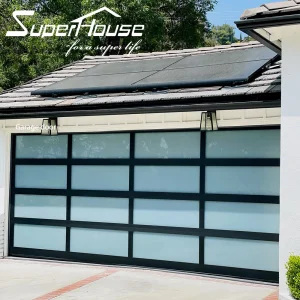
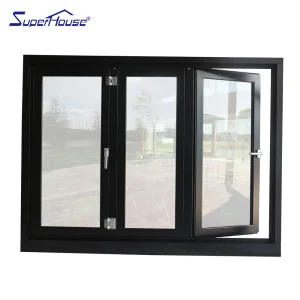
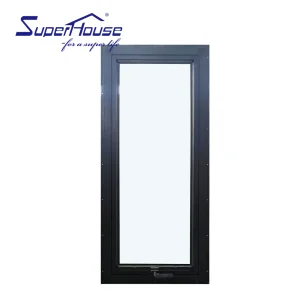
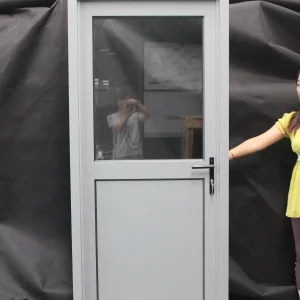
Premium structural windows, commercial storefront walls, folding patio doors, and heavy-duty specialty garage systems.
 Steelwar