Precision-engineered commercial aluminum doors, thermal break profiles, structural glazing windows, and specialized facade entry points designed for rigorous building codes worldwide.
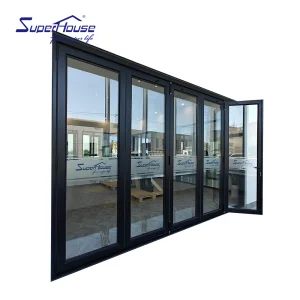
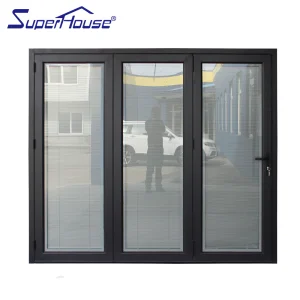
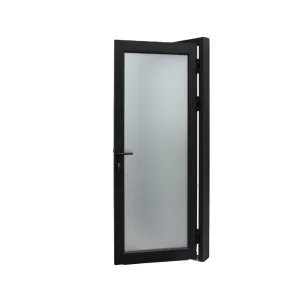
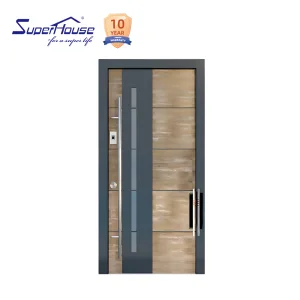
Navigating modern commercial design challenges through advanced metallurgical extrusion, structural thermal breaks, and high-load cycles.
Modern commercial infrastructure demands exterior envelope systems capable of weathering extreme environmental stresses. Aluminum architectural profiles—specifically extruded 6063-T5 and 6060-T6 temper alloys—deliver unparalleled strength-to-weight ratios. Engineered to sustain structural wind loads up to 5000 Pa (equivalent to Category 5 hurricane pressures), commercial aluminum door assemblies prevent frame deflection and ensure absolute building envelope integrity across high-rise, institutional, and industrial applications.
Uninsulated metal profiles act as thermal bridges, resulting in substantial HVAC cooling and heating losses. Leading commercial aluminum door manufacturers integrate polyamid (PA66 GF25) reinforced thermal break bars. By physically decoupling interior and exterior extruded profiles, thermal conductivity is reduced dramatically. Paired with Low-E argon-filled double or triple insulated glazing units (IGUs), these systems achieve overall U-factors as low as 0.24 Btu/h·ft²·°F (1.37 W/m²K), aligning seamlessly with net-zero building targets.
In bustling urban business districts and high-density commercial complexes, acoustic dampening is paramount. Commercial aluminum doors featuring multi-layered EPDM weather-stripping, double-bridged acoustic seals, and asymmetric laminated glass configurations yield Sound Transmission Class (STC) ratings up to 45 dB and Outdoor-Indoor Transmission Class (OITC) ratings exceeding 38 dB. This ensures maximum ambient noise reduction for luxury hotels, modern corporate office suites, and educational facilities.
Information Gain Insight: The shift toward carbon-neutral architecture requires manufacturers to specify low-embodied-carbon aluminum extruded using renewable energy sources (hydroelectric smelting), alongside circular lifecycle EPD (Environmental Product Declaration) certifications to satisfy LEED v4.1 credit metrics.
Original Manufacturing Data: Steelwar Entry Systems Co., Ltd. — Industrial Powerhouse & Export Infrastructure.
Established in 2003, Steelwar Entry Systems Co., Ltd. operates a large-scale 40,000 m² manufacturing plant specializing in high-security exterior entry doors and commercial aluminum fenestration systems. With 21 years of continuous industry experience and 9 years of global export capabilities, the company generates $35 million in annual export turnover. Steelwar focuses on key markets across North America, the Middle East, and Eastern Europe, primarily supplying building material distributors, security door stockists, and commercial construction contractors.
Supported by a solid trade background and an extensive global network of 1,100 supply chain partners, Steelwar maintains strict product reliability and structural integrity across every production line. Quality control is meticulously managed by a dedicated team of 50 QC specialists who execute dynamic impact resistance testing, automated frame tolerance checks, and corrosion-resistant coating audits. The company's engineering strength is backed by 75 R&D engineers who introduced 230 new product models last year. Custom options include ballistic steel cores, multi-point smart lock integration, customized RAL color powder finishes, and bespoke frame depths.
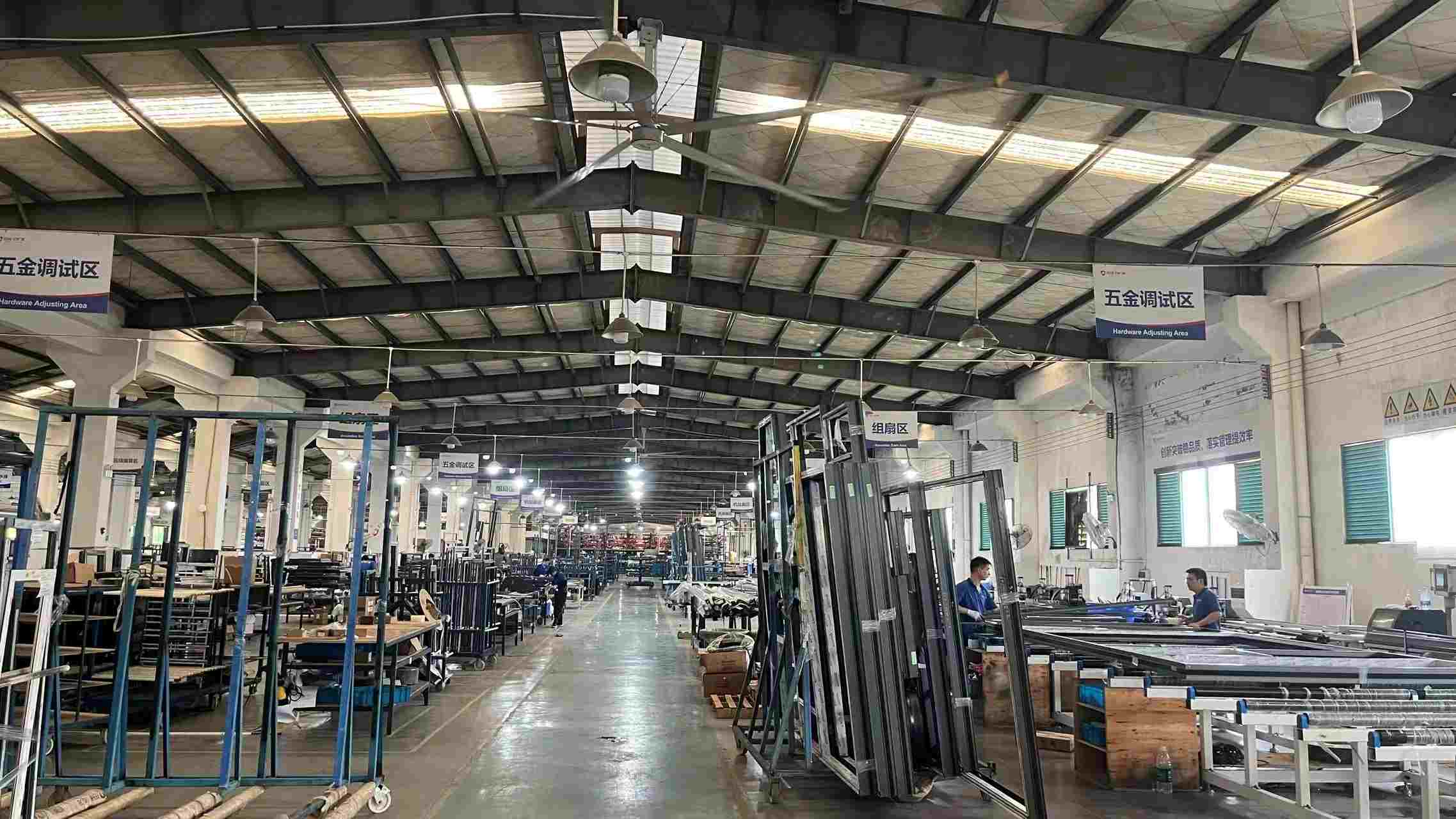
Step-by-step visual audit of automated CNC cutting, hydraulic milling, multi-stage assembly, structural adhesive application, and quality testing.
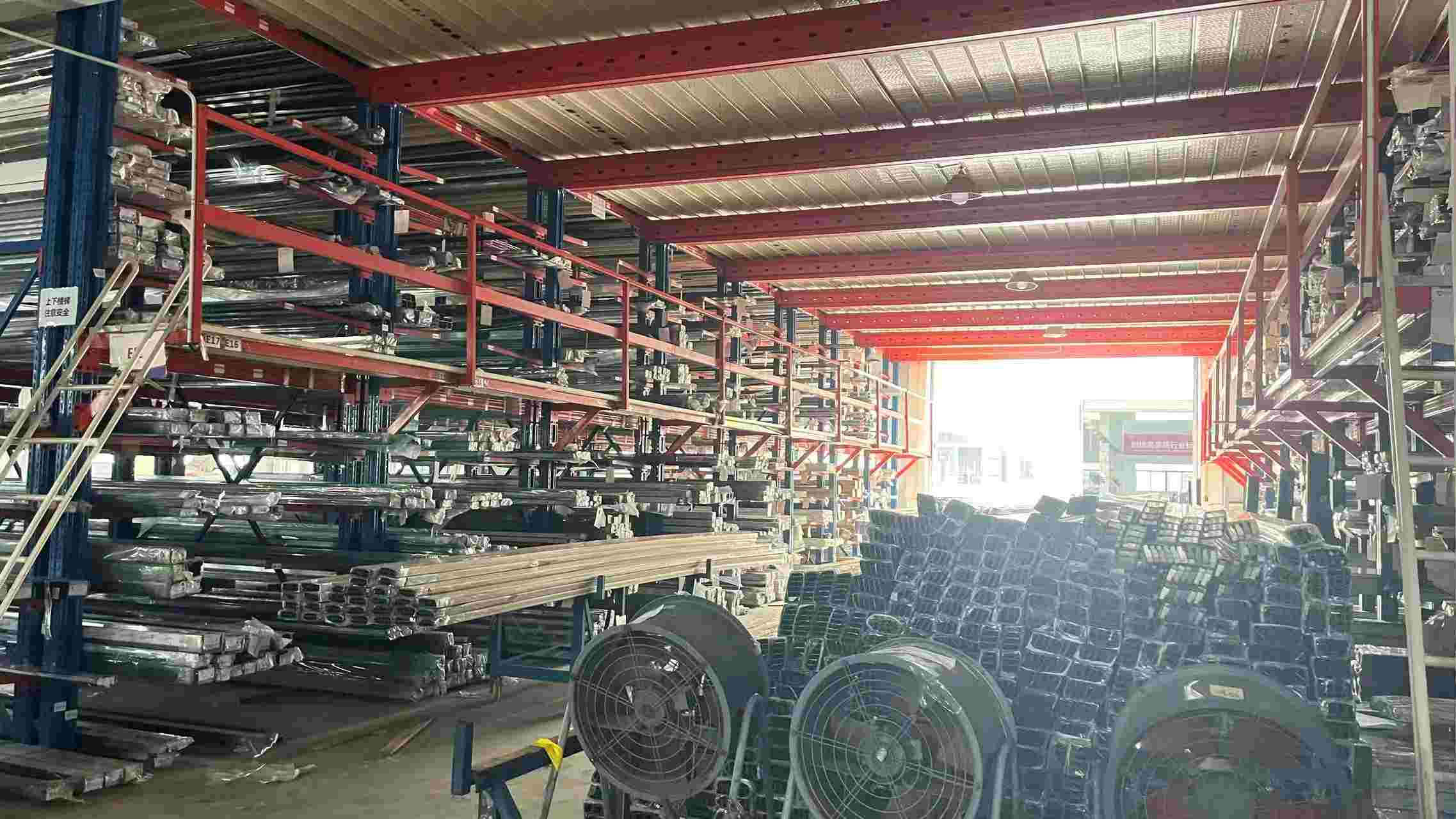 Raw Materials
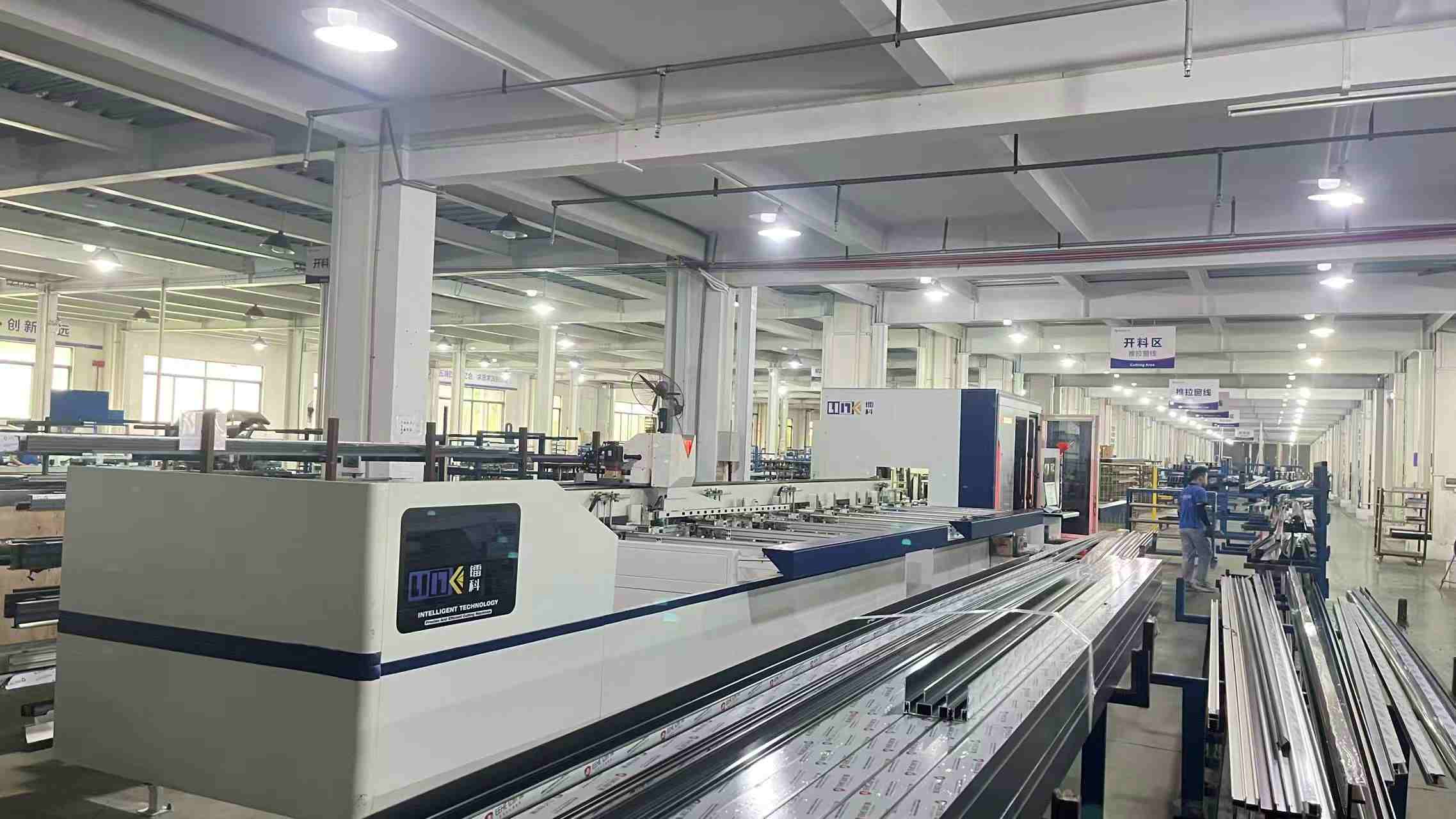 Cutting
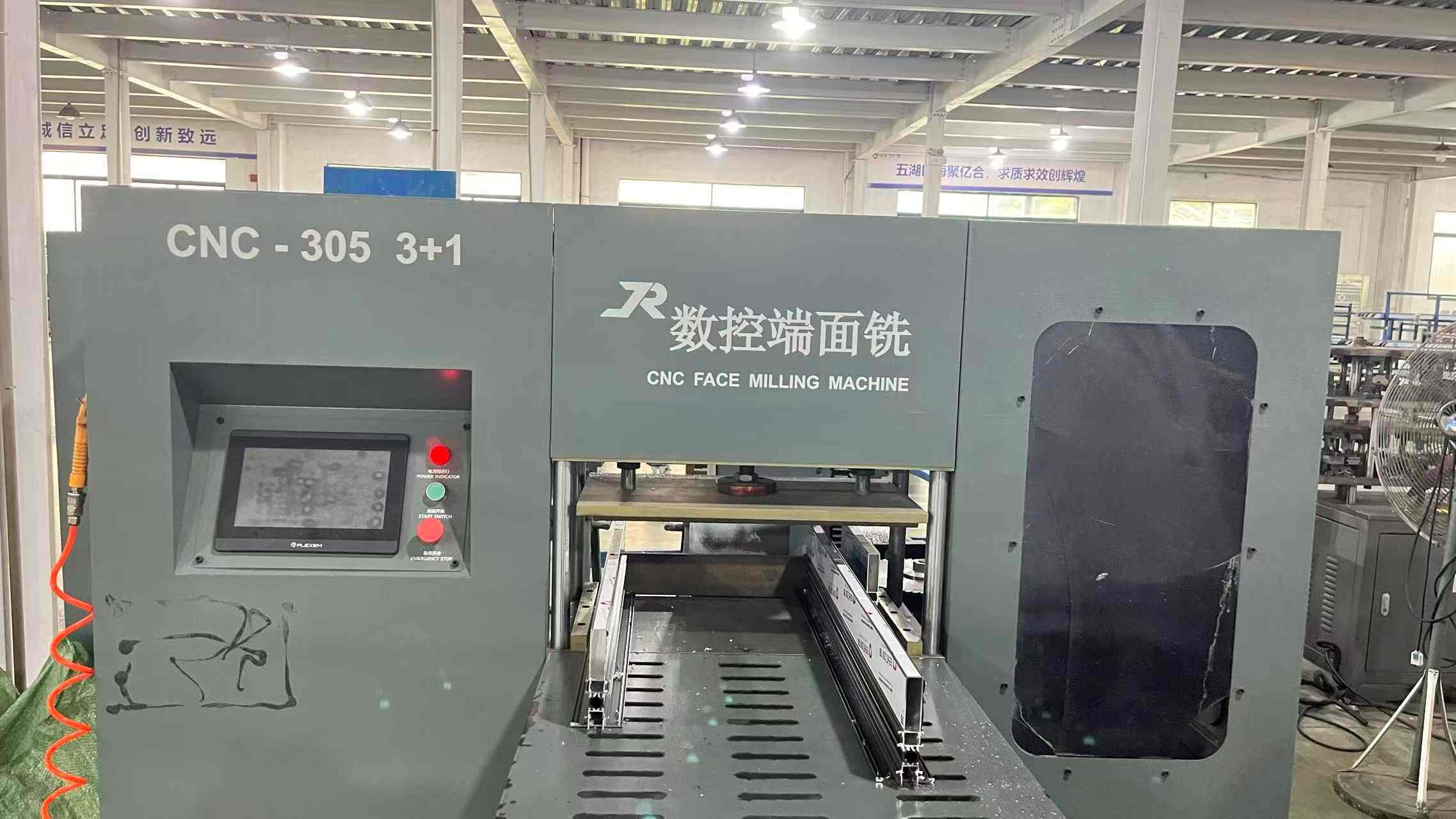 Milling
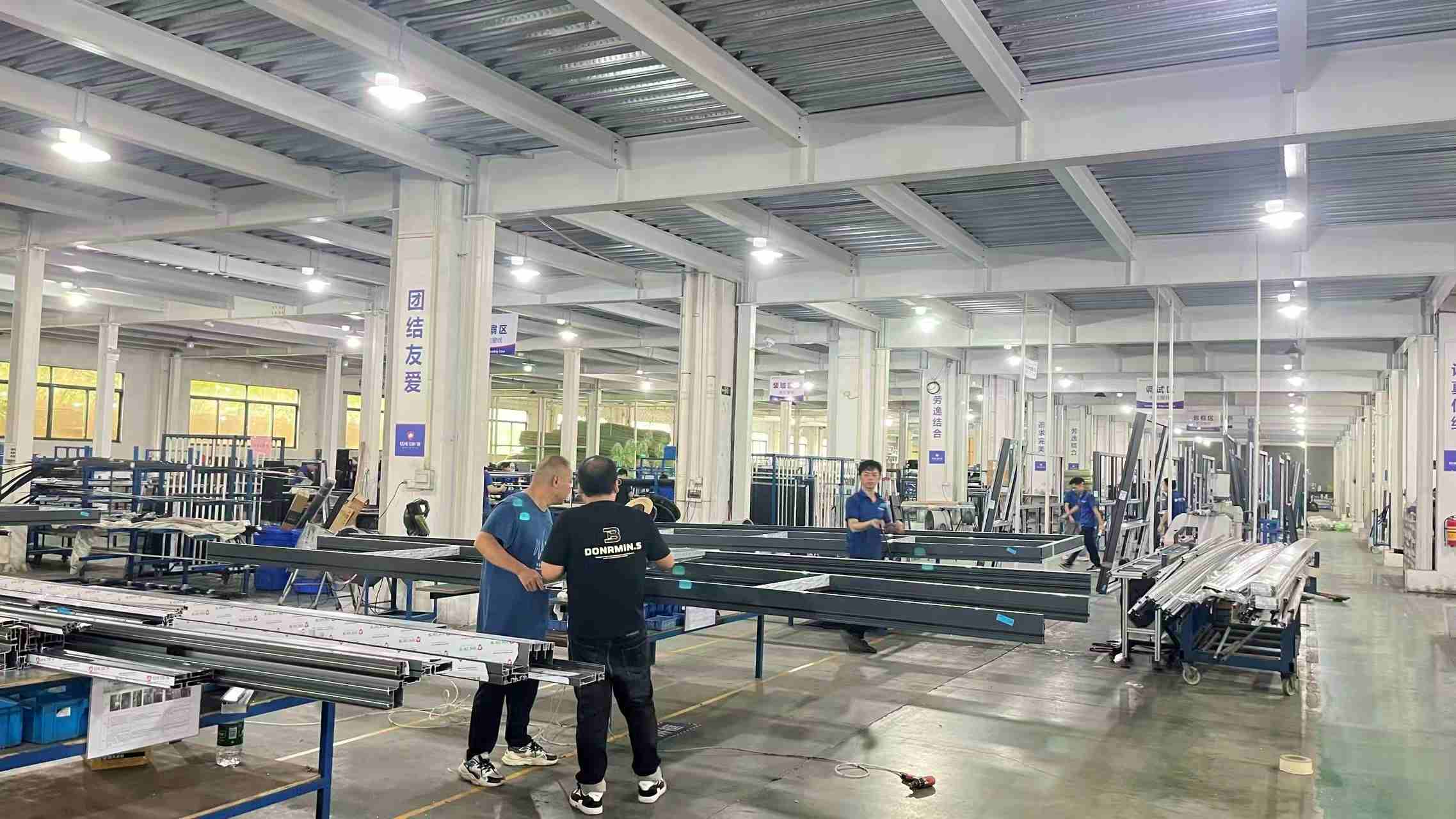 Assembling
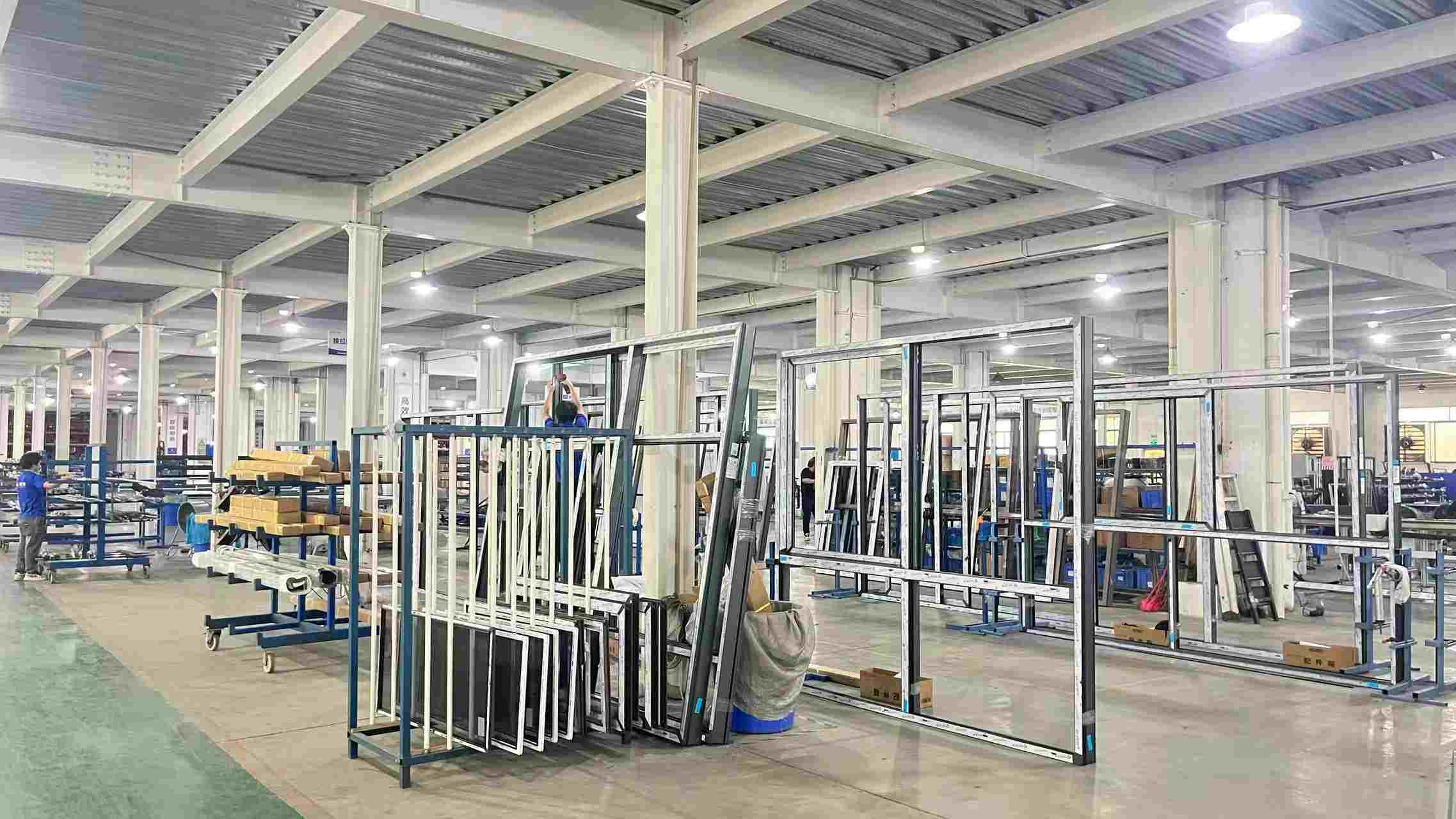 Assembling
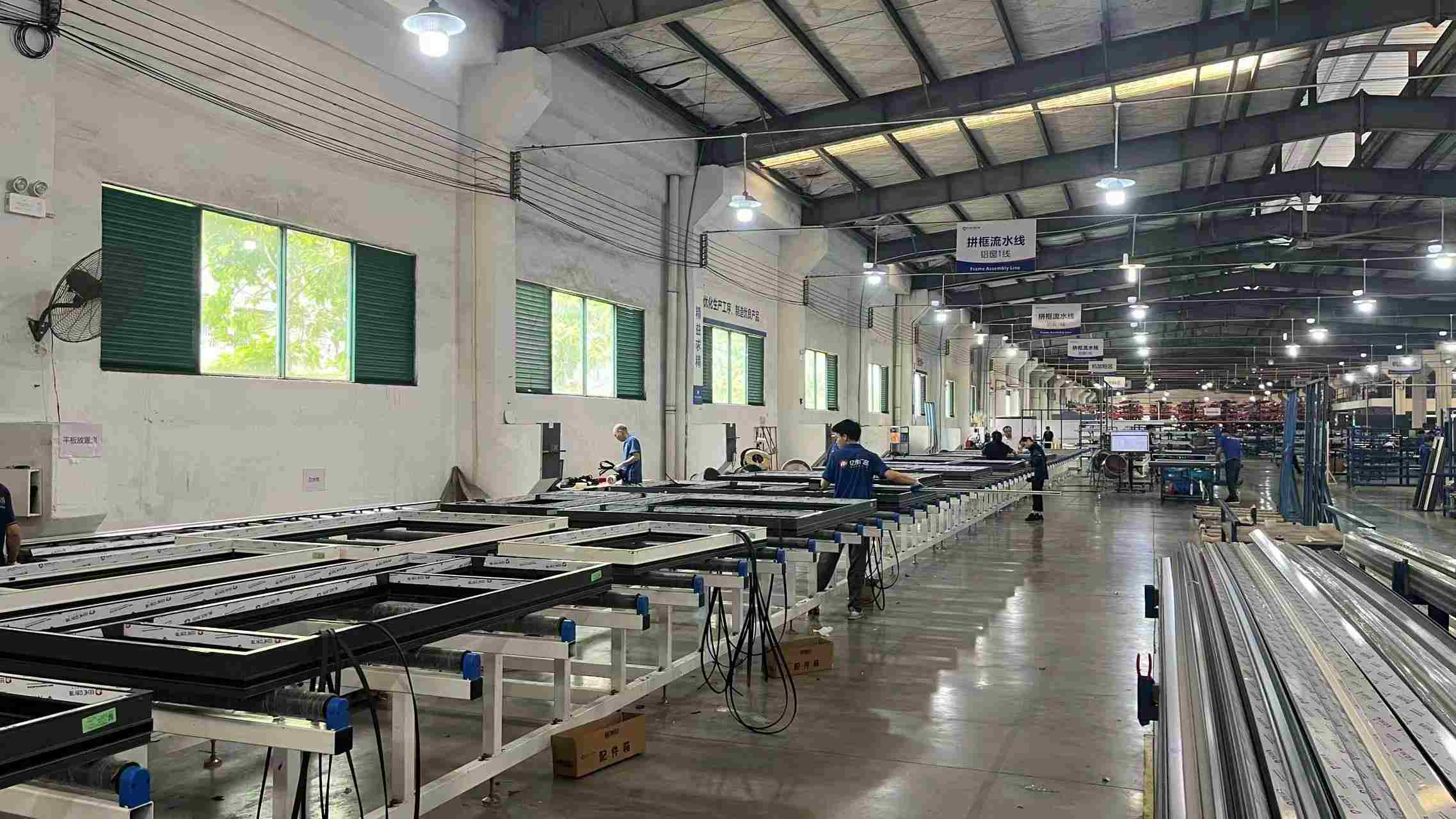 Gluing
 Testing
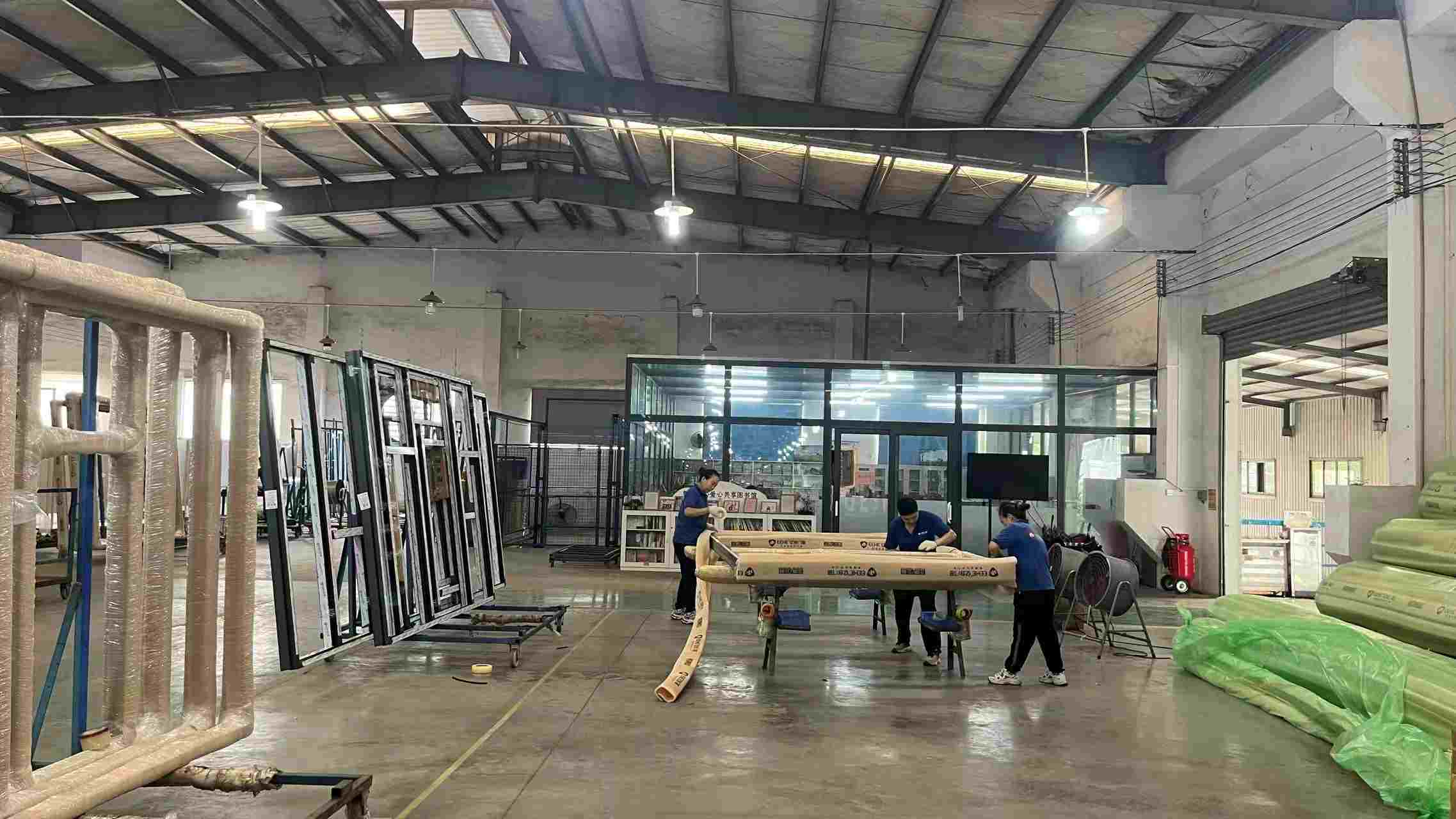 Packaging
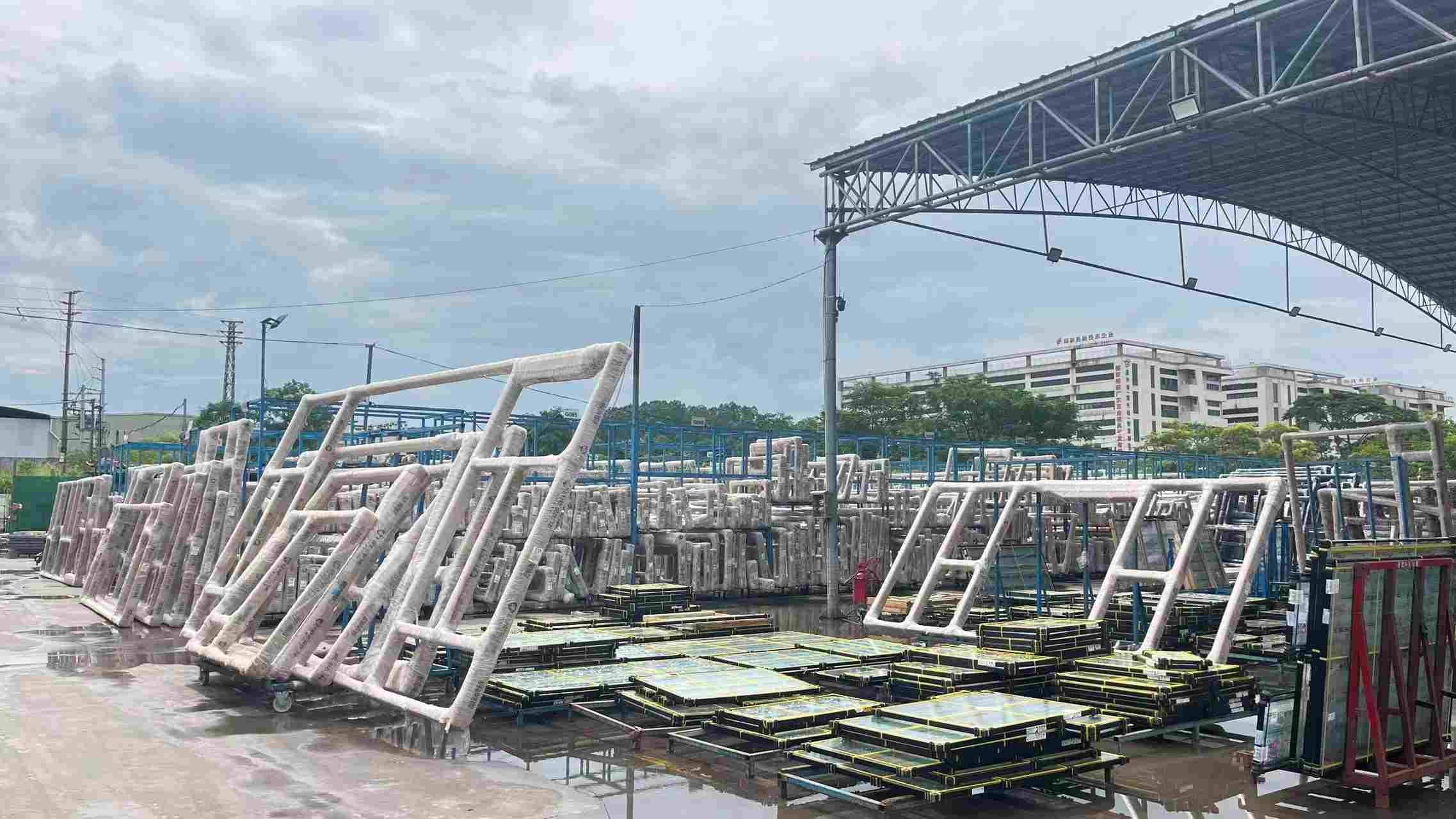 Warehouse
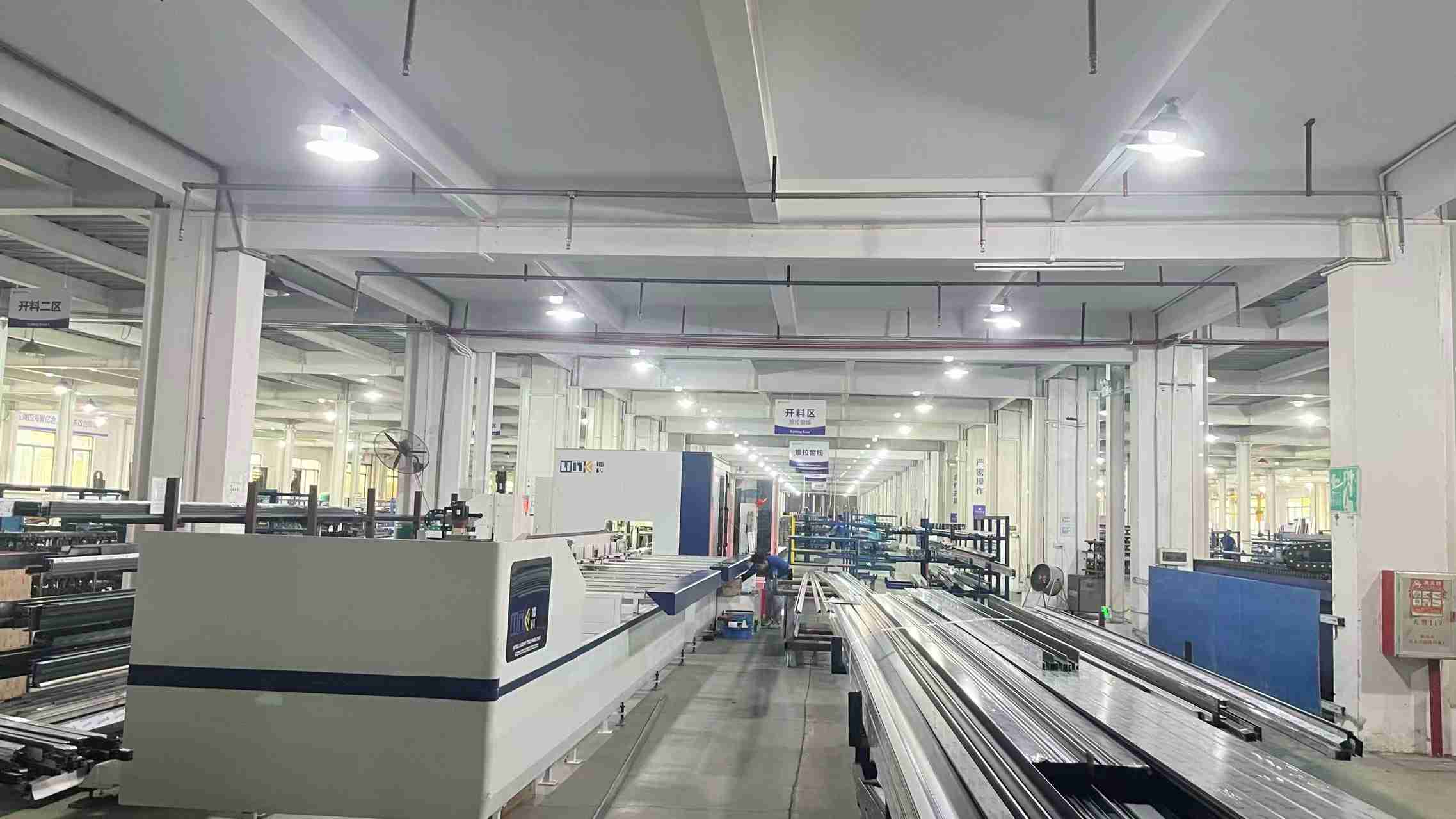 Cutting Machine
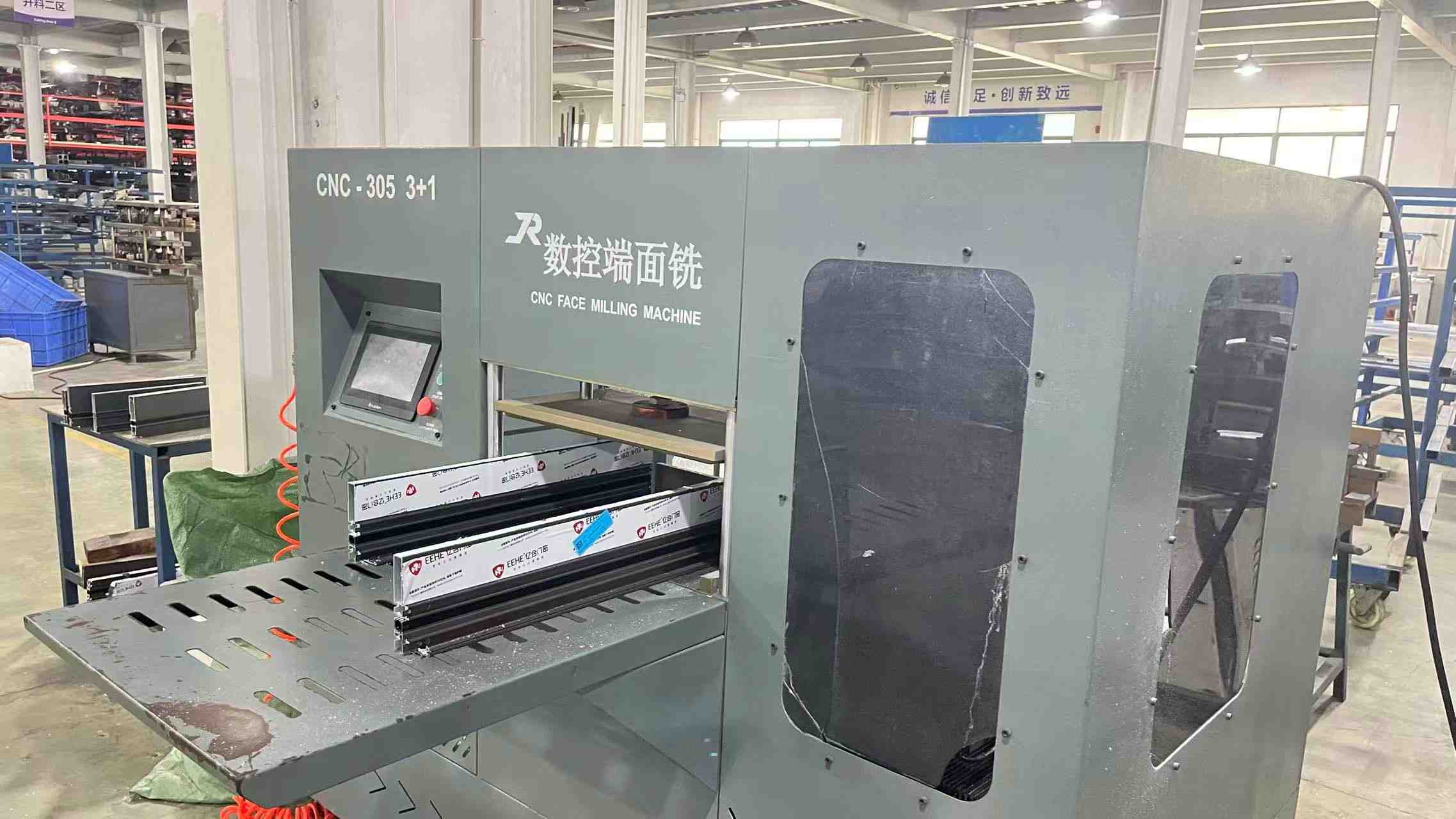 Milling Machine
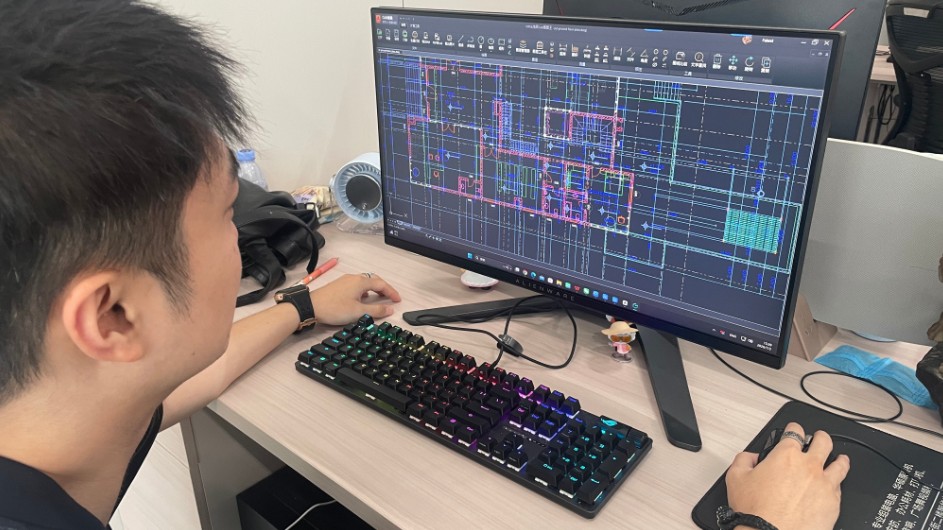 Design with CAD
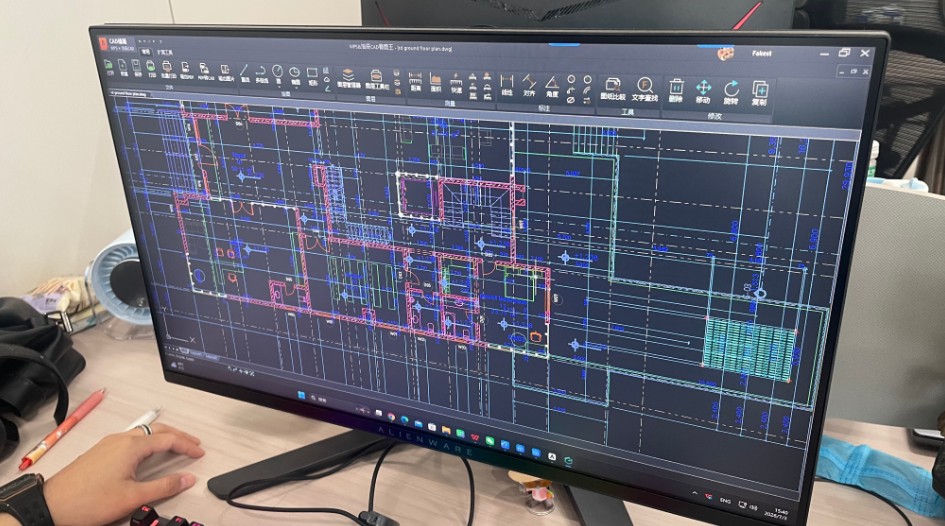 Design with Computer
Exporting commercial aluminum entrance systems to over 50 countries mandates absolute compliance with stringent international fenestration standards.
| Target Region | Certification Standard | Key Testing Benchmarks | Engineering Solution Required |
|---|---|---|---|
| Australia & Oceania | AS2047 / AS1288 | Deflection test (PA1), Air Infiltration (PA2), Water Penetration Resistance (450Pa) | Heavy-duty sub-head/sub-sill extrusions, custom timber reveal integration, corrosion resistance. |
| North America (USA/Canada) | NFRC / AAMA / WDMA | U-Factor ≤ 0.28, SHGC ≤ 0.22, Air Leakage < 0.3 cfm/ft², Structural Wind Load ASTM E330 | Polyamide thermal break profiles, Low-E argon-filled IGUs, commercial storefront framing. |
| European Union | CE Mark / EN 14351-1 | EN 12210 Wind Load Class C5, EN 12208 Watertightness Class E900, EN 717-1 Sound Reduction | Triple seal EPDM gaskets, multi-point lock hardware, concealed gear hinges. |
| Middle East (GCC) | Civil Defense / SASO | High Ambient Heat Resistance (55°C), Thermal Shock Integrity, Sand/Dust Ingress Protection | Qualicoat Class 2 fluoropolymer powder coatings, heavy anodizing layer (>25 microns), solar control glass. |
Commercial doors operate in harsh micro-climates ranging from coastal saline environments to polluted urban zones. Manufacturers must utilize advanced surface chemistry. Fluoropolymer PVDF coatings (AAMA 2605 compliant) provide 20+ years of resistance against UV degradation, chalking, and color fading, while Hard-Anodized Finishes (ISO 7599) create an oxidized surface layer harder than sapphire, guaranteeing scratch-resistant durability for high-foot-traffic commercial entryways.
For commercial bank branches, government complexes, and high-value retail hubs, standard aluminum frames are reinforced with embedded ballistic steel cores or high-tensile steel armor inserts. Combined with multi-point smart motorized locking mechanisms and Grade 1 commercial panic hardware, these door systems achieve EN 1627 RC3/RC4 burglar resistance and UL 752 ballistic protection standards without sacrificing sleek exterior aesthetics.
Tailored architectural solutions engineered specifically for distinct commercial and industrial architectural topologies.
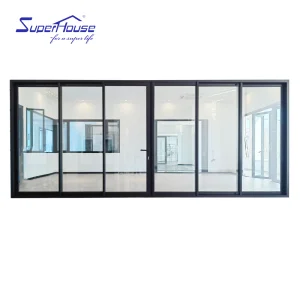
High-end resorts demand seamless indoor-outdoor transitions with expansive clear sightlines. Heavy-duty Multi-Track Aluminum Sliding & Bi-Folding Doors allow glass panels up to 3.5 meters in height to glide effortlessly. Stainless steel roller bearings and low-profile ADA-compliant flush sills guarantee barrier-free accessibility while sustaining water ingress pressures during heavy rainstorms.
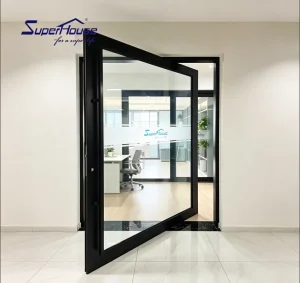
First impressions in corporate headquarters rely on grand entrance portals. Large-Format Architectural Pivot Doors featuring offset pivot hinges can accommodate door leaf weights exceeding 400 kg. Integrated structural hydraulic floor closers, automated access control card readers, and perimeter brush seals combine striking geometric design with continuous operational security.
High-density foot traffic requires extreme durability. Heavy-wall (3.0mm thickness) Commercial Aluminum Hinged Doors equipped with continuous piano hinges, push/pull bars, magnetic locks, and impact-resistant laminated security glass withstand millions of opening cycles with minimal maintenance overhead.
Pioneering innovations shaping the future of global commercial building envelopes.
The convergence of building management systems (BMS) and dynamic fenestration. Future commercial door entries utilize embedded Bluetooth Low Energy (BLE), biometric facial recognition, and motorized multi-point latches powered by concealed low-voltage wiring. Automatic status reporting notifies facility operators of seal failure, forced entry attempts, or thermal spikes in real time.
Transforming static door glass into active renewable energy generators. Transparent cadmium telluride (CdTe) solar cells embedded within double-glazed entry systems capture ambient sunlight to power internal smart locks, automatic opening actuators, and LED frame perimeter lighting without compromising visible light transmittance (VLT).
Advancements in structural silicone glazing and high-yield alloy formulations enable sightlines as narrow as 20mm. By shifting structural loads directly onto the insulated glass unit via structural bonding, future aluminum doors maximize natural daylighting while maintaining wind-load resistance.
Key technical parameters global procurement directors must audit prior to selecting commercial aluminum door suppliers.
Verify that raw profile extrusions conform strictly to primary aluminum ingot standards (e.g., A7 standard). Reject scrap-recycled alloy mix for structural framing to prevent internal micro-fissures, galvanic corrosion, and structural failure under load stress.
Inspect corner assembly techniques. High-quality commercial doors must feature heavy-duty cast aluminum corner cleats secured via crimping or mechanical pin locking, sealed with structural two-component epoxy adhesive to eliminate air leakage and joint sag over time.
Hardware failure causes 80% of field service calls. Insist on continuous EPDM or TPV gasket seals (avoid cheap PVC gaskets which harden and crack under UV exposure) and certified stainless steel 304/316 multi-point locks and heavy-duty friction stays.
Expert technical answers addressing common inquiries from architectural specifiers, general contractors, and building material importers.
Thermal Break aluminum utilizes a structural polyamide insulating strip (such as PA66 GF25) inserted between the inner and outer aluminum extrusions. This creates a thermal barrier that reduces thermal conduction by up to 600 times compared to raw aluminum. As a result, it drastically improves building energy efficiency, prevents interior surface condensation, reduces HVAC loads, and ensures compliance with modern energy codes like NFRC and Title 24.
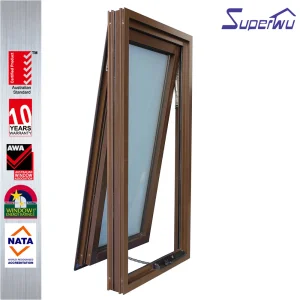
AS2047 is the mandatory Australian Standard for windows and external doors in buildings. Certification requires rigorous third-party NATA-accredited laboratory testing for Structural Deflection (wind pressure), Air Infiltration, Water Penetration Resistance, and Ultimate Strength. Doors certified to AS2047 guarantee performance under extreme weather conditions typical of Australasian climates and satisfy strict local building codes.
Yes. Commercial aluminum doors can be engineered with internal high-tensile ballistic steel core inserts, multi-point motorized locking systems, anti-pry continuous gear hinges, and laminated bullet-resistant or impact-resistant security glass. These modifications enable protection levels meeting EN 1627 RC3/RC4 anti-burglary and UL 752 ballistic standards.
For coastal or marine environments subject to heavy salt spray, Fluoropolymer PVDF powder coating (conforming to AAMA 2605 specifications) or Anodized finishes with a film thickness of 25 microns or greater (Class I Anodized) provide the highest corrosion resistance, preventing pitting, filiform corrosion, and color fading for over 20-25 years.
Explore our extended portfolio of certified architectural windows, heavy-duty entrance systems, bi-folding panels, and commercial pivot doors.
 Steelwar