Direct factory-engineered fenestration systems certified for hurricane impact resistance, energy efficiency, and structural safety.
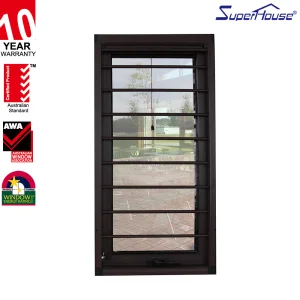
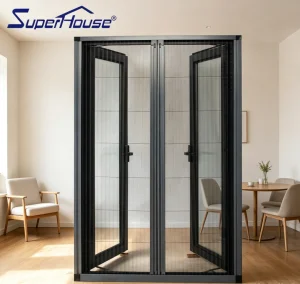
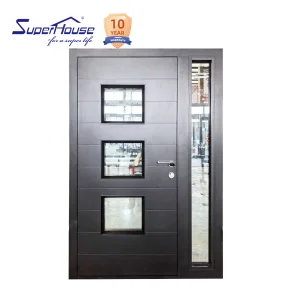
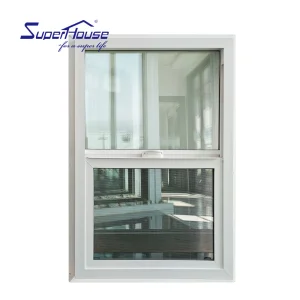
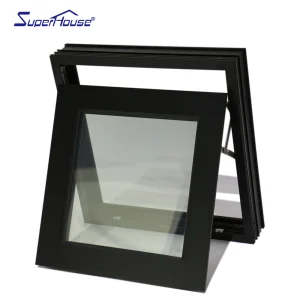
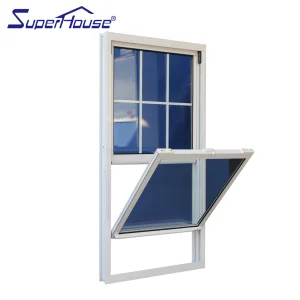
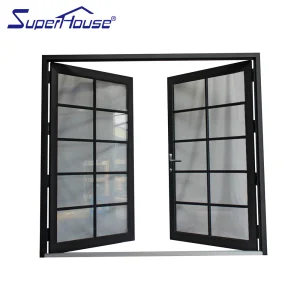
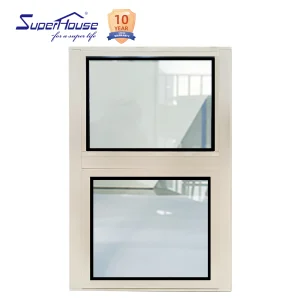
Established in 2003, Steelwar Entry Systems Co., Ltd. operates a state-of-the-art 40,000 m² manufacturing plant specializing in high-security exterior entry doors and architectural tempered glass assemblies. With 21 years of continuous industry expertise and 9 years of direct global export capabilities, the enterprise generates over $35 million in annual export turnover, serving as a primary OEM/ODM partner for tier-1 building material distributors, security door stockists, and commercial construction general contractors across North America, the Middle East, and Eastern Europe.
Supported by a robust trade background and a global supply chain ecosystem of 1,100 audited raw material partners, Steelwar guarantees uncompromising structural integrity and strict thermal-acoustic performance compliance. Manufacturing quality control is directly executed by a dedicated division of 50 QC specialists who perform dynamic impact resistance testing, automated frame tolerance laser audits, and salt-spray corrosion checks. The company's engineering division is powered by 75 full-time R&D engineers who deployed over 230 new certified product models last year alone. Custom structural choices encompass ballistic steel cores, multi-point smart biometric lock integrations, customized RAL powder-coated finishes, and bespoke frame depths engineered to international building codes.
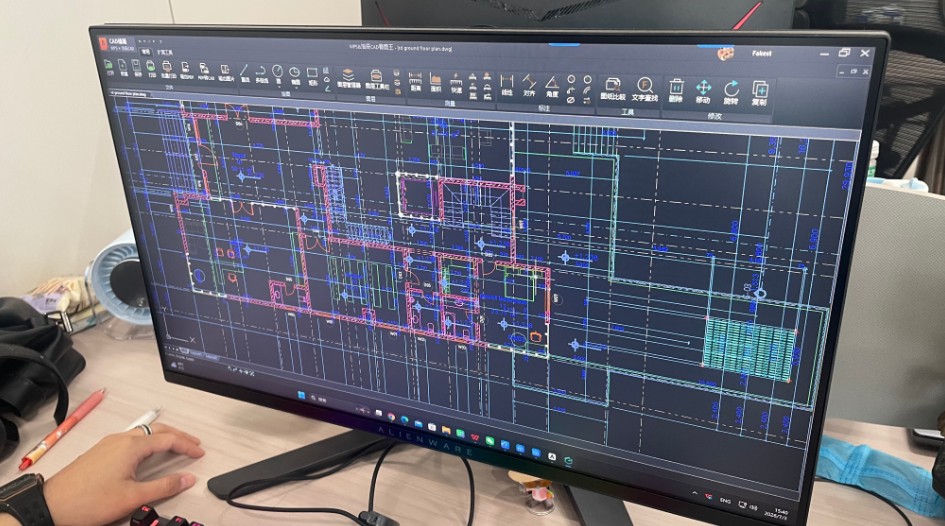
To maintain zero-defect manufacturing across large-scale commercial orders, Steelwar integrates fully automated CNC machineries, precision glass tempering furnaces, and computer-guided CAD engineering stations. Below is an authentic insight into our operational workflow:
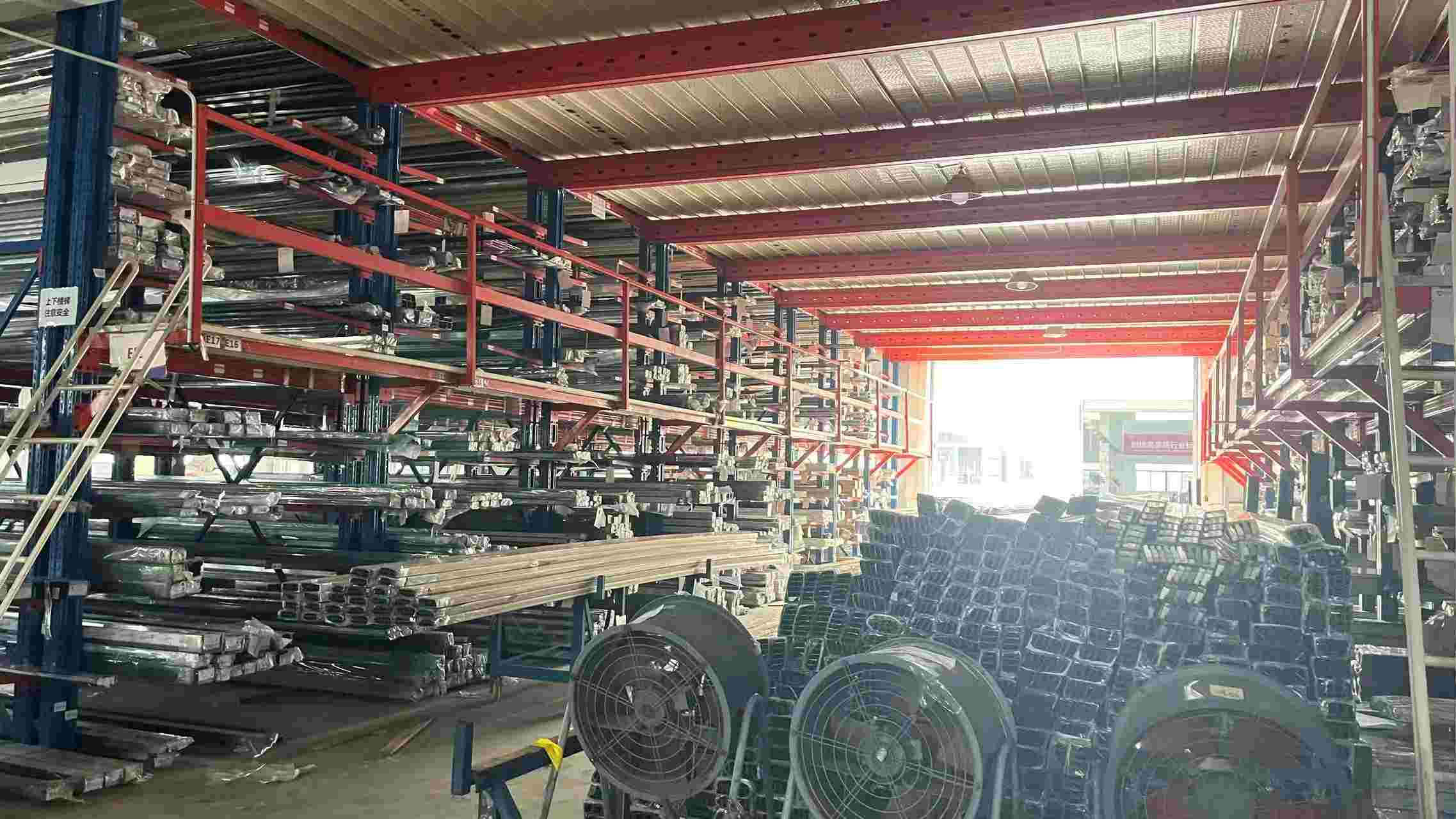
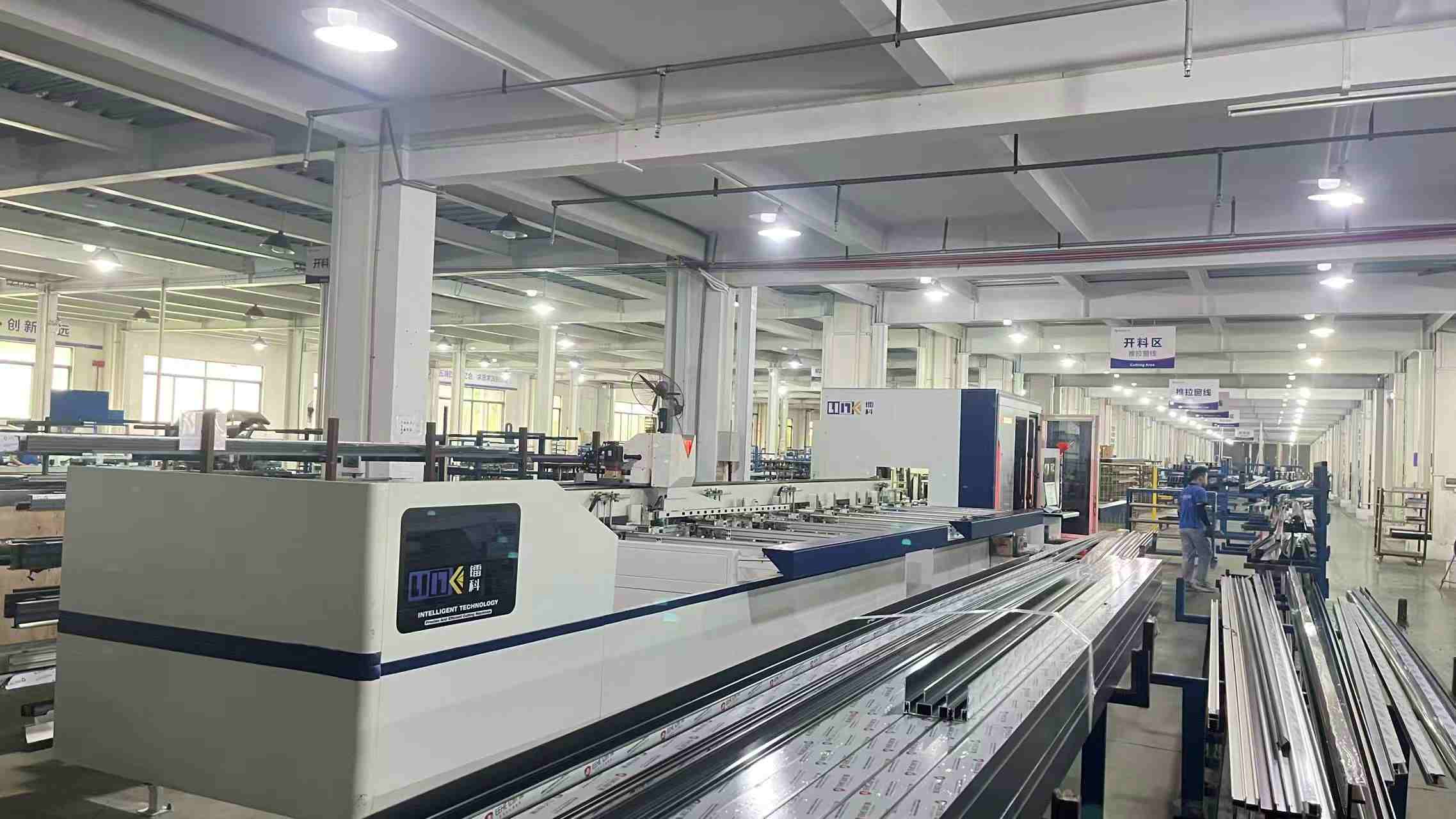
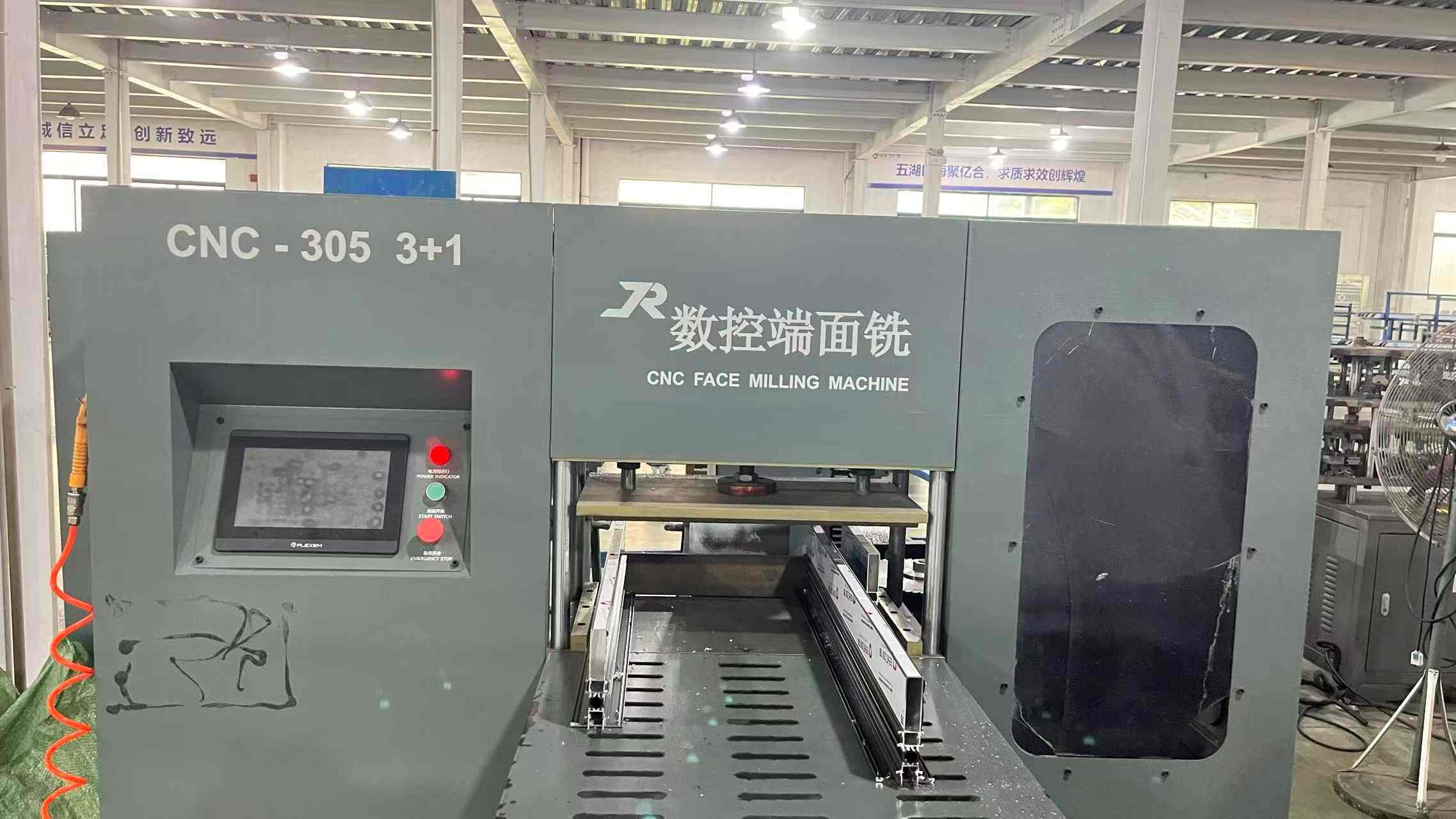
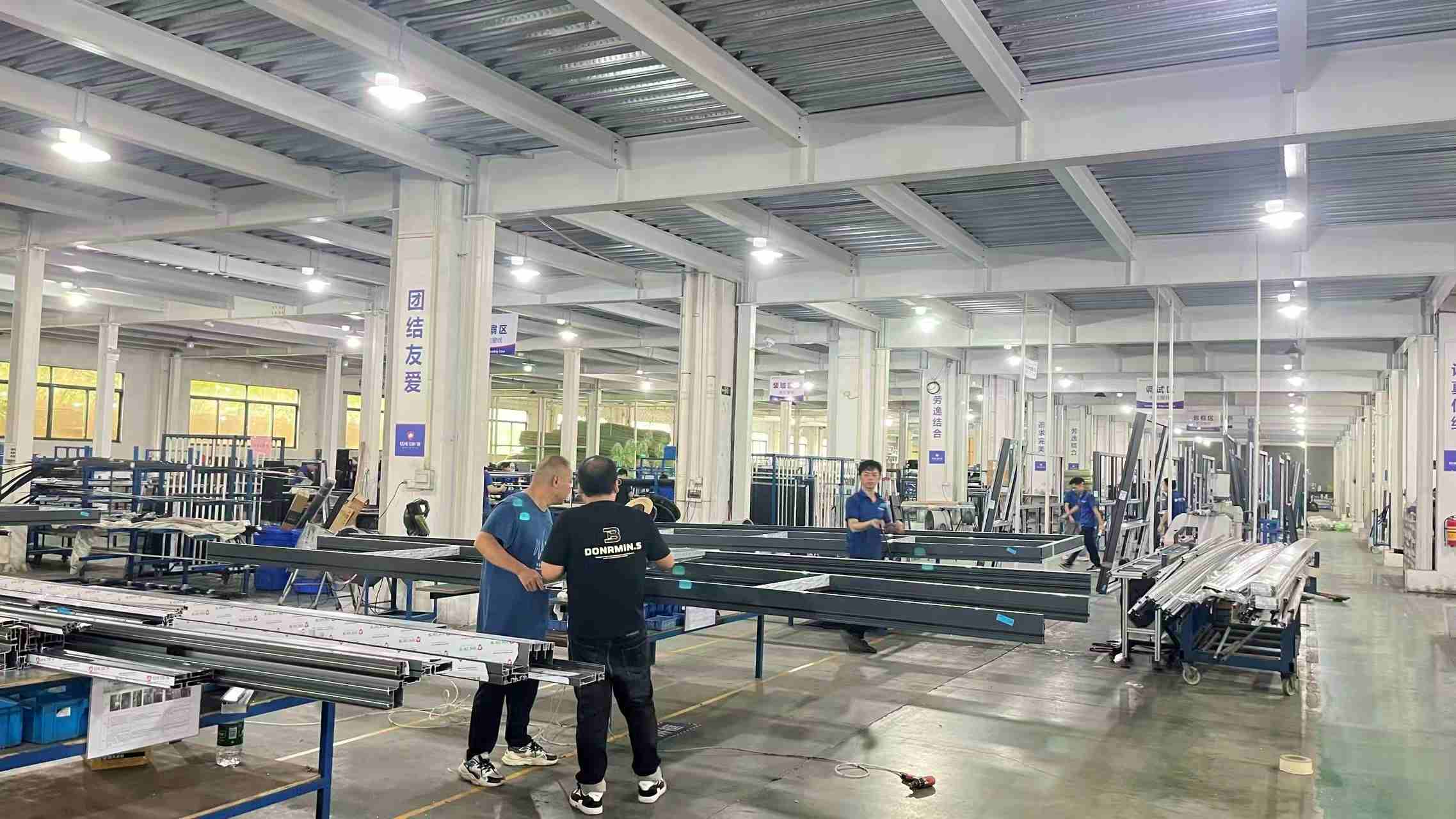
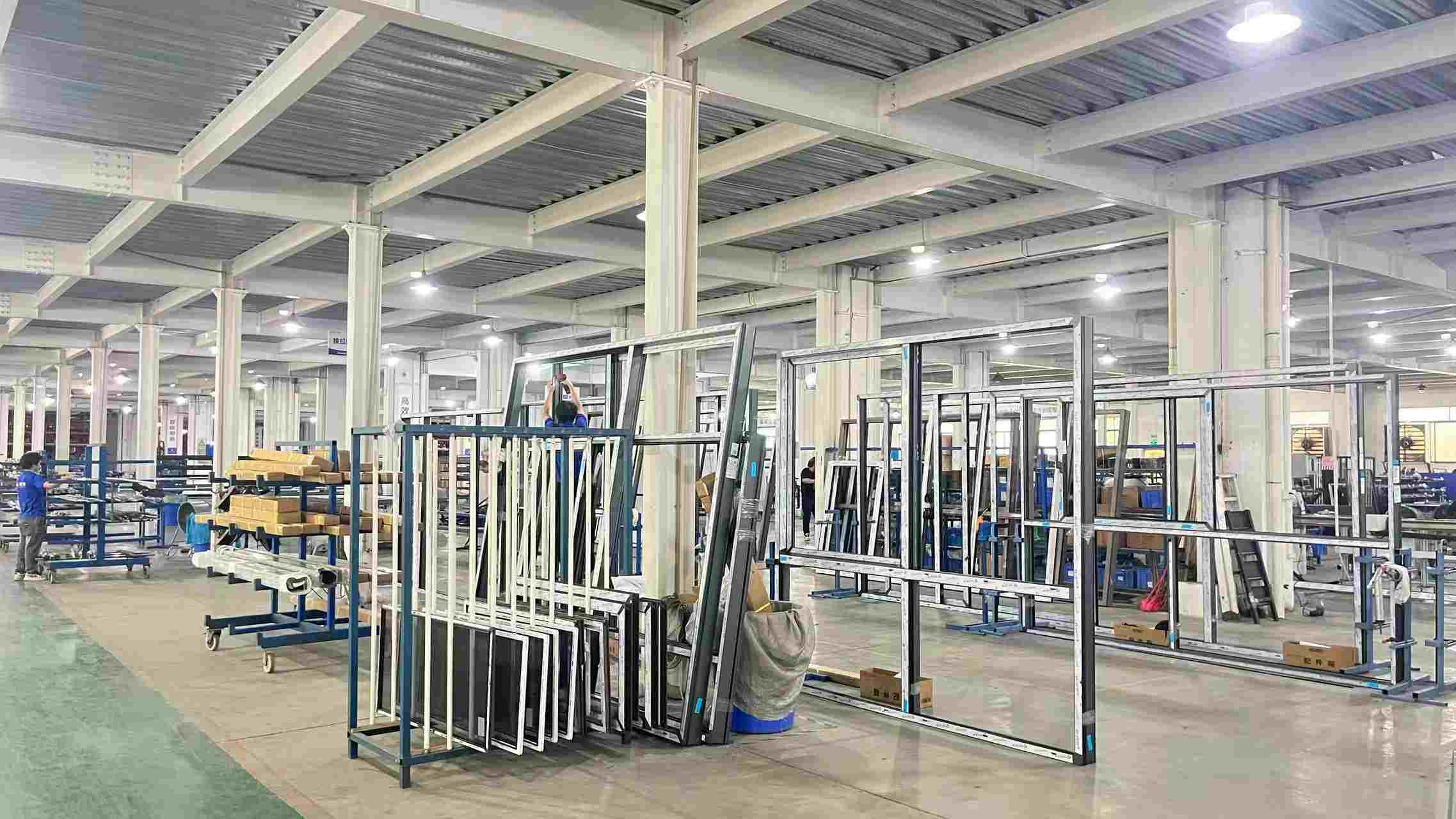
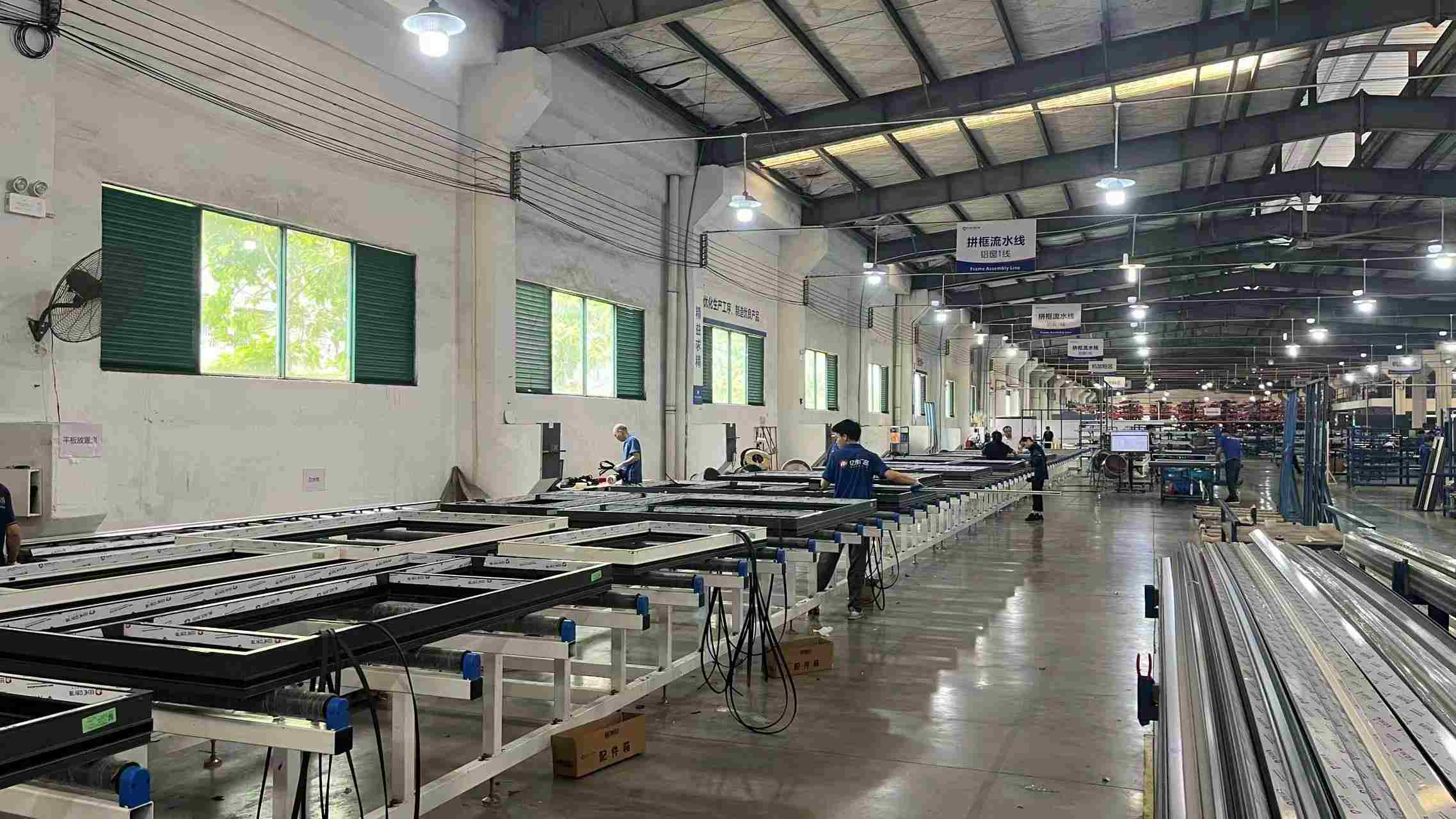
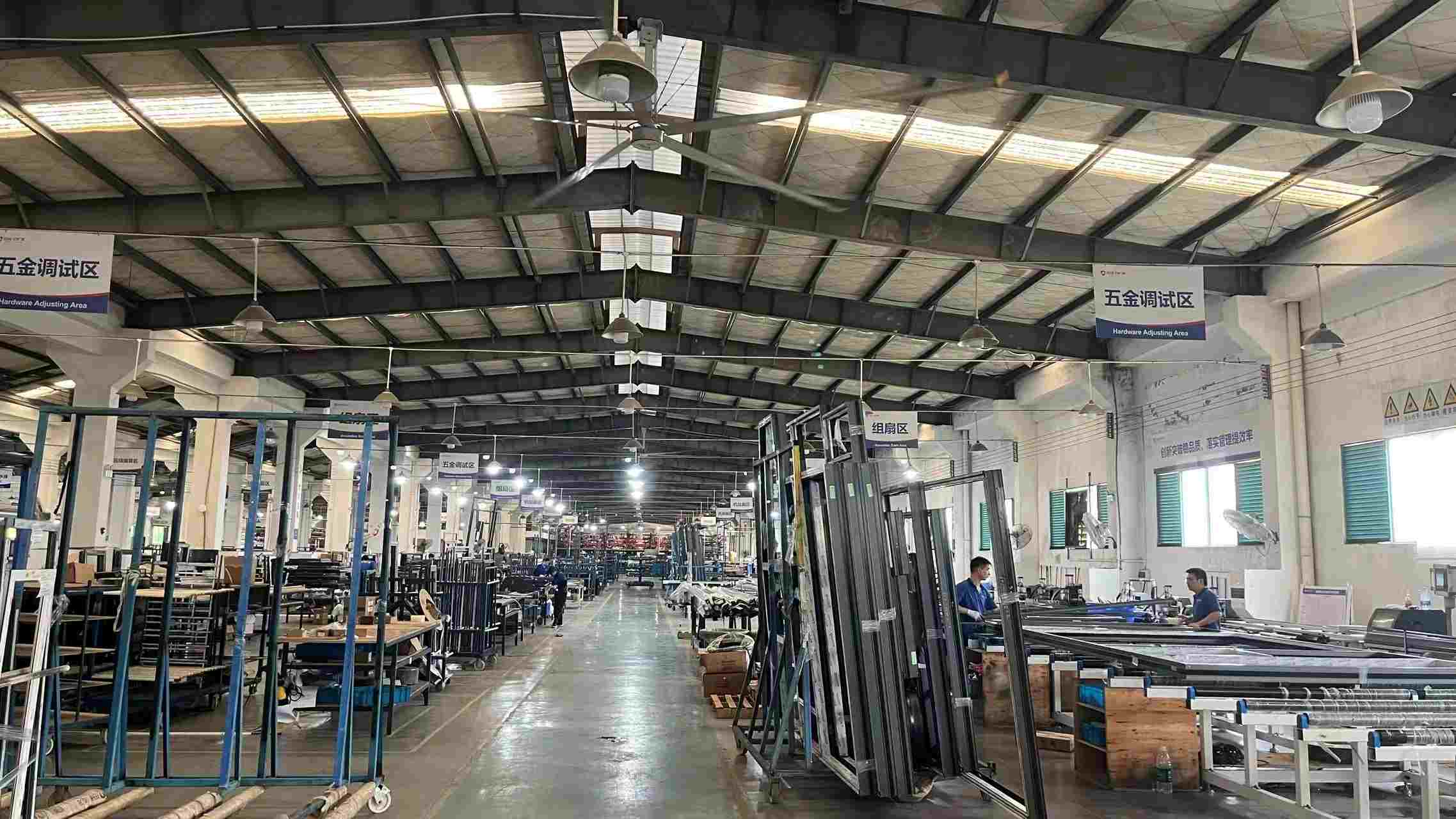
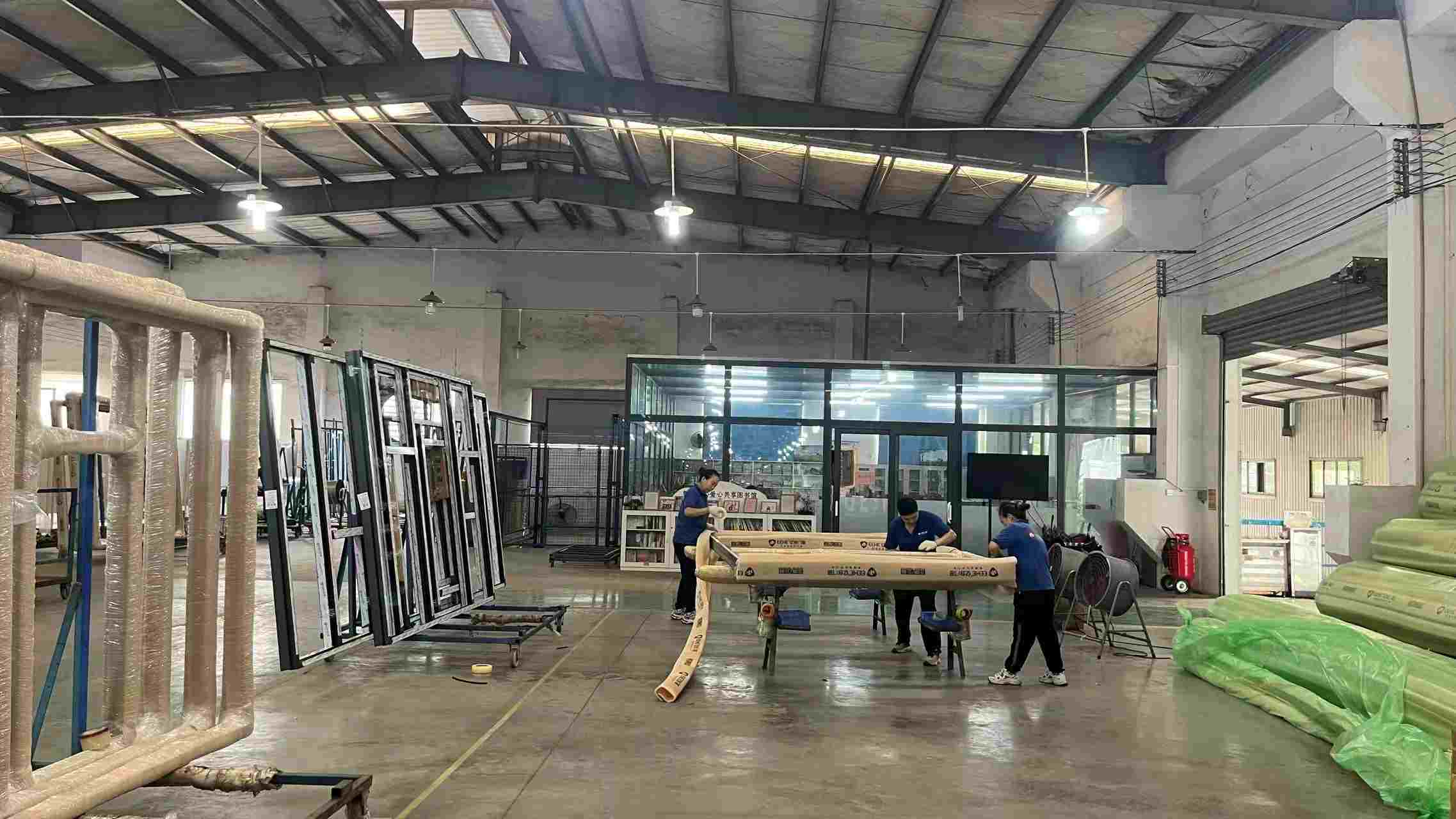
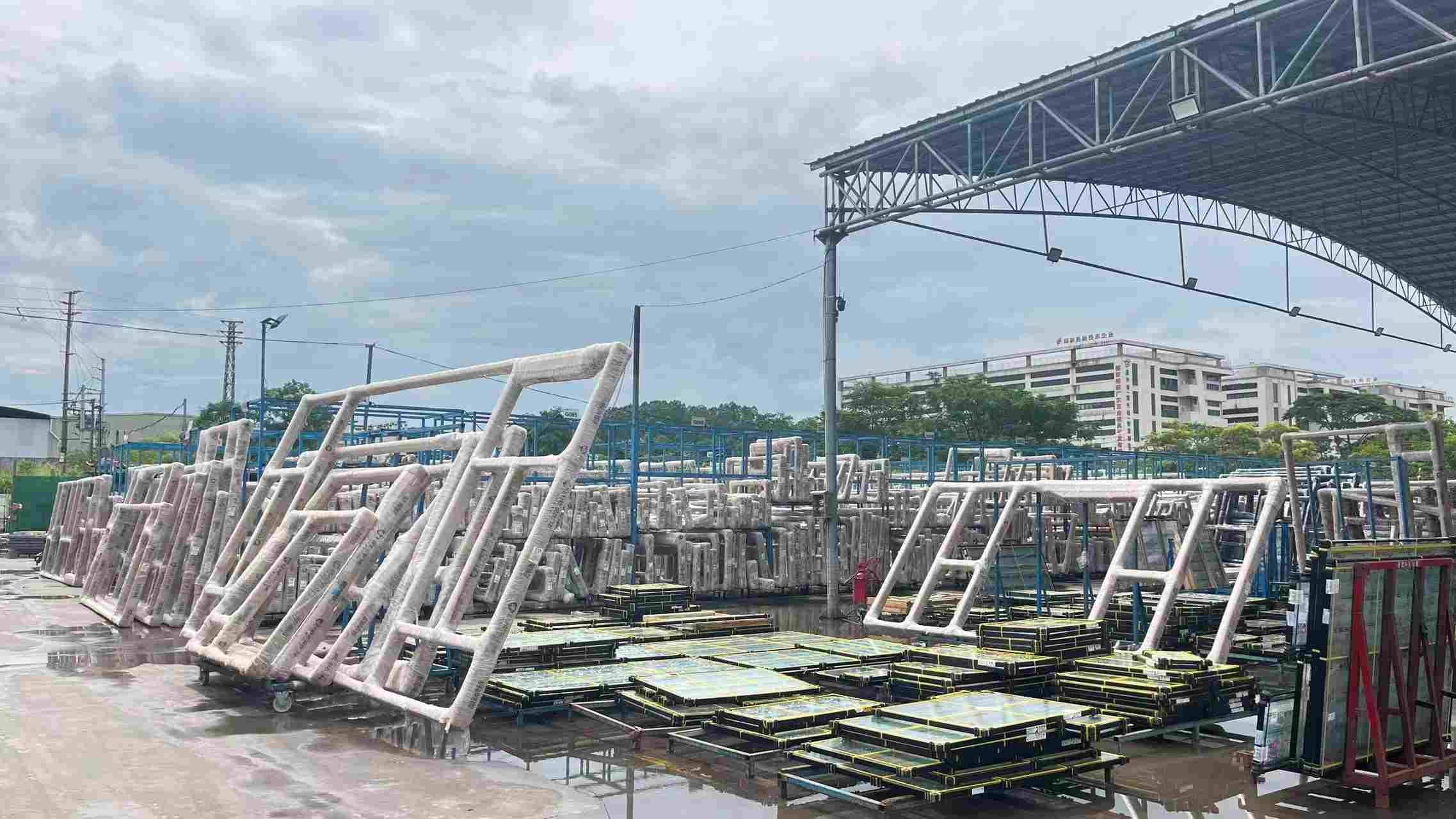
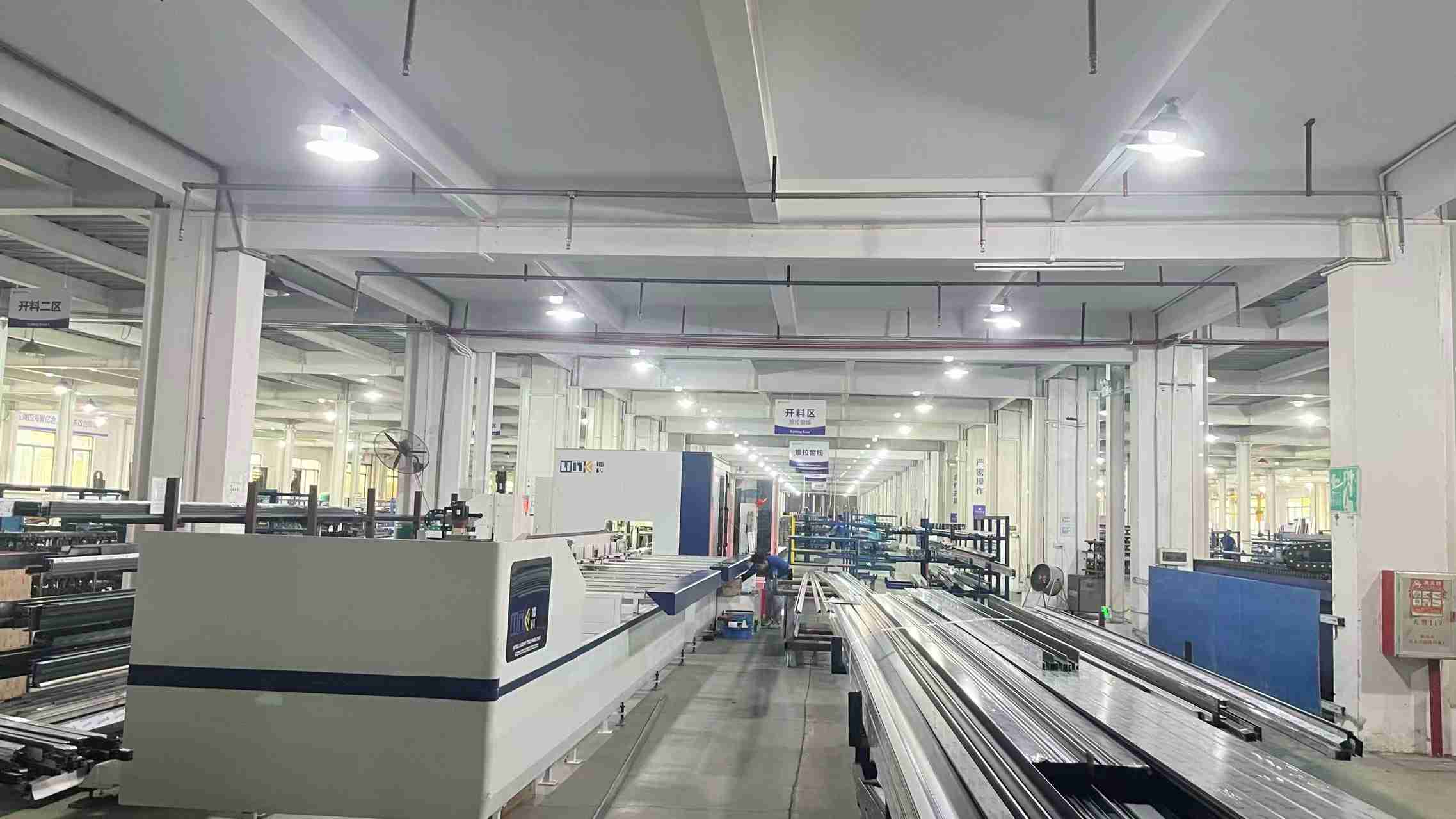
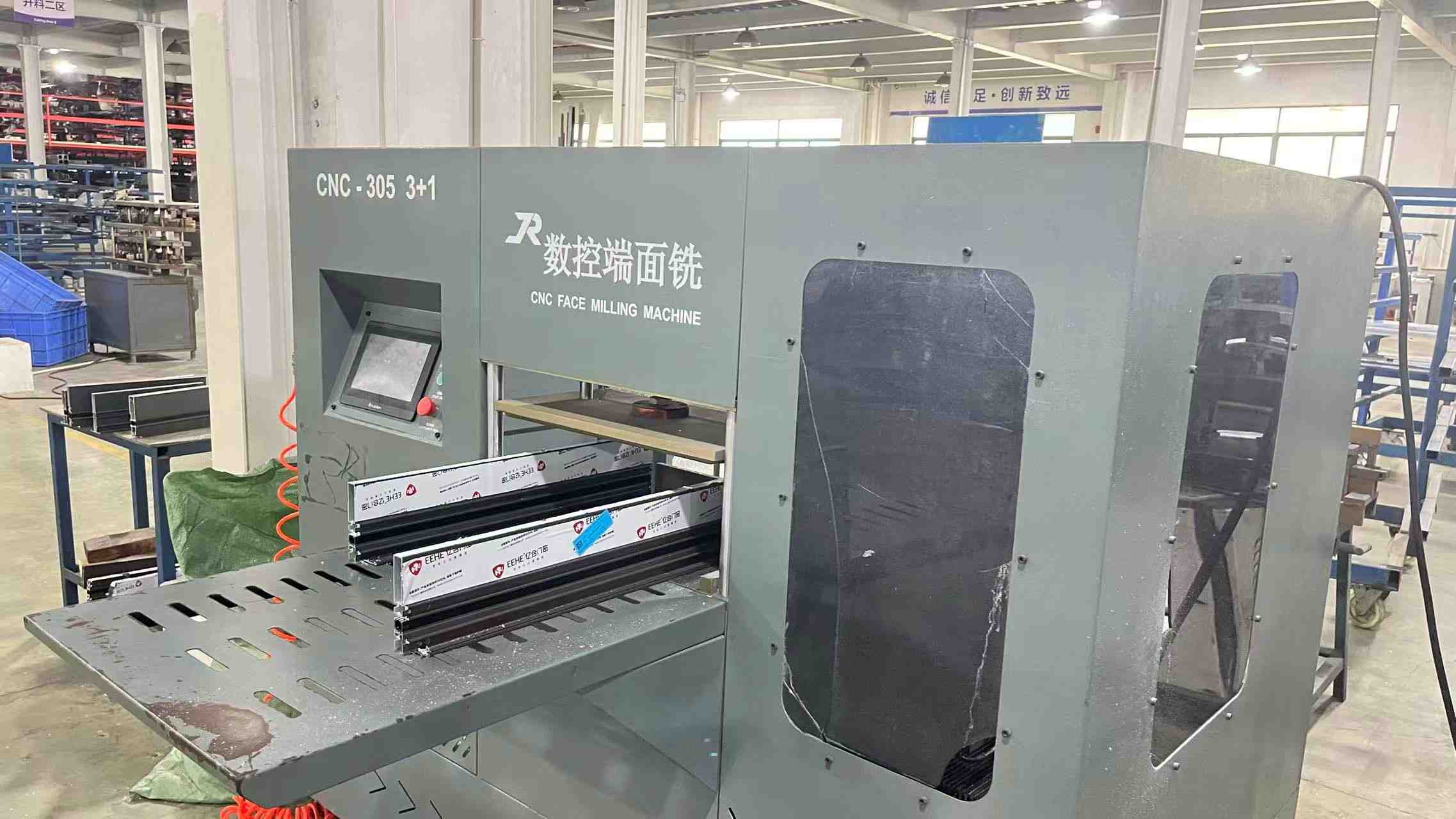
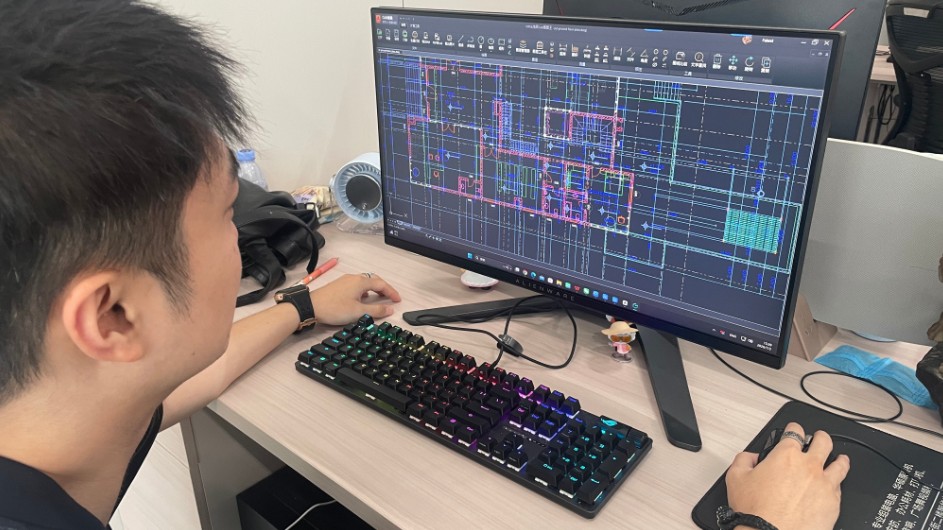
China's dominating position in the manufacturing of architectural tempered glass entry doors stems from a uniquely integrated industrial cluster economics. Unlike regional assembly workshops in Western markets, top-tier Chinese manufacturers operate directly adjacent to float glass production lines (such as Jinjing, CSG Holding, and Yaohua), precision aluminum extrusion plants, and specialized hardware fabrication hubs in Guangdong and Shandong provinces.
Access to low-iron ultra-clear float glass and primary 6063-T5 aluminum extrusions allows Chinese factories to control chemical purity from the raw ingot phase, eliminating internal micro-imperfections that trigger spontaneous nickel sulfide (NiS) inclusions in tempered glass.
Leading factories utilize horizontal convection tempering furnaces with localized air-quenching computer control. This guarantees surface compression values above 90 MPa (13,000 psi), turning float glass into high-strength safety glass that shatters into small, blunt-edged fragments upon catastrophic impact.
By centralizing glass cutting, edgeworking, drilling, tempering, insulated glass unit (IGU) sealing, and aluminum frame powder-coating within a single 40,000 m² footprint, logistics handoffs are eliminated, resulting in a 25–40% FOB cost reduction versus European or North American producers.
Global B2B procurement of tempered glass entry doors demands strict adherence to physical performance metrics, building regulations, and structural certifications. The matrix below outlines the standardized technical parameters provided by Steelwar Entry Systems:
| Performance Parameter | Technical Benchmark / Standard | Engineering Significance |
|---|---|---|
| Glass Safety Certification | ANSI Z97.1 / CPSC 16 CFR 1201 / SGCC Certified / EN 12150 | Guarantees human impact safety; non-hazardous breakup patterns upon breakage. |
| Structural Wind Load (HVHZ) | TAS 201, 202, 203 (Miami-Dade Certified) / ASTM E1300 | Resists cyclic wind pressures exceeding ±90 PSF in hurricane-prone zones. |
| Thermal Transmittance (U-Factor) | NFRC 100 / EN ISO 10077-2 (U-value down to 0.18 BTU/h·ft²·°F) | Thermal break polyamide (PA66) strips isolate external cold/heat transfer. |
| Solar Heat Gain Coefficient (SHGC) | NFRC 200 / Low-E Coating Double/Triple IGU (0.20 – 0.35 Range) | Selectively blocks infrared radiation while admitting visible light. |
| Acoustic Isolation (STC/OITC) | ASTM E90 / ASTM E1425 (STC Rating 38 to 45 dB) | Laminated PVB/SGP interlayers dampen medium-to-high frequency exterior noise. |
| Air & Water Infiltration | AAMA/WDMA/CSA 101/I.S.2/A440 (Class CW-PG50 to AW-PG75) | Zero water penetration at 720 Pa (15 PSF) test pressures under torrential rainfall. |
| Surface Finish Durability | AAMA 2605 Powder Coating / Fluorocarbon PVDF (20-Year Warranty) | Resists salt spray corrosion, chalking, and color fading under high UV exposure. |
Navigating international trade requires deep compliance with localized architectural norms. Steelwar's engineering team customize structural configurations based on regional code mandates:
Full compliance with NFRC rating standards for thermal insulation, AAMA structural classifications, and Florida High Velocity Hurricane Zone (HVHZ) testing. Entry doors are fitted with 7/16” or 9/16” laminated tempered glass featuring Kuraray SentryGlas® (SGP) interlayers to resist large missile impact tests (9-lb 2x4 lumber shot at 50 ft/s).
Compliance with CE Mark (EN 14351-1), UKCA requirements, and EN 12150-1 thermal toughened safety glass rules. Focus on low U-values with argon-filled triple glazing and warm-edge spacer technology to meet tight energy passivhaus thresholds in Northern and Central Europe.
Engineered for extreme thermal loads and sandstorm abrasion. Aluminum profiles utilize thick 6063-T6 alloys with specialized PVDF coatings certified under 3,000-hour salt spray tests. Glass units incorporate spectrally selective Low-E coatings to block harsh solar heat ingress.
Procuring structural entry doors overseas requires a structured risk mitigation plan to ensure quality consistency, shipping protection, and installation accuracy. Importers, project managers, and wholesalers should implement the following multi-stage evaluation protocol when selecting a Chinese factory partner:
Require suppliers to present mill test certificates (MTC) for aluminum profile alloys (ISO 9001 audit) and raw float glass sources. Ensure glass thermal tempering equipment utilizes automated optical distortion scanners to eliminate roller wave distortion.
Entry doors fail primarily at mechanical connection points. Demand German or top-tier domestic hardware systems (Hoppe, Siegenia, Codelocks, or custom multi-point stainless steel locks rated for over 200,000 mechanical operation cycles).
Tempered glass edges are vulnerable during long-distance ocean freight. Steelwar mandates fully enclosed fumigated plywood crates with protective corner guards, moisture-proof polyethylene wrapping, and internal shock-absorbing foam spacers.
Modern facade architecture is shifting toward ultra-minimalist sightlines, interactive dynamic glass technologies, and net-zero carbon building envelopes. Key innovations actively incorporated into Chinese manufacturing pipelines include:
Tempered glass entry doors engineered by Steelwar are deployed across versatile commercial and residential project typologies globally:
Severe coastal salt fog environments require 316-grade stainless steel hardware, PVDF anti-corrosion frame finishes, and impact-resistant laminated tempered glass to withstand extreme hurricane conditions while offering panoramic views.
High-traffic public entrances demand heavy-duty door closers, floor springs, multi-point panic hardware, and high-impact tempered safety glass designed for continuous daily usage cycles.
Soundproof acoustic glass assemblies (STC > 40 dB) combined with thermal break aluminum profiles create sleek, energy-efficient entrance lobbies that reduce operational HVAC overhead costs.
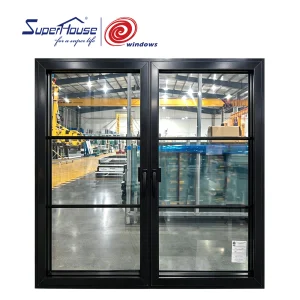
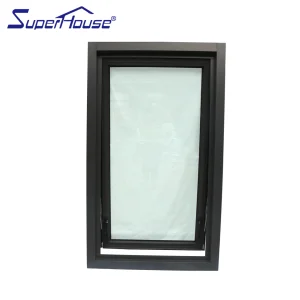
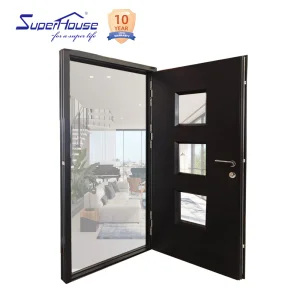
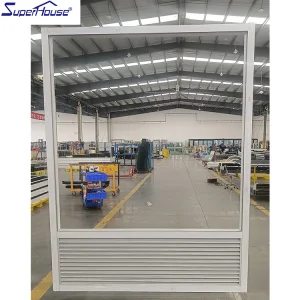
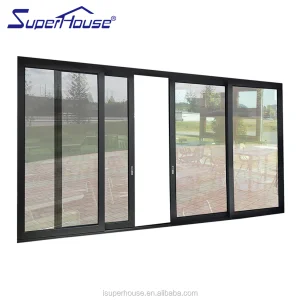
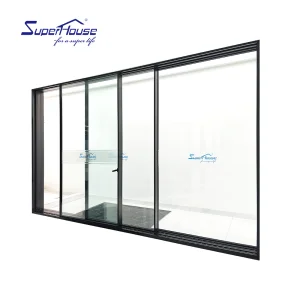
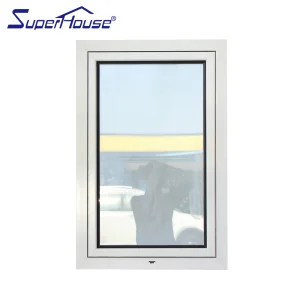
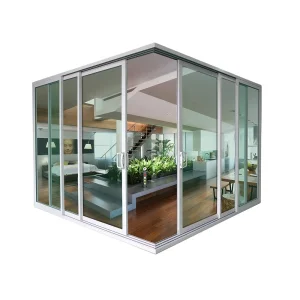
Explore our extended export range of high-performance sliding, casement, and pivot glass entry assemblies.
 Steelwar