High-performance thermal break, impact-resistant, and structural entry solutions for commercial & luxury residential engineering.
Engineering Rigor, Global Distribution, and OEM Supply Chain Synergies
Established in 2003, Steelwar Entry Systems Co., Ltd. operates a large-scale 40,000 m² manufacturing plant specializing in high-security exterior entry doors. With 21 years of continuous industry experience and 9 years of global export capabilities, the company generates $35 million in annual export turnover. Steelwar focuses on key markets across North America, the Middle East, and Eastern Europe, primarily supplying building material distributors, security door stockists, and commercial construction contractors.
Supported by a solid trade background and a network of 1,100 supply chain partners, Steelwar maintains strict product reliability. Quality control is managed by a team of 50 QC specialists who execute dynamic impact resistance testing, automated frame tolerance checks, and corrosion-resistant coating audits. The company's engineering strength is backed by 75 R&D engineers who introduced 230 new product models last year. Custom options include ballistic steel cores, multi-point smart lock integration, customized RAL color finishes, and bespoke frame depths.
Decoding the structural advantages of China's specialized architectural hardware and entrance system supply networks.
China's specialized manufacturing hubs in Guangdong and Zhejiang bring together raw aluminum extrusion mills, steel armor plate processing, powder coating lines, and precision hardware casting within tight geographic radiuses, reducing procurement cycles drastically.
Modern front entry designs require hybrid material layering. High-grade security doors integrate thermal-break polyamide strips (PA66GF25), electro-galvanized cold-rolled steel sheets, fire-rated rockwool cores, and bulletproof laminated PVB glass units engineered for maximum forced-entry resistance.
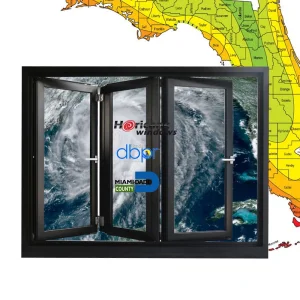
Leading suppliers ensure full alignment with international architectural codes: NFRC Energy Star thermal ratings for North America, Miami-Dade County HVHZ hurricane impact standards (FL29474), AS2047 acoustic and water penetration standards for Australia, and CE EN 1627 European burglar resistance standards.
A step-by-step visual audit of Steelwar's end-to-end production facility, CNC machinery, and engineering setup.
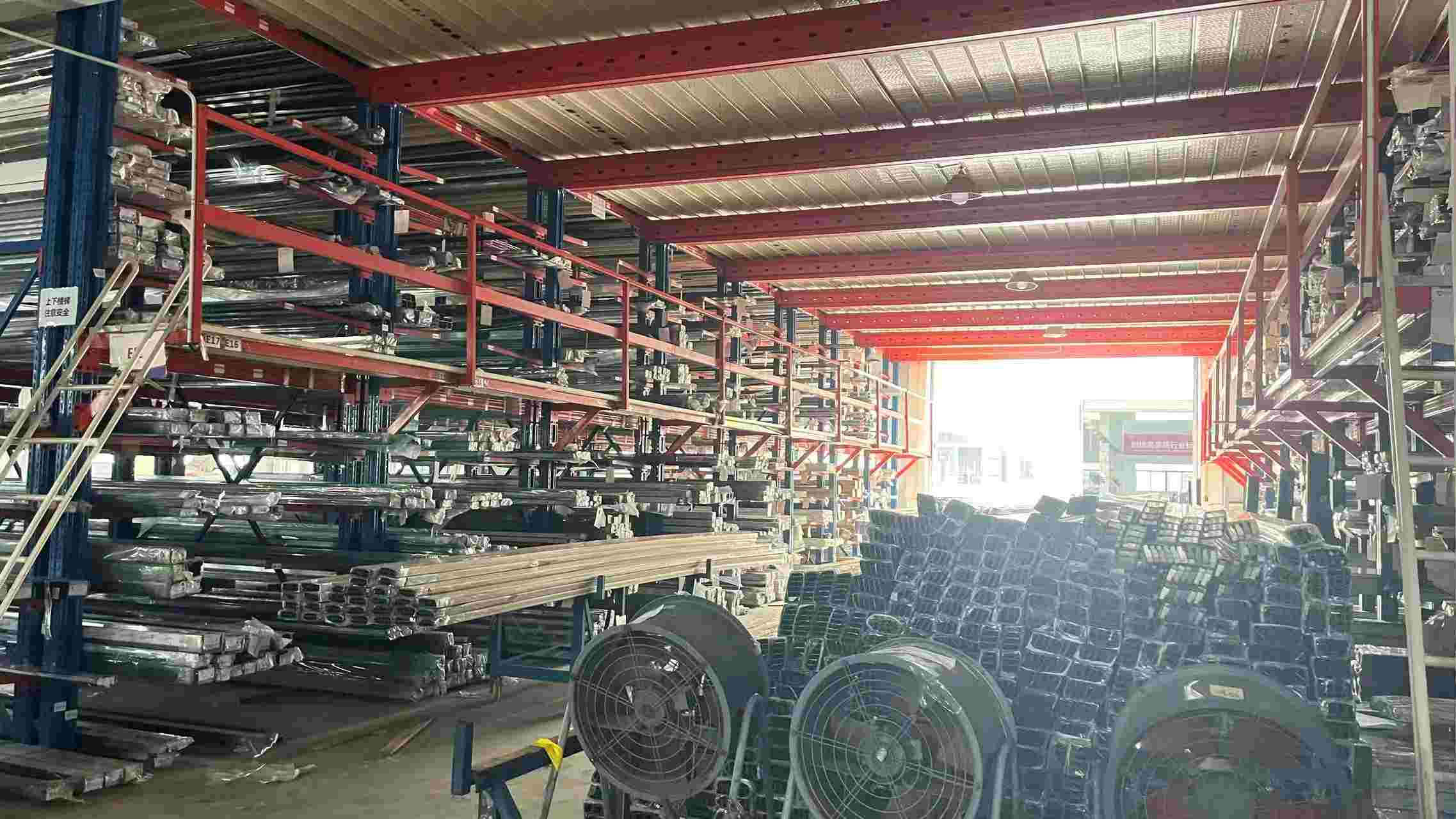 Raw Materials
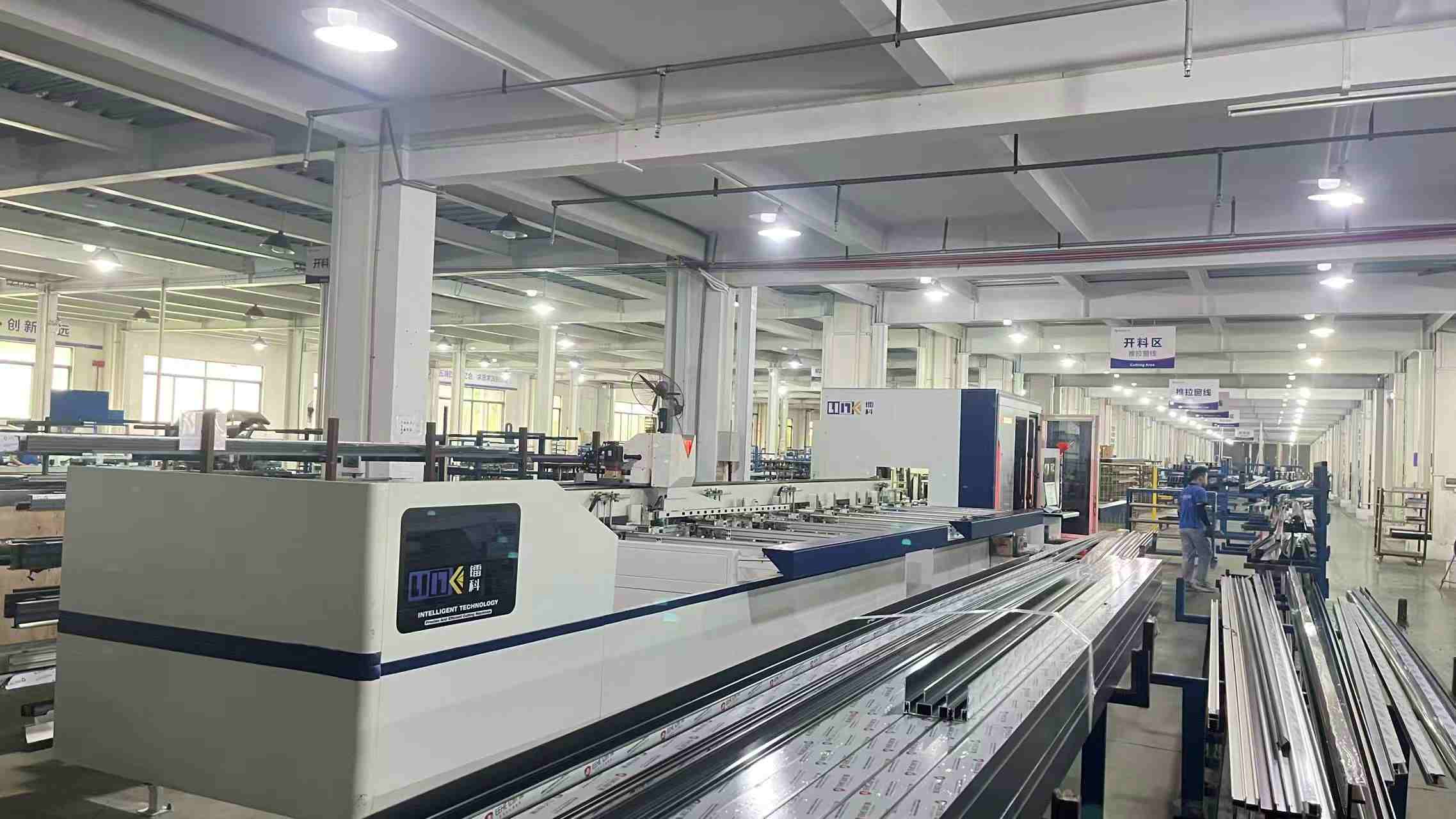 Cutting
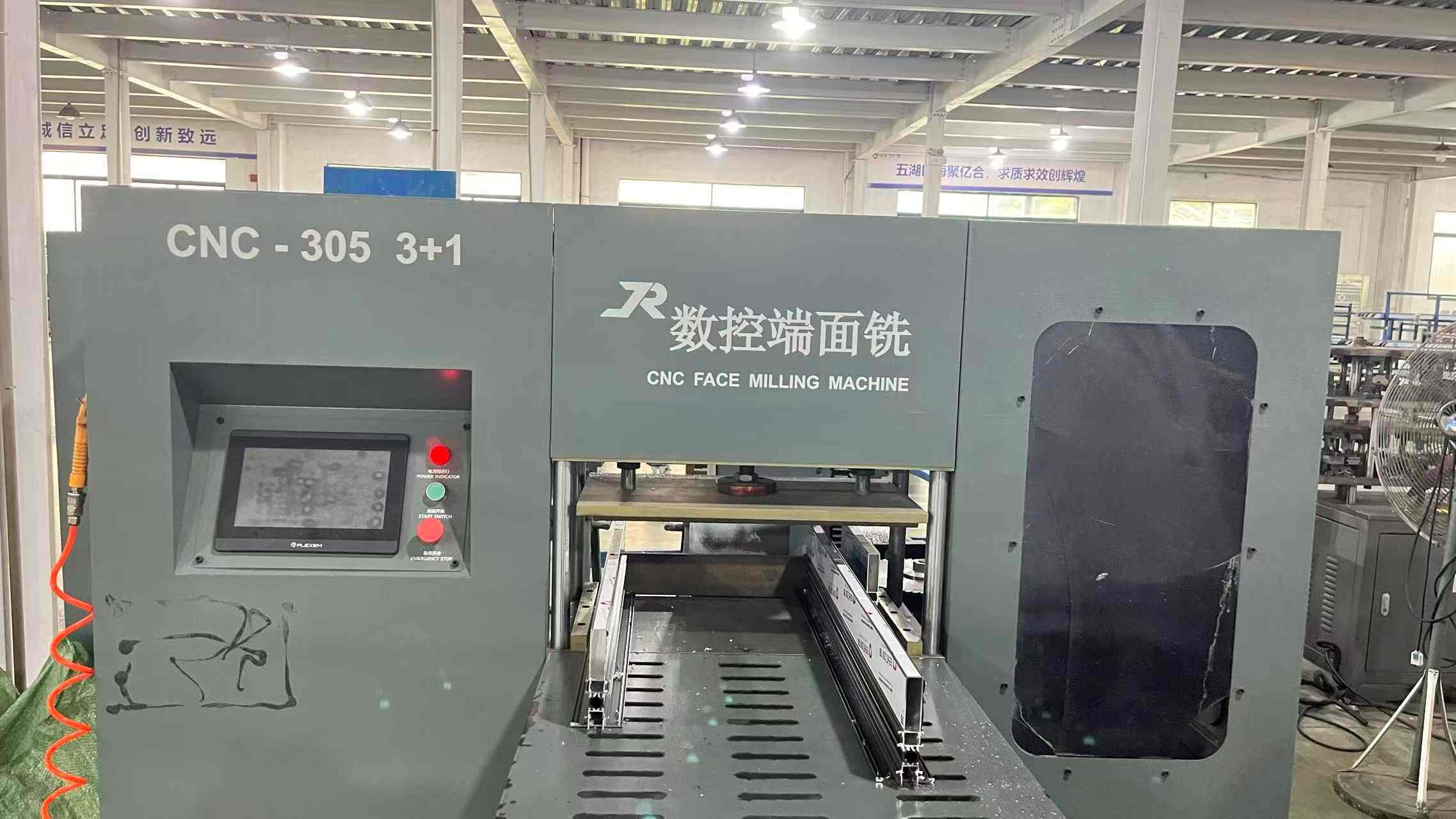 Milling
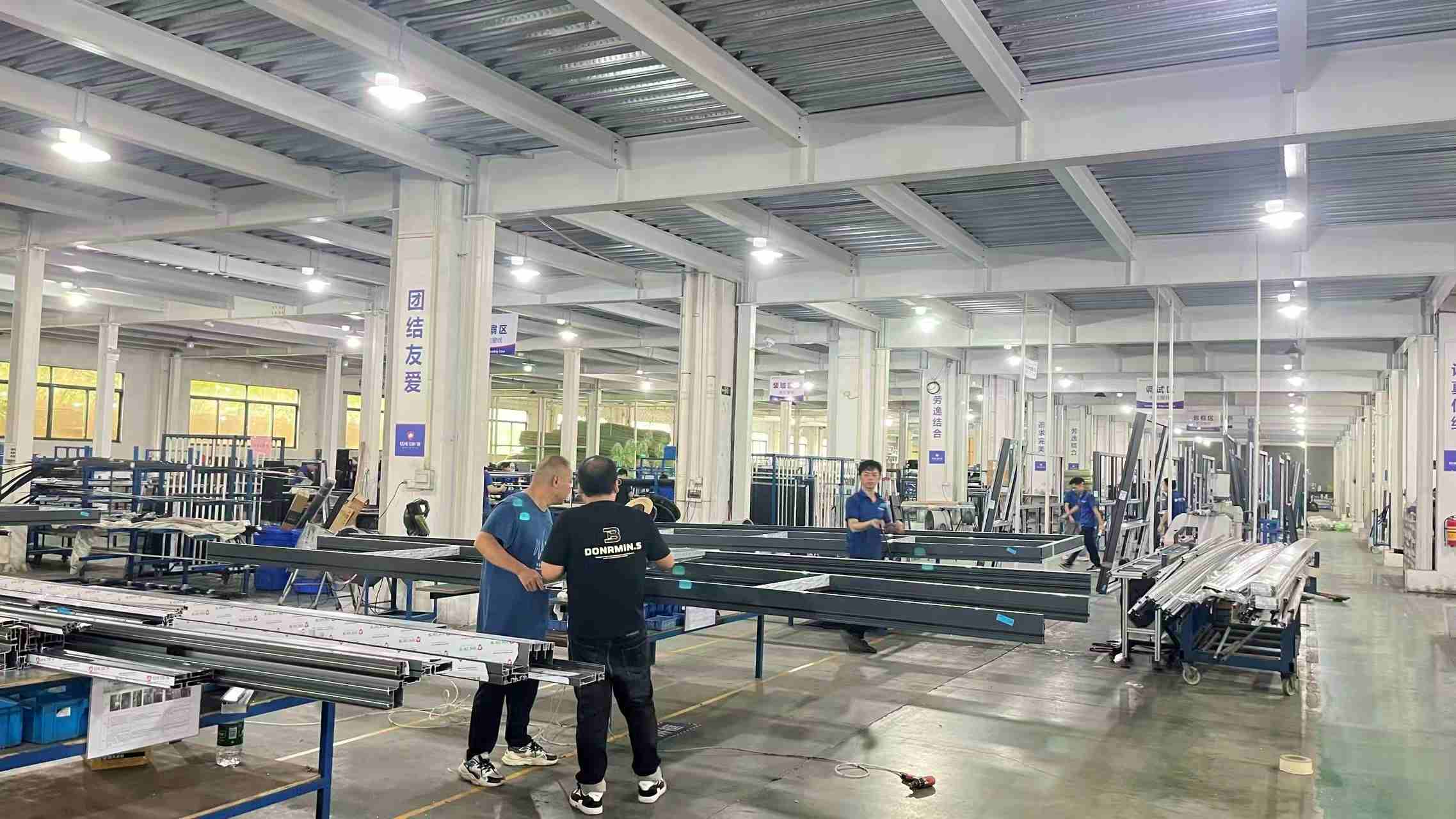 Assembling
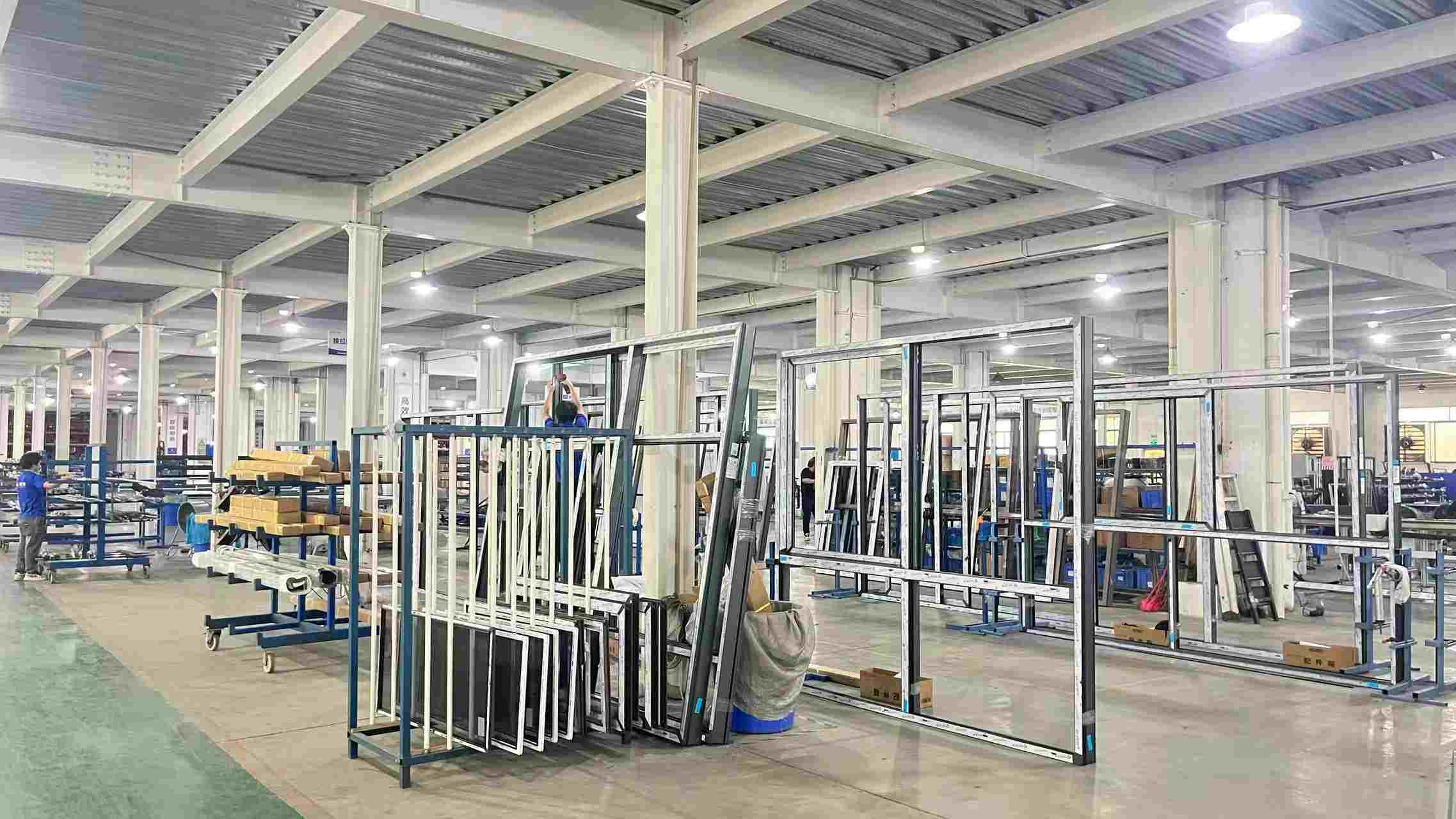 Assembling
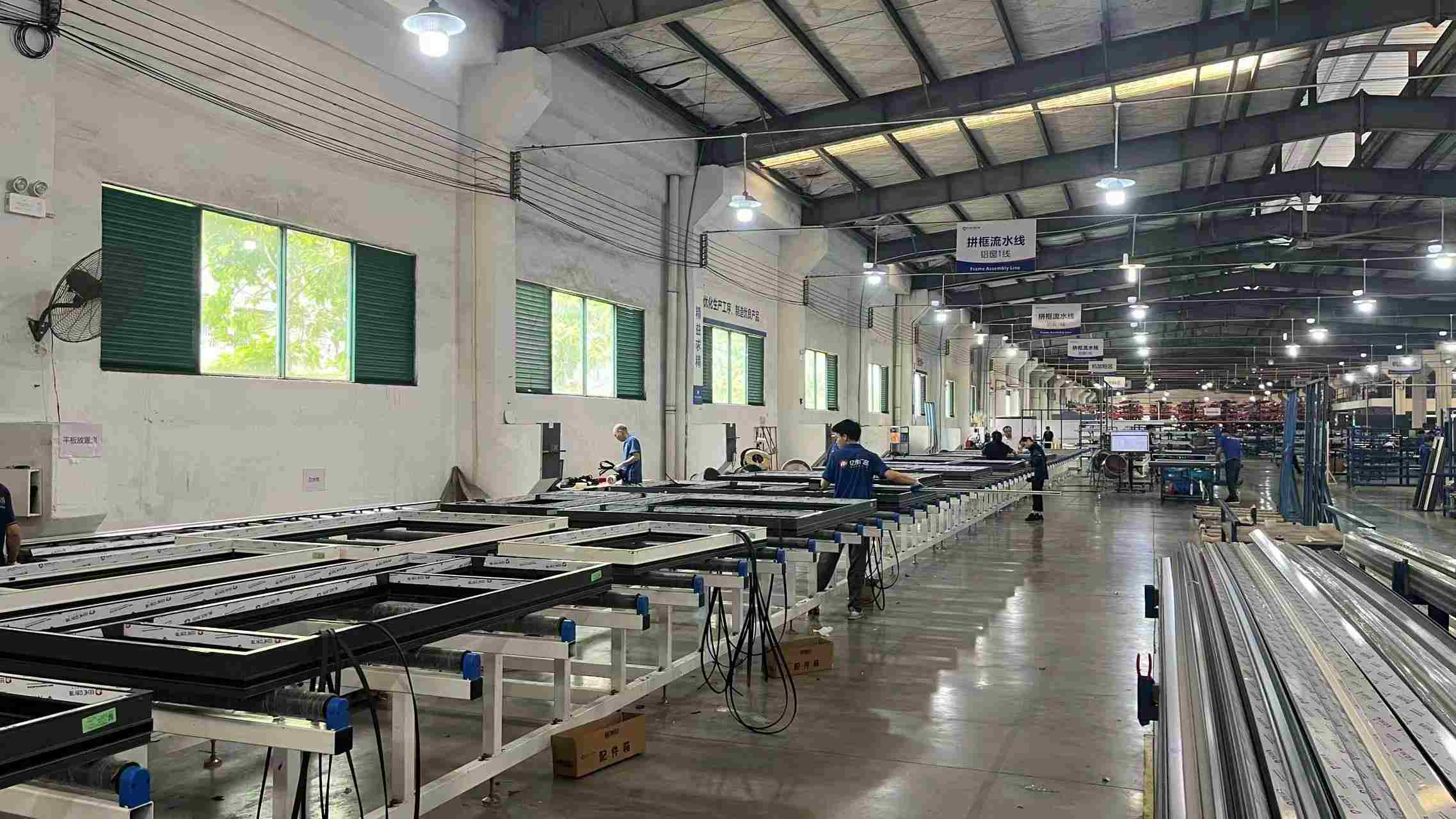 Gluing
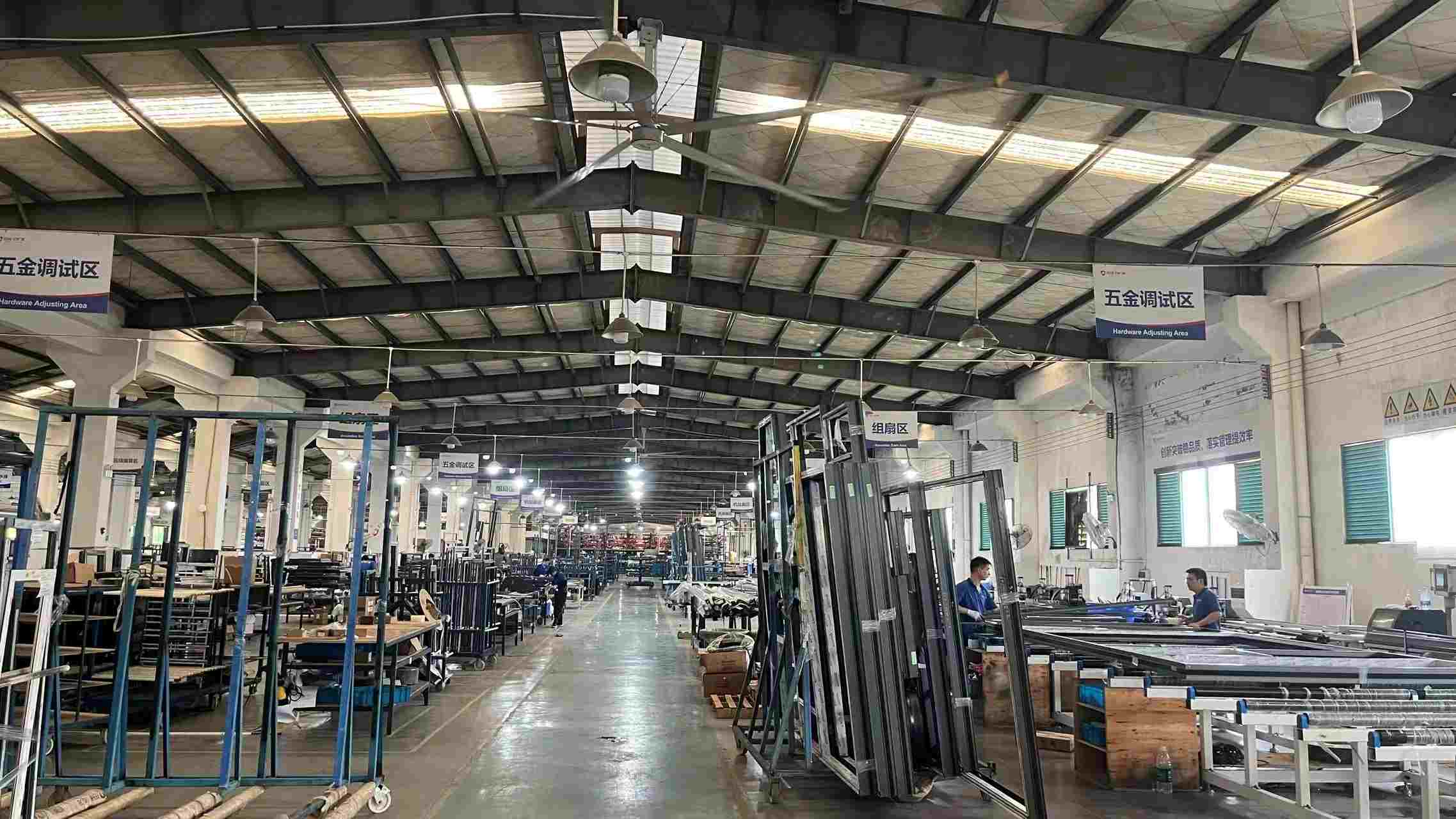 Testing
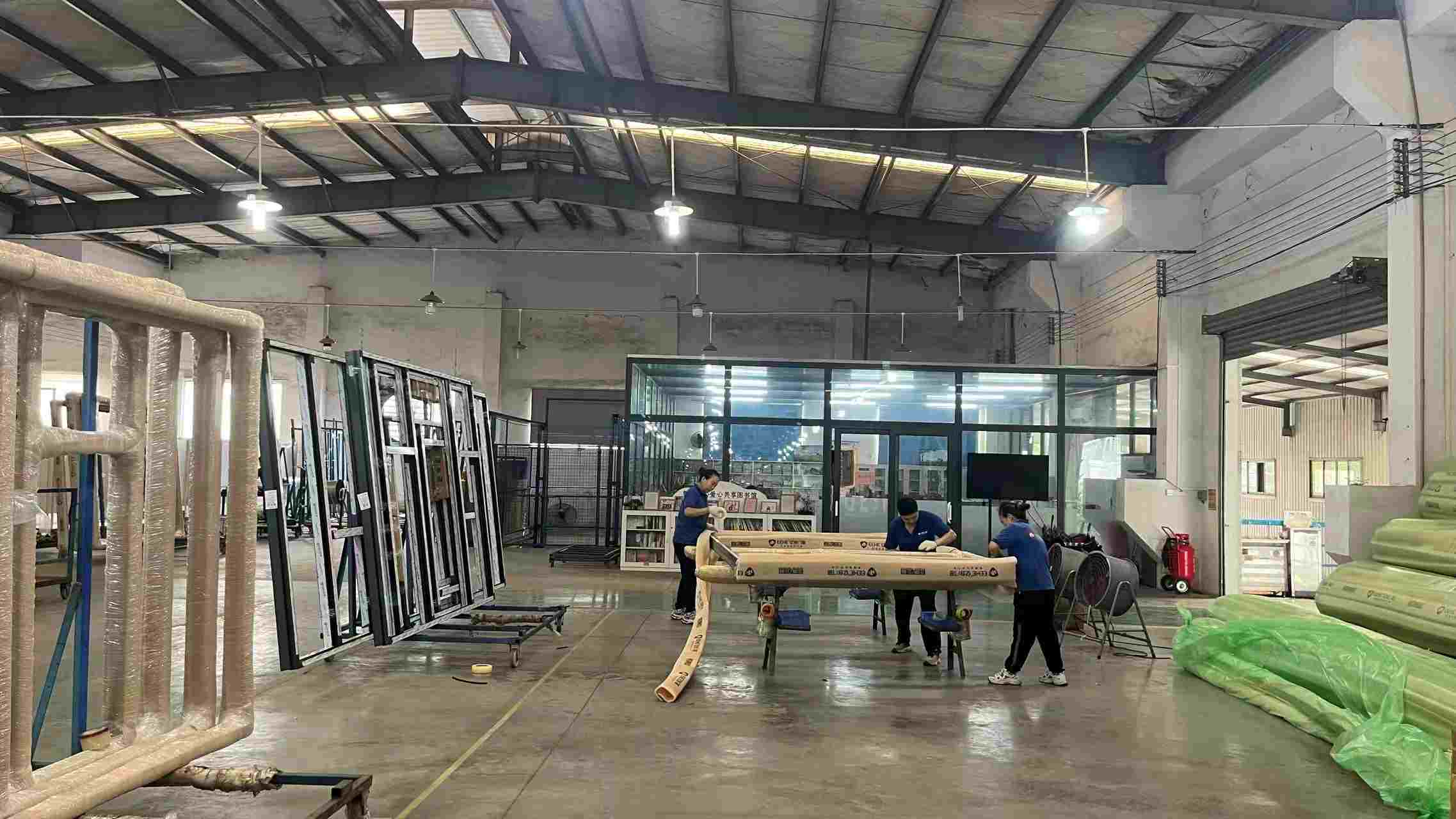 Packaging
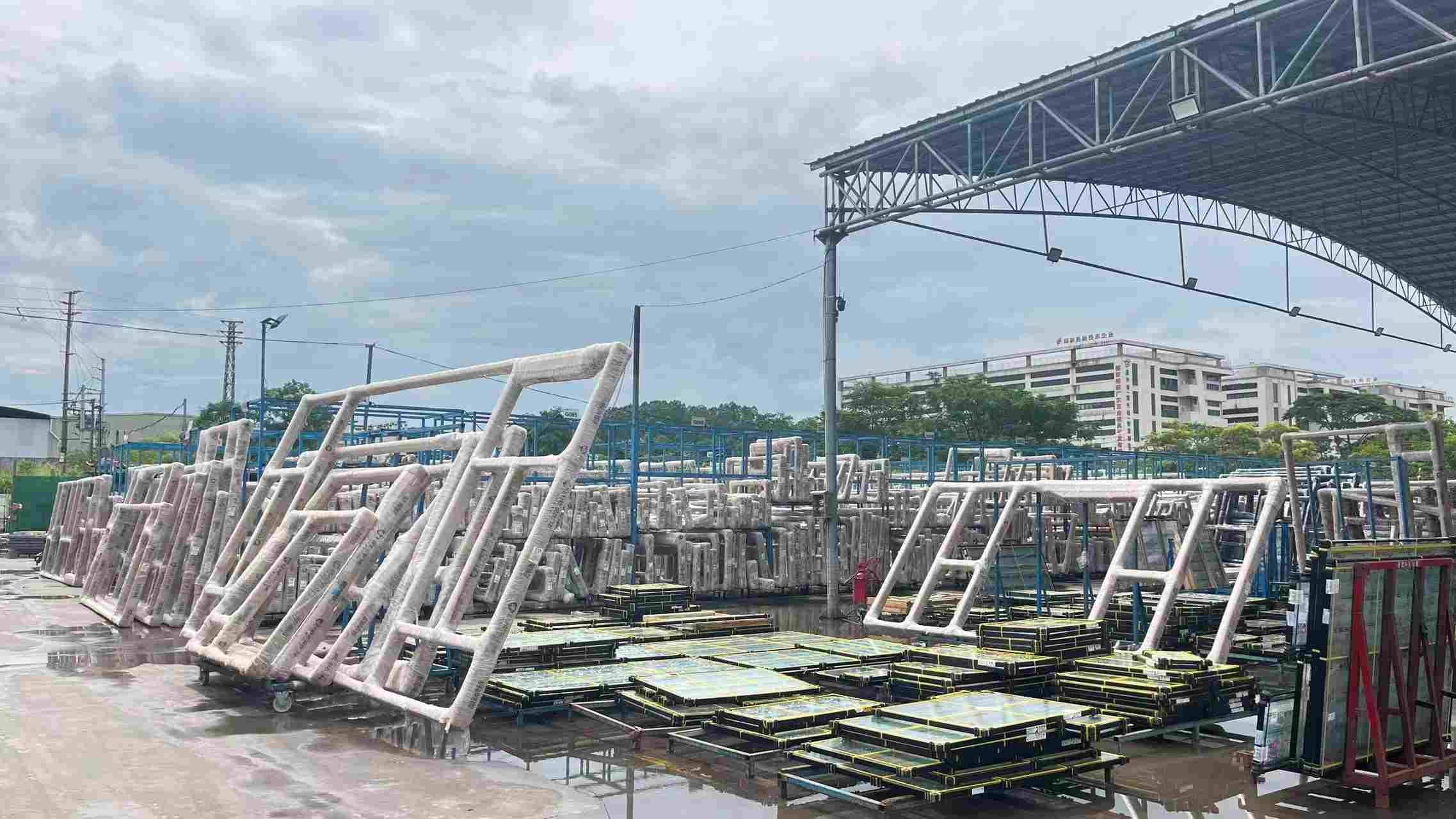 Warehouse
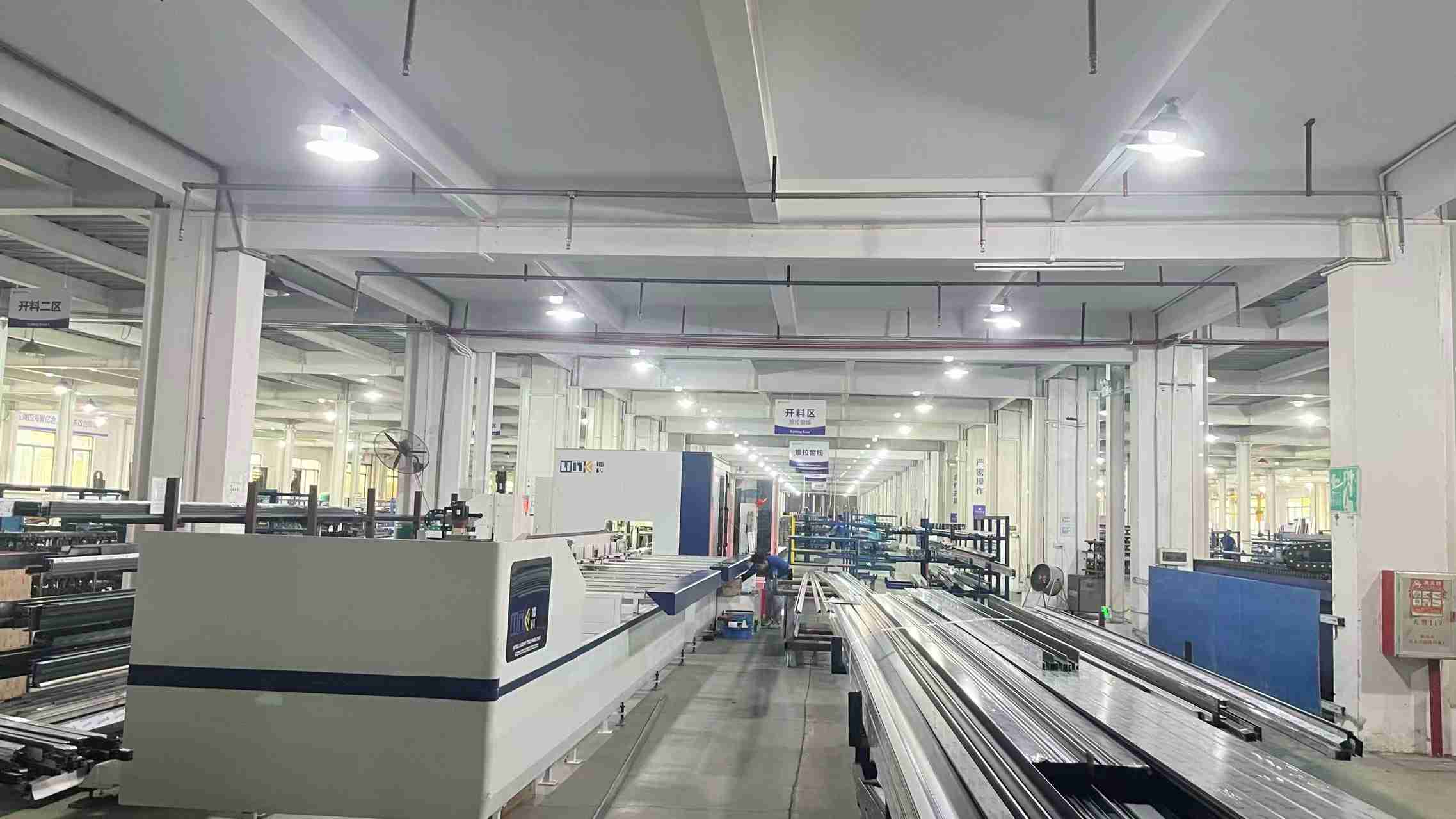 Cutting Machine
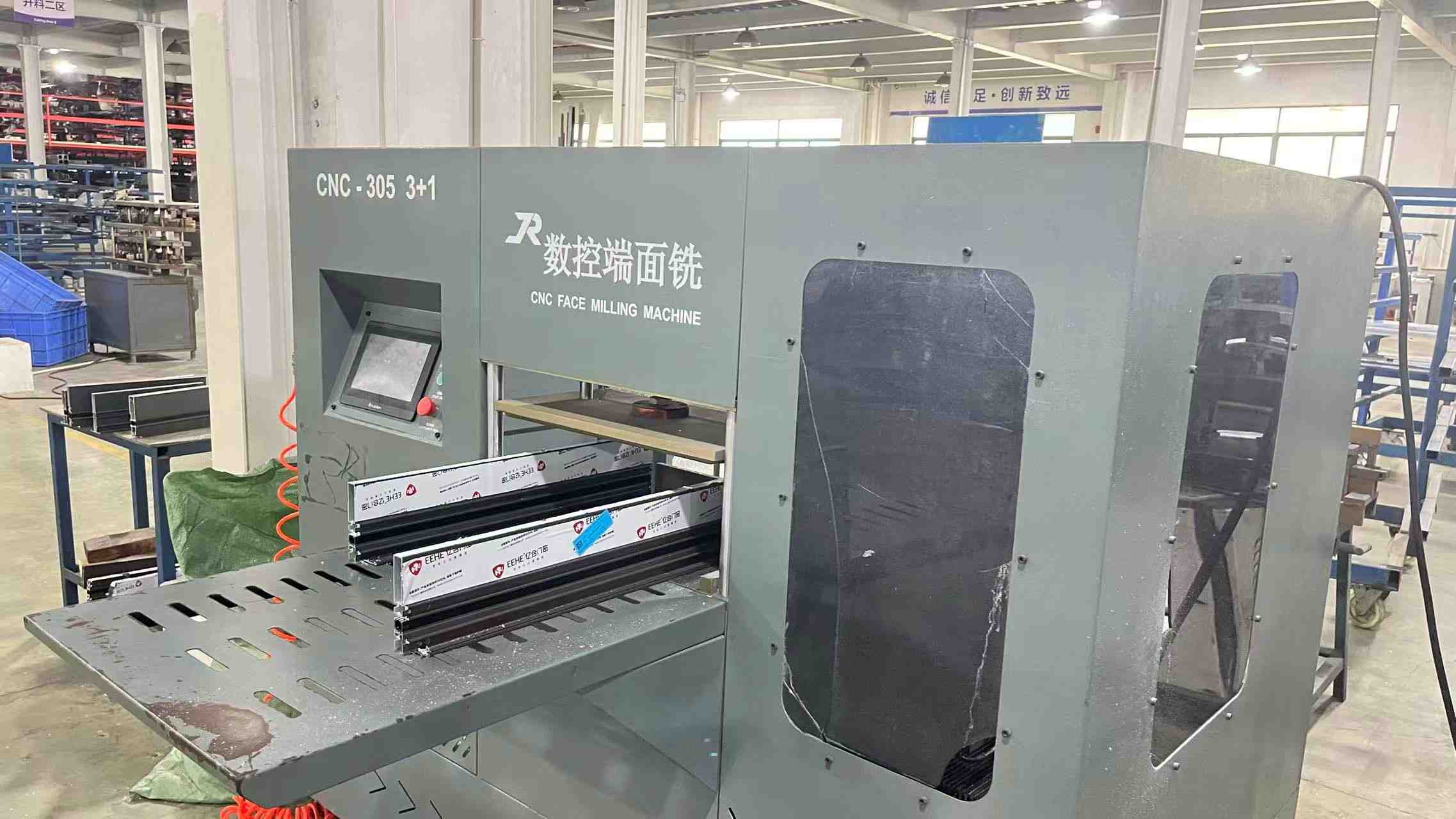 Milling Machine
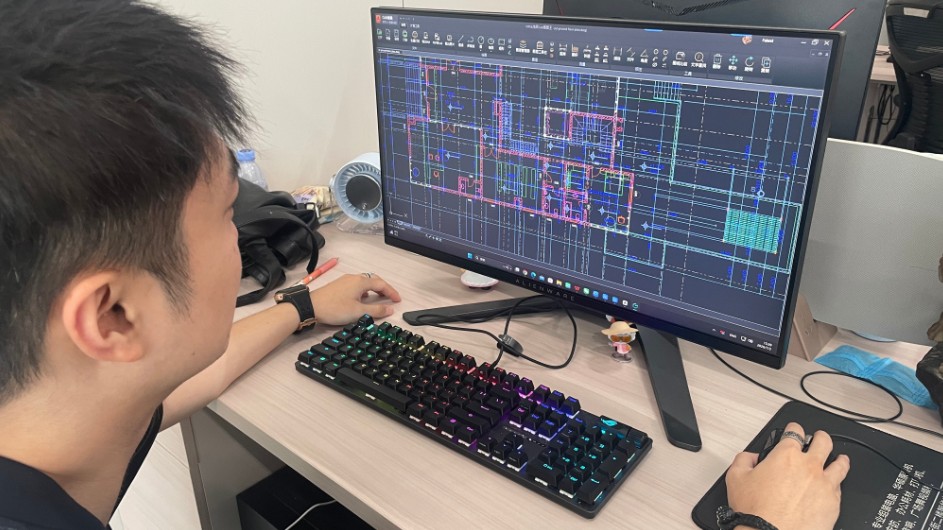 Design with CAD
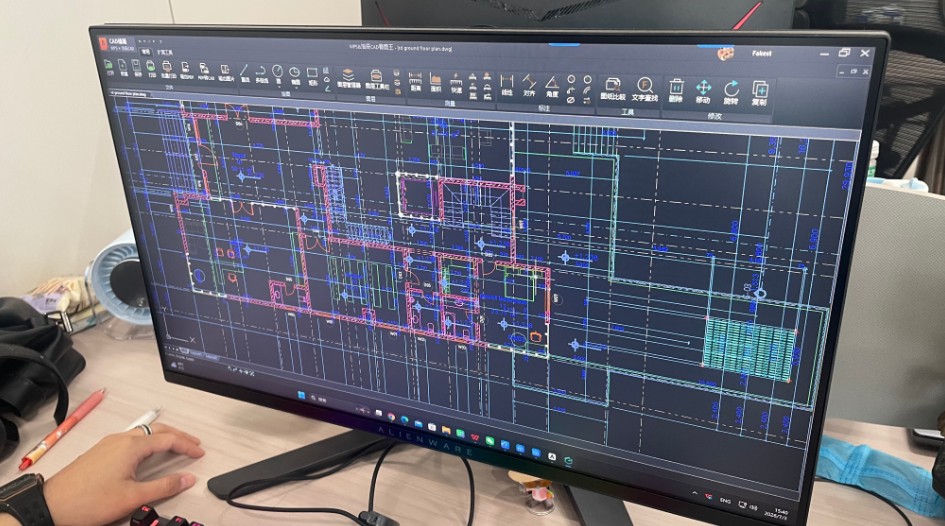 Design with Computer
An in-depth analysis of structural integrity, thermal performance, and smart lock integration for enterprise procurement projects.
Modern security front doors are far more than solid sheets of metal; they are composite structural systems engineered to dissipate mechanical force and withstand intentional impact attacks. Top Chinese security front door manufacturers utilize cold-rolled electro-galvanized steel sheets ranging from 1.5mm to 3.0mm thickness for door leafs, combined with 2.0mm to 4.0mm heavy-duty structural steel frames.
To mitigate the weight challenges associated with ultra-heavy steel entry systems, top factories employ precision aluminum alloy extrusions (such as 6063-T5 or 6060-T66) paired with internal steel reinforcement skeletons. This hybrid construction ensures long-term frame stability, preventing sagging over decades of operational use while offering exceptional resistance to forced entry methods including crowbars, drill attacks, and high-impact physical loads.
A primary historical drawback of metal security doors was thermal bridging, where metal profiles conducted heat and cold directly into the building envelope. Modern security entry systems eliminate this vulnerability through advanced Thermal Break Technology. By inserting high-density polyamide (PA66GF25 with 25% glass fiber reinforcement) thermal barrier strips between exterior and interior metal profiles, heat transfer coefficient (U-Factor) values are dramatically reduced.
As commercial and high-end residential real estate trends shift toward automated building access, front security doors serve as the physical-digital gateway. Leading suppliers integrate enterprise-grade multi-point locking systems featuring up to 18 active locking bolts distributed along the top, bottom, and side jambs.
These locking systems are compatible with 3D facial recognition cameras, semi-conductor biometric fingerprint sensors, encrypted RFID transponders, and mobile IoT protocols (Zigbee, Z-Wave, Matter, and BLE). Internal wiring conduits are shielded inside armored steel chases within the door core to guard against electromagnetic interference, high-voltage EMP attack devices, and physical tampering.
Exterior front doors face aggressive environmental stressors, including direct solar UV rays, high humidity, salt spray in coastal zones, and extreme temperature fluctuations. Top tier Chinese factories execute multi-stage surface preparation protocols including acid pickling, phosphating, electrostatic fluorocarbon (PVDF) spraying, and Italian heat-transfer wood grain powder coating.
This process guarantees passivating performance capable of exceeding 2,000 hours of continuous Neutral Salt Spray (NSS) testing under ASTM B117 standards, ensuring zero peeling, blistering, or chalking over 15-to-25-year lifespans in tropical or marine microclimates.
How top China suppliers tailor front door engineering to satisfy regional building regulations and architectural aesthetics.
Focuses heavily on NFRC thermal certification, Energy Star rating, ADA compliance for commercial thresholds, and Florida Miami-Dade HVHZ (High-Velocity Hurricane Zone) impact certifications (FL29474) utilizing laminated PVB/SGP safety glass.
Emphasizes EN 1627 European burglar resistance classes (RC2 to RC5 rating), high-security Euro-profile cylinders, thermal break performance, and massive luxury pivot designs capable of supporting widths up to 2.5 meters and heights up to 4 meters.
Requires strict compliance with AS2047 and AS1170 standards, verified winder hardware mechanisms, high water-penetration resistance thresholds, and BAL-40 / BAL-FZ Bushfire Attack Level fire resistance integration.
Direct technical answers for architectural specifiers, door stockists, and procurement managers.
For residential and commercial entry doors imported to North America, key certifications include NFRC (National Fenestration Rating Council) for U-Factor and SHGC performance, Energy Star qualification, and ASTM E330 structural performance. For hurricane-prone coastal regions like Florida, Dade County Florida Product Approval (HVHZ) under TAS 201, 202, and 203 standards is mandatory.
Non-thermal break metal doors create a direct bridge for thermal energy, allowing heat to escape during winter and enter during summer. Thermal break doors feature a structural insulating barrier (typically polyamide PA66GF25) inserted between inner and outer aluminum/steel profiles. This breaks the conductive path, lowering thermal conductivity by up to 70% and drastically cutting HVAC load costs.
Yes, established manufacturers like Steelwar employ large dedicated R&D engineering teams (e.g., 75+ engineers) equipped with 3D CAD, SolidWorks, and Revit BIM software. They can take custom architectural line drawings, generate detailed fabrication shop drawings, and customize frame depths, sidelight profiles, smart lock prep cutouts, and custom RAL powder coat colors.
Standard OEM/ODM manufacturing lead times typically range between 25 to 35 calendar days following shop drawing approval and deposit receipt. For complex customized projects requiring custom extrusion tooling or specialized hurricane impact glass lamination, lead times may extend to 40-45 days. Ocean shipping times vary by destination port (e.g., 15-22 days to US West Coast, 30-35 days to US East Coast/Europe).
Commercial door exports use heavy-duty export packaging protocols: individual units are wrapped in protective polyethylene scratch films, fitted with corner foam armor guards, enclosed in triple-wall corrugated cardboard cartons, and strapped inside fully enclosed fumigated plywood crates or A-frame steel shipping racks to withstand ocean freight container movements.
Integrated smart locks feature dual power redundancies, utilizing long-life lithium battery packs paired with external emergency USB-C power jump ports and mechanical key overrides (Class C anti-drill lock cylinders). Internal electronic circuit boards are IP65 or IP66 silicone-conformal coated to prevent corrosion from rain, moisture condensation, and high humidity environment exposure.
Complete product portfolio engineered for modern residential developments, villas, and commercial complexes.
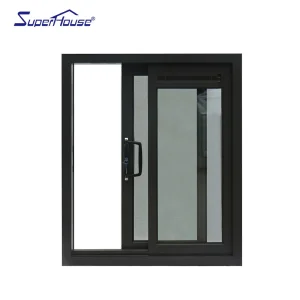
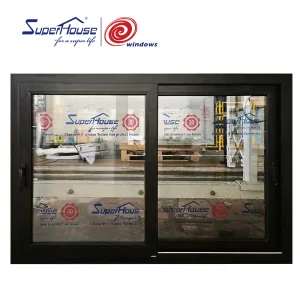
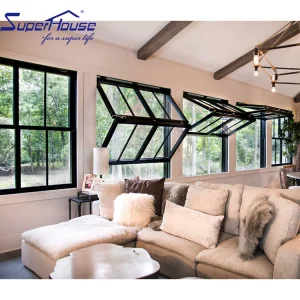
 Steelwar