Explore engineered thermal-break aluminum profiles, high-security multi-point locking entry doors, and hurricane-rated glazed window/door assemblies.
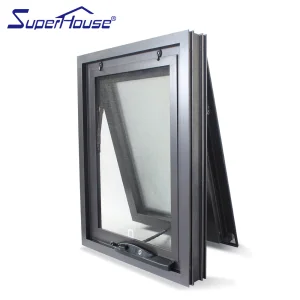

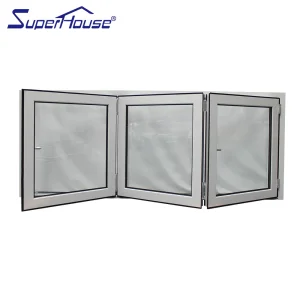
The global demand for high-performance architectural fenestration has experienced a structural transformation. Driven by stringent international energy efficiency mandates—such as Europe’s Near-Zero Energy Buildings (NZEB) directives, North America’s updated Energy Star v7.0 specifications, and Australia’s National Construction Code (NCC) thermal efficiency targets—commercial and residential developers no longer view entrance assemblies as mere physical barriers. Today, thermally broken aluminum doors and windows serve as critical climate envelope components designed to minimize building thermal bridging, eliminate HVAC energy dissipation, and provide structural resilience against severe weather conditions.
When assessing the Top 10 Thermal Insulated Aluminum Door Exporters worldwide, enterprise procurement leaders must look beyond basic profile thickness. Dynamic search evaluation and empirical building metrics require deep technical analysis into thermal barrier formulations (e.g., Polyamide PA66 GF25 vs. PVC infills), structural wind load resistance (Pa), acoustic attenuation index (STC/OITC), seal longevity under extreme UV exposure, and verified supply chain integrity.
Leading global manufacturers utilize multi-cavity thermal break extrusions paired with high-performance Warm-Edge spacer bars and Argon/Krypton-filled double or triple insulated glass units (IGU), delivering overall system U-Factors down to 0.80 W/m²K (U-0.14 BTU/h·ft²·°F).
Top-tier exporters integrate structural ballistic steel cores, high-tensile 6063-T6 aluminum alloys, and German multi-point gear hardware designed to withstand wind loads up to 5000 Pa and resist forced entry standard RC3/PAS 24 tests.
Global export eligibility demands third-party thermal and physical load validation. Leading suppliers hold NFRC ratings, AS2047 Australian Standard compliance certificates, Florida Product Approvals for high-velocity hurricane zones (HVHZ), and CE mark approvals.
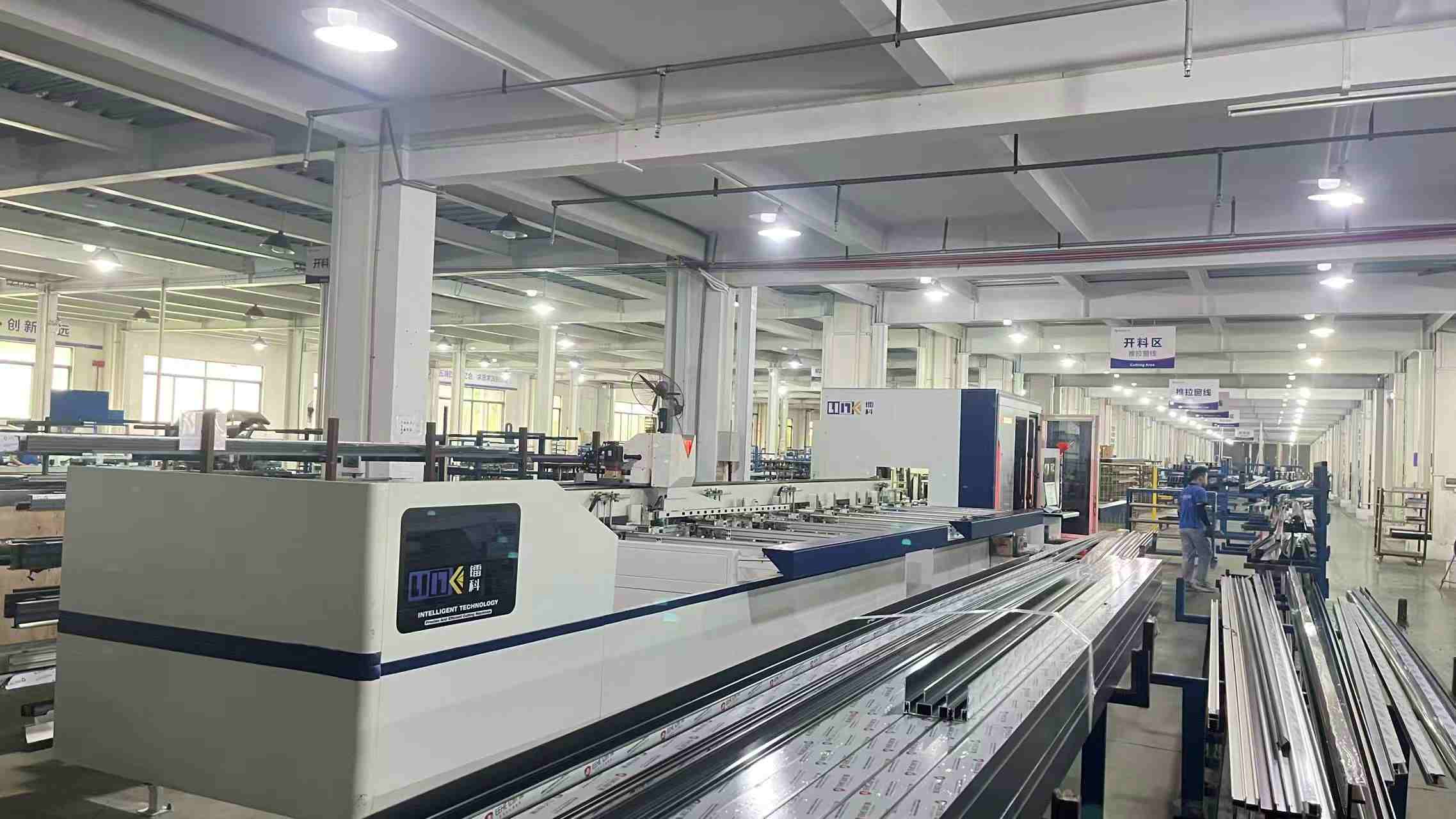
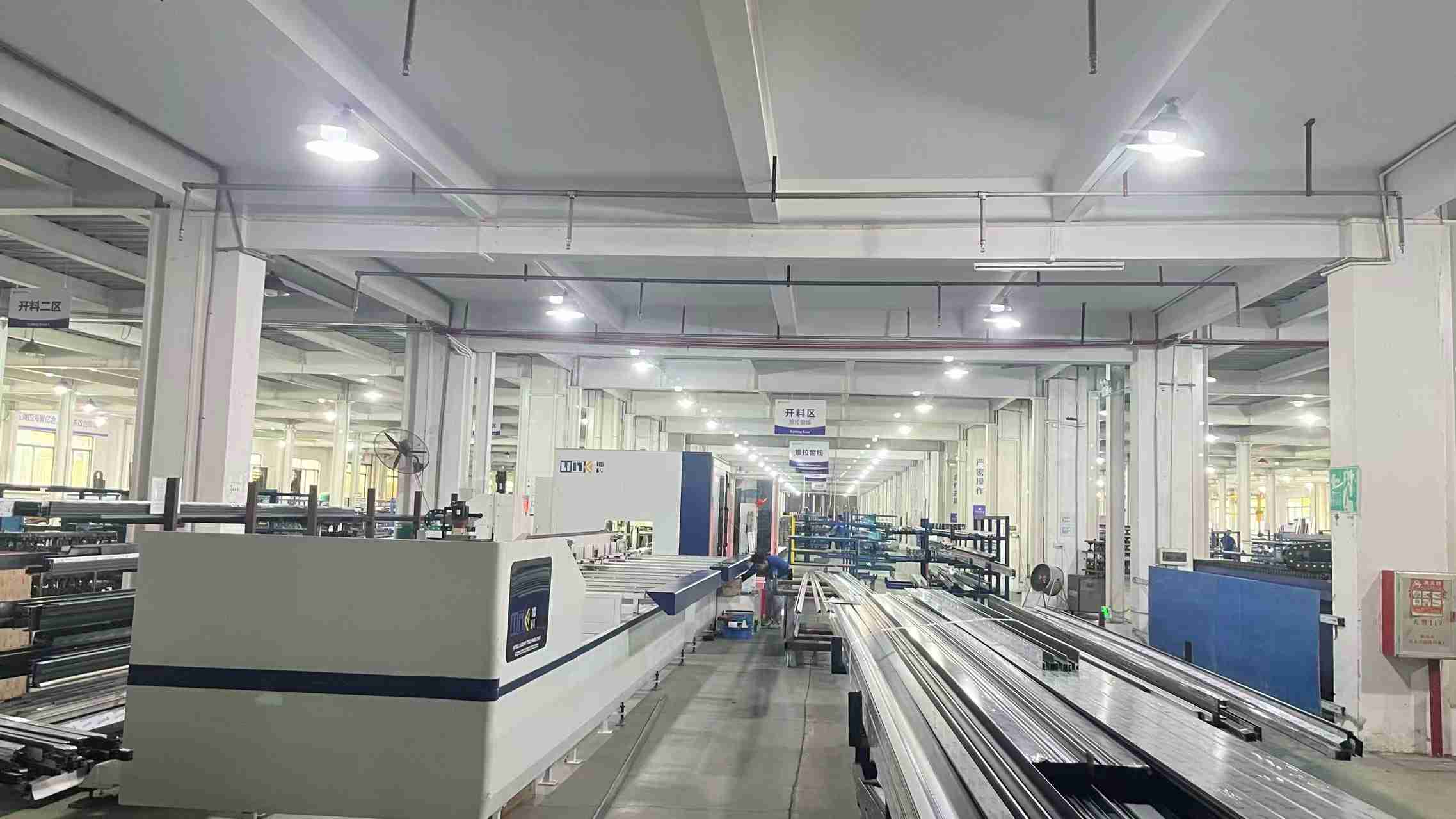
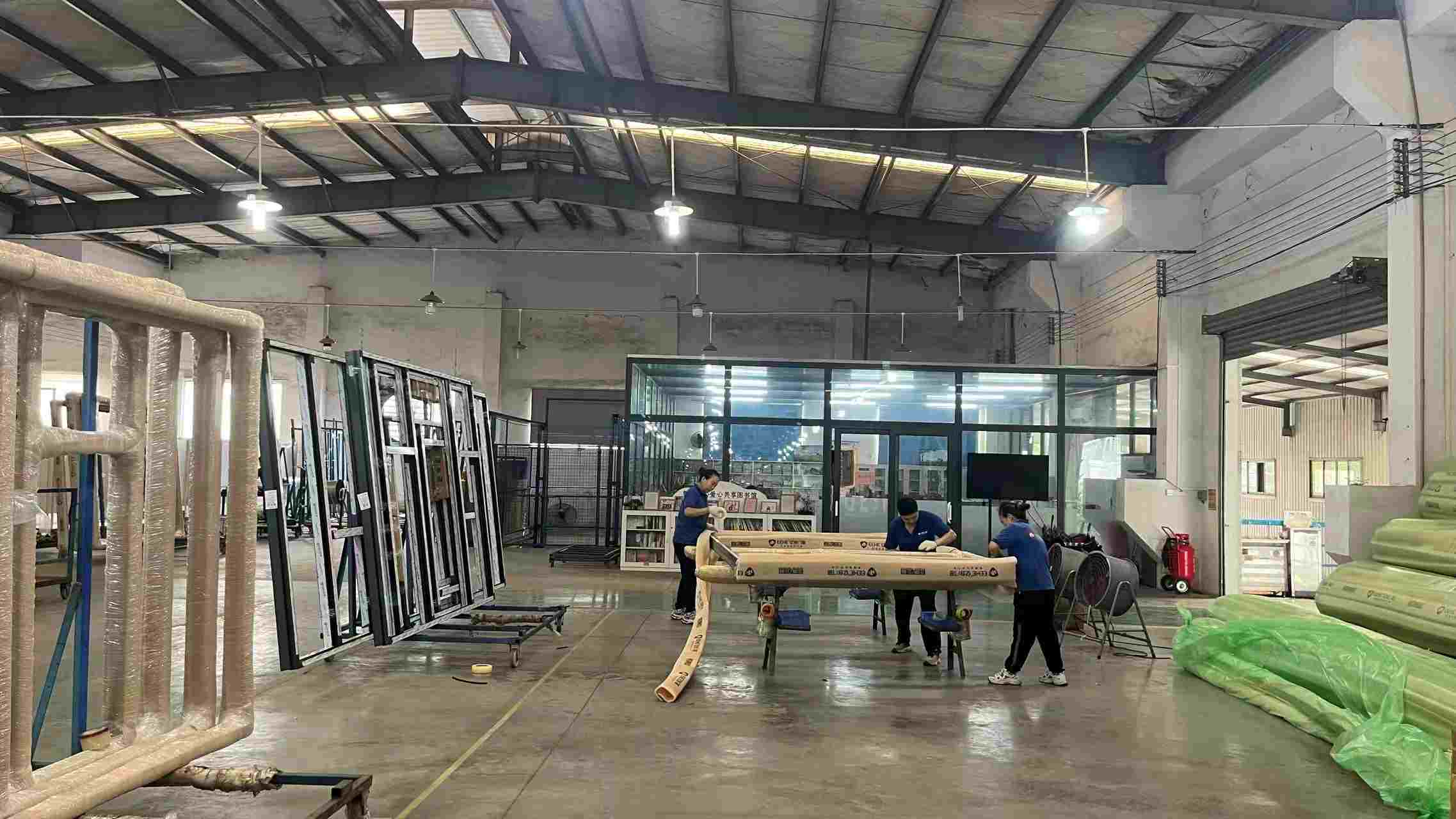
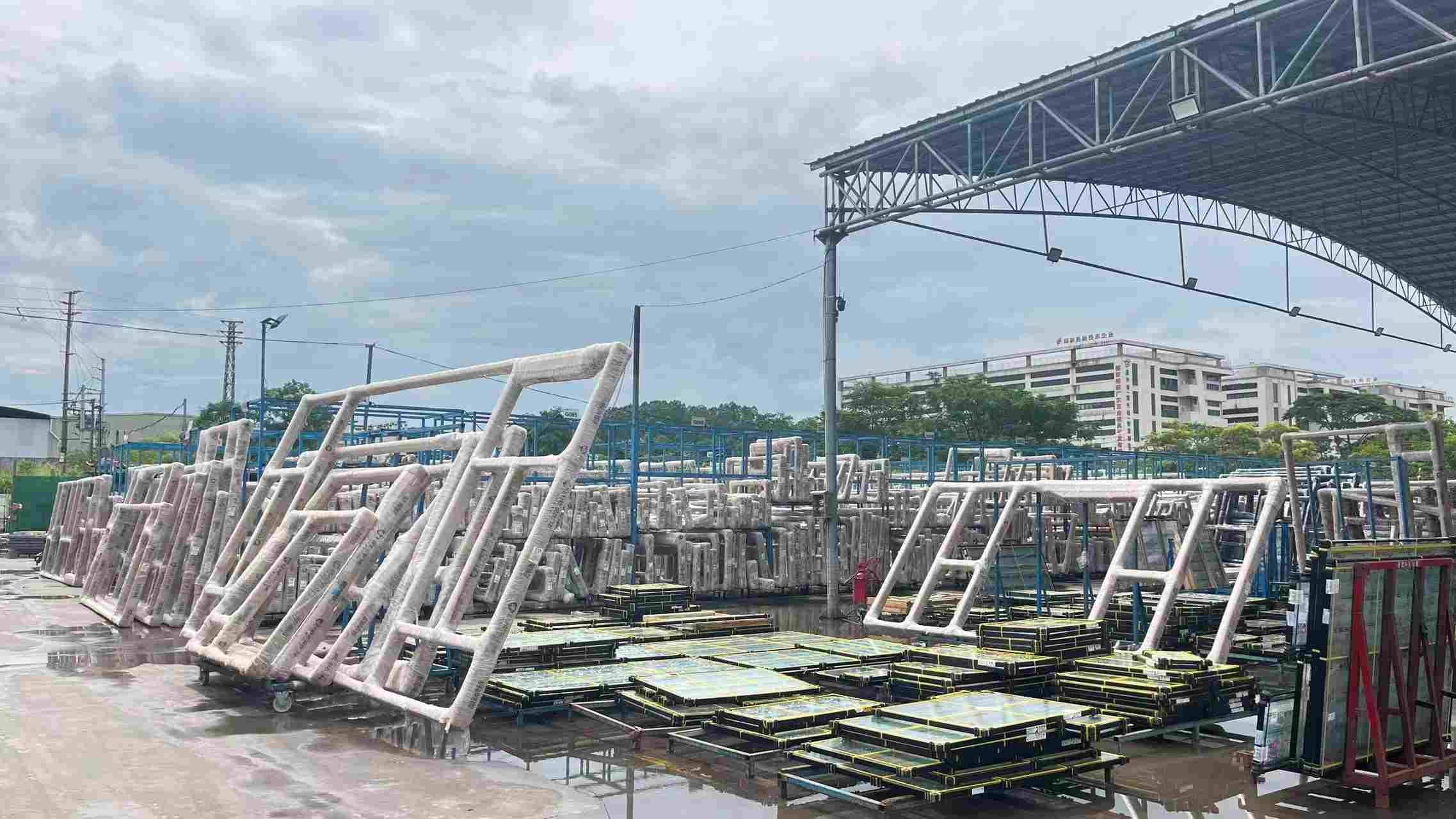
Representing the apex of modern fenestration manufacturing, Steelwar Entry Systems Co., Ltd. operates as a premier benchmark among thermal broken aluminum door exporters. Established in 2003, the enterprise spans a state-of-the-art 40,000 m² smart manufacturing plant specifically engineered for modern architectural entry systems and insulated window assemblies.
With over 21 years of continuous industry experience and 9 years of direct global export capabilities, Steelwar has generated over $35 million in annual export turnover. The company maintains an expansive logistics footprint servicing Tier-1 building material distributors, commercial project developers, and specialized security door stockists across North America, the Middle East, and Eastern Europe.
Steelwar’s operational resilience relies on a robust network of 1,100 vetted supply chain partners, guaranteeing uninterrupted access to premium 6063-T6 aluminum ingots, Technoform Polyamide thermal strips, and world-class hardware solutions (including Sobinco, Siegenia, and Hoppe).
Quality control at Steelwar is governed by an elite team of 50 QC specialists who execute dynamic impact resistance testing, automated laser frame tolerance checks, and acoustic/corrosion-resistant coating audits. The company's engineering innovation is spearheaded by 75 R&D engineers, who launched 230 new product models last year alone. Custom enterprise options include ballistic steel core integrations, multi-point smart biometric locks, customized powder-coated RAL finishes, and bespoke frame profile depths tailored to local wall construction standards.
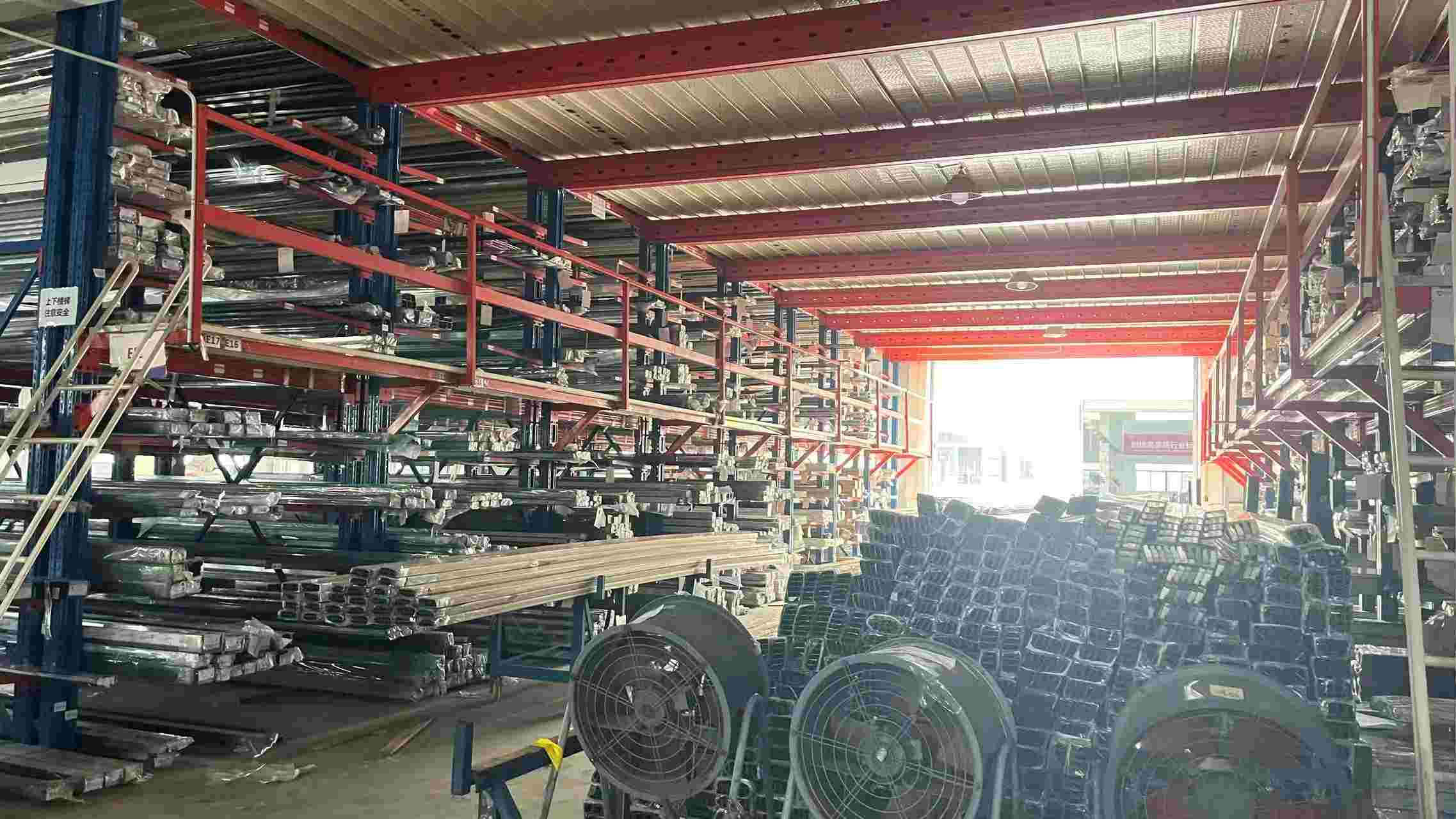
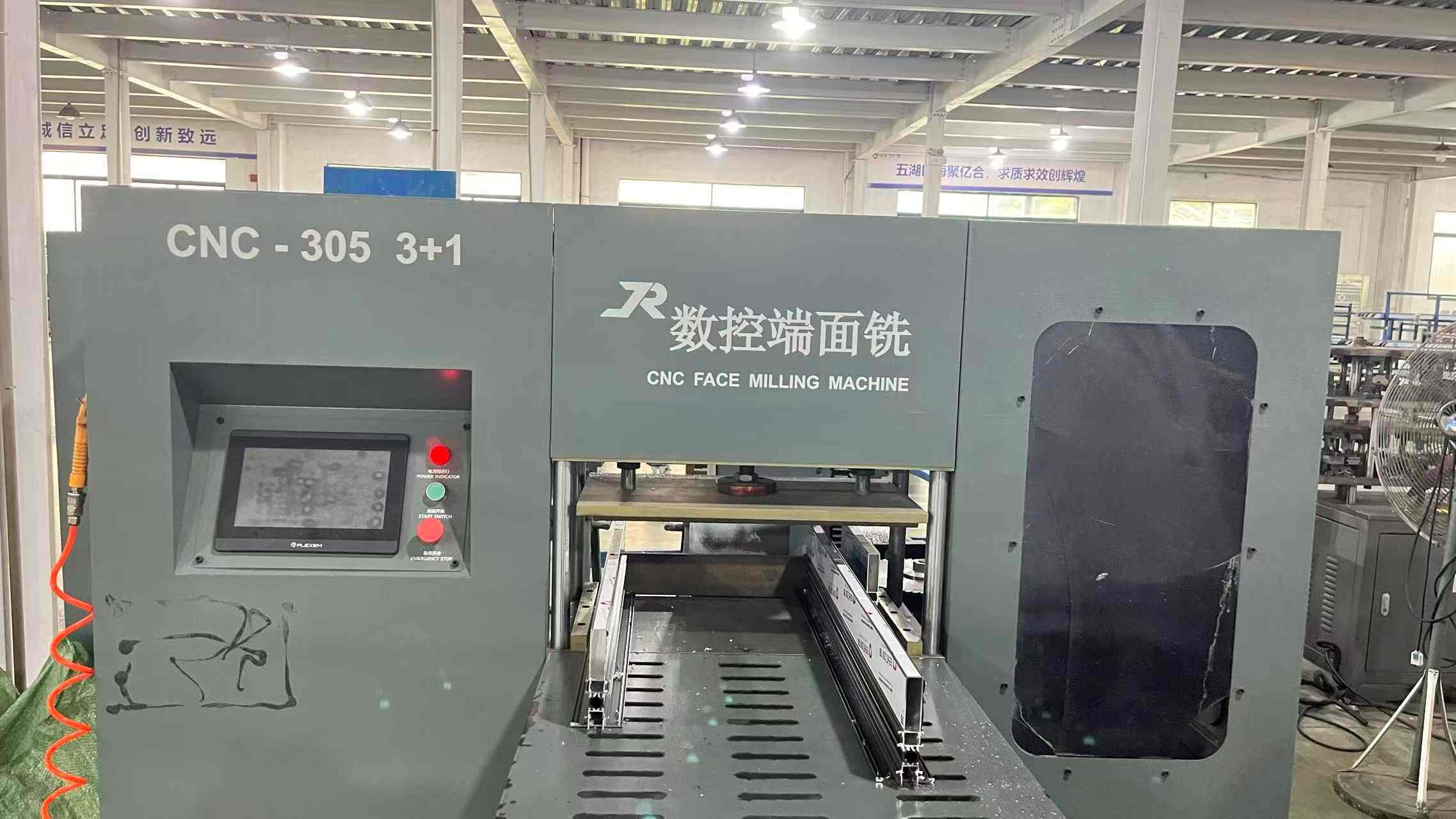
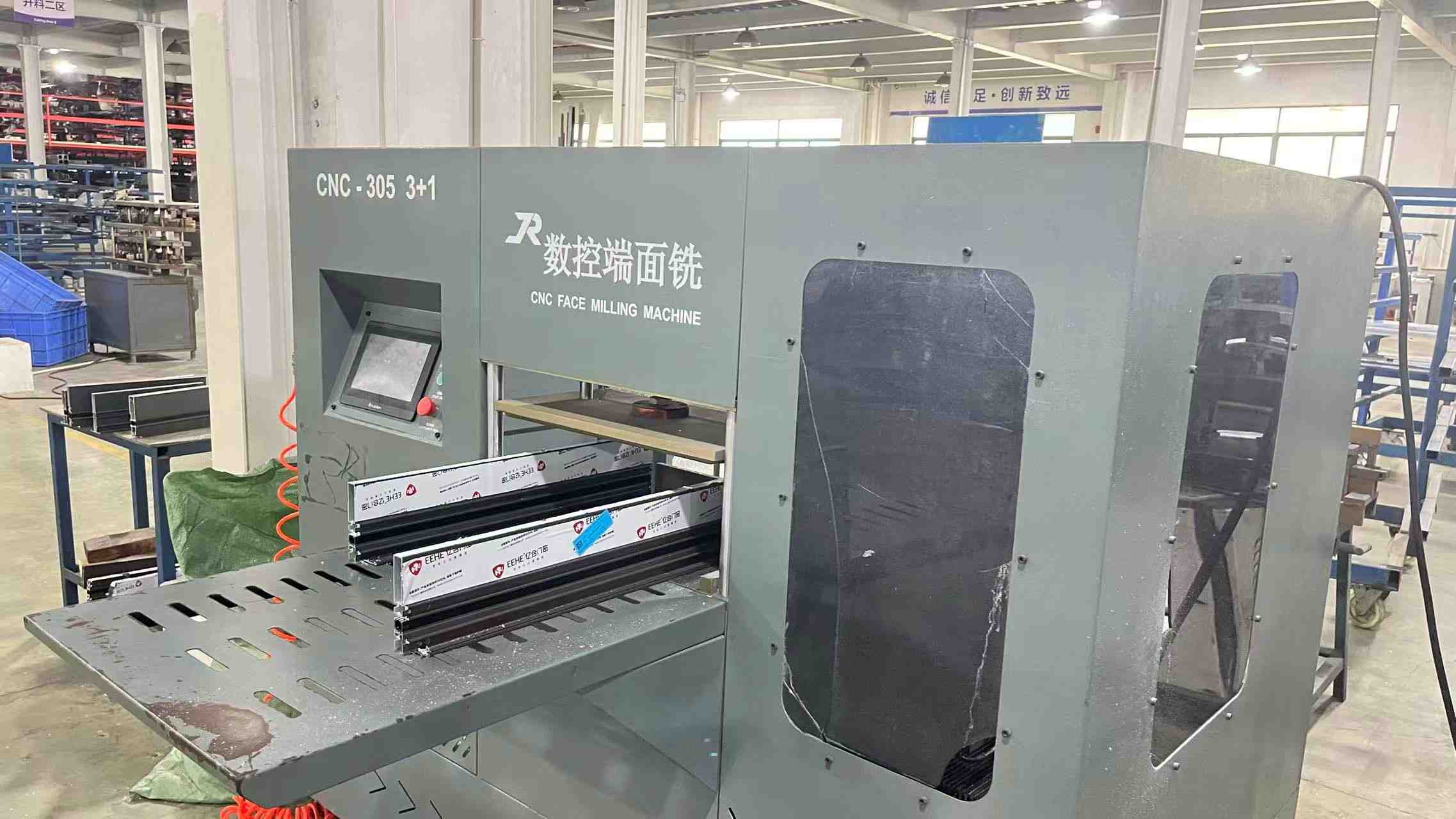
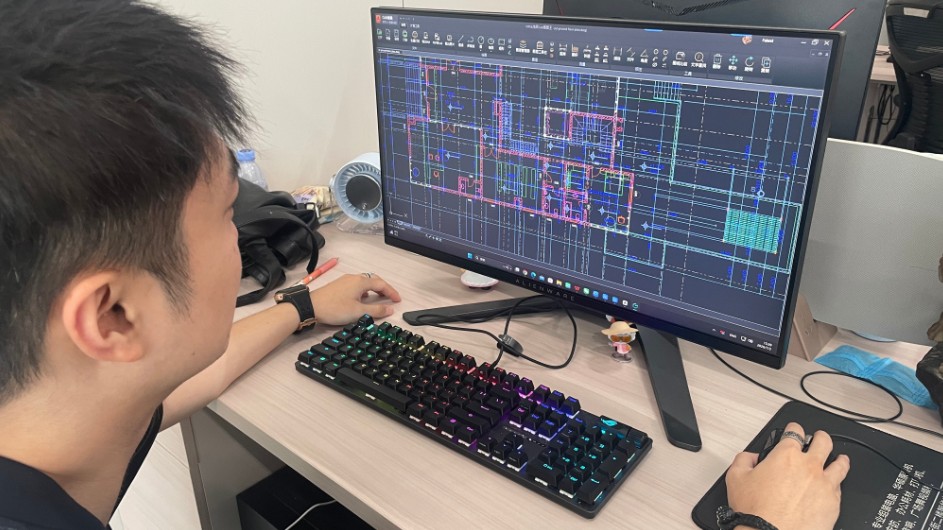
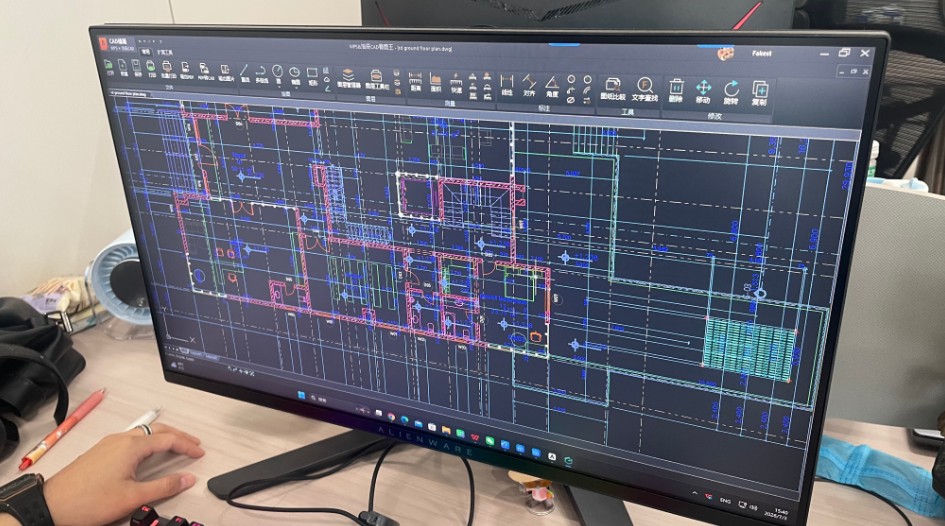
Inside Steelwar's 40,000 m² automated facility: From raw profile extrusion to digital CAD design and final export packaging.
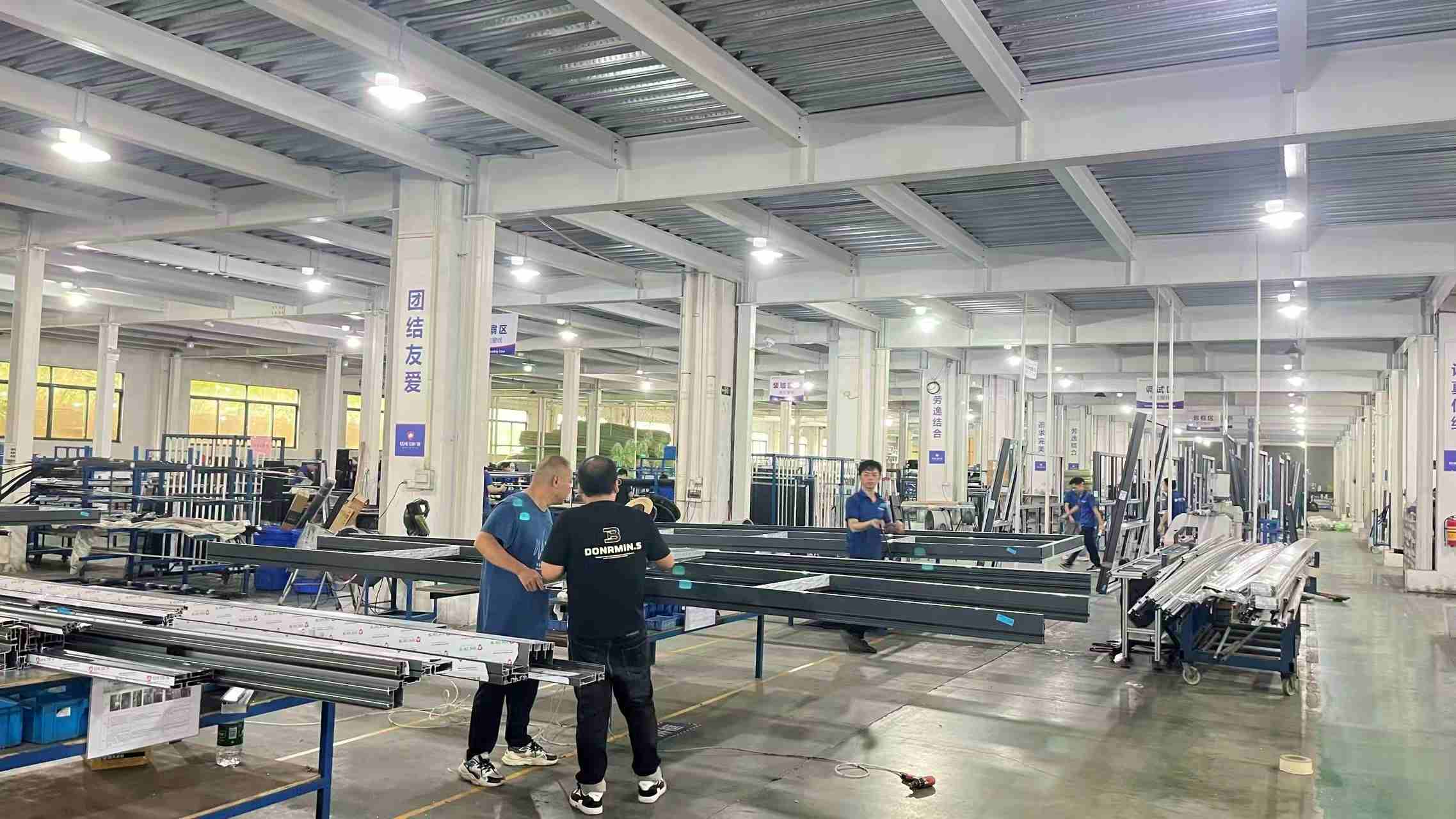
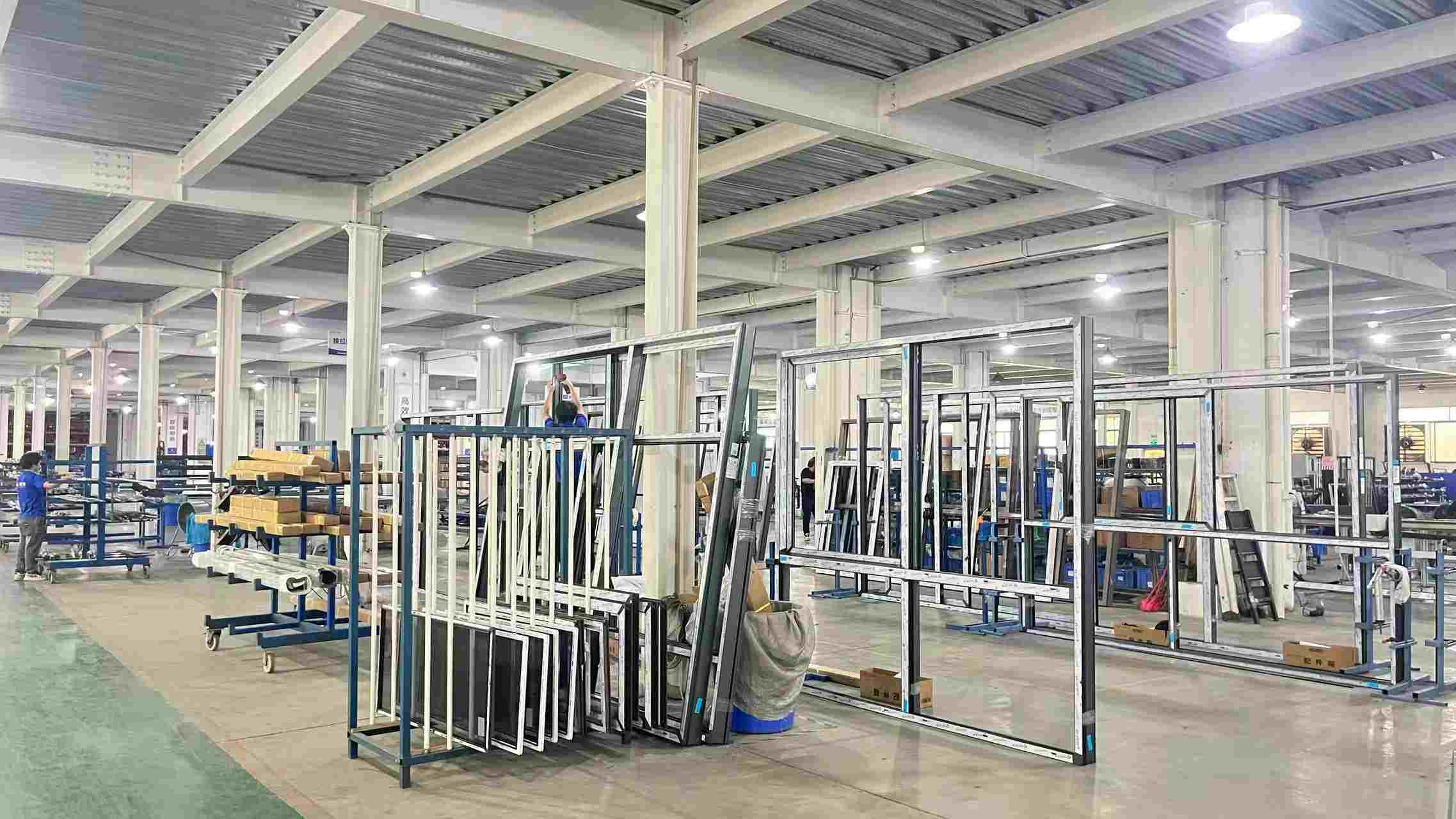
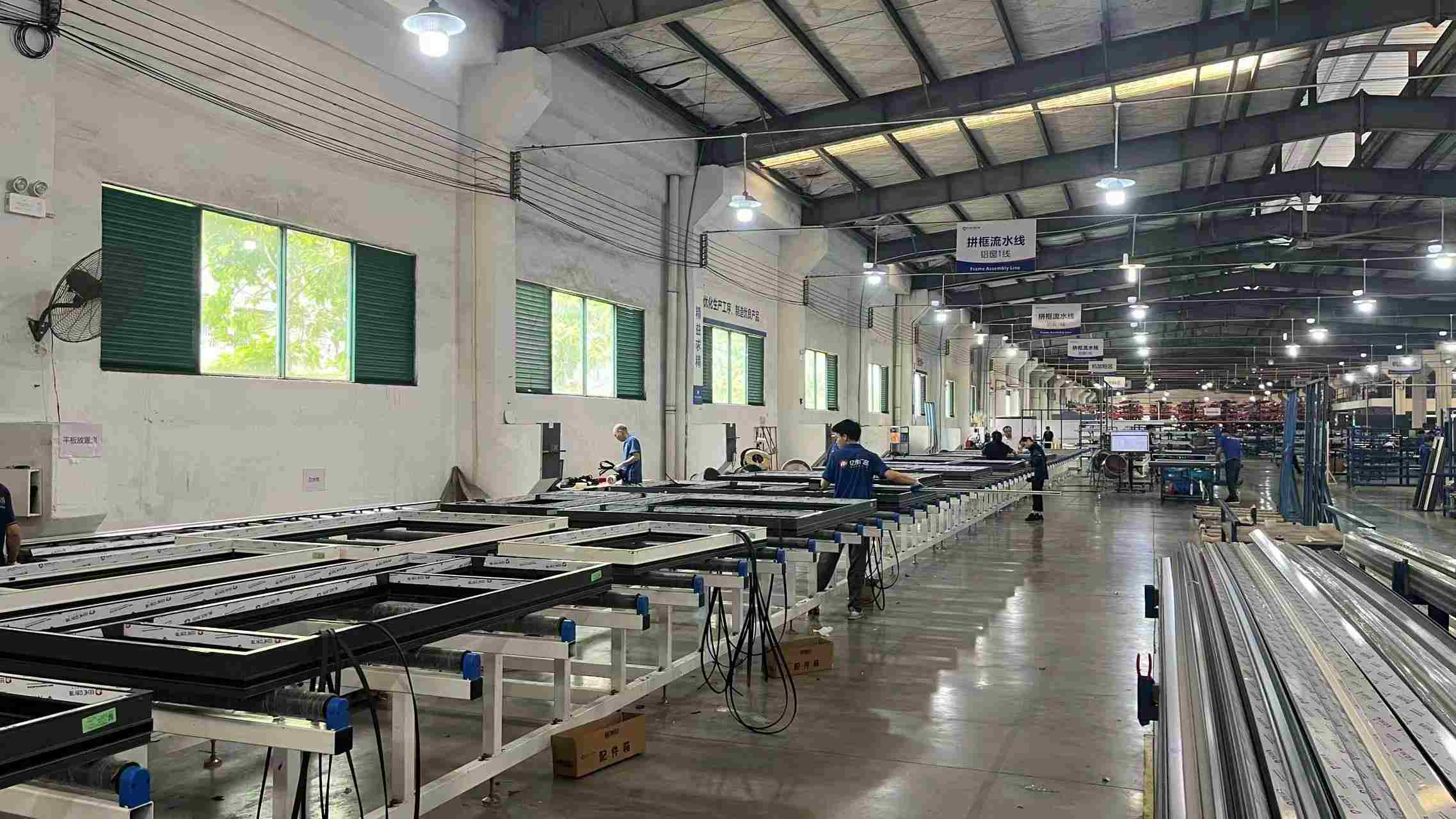
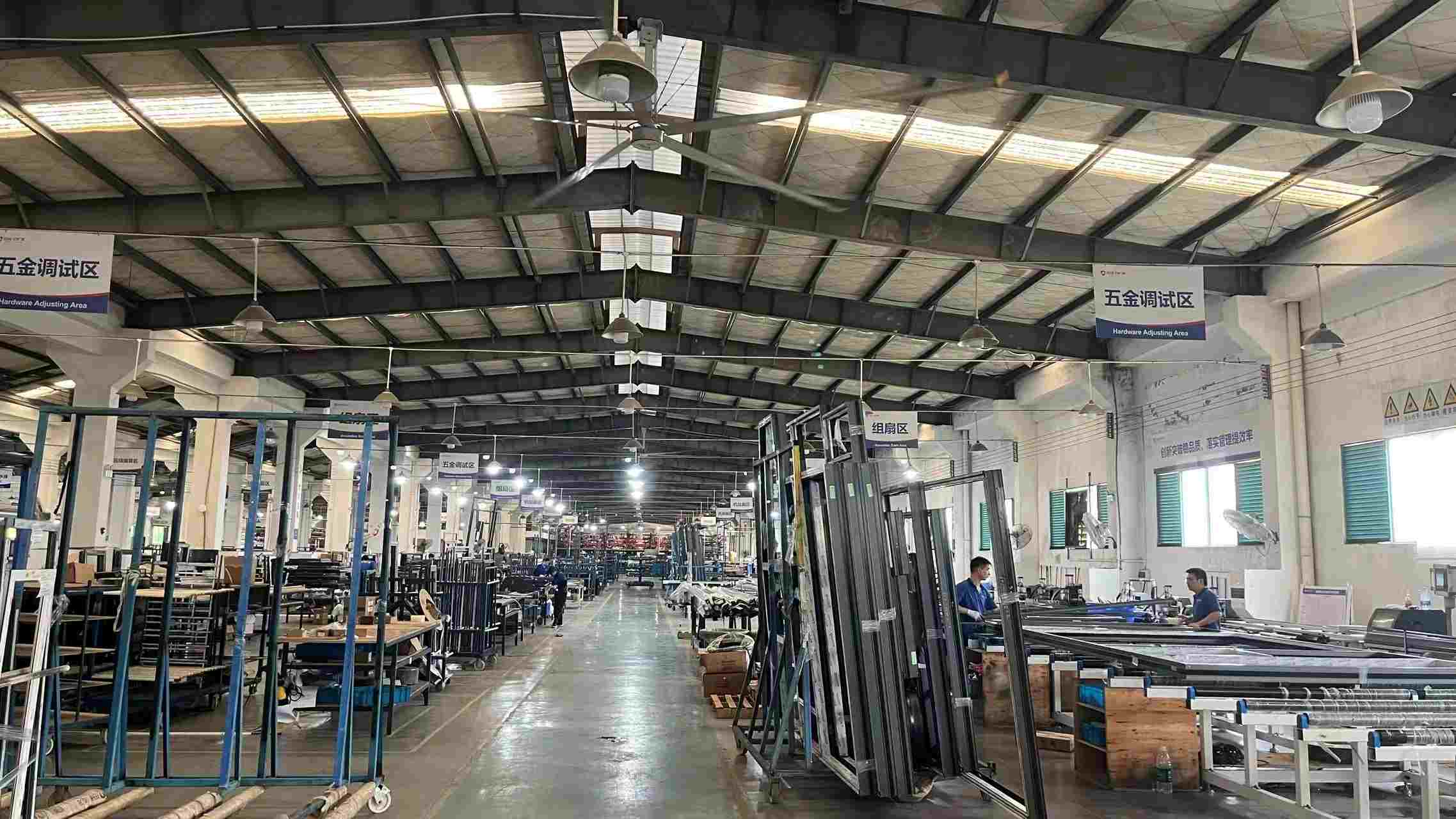
The evolutionary trajectory of thermal insulated aluminum doors is defined by advanced physics and chemical engineering. Traditional aluminum profiles—while structurally robust and highly durable—exhibit elevated thermal conductivity (approx. 160 W/m·K). To combat heat gain in tropical climates and heat loss in sub-zero environments, modern exporters utilize multi-step engineering interventions.
Replacing basic PVC strips, tier-1 manufacturers embed Polyamide 66 reinforced with 25% glass fiber (PA66 GF25). This composite material closely matches the thermal expansion coefficient of aluminum profile walls, preventing internal shear failure under severe thermal cycling (-30°C to +80°C). The multi-cavity design traps stagnant air currents, dramatically reducing convection currents within the profile frame.
For ultra-low energy and Passive House applications, leading exporters are integrating silica aerogel insulation into the polyamide chambers. Aerogels offer thermal conductivities as low as 0.014 W/m·K, enabling ultra-slim profile profiles to achieve thermal insulation values previously reserved for thick timber or composite frames.
Next-generation export assemblies utilize Vacuum Insulated Glass units. By creating a microscopic vacuum space (0.1mm) sealed between two glass panes, conductive and convective heat transfers are virtually eliminated. Combined with triple-layer silver Low-E coatings, solar heat gain coefficients (SHGC) can be customized from 0.22 to 0.65 depending on climate zone requirements.
The future of thermal entry systems involves active energy management. Dynamic electrochromic glass allows building occupants to electrically alter solar tint via IoT controllers or smart home automation. Furthermore, Building-Integrated Photovoltaics (BIPV) are being incorporated into door sidelights to turn glass entry facades into clean energy micro-generators.
| Thermal Technology Level | Typical Profile U-Factor (W/m²K) | Glazing Configuration | Primary Commercial Application |
|---|---|---|---|
| Standard Non-Thermal Break | > 5.8 W/m²K | Single Tempered (6mm) | Internal Partitions / Mild Interior Climates |
| Standard Thermal Break (PA66 14mm) | 2.2 – 2.8 W/m²K | Double Low-E Argon (6+12Ar+6) | Standard Residential / Commercial Retail |
| Advanced Multi-Cavity (PA66 24-34mm) | 1.2 – 1.8 W/m²K | Triple Low-E Argon (5+14Ar+5+14Ar+5) | High-Performance High-Rise & Villas |
| Passive House Ultra-Insulated (Aerogel/VIG) | ≤ 0.80 W/m²K | Vacuum Insulated + Triple Soft-Coat Low-E | Zero-Carbon Architecture & Extreme Climates |
Enterprise buyers require specialized hardware and structural thermal configurations engineered for specific macro-environmental threats and architectural applications.
Commercial facades experience extreme differential pressure and wind shear. Modern thermal entry doors utilize pressure-equalized drainage tracks, structural silicone glazing (SSG), and continuous EPDM gasket loops to prevent air infiltration under differential wind pressures exceeding 4000 Pa.
Coastal developments require intense salt-spray resistance and impact toughness. Top thermal broken exporter designs incorporate heavy-gage aluminum alloys treated with PVDF fluorocarbon coatings (AAMA 2605 compliant) and laminated impact glass rated to withstand missile level D impact testing (ASTM E1996).
In sub-arctic regions, internal condensation leads to structural timber rot and interior mold. Thermally broken aluminum entry systems utilize dual-sweeping drop seals, foam-filled frame cores, and low thermal conductivity threshold breaks to prevent frost line creep and interior sweat.
A primary bottleneck for procurement officers importing fenestration products is cross-border code compliance. Premier Chinese exporters such as Steelwar maintain dedicated engineering departments fluent in international building codes.
Thermal broken entry systems exported to the USA and Canada require strict adherence to NFRC (National Fenestration Rating Council) protocols for U-Factor, Solar Heat Gain Coefficient (SHGC), and Visible Transmittance (VT). Additionally, systems intended for California must meet strict Title 24 Building Energy Efficiency Standards, while coastal regions demand Florida Product Approvals (FPA) and Miami-Dade NOA certifications for windborne debris resistance.
Exporting to Australia and New Zealand mandates structural compliance with AS2047 (Windows and External Glazed Doors in Buildings) and glass selection governed by AS1288. Products undergo mechanical deflection testing, air infiltration testing (AS4420.4), and water penetration resistance testing (AS4420.5) up to extreme ultimate limit state (ULS) pressures.
Global architectural distributors require tailor-made product offerings to match regional aesthetics and security standards. Premier exporters provide comprehensive enterprise support:
Engineered for structural durability, optimal thermal comfort, and modern architectural aesthetics.
Technical, logistical, and compliance insights for commercial building material buyers and enterprise importers.
A standard aluminum door features a continuous metal frame. Because aluminum is a highly conductive material, thermal energy easily transfers across the profile, causing extreme heat loss in winter, heat gain in summer, and interior condensation. A thermally broken aluminum door incorporates a low-conductive reinforced Polyamide (PA66 GF25) barrier physically separating the interior and exterior extruded aluminum profiles. This structural thermal break disrupts energy conduction, achieving up to 60% lower overall system U-Factors.
Steelwar employs a dedicated staff of 50 Quality Control (QC) specialists operating across our 40,000 m² plant. Quality protocols include incoming spectro-analysis of raw 6063 aluminum ingots, automated laser-guided profile cutting tolerance checks (within ±0.2mm), dynamic structural corner crimping audits, pressurized air/water tightness chamber testing, and 100% surface coating audits prior to export wrapping.
Yes. Custom engineered thermal systems can be specified with heavy-gage structural extruded aluminum framing combined with laminated impact glass interlayers (PVB or SGP). These assemblies undergo rigorous missile impact testing (ASTM E1886/E1996) and cyclic wind pressure loading to satisfy Florida Product Approval and coastal HVHZ construction standards.
With 75 dedicated R&D engineers, Steelwar offers total OEM/ODM flexibility: custom profile die extrusion, specialized frame depths, integrated ballistic steel cores for high-security applications, customized powder-coated RAL color matching, dual-color extrusion (interior color matching room decor, exterior matching facade), and factory routing for smart biometric locks.
While thermally broken aluminum assemblies require a higher initial capital expenditure compared to non-thermal profiles, they reduce building operational energy loads by 20% to 40%. The resulting reduction in commercial HVAC tonnage requirements, combined with ongoing utility bill savings, typically yields complete financial payback within 3 to 5 years, while significantly boosting overall building asset valuation and LEED energy credits.
 Steelwar