Precision-engineered impact-resistant entry doors, smart lock architectural integrations, and high-performance building envelope components engineered for international compliance.
A comprehensive market overview on how mechanical structural integrity is merging with IoT biometric control systems across North American, European, and Middle Eastern construction markets.
The commercial and residential entry door manufacturing landscape is undergoing a structural paradigm shift. Traditionally, exterior entry doors were evaluated predominantly on physical resistance, structural U-factors, frame rigidity, and mechanical keyway tumbler designs. However, the convergence of building automation, IoT protocols (Matter, Zigbee 3.0, Z-Wave), and biometric authentication has elevated the smart lock entry door from a niche luxury to an essential commercial standard.
Global developers, architectural specifiers, and high-security stockists now demand fully integrated entry systems where the multi-point locking hardware, electro-mechanical actuators, and digital access control units are factory-engineered into thermal-break aluminum profiles, reinforced steel cores, or impact-resistant glass assemblies.
B2B importers and project contractors face dynamic compliance environments. Key macroeconomic growth factors driving the procurement of smart lock entry doors include:
Deconstructing the hardware-software integration, structural core integrity, and electrical safety standards of modern industrial smart doors.
Leading smart lock entry doors incorporate multi-factor authentication modules embedded directly into the door sash or jamb. Technologies include 3D Structured Light Facial Recognition, semiconductor capacitive fingerprint scanning (FAR < 0.001%), and Ultra-Wideband (UWB) hands-free proximity sensor arrays.
Physical security relies on motorized multi-point locking hardware. Unlike single-latch residential locks, industrial entry systems engage 3 to 5 stainless steel hook bolts into reinforced strike plates upon closure, delivering RC3/RC4 burglar resistance under EN 1627 benchmarks.
To eliminate failure during grid blackouts, high-grade smart doors utilize dual-power circuits backed by integrated lithium-ion emergency batteries, solar trickle charges, and mechanical key overrides. Frames feature polyamide thermal breaks preventing condensation and thermal transfer.
| Performance Criteria | Standard Commercial Smart Door | Industrial High-Security Smart Door (Steelwar Grade) | Evaluation & Testing Standard |
|---|---|---|---|
| Structural Core Frame | Single-Chamber Aluminum / Hollow Core | Multi-Chamber Thermal Break / Ballistic Steel Core | ASTM E330 / EN 12210 |
| Locking Mechanism | Single Deadbolt Motorized Latch | 5-Point Automatic Stainless Steel Hook Mortise | EN 12209 Class 7 / UL 1034 |
| Impact Resistance | Standard Tempered Glass (Non-Impact) | HVHZ Double/Triple PVB Laminated Glass | Miami-Dade TAS 201/202/203, FPA NOA |
| Biometric Encryption | 2D Optical Sensor / Unencrypted Local Flash | 3D Financial-Grade Face ID + AES-256 HSM Chip | FIPS 140-2 Level 3 Certification |
| Thermal Insulation (U-Factor) | U-Factor ≥ 0.45 BTU/hr·ft²·°F | Ultra-Low U-Factor ≤ 0.18 BTU/hr·ft²·°F | NFRC 100/200 / Energy Star Certified |
With 21 years of continuous manufacturing excellence and deep supply chain infrastructure, Steelwar stands as a global benchmark for OEM/ODM high-security smart door engineering.
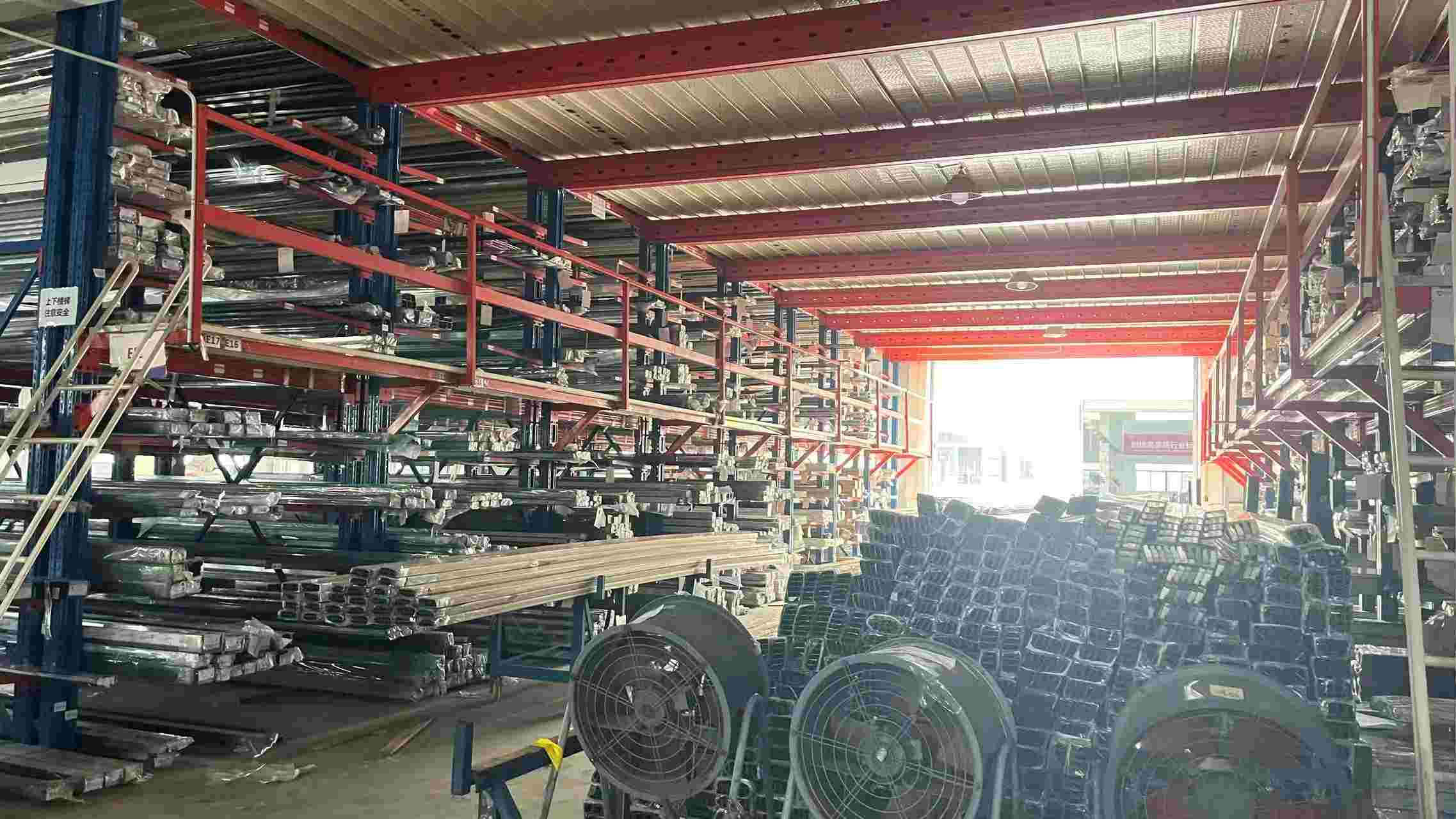
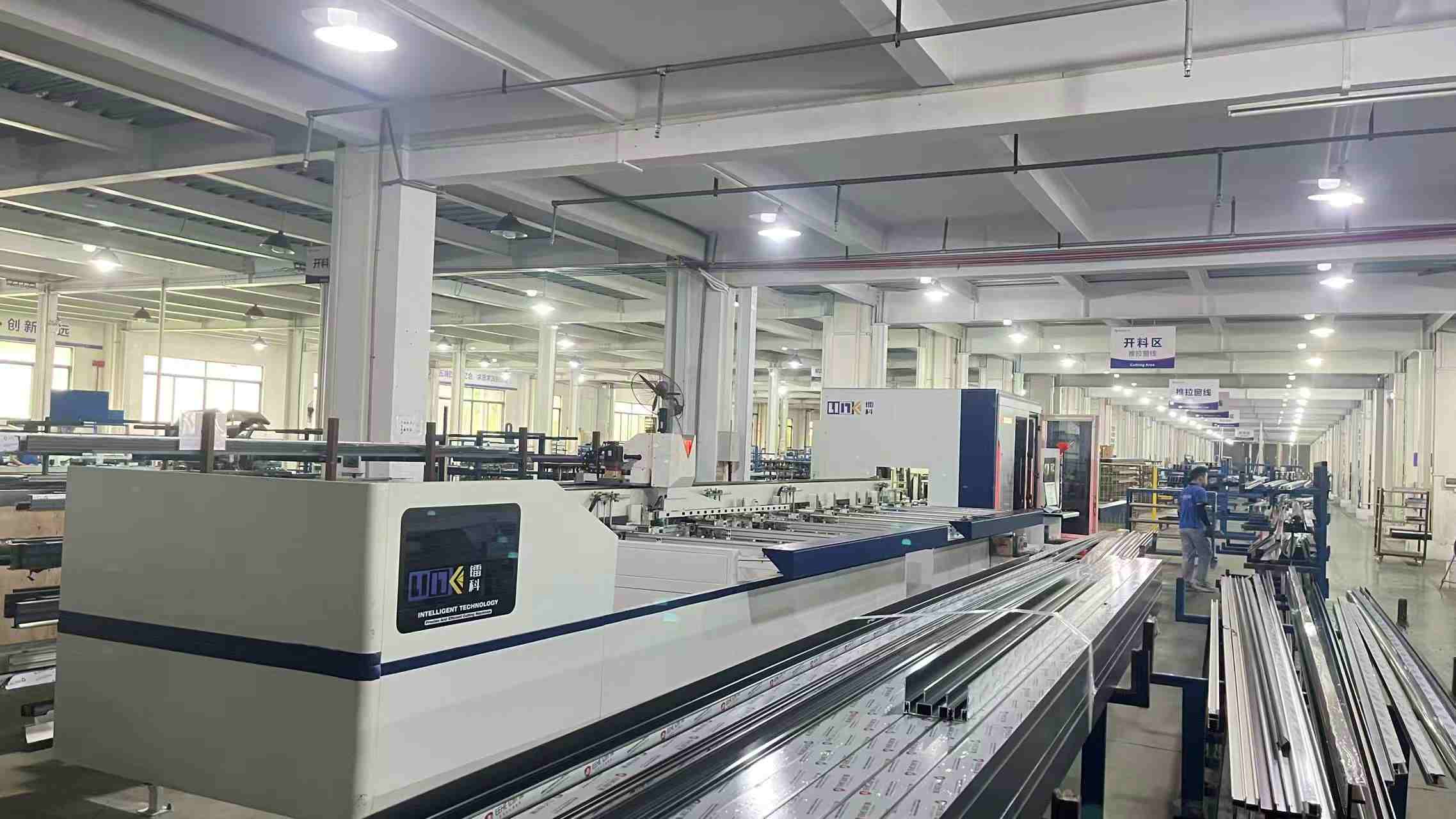
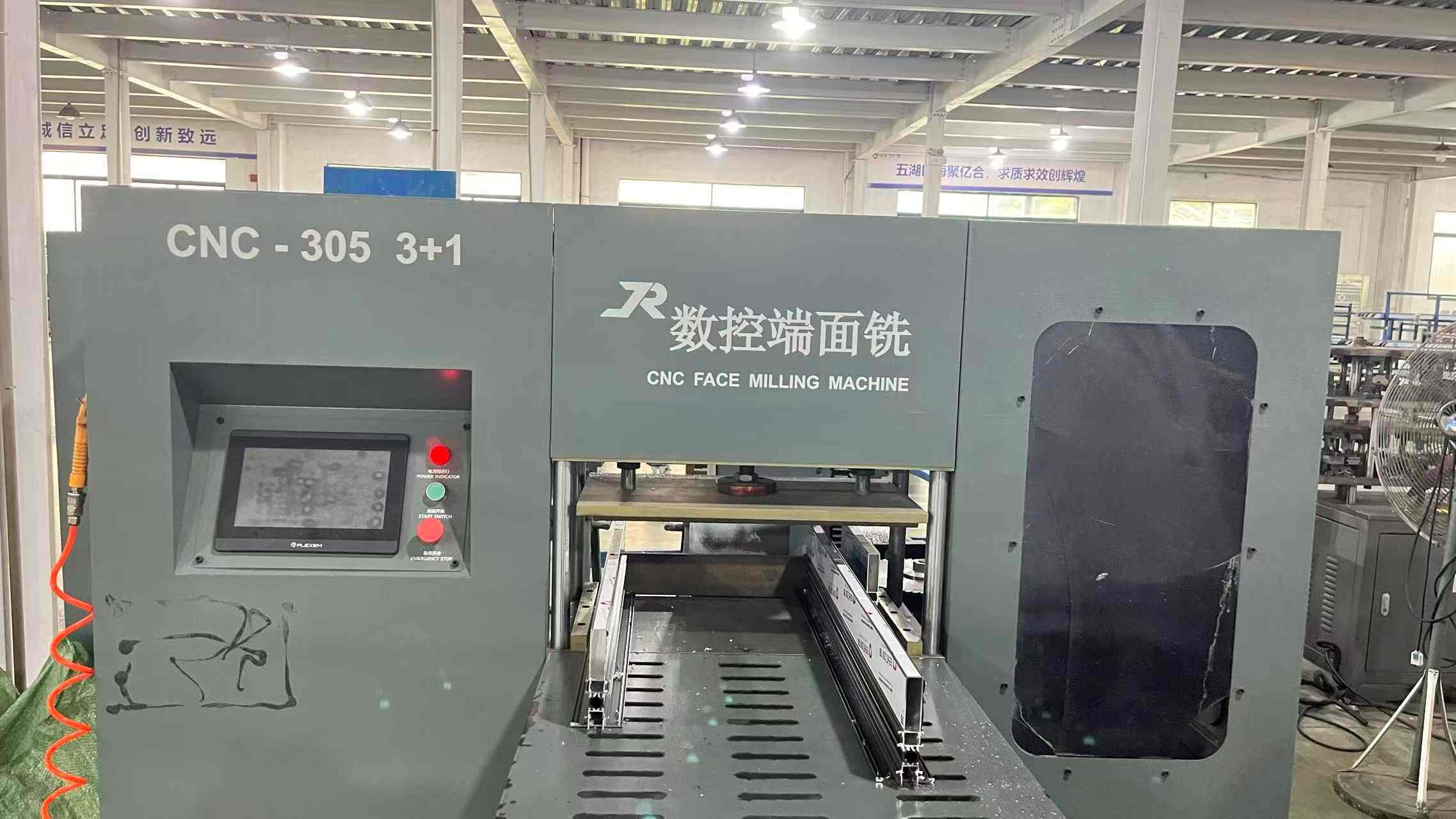
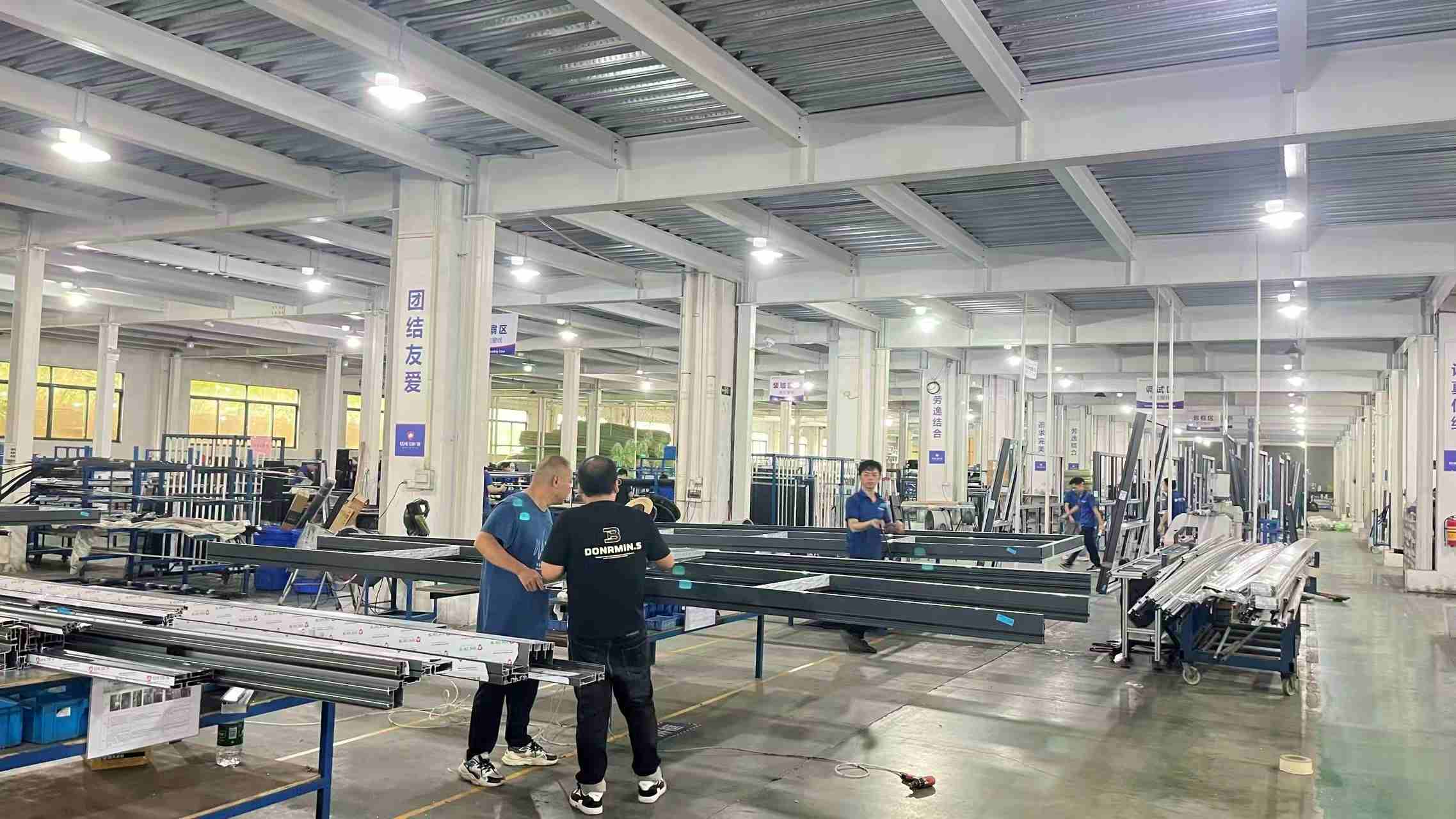
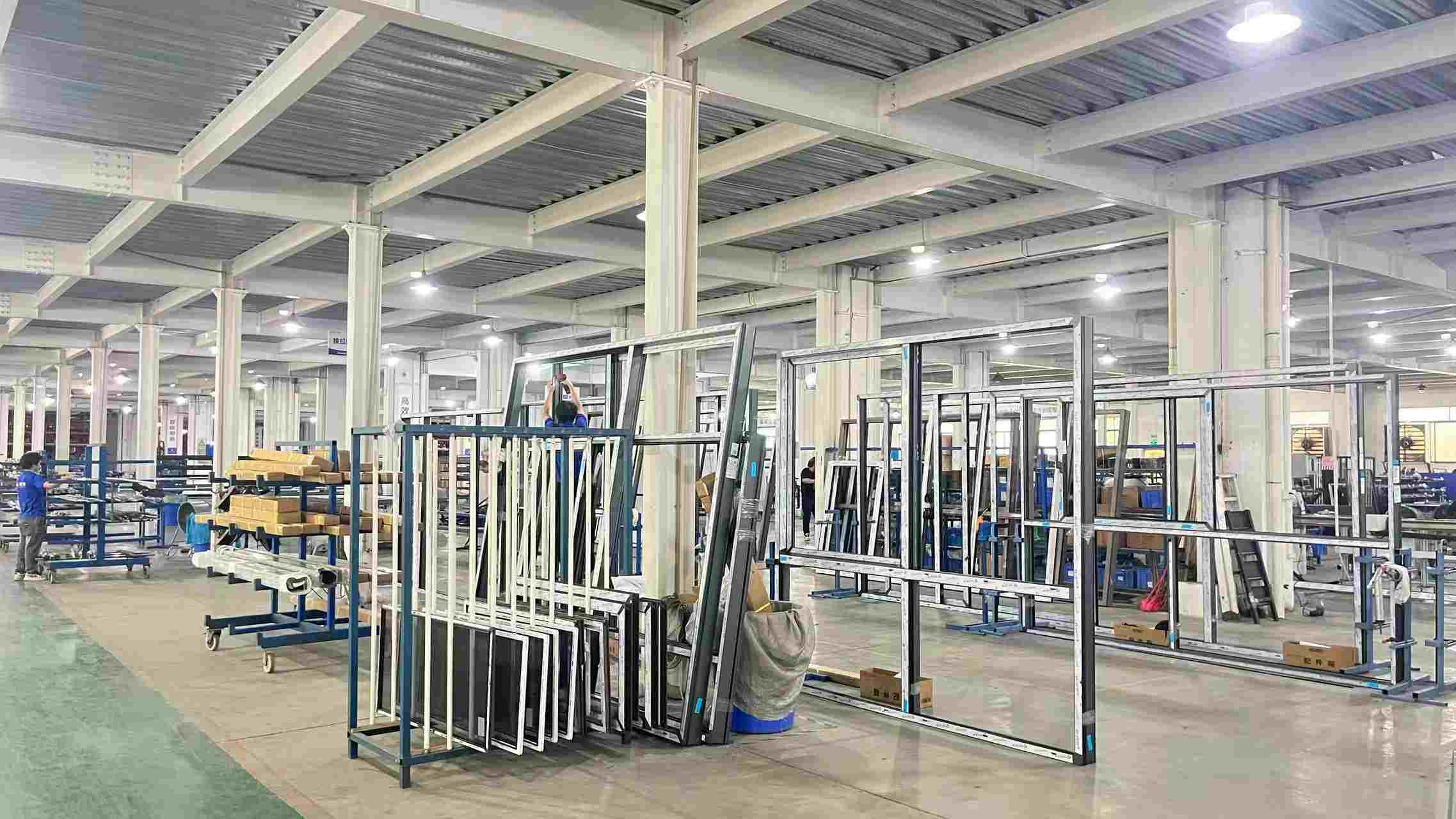
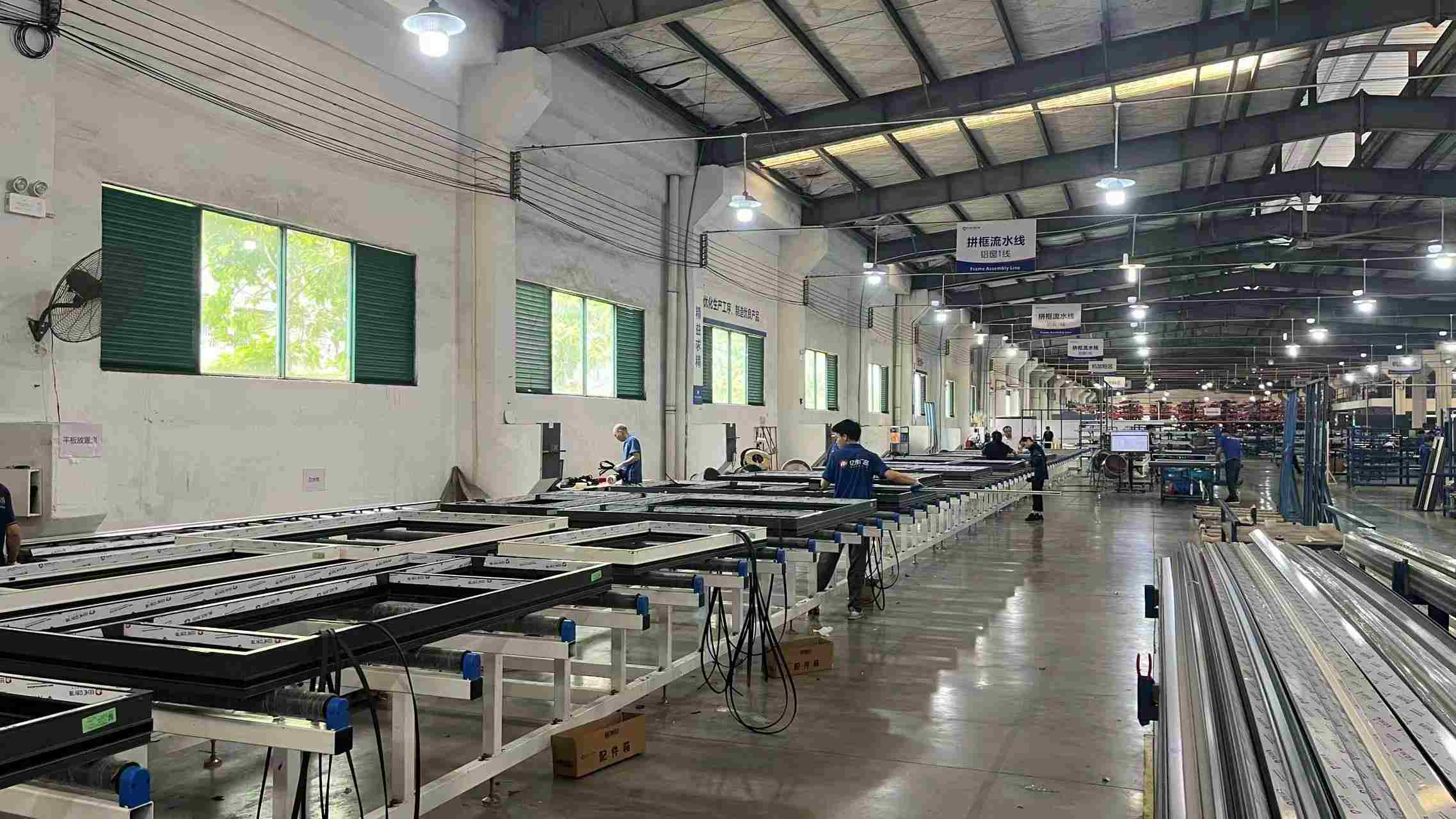
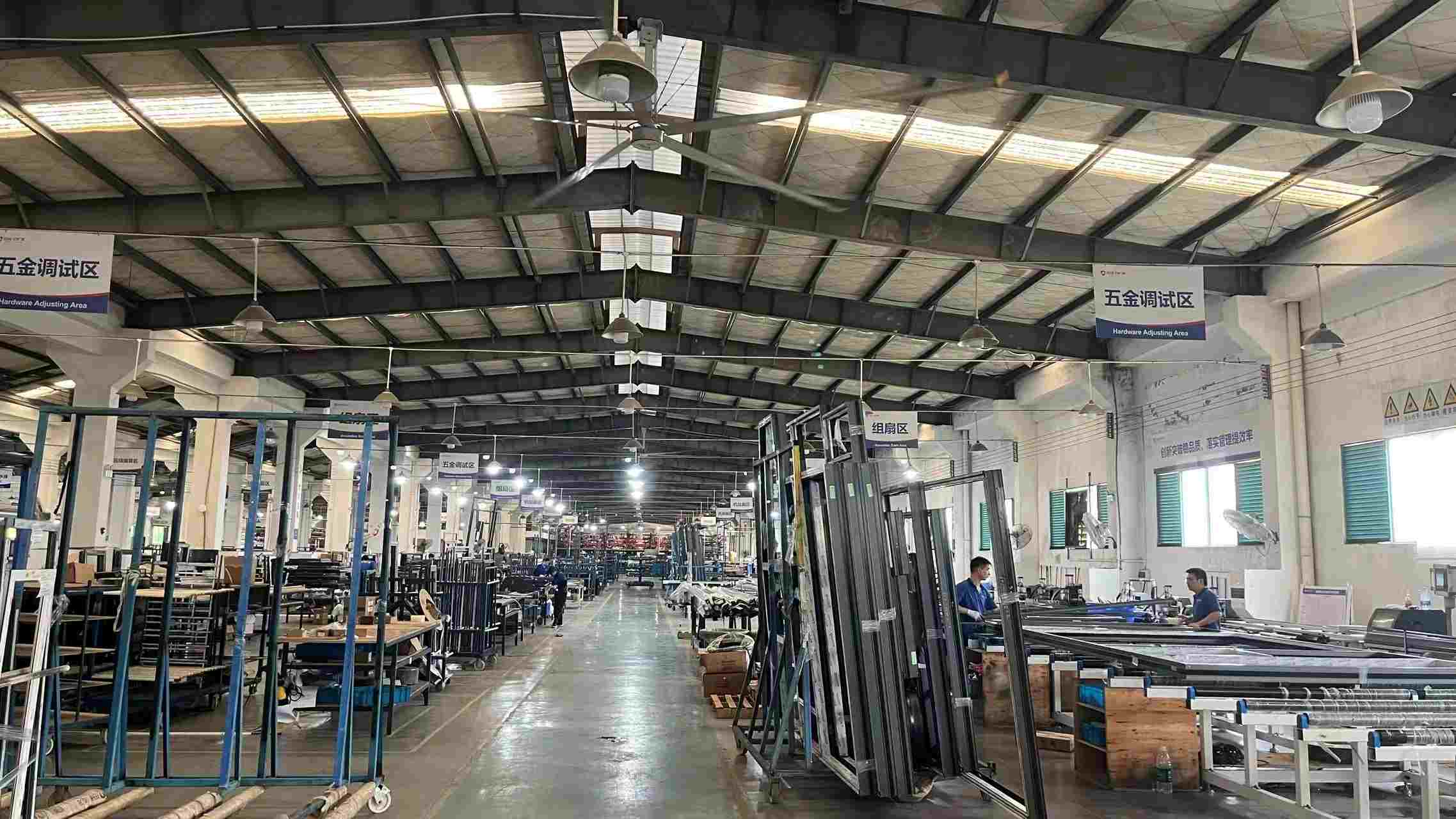
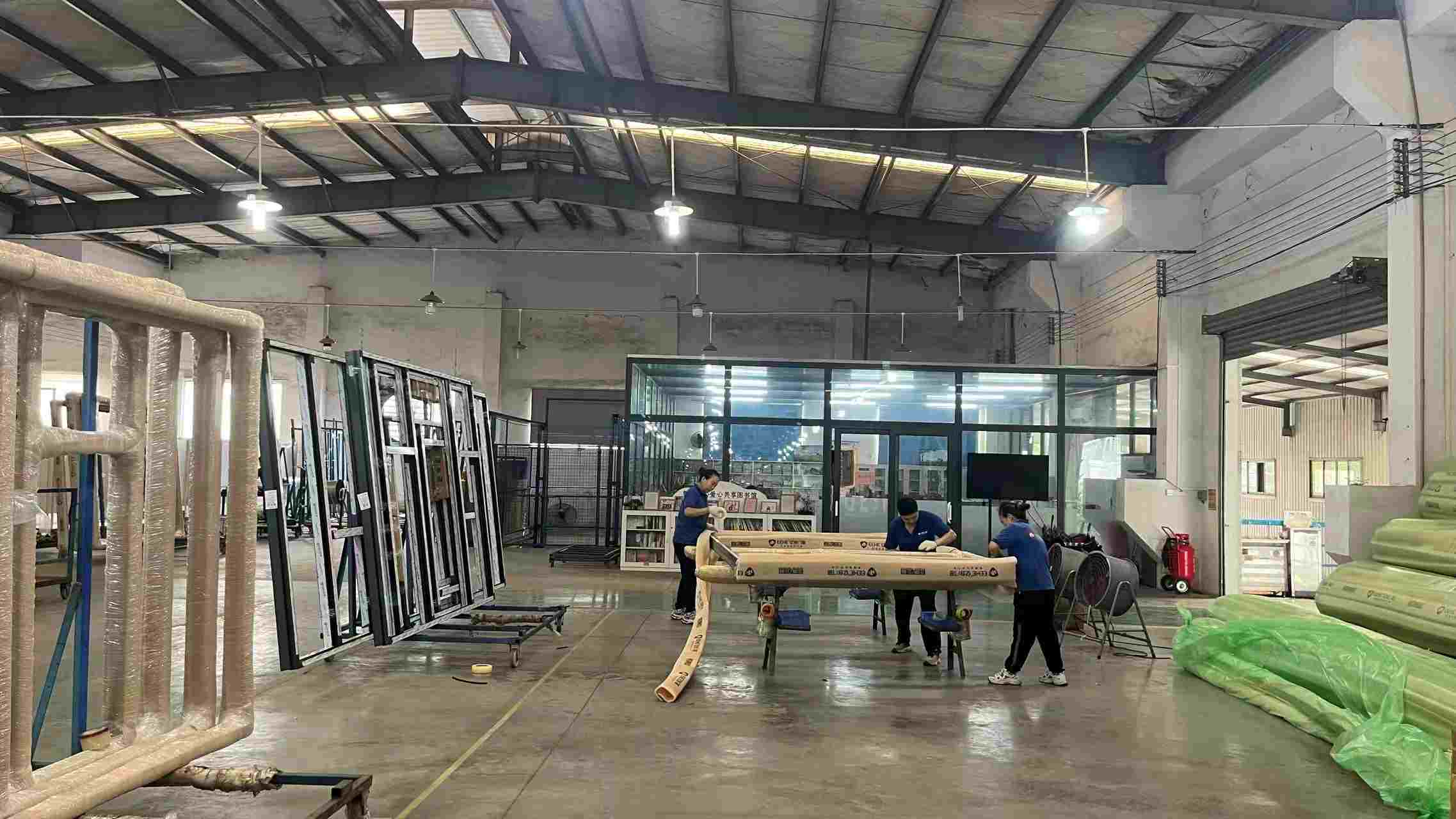
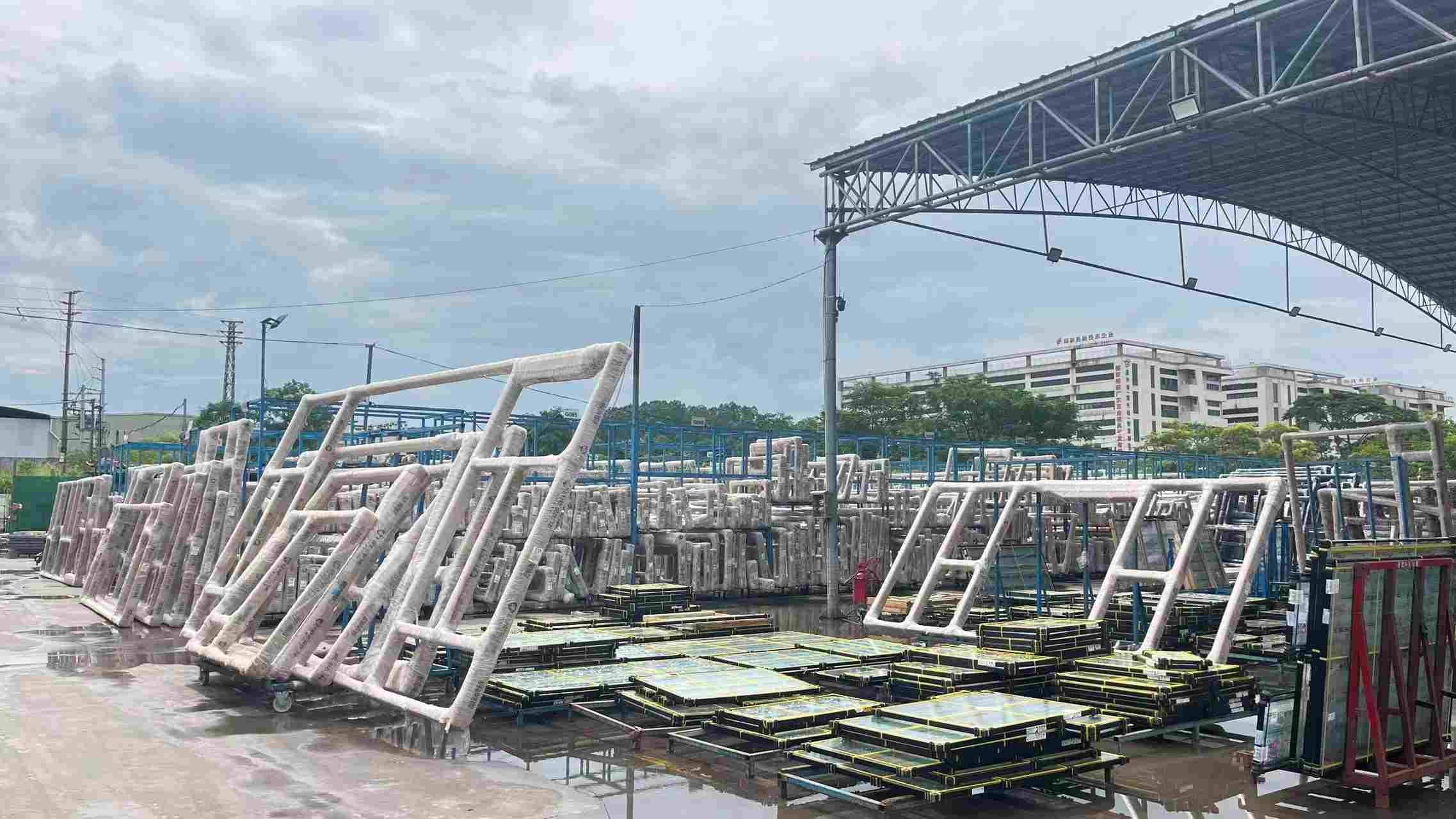
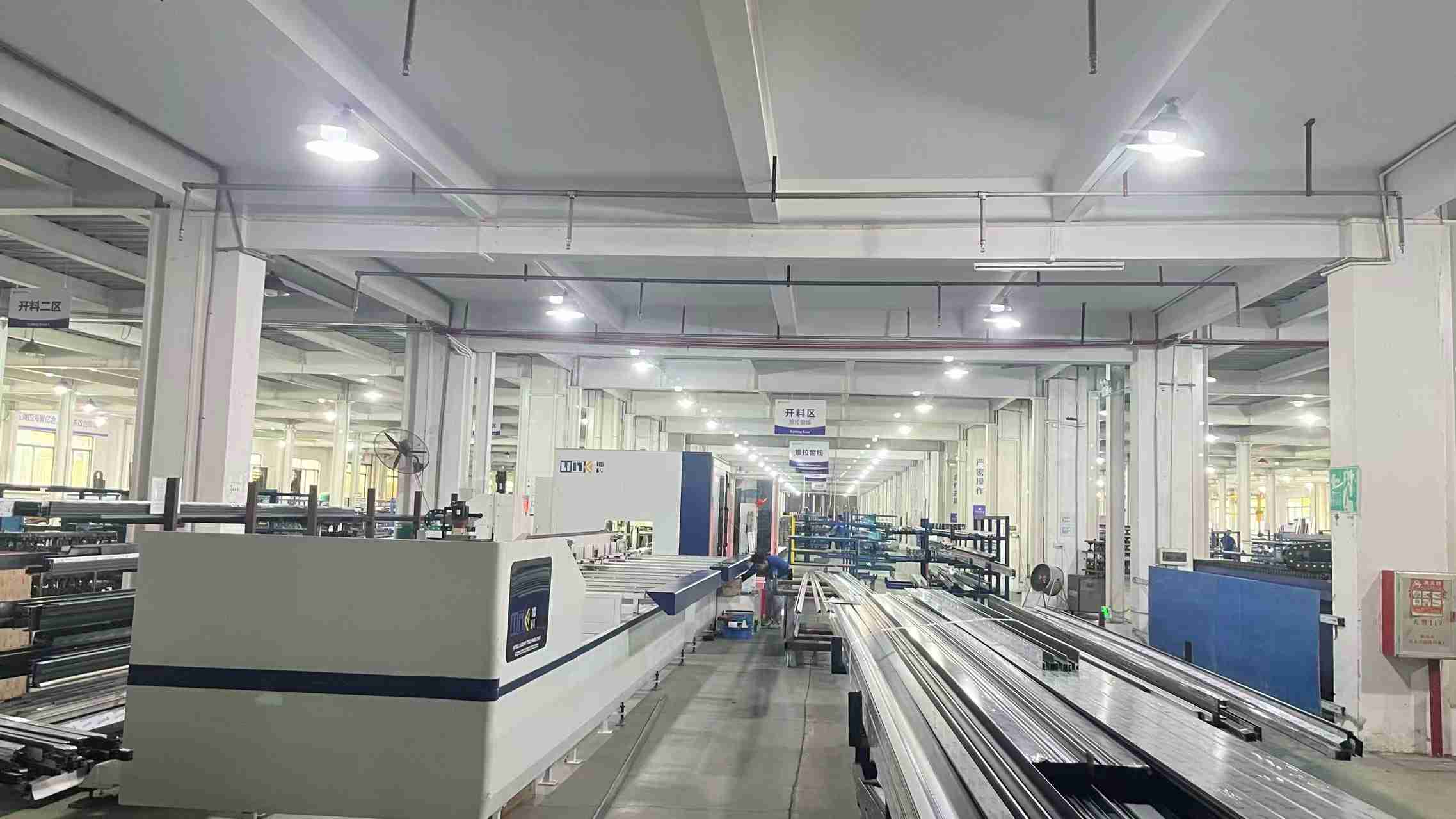
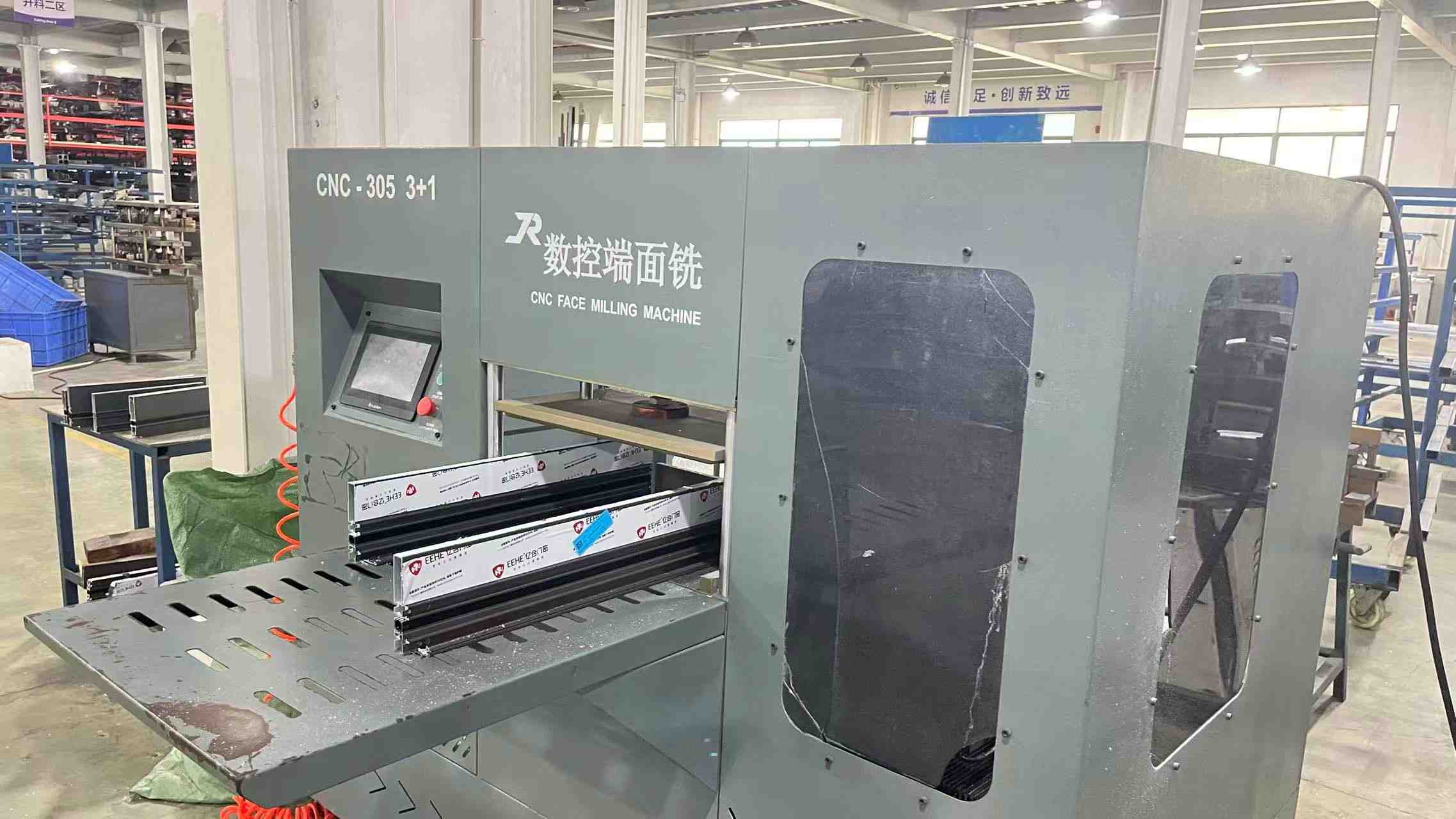
Established in 2003, Steelwar Entry Systems Co., Ltd. operates a large-scale 40,000 m² manufacturing facility specializing in high-security exterior entry doors. With 21 years of continuous industry experience and 9 years of global export capabilities, the company generates $35 million in annual export turnover. Steelwar focuses on key markets across North America, the Middle East, and Eastern Europe, primarily supplying building material distributors, security door stockists, and commercial construction contractors.
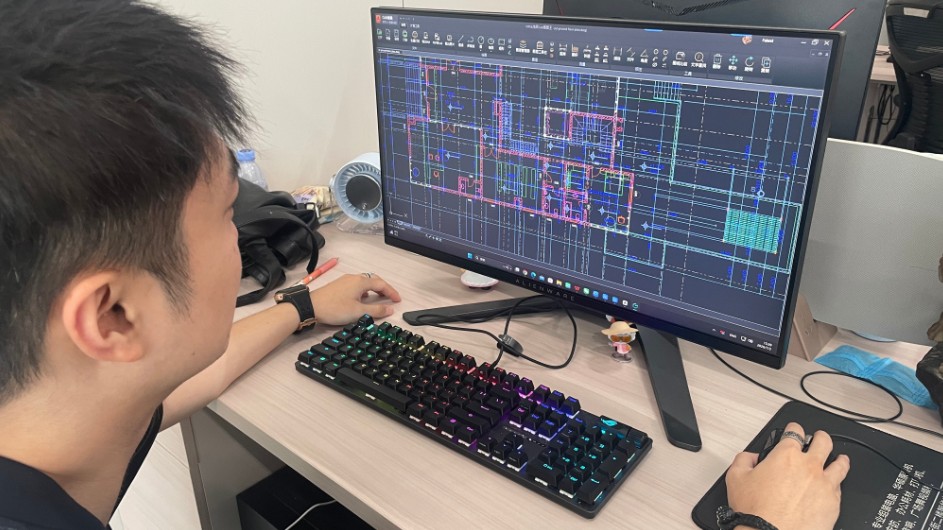
Supported by a solid trade background and a network of 1,100 supply chain partners, Steelwar maintains strict product reliability. Quality control is managed by a dedicated team of 50 QC specialists who execute dynamic impact resistance testing, automated frame tolerance checks, and corrosion-resistant coating audits. The company's engineering strength is backed by 75 R&D engineers who introduced 230 new product models last year. Custom options include ballistic steel cores, multi-point smart lock integration, customized RAL color finishes, and bespoke frame depths.
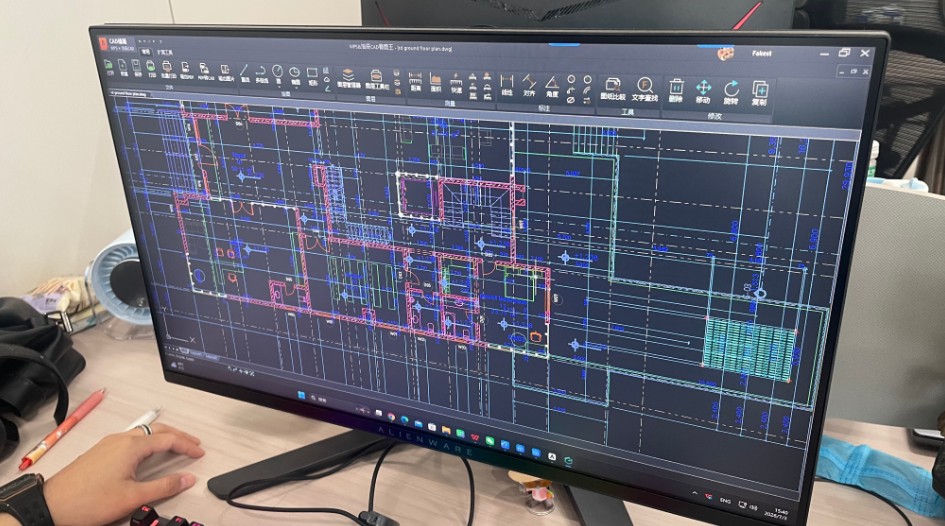
Deploying smart entry door solutions engineered for localized building codes, climatic extremes, and specific regional aesthetic preferences.
Primary Requirements: High-Velocity Hurricane Zone (HVHZ) compliance (Miami-Dade NOA, Florida Product Approval), ADA compliant sill kick plates, and NFRC energy ratings.
Recommended Configuration: Reinforced aluminum alloy sash integrated with laminated impact glass, thermal break extrusions, and multi-point smart deadbolts capable of resisting wind loads exceeding +/- 70 PSF.
Primary Requirements: Extreme UV resistance, thermal isolation against ambient temperatures above 50°C, dust/sand tight double-EPDM sealing.
Recommended Configuration: Heavy-duty thermal break profiles with fluorocarbon powder coating (PVDF finish), solar-reflective Low-E triple glazing, and 3D facial recognition locks rated for high-temperature operational stability.
Primary Requirements: Strict compliance with RC3 and RC4 burglar resistance categories (EN 1627), passive house thermal performance (U-factor < 0.8 W/m²K).
Recommended Configuration: Solid steel core or heavy-gauge aluminum composite doors, multi-chamber thermal breaks, fully hidden electronic hinges, and encrypted smart access controllers with Matter smart home integration.
Tailored architectural entry systems engineered for distinct market verticals, ensuring compliance, aesthetics, and operational efficiency.
For high-end residential projects, aesthetics must perfectly match high-level physical security. Solutions include grand pivot doors and oversized double-casement entry doors equipped with fully integrated smart handles, biometric keyless access, and invisible auto-closing drop seals.
Commercial entry points demand high foot-traffic durability, ADA accessibility compliance, emergency panic exit functionality, and centralized access auditing.
How AI vision systems, energy harvesting, and unified smart protocols are defining the next decade of exterior door engineering.
Next-generation smart entry doors will move beyond reactive unlocking. Embedded low-power Neural Processing Units (NPUs) will analyze perimeter behavior, detecting forced-entry tools or suspicious loitering before physical impact occurs, alerting property security systems automatically.
Future door sills and glass elements will feature transparent BIPV (Building-Integrated Photovoltaics) and kinetic hinge generators. These technologies power the internal electronic locks, sensors, and wireless transmitters independently, achieving 100% off-grid security reliability.
The elimination of proprietary smart home bridges. Modern smart lock entry doors are transitioning to Matter-over-Thread protocols, guaranteeing seamless cross-platform interoperability, sub-millisecond response latency, and end-to-end hardware-level security encryption.
Essential engineering, procurement, and certification answers curated by industry experts to streamline global sourcing.
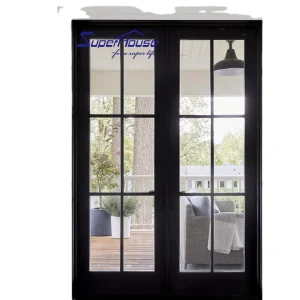
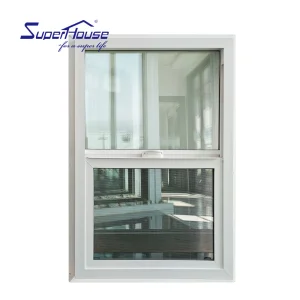
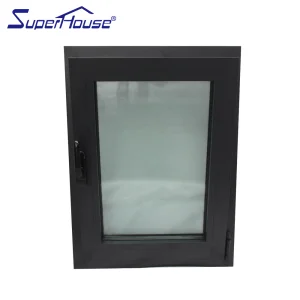
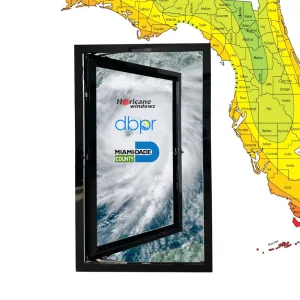
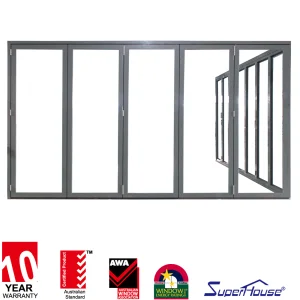
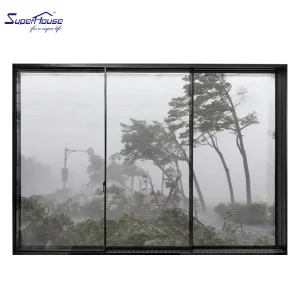
Explore our extended line of storm-proof, energy-efficient, and multi-point security window and door systems designed for commercial contractors and global distributors.
 Steelwar