High-Performance Thermally Broken Aluminum & Security Glass Assemblies
Analyzing Structural Mechanics, Thermal Innovations, and Global Procurement Shifts for 2026+
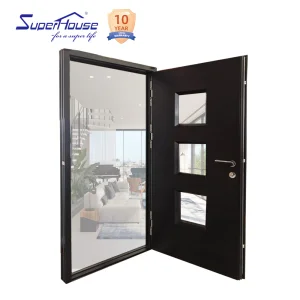
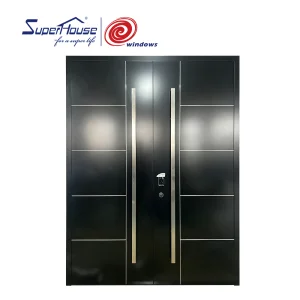
Modern architectural language favors grand entryways that blur the boundary between exterior environments and interior living spaces. Custom pivot doors eliminate the structural height and width constraints of traditional side-hinged butt hinges. By transferring the door leaf's dead load directly to the floor structure via dynamic pivot spindles, manufacturers can create oversized entrances exceeding 6 meters in height and 2.5 meters in width without compromising operation smoothness.
The core technology driving the custom pivot door market lies in heavy-duty concealed hydraulic floor springs and top-pivot stay systems. Modern hardware integrates 3D spatial adjustability, allow real-time alignment fine-tuning after structural settling. Built-in dampeners, active self-closing sequences, and hold-open functionality at 90° or 180° ensure that multi-hundred-kilogram door panels operate effortlessly with minimal touch pressure.
Historically, pivot doors suffered from poor peripheral weatherproofing due to clearance gaps at the top header and bottom threshold. Leading manufacturers have resolved this using multi-stage perimeter EPDM gaskets, drop-down automatic acoustic/water bottom seals, and magnetic contact weatherstrips. Paired with multi-chamber thermal break aluminum extrusions (PA66GF25 reinforced polyamide strips), these doors achieve stellar energy ratings compliant with NFRC, Energy Star, and EU Passive House standards.
Engineering Matrix for B2B Purchasing Officers and Lead Architectural Specifiers
| Parameter / Feature | High-Spec Thermal Break Aluminum | Reinforced Carbon / Ballistic Steel | Engineered Solid Timber / Veneer |
|---|---|---|---|
| Structural Weight Efficiency | High (Optimal Strength-to-Weight Ratio) | Extremely High (Requires Heavy Foundations) | Medium (Susceptible to Sagging over time) |
| Thermal Conductivity (U-Factor Range) | 0.22 - 0.32 BTU/h·ft²·°F (Low) | 0.35 - 0.50 BTU/h·ft²·°F (Moderate) | 0.28 - 0.38 BTU/h·ft²·°F (Good) |
| Dimensional Stability & Warp Resistance | Zero Moisture Distortion, Minimal Thermal Expansion | Zero Moisture Distortion, Low Expansion | Subject to Humidity & Temperature Warping |
| Corrosion Resistance & Coating Life | 20-25+ Years (Fluorocarbon PVDF / Anodized) | Requires Multi-layer Anti-rust Primers | Requires Regular Varnishing & Seal Touch-ups |
| Smart Access Hardware Integration | Native Cavity Routing for Smart Locks & Biometrics | Requires Complex Laser Surface Machining | Surface Routering Required (Visual Risk) |
| Hurricane & Impact Certification | ASTM E1886 / E1996, Florida NOA Ready | Exceeds Impact Standards, High Ballistic Rating | Limited Impact Certification Availability |
Inside Steelwar Entry Systems Co., Ltd. - Driving Precision Engineering and Global Export Logistics
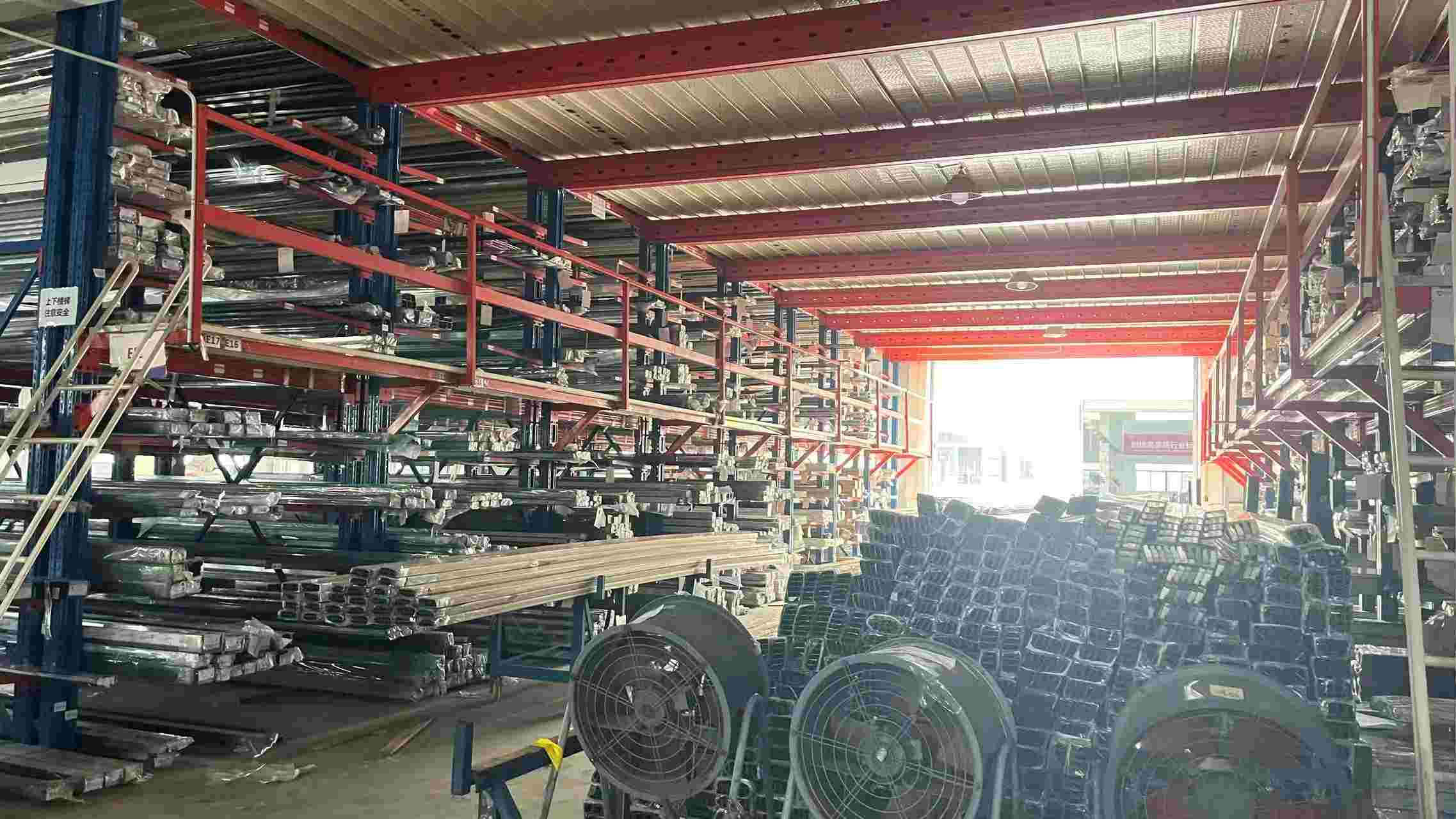
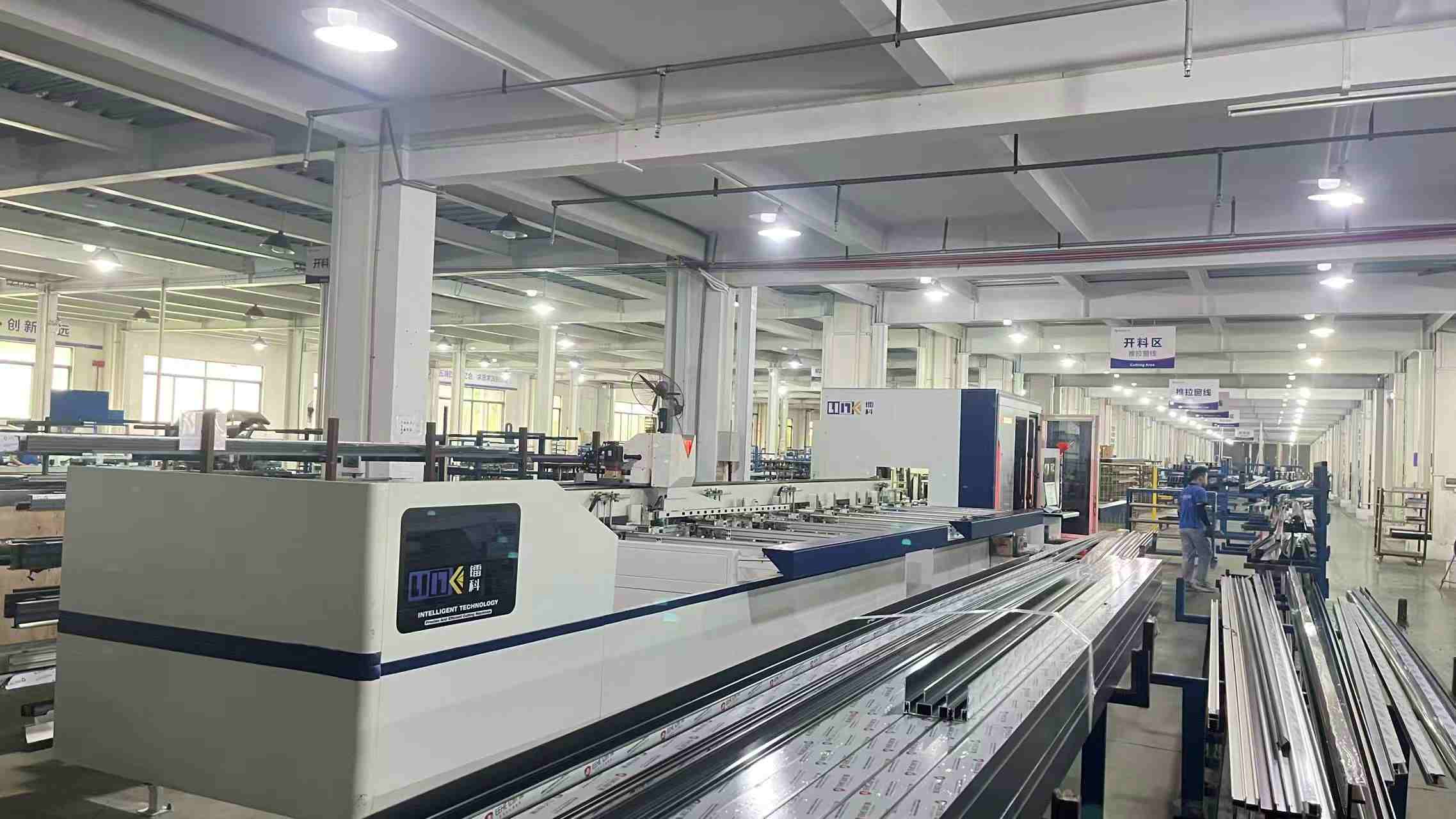
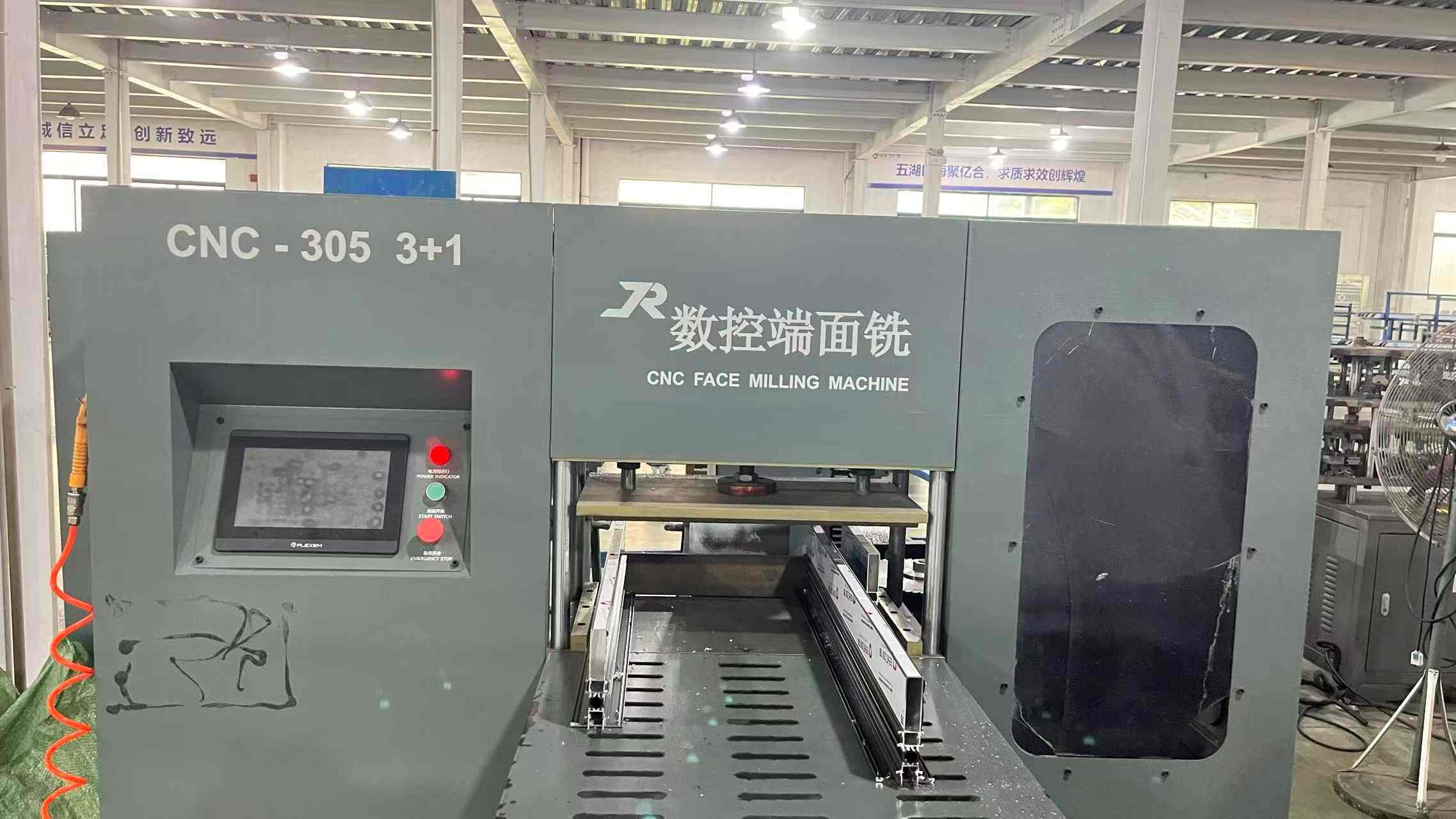
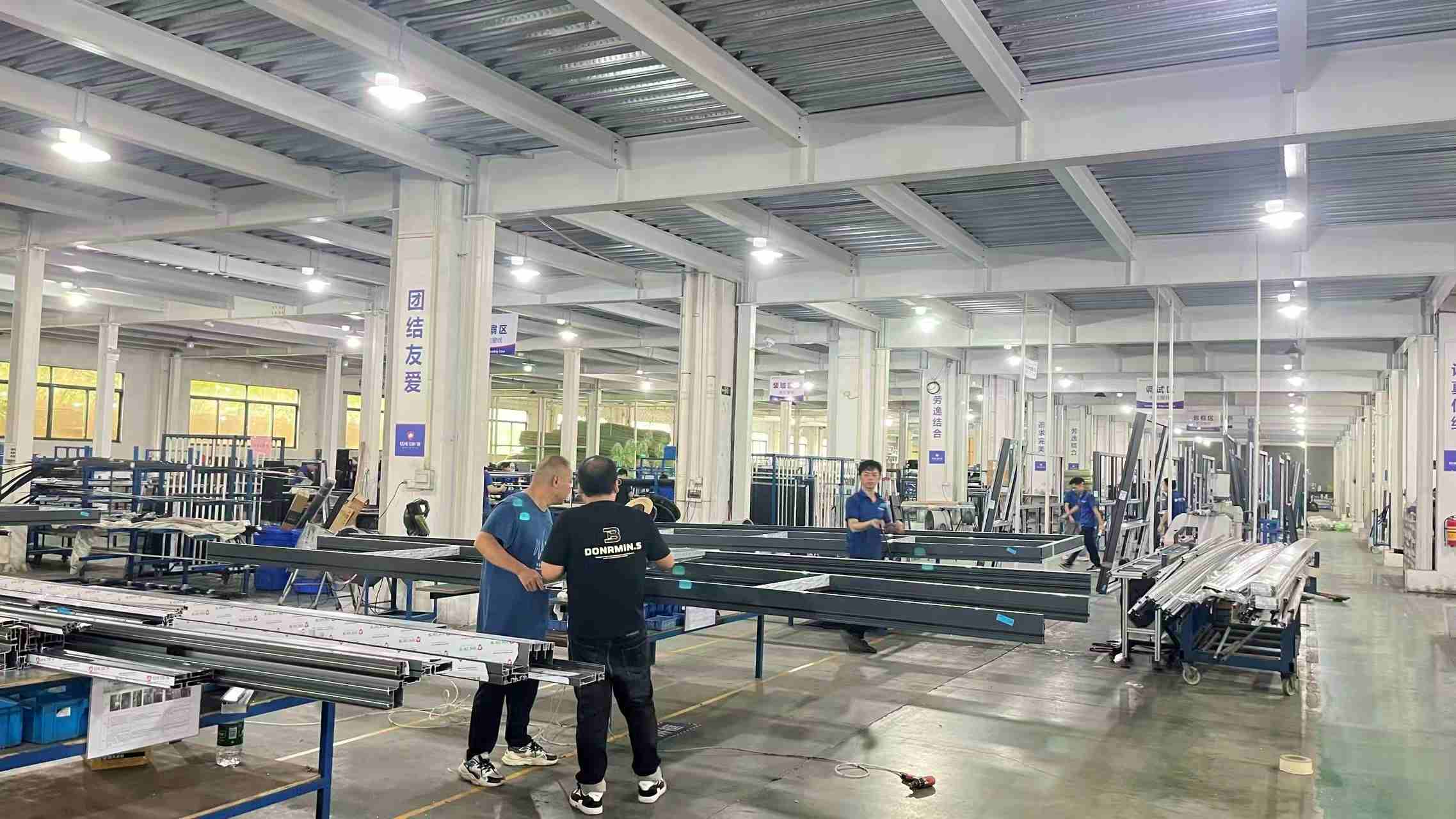
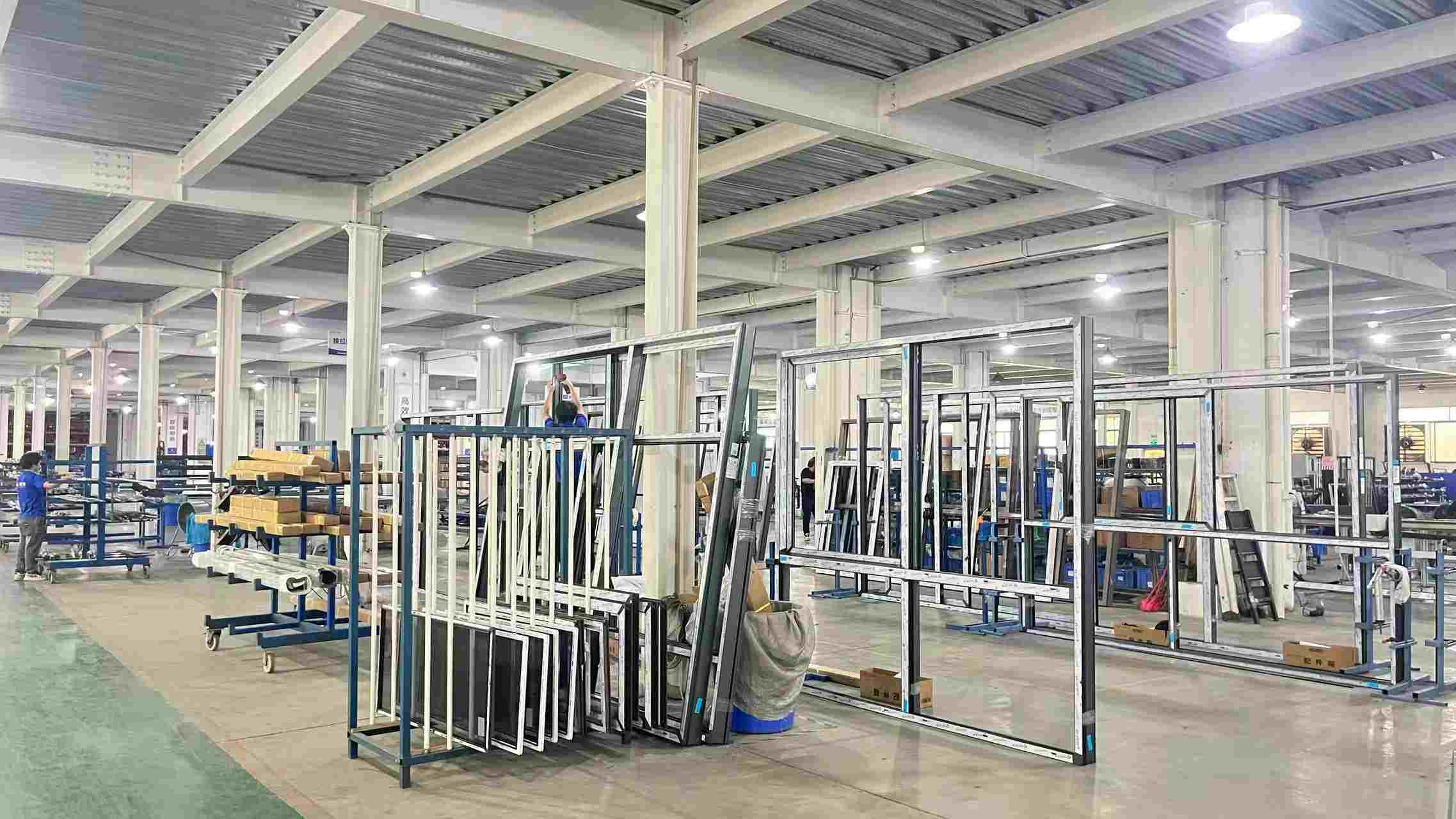
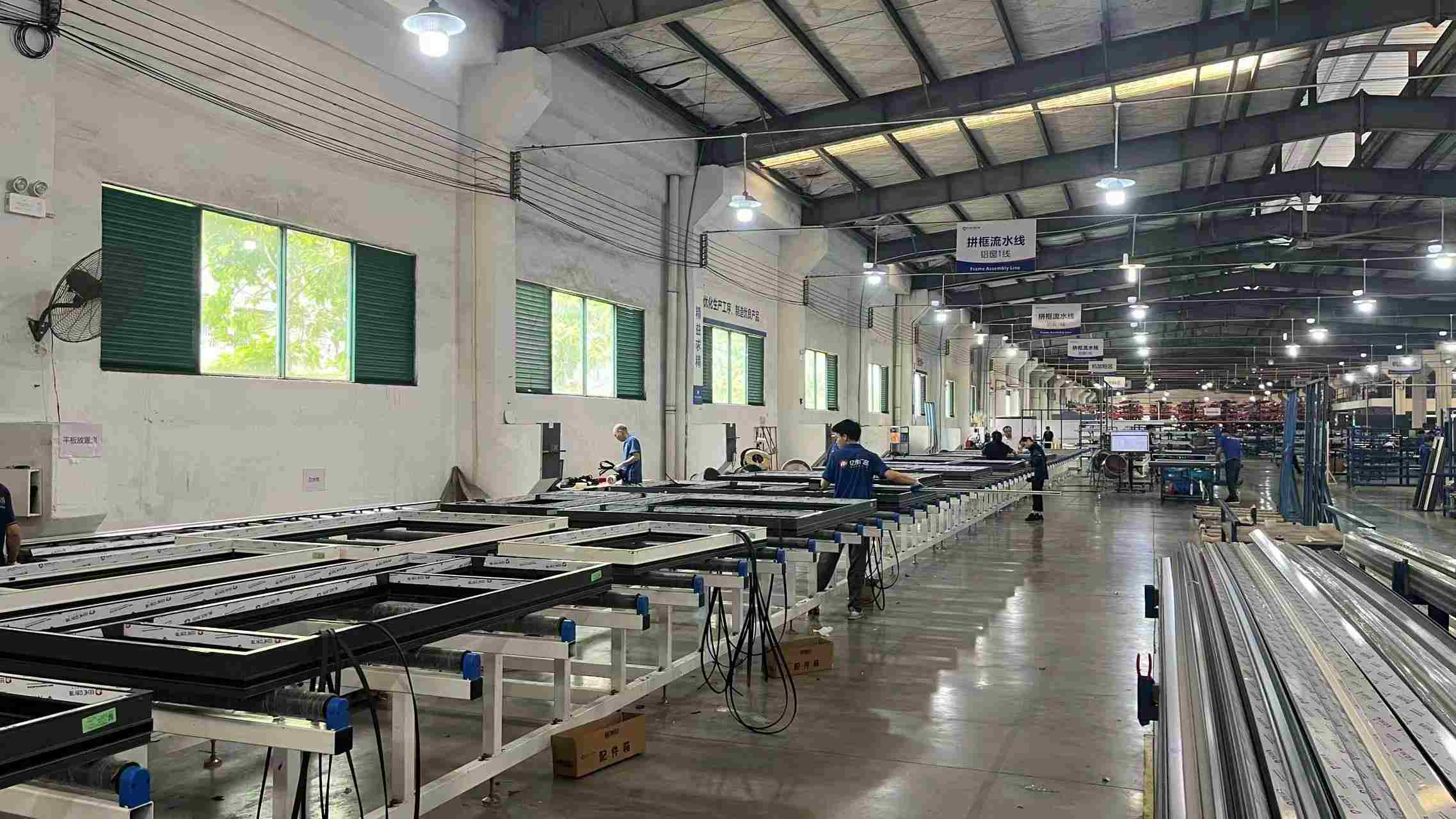
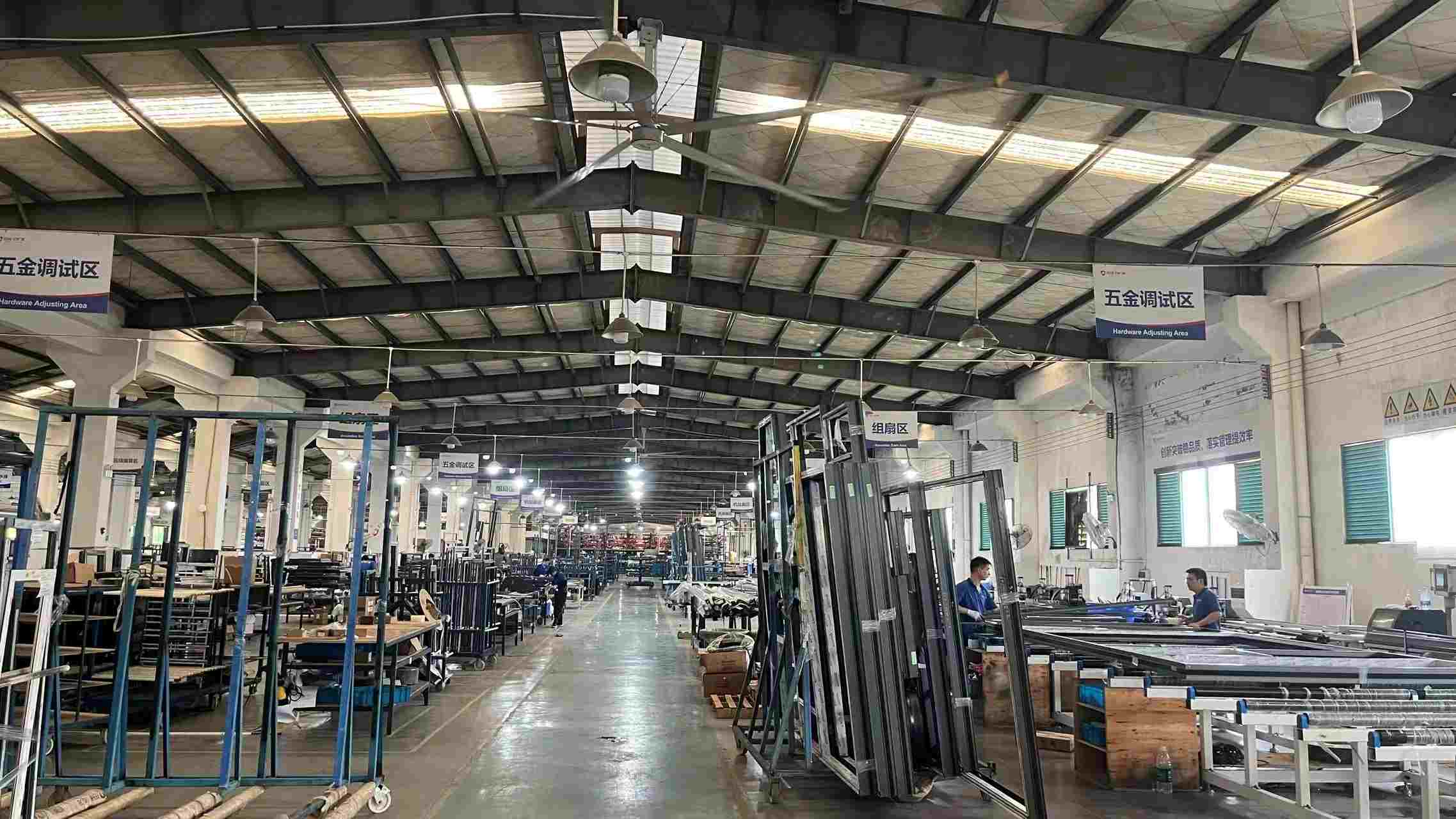
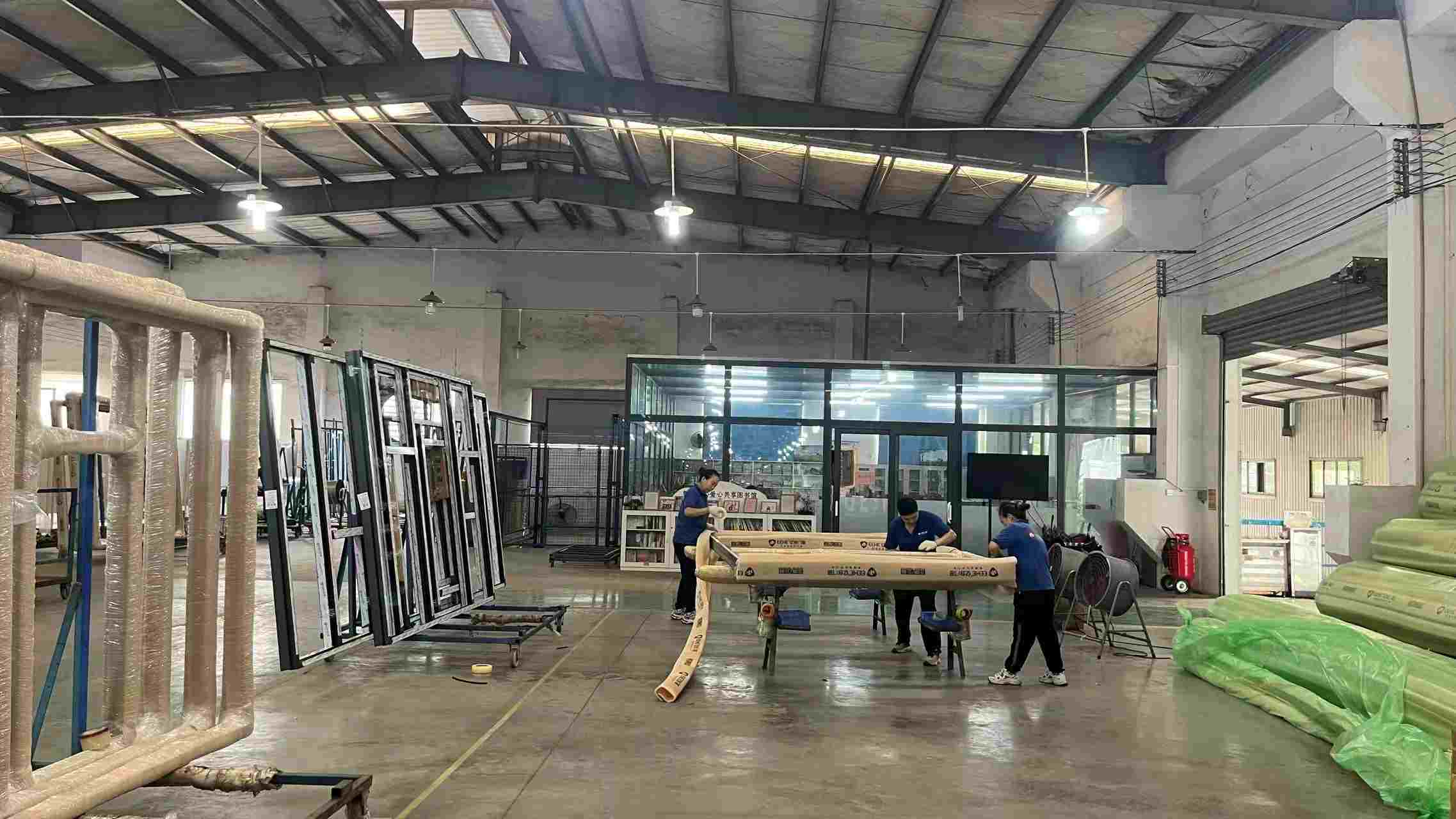
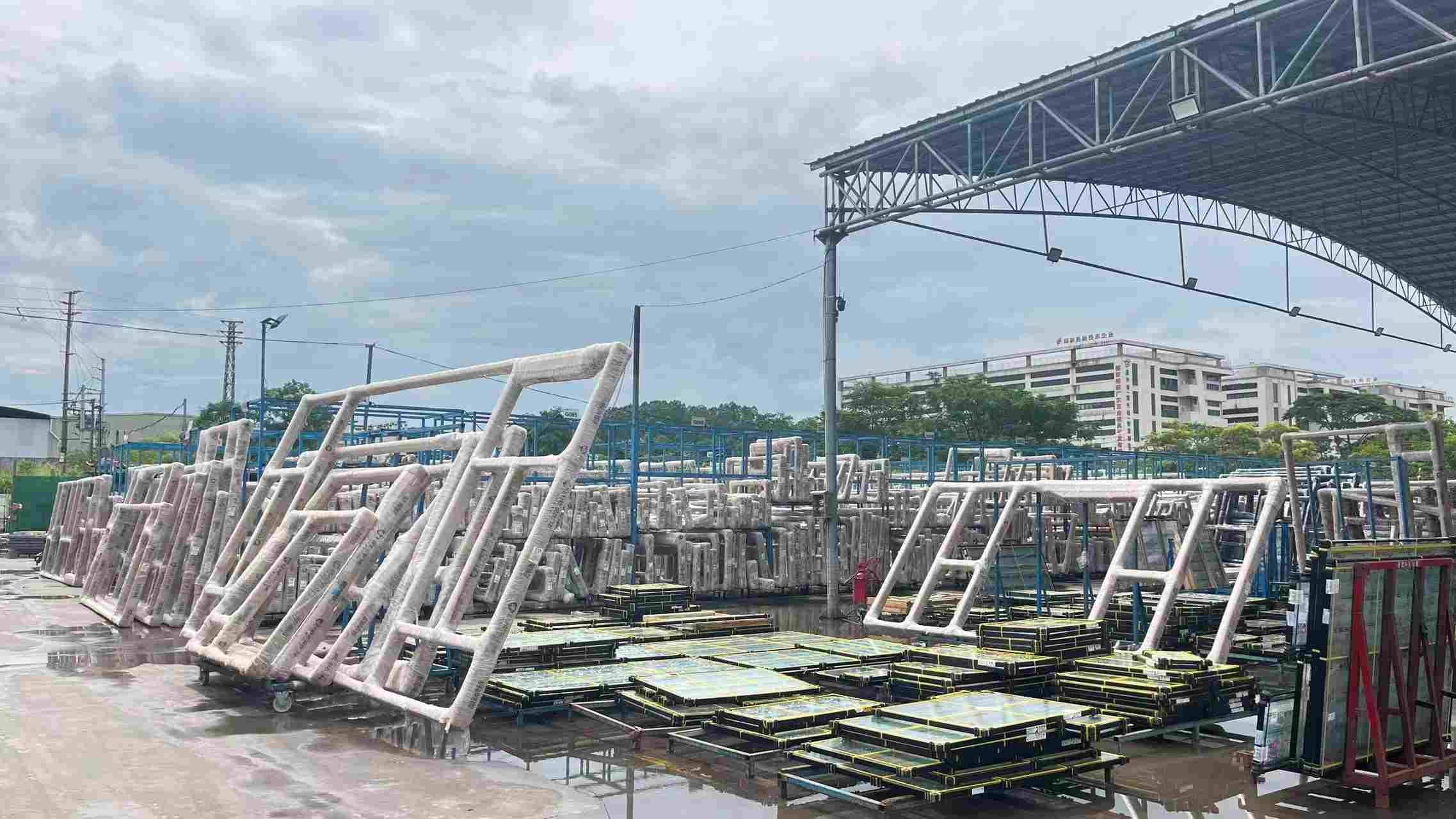
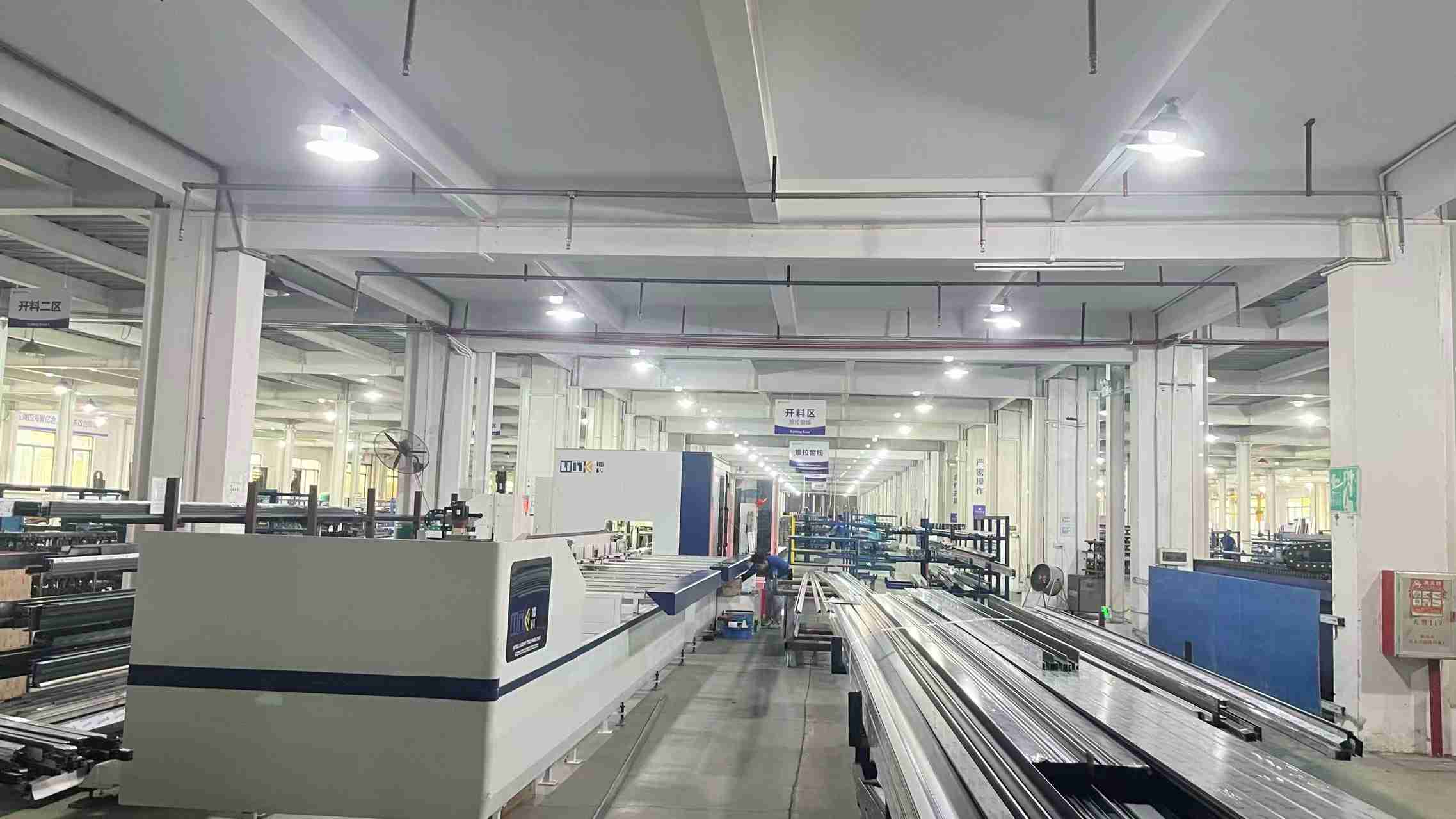
Established in 2003, Steelwar Entry Systems Co., Ltd. operates a large-scale 40,000 m² manufacturing plant specializing in high-security exterior entry doors. With 21 years of continuous industry experience and 9 years of global export capabilities, the company generates $35 million in annual export turnover. Steelwar focuses on key markets across North America, the Middle East, and Eastern Europe, primarily supplying building material distributors, security door stockists, and commercial construction contractors.
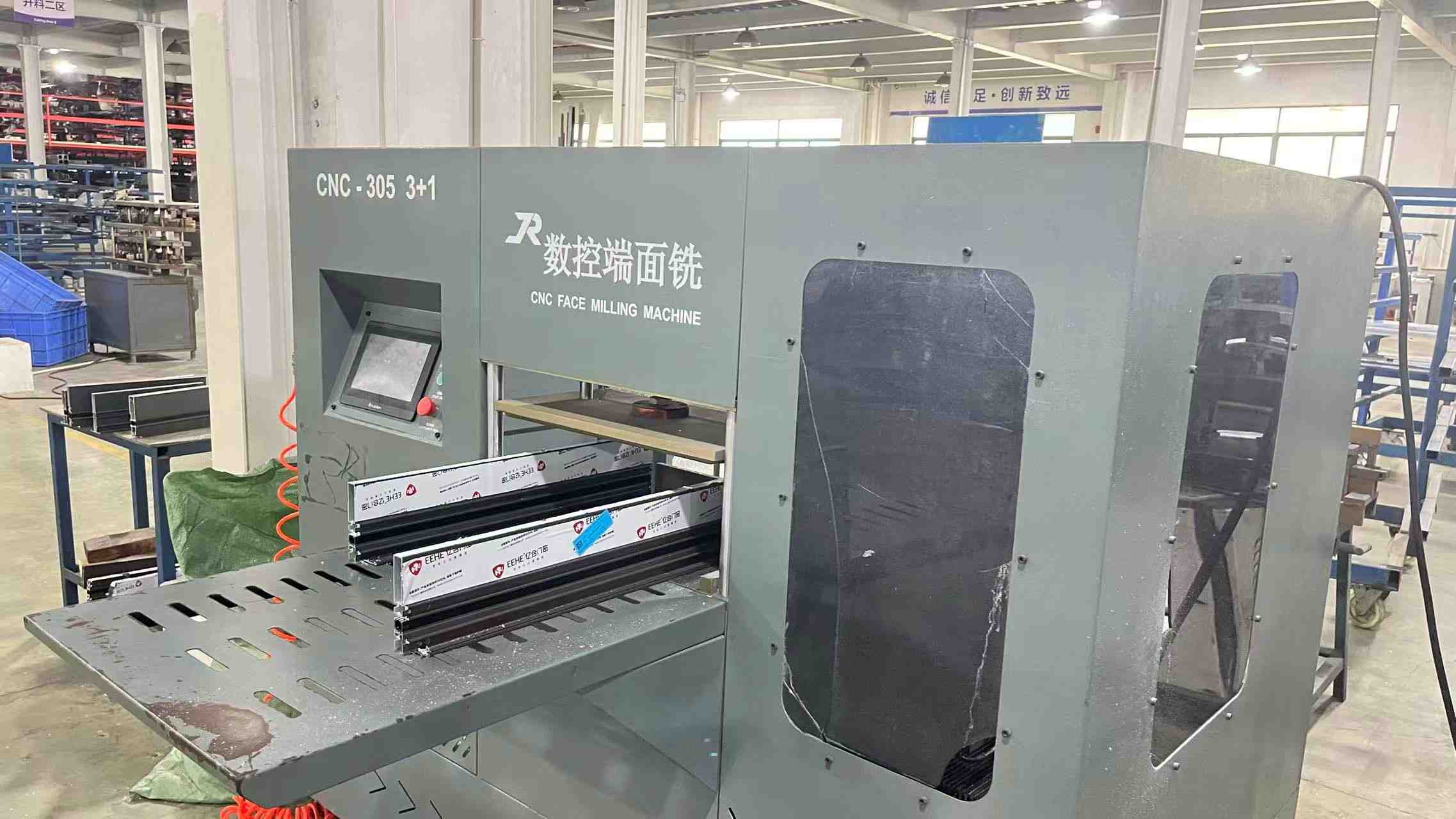
Supported by a solid trade background and a network of 1,100 supply chain partners, Steelwar maintains strict product reliability. Quality control is managed by a team of 50 QC specialists who execute dynamic impact resistance testing, automated frame tolerance checks, and corrosion-resistant coating audits. The company's engineering strength is backed by 75 R&D engineers who introduced 230 new product models last year. Custom options include ballistic steel cores, multi-point smart lock integration, customized RAL color finishes, and bespoke frame depths.
Comparative Strategic Analysis of Leading Global Brands and OEM Export Leaders
Core Specialization: High-Security Custom Aluminum & Hybrid Ballistic Pivot Doors.
Competitive Advantage: Operating a massive 40,000 m² facility with 75 dedicated R&D engineers. Steelwar offers complete OEM flexibility, delivering NFRC & hurricane-certified assemblies with advanced smart biometric hardware integration. High volume scalability makes them a premier supply chain partner for commercial distributors.
Core Specialization: High-End European Architectural Systems.
Competitive Advantage: Renowned for extremely slim sightlines and high thermal efficiency systems (MasterLine 8 pivot series). Ideal for high-budget European residential projects demanding high air-water tightness metrics.
Core Specialization: Precision Engineered Commercial Building Envelopes.
Competitive Advantage: Setting global standards in building automation, Schüco offers fully integrated electronic pivot hardware with mechatronic locks and smart home control panel interfaces.
Core Specialization: Modular Interior & Exterior Architectural Pivot Hardware.
Competitive Advantage: Focuses on patented compact pivot hinge systems (Stealthpivot) designed to be mounted above finished floors without complex floor excavation, ideal for retrofit installations.
Core Specialization: Premium In-Door Heavy Duty Pivot Hinge Systems.
Competitive Advantage: Engineered to hold massive loads up to 500kg purely inside the door panel itself. Works closely with custom door fabricators worldwide to enable 360-degree rotation capabilities.
Core Specialization: Bespoke Architectural Metal & Glass Residential Entrances.
Competitive Advantage: Specializes in handcrafted minimalist aesthetic designs featuring custom powder coating, specialized metal patina finishes, and integrated custom pull handles.
Core Specialization: Aluminum Extrusion & Minimalist Sliding/Pivot Systems.
Competitive Advantage: Excellent ratio of thermal insulation to acoustic performance, supported by automated extrusion plants supplying European standard construction sectors.
Core Specialization: High-Security Italian Decorative Entrance Doors.
Competitive Advantage: Combines Italian luxury design with high anti-burglary standards (Class 3 & 4 protection), featuring multi-panel cladding configurations in stoneware and safety glass.
Core Specialization: Integrated Doors with Concealed Screens & Shades.
Competitive Advantage: Focuses on complete indoor-outdoor living solutions, engineering wide-opening pivot and folding systems integrated with retractable insect netting.
Core Specialization: AS2047 & NFRC Certified Export Windows and Doors.
Competitive Advantage: Exceptionally strong footprint across North American and Australian markets, delivering fully tested structural window-door combinations tailored for extreme climates.
Tailoring Engineering Standards to Regional Structural & Energy Directives
In regions such as Florida, Texas, and coastal California, pivot entrance systems must withstand violent windstorm forces and impact debris. OEM manufacturers customize door leaves with laminated hurricane impact glass (PVB/SGP interlayers) and heavy-duty deadbolts. Furthermore, California Title 24 energy rules mandate strict Solar Heat Gain Coefficient (SHGC < 0.25) ratings achieved via Low-E spectrally selective coatings.
Extreme environmental ambient temperatures reaching 50°C create severe thermal stress across exterior door profiles. Aluminum pivot systems engineered for the Gulf region utilize expanded double thermal break cavities filled with aerogel insulation. Multi-tiered perimeter brush and silicon dynamic gaskets prevent fine airborne desert sand from penetrating mechanical pivot hardware.
European Union and Australasian markets demand rigorous air-tightness (Class 4 EN 12207) and low U-values (EN ISO 10077-2). Custom pivot assembly engineers incorporate triple-pane insulated glass units (IGUs) filled with 90% Argon gas, alongside motorized multi-point lock latching mechanisms that actively pull the heavy pivot leaf flush against internal rubber seals upon closure.
Expert Guidance for Architects, OEM Buyers, and Project Specifiers
Pivot doors transfer the weight of the entire door leaf directly to the bottom floor anchor point rather than placing cantilever tension on the vertical door frame. This physics dynamic allows architects to specify significantly larger, heavier door panels (up to 1,000 kg and over 6 meters tall) without causing frame sag, squeaking, or hinge deformation over time.
Modern architectural pivot systems solve weatherability challenges through integrated drop-down dynamic bottom seals that actuate upon door closure, continuous interlocking EPDM weatherstripping profiles, and floor-level drainage channels with hidden weep holes. Dynamic magnetic seals are also deployed along the top header to ensure air tightness under strong wind pressures.
Yes. Custom OEM manufacturers like Steelwar design internal wiring conduits inside the hollow thermal break aluminum extrusion profiles. This allows continuous power transmission to motorized multi-point locks, facial recognition cameras, fingerprint readers, and smart home automation systems (Zigbee, Z-Wave, Matter) without exposed cables.
Global procurement specialists should look for ISO 9001 certified factories with robust internal testing rigs. Essential certifications include NFRC (Thermal & Solar ratings), AS2047 (Australian Structural Standard), NOA / Miami-Dade (Impact Hurricane rating), and EN 1627 anti-burglary ratings. Factory audits should check dynamic frame tolerance checks, powder coating thickness (minimum 60-80 microns), and hydrostatic seal tests.
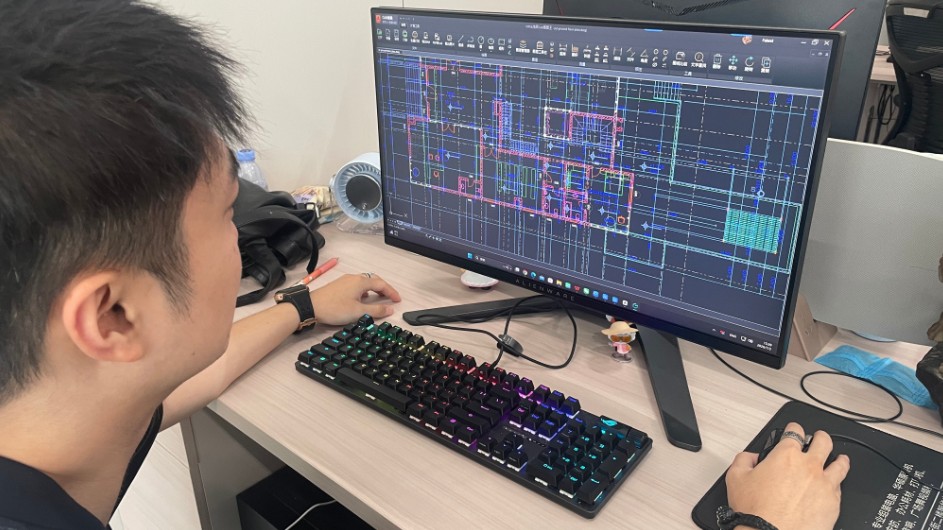
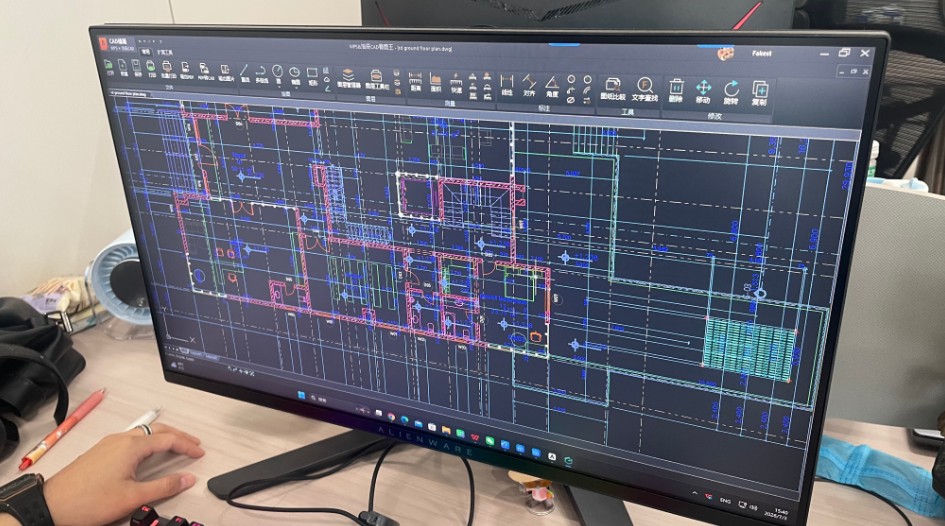
Standard OEM custom manufacturing lead times typically range between 25 to 35 business days. This timeframe covers shop drawing CAD sign-offs, precision CNC milling, glass toughening/insulation assembly, surface powder coating, dynamic hardware load testing, and sea-freight protective wooden crate packaging.
Commercial-Grade Glazing Solutions Tested for International Compliance
 Steelwar