Engineered to exceed North American NFRC, Miami-Dade NOA, and Australian AS2047 structural and energy standards.
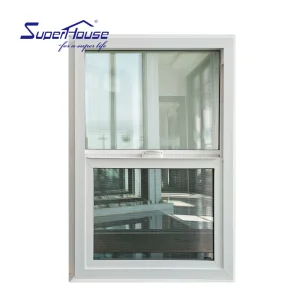
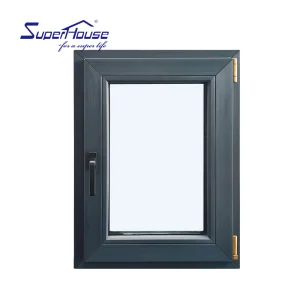
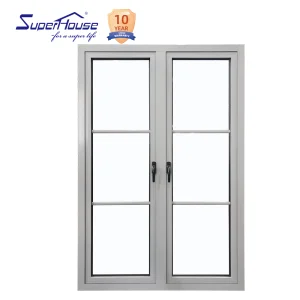
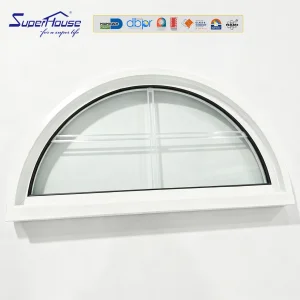
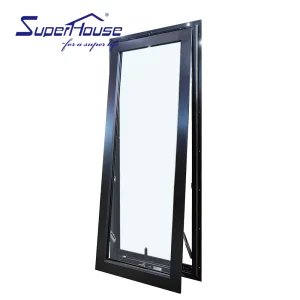
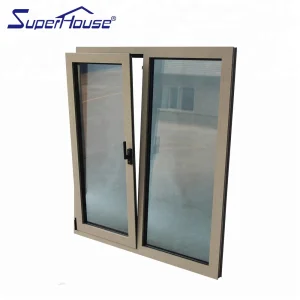
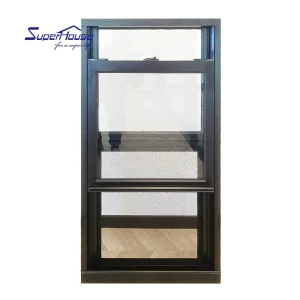
In modern architectural envelope design, the transition toward high-performance thermal break aluminum exterior doors represents a critical shift driven by strict decarbonization mandates and stringent structural integrity codes worldwide. Commercial developers, building material stockists, and facade engineers require exterior entry systems that balance aesthetic transparency with extraordinary resistance against extreme weather, high wind-loads, and thermal bridging.
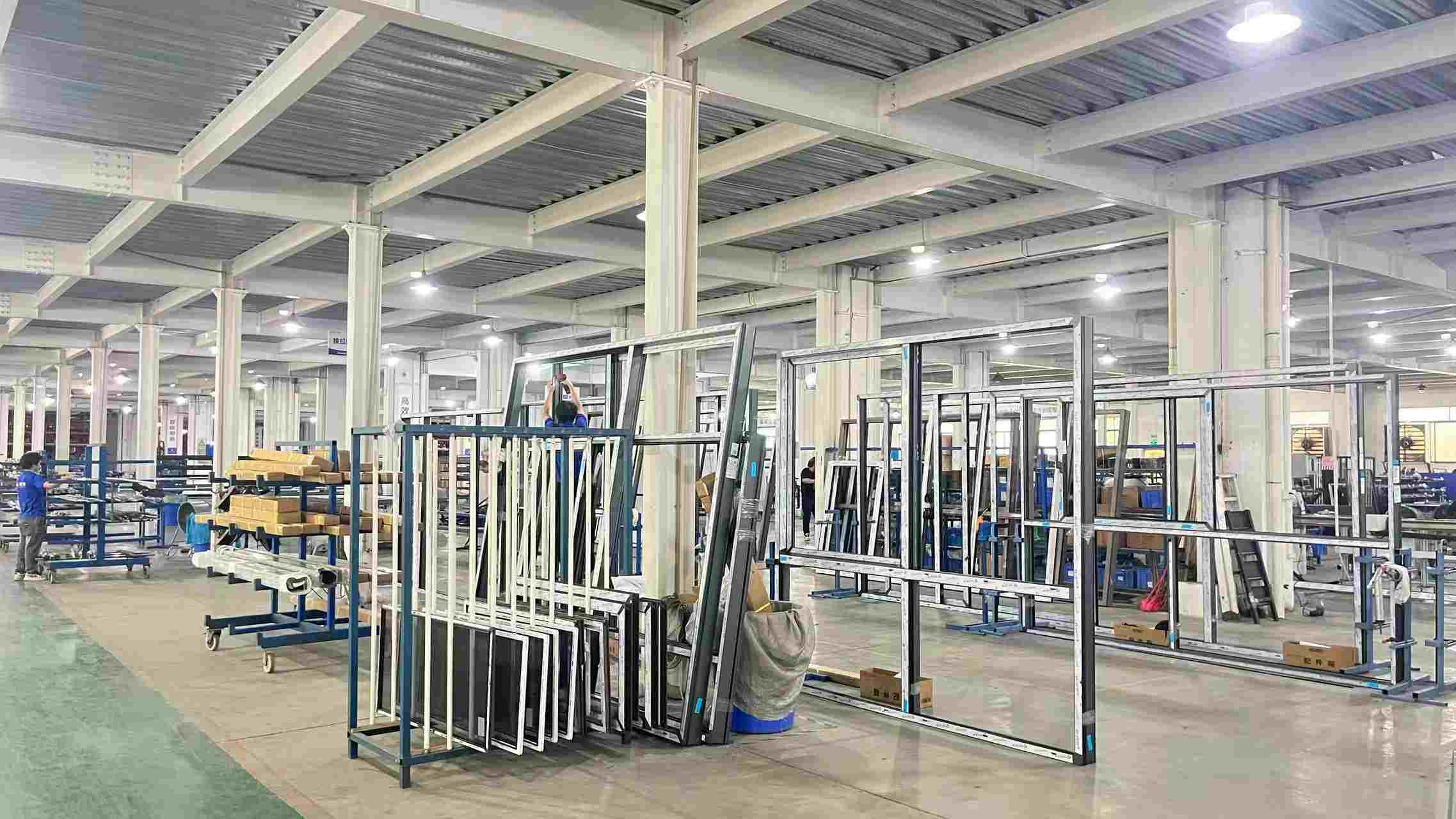
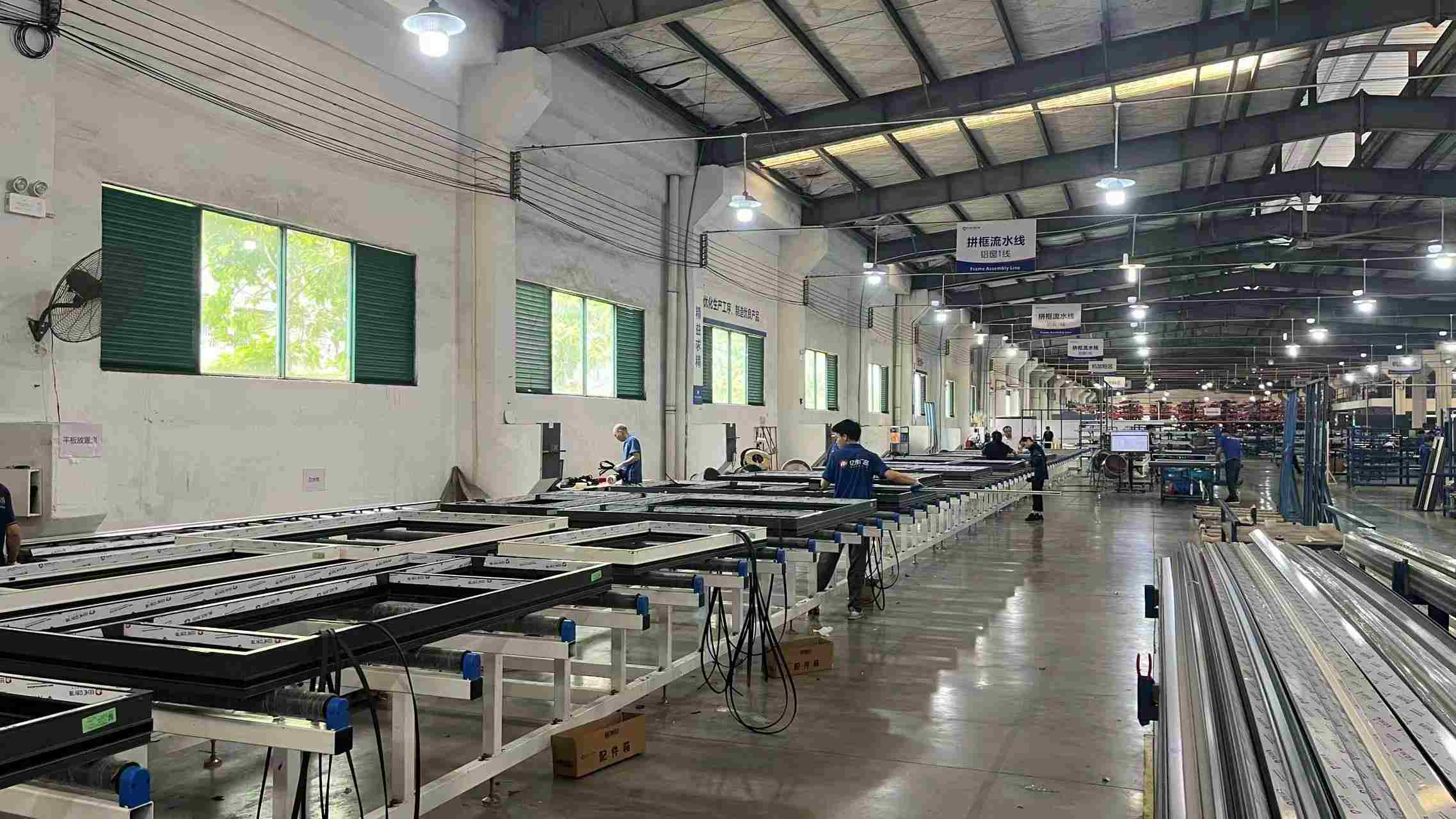
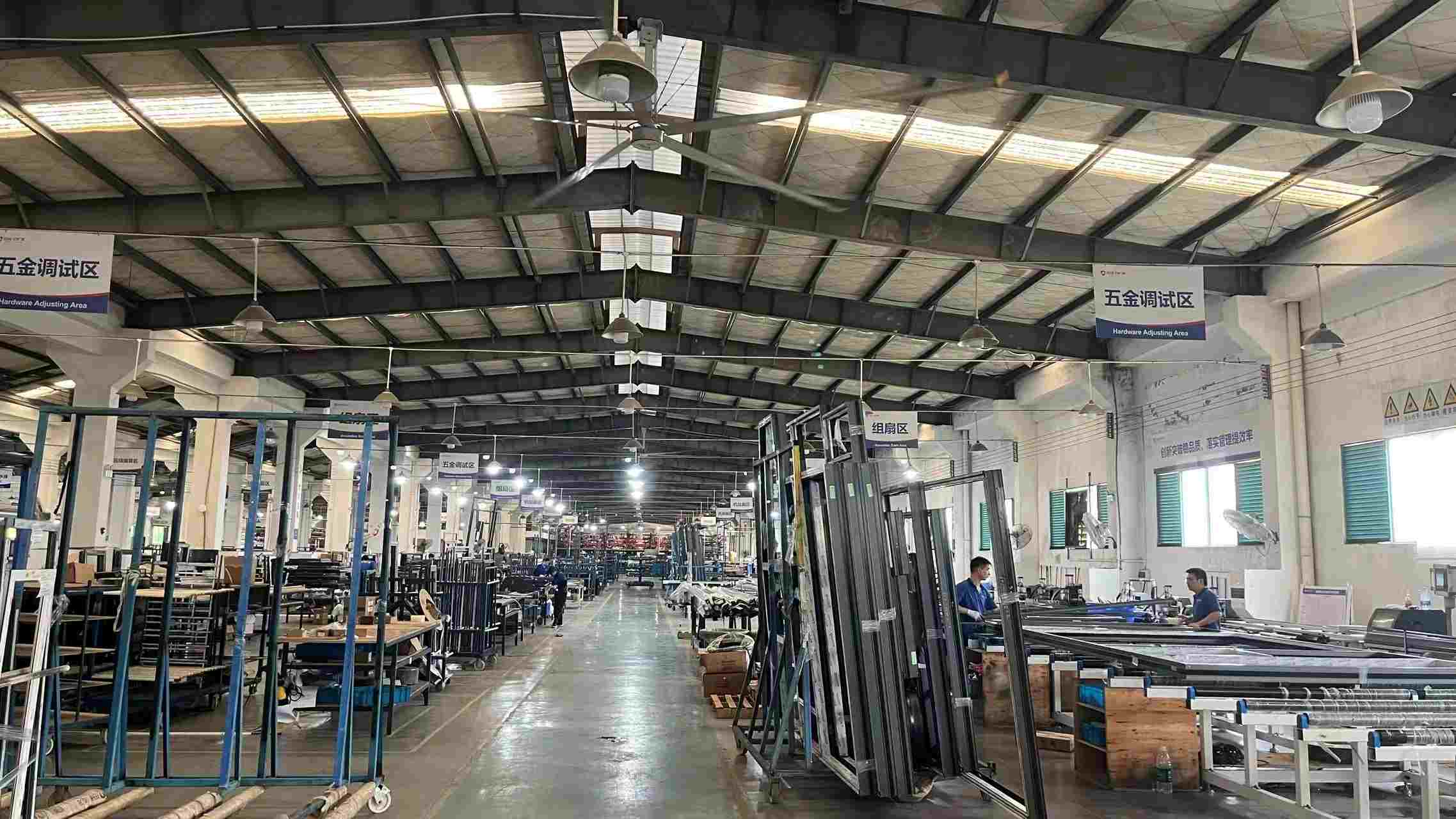
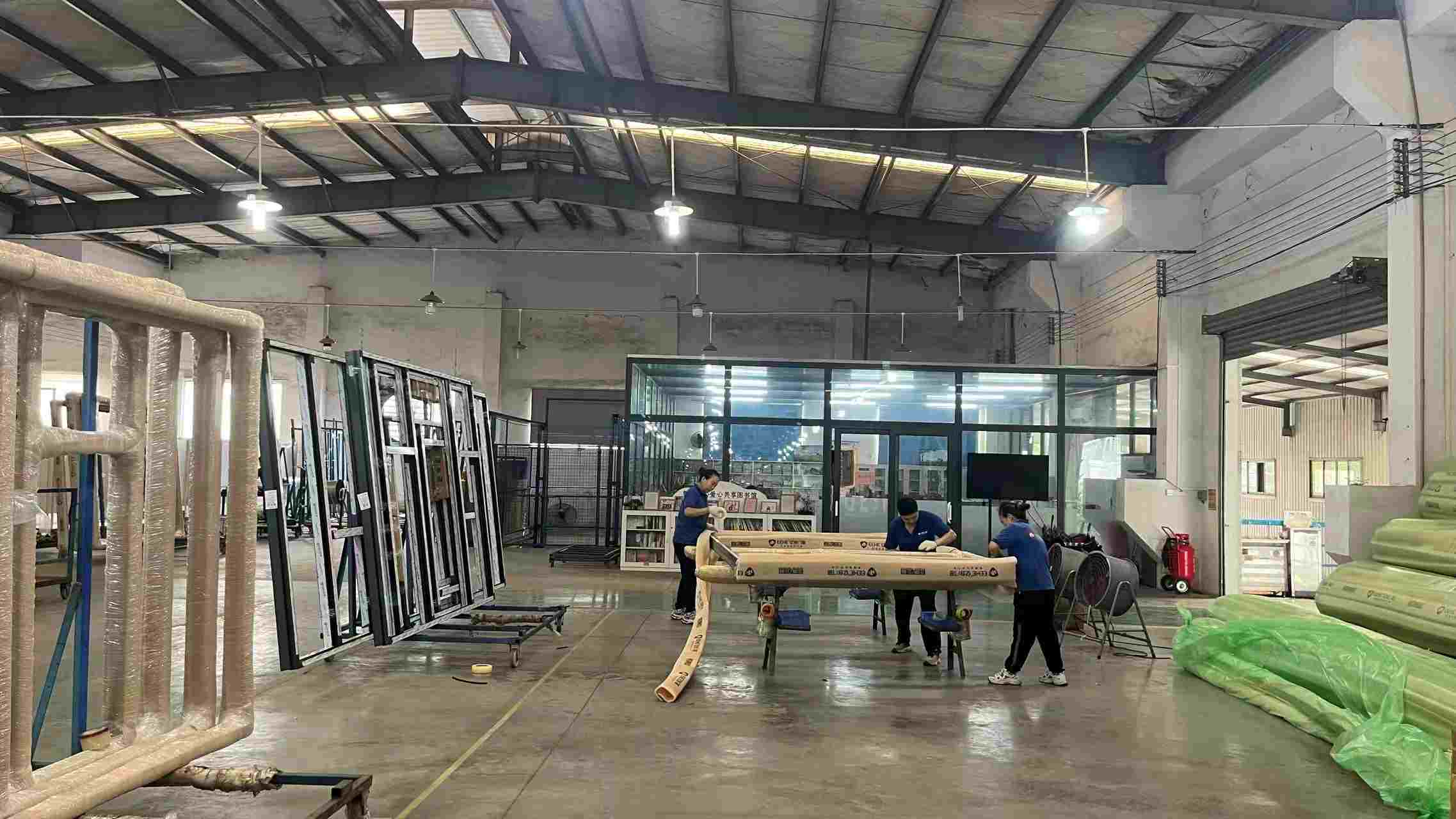
Established in 2003, Steelwar Entry Systems Co., Ltd. operates a large-scale 40,000 m² manufacturing plant specializing in high-security exterior entry doors. With 21 years of continuous industry experience and 9 years of global export capabilities, the company generates $35 million in annual export turnover. Steelwar focuses on key markets across North America, the Middle East, and Eastern Europe, primarily supplying building material distributors, security door stockists, and commercial construction contractors.
Supported by a solid trade background and a network of 1,100 supply chain partners, Steelwar maintains strict product reliability. Quality control is managed by a team of 50 QC specialists who execute dynamic impact resistance testing, automated frame tolerance checks, and corrosion-resistant coating audits. The company's engineering strength is backed by 75 R&D engineers who introduced 230 new product models last year. Custom options include ballistic steel cores, multi-point smart lock integration, customized RAL color finishes, and bespoke frame depths.
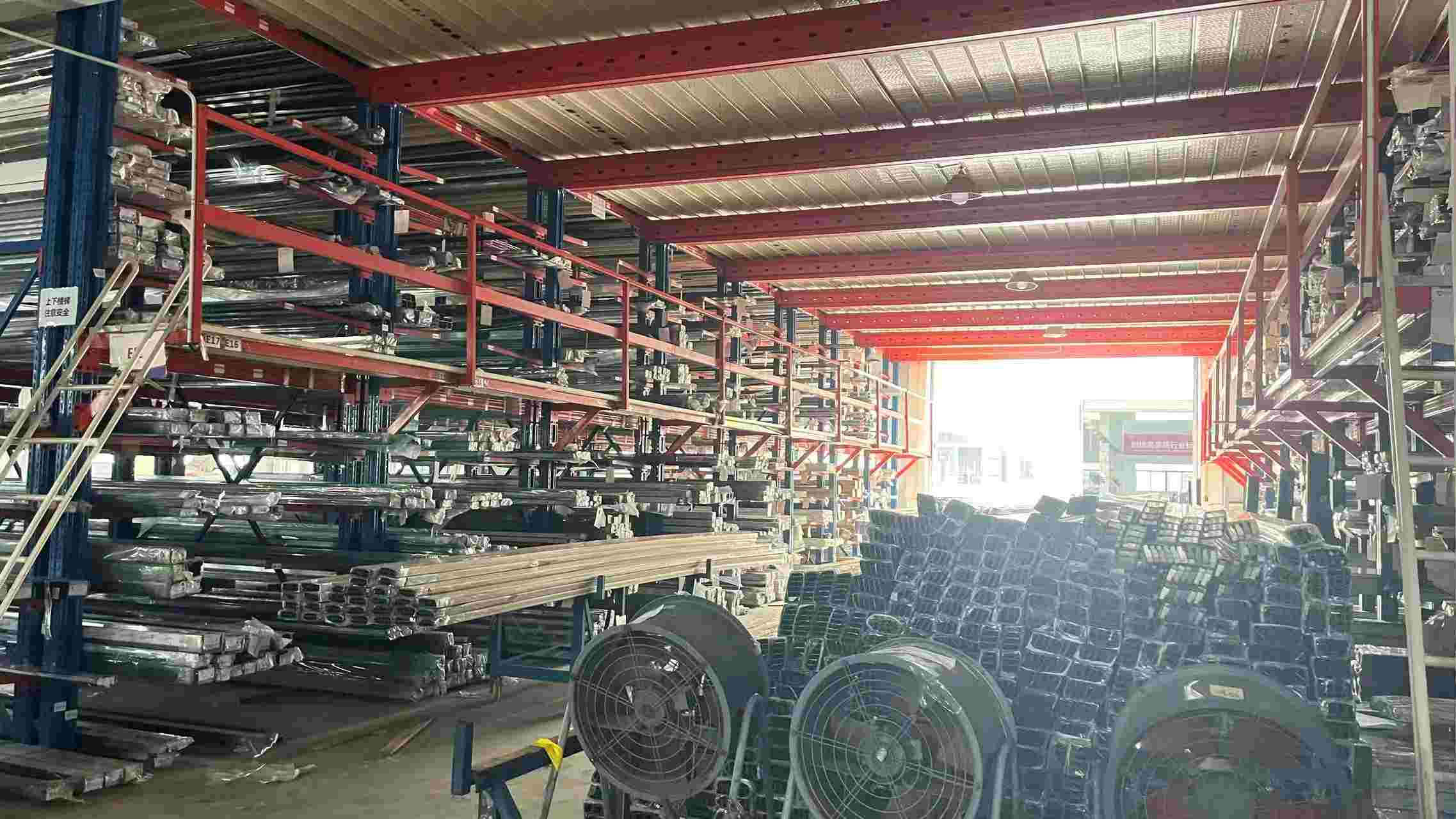
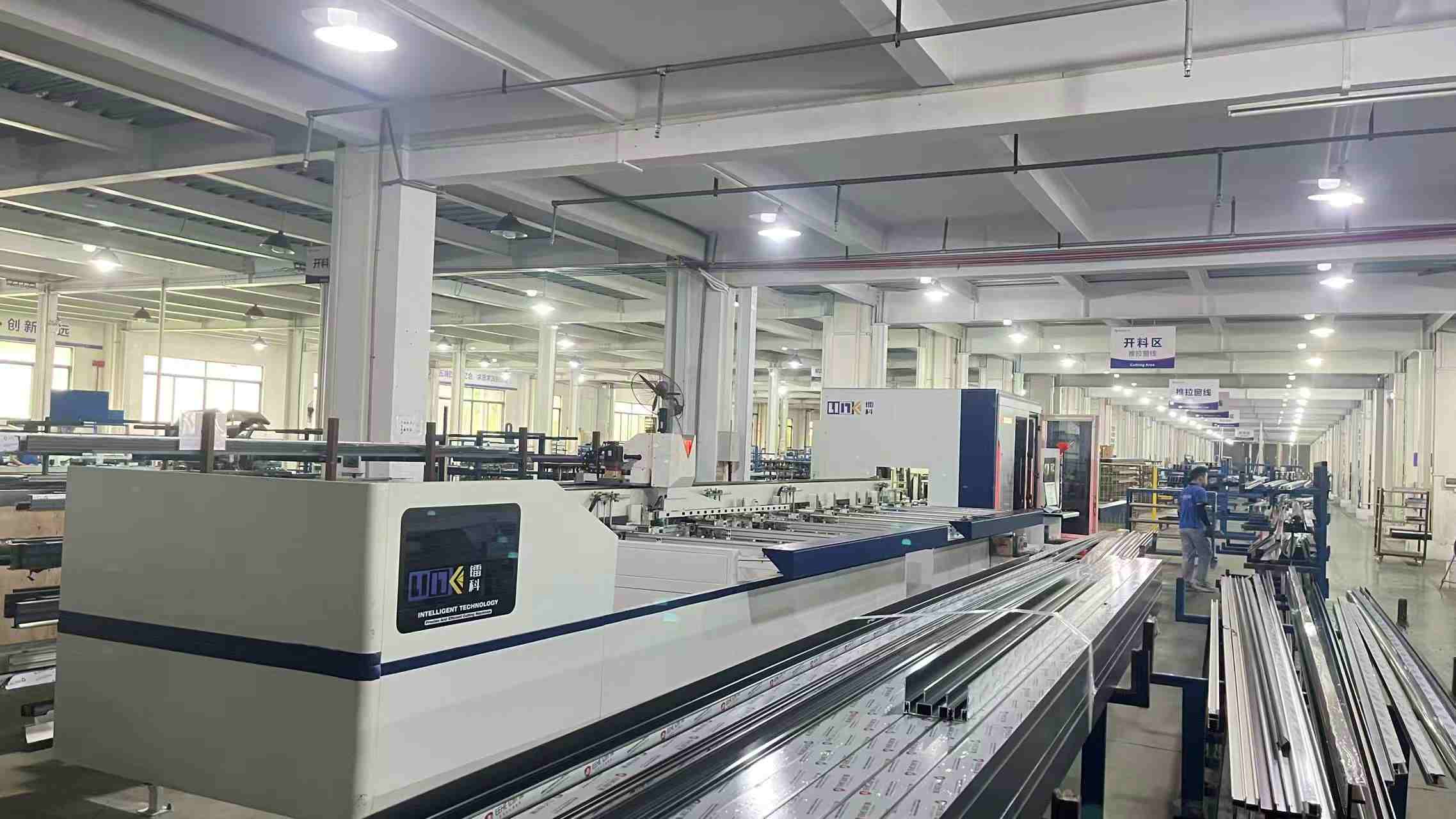
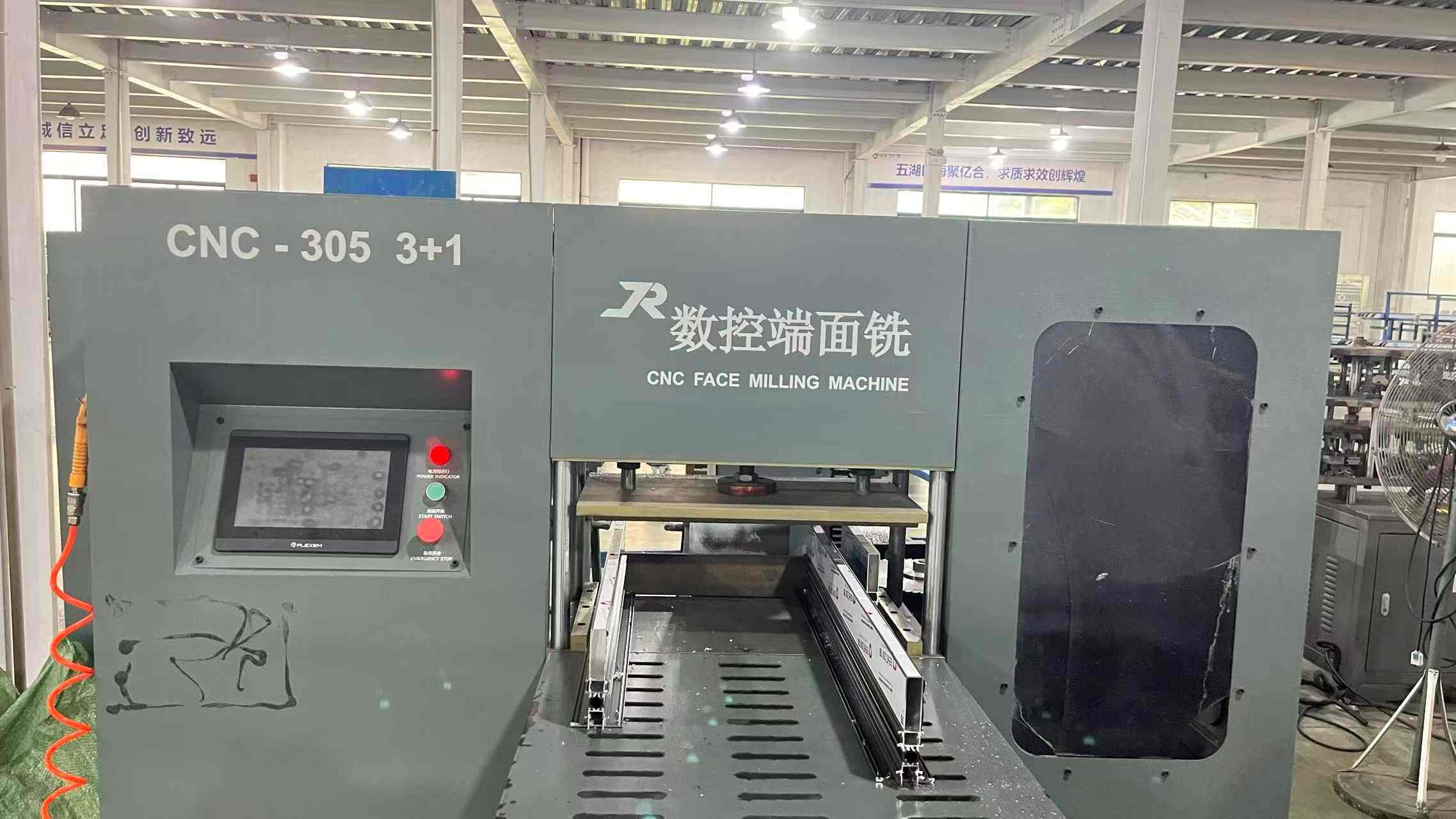
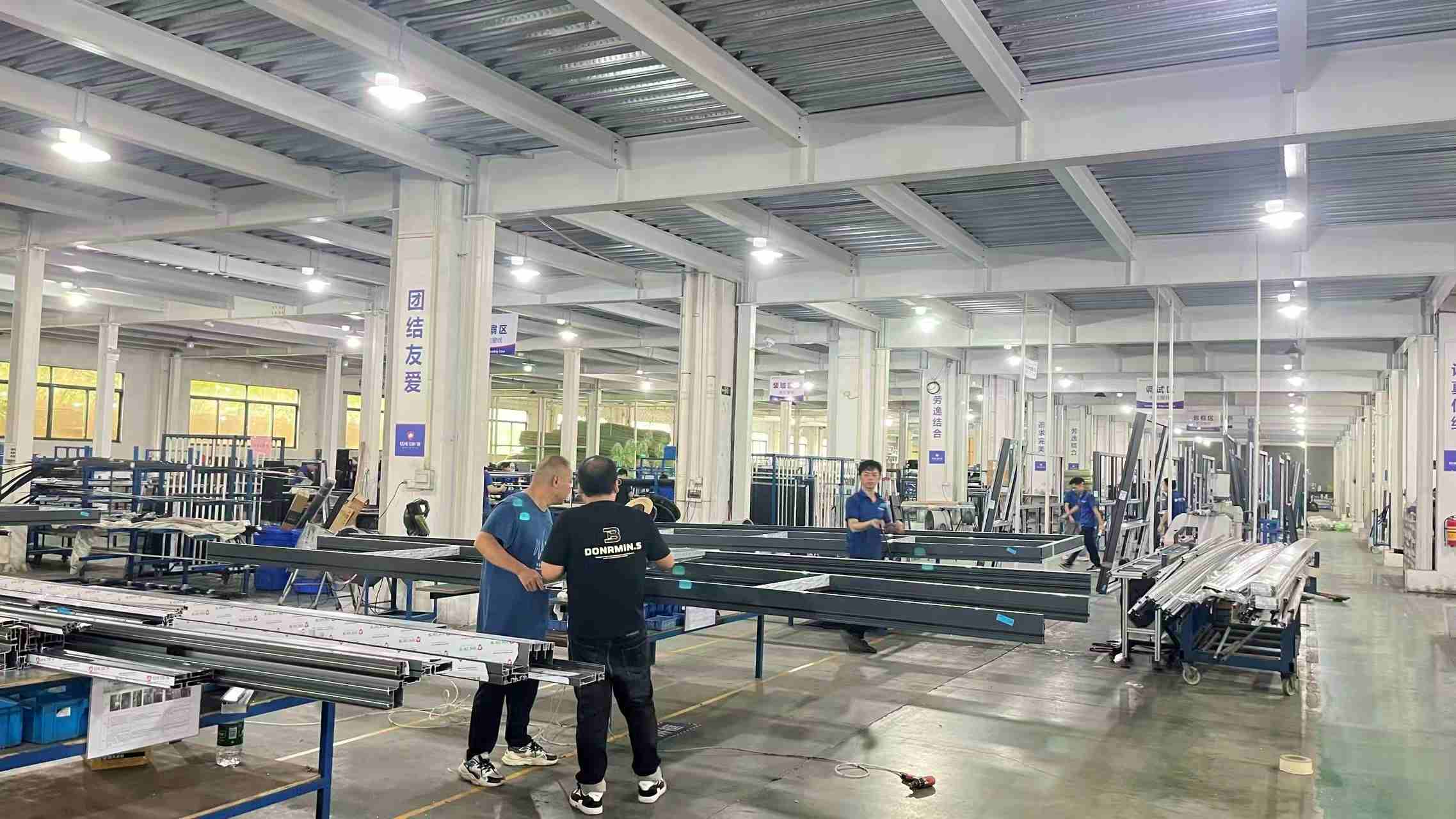
Rigorous 13-stage manufacturing process utilizing advanced CNC machinery, automated milling, dynamic impact testing, and structural silicone bonding.
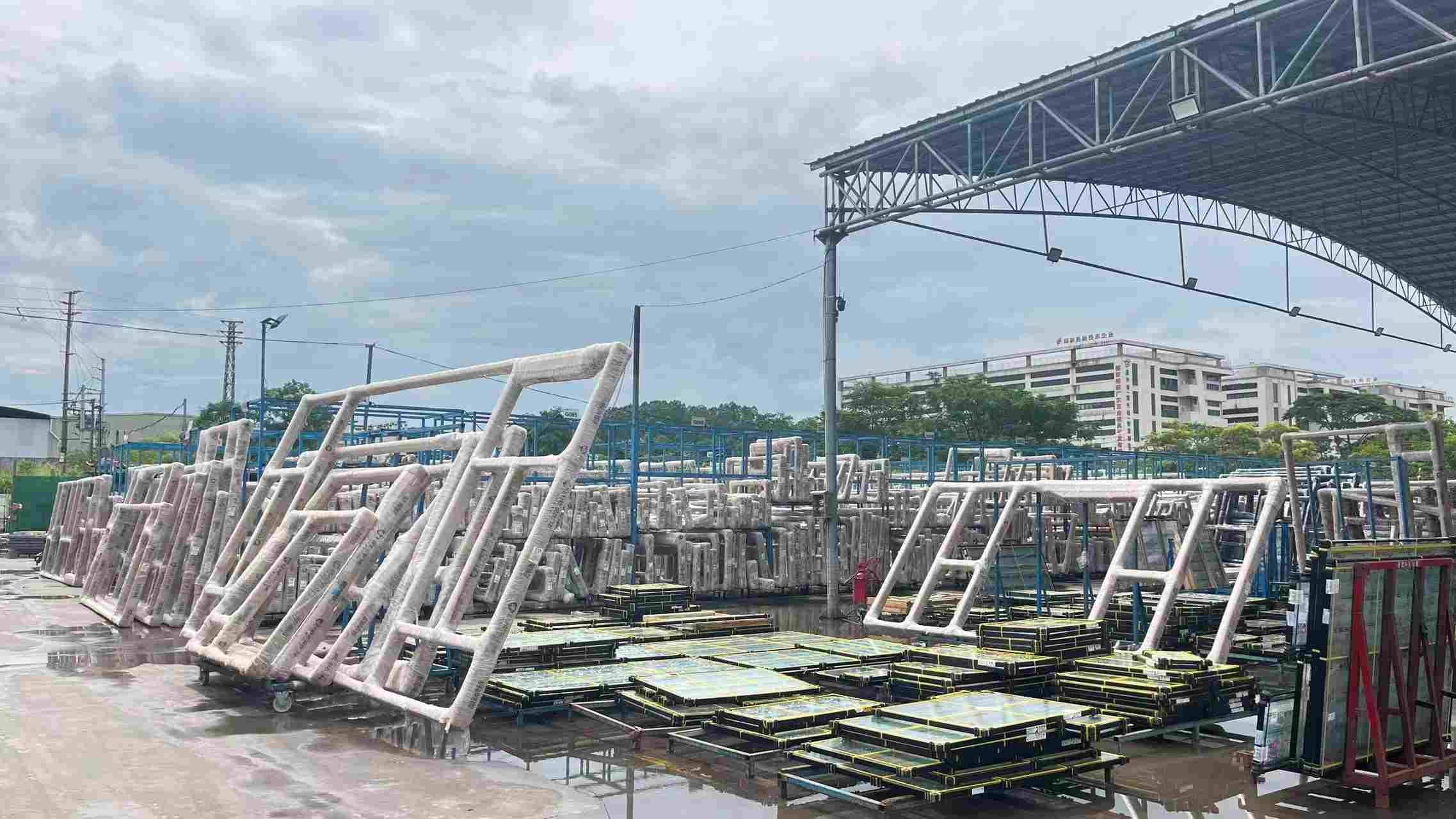
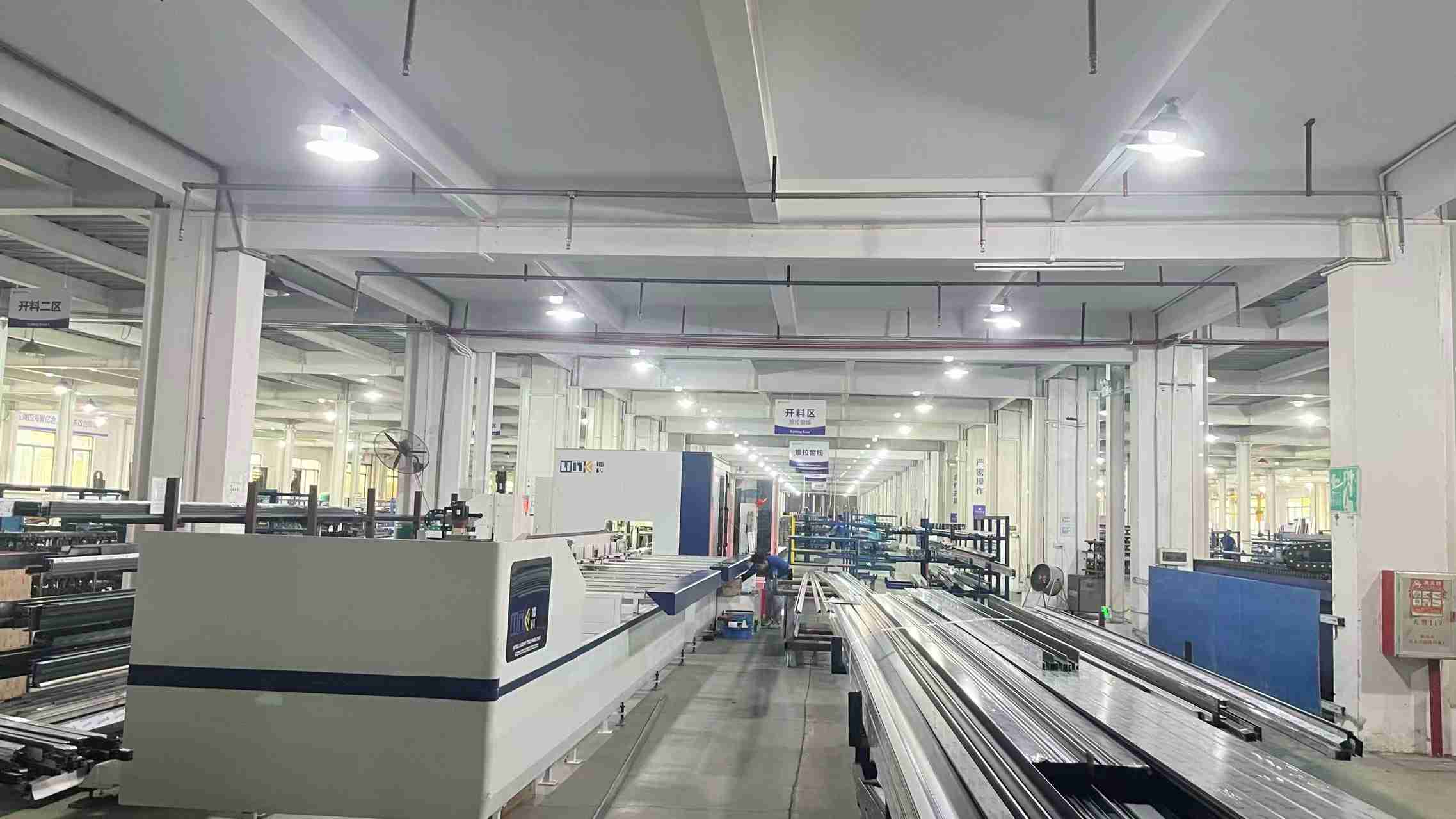
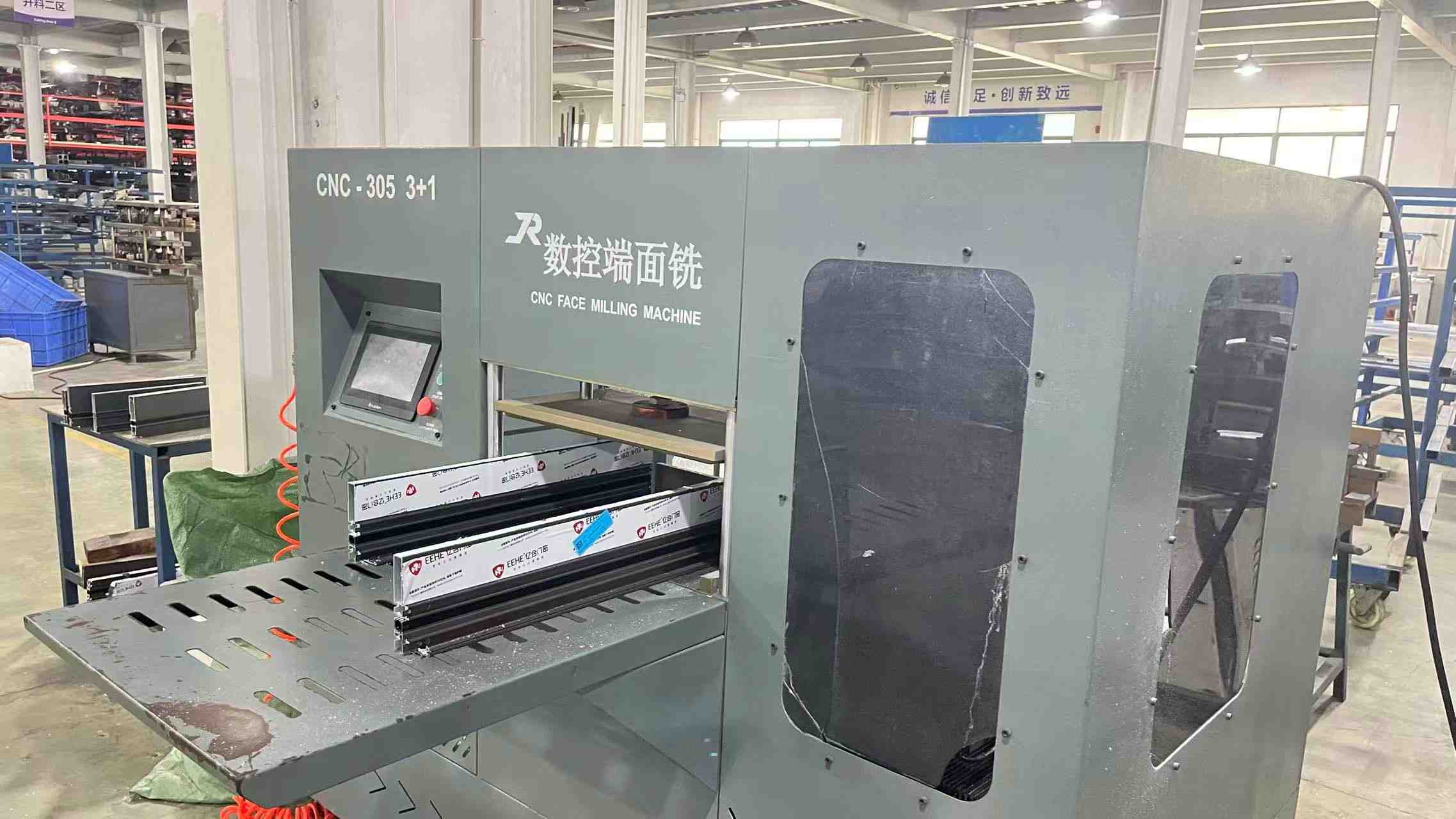
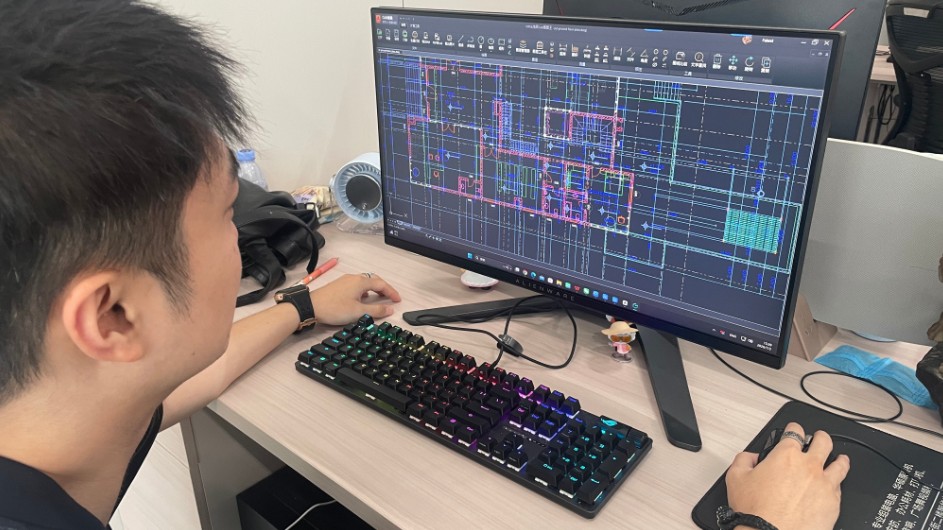
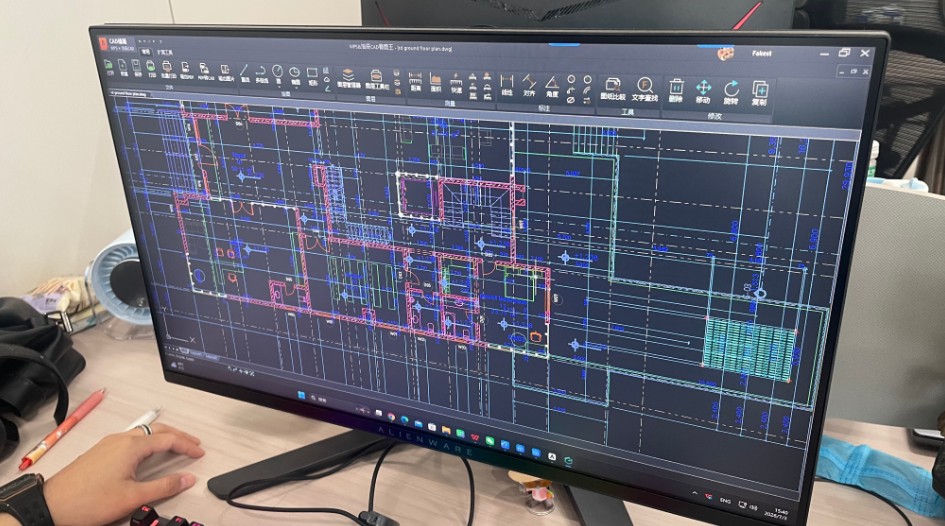
Understanding material grades, thermal separation tech, dynamic structural ratings, and finishing specifications.
When sourcing commercial exterior doors, the primary metric is profile density and metallurgical yield strength. High-grade systems utilize 6063-T6 aluminum extrusions, offering tensile strength ratings exceeding 205 MPa. Unlike standard non-thermal aluminum, T6 heat treatment guarantees structural resilience against frame deflection under extreme wind loads (up to Design Pressure DP +/- 70 PSF in coastal hurricane regions).
| Alloy & Temper | Tensile Strength (MPa) | Yield Strength (MPa) | Corrosion Resistance | Target Applications |
|---|---|---|---|---|
| 6063-T5 | 185 | 145 | High | Standard Residential Windows & Interior Partitions |
| 6063-T6 | 205 | 170 | Excellent | Commercial Exterior Doors, Bi-fold Systems, High-Rises |
| 6061-T6 | 290 | 240 | Superior | Heavy Dynamic Impact Doors, Ballistic Steel-Core Frames |
Aluminum is a natural thermal conductor ($k \approx 200 \text{ W/m}\cdot\text{K}$). To meet modern green building energy codes (such as ASHRAE 90.1 and IECC), manufacturers insert non-conductive barriers within the extrusion. Elite factories utilize Polyamide PA66 reinforced with 25% glass fiber (PA66 GF25) strut bars. This engineering composite matches the thermal expansion coefficient of aluminum, preventing joint shearing under dramatic climate fluctuations (from $-30^\circ\text{C}$ winter freezes to $+60^\circ\text{C}$ direct sunlight exposure).
For exterior entrance applications exposed to salt fog, harsh UV rays, and acid rain, surface treatment determines product longevity. Leading exporters apply AkzoNobel architectural powder coatings or 70% PVDF (Polyvinylidene Fluoride) fluorocarbon spray coats complying with AAMA 2605 specifications. This ensures 20+ year guarantees against chalking, blistering, and color fading under intensive UV irradiation.
How top-tier Chinese manufacturers adapt entry door systems for strict regional building codes and extreme climatic conditions.
Key Certifications: NFRC, Miami-Dade NOA, Florida Building Code (FBC), ADA Accessibility Compliance.
Coastal zones require hurricane-impact resistance verified by High-Velocity Hurricane Zone (HVHZ) testing. Steelwar’s thermal break single hung and casement systems integrate PVB/SGP laminated safety glass designed to withstand dynamic missile impact tests (ASTM E1886/E1996).
Key Certifications: AS2047, AS1288, WERS Energy Rating.
Oceania demands extreme resistance to high solar radiation and severe coastal winds. AS2047 testing ensures door frames pass intense water penetration testing (up to 450 Pa) and ultimate limit state structural deflection checks under cyclone pressure vectors.
Key Certifications: CE Mark, EN 14351-1, Passive House Standards, ASTM E283 Air Infiltration.
European projects demand ultralow U-factors ($U_f \le 0.8 \text{ W/m}^2\text{K}$), requiring triple-glazed low-E argon units. Middle Eastern applications require dust-tight EPDM double-gasketing and heat-reflective solar control coatings to withstand sandstorms and ambient heat exceeding $50^\circ\text{C}$.
The global architectural fenestration market relies heavily on China’s vertically integrated manufacturing clusters. Modern Chinese aluminum entry door manufacturers combine raw material extrusion, automated glass tempering, CNC hardware machining, and factory-direct quality control within unified production complexes.
Expert technical answers regarding structural performance, certifications, MOQs, and shipping logistics.
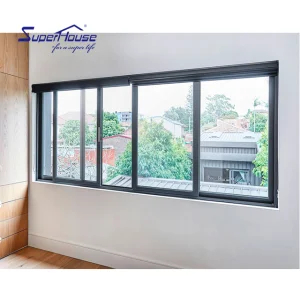
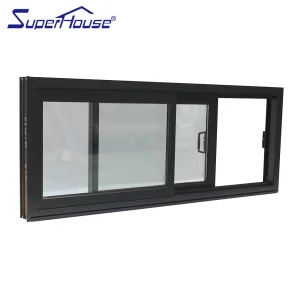
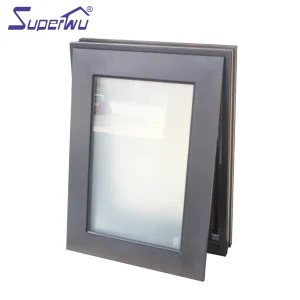
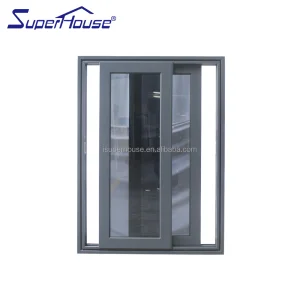
Explore our extended catalog of high-efficiency architectural fenestration solutions.
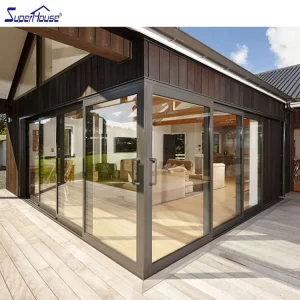
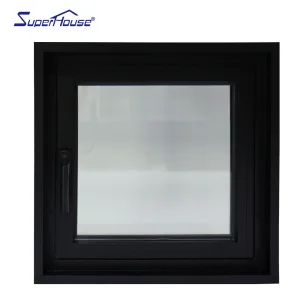
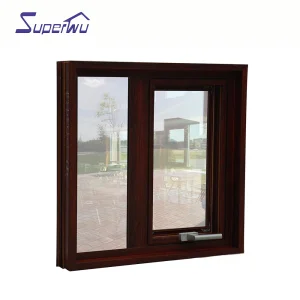
 Steelwar