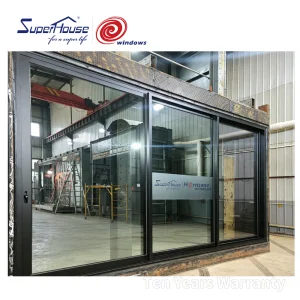
Explore certified structural systems engineered for commercial, luxury residential, and storm-prone coastal regions. Each system features custom glazing, thermally broken frames, and rigorous impact protection.
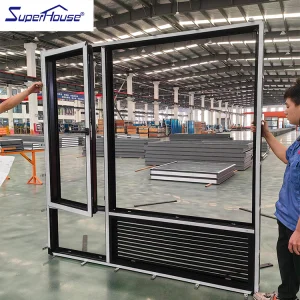
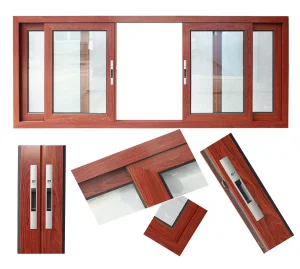
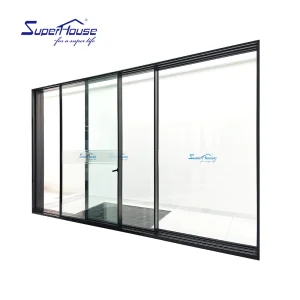
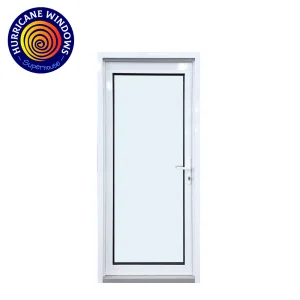
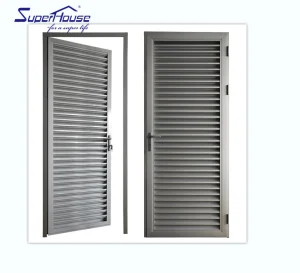
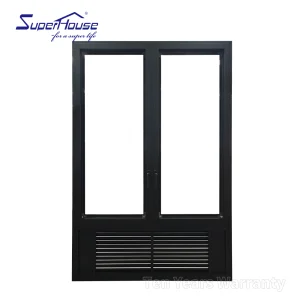
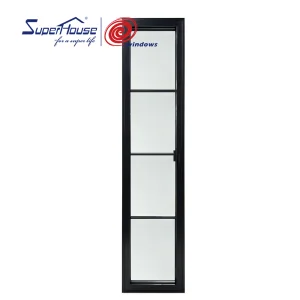
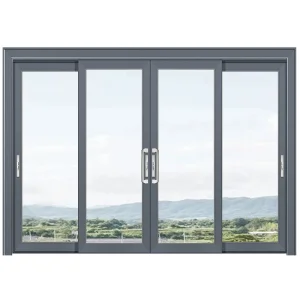
The global market for high-end architectural fenestration is experiencing a profound paradigm shift. Driven by stringent municipal energy codes, evolving climate challenges, and the architectural demand for ultra-slim, minimalist sightlines, aluminium front doors and entrance systems have emerged as the primary standard for modern commercial and luxury residential developments. Unlike legacy timber or unreinforced PVC systems, extruded aluminium alloy profiles (predominantly 6063-T5 and 6060-T6) offer an unparalleled strength-to-weight ratio, structural rigidity, and resistance to environmental degradation.
According to international building envelope research, the market for structural architectural aluminium is projected to grow at a CAGR of 6.8% through 2030. Key growth drivers include the global expansion of high-velocity hurricane zones (HVHZ) requiring Miami-Dade NOA certifications, North American NFRC thermal performance compliance, and European passive house standards demanding U-factors as low as 0.8 W/m²K.
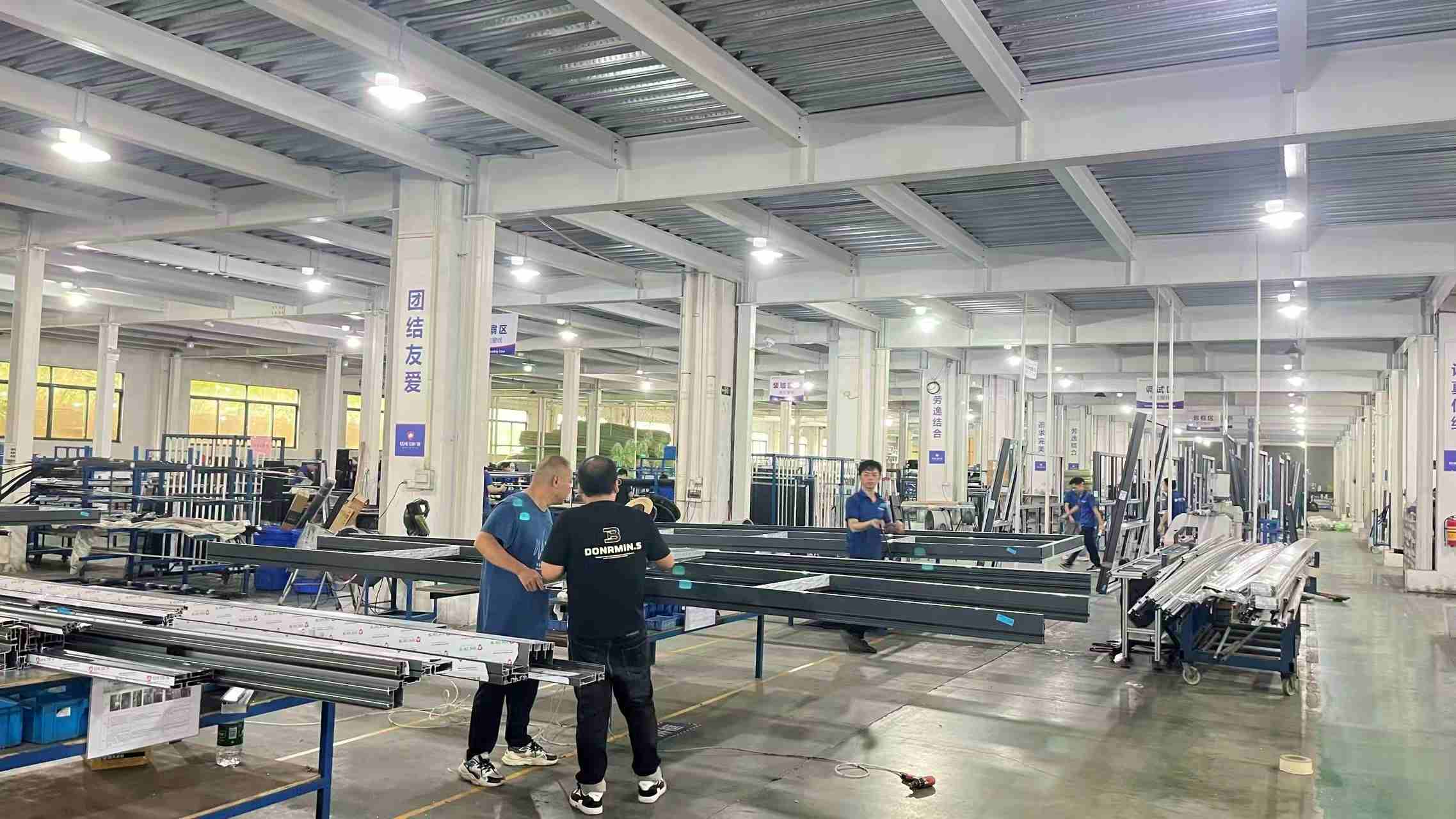
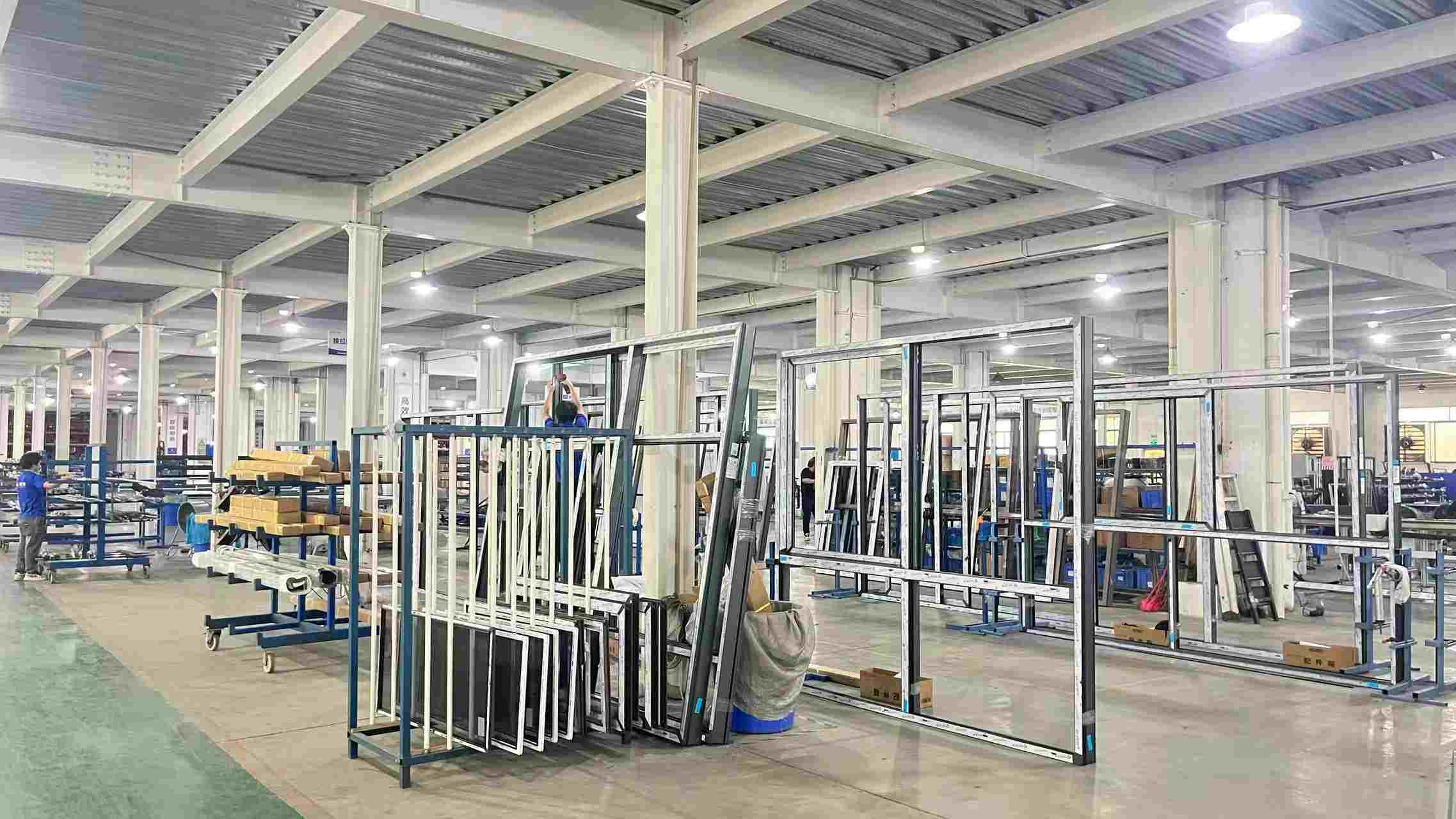
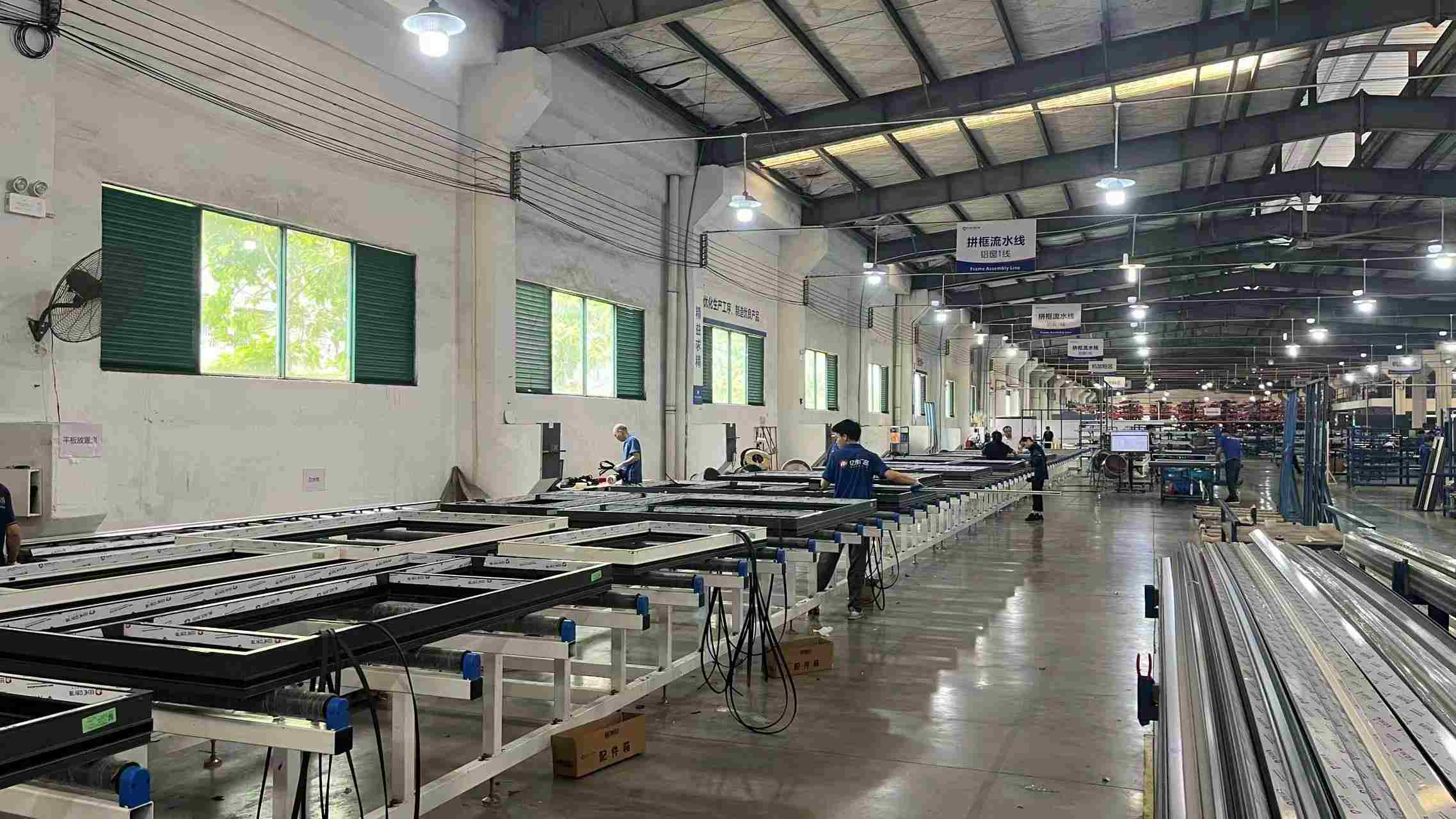
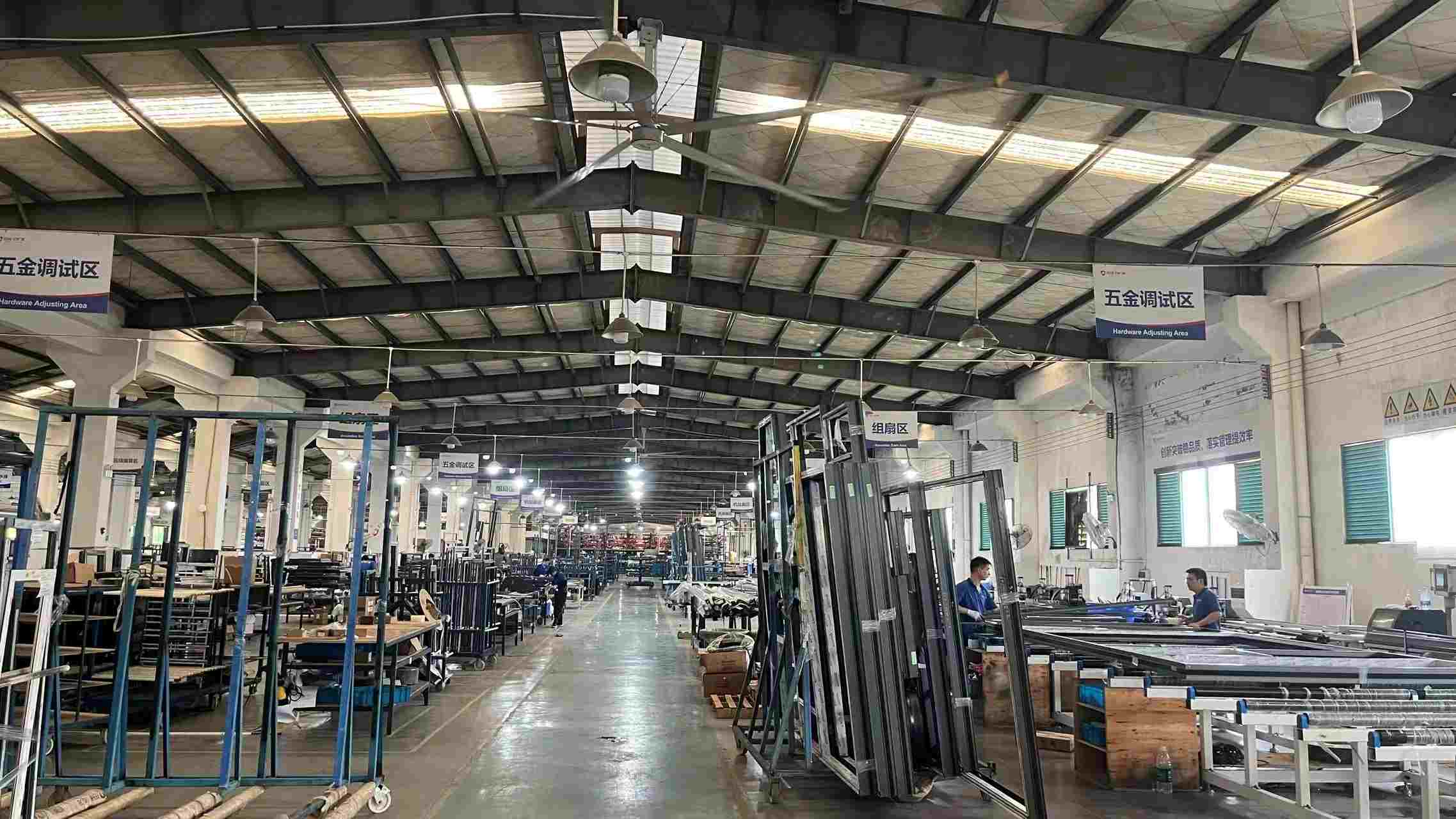
Established in 2003, Steelwar Entry Systems Co., Ltd. operates a large-scale 40,000 m² manufacturing plant specializing in high-security exterior entry doors. With 21 years of continuous industry experience and 9 years of global export capabilities, the company generates $35 million in annual export turnover. Steelwar focuses on key markets across North America, the Middle East, and Eastern Europe, primarily supplying building material distributors, security door stockists, and commercial construction contractors.
Supported by a solid trade background and a network of 1,100 supply chain partners, Steelwar maintains strict product reliability. Quality control is managed by a team of 50 QC specialists who execute dynamic impact resistance testing, automated frame tolerance checks, and corrosion-resistant coating audits. The company's engineering strength is backed by 75 R&D engineers who introduced 230 new product models last year. Custom options include ballistic steel cores, multi-point smart lock integration, customized RAL color finishes, and bespoke frame depths.
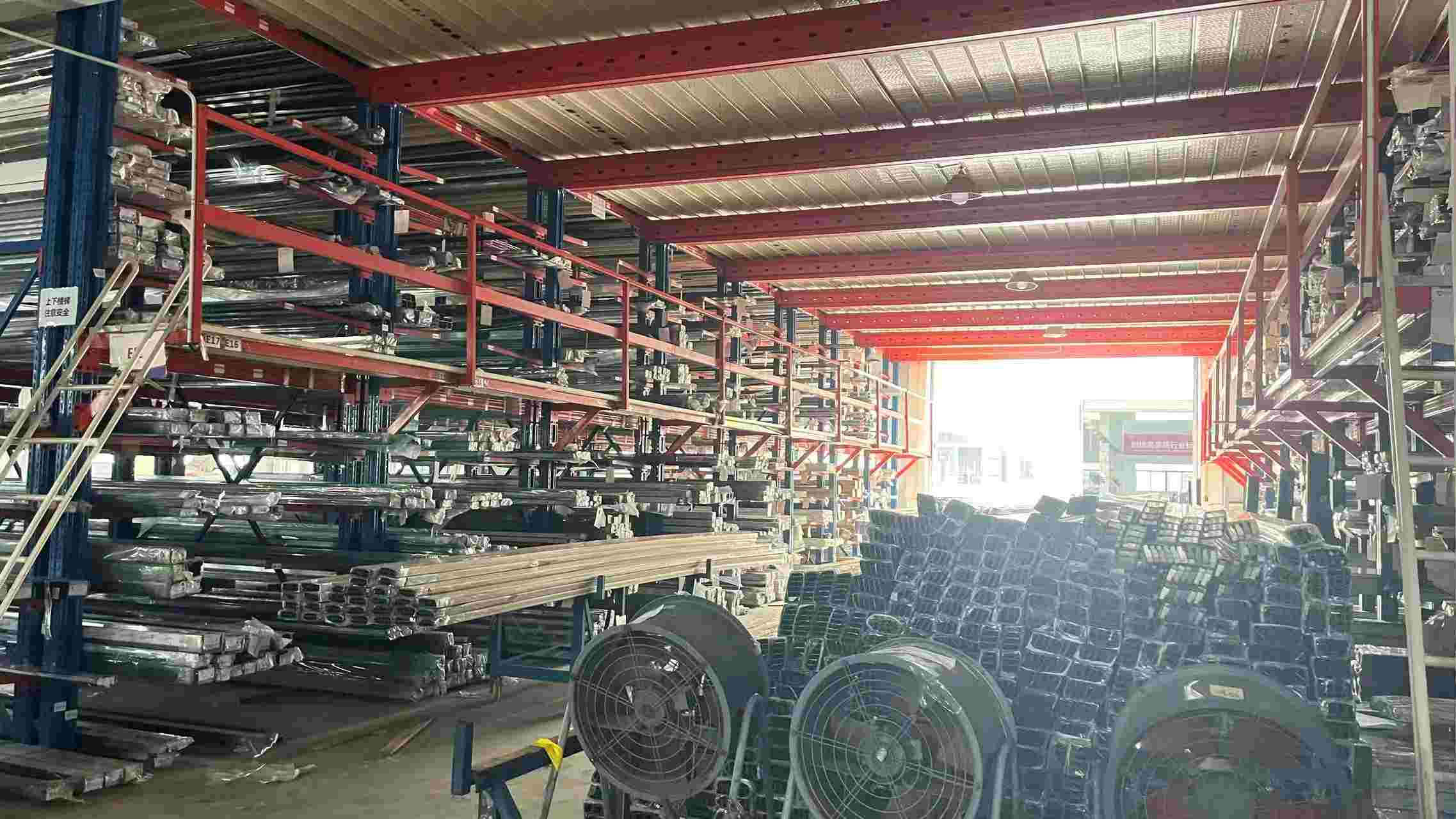
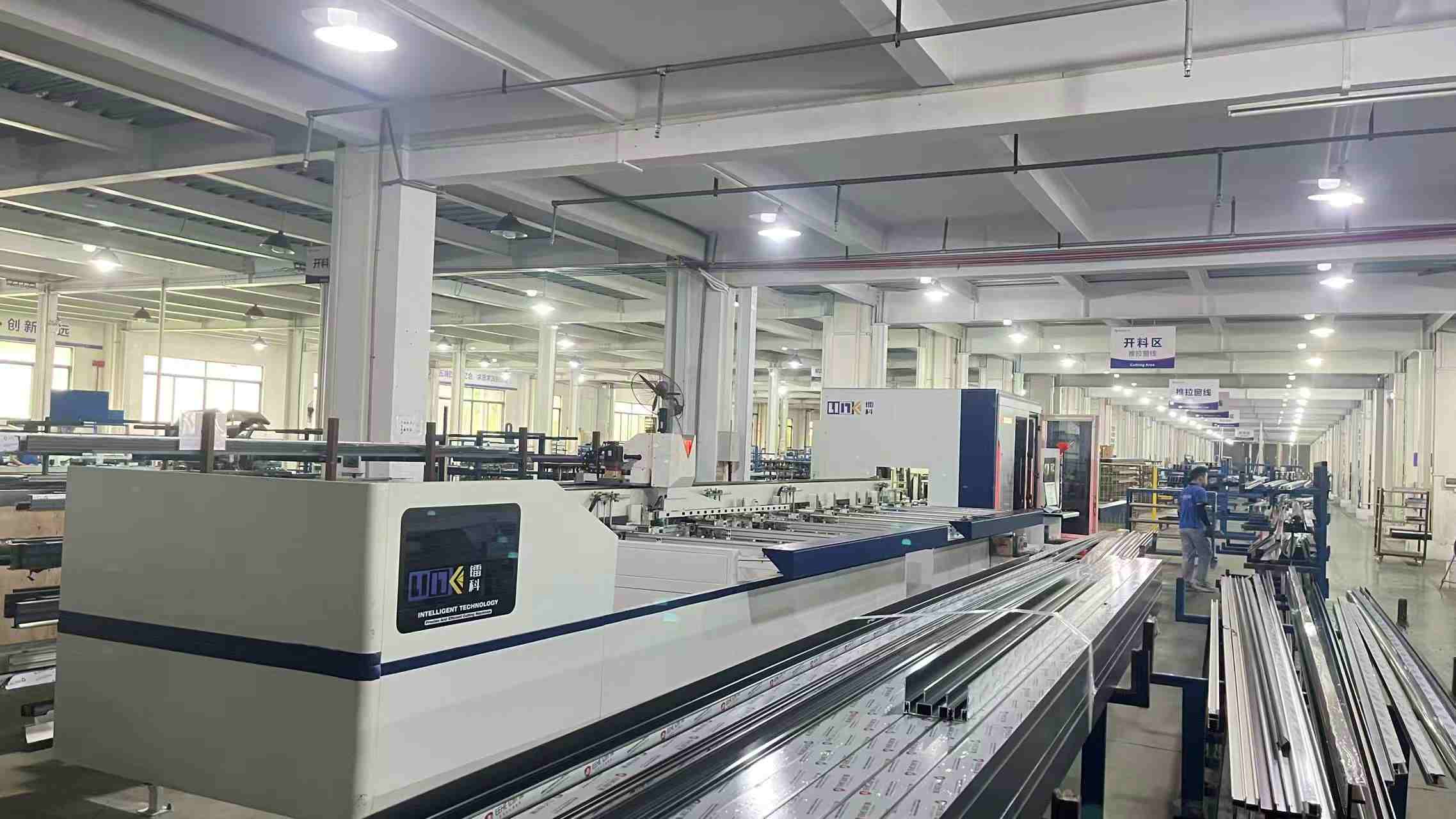
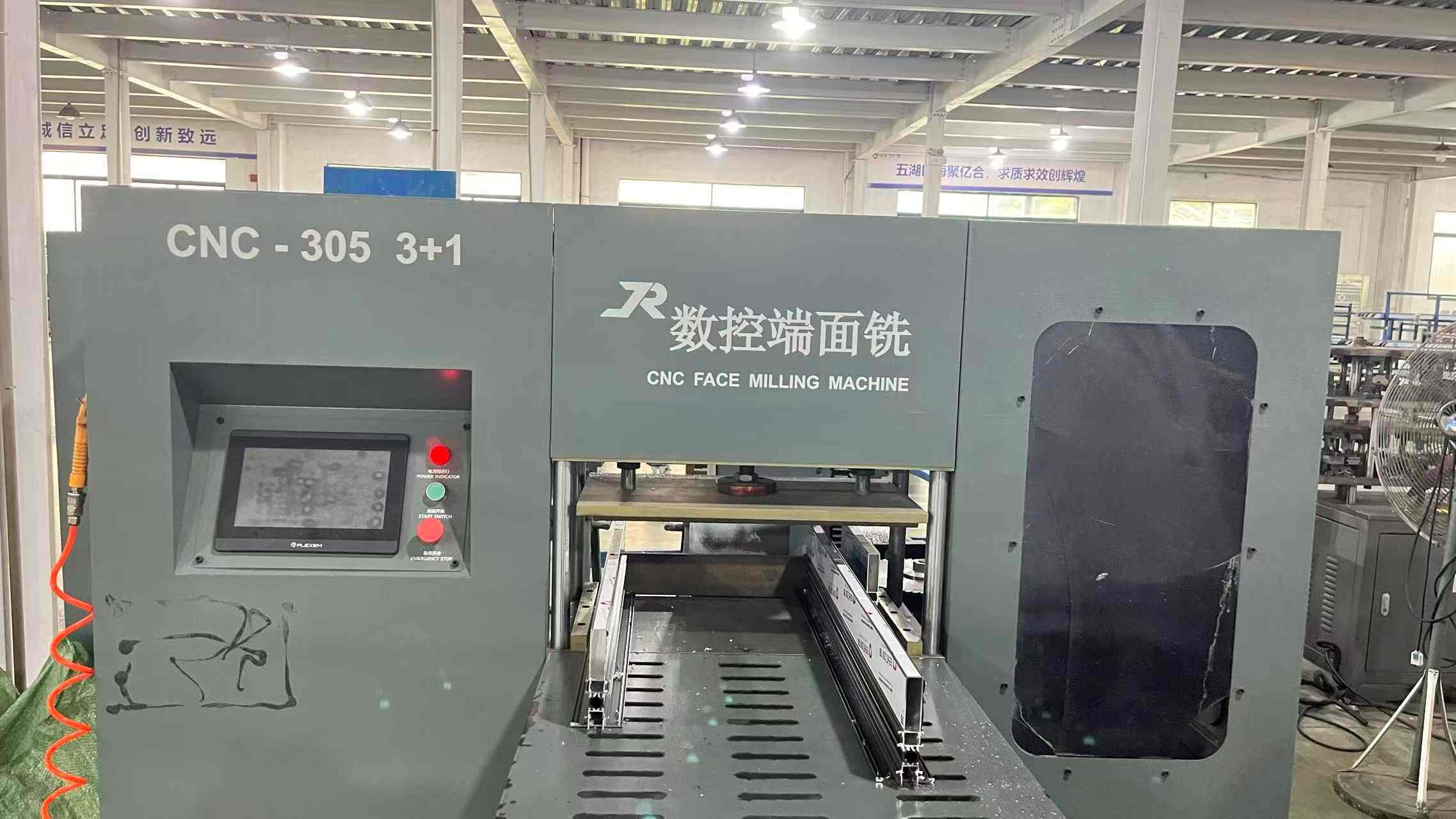
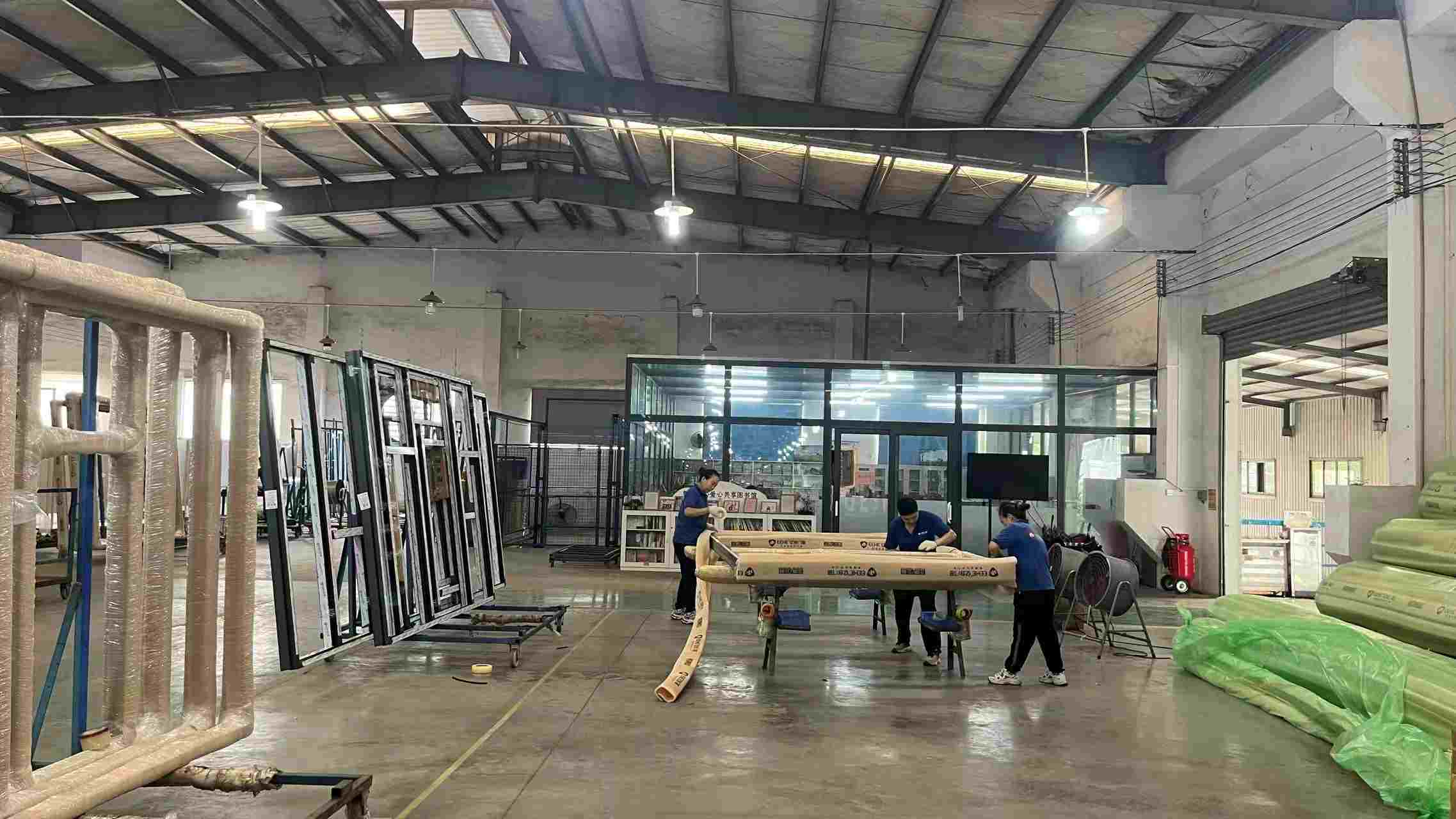
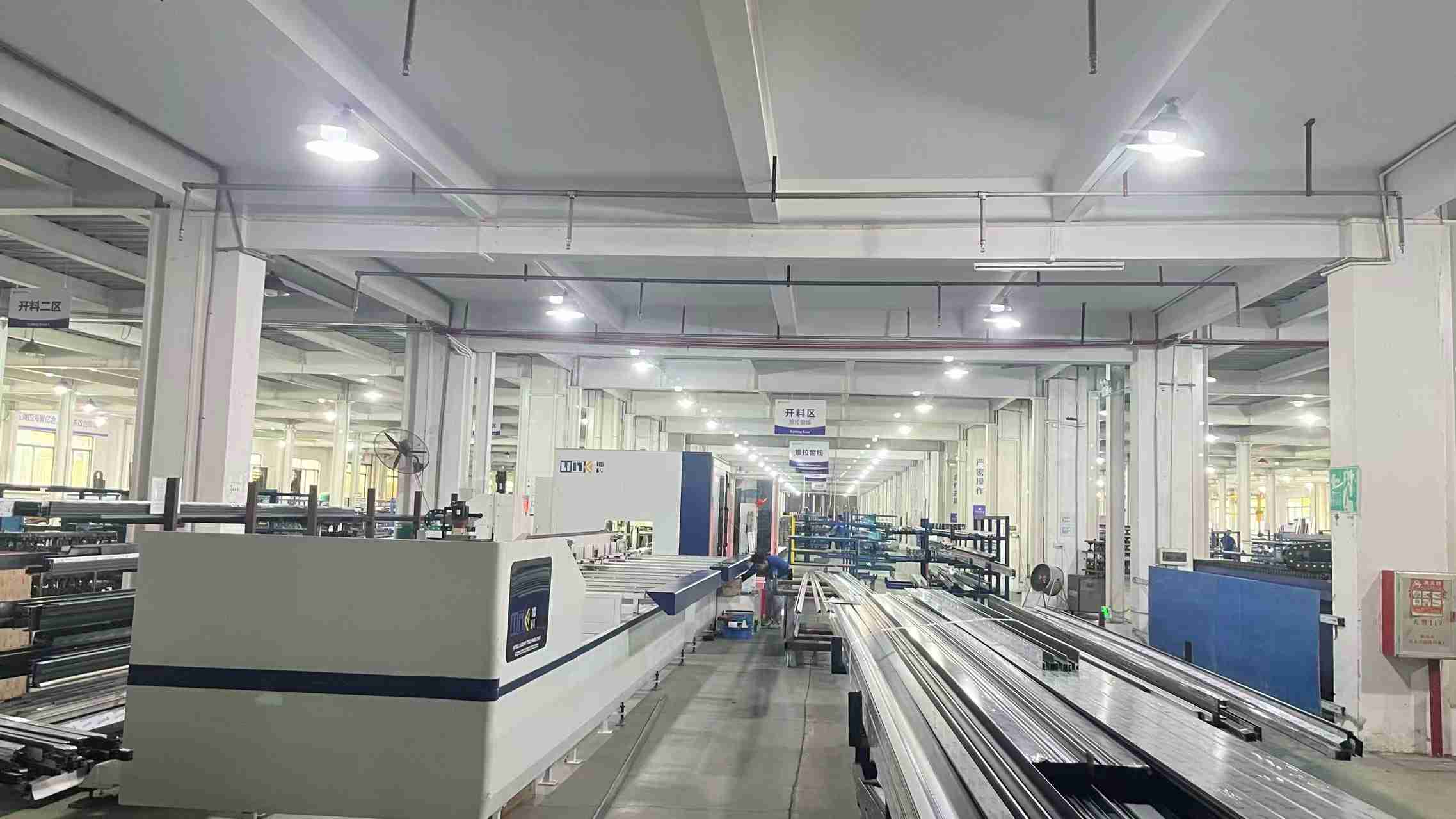
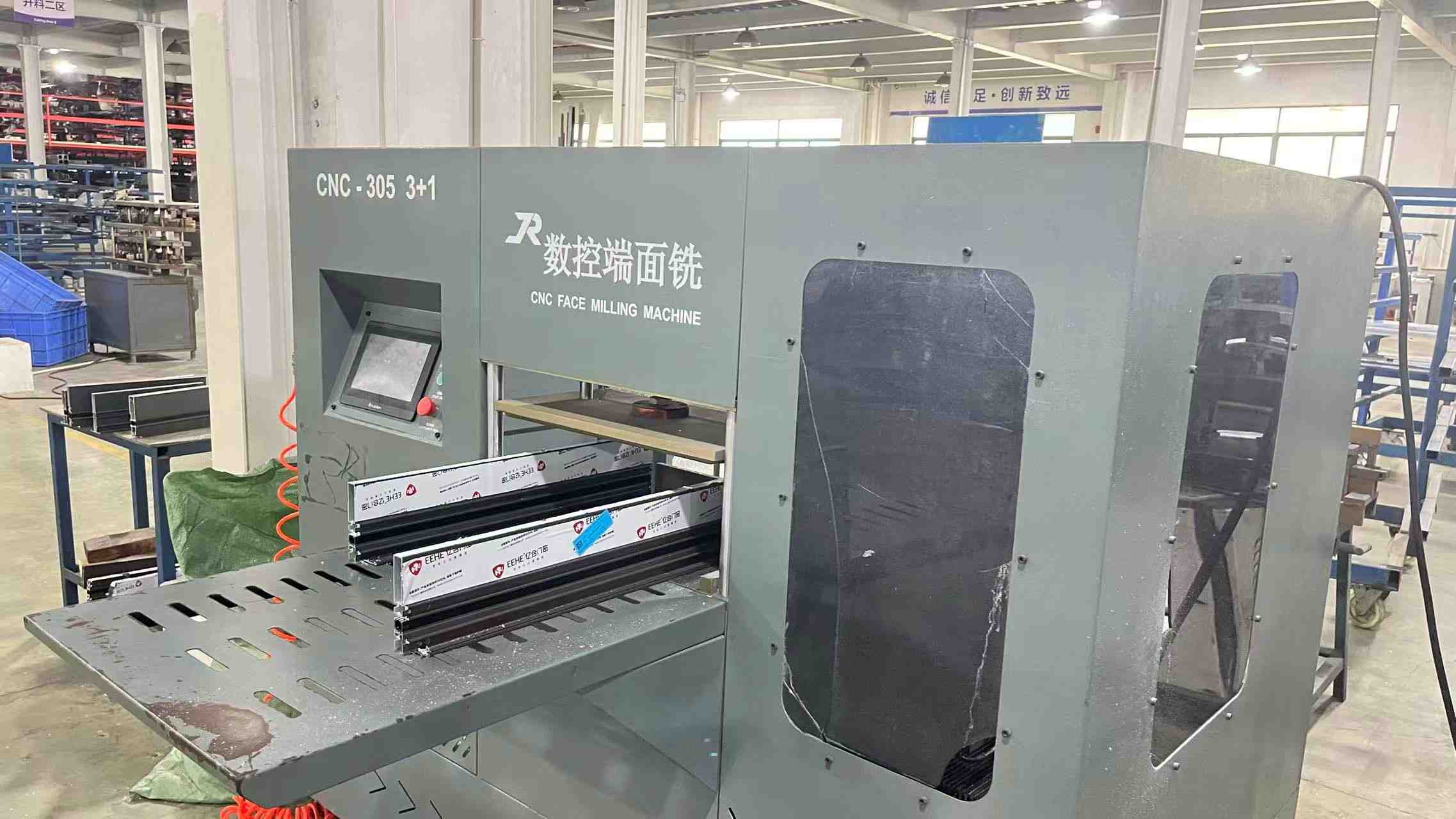
Automated extrusion line integration, precision CNC corner crimping, and high-speed powder coating setups designed for rapid large-project order execution.
50 dedicated quality controllers verifying air infiltration, water penetration resistance, structural load tolerances, and surface salt-spray durability.
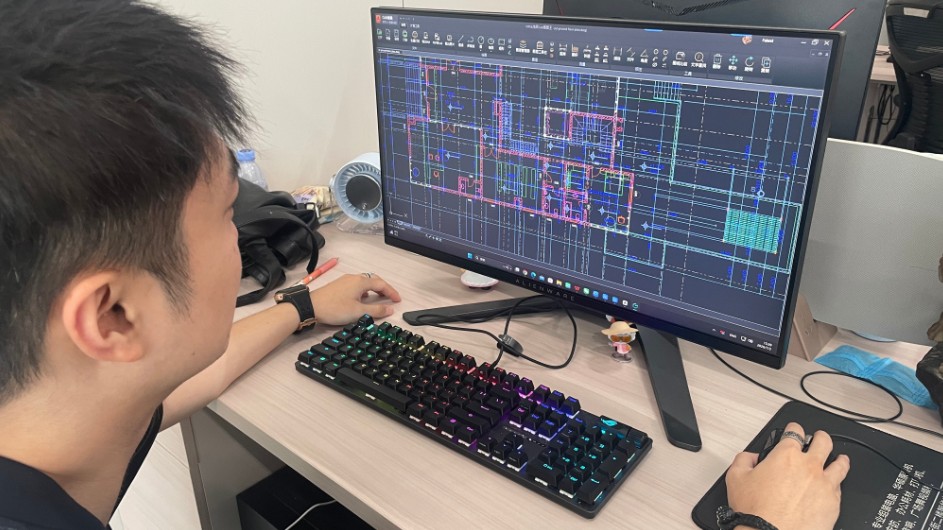
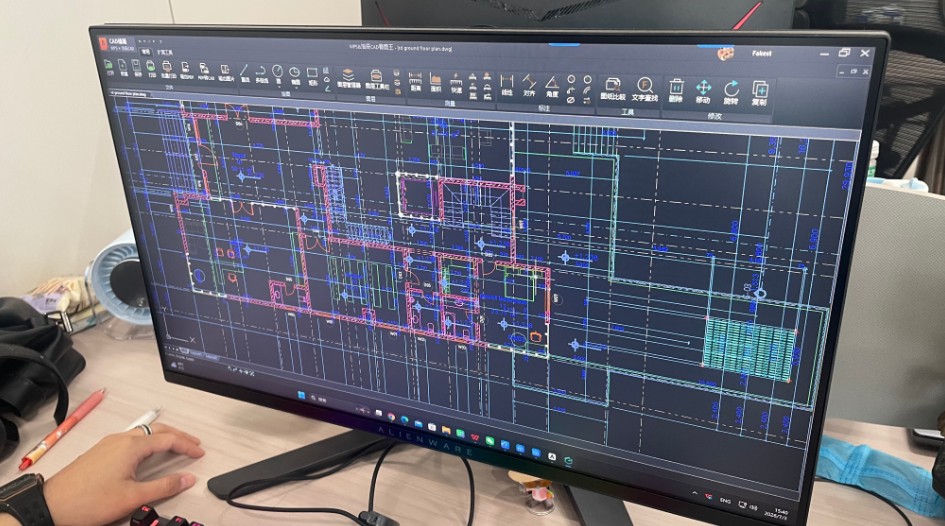
75 engineering experts driving custom CAD/BIM modeling, structural load simulation, and developing over 230 certified door and window SKUs annually.
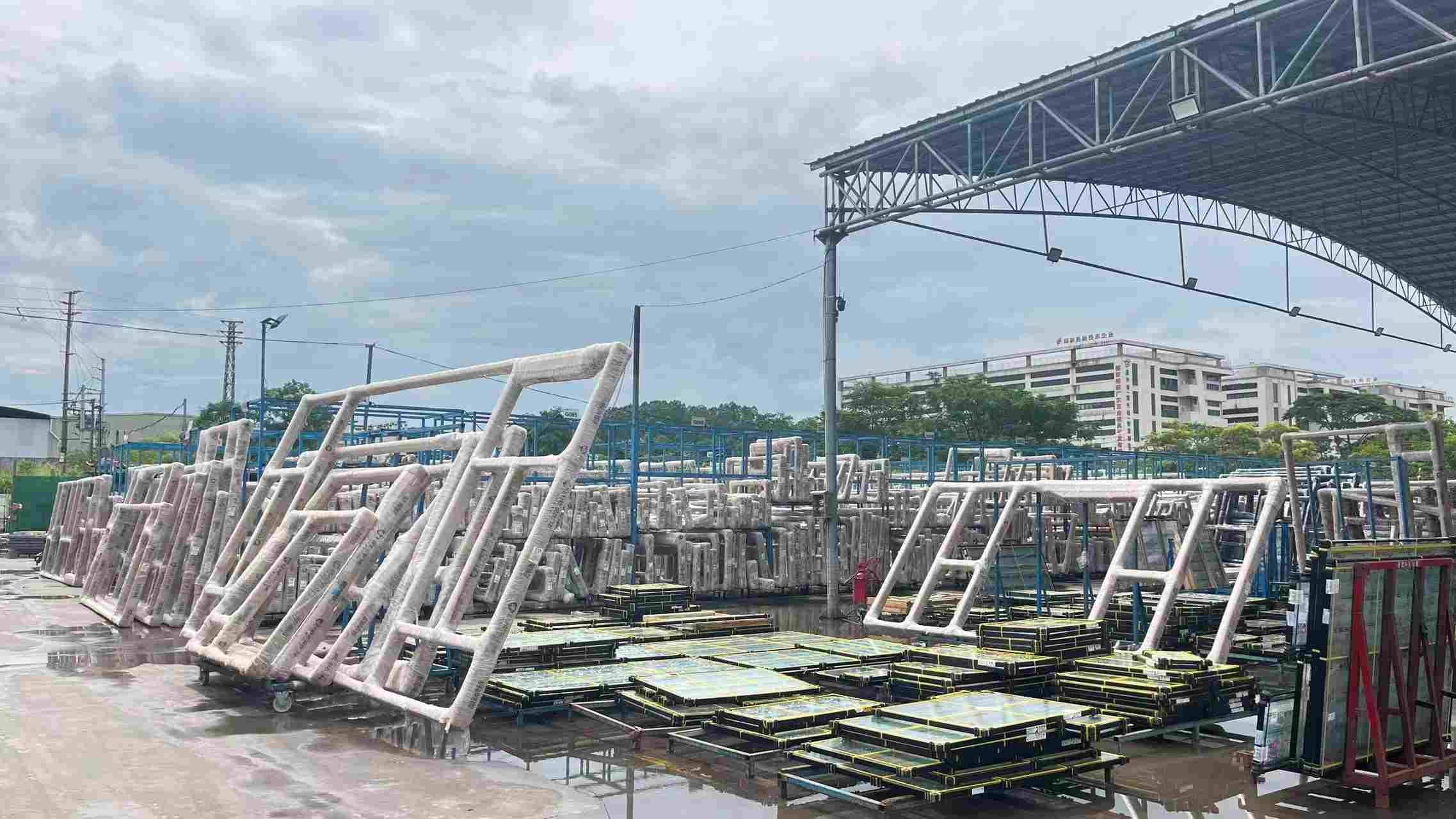
Precision engineering requires absolute consistency across raw material selection, digital fabrication, automated assembly, and testing. Below is the operational workflow deployed within our 40,000 m² modern manufacturing plant.
Selecting the correct OEM/ODM manufacturing partner involves evaluating technological capability, compliance certifications, lead times, and customization flexibility. The following comparative matrix benchmarks leading global suppliers based on international architectural standards.
| Manufacturer / Supplier | Primary HQ | Key Specialty / Certifications | Lead Time & Scalability | Customization & Core Strengths |
|---|---|---|---|---|
| Steelwar Entry Systems | China (40,000m²) | Florida NOA, NFRC, AAMA, Title 24, ISO9001 | Fast-Track (15-25 Days), High Capacity | Ballistic Steel Cores, Custom RAL, Smart Lock Integration, $35M Export |
| Schüco International | Germany | DIN EN 1627 RC2-RC4, Passive House Certified | Standard (6-10 Weeks) | Ultra-premium thermal insulation, high-end European commercial projects |
| Reynaers Aluminium | Belgium | CE Mark, Qualicoat, Minergie Standard | Standard (6-8 Weeks) | Architectural minimal frame profiles, curtain wall integrations |
| YKK AP Inc. | Japan / USA | AAMA, ASTM E1886/E1996 Impact Rated | Moderate (4-6 Weeks) | Commercial storefronts, standardized architectural fenestration |
| Kawneer (Arconic) | USA | Florida Product Approval, NFRC, LEED Support | Standard (5-8 Weeks) | Heavy-duty commercial architectural entrances & curtain walls |
| Origin Frames | UK | PAS 24, Secured by Design (SBD) | Fast-Track (UK domestic) | Bespoke residential aluminium bi-fold and pivot doors |
| Cortizo Aluminium | Spain | EN ISO 14001, UNE-EN 12207 | Moderate (4-6 Weeks) | Slim-line sliding systems, European residential export market |
| Aluk Group | Netherlands / Global | ISO 9001, BREEAM Compliant Profiles | Standard (6 Weeks) | Mid-to-high commercial window and front entrance systems |
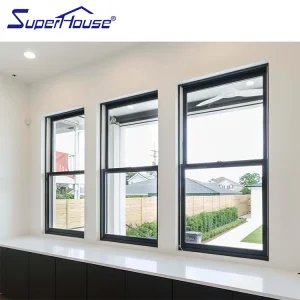
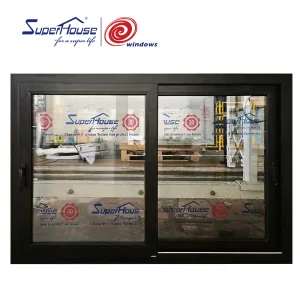
| Superhouse Windows | China | AS2047, CSA, NFRC, AAMA Certified | Fast-Track (20-30 Days) | Residential thermal break sliding and casement systems export |
| Technal (Hydro Group) | France | Cradle to Cradle Certified (ASI Standard) | Standard (6-8 Weeks) | Recycled low-carbon aluminium architectural facade solutions |
China’s architectural aluminium manufacturing sector commands a dominant position in the global supply chain, offering unmatched efficiency, vertical integration, and cost optimization without compromising structural integrity. By operating within tightly integrated industrial clusters—where raw aluminium billet smelting, precision extrusion, thermal break insertion, surface treatment (anodizing, fluorocarbon PVDF coating), and hardware machining occur within tight geographical proximity—leading factories eliminate logistical friction.
Direct access to high-grade primary ingot suppliers allows Chinese manufacturers to enforce strict alloy purity control (AA6063-T5/T6). With over 1,100 supply chain partners, raw material procurement lead times are reduced by up to 65% compared to Western counterparts.
Implementation of 5-axis computer numerical control (CNC) double-head cutting saws and automated corner-crimping machines ensures frame dimensional tolerances within ±0.5mm. This eliminates air leakage and structural failure under severe wind-load conditions.
By aggregating global export orders—evidenced by Steelwar’s $35 million annual turnover—factories lower per-unit tooling and extrusion setup costs. This enables real estate developers to source hurricane-rated and thermally insulated front entry systems at 30-40% lower capital expenditure.
Aluminium front entry doors and window systems are engineered to withstand diverse regional climatic forces, local structural codes, and architectural preferences. Below are primary global deployment scenarios:
In coastal regions such as Florida, Texas, and the Caribbean islands, entry doors must withstand extreme cyclic wind pressures (up to DP-90) and windborne debris impact. Aluminium entry doors integrated with laminated impact glass (PVB/SentryGlas interlayers) and heavy-duty multi-point stainless steel locking bars meet stringent Florida Miami-Dade NOA guidelines, preventing envelope breach during Category 5 hurricanes.
In cold climates, preventing thermal bridging is essential to eliminate interior condensation and reduce heating loads. Thermally broken aluminium front doors utilize high-width Technoform polyamide PA66-GF25 thermal insulation strips combined with argon-filled triple-glazed units. This configuration achieves exceptional U-factors down to 0.14 BTU/h·ft²·°F (0.80 W/m²K), exceeding California Title 24 and European Passive House criteria.
For 5-star hotels, luxury retail storefronts, and high-traffic office buildings, entrance systems demand structural stamina combined with automated smart access. Systems feature integrated panic push-bars, electromagnetic drop-bolts, biometric access panels, and PTAC louver modules for mechanical ventilation, ensuring high security, emergency egress, and high-frequency operational durability.
Salt spray along oceanfront developments rapidly oxidizes standard steel or untreated metal hardware. Marine-grade anodized aluminium profiles with 25-micron electro-coatings or PVDF fluorocarbon finishes withstand 3,000+ hours of continuous salt-spray chamber testing (ASTM B117), guaranteeing lifetime surface immunity against pitting and peeling.
To legally distribute architectural entrance doors into international building markets, products must undergo standardized laboratory verification by accredited third-party testing agencies (such as Intertek, UL, or CSA).
Measures whole-product U-Factor, Solar Heat Gain Coefficient (SHGC), and Visible Transmittance (VT). Essential for North American Energy Star program qualification.
Verifies large missile impact testing (TAS 201), cyclic pressure loading (TAS 203), and uniform static air pressure (TAS 202) for high-velocity hurricane zones.
The unified North American standard governing air leakage, water penetration resistance, and structural performance class (CW, AW, R, LC ratings).
The architectural fenestration industry is undergoing rapid technological advancements driven by smart building automation and net-zero carbon mandates. The roadmap for 2025 and beyond highlights several transformative engineering innovations:
Modern aluminium entry doors are no longer passive barriers. Next-gen systems seamlessly incorporate concealed electromechanical multi-point locking hardware, facial recognition sensors, optical fingerprint scanners, and smart home hub integration (Zigbee/Matter protocols), offering keyless entry and real-time security monitoring.
Replacing standard double glazing with Vacuum Insulated Glass (VIG) provides R-values comparable to solid insulated walls in a profile only 8.3mm thick. Concurrently, electrochromic smart glass allows homeowners to dynamically adjust tint transparency via smartphone or automated solar tracking sensors, drastically lowering cooling loads.
Sustainability initiatives mandate reducing embodied carbon in building structures. Leading factories are transitioning to post-consumer recycled aluminium extrusions smelted using renewable hydroelectric energy, reducing carbon output from 18kg CO₂/kg aluminium down to under 4kg CO₂/kg.
Eliminating unsightly exterior drainage caps, next-generation frames incorporate internal hidden cascade water channels with sub-frame pressure equalization chambers. This ensures total water tightness during driven heavy rainstorms up to 1000 Pa dynamic pressure.
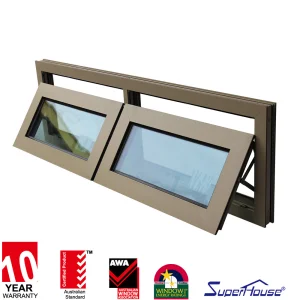
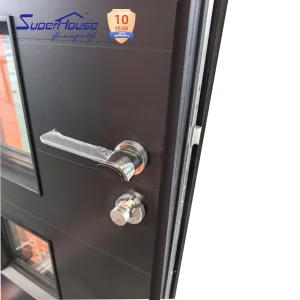
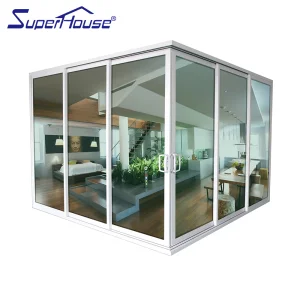
Browse our complete range of certified exterior swinging, sliding, and specialty thermal-break aluminium systems engineered for global real estate developments.
Direct insights addressing structural specifications, OEM/ODM ordering, shipping logistics, and code compliance for commercial buyers.
 Steelwar