Precision-engineered fenestration products tested to stringent NFRC, AS2047, and Florida Building Code standards for ultimate energy savings and structural resilience.
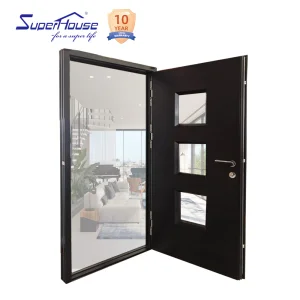
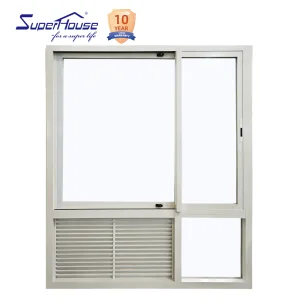
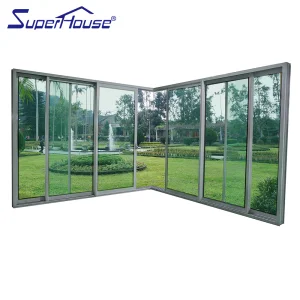
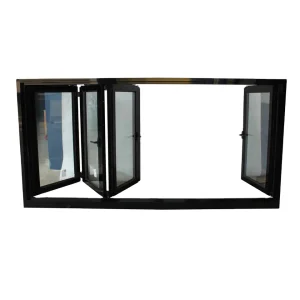
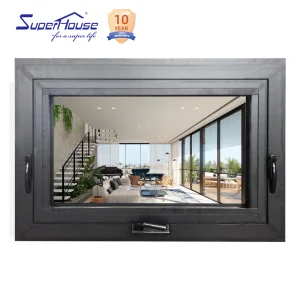
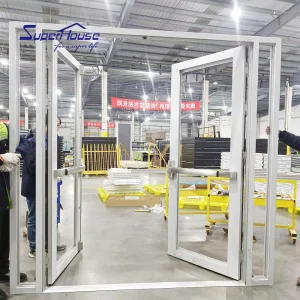
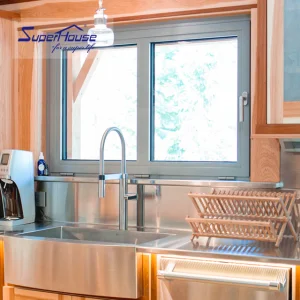
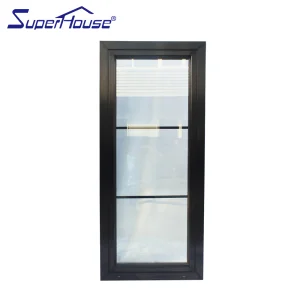
How Low-E glass front doors are driving energy efficiency, decarbonization mandates, and high-velocity storm protection across global commercial and residential sectors.
With strict international building energy codes like California's Title 24, Energy Star 7.0, and the European Union’s EPBD directive, high-performance Low-E (Low Emissivity) front entry doors are no longer optional aesthetic features—they are essential thermal barriers required to meet Net-Zero Energy (NZE) standards in modern architecture.
Low-E coatings consist of microscopic metallic oxide layers applied to glass surfaces. By reflecting infrared light (heat) while allowing visible light to pass, Low-E glass front doors dramatically decrease Solar Heat Gain Coefficients (SHGC) and optimize U-Factors, saving up to 35% on HVAC operational energy costs annually.
As climate severity increases, the demand for combined impact-rated and thermally insulated front entrances has surged. Commercial stockists and building material distributors require specialized OEM/ODM suppliers capable of engineering heavy-duty aluminum thermal break profiles integrated with laminated Low-E safety glass.
Architectural procurement specs now require entrance door systems to possess verified National Fenestration Rating Council (NFRC) ratings, American Architectural Manufacturers Association (AAMA) compliance, and Miami-Dade NOA approval for hurricane resilience. Sourcing from experienced OEM/ODM factories ensures complete regulatory compliance across global jurisdictions.
Combining 21 years of continuous engineering excellence with world-class OEM/ODM production infrastructure to serve global construction contractors and security door distributors.
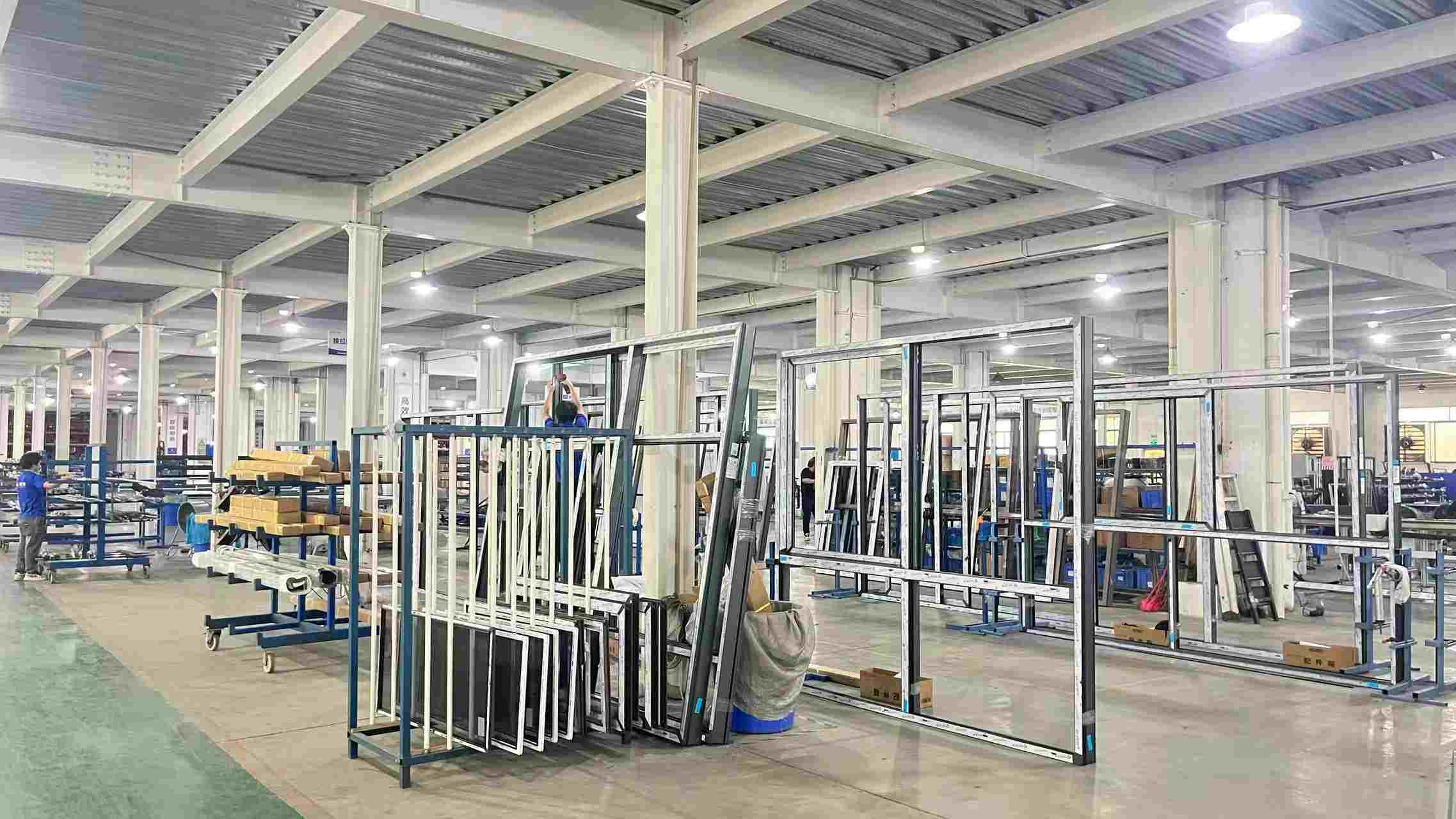
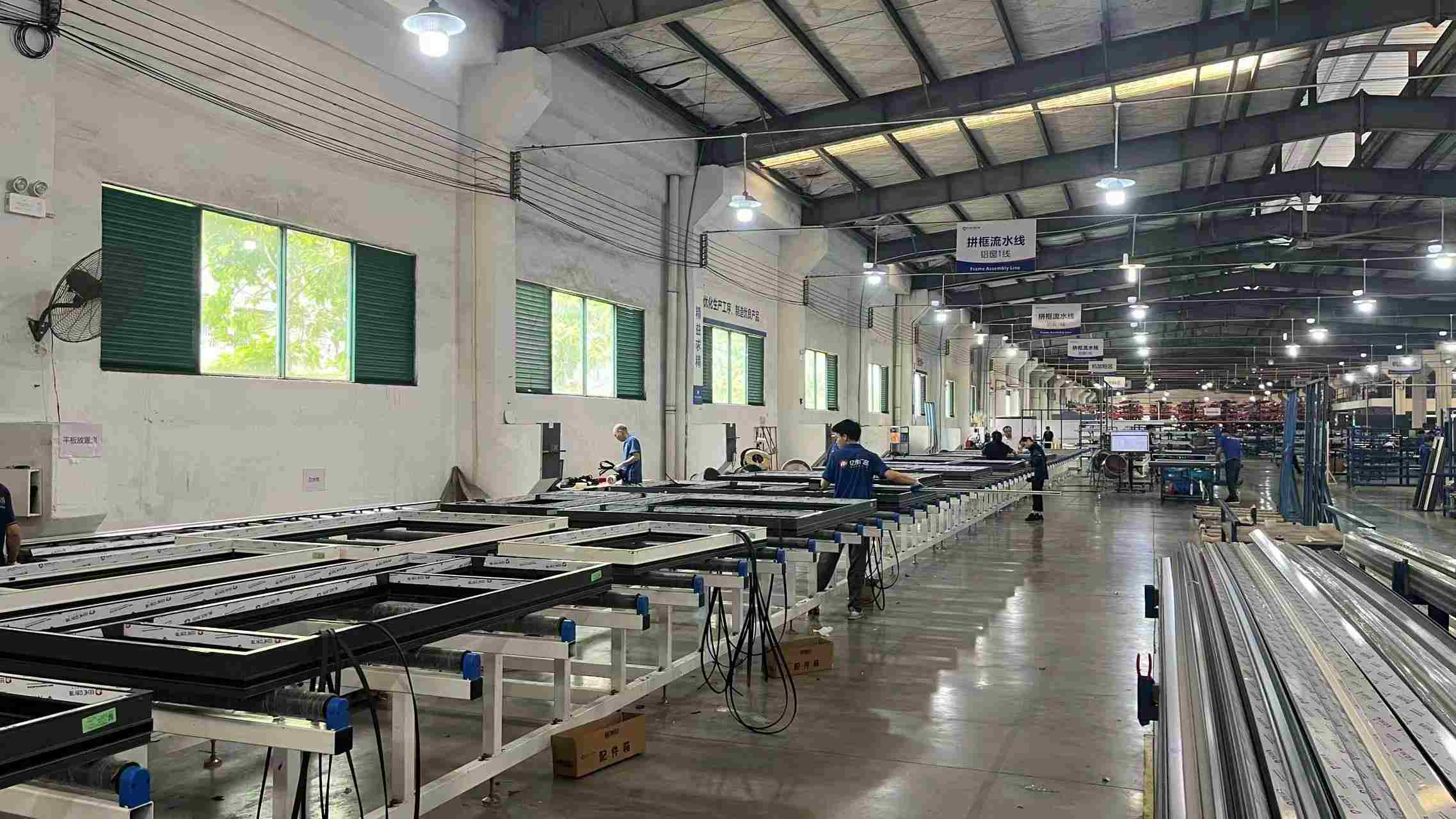
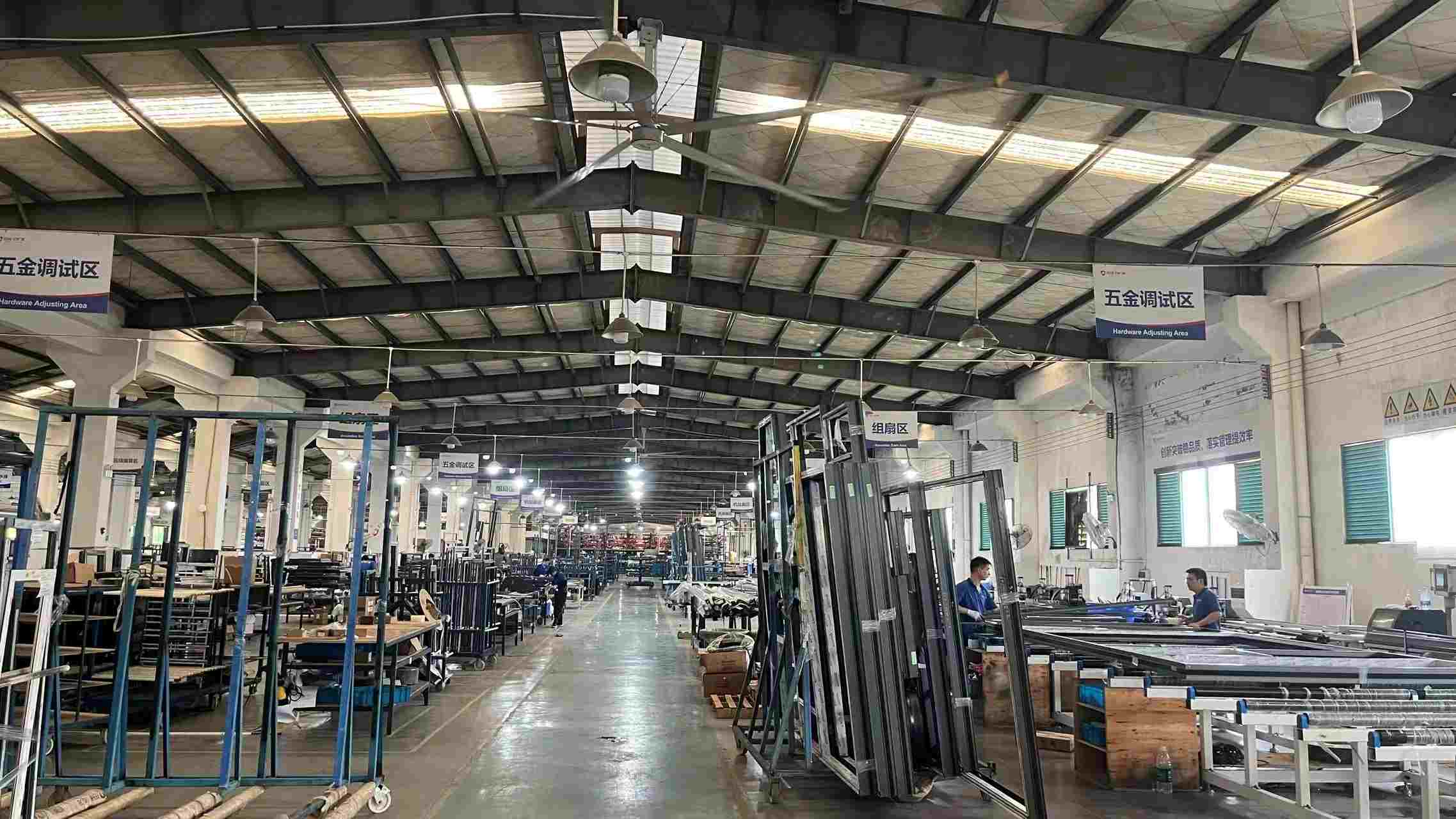
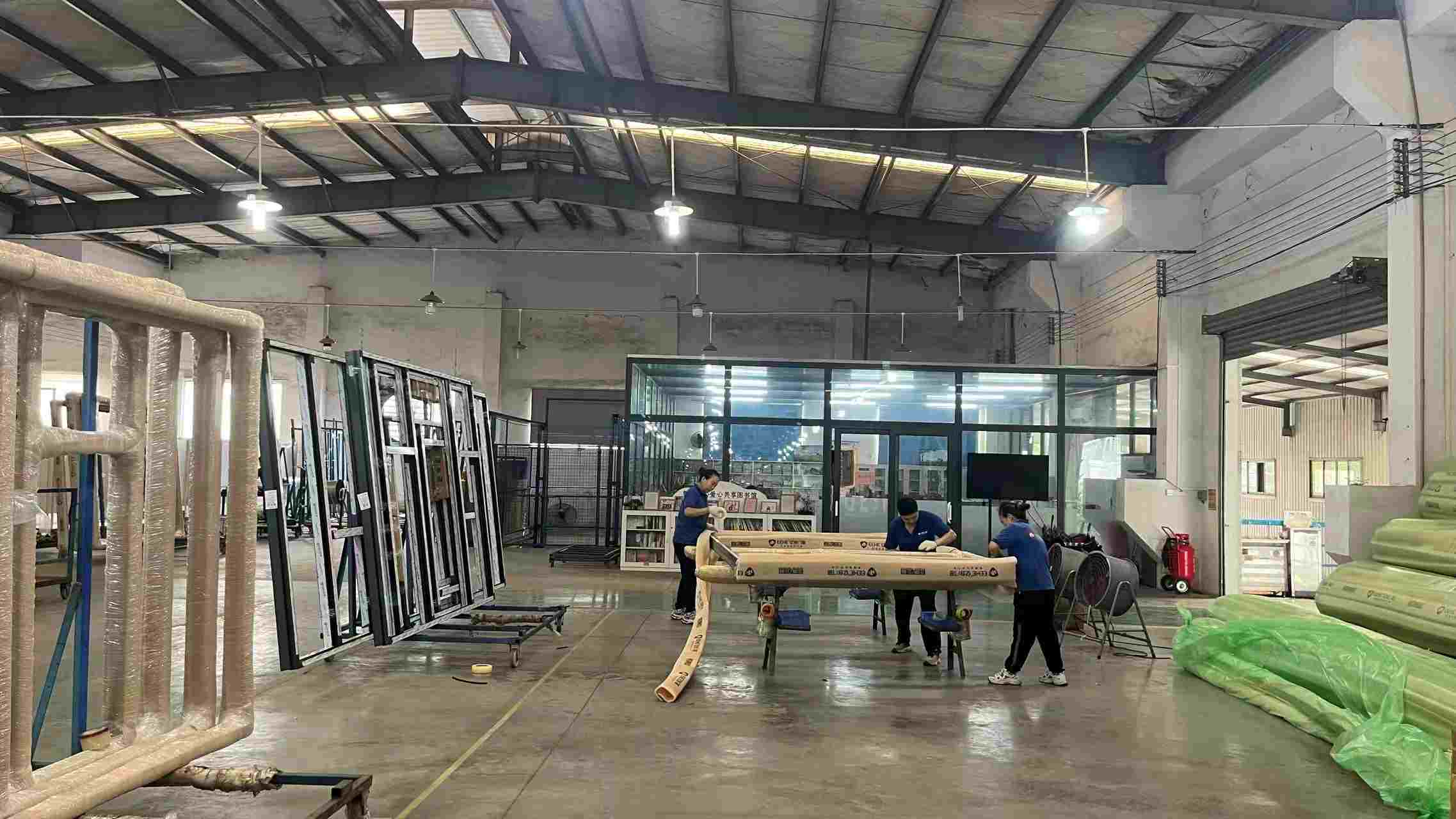
Established in 2003, Steelwar Entry Systems Co., Ltd. operates a large-scale 40,000 m² manufacturing plant specializing in high-security exterior entry doors. With 21 years of continuous industry experience and 9 years of global export capabilities, the company generates $35 million in annual export turnover. Steelwar focuses on key markets across North America, the Middle East, and Eastern Europe, primarily supplying building material distributors, security door stockists, and commercial construction contractors.
Supported by a solid trade background and a network of 1,100 supply chain partners, Steelwar maintains strict product reliability. Quality control is managed by a team of 50 QC specialists who execute dynamic impact resistance testing, automated frame tolerance checks, and corrosion-resistant coating audits. The company's engineering strength is backed by 75 R&D engineers who introduced 230 new product models last year. Custom options include ballistic steel cores, multi-point smart lock integration, customized RAL color finishes, and bespoke frame depths.
From raw material selection to CAD modeling, computerized CNC milling, glass unit assembly, dynamic testing, and protective packaging.
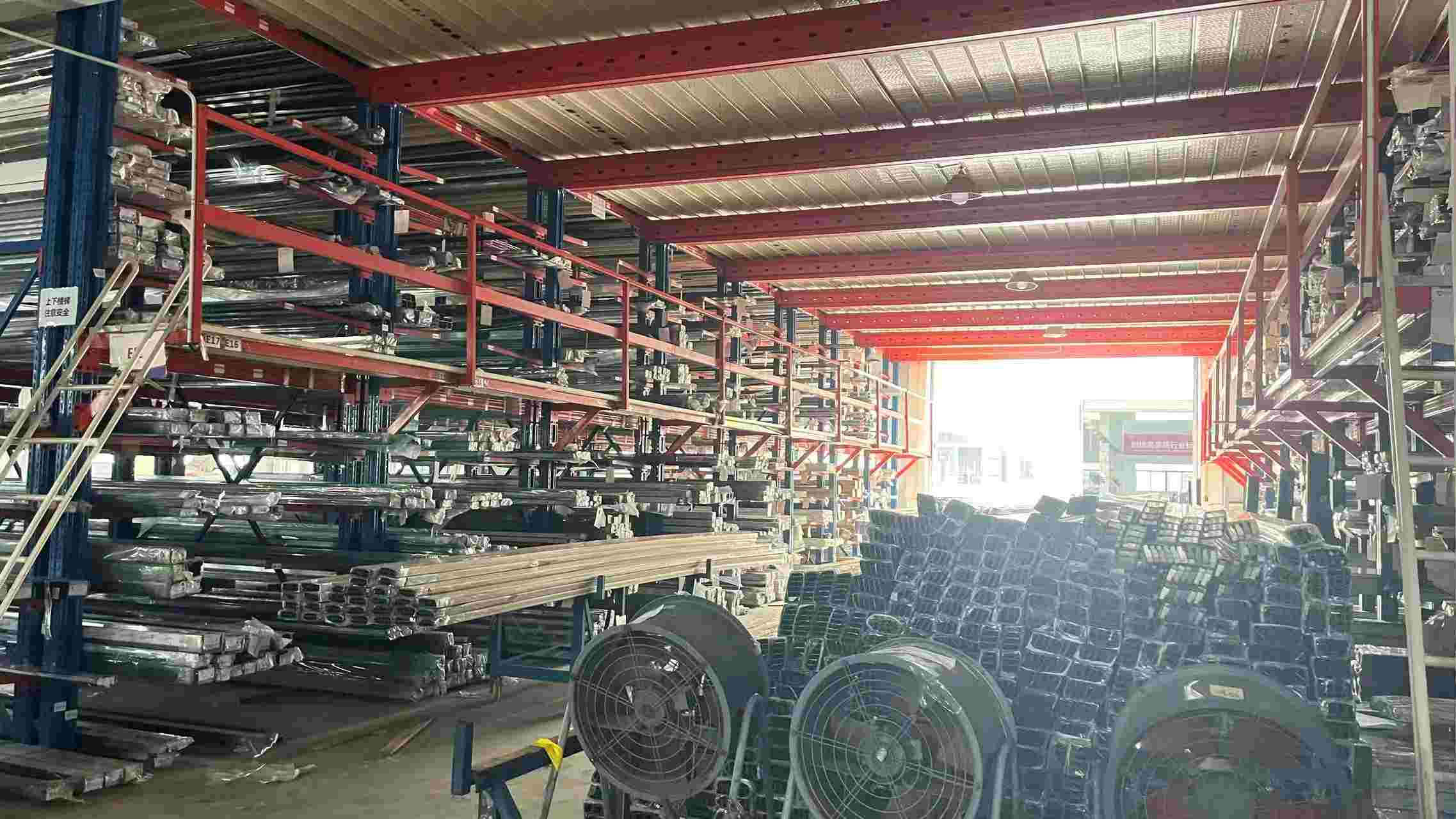
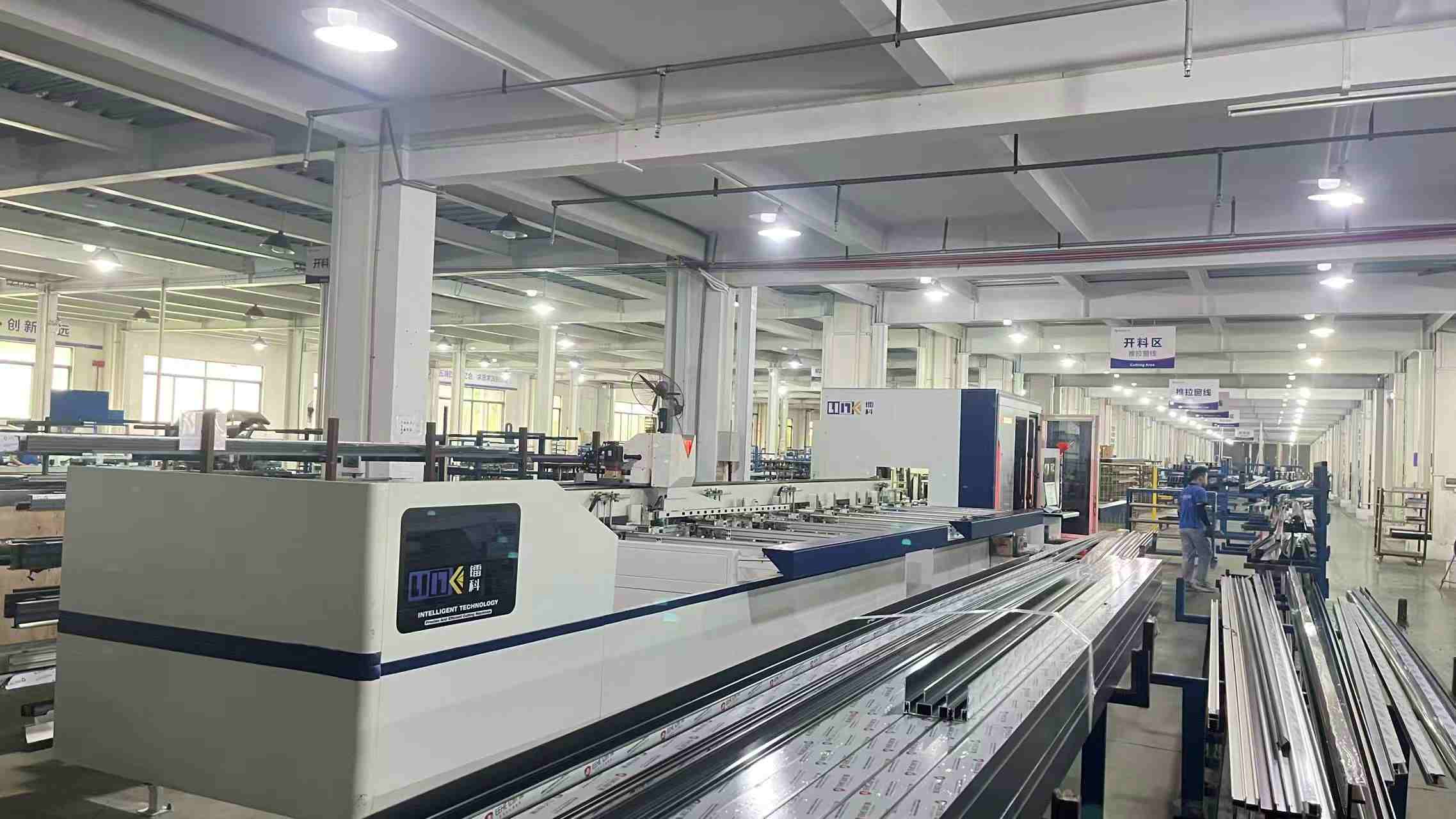
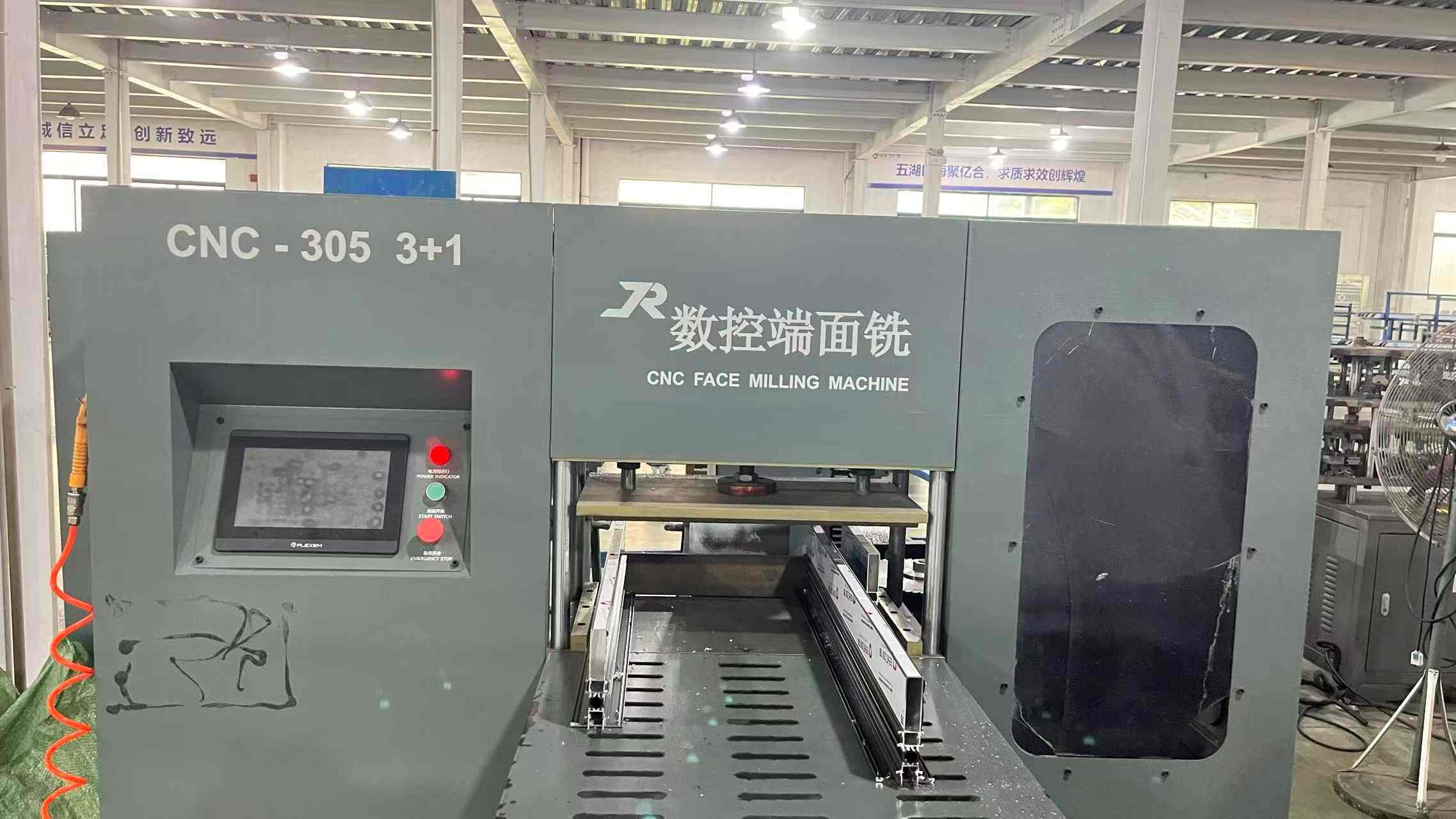
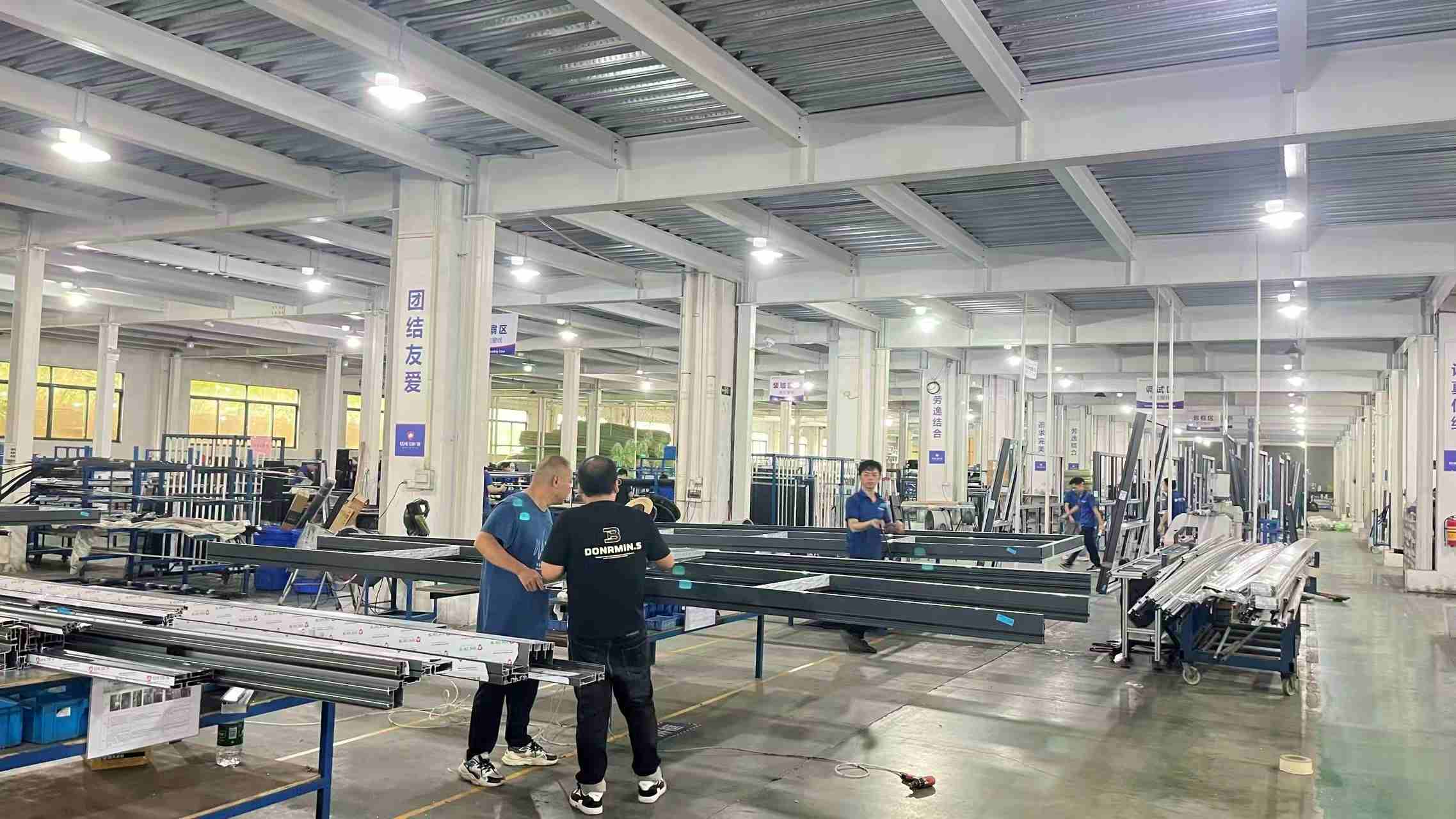
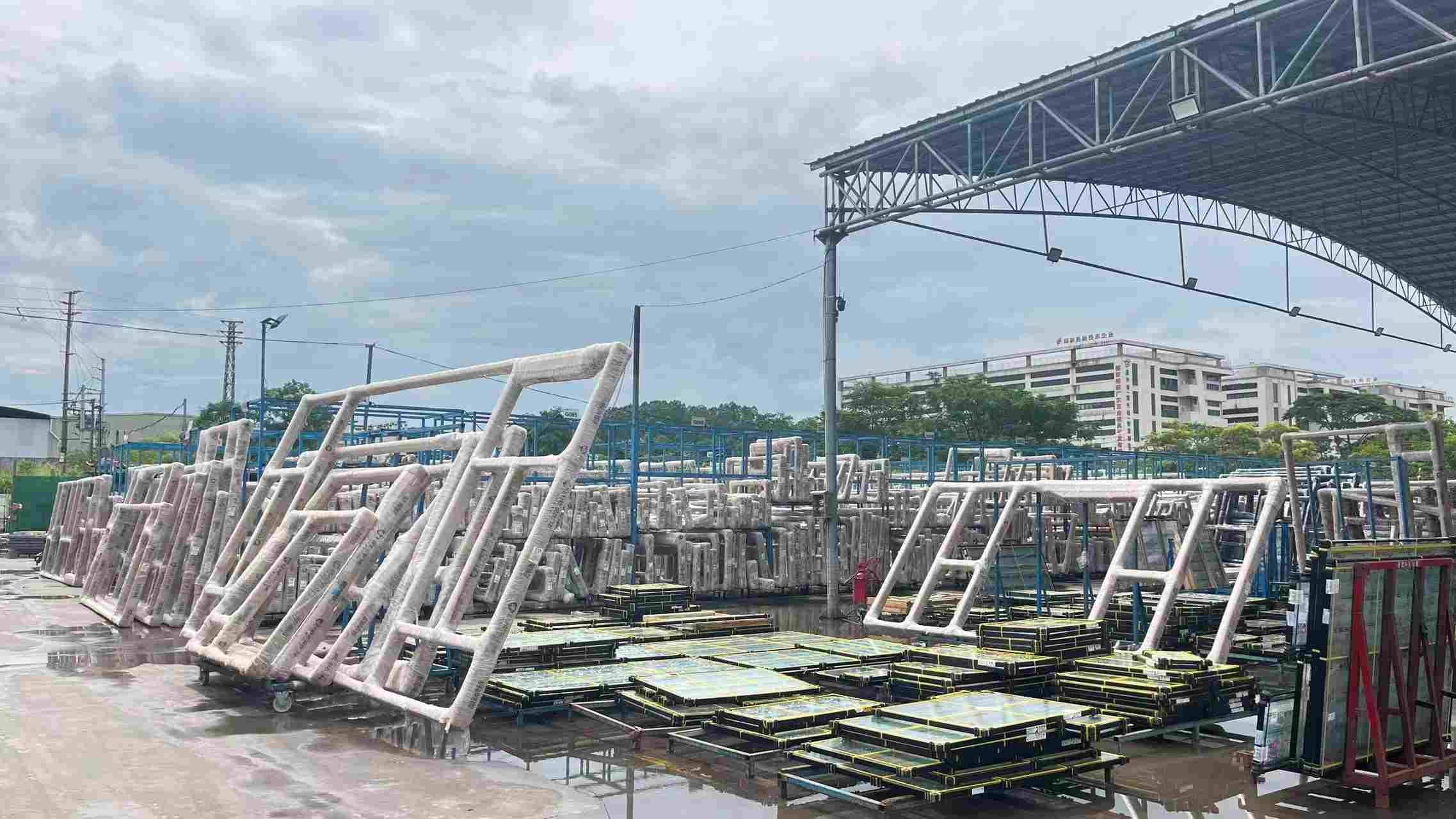
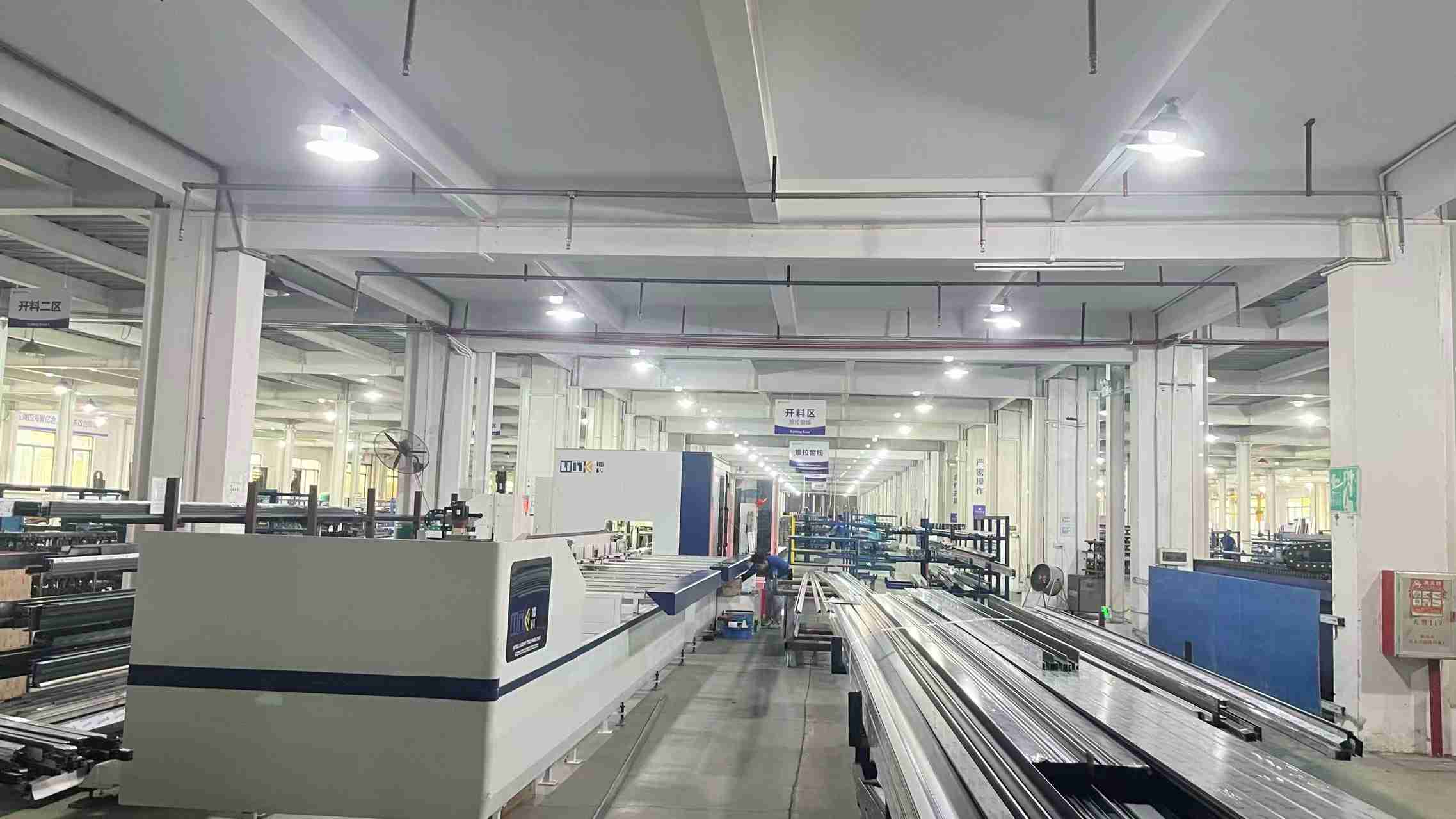
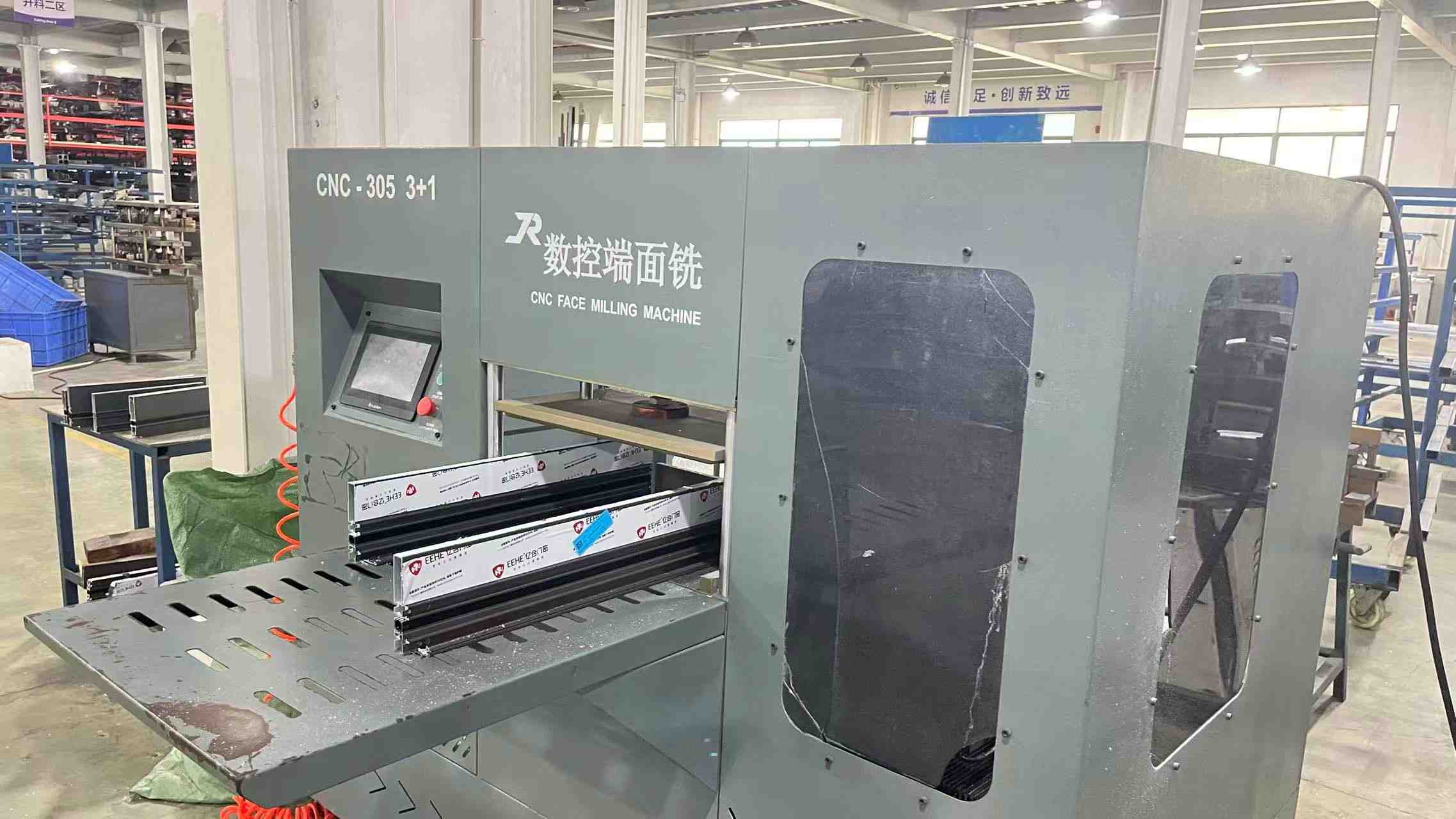
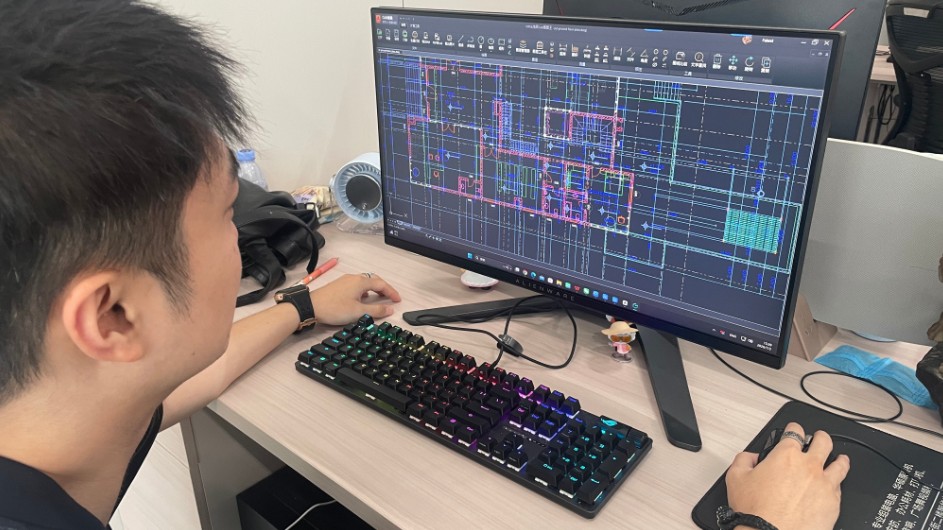
Understanding thermal radiation, structural break dynamics, and warm-edge technology in modern architectural entrances.
Our OEM factory utilizes advanced Off-Line Sputtered Vacuum Deposition (Soft-Coat Low-E) multi-layer silver technology ($\text{Ag}$). Compared to standard hard-coat pyrolytic glass, soft-coat Low-E offers superior thermal performance with emissivity levels dropping as low as $\epsilon = 0.02$, compared to $\epsilon = 0.15$ for hard-coat glass. This results in significantly improved solar heat reflection during extreme summer months while preventing interior heat loss during severe winters.
Aluminum is an exceptional conductor of heat, which presents a thermal bridging challenge in door frame design. To counteract this, Steelwar integrates 24mm to 34mm PA66GF25 (25% Glass Fiber Reinforced Polyamide 66) thermal break strips between inner and outer extruded aluminum profiles. This structural separation breaks the thermal bridge, raising the overall frame U-factor efficiency by up to 45% and preventing surface condensation.
Standard metal spacers act as major cold spots around the glass perimeter. Steelwar’s Insulated Glass Units (IGUs) utilize composite warm-edge spacers (such as Technoform or Swisspacer) combined with 90%+ Argon or Krypton gas filling between double or triple glass panes. Gas filling minimizes convective heat transfer within the cavity, lowering sound transmission (STC ratings) while boosting overall thermal insulation.
For commercial and high-end residential clients requiring uncompromised security, front doors can be configured with internal ballistic steel cores (NIJ Level III/IV rated) concealed within sleek aluminum aesthetics. Reinforced with heavy-duty multi-point motorized locking mechanisms, European profile cylinders, and anti-pry strike plates, these doors offer robust intrusion resistance without sacrificing thermal efficiency.
Ensuring full regulatory compliance across North American, Australian, European, and Middle Eastern construction jurisdictions.
Certifications: NFRC 100/200/400, AAMA/WDMA/CSA 101/I.S.2/A440, Miami-Dade NOA, Florida Product Approval (FPA), California Title 24.
Compliance Highlights: High-Velocity Hurricane Zone (HVHZ) impact resistance up to +70/-70 PSF design pressure, structural wind load testing, and strict SHGC $\le 0.23$ for southern climate zones.
Certifications: AS2047 (Windows and Doors in Buildings), AS1288 (Glass in Buildings), WERS (Window Energy Rating Scheme).
Compliance Highlights: Verified water penetration resistance under 450Pa test pressures, ultimate limit state (ULS) wind load compliance up to N6/C4 cyclone ratings, and safety toughened/laminated glass standards.
Certifications: CE Marking under EN 14351-1, ISO 9001:2015, Gulf Conformity Mark (G-Mark).
Compliance Highlights: Acoustic performance up to STC 42dB, fire-rated thermal barriers, and specialized UV-stable powder coatings (AkzoNobel/Qualicoat Class 2) designed to withstand high ambient desert heat (+55°C).
Tailored OEM/ODM front entry configurations engineered for diverse architectural styles and structural environments.
Equipped with marine-grade 6063-T6 aluminum alloys, PVDF fluorocarbon coatings, and dual-laminated Low-E impact glass. Ideal for high-salinity coastal regions requiring protection against salt-spray corrosion and hurricane-force wind loads.
Featuring zero-threshold ADA-compliant sills, motorized panic hardware, electric escape locks, and integrated smart access control systems. Designed for high foot-traffic efficiency, acoustic isolation, and emergency egress compliance.
Custom engineered narrow-frame tilt-and-turn or heavy-duty sliding front entry systems. Maximizes interior daylighting while maintaining acoustic insulation between bustling urban environments and residential interiors.
Pioneering smart fenestration technologies and next-generation glass manufacturing to lead the future of building envelopes.
The integration of Building-Integrated Photovoltaics (BIPV) and Electrochromic (EC) smart tinting glass into main entry doors allows property owners to dynamically control solar radiation and glare at the touch of a button—or automatically via automated BMS systems—while generating clean energy directly from door surfaces.
Next-gen front door designs will transition from traditional gas-filled double/triple IGUs to ultra-thin Vacuum Insulated Glass (VIG). VIG eliminates the gas space by creating a vacuum gap, achieving center-of-glass U-factors as low as $0.60 W/m^2K$ ($R-10+$ insulation value) in a slim, lightweight profile format.
Essential technical and commercial insights for B2B buyers, architects, and procurement managers sourcing Low-E front entry doors.
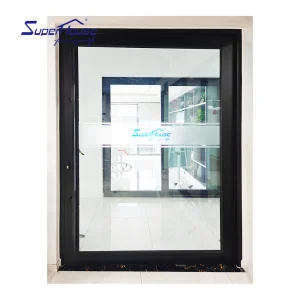
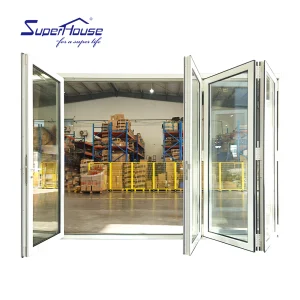
Explore our full line of hurricane-rated slim sliding stacker doors, commercial pivot entrances, storefront window walls, and bi-folding door systems.

 Steelwar