Explore our primary export series engineered for commercial complexes, high-rise developments, and extreme environmental resilience.
Established in 2003, Steelwar Entry Systems Co., Ltd. operates a state-of-the-art 40,000 m² industrial manufacturing complex specializing in high-security commercial exterior entry systems and life-safety exit hardware doors. Driven by 21 years of unbroken industry engineering leadership and 9 years of global export management, Steelwar delivers over $35 million in annual international export turnover.
Serving key markets across North America, the Middle East, and Eastern Europe, our primary clientele includes Tier-1 building material distributors, commercial security door stockists, and general construction contractors. Backed by a verified trade network of over 1,100 supply chain partners, Steelwar maintains uncompromising product structural integrity. Quality assurance is directed by a dedicated group of 50 QC specialists who execute real-time impact resistance testing, automated frame tolerance checks, and extreme corrosion-resistant coating audits.
Measured metrics reflecting engineering compliance, mechanical cycles, and structural performance.
In modern architectural design, emergency egress doors installed with specialized panic exit devices occupy a critical intersection between rapid human evacuation during life-threatening crises and total perimeter physical security. Building safety regulations—such as NFPA 101 Life Safety Code, the International Building Code (IBC), and European Norm EN 1125—mandate that public assembly structures accommodate rapid hands-free unlatching under human pressure without prior knowledge of key mechanisms.
While exterior exit doors must open instantly from the interior during emergency panics, they are constantly targeted by forced entry threats from the outside. OEM engineering requires integrating heavy-gauge anti-pry latch guards, high-tensile steel mortise lockcases, and hardened exterior trim plates to prevent unauthorized intrusion.
Traditional panic doors were prone to extreme thermal bridging and air infiltration. Contemporary architectural demands integrate structural polyamide thermal breaks, multi-point compression weatherstripping, and insulated core fills (polyurethane or high-density mineral wool) to maintain compliance with LEED and ASHRAE energy metrics.
The paradigm of physical panic hardware has shifted from purely mechanical push-bars to electro-mechanical smart hardware. Modern commercial infrastructure requires motorized latch retraction (MLR), integrated latch-bolt monitoring switches (RX/LX), card-reader signals, and fire alarm override interlocks for centralized BMS control.
Steelwar Entry Systems operates as a direct Original Equipment Manufacturer (OEM) and Original Design Manufacturer (ODM), allowing global distributors and procurement managers to customize core architectural door assemblies to exact regional building codes and structural load profiles.
| Specification Category | Standard OEM Parameters | Customizable Heavy-Duty Options | Compliance / Certification Matrix |
|---|---|---|---|
| Door Core Construction | Honeycomb Kraft Core / Polyurethane (PU) Foam | Ballistic Steel Core (NIJ Level III/IV) / Rockwool Mineral Fiber | UL 10C / EN 1634-1 Fire Rated (Up to 180 Mins) |
| Aluminum & Steel Extrusions | 6063-T5 Architectural Aluminum (2.0mm thickness) | 6060-T6 Heavy Alloy / 304 Stainless Steel / Electro-Galvanized Steel | ASTM B221 / GB/T 5237 / AS2047 Impact Test |
| Panic Push-Bar Mechanisms | ANSI A156.3 Grade 1 Rim Type Touch Bar (500k cycles) | Concealed Vertical Rod (CVR) / Surface Vertical Rod (SVR) / Mortise Panic | UL 305 / EN 1125 Architectural Panic Standard |
| Thermal Insulation & Acoustic | Standard EPDM Rubber Gaskets (STC 28) | Polyamide PA66 Thermal Break Strips + Acoustic Interlayer (STC 42+) | NFRC Thermal Rating / Energy Star Commercial |
| Exterior Surface Finishing | Standard Powder Coating (RAL Color Palette) | PVDF Fluorocarbon Paint (3-Coat) / Anodized Class 1 / Anti-Microbial | AAMA 2605 (10-Year Weathering Resistance) |
Panic exit hardware must operate under extreme thermal expansion, smoke pressurization, and physical crowding. Steelwar’s R&D department enforces stress-strain finite element analysis (FEA) on internal springs, latch bolts, and dogging controls. Devices under UL 305 certification are tested to release with less than 15 lbs of force applied to the actuating bar, even when the door leaf is subjected to a 250 lb pre-load force simulating panicked crowd pressure.
For regions prone to extreme atmospheric disruptions (such as Florida NOA high-velocity hurricane zones) or high-risk facilities requiring ballistic protection, Steelwar embeds heavy-gauge steel reinforced backing channels within the aluminum door profile. Combined with laminated security glass panels, our panic-hardware doors resist wind loads up to ±90 PSF and missile impacts without sacrificing internal instant egress capabilities.
Our 40,000 m² factory operates 13 specialized manufacturing modules to guarantee precise tolerances, pristine surface finishes, and structural perfection across every panic door assembly.
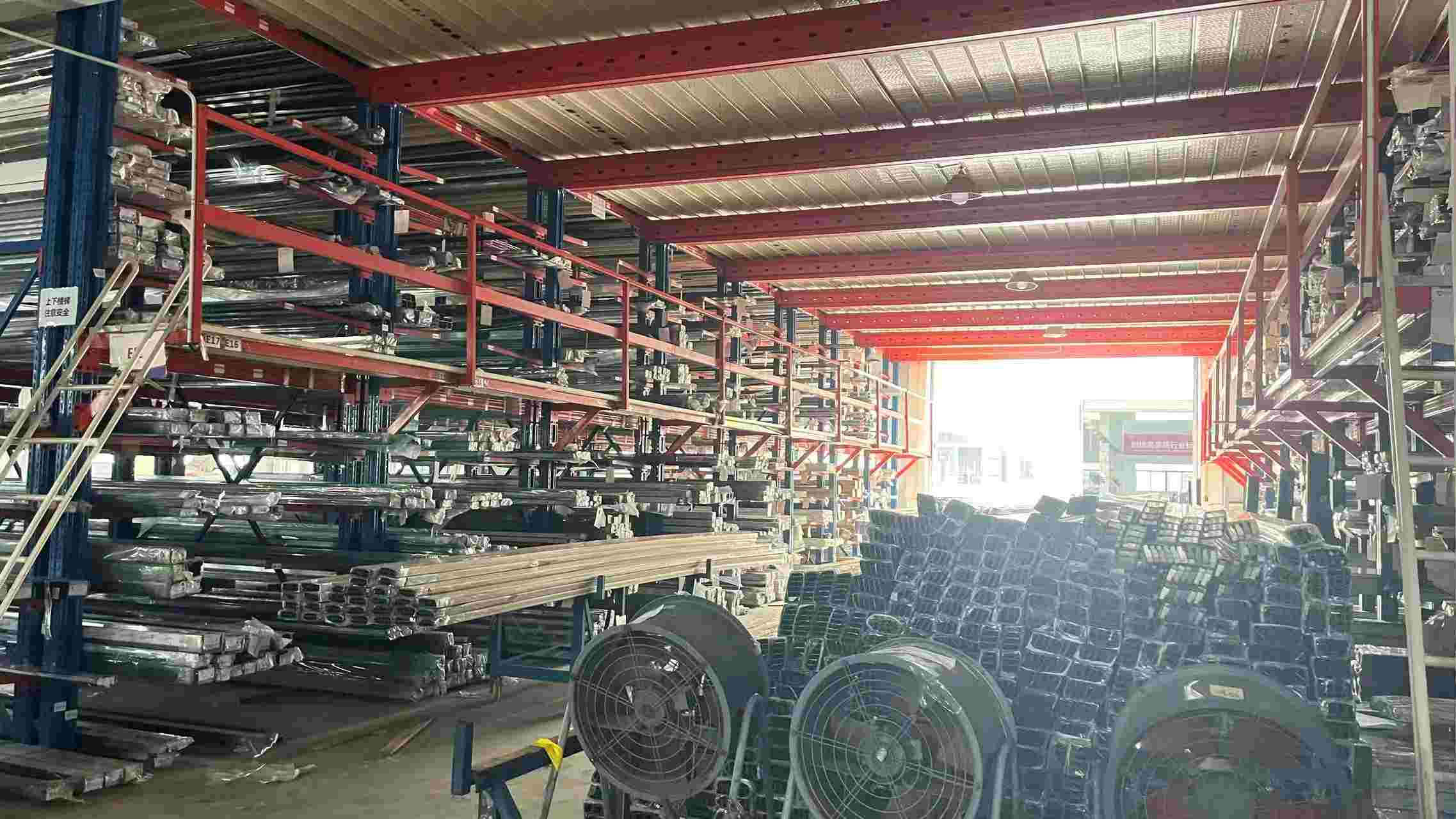
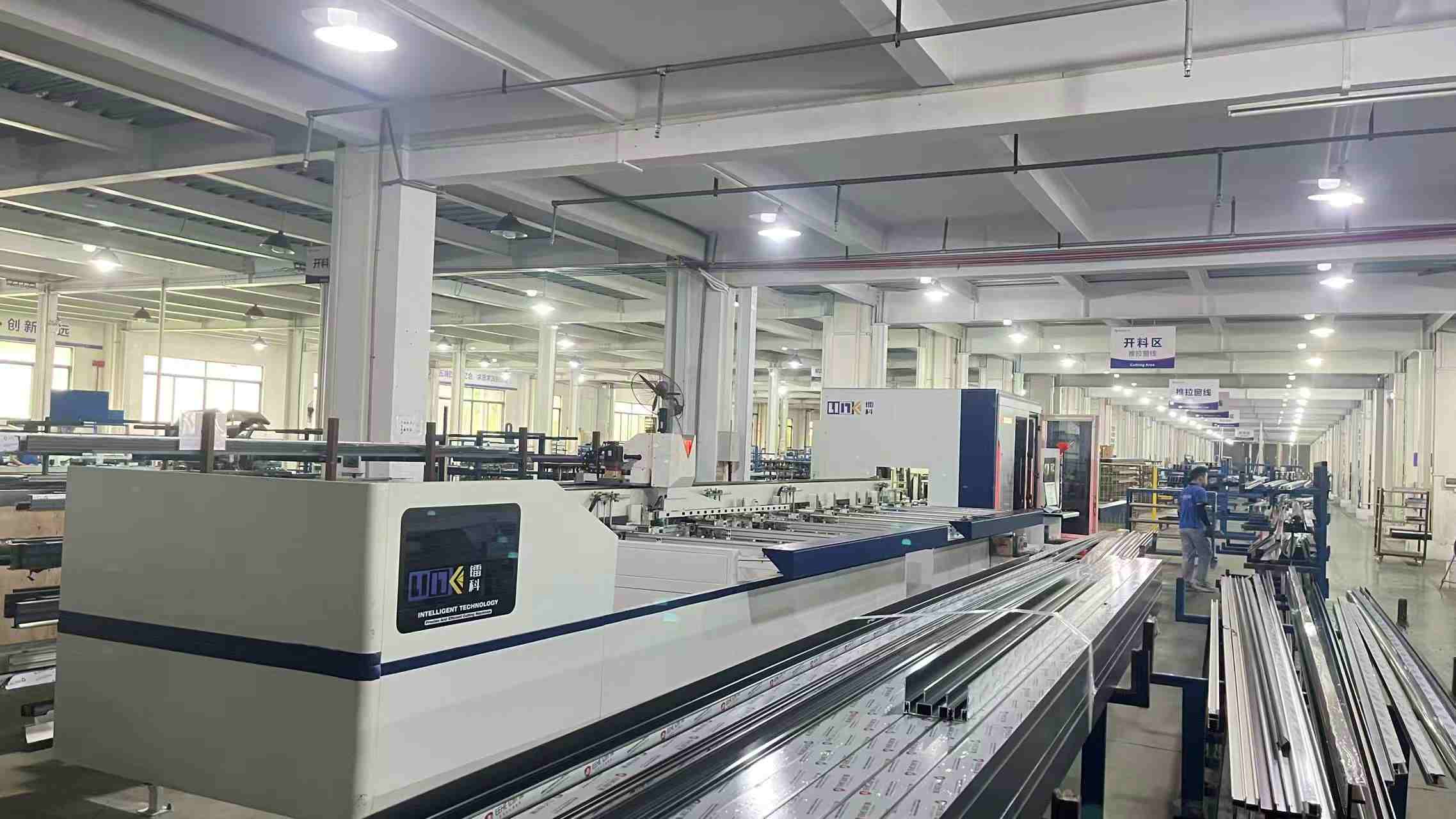
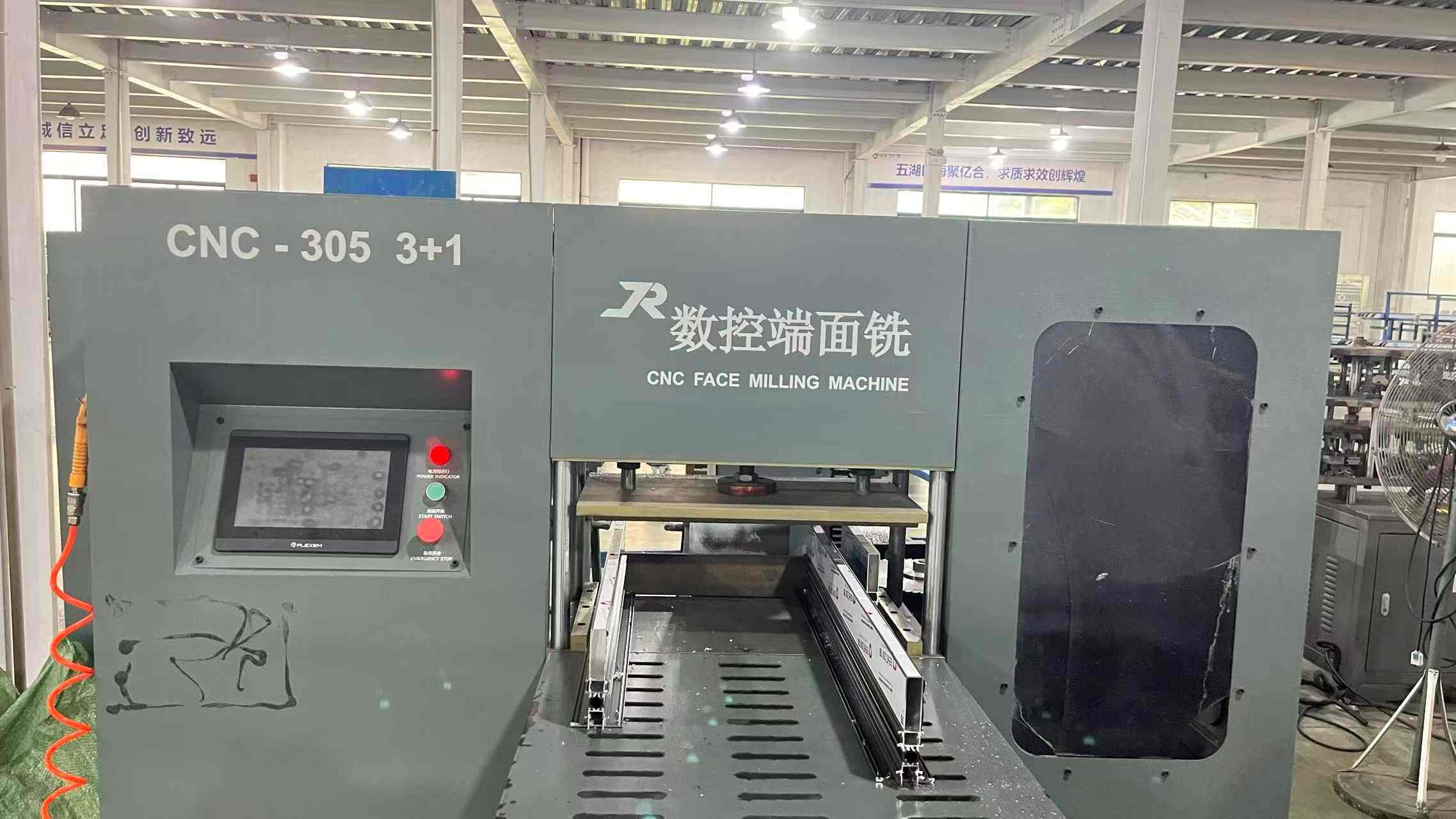
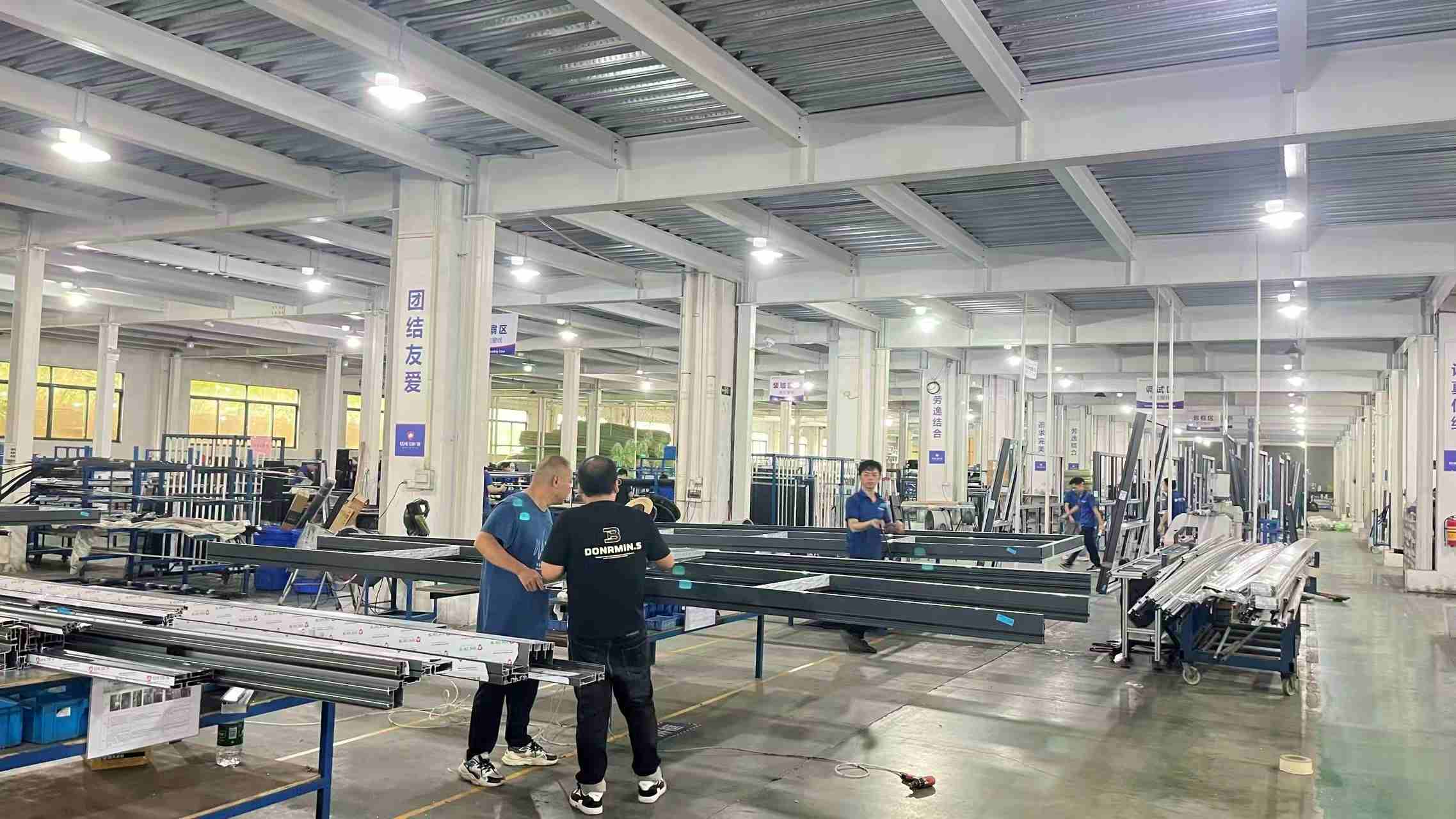
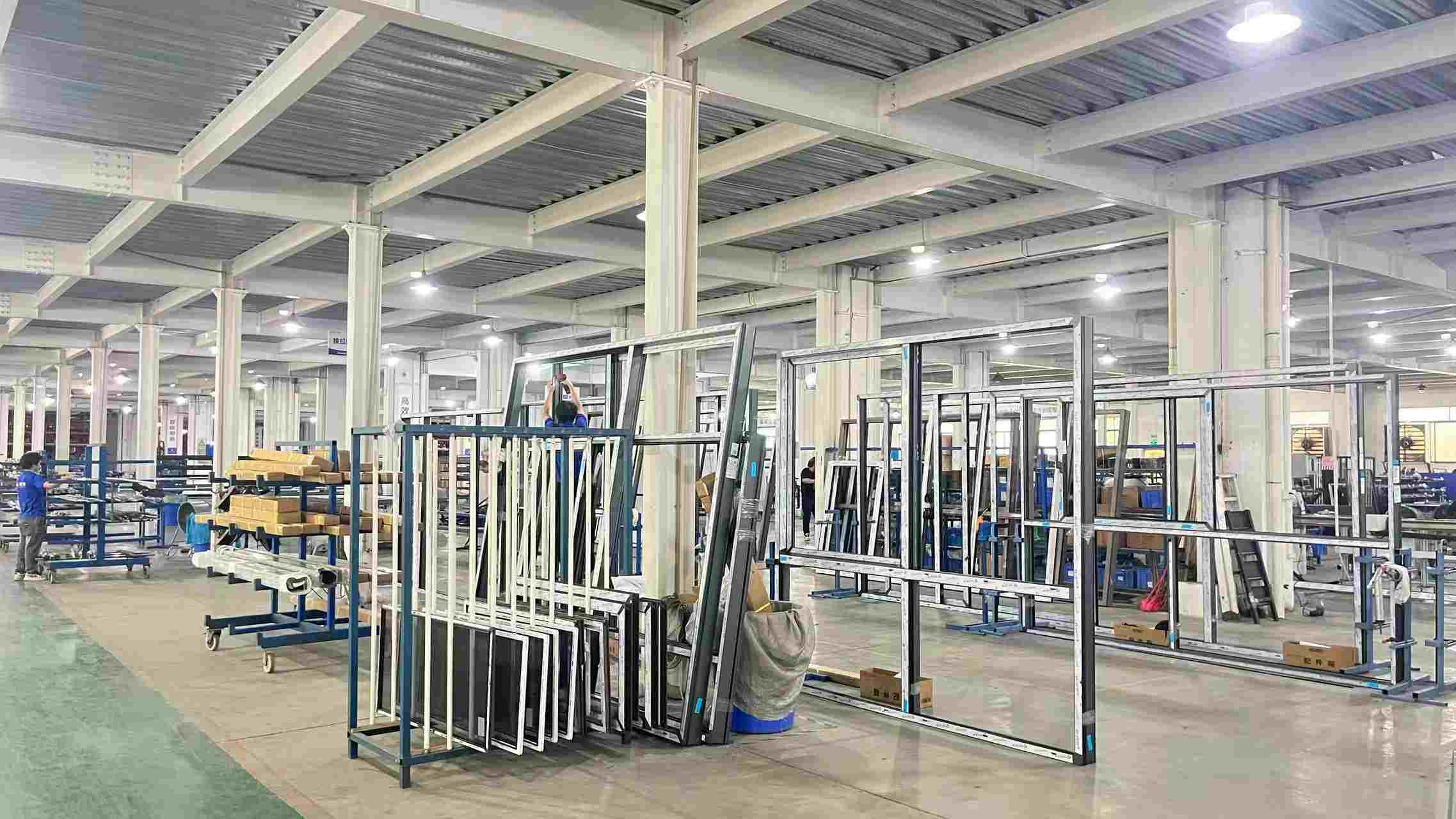
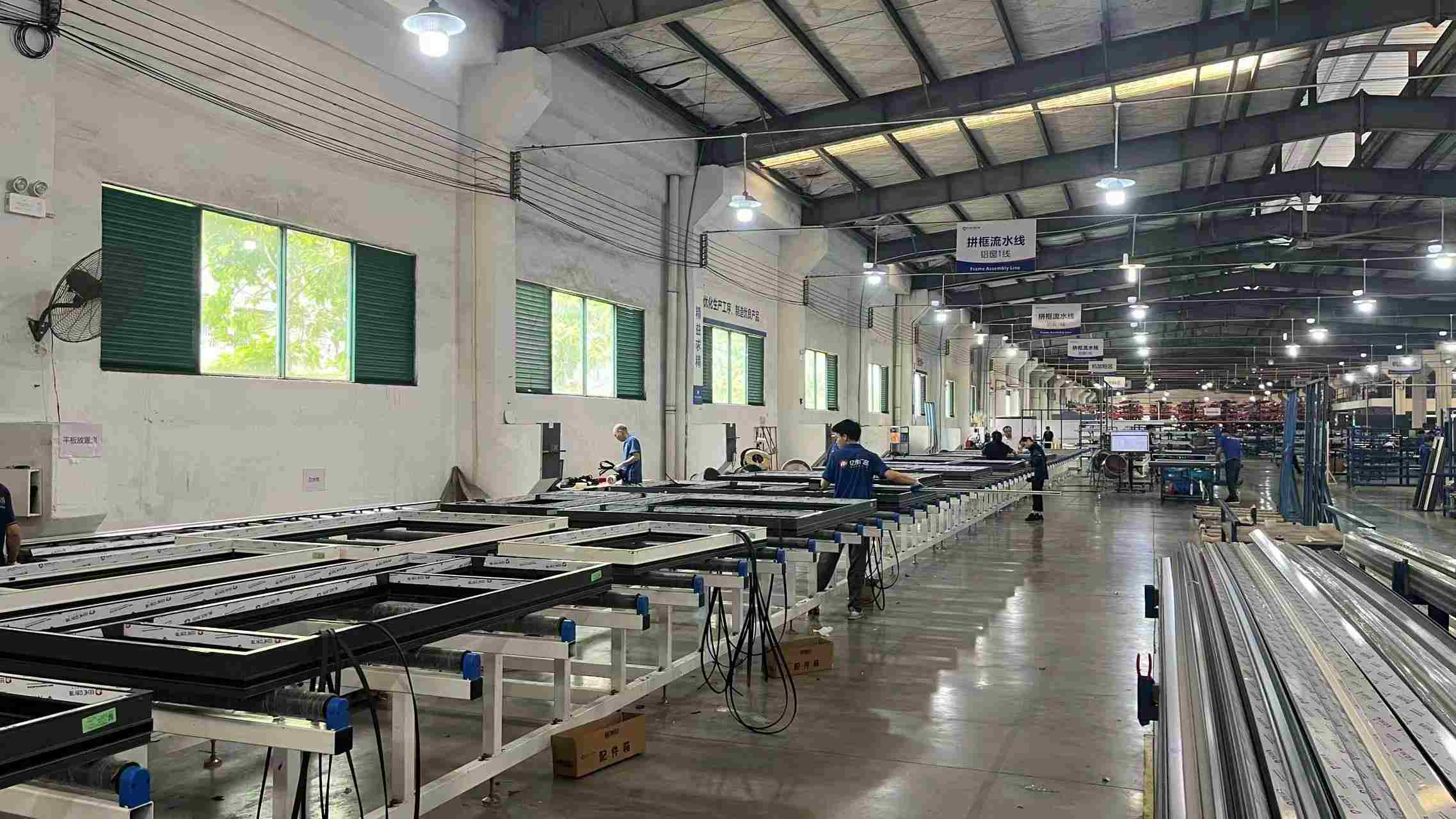
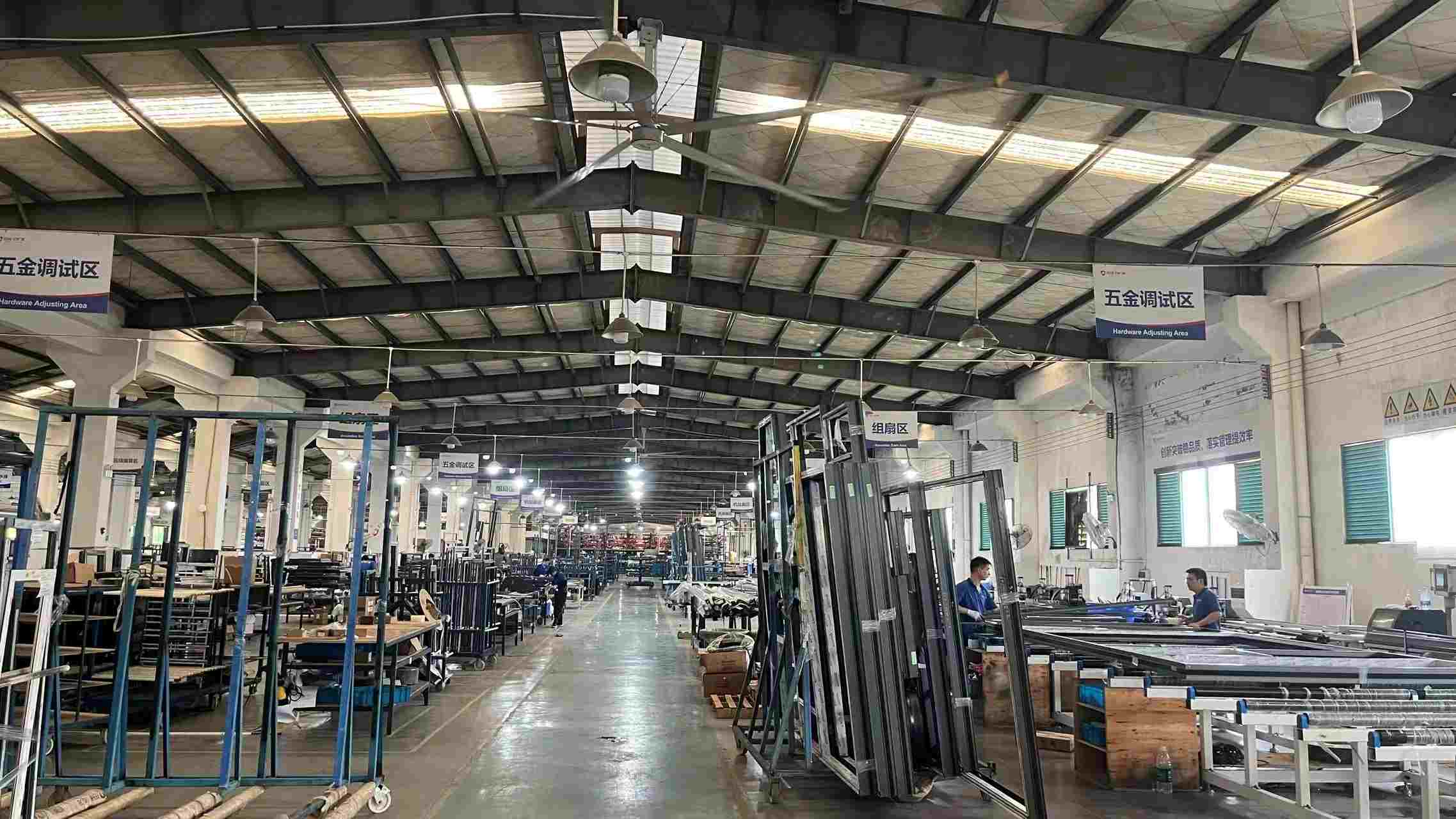
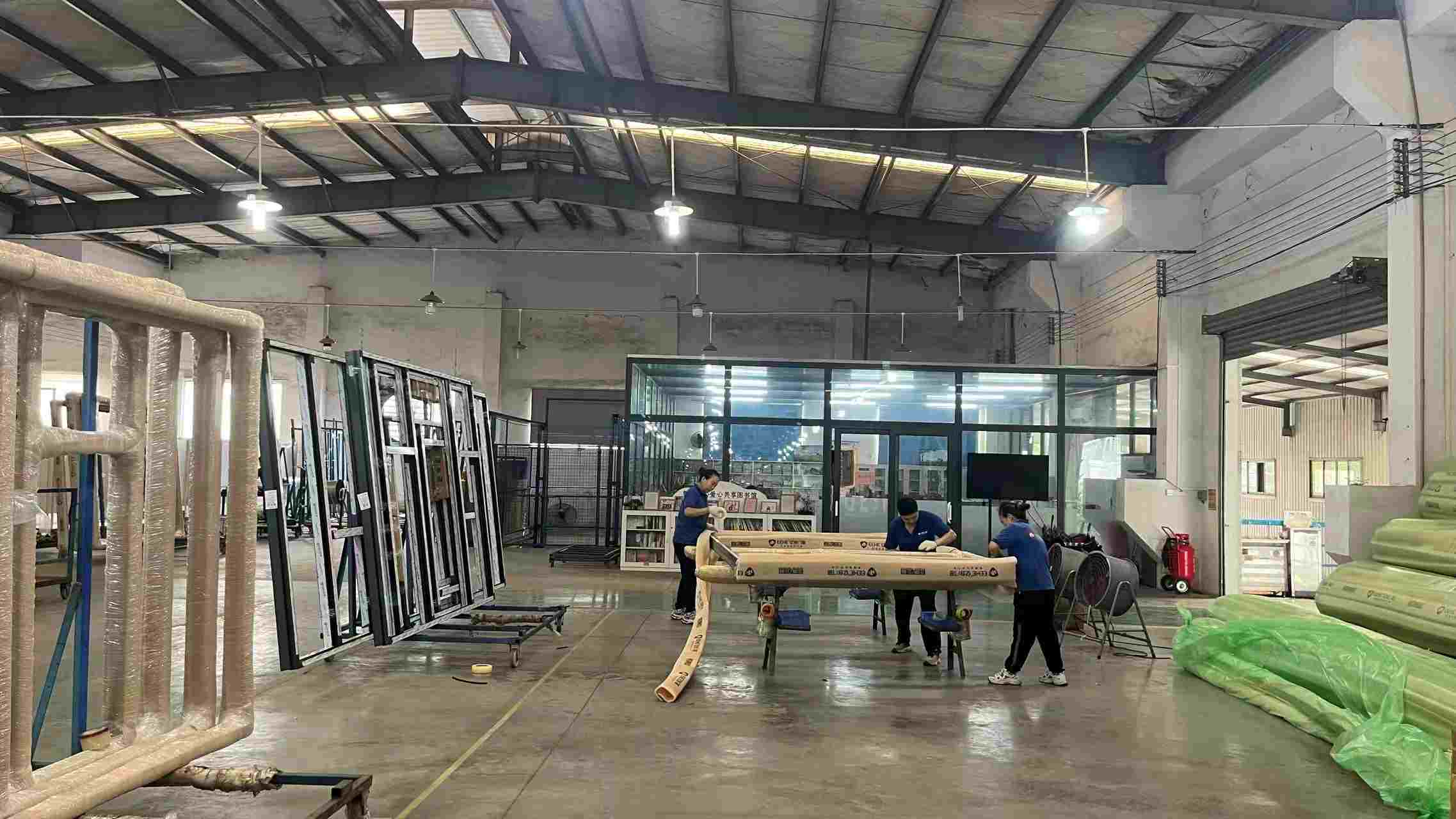
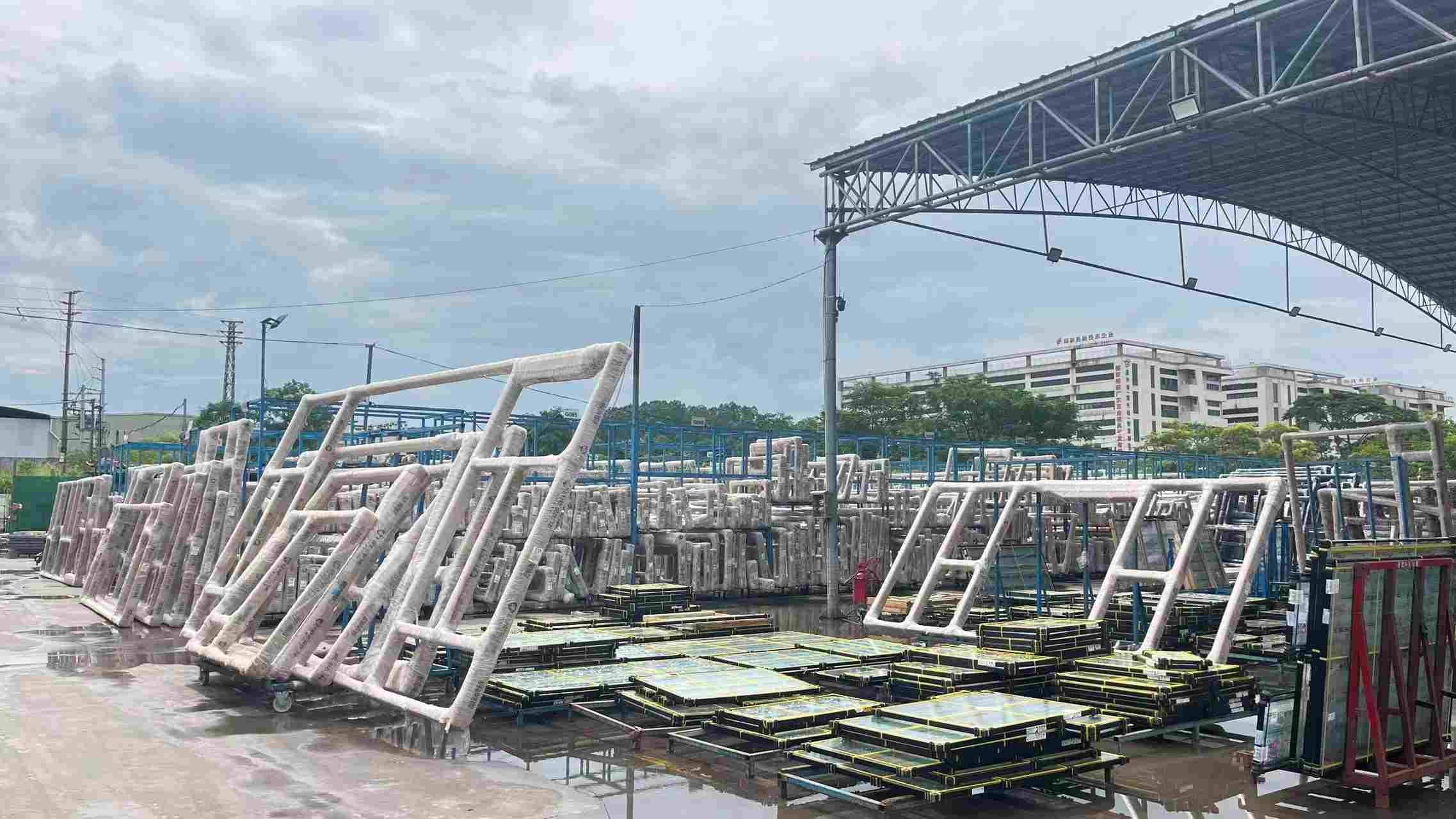
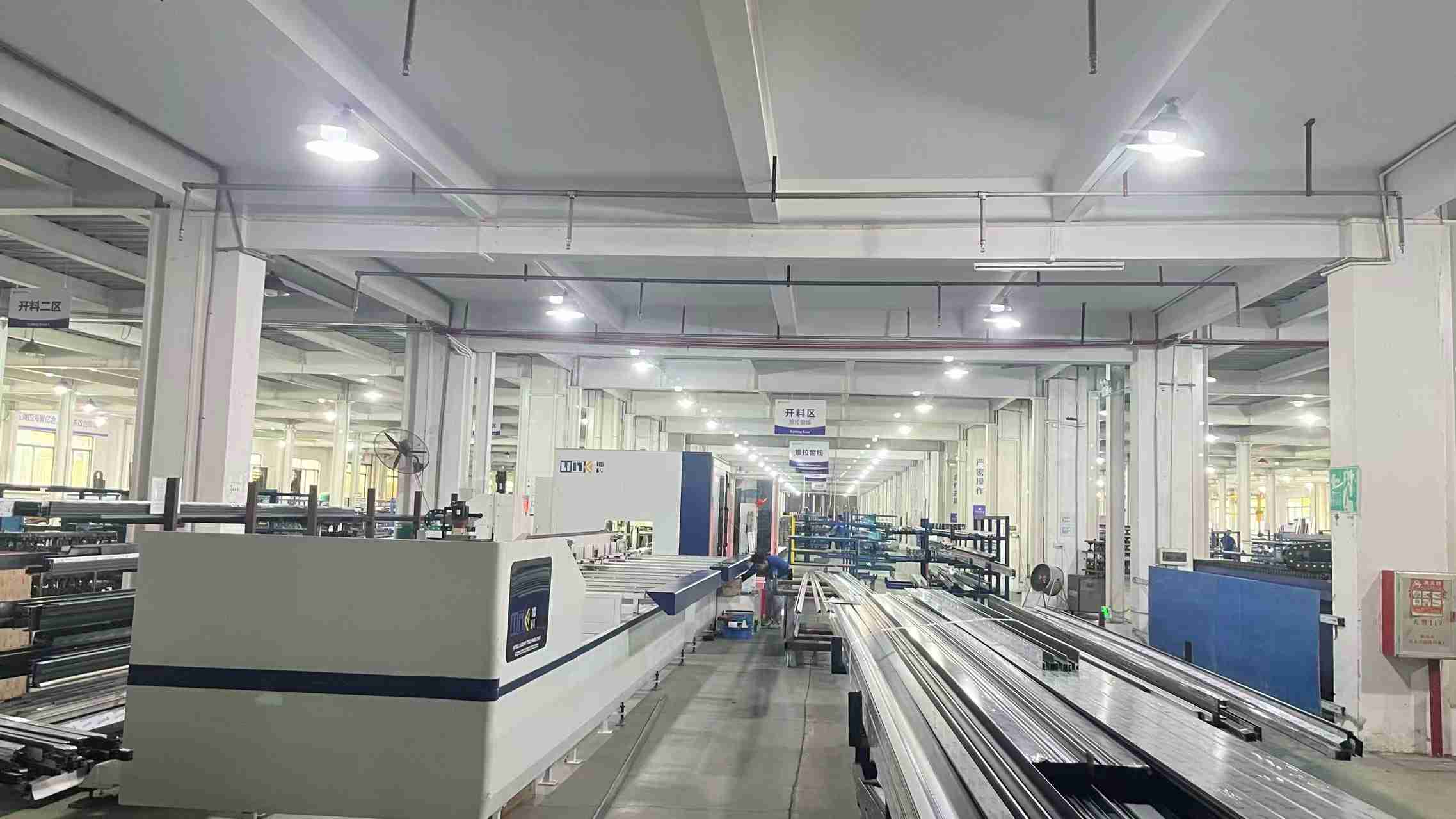
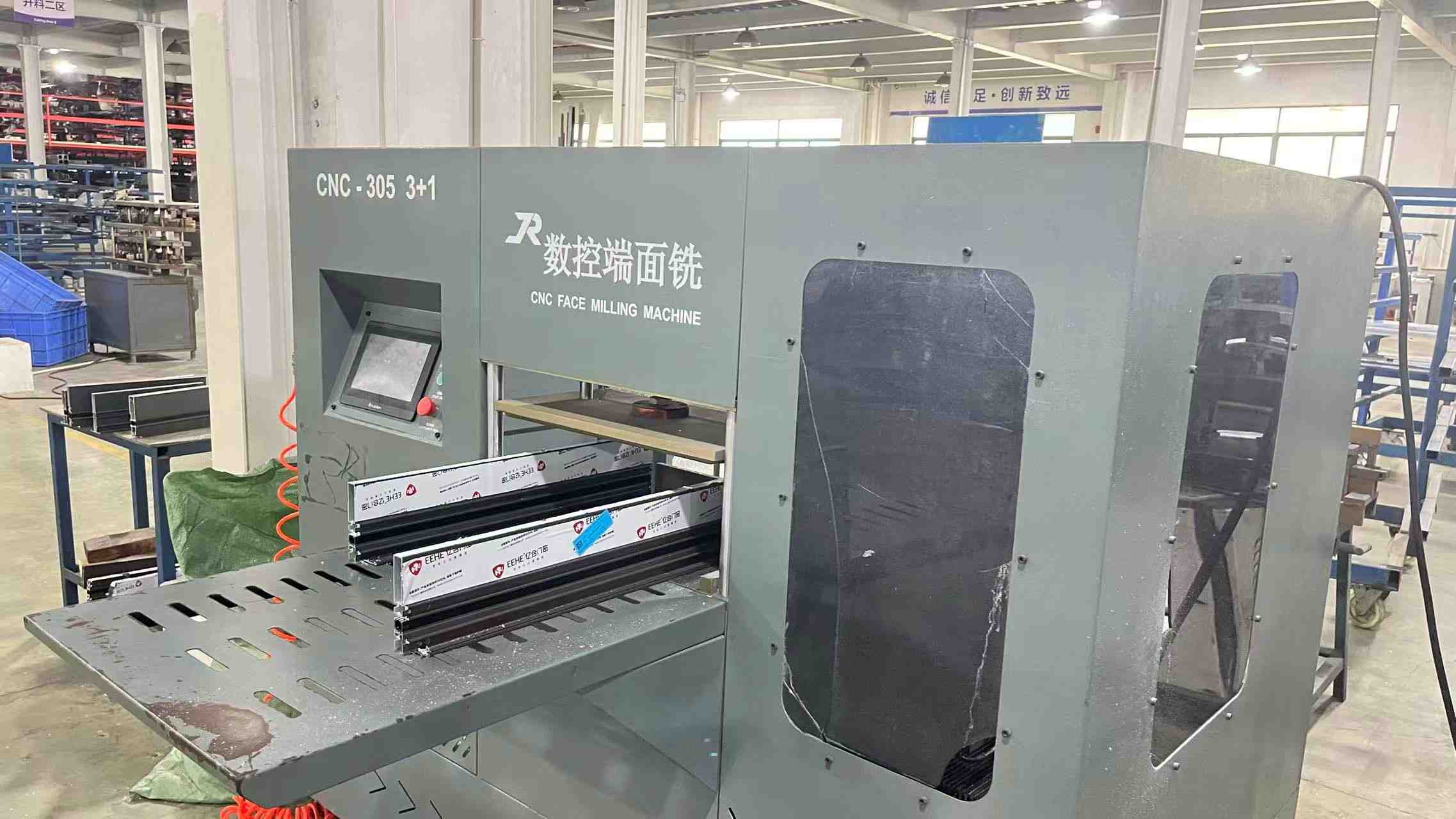
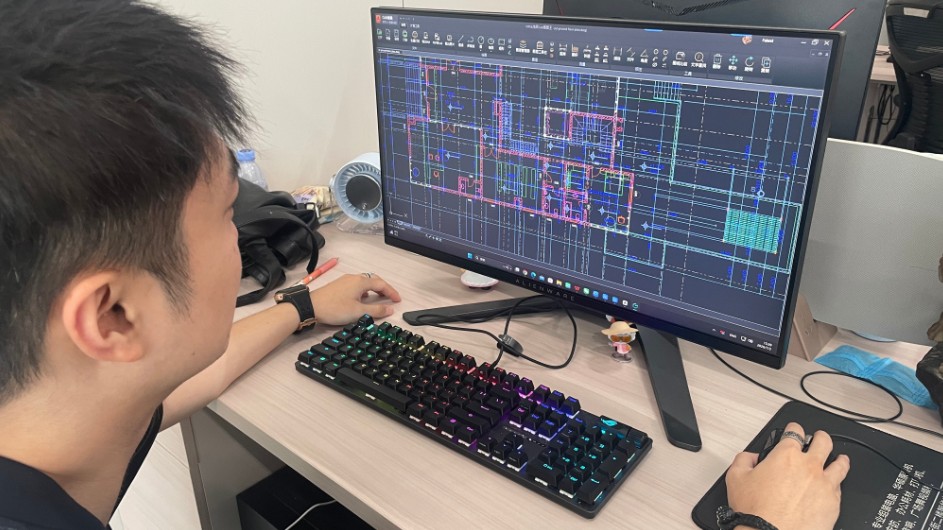
Exporting panic hardware door systems requires an intimate understanding of regional building codes, fire regulations, and structural wind load mandates. Steelwar’s engineering matrix accommodates four major international building zones:
In the USA and Canada, public egress doors require UL 305 panic hardware tested under ANSI/BHMA A156.3 Grade 1 standards. Clear opening width must satisfy ADA (Americans with Disabilities Act) thresholds, utilizing low-push force touch-bars, flush thresholds under 1/2 inch height, and lever-operated exterior trim plates certified for barrier-free operational compliance.
European installations differentiate between public panic situations (EN 1125 horizontal push bar) and emergency situations in non-public environments (EN 179 push pad/lever handle). Steelwar manufactures CE-marked modular doors featuring thermal break polyamide framing and multi-point emergency locking systems that withstand severe thermal shock testing.
Commercial developments across the UAE, Saudi Arabia, and Qatar demand fire-rated steel and aluminum panic assemblies capable of enduring high surface temperatures (ambient up to 50°C) and heavy sand-storm abrasion. Steelwar supplies 120-to-180-minute fire-rated steel leaf assemblies with specialized high-temperature intumescent seals and UV-resistant powder finishes.
The Australian National Construction Code mandates rigid air infiltration and water penetration standards (AS2047) combined with safety glass specification (AS1288). Our exports to Australia incorporate heavy-duty perimeter sub-head and sub-sill flashing systems integrated with certified chain winders or heavy-duty crash bars.
Integrating anti-microbial exterior trim coatings, touchless electro-magnetic automatic operators connected to panic bars, and hermetic air-tight gasket seals to protect sterile surgical zones while ensuring instant egress.
High-occupancy school buildings require extra-durable Grade 1 panic bars with internal dogging hex-keys, delayed-egress option control to prevent unauthorized student exit, and heavy-duty continuous hinges for maximum cycle life.
Explosion-proof and chemical-resistant stainless steel 316 panic bars configured with double-door surface vertical rod panic bolts, preventing flame propagation and offering heavy ballistic protection.
Steelwar’s 75 R&D engineers are driving key innovations to bridge emergency escape mechanics with smart city automation:
Embedding ultra-low-power Zigbee/LoRaWAN sensor nodes into panic hardware latches to provide facility managers real-time telemetry regarding door status, latch engagement, unauthorized dogging, and maintenance cycles.
Developing self-powered mechanical push bars that convert physical depression force into electrical energy, sending instant wireless emergency beacons to security control centers without relying on battery backup.
Transitioning aluminum extrusion lines to 100% recycled structural alloys melted using clean hydroelectric energy, reducing embodied carbon in commercial door profiles by up to 65%.
Comprehensive technical answers regarding ordering, customization standards, fire ratings, and global compliance for panic hardware door assemblies.
Explore our certified window and specialized entry line engineered for contractors, hotel developers, and high-density residential developments.
 Steelwar