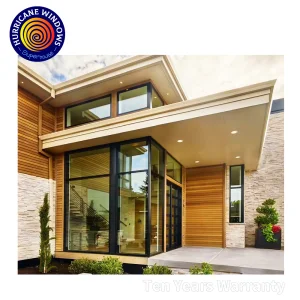
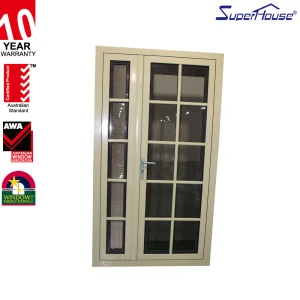
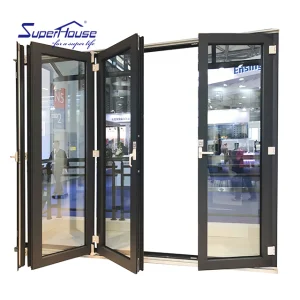
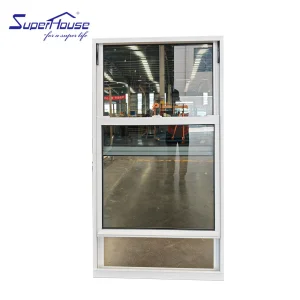
Explore our engineered product portfolio certified to international structural, thermal, and hurricane-impact standards including NFRC, Florida NOA, and AS2047.
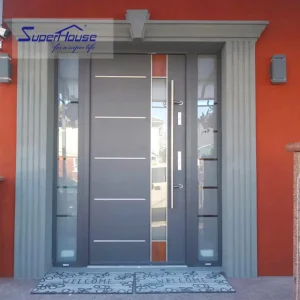
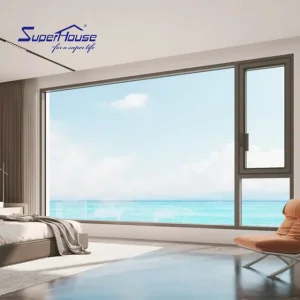
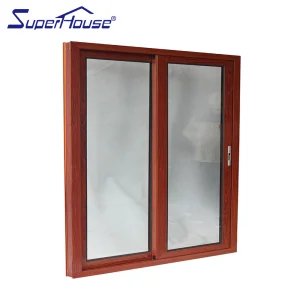
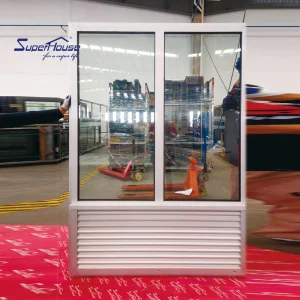
A global leader in high-security exterior entry systems, thermal break glass doors, and architectural fenestration manufacturing for over two decades.
Established in 2003, Steelwar Entry Systems Co., Ltd. operates a state-of-the-art 40,000 m² manufacturing infrastructure specializing in high-security exterior entry doors, engineered thermal-break aluminum structures, and custom architectural glass entry systems. With 21 years of continuous industry experience and 9 years of direct global export operational capabilities, the enterprise generates over $35 million in annual export turnover across primary growth markets in North America, the Middle East, and Eastern Europe.
Steelwar serves a specialized global B2B client base, including Tier-1 building material distributors, security door stockists, architectural engineering firms, and commercial construction prime contractors. Supported by a robust commercial network of 1,100 qualified supply chain partners, Steelwar maintains absolute product reliability through rigorous manufacturing oversight. Quality control is managed by an in-house team of 50 QC specialists who execute dynamic impact resistance testing, automated frame tolerance checks, air/water infiltration audits, and corrosion-resistant powder-coating validation.
The company's engineering capacity is anchored by 75 dedicated R&D engineers who introduced 230 innovative new product models last year alone. Advanced custom manufacturing capabilities include ballistic steel reinforcement cores, multi-point smart biometric lock integration, customized RAL powder-coating finishes, ultra-low thermal transmittance glazing, and bespoke frame depths engineered to match localized building code mandates worldwide.
Analysis of macro architectural requirements, thermal performance regulations, and structural engineering evolution driving B2B procurement decisions.
Modern global building codes (such as IECC in North America and EU EPBD directives) demand radical reductions in U-factors. Glass entry doors are transitioning from passive physical barriers to active thermal insulators. The industry is rapidly adopting multi-chamber polyamide thermal break profiles, Low-E argon-filled triple glazing, and warm-edge spacer technology to achieve overall U-values under 0.8 W/m²K for Passive House projects.
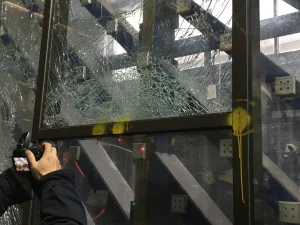
Heightened climate severity has expanded the demand for hurricane-impact rated fenestration beyond Florida coastal zones to East Coast US, Caribbean, and Pacific Rim markets. Large-format glass entry doors now require high-velocity hurricane zone (HVHV) certifications, integrating laminated SentryGlas® (SGP) interlayers capable of withstanding missile impact tests and cyclic wind pressure forces exceeding 5,000 Pascals.
Commercial and luxury residential developments are replacing conventional locks with integrated IoT access controls. Modern OEM glass entry doors feature concealed electro-hydraulic pivots, automated motor-driven multi-point locking hooks, biometric identification sensors, and switchable electrochromic privacy glass that shifts from clear to opaque via mobile applications or building automation systems (BAS).
By combining 6063-T6 architectural grade aluminum extrusions with 24mm to 34mm structural polyamide (PA66 GF25) thermal breaks, custom OEM manufacturers can mitigate structural thermal bridging by up to 85%. Furthermore, structural silicone glazing (SSG) techniques allow frame profile sightlines to shrink below 45mm, providing expansive structural transparency without compromising dynamic wind load capacity.
Deconstructing the technical purchasing parameters for commercial contractors, stockists, and real estate developers across key target regions.
| Target Region | Key Regulatory Standards | Primary Architectural Demands | Critical OEM Customization Requirements |
|---|---|---|---|
| North America (USA & Canada) | NFRC, Florida NOA, ASTM E1300, Title 24, ADA Compliance | Large glass panels, high impact resistance, heavy-duty commercial sliding/pivot mechanisms, low SHGC coatings. | Bespoke frame depths (4-9/16" and 6-9/16"), Florida HVHV testing certificates, smart lock preparation, custom hardware prep. |
| Middle East (GCC Region) | SASO, Gulf Building Code, ISO 9001, Dust & Air Infiltration (EN 12207) | Extreme UV resistance, solar heat control, anti-sandstorm sealing, double-height grand entrance pivot doors. | Reflective Low-E coatings, heavy powder coating (>80 microns Fluorocarbon/PVDF), reinforced structural steel cores, dust-proof weatherstripping. |
| Europe & Eastern Europe | CE Mark, EN 14351-1, DIN 4108 (Passive House), Soundproof (EN ISO 717-1) | Ultra-low U-values (<0.8 W/m²K), high acoustic isolation (>42 dB), minimal sightlines, multi-tilt casement doors. | Triple/Quadruple glazed units, warm edge spacers, concealed hinges, thermal break profiles with foam insulation inserts. |
| Australia & Oceania | AS2047, AS1288, Bushfire Attack Level (BAL-40/BAL-FZ) | Water tightness under heavy torrential rainfall, corrosion resistance against salt spray, flame-resistant seals. | Anodized finishes (25 microns), stainless steel mesh integration, bushfire-rated toughened glass, high-threshold sill drainage. |
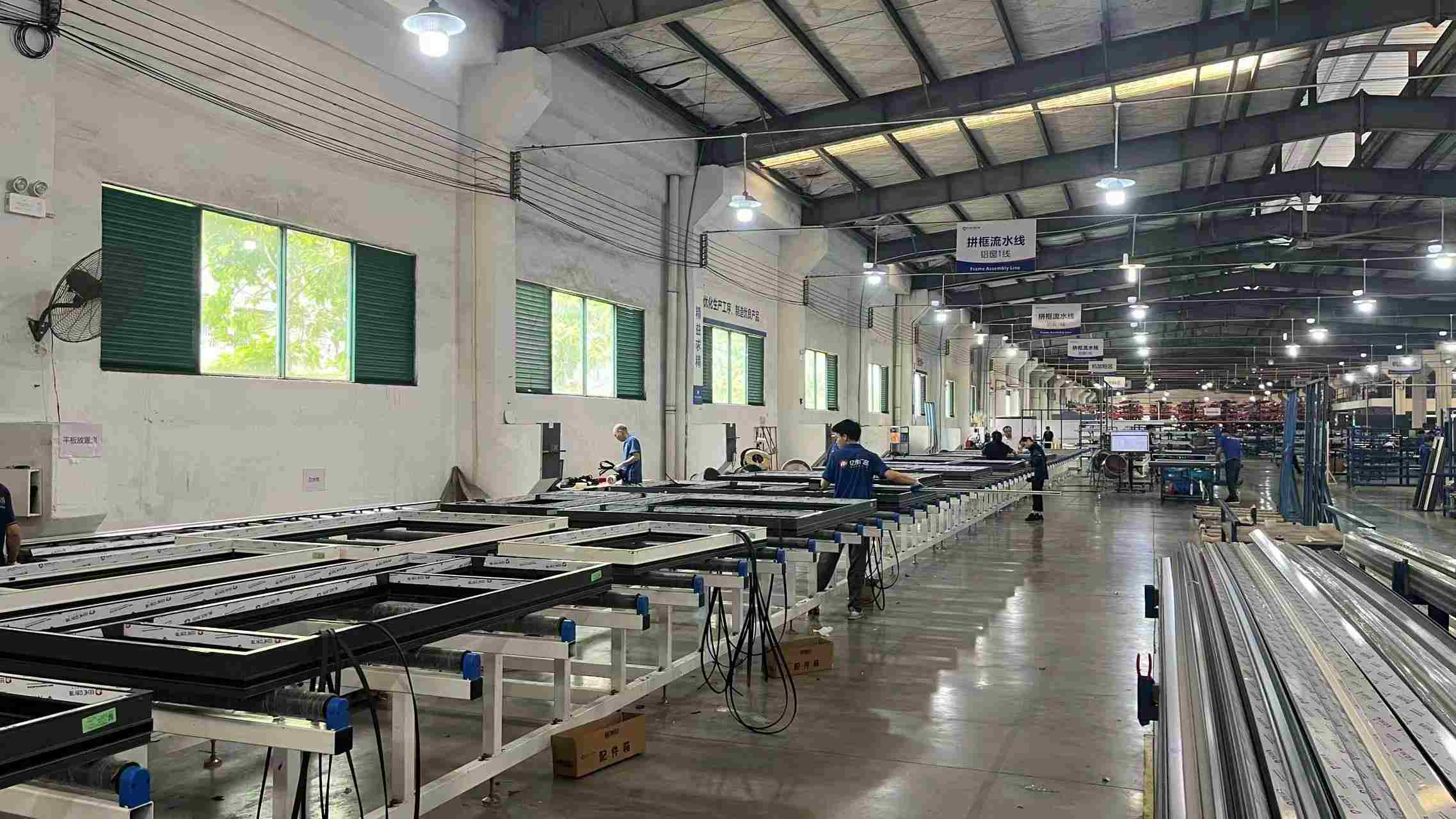
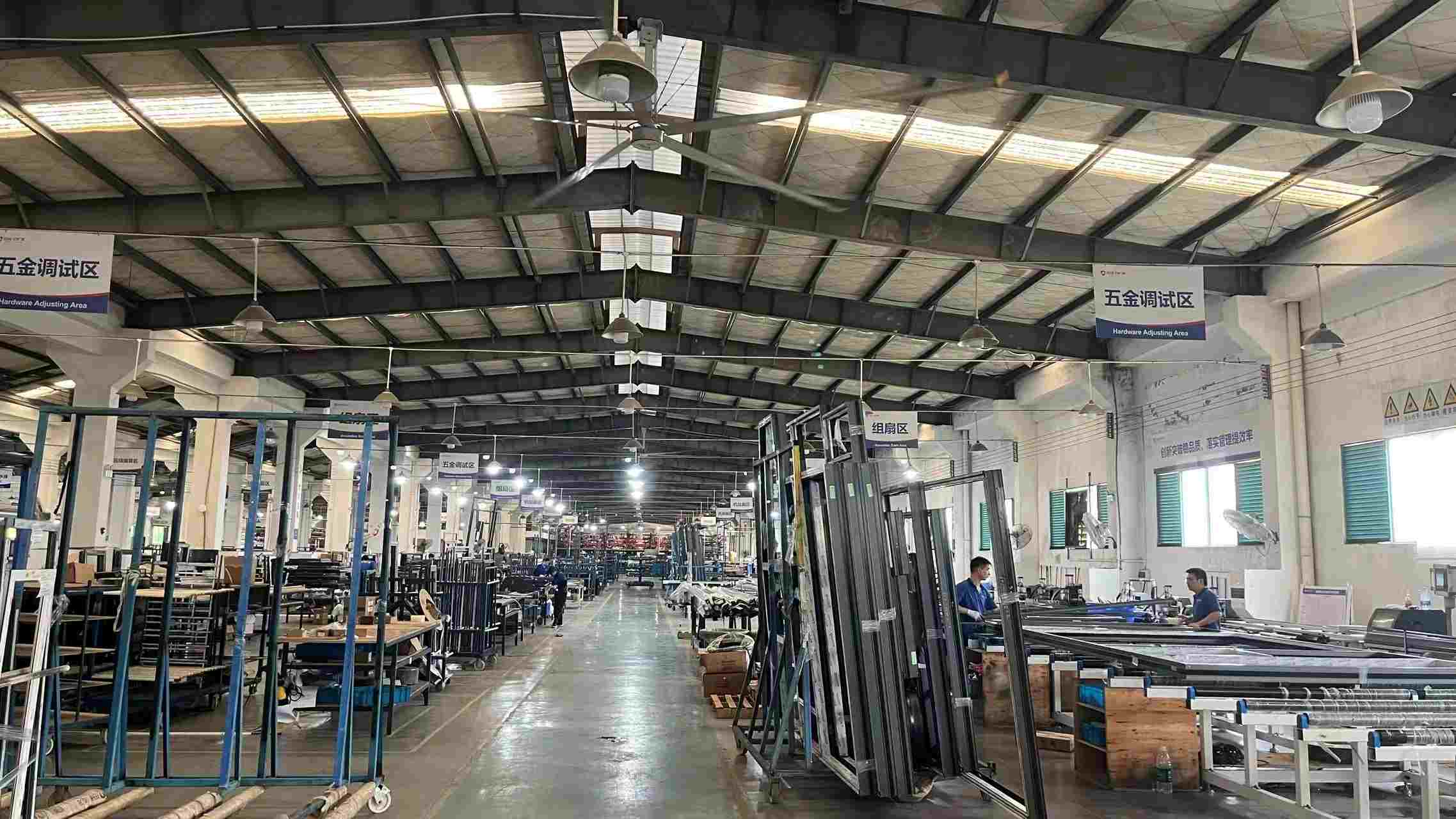
Inside Steelwar's 40,000 m² manufacturing plant—integrating automated machining, multi-stage quality control, and custom engineering agility.
Our production lines utilize automated multi-axis CNC milling and cutting centers capable of micron-level tolerance accuracy. This guarantees pristine corner miter joint alignment, exact lock-mortise cutouts, and perfect seal compression across complex profiles.
Every glass entry door undergoes rigorous quality testing before dispatch. Operations include structural deflection testing under simulated high winds, automated water leakage detection at maximum pressure differentials, and salt spray exposure tests for marine durability.
With 230 new model designs developed annually, our engineering division turns architectural sketches into structural shop drawings. We support custom glass coatings, ballistic steel core inserts, hidden pivot hardware, and customized frame depths tailored to regional needs.
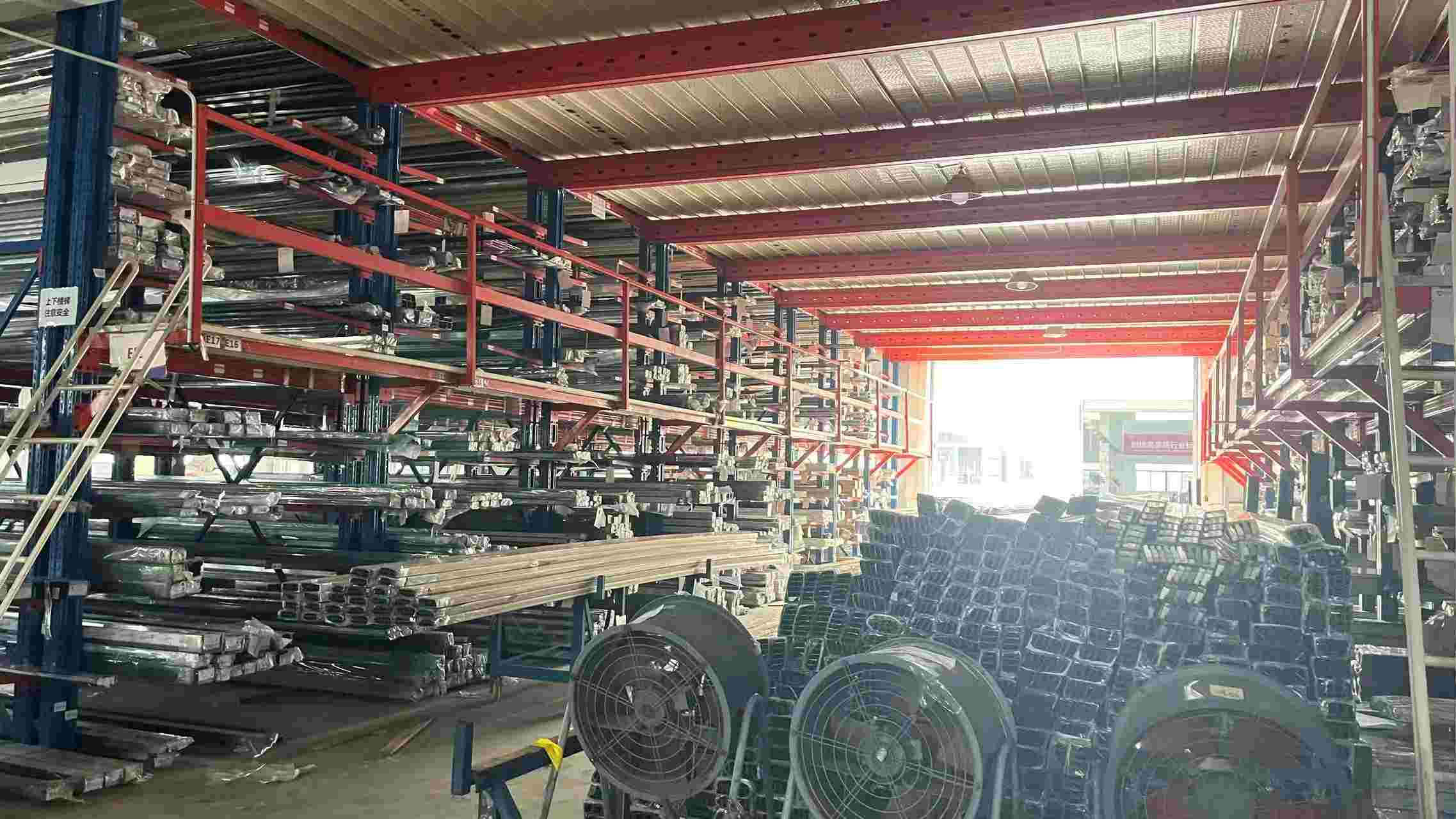 Raw Materials
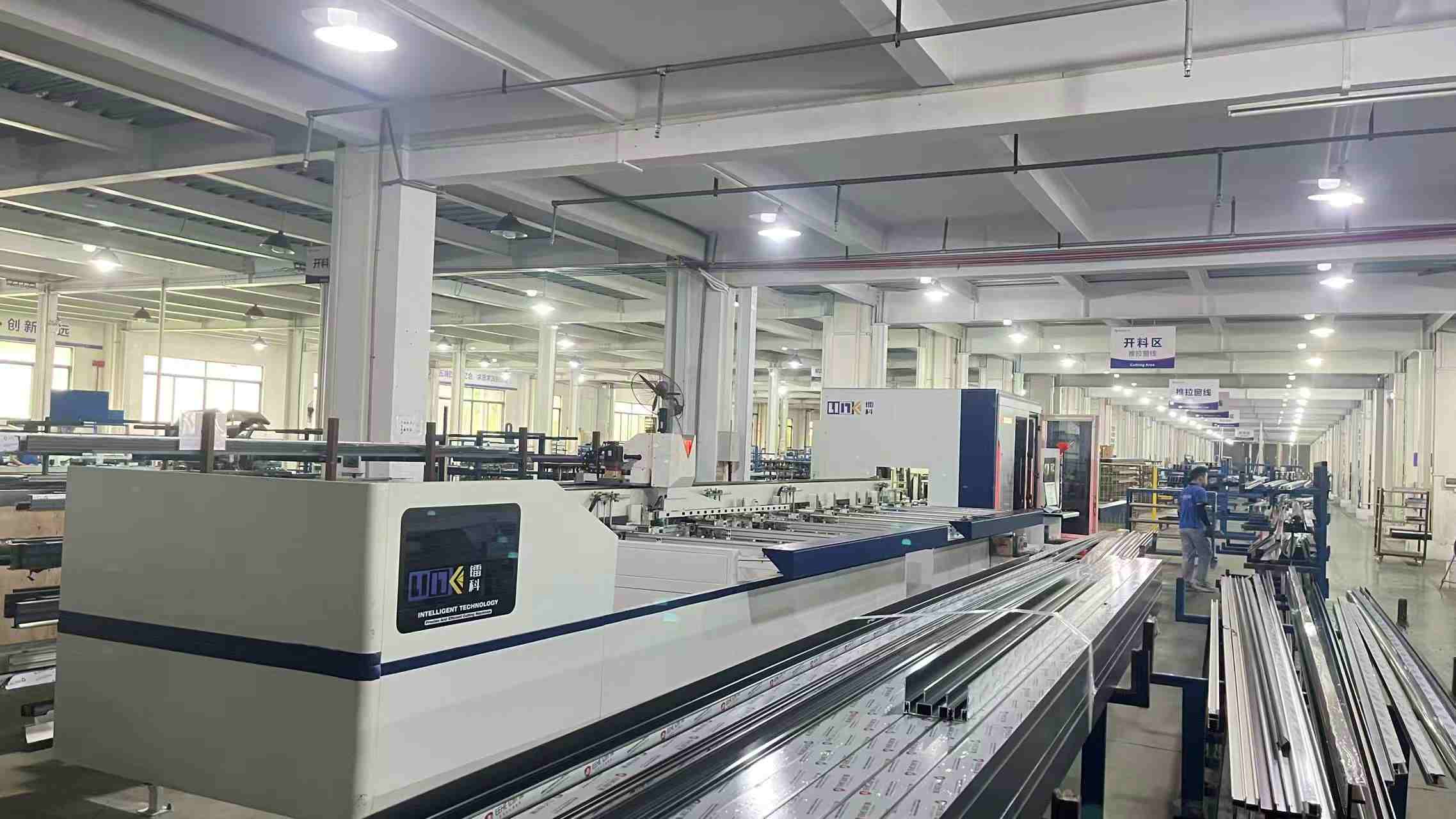 Cutting
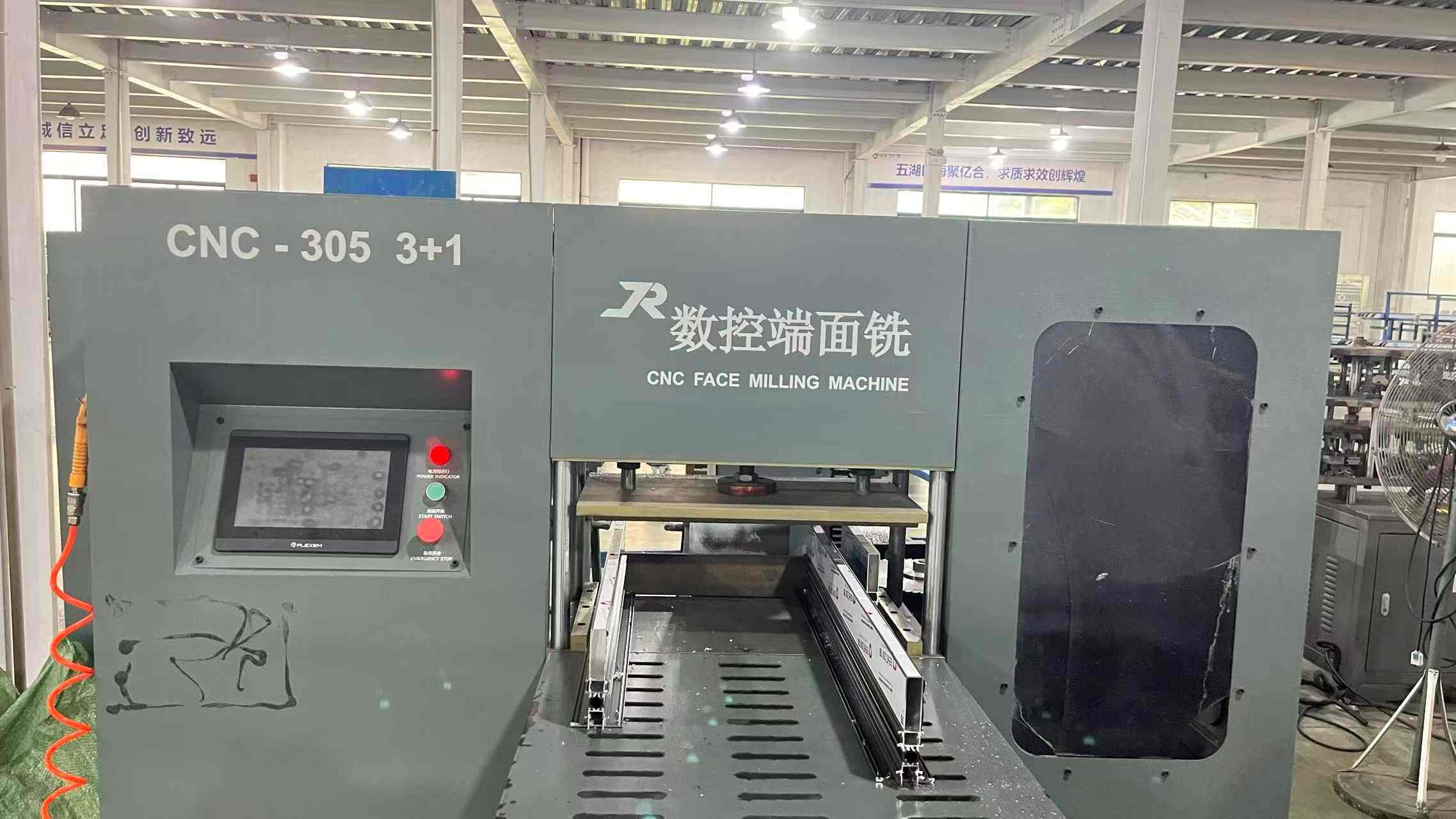 Milling
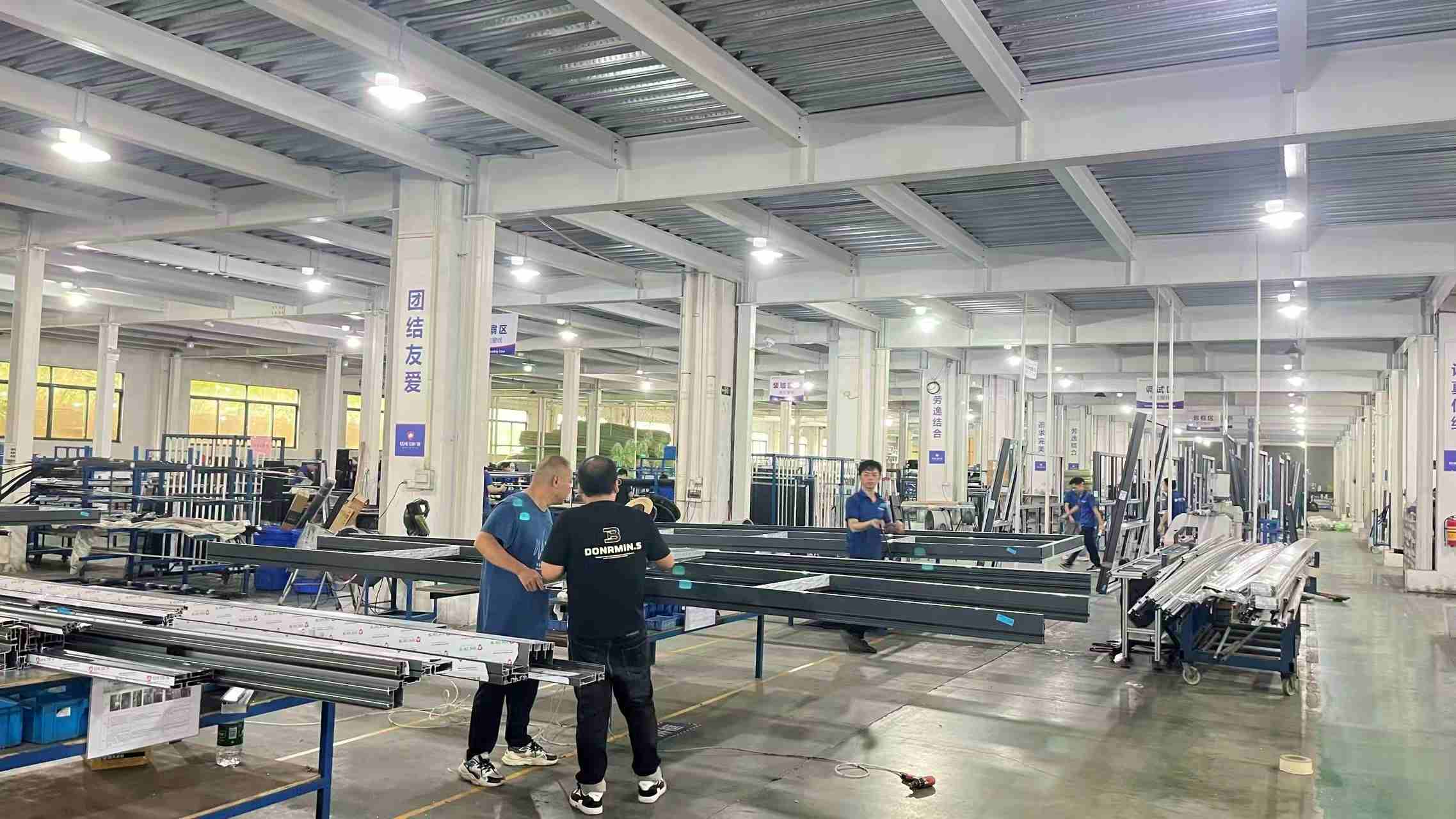 Assembling 1
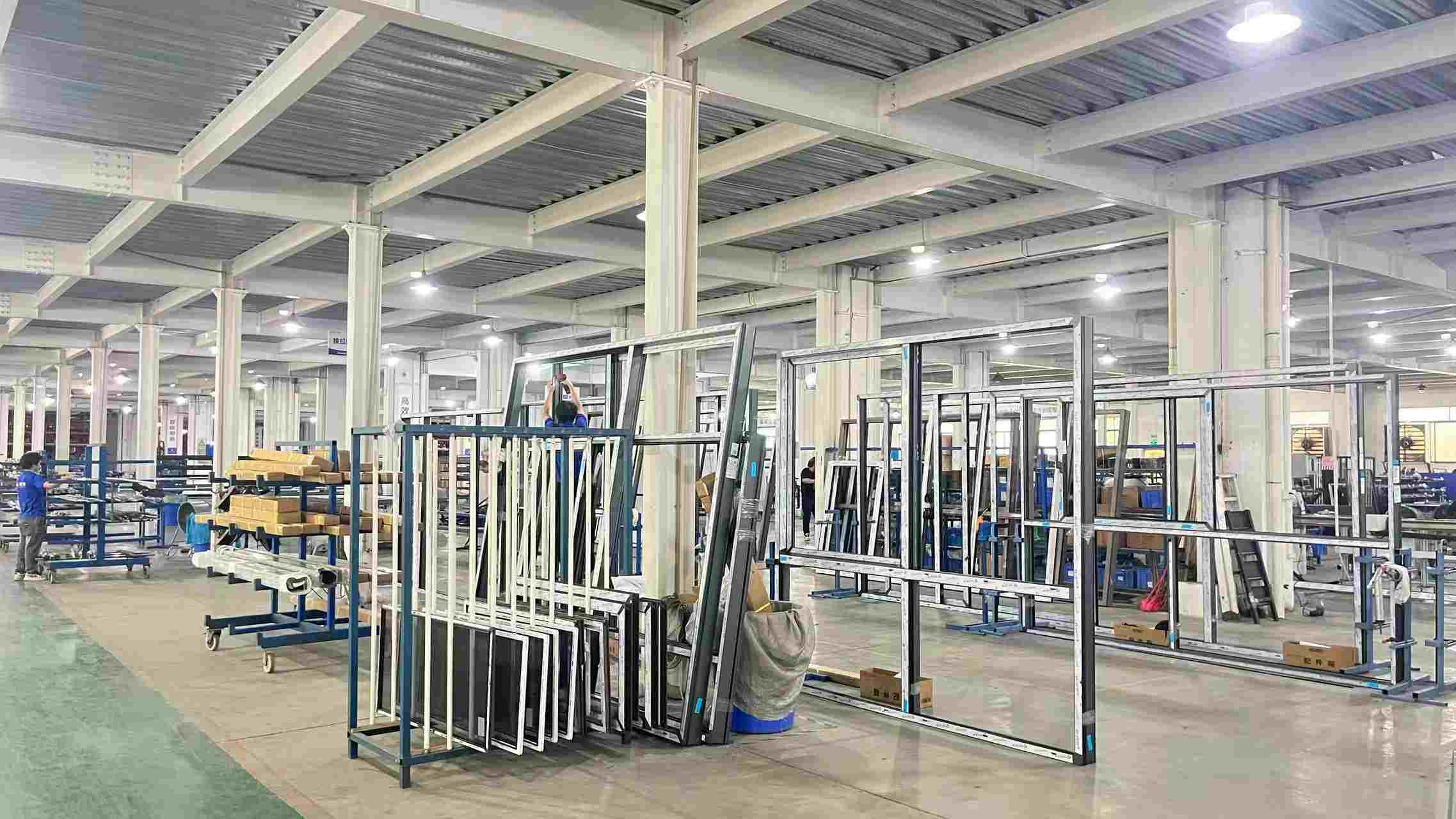 Assembling 2
 Gluing
 Testing
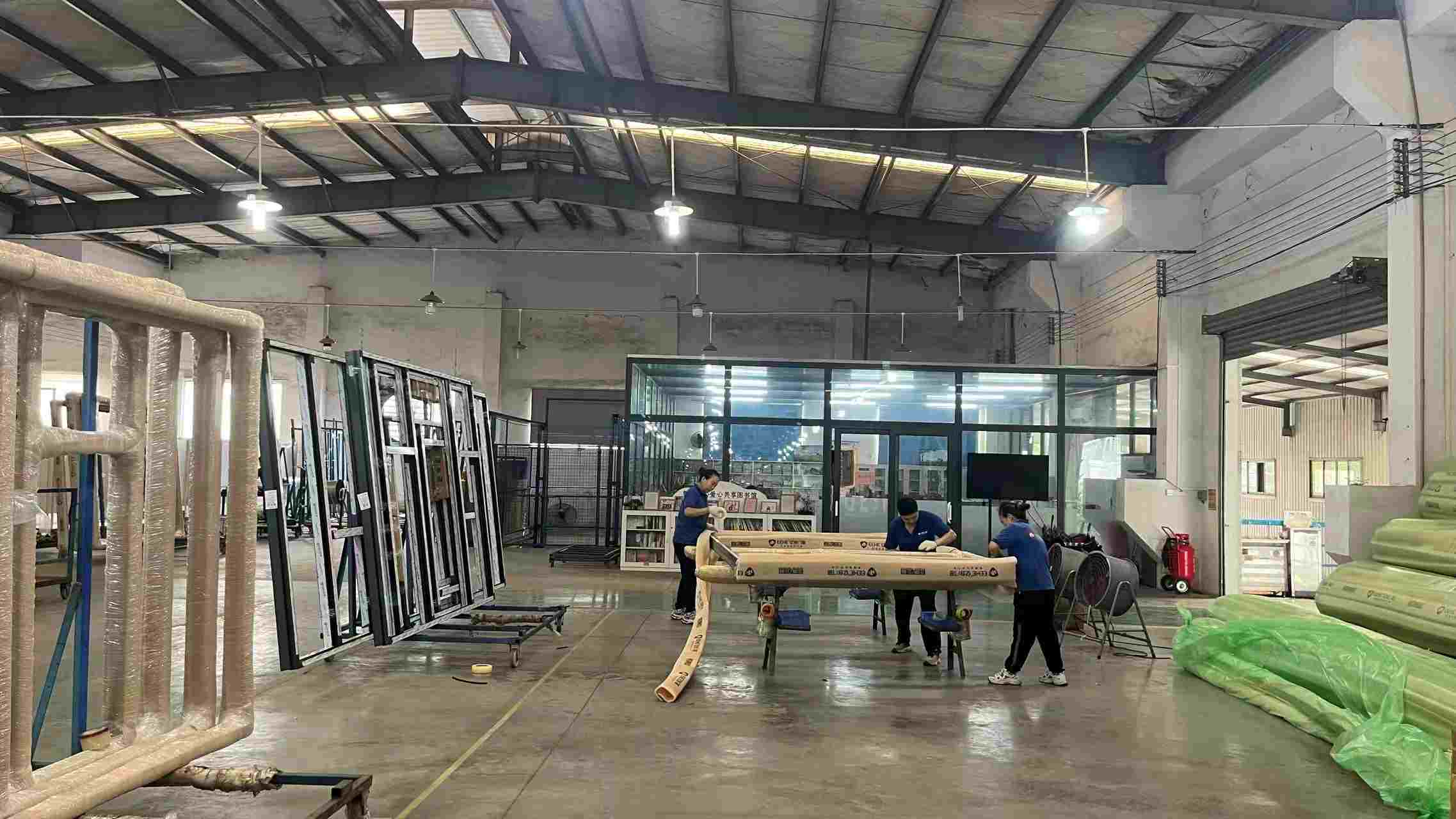 Packaging
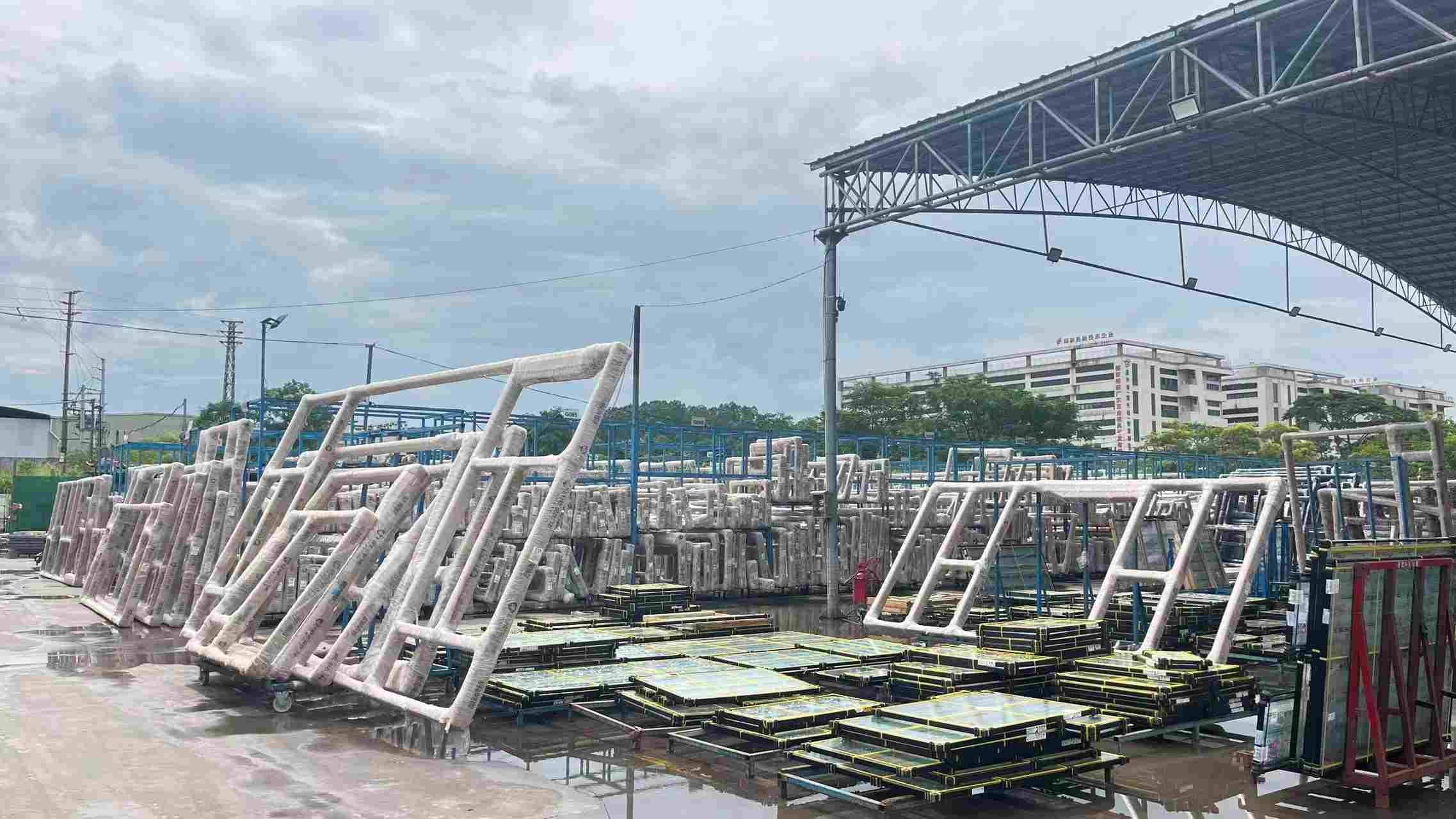 Warehouse
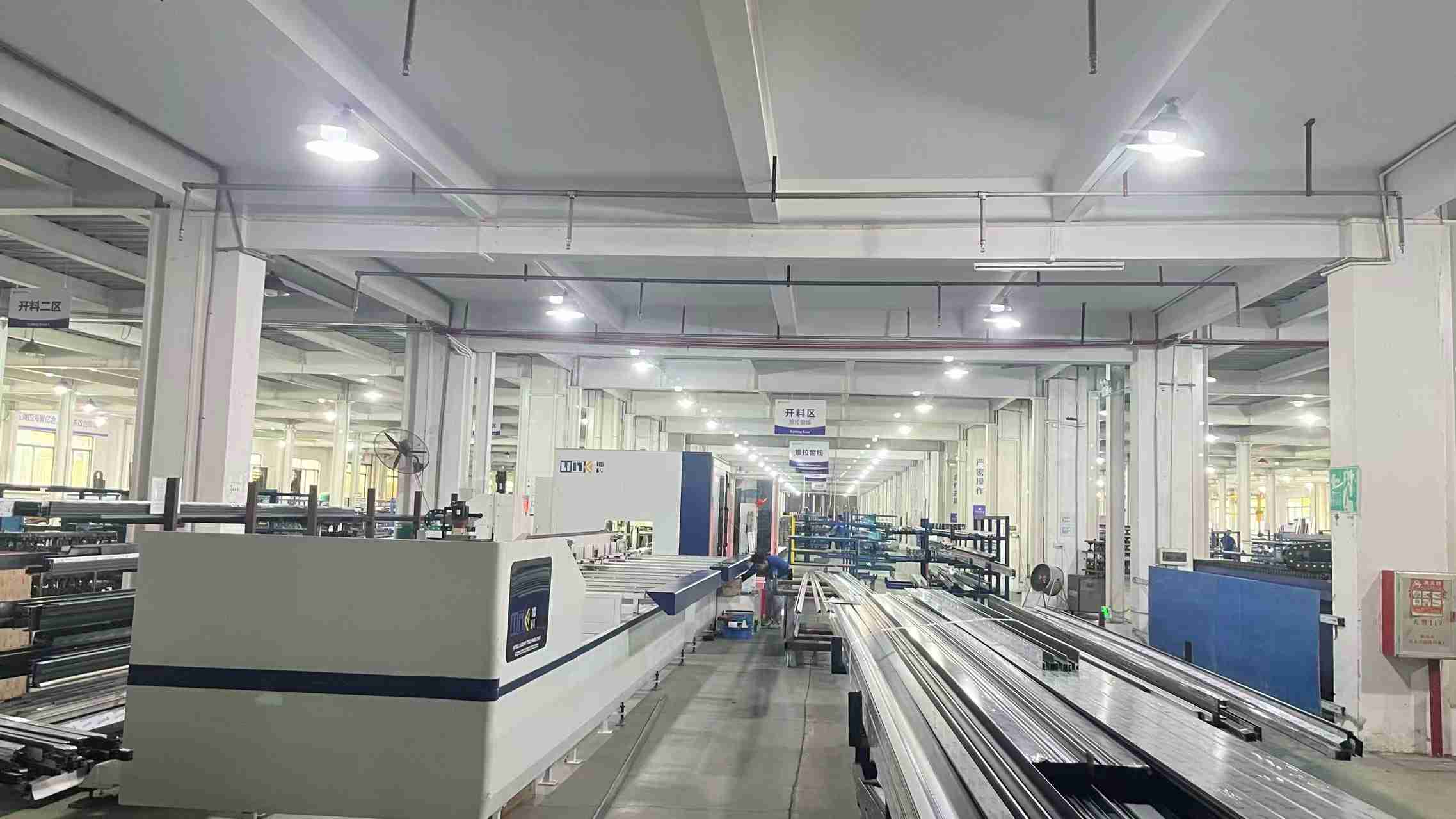 Cutting Machine
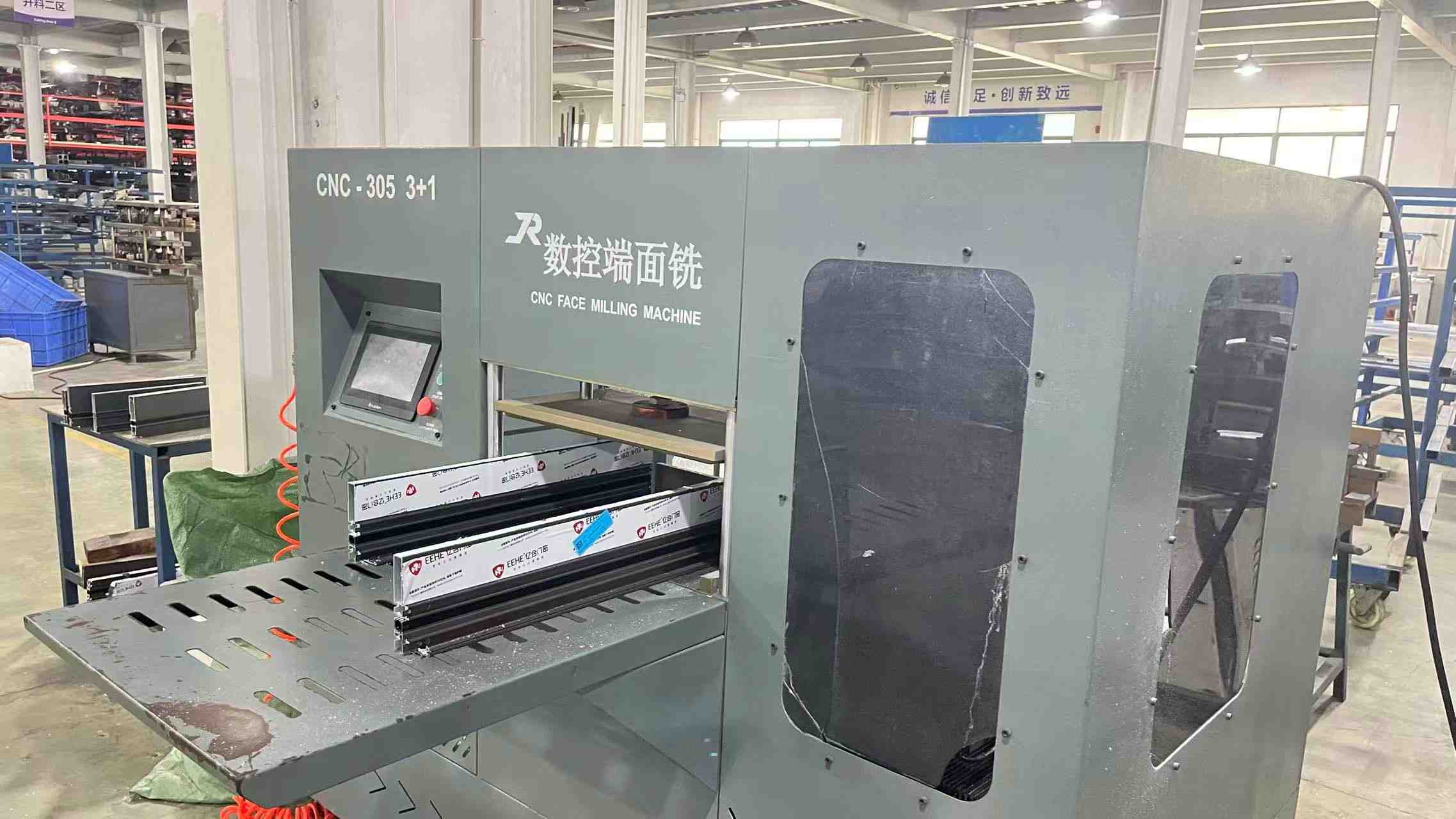 Milling Machine
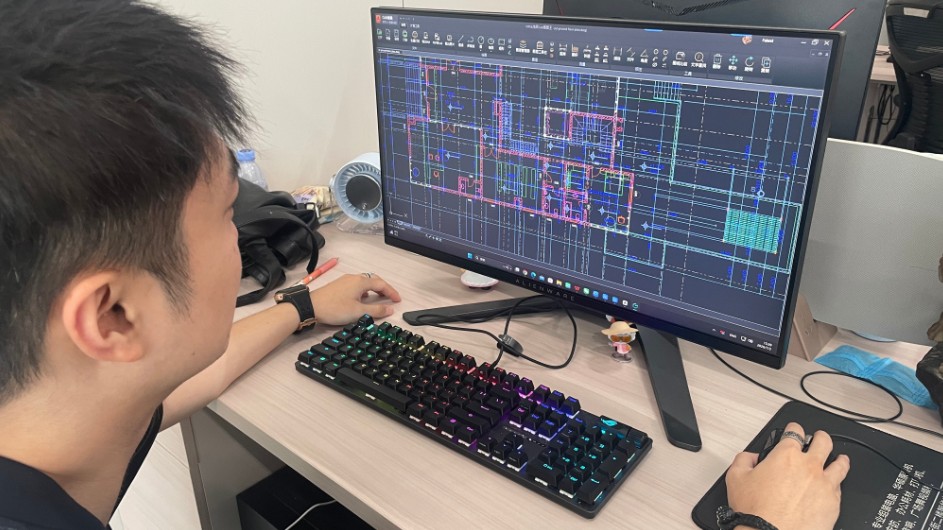 Design with CAD
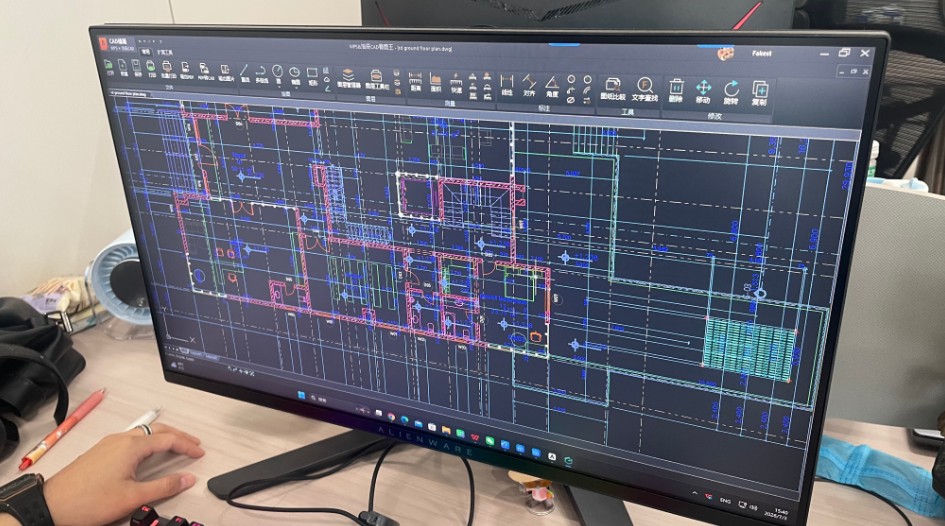 Design with Computer
Comprehensive technical specifications for architectural glass entry doors built for durability, security, and climate adaptation.
We utilize 6063-T6 and 6061-T6 structural-grade aluminum extrusions. T6 heat treatment provides superior tensile strength (>205 MPa) and yield strength (>170 MPa), ensuring zero structural deformation under extreme wind loads for floor-to-ceiling glass entry installations.
Configurable glazing units include double and triple insulated tempered glass (IGUs) with argon gas fills. Low-emissivity coatings (Single, Double, or Triple Silver Low-E) block infrared thermal transfer while maximizing visible light transmittance (VLT).
For high-security applications, glass assemblies integrate PVB or SentryGlas® (SGP) interlayers. SGP interlayers are 5 times tougher and up to 100 times stiffer than standard PVB materials, preventing entry breach even if the outer tempered glass layer is compromised.
Surface treatments comply with AAMA 2605 standards. Options include Qualicoat-certified fluorocarbon (PVDF) spray coatings, architectural anodizing (up to 25 microns), and high-definition wood grain thermal transfer prints designed for severe UV exposure.
Tailored entry systems deployed across diverse commercial, luxury residential, and extreme environmental landscapes globally.
Scenario: Coastal North American and European modern estates requiring expansive sightlines, seamless indoor-outdoor transitions, and zero operational effort.
Engineering Solution: Ultra-slim thermally broken aluminum lift-and-slide glass entry doors, featuring concealed floor tracks, triple-sealed EPDM weatherstripping, and U-values under 0.9 W/m²K. Smart motorized drive systems integrate cleanly into automated home hubs.
Scenario: Boutique hotels, corporate headquarters, and high-end retail venues needing continuous durability and biometric access control.
Engineering Solution: Heavy-duty pivot entry doors equipped with internal ballistic steel cores, high-load hydraulic floor springs rated for >500,000 cycles, integrated smart card/fingerprint readers, and structural silicone glazed double toughened panels.
Scenario: Multi-story beachfront developments exposed to salt spray air and severe tropical storm surges.
Engineering Solution: Florida NOA impact-certified fixed window wall entry combinations utilizing SGP laminated hurricane glass, marine-grade anodized profiles, and dual-stage weep-hole drainage tracks engineered to withstand water pressures up to 750 Pa.
Direct engineering insights addressing critical questions from importers, developers, distributors, and specifiers.
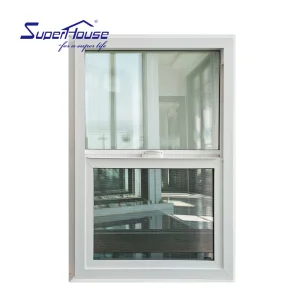
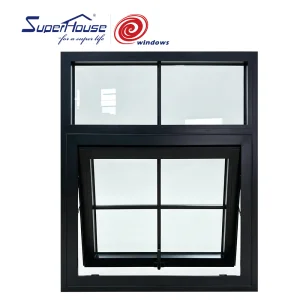
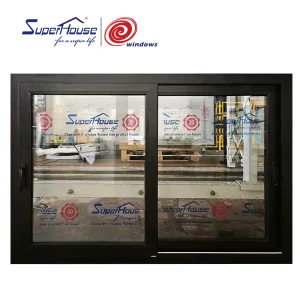
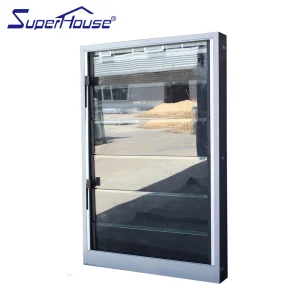
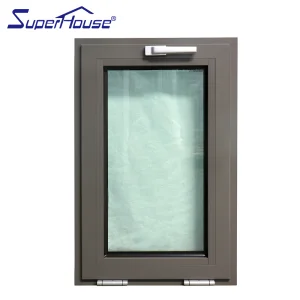
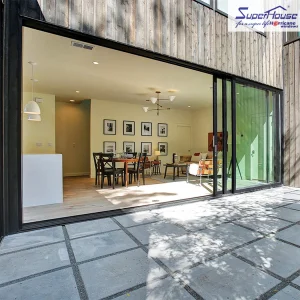
Discover our full range of hurricane impact sliding doors, awning windows, picture wall systems, and tilt-and-turn fenestration models.
 Steelwar