Engineered for extreme structural loads, Florida Miami-Dade hurricane compliance, and maximum thermal insulation.
A Comprehensive Technical & Strategic Guide for Global Commercial Buyers, Architectural Specifiers, and Wholesale Distributors
In modern architectural engineering, the exterior entry door is no longer a simple structural barrier; it serves as a high-performance environmental shield. Extreme weather events—ranging from coastal Category 5 hurricanes and severe rainstorms to arctic freeze cycles and desert heatwaves—have reshaped building codes globally. Consequently, real estate developers, commercial project contractors, and security door stockists demand exterior opening solutions that seamlessly integrate structural resilience, thermomechanical efficiency, and advanced physical security.
Technical Insight (Information Gain): Modern weather-resistant entry doors require multi-layered physical barrier design: combining thermal break aluminum profiles, continuous EPDM triple-gasket perimeter seals, dynamic drainage sub-frames, and pressure-equalized internal chambers to withstand wind loads exceeding 9000 Pa (equivalent to >250 mph winds).
The global exterior door market is experiencing a structural paradigm shift driven by three core forces: climate adaptation regulations, decarbonization mandates, and automated home security integration.
1. Stringent Building Performance Standards: Regulatory bodies across North America (such as Florida Building Code Florida Approved NOA standards and NFRC energy ratings), Europe (CE, Passive House Institute specs), and Australia (AS2047 testing) are enforcing lower U-factors and strict water penetration resistance thresholds. Entry doors must act as zero-leakage interfaces under continuous driving rain.
2. Material Hybridization for Superior Longevity: Traditional solid wood doors suffer from warping, moisture rot, and high thermal expansion. High-grade structural steel and thermal-break T6-grade aluminum profiles—enhanced with fluorocarbon (PVDF) or architectural powder coatings—have emerged as the material standard for long-term weatherproofing.
3. Seamless Architectural Integration: Commercial projects demand ultra-slim sightlines without compromising wind-load capability. Heavy-duty multi-point locking systems and embedded smart biometric access control are becoming standard factory-installed options for tier-1 exporters.
To achieve true weather resistance, an entry door system must overcome three distinct environmental pressures: hydrostatic pressure, thermomechanical stress, and chemical/UV degradation.
| Performance Vector | Engineering Challenge | Steelwar / Industry Best-Practice Solution |
|---|---|---|
| Wind Load Resistance | Structural displacement or frame buckling under high velocity gusts. | High-tensile 6063-T6 aluminum alloys and heavy-gauge galvanized steel cores (DP rating up to +100/-100 psf). |
| Water Tightness | Water ingress caused by hydrostatic differential during storms. | Multi-stage stepped threshold design, concealed weep holes, and continuous vulcanized EPDM gasketing. |
| Thermal Isolation | Thermal bridging causing heat loss, interior condensation, and energy transfer. | Polyamide (PA66) thermal break strips integrated with high-density polyurethane (PU) structural insulation core. |
| Corrosion Resistance | Salt spray oxidation in coastal regions and industrial smog degradation. | AkzoNobel / PPG D2015-compliant powder coatings tested to withstand >3,000 hours of continuous ASTM B117 salt spray. |
Established in 2003, Steelwar Entry Systems Co., Ltd. stands as a premier global OEM/ODM manufacturer of high-security and weather-resistant exterior entry doors.
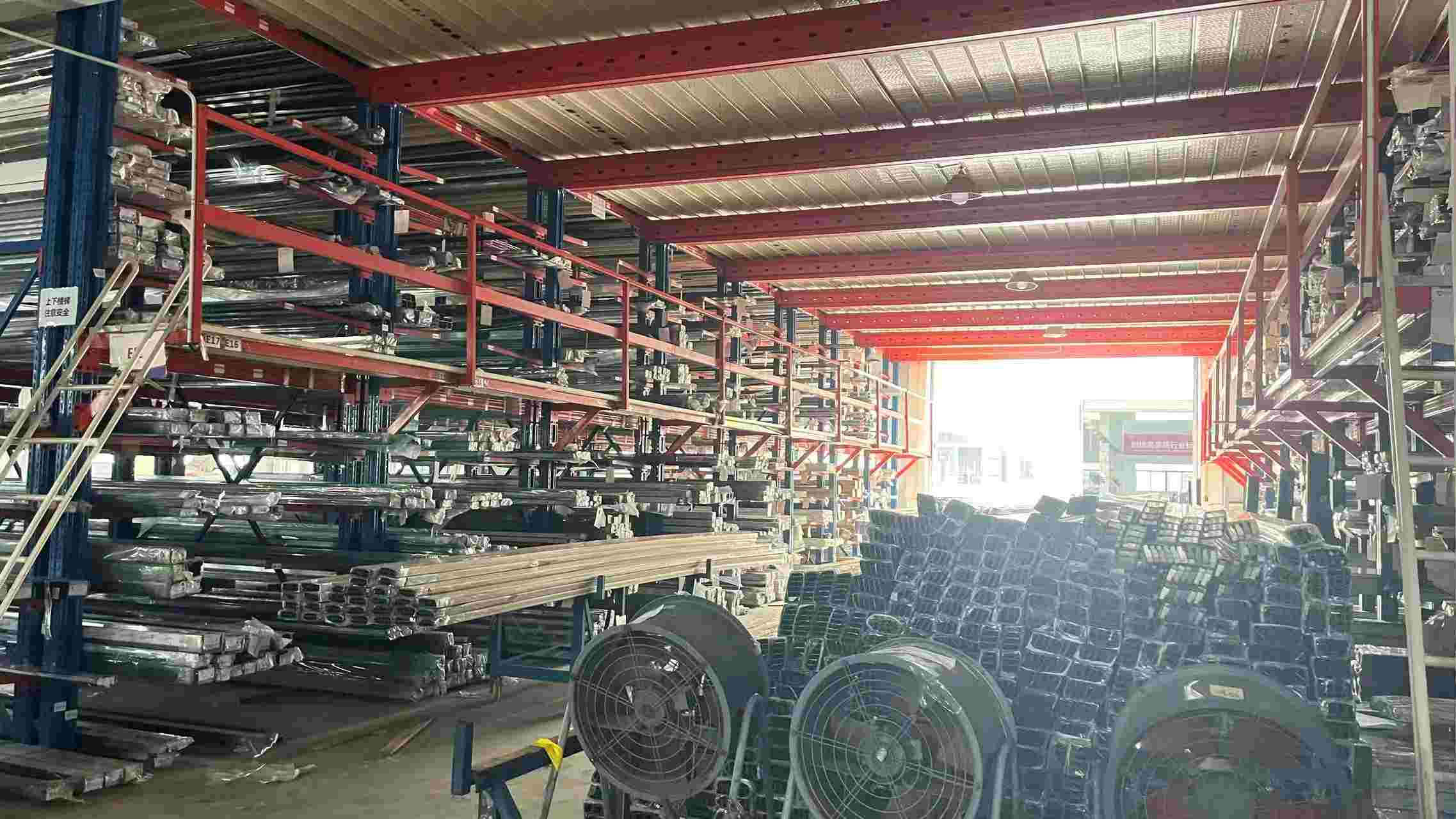
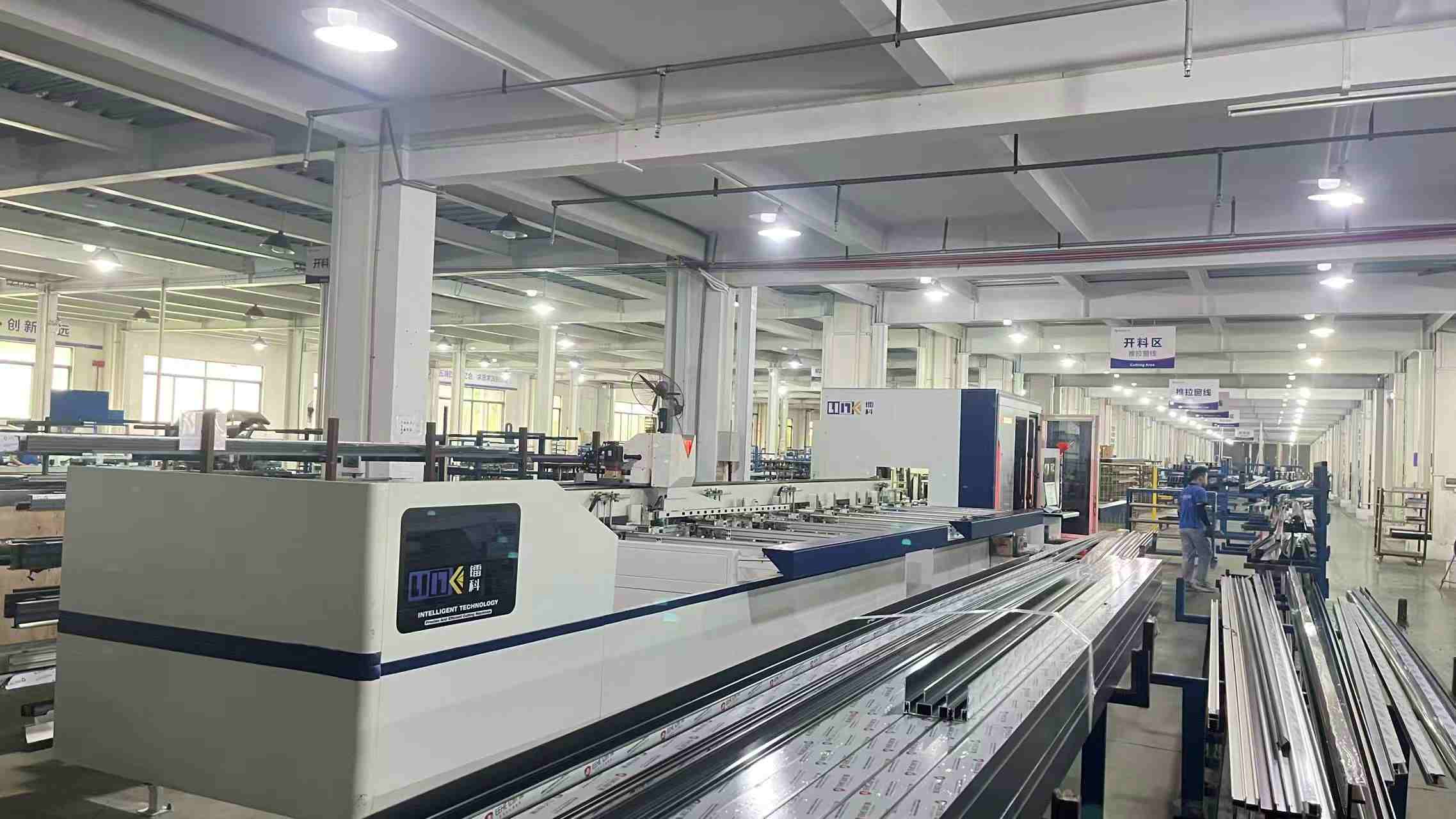
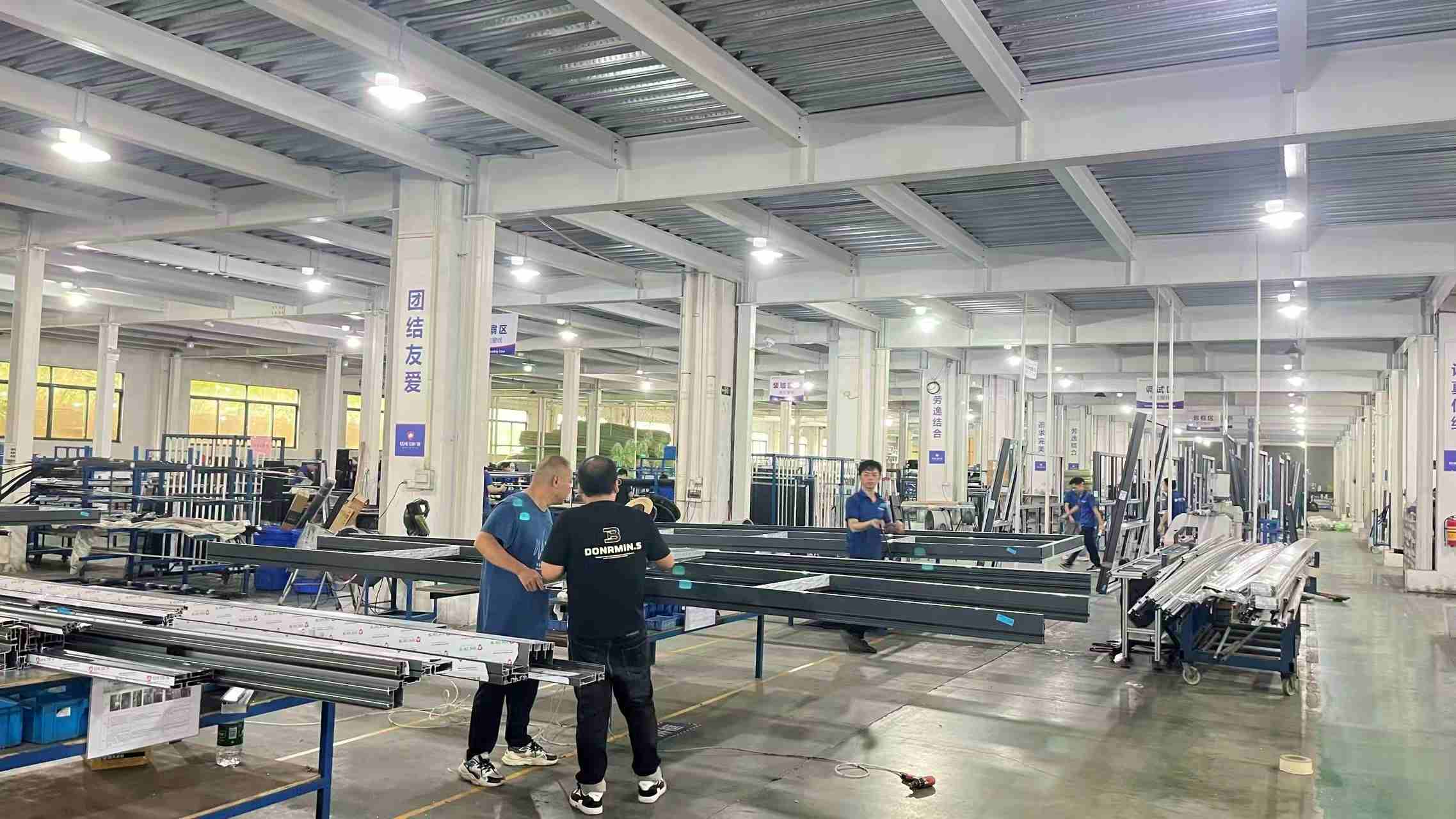
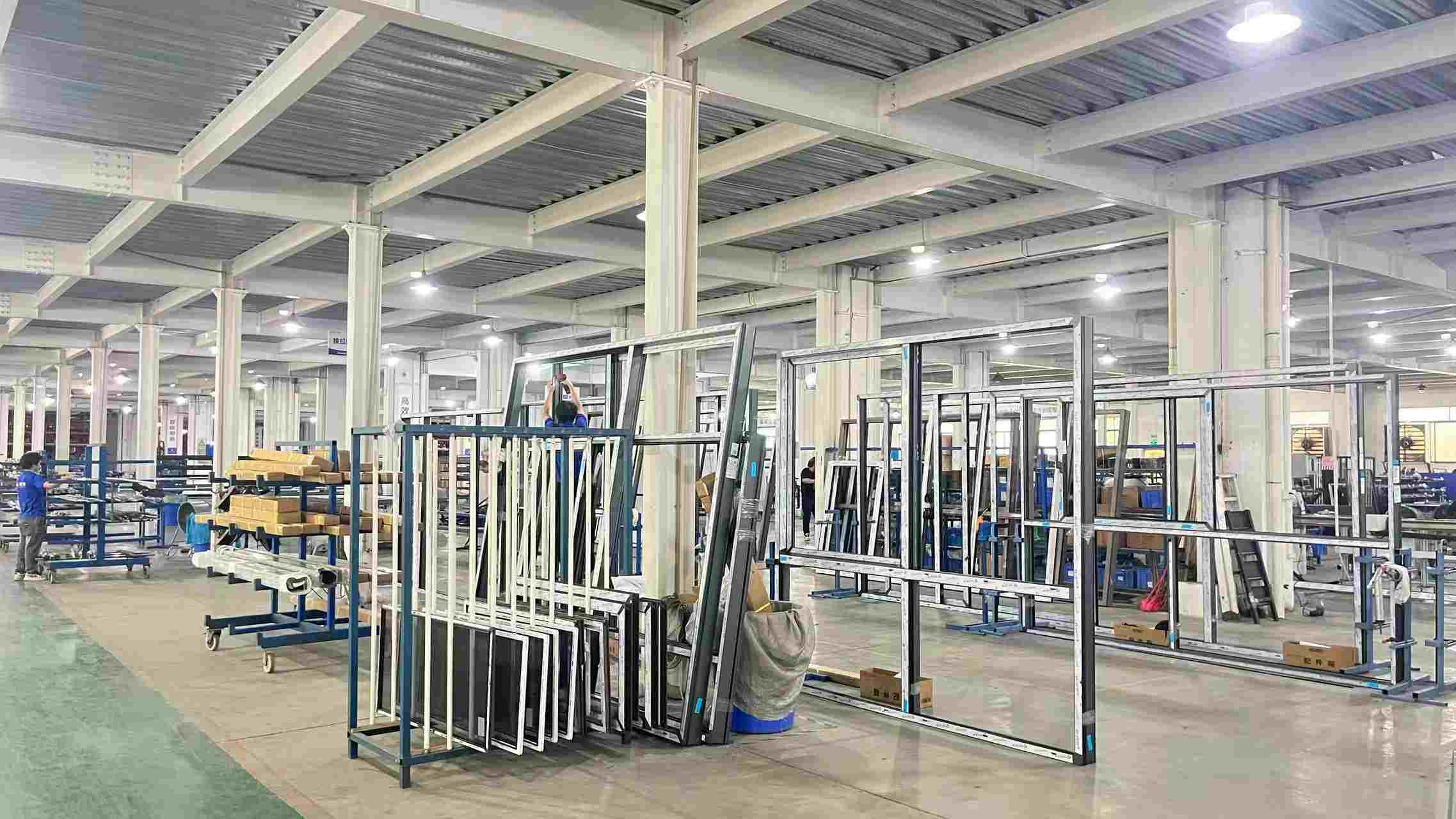
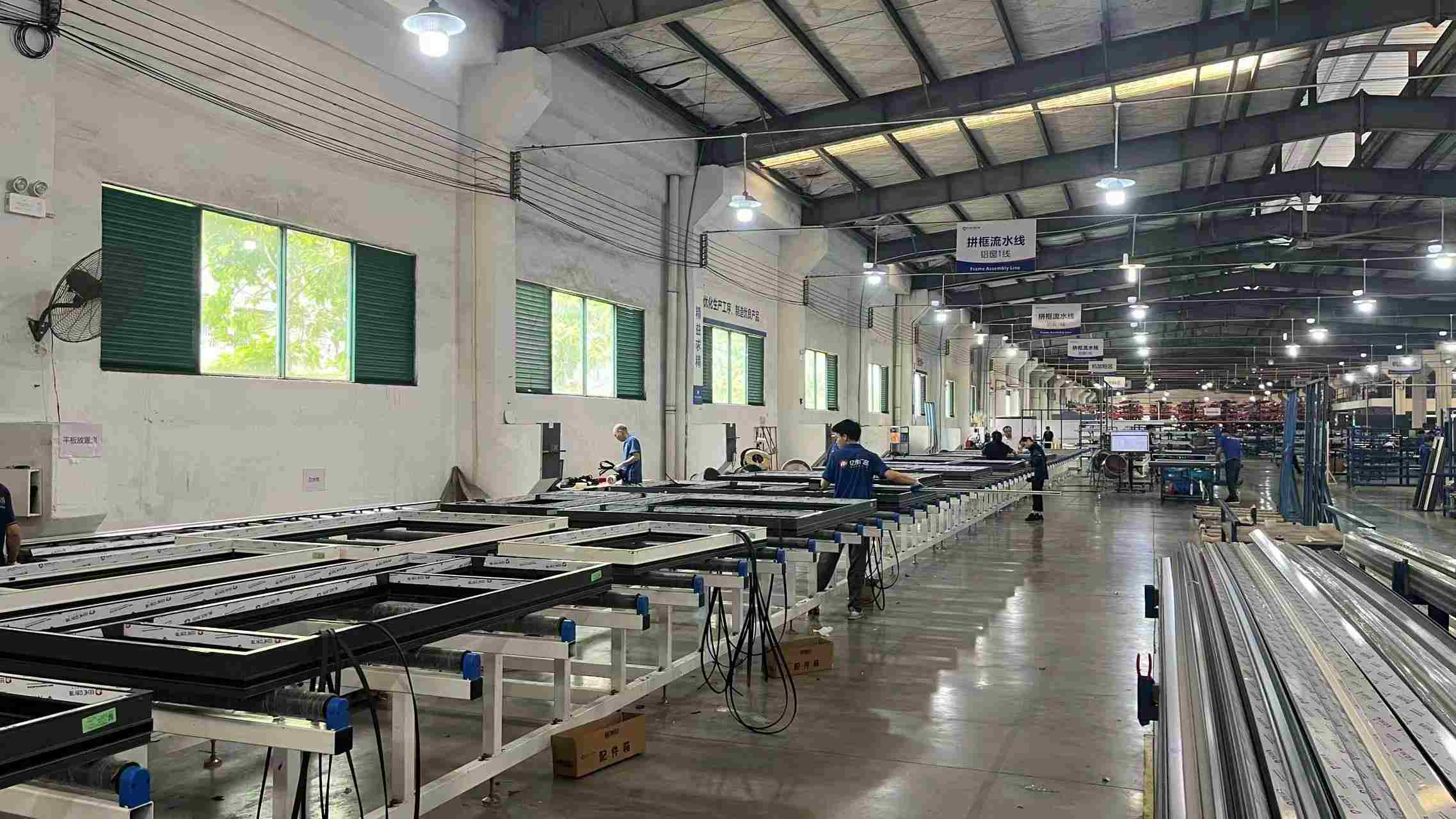
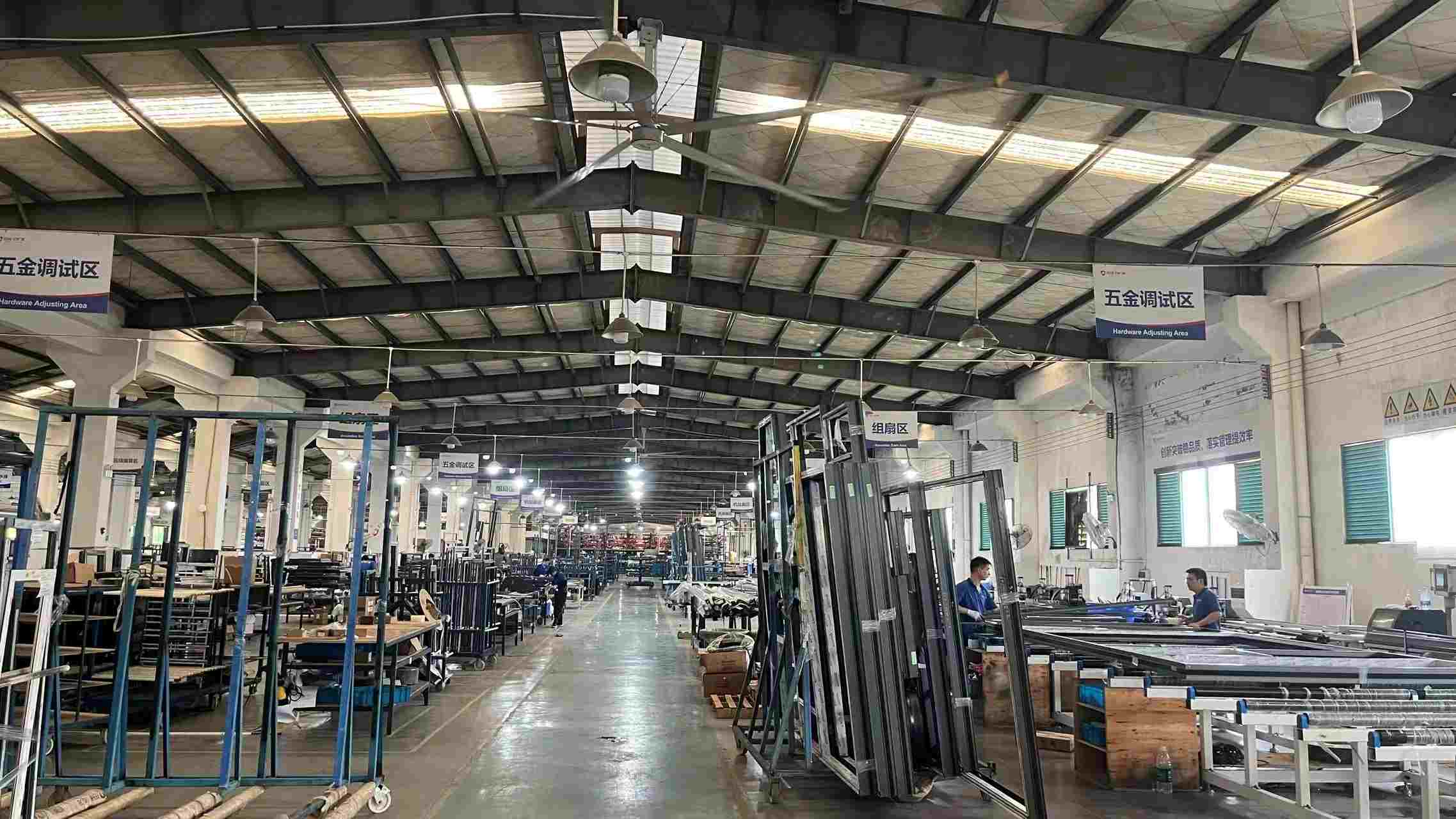
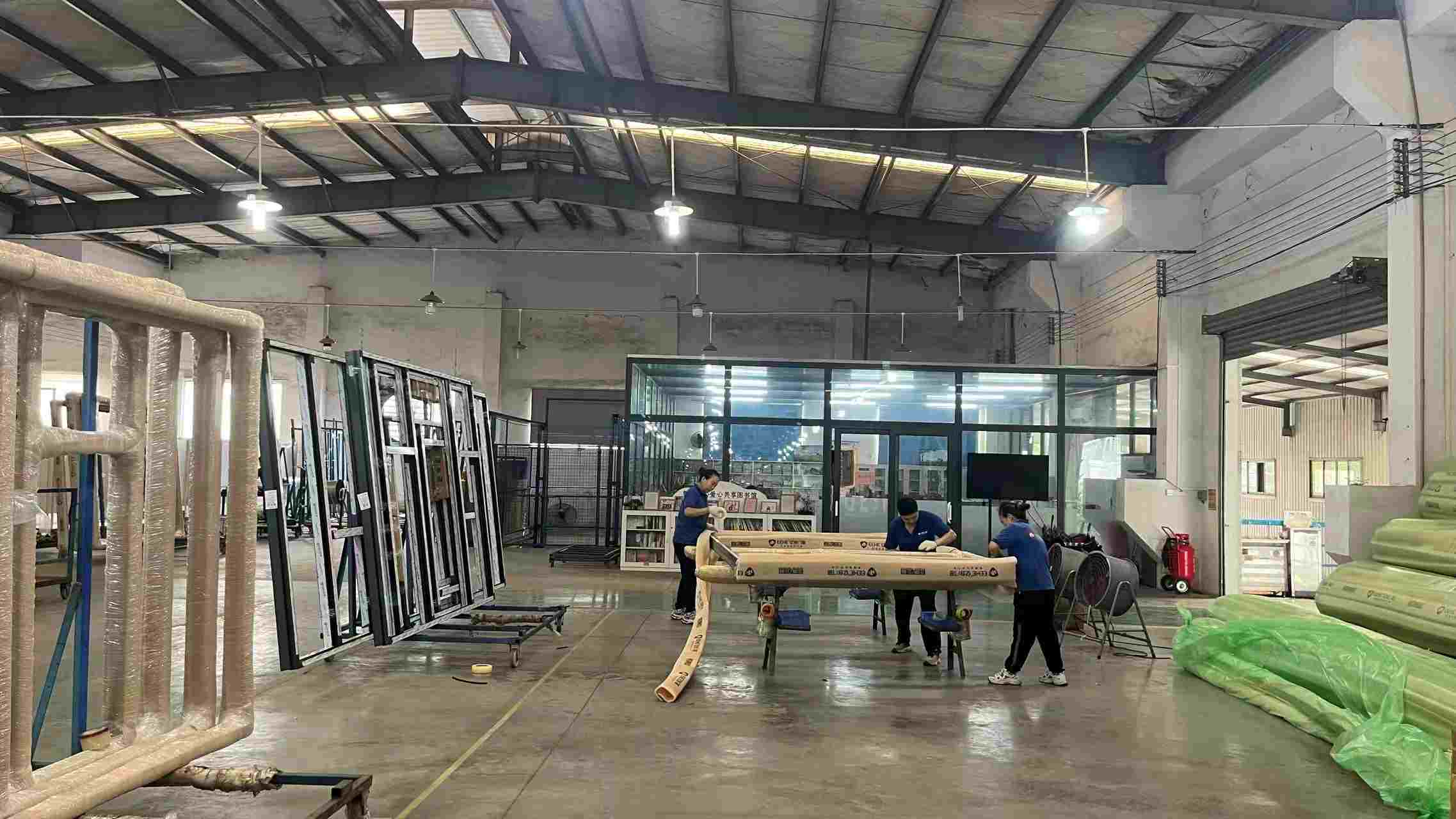
Established in 2003, Steelwar Entry Systems Co., Ltd. operates a large-scale 40,000 m² manufacturing plant specializing in high-security exterior entry doors. With 21 years of continuous industry experience and 9 years of global export capabilities, the company generates $35 million in annual export turnover. Steelwar focuses on key markets across North America, the Middle East, and Eastern Europe, primarily supplying building material distributors, security door stockists, and commercial construction contractors.
Supported by a solid trade background and a network of 1,100 supply chain partners, Steelwar maintains strict product reliability. Quality control is managed by a team of 50 QC specialists who execute dynamic impact resistance testing, automated frame tolerance checks, and corrosion-resistant coating audits. The company's engineering strength is backed by 75 R&D engineers who introduced 230 new product models last year. Custom options include ballistic steel cores, multi-point smart lock integration, customized RAL color finishes, and bespoke frame depths.
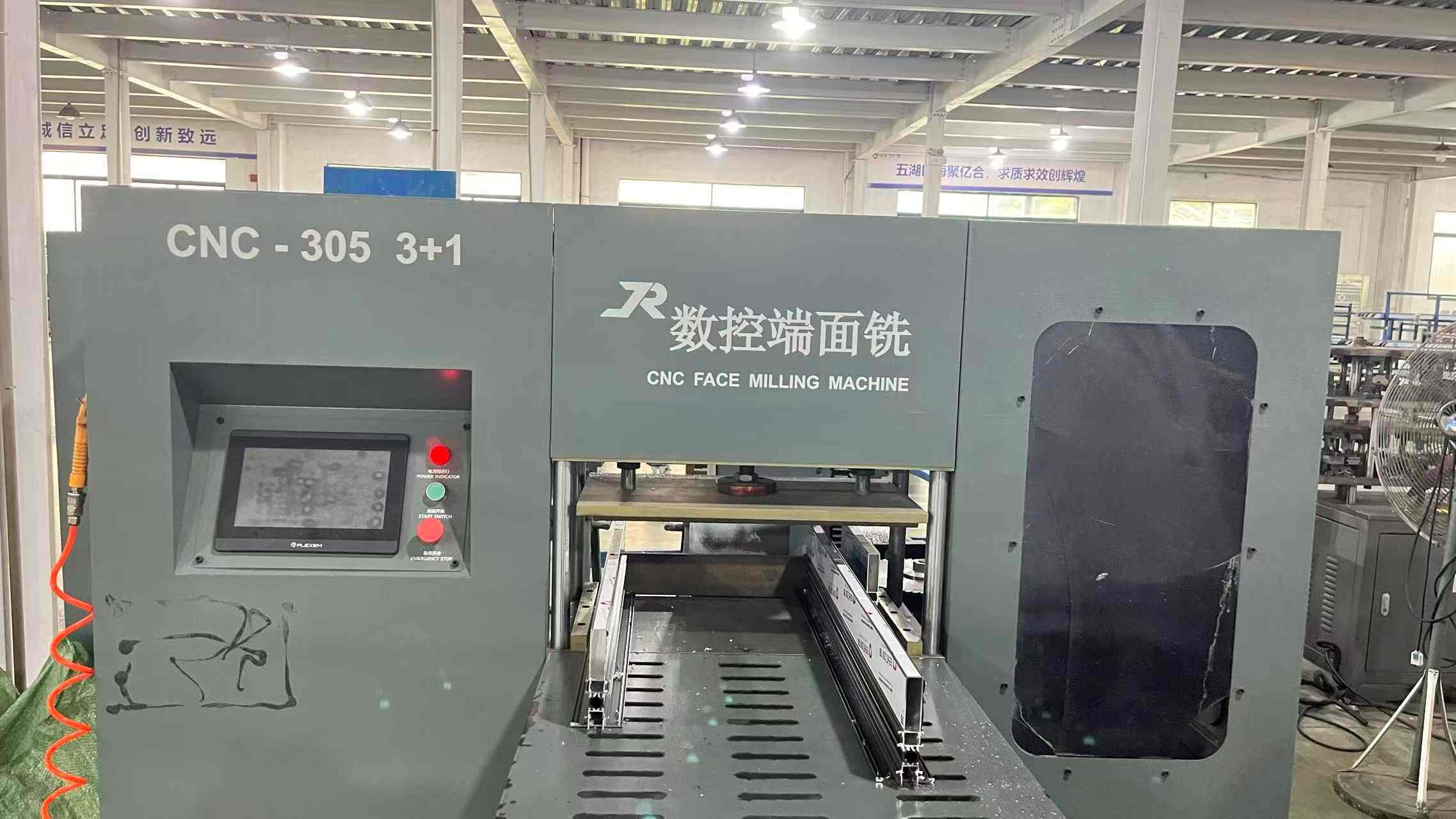
Steelwar's modern industrial facility leverages automated CNC machinery, robotic laser cutting, and computer-guided milling centers. This integration of Industry 4.0 smart manufacturing ensures frame tolerances within ±0.5mm, critical for maintaining airtight weather seals across massive door spans.
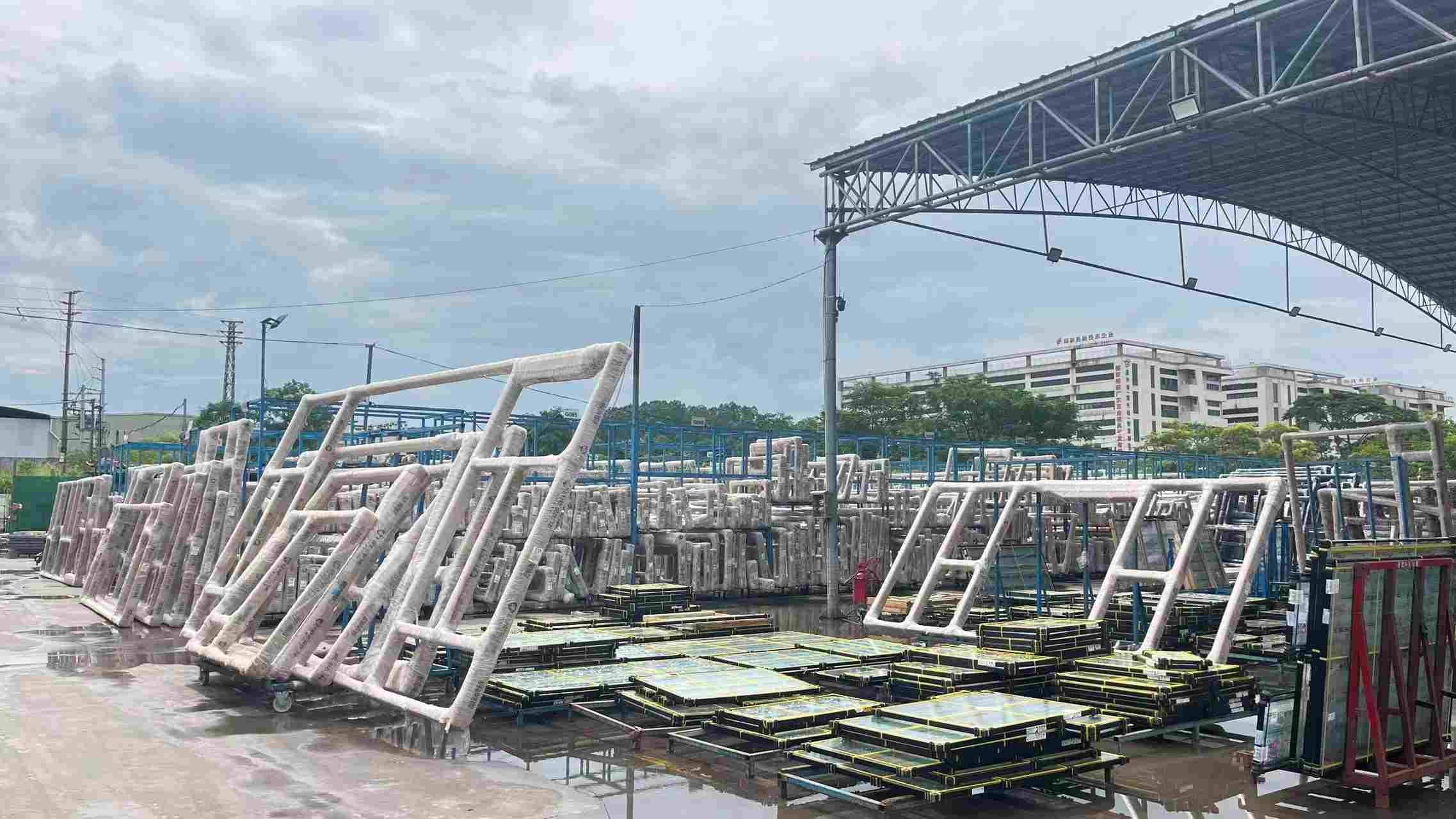
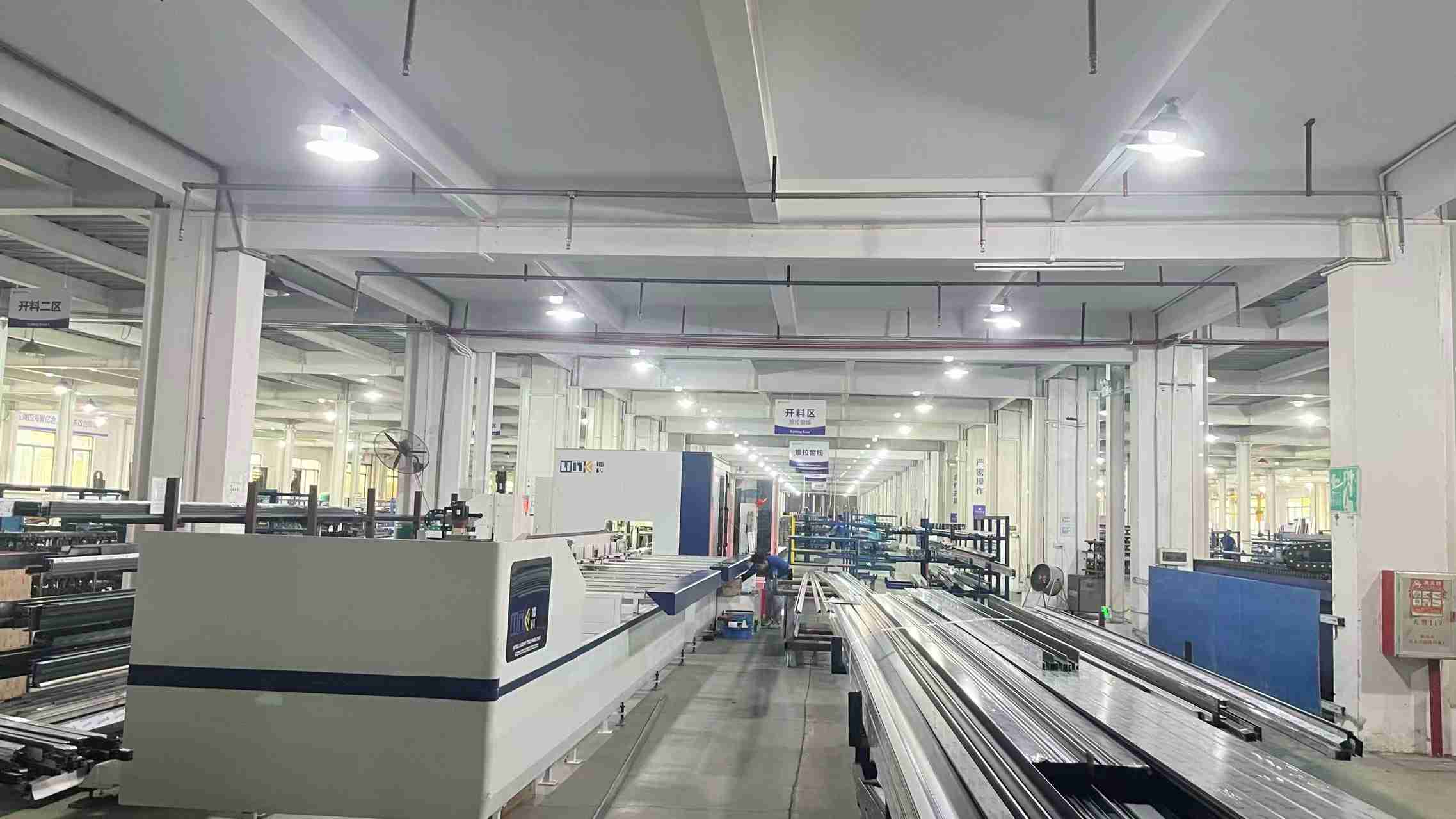
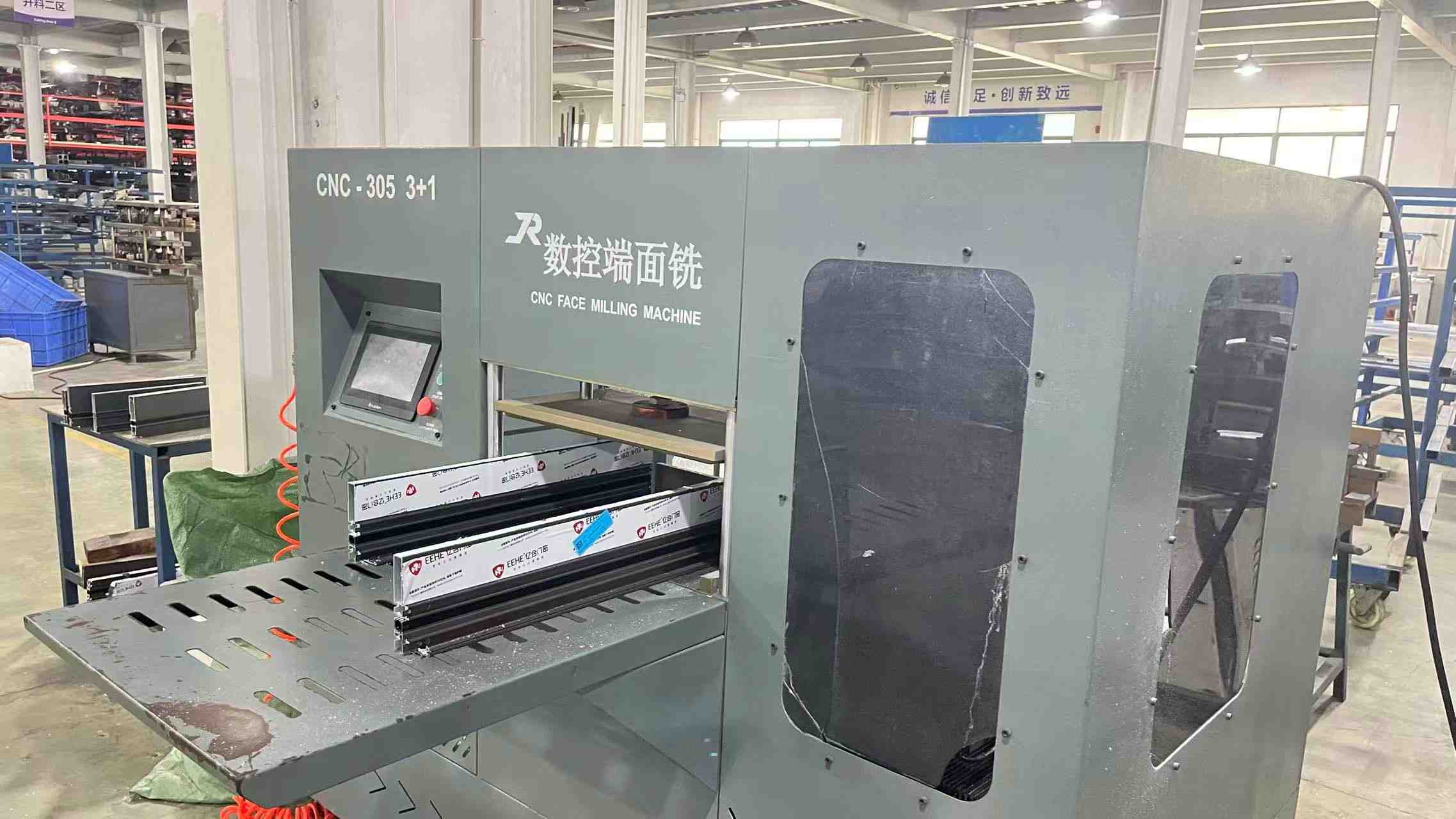
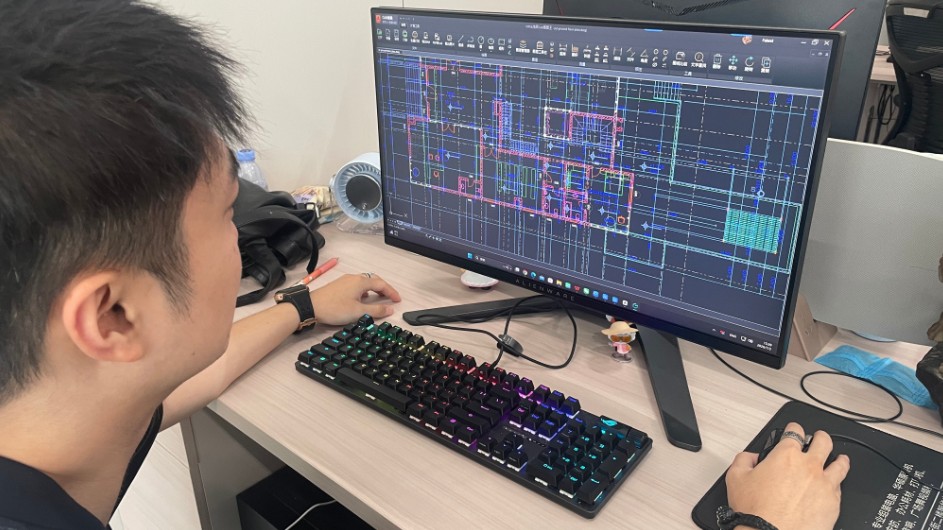
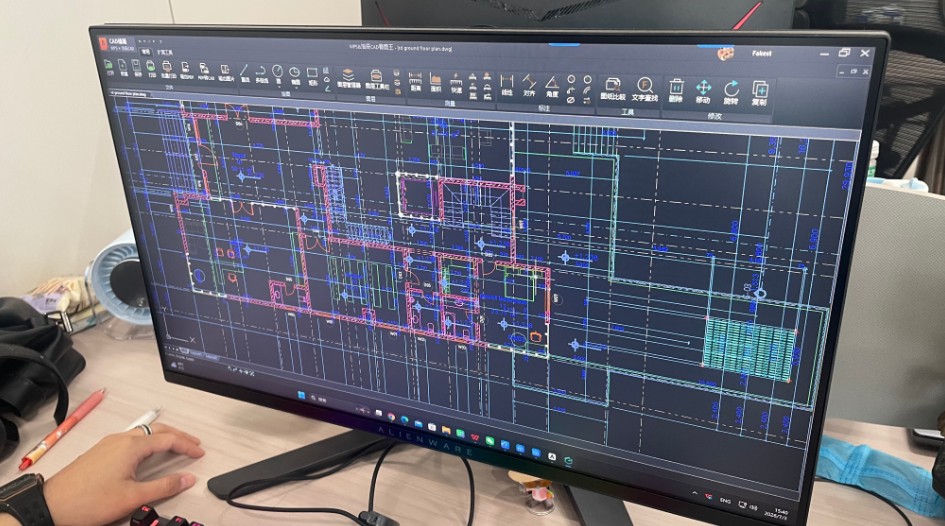
Tailoring structural door systems to geographic climate variations, regional architectural mandates, and total cost of ownership (TCO) targets.
Target Regions: Southeastern USA (Florida/Gulf Coast), Caribbean Islands, Coastal Australia.
Core Requirements: Florida Miami-Dade NOA compliance, large missile impact testing (ASTM E1886/E1996), corrosion-proof hardware (SS316 stainless components), and PVDF anti-salt coatings.
Target Regions: Northern USA, Canada, Eastern Europe, Scandinavia.
Core Requirements: Multi-chamber thermal break profiles, triple-pane Low-E argon glass units, structural condensation control, and U-factors below 0.22 BTU/h·ft²·°F.
Target Regions: Middle East (GCC Countries), North Africa.
Core Requirements: High thermal mass insulation, sand-deflecting threshold seals, heat-reflective architectural finishes, and dust-proof heavy-duty pivot hardware.
For commercial building material distributors and stockists, sourcing weather-resistant doors directly from top China manufacturers provides significant competitive advantages:
1. Economies of Scale & Customization: Steelwar’s 40,000 m² plant enables custom manufacturing runs (bespoke frame depths, ballistic steel cores, integrated smart security locks) at unit cost structures substantially lower than Western regional manufacturers.
2. Fully Certified Compliance Packages: Importing without certification causes major port customs delays and site compliance rejections. Steelwar doors feature verified NFRC, Miami-Dade NOA, Florida Approval, and AS2047 documentation.
3. Supply Chain Risk Mitigation: With a robust network of 1,100 raw material partners, factory-direct quality control audits, and protective export packaging, distributors benefit from guaranteed lead-times and minimal freight damage rates.
Expert insights into engineering standards, export compliance, and product customization capabilities.
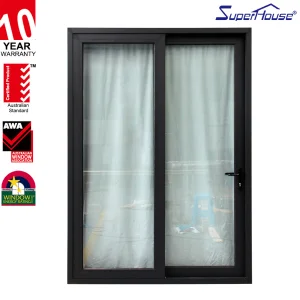
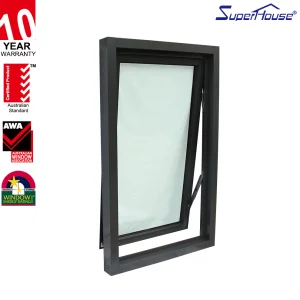
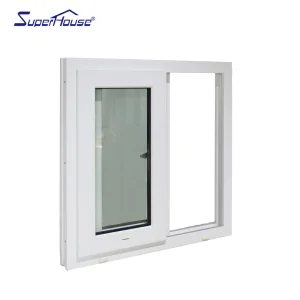
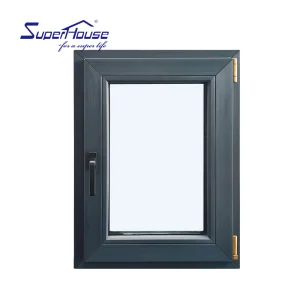
Discover high-security, thermal break sliding doors, arch entries, and hurricane-rated exterior windows.
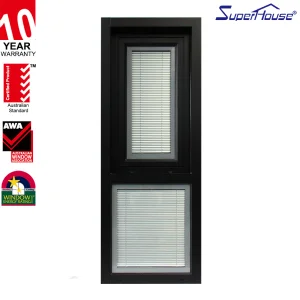
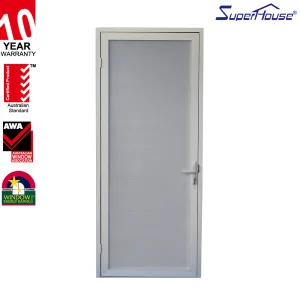
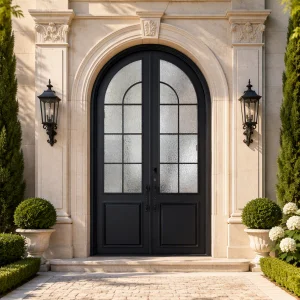
 Steelwar