Explore our top-tier precision-engineered entry doors and impact-resistant architectural window systems compliant with international structural codes.
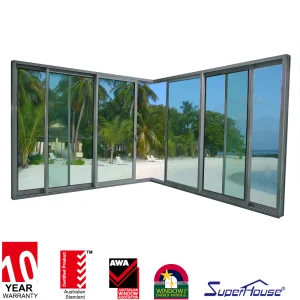
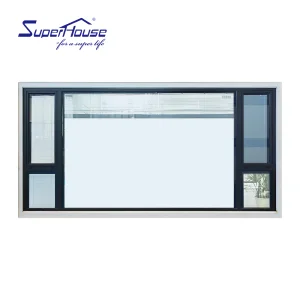
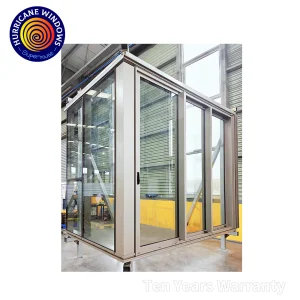
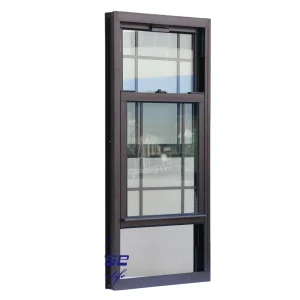
Analyzing the engineering transition from traditional single-latch entry hardware to automated multi-locking load distributions in modern commercial and luxury residential envelopes.
In modern architectural security design, the vulnerability of building envelopes frequently concentrates around fenestration and primary entry access points. Traditional deadbolt systems rely on a single localized mechanical engagement point, concentrating structural stress during forced entry attempts or extreme hydrostatic dynamic wind pressures (such as those encountered during Category 5 hurricanes). As a premier global manufacturing leader based in China, Steelwar Entry Systems Co., Ltd. has re-engineered primary exterior entry systems around the mechanics of Multi-Point Locking Mechanisms combined with advanced metal profile extrusions.
A multi-point locking door system engages multiple locking bolts—typically ranging from 3 to 7 distinct hardened manganese steel hooks, deadbolts, and linear shoot-bolts—simultaneously into a reinforced jamb channel via a single synchronized gear-driven actuator mechanism. By distributing localized mechanical shear stress across the entire vertical height of the door leaf, multi-point systems prevent frame deflection, seal fatigue, and physical breach vulnerabilities. When evaluated under forced entry standards such as EN 1627 RC2–RC5 and North American TAS 201/202/203 protocols, multi-point locking entry doors demonstrate up to a 340% increase in structural resistance over single-latch security assemblies.
Spreads mechanical pry forces across multiple perimeter locking points, effectively nullifying leverage advantages sought during forced entry attempts.
Uniform compression along dual and triple EPDM rubber gaskets eliminates air infiltration and water ingress, fulfilling passive house airtightness thresholds.
Prevents vertical thermal bowing caused by extreme temperature differentials between interior conditioned spaces and exterior environments.
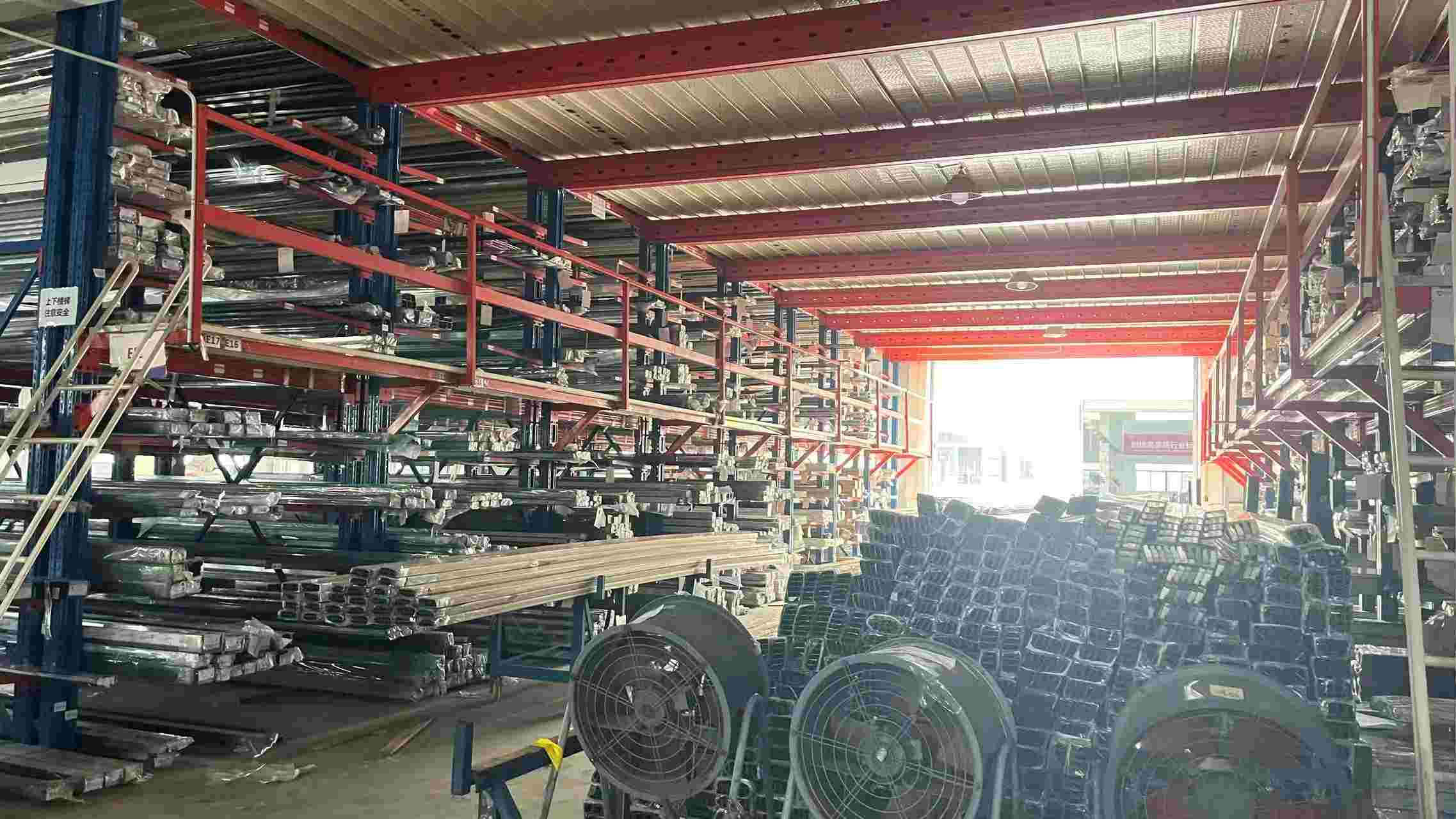
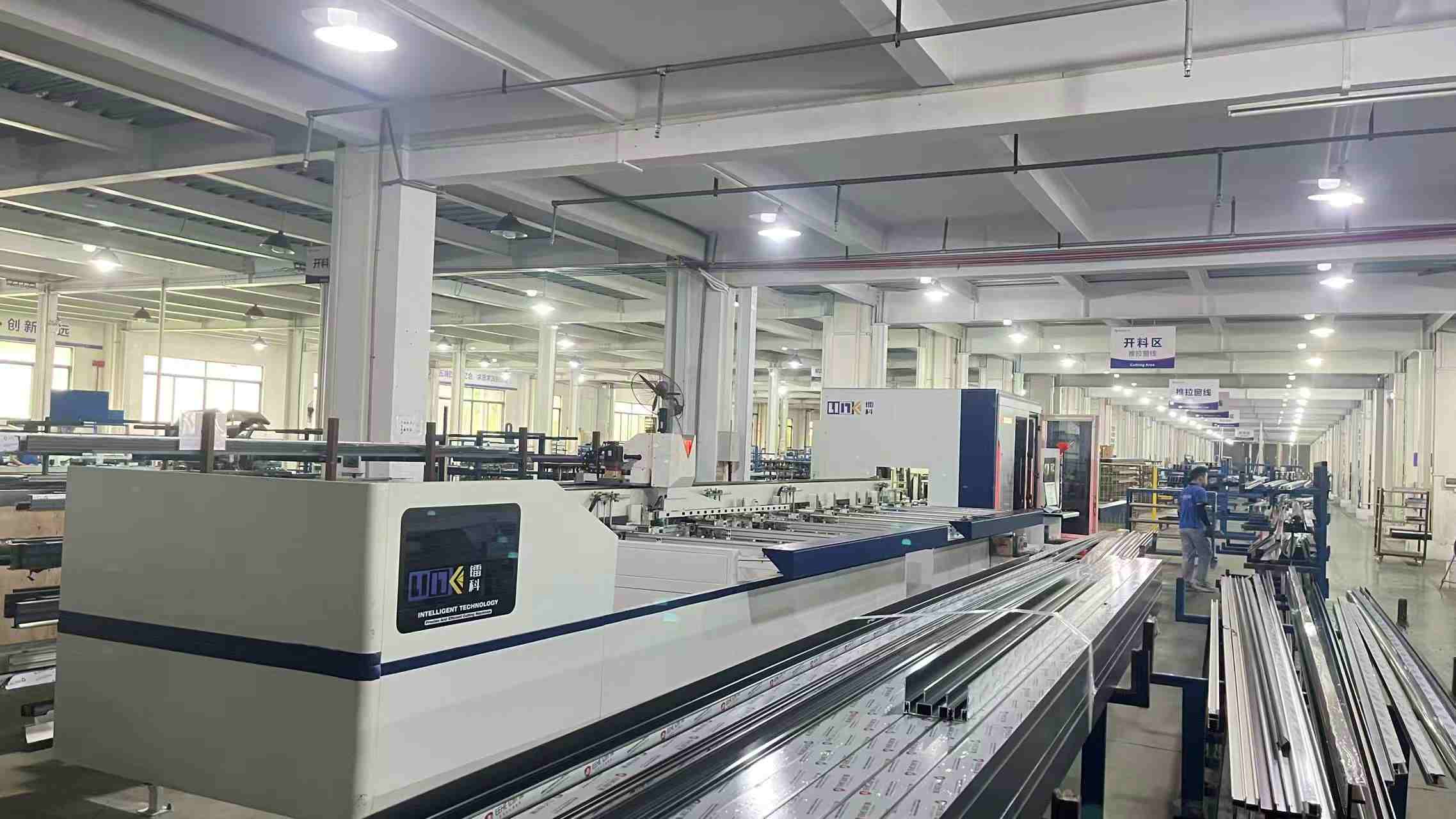
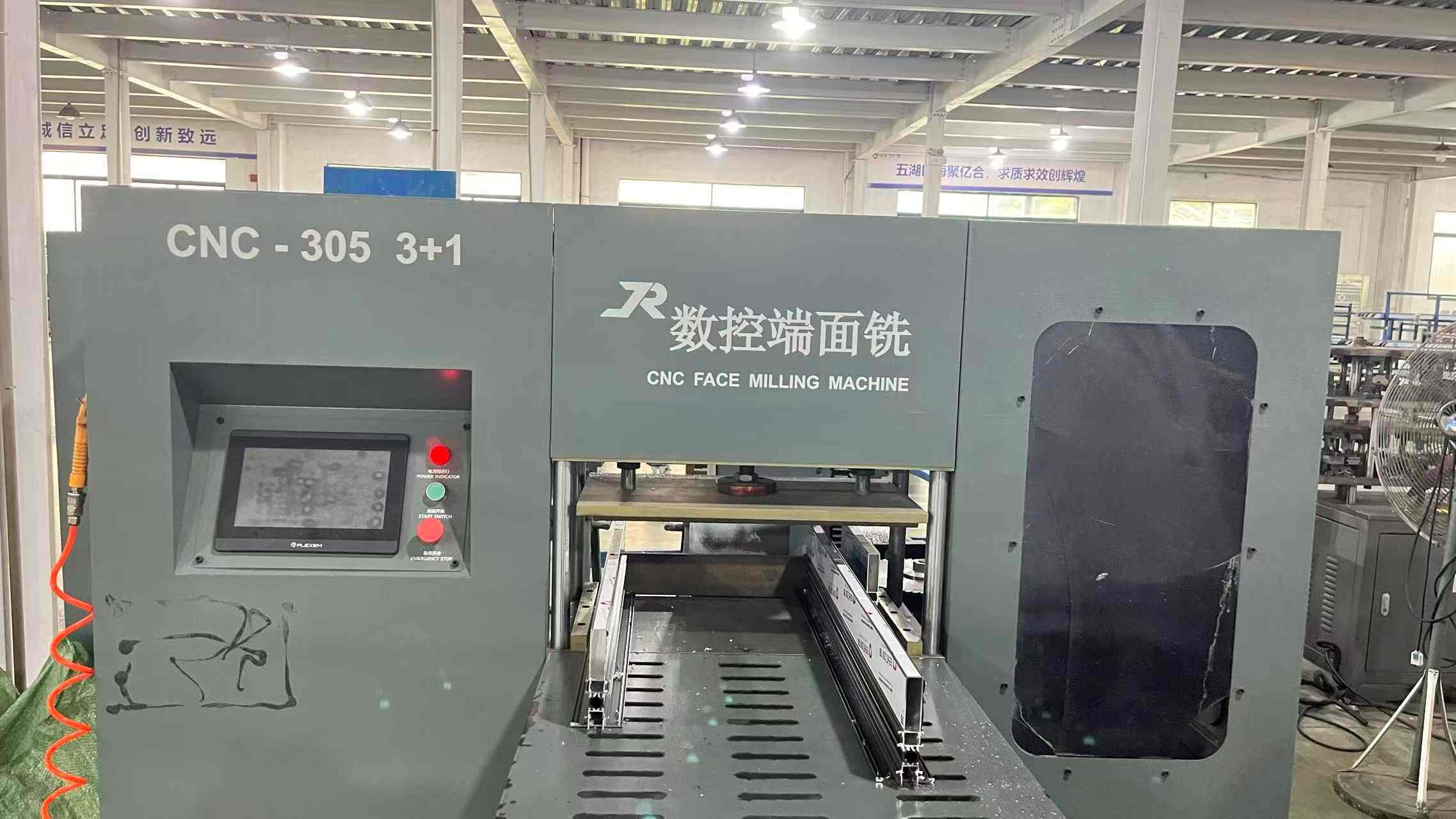
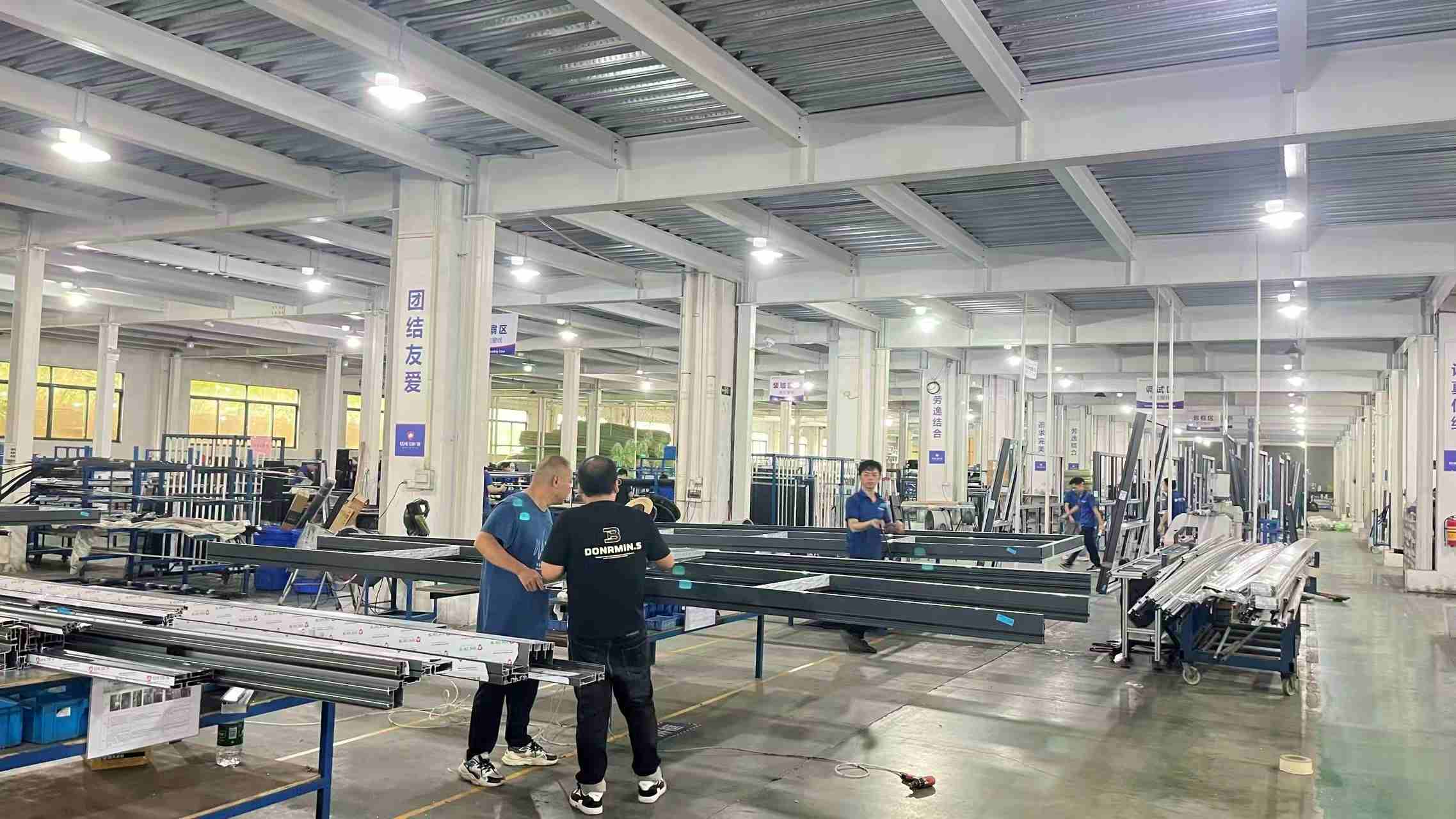
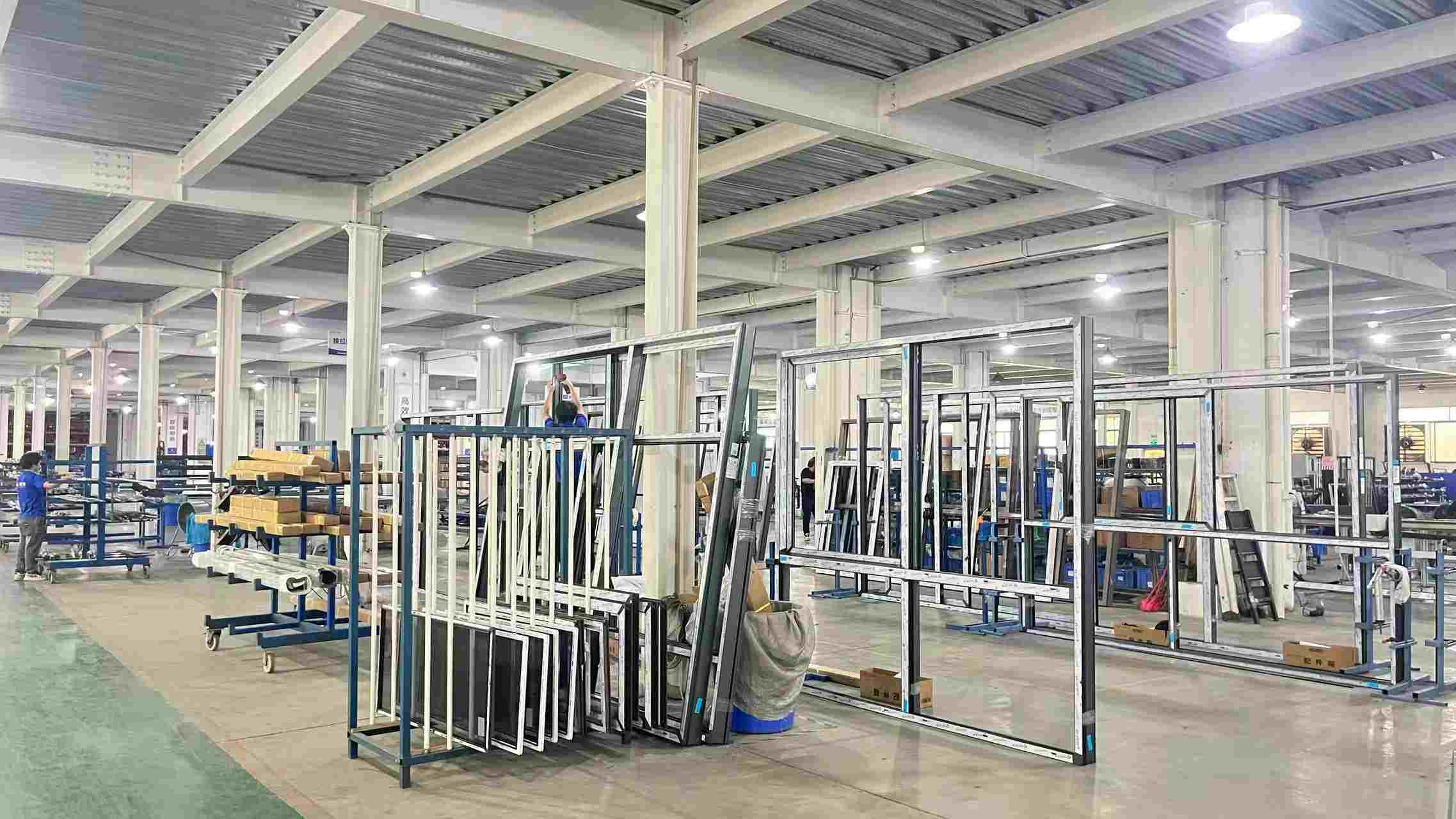
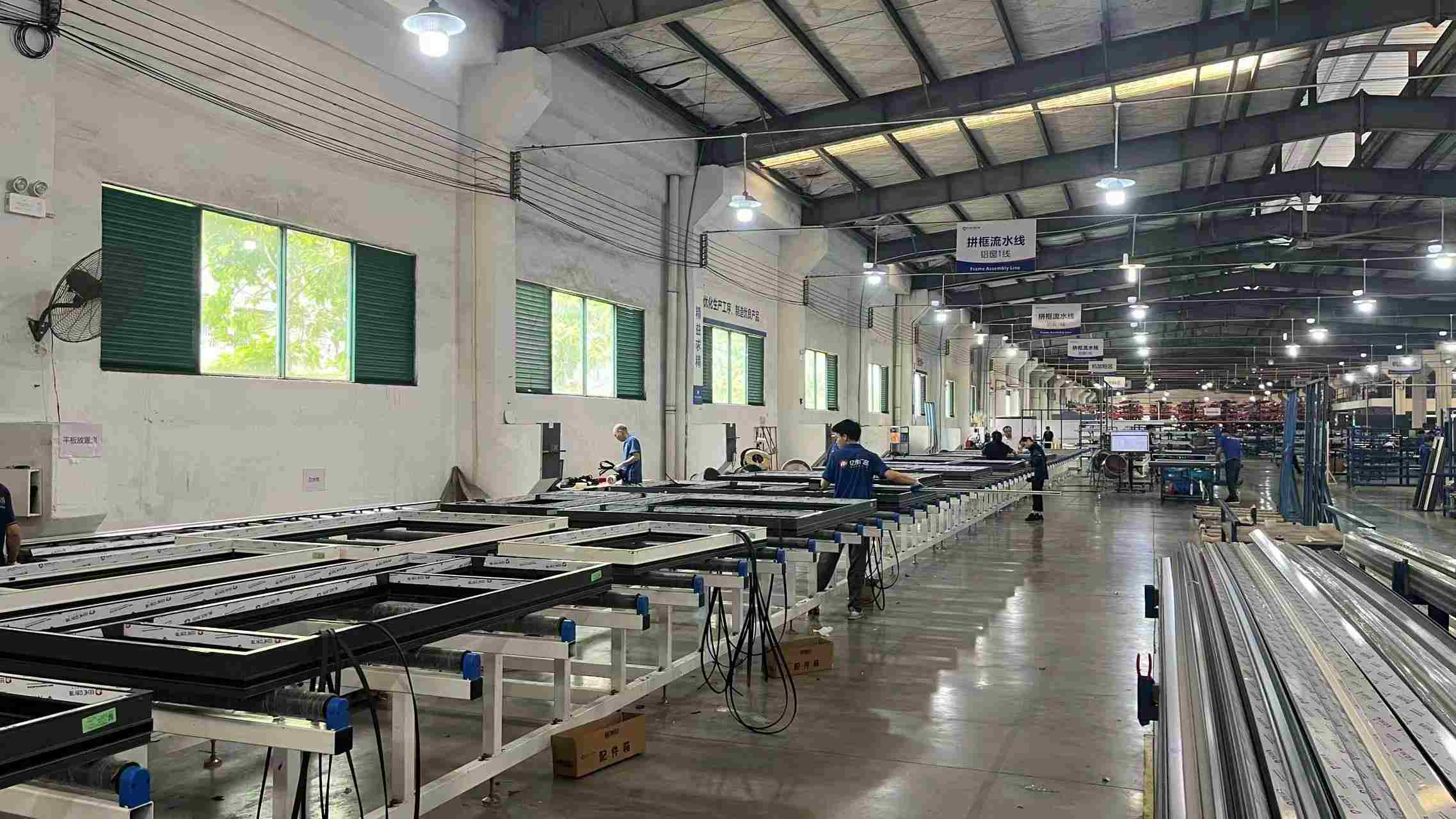
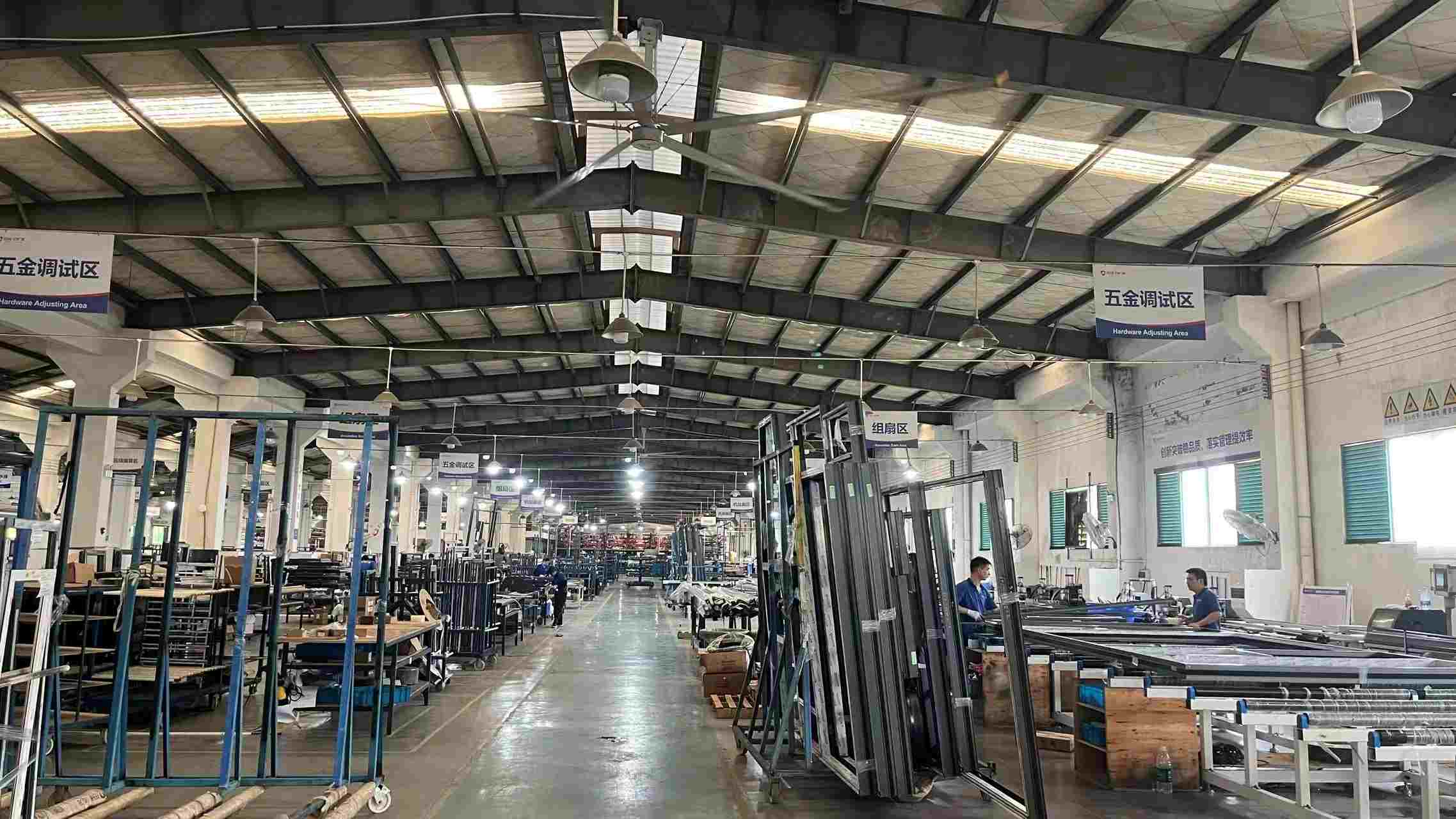
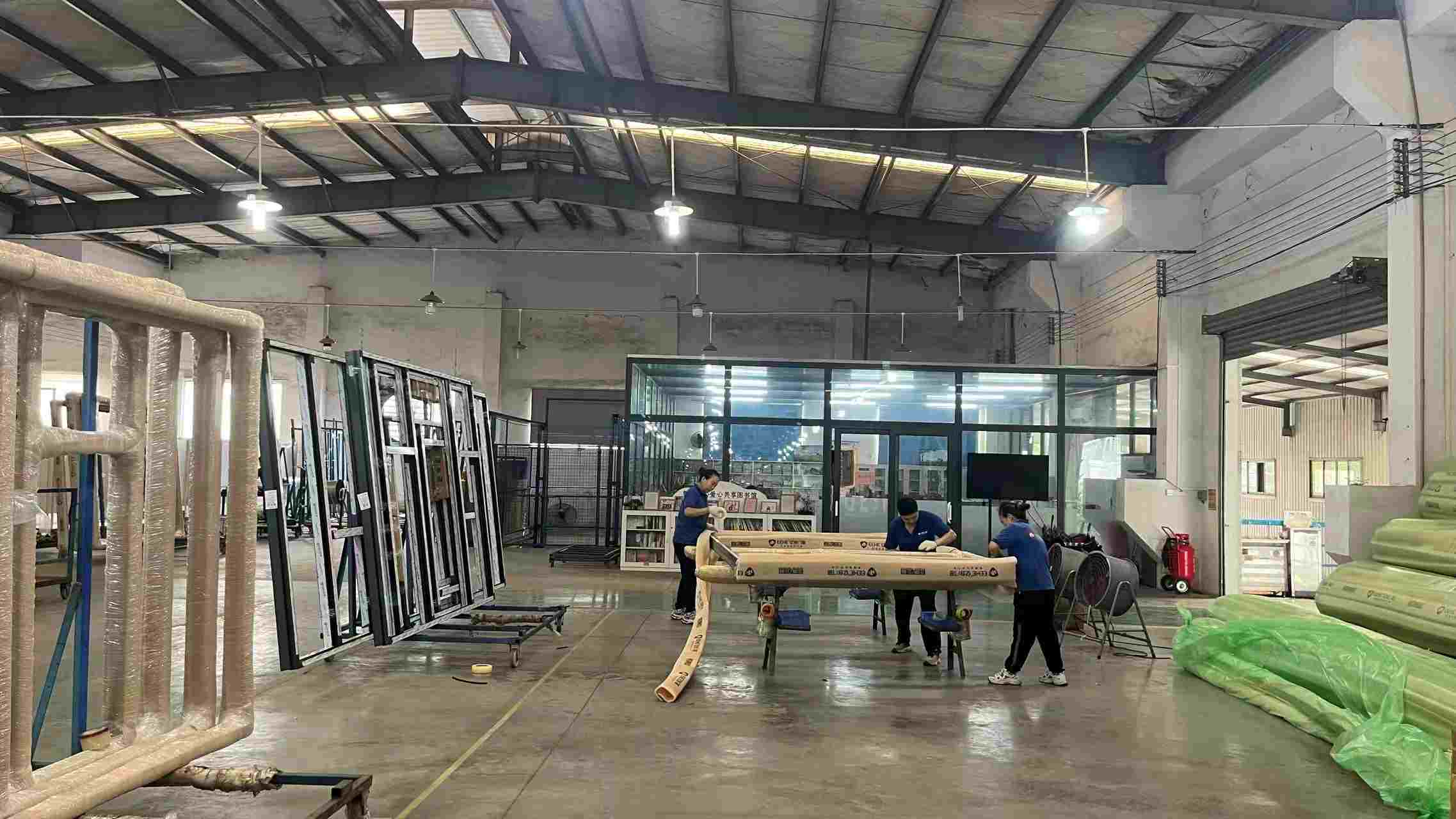
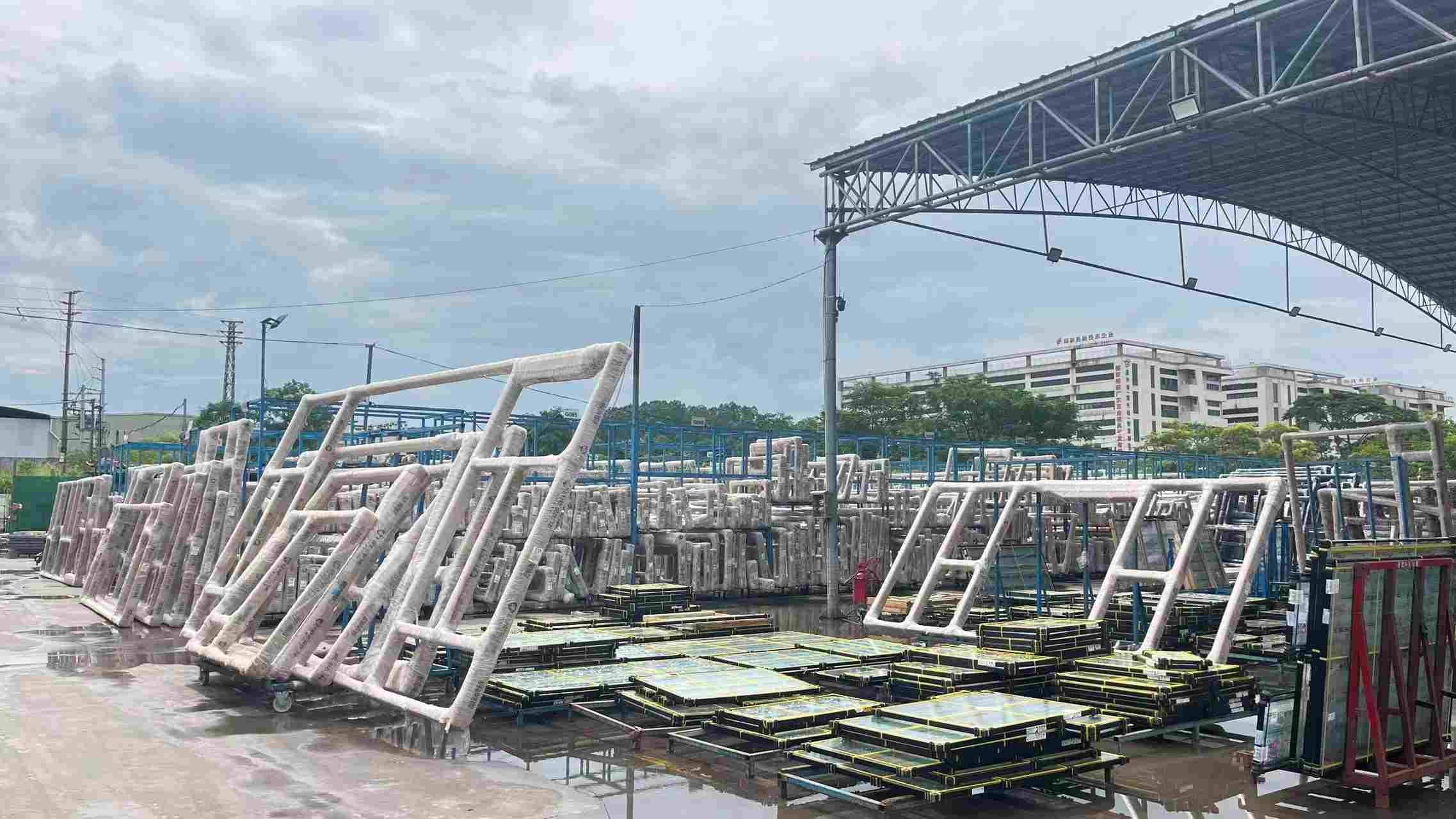
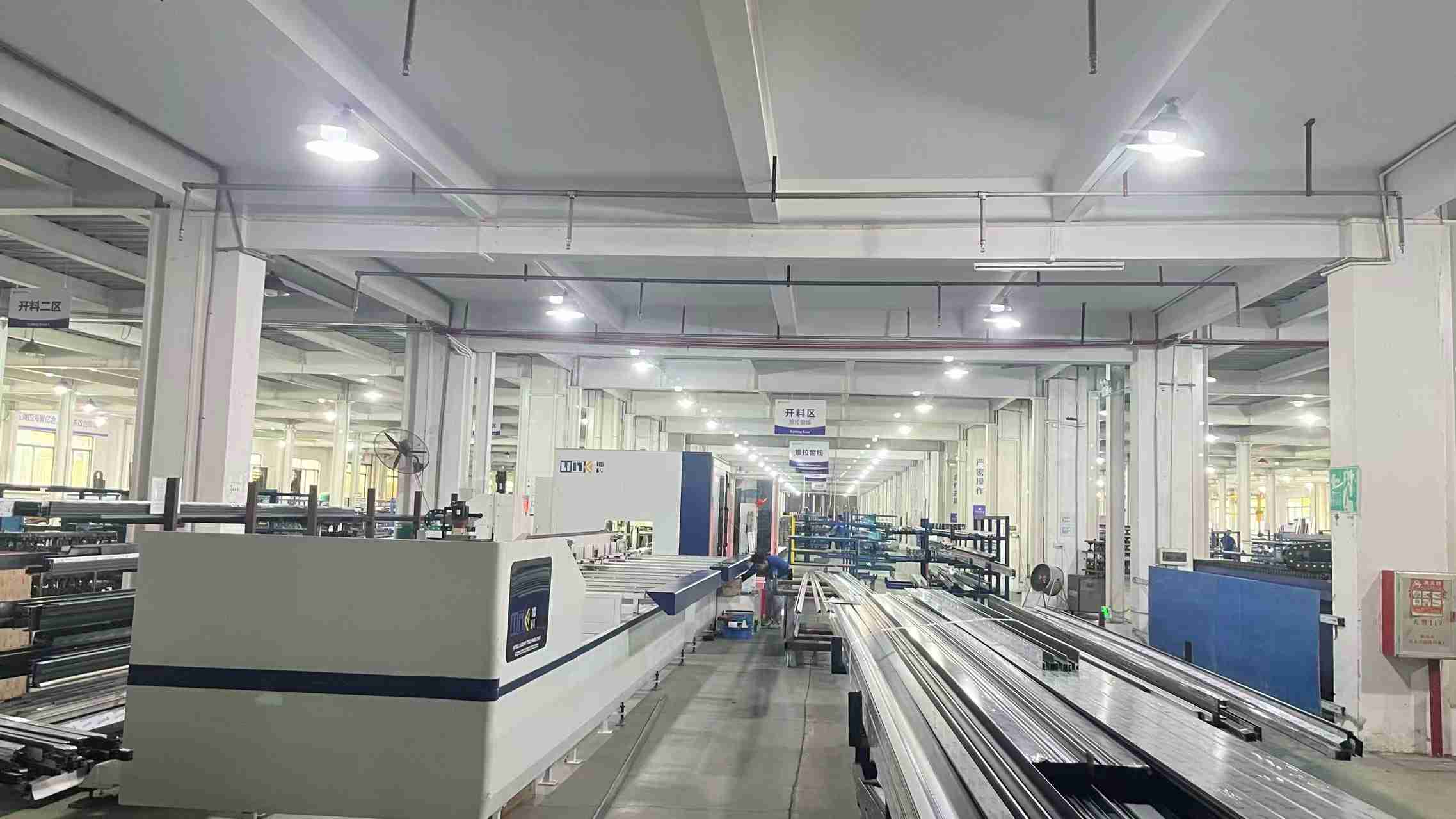
Established in 2003, Steelwar Entry Systems Co., Ltd. operates a state-of-the-art 40,000 m² production facility backed by rigorous Quality Control and R&D divisions.
Established in 2003, Steelwar Entry Systems Co., Ltd. operates a large-scale 40,000 m² manufacturing plant specializing in high-security exterior entry doors. With 21 years of continuous industry experience and 9 years of global export capabilities, the company generates $35 million in annual export turnover. Steelwar focuses on key markets across North America, the Middle East, and Eastern Europe, primarily supplying building material distributors, security door stockists, and commercial construction contractors.
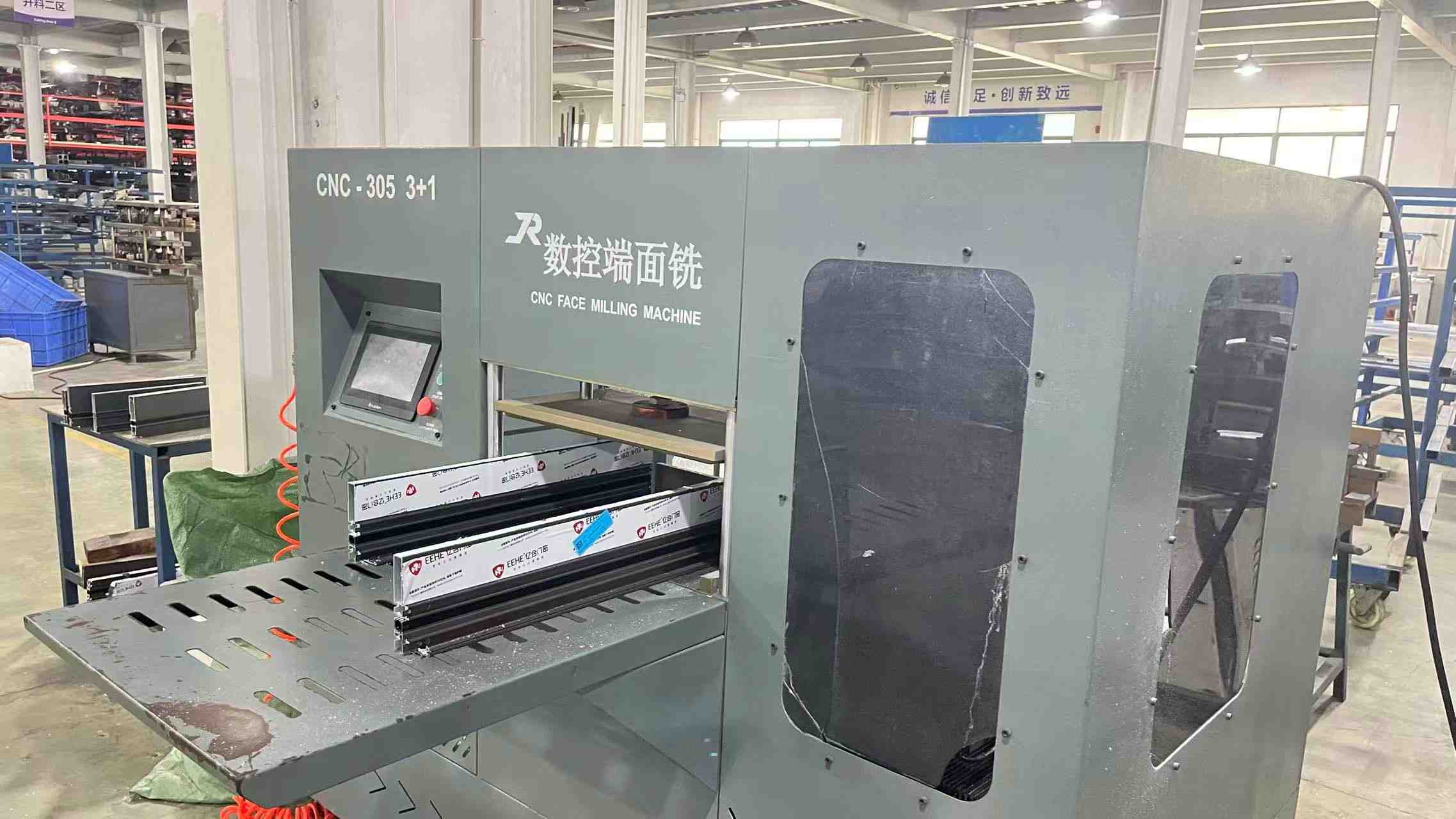
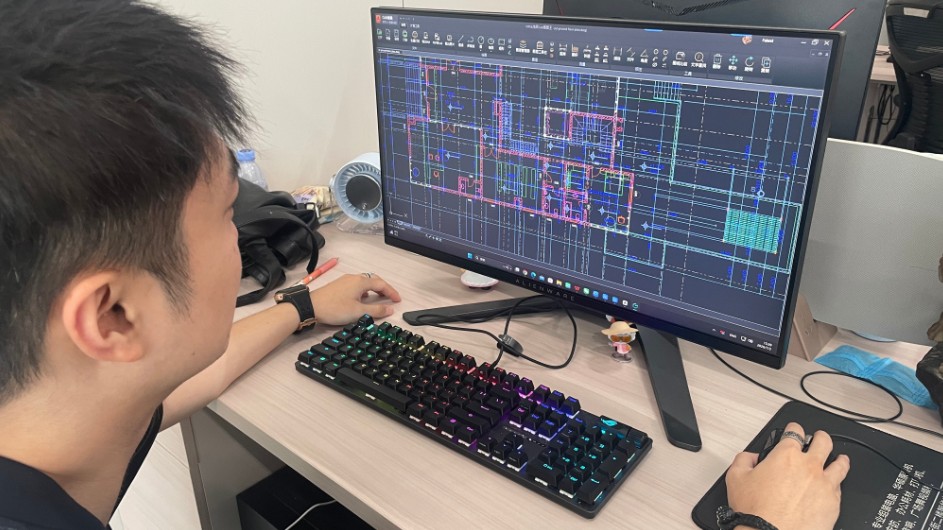
Supported by a solid trade background and a network of 1,100 supply chain partners, Steelwar maintains strict product reliability. Quality control is managed by a team of 50 QC specialists who execute dynamic impact resistance testing, automated frame tolerance checks, and corrosion-resistant coating audits. The company's engineering strength is backed by 75 R&D engineers who introduced 230 new product models last year. Custom options include ballistic steel cores, multi-point smart lock integration, customized RAL color finishes, and bespoke frame depths.
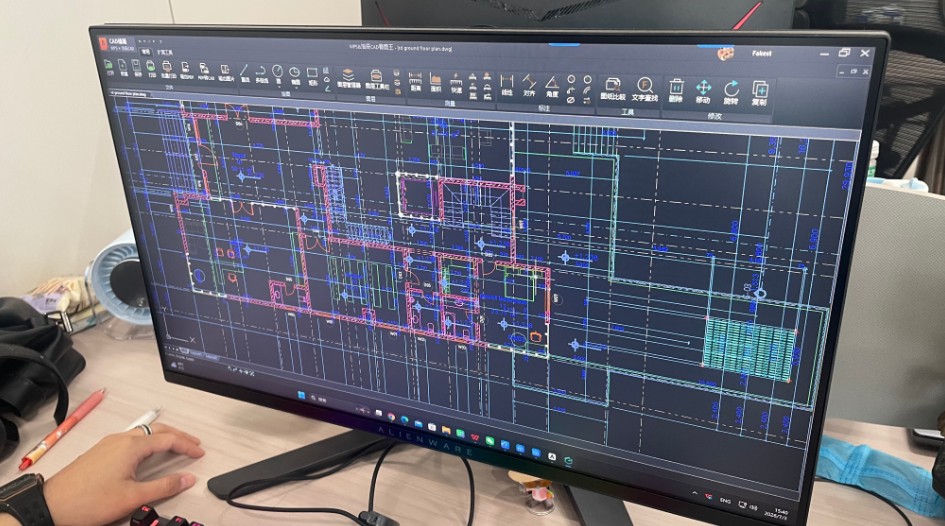
A whitepaper-level structural decomposition of gear transmission rods, anti-lift hooks, and high-tensile thermal-break aluminum profiles.
The operational mechanism of Steelwar’s multi-point system is driven by a central drive gearbox housed within a reinforced lock case. Upon key turn or electronic actuation, the central gearbox translates rotational torque into linear vertical vector movement across full-length stainless steel drive rods (espagnolettes). These rods engage multiple auxiliary locking nodes located along the top, bottom, and side jamb profiles.
Auxiliary locking positions feature dual-directional steel hooks that extend outward and pivot upwards into heavy-gauge frame strike plates. This hook geometry locks the door sash to the frame in two planes, rendering manual crowbar separation structurally impossible without destructive frame shear failure exceeding 15,000 N of force.
To eliminate thermal bridging while maintaining structural resistance, multi-point lock housings are integrated into extruded 6063-T6 aluminum profiles utilizing polyamide 66 (PA66) glass-fiber reinforced thermal barriers. This architectural configuration achieves extremely low U-factors while maintaining structural load resistance under extreme wind pressure.
| Performance Standard | Structural Threshold | Steelwar Multi-Point Configuration | Primary Target Application |
|---|---|---|---|
| Miami-Dade NOA / FPA | TAS 201, 202, 203 (Large Missile Impact) | 7-Point Heavy Duty Steel Lock + 12mm Laminated Glass | Coastal Hurricane Zones / Florida Coastal Villas |
| European Standard EN 1627 | RC3 / RC4 Resistance Class | 5-Point Anti-Drill / Anti-Pry Steel Core Actuator | High-Security Financial & Commercial Properties |
| Australian AS2047 / AS1288 | 10,000 Pa Wind Pressure Resistance | Multi-Point Stacker & Casement Drive System | Residential & Commercial High-Rise Apartments |
| NFRC Thermal Rating | U-Factor ≤ 0.22 BTU/h·ft²·°F | Thermal Break Aluminum + Argon Insulated Low-E Triple Pane | Passive Houses & Extreme Thermal Environments |
Tailoring multi-point door supply chains to specific architectural, climatic, and regulatory environments around the globe.
Demands extreme wind-borne debris resistance (Miami-Dade NOA certified). Multi-point locking entry doors prevent corner seal detachment during cyclic pressure loading up to 100 PSF (Pounds per Square Foot).
Focuses on thermal isolation under 50°C+ ambient temperatures. Dynamic continuous engagement locks preserve perimeter gaskets, preventing micro-fine sand infiltration and HVAC energy loss.
Emphasizes acoustic isolation and deflection under severe coastal winds. Multi-point sliding stackers and casements integrate chain winders and multi-track locks for seamless operation.
Integrating smart IoT mechatronics, biometrics, and dynamic carbon-neutral materials into next-generation entry architectures.
Future security envelopes will shift from manual lever actuation to motorized, sensor-driven multi-point engagement. Integrated biometrics (3D facial recognition, capacitive fingerprint sensors) interface directly with encrypted motorized gear drives to secure all locking nodes within 0.4 seconds of door closure.
By combining high-tensile 6063-T6 aluminum structural outer shells with bullet-resistant composite inserts (UL 752 Level 3-8 standards), Steelwar is reducing sash weight while dramatically elevating impact and ballistic defense capabilities for commercial headquarters and luxury villas.
Complete your building project portfolio with our certified thermal-break doors, sliding patio assemblies, and hurricane impact series.
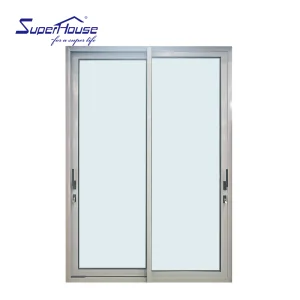
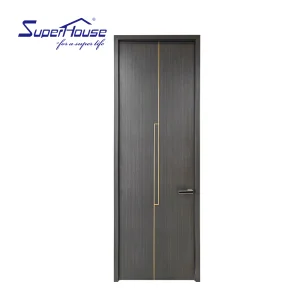

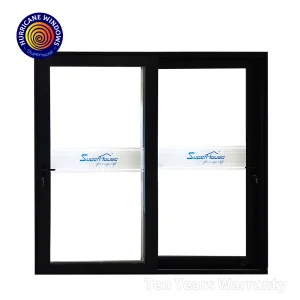
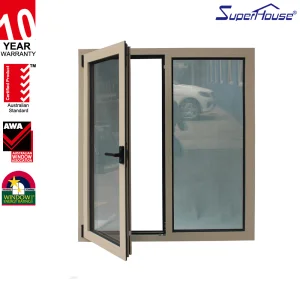
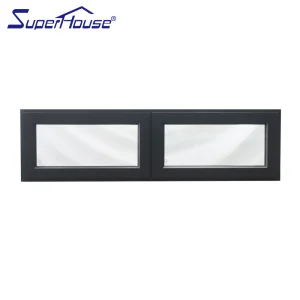
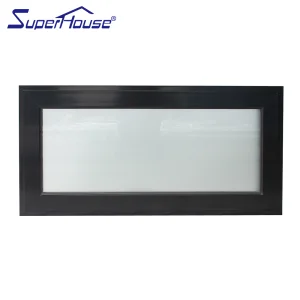
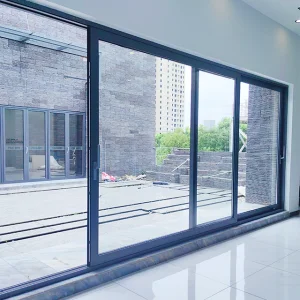
Comprehensive engineering insights regarding multi-point locking door specification, structural certifications, and supply chain logistics.
 Steelwar