Explore top-tier custom architectural glass products certified to international structural, hurricane, and thermal insulation standards.
Analyzing structural glass advancements, urban architectural shifts, and China's dominance in high-precision glass export processing.
The contemporary architectural landscape has undergone a paradigm shift toward open-concept, daylight-maximized design methodologies. Central to this evolution is the frameless glass entry door system. Widely specified in high-end commercial towers, luxury retail flagships, corporate headquarters, and ultra-modern residential developments, frameless glass entries deliver an unobstructed visual connection between exterior environments and interior spaces.
Unlike conventional framed entrance systems, structural frameless glass assemblies eliminate visual bulk, relying instead on heavy-duty toughened safety glass, concealed floor closers, top pivot patches, and structural stainless steel fittings. This shift requires extreme manufacturing precision, advanced temper-stress management, and rigorous glass edge polishing to handle wind-load deflection, structural deadweights, and continuous high-traffic operations.
China has established itself as the global epicenter for advanced architectural glass processing and specialized door hardware manufacturing. Chinese factories leverage integrated vertical supply chains, ranging from raw float glass production (utilizing low-iron silica) to state-of-the-art horizontal tempering lines, multi-chamber vacuum glazing, and precision CNC milling. B2B procurement managers, facade contractors, and commercial developers turn to top-tier Chinese manufacturers like Steelwar Entry Systems Co., Ltd. for several strategic advantages:
Understanding glass tempering chemistry, hardware load calculations, and energy performance metrics for structural entryways.
For high-security entry points, monopane tempered glass (10mm to 15mm) offers high bending strength. However, luxury commercial projects specify SentryGlas® (SGP) laminated glass. Unlike standard PVB, SGP interlayers are 5 times stiffer and 100 times tougher, retaining structural integrity even if both glass panes are fractured under physical assault or extreme weather.
The core operating mechanism of frameless glass doors relies on heavy-duty hydraulic floor springs (EN 1154 compliant). Tested up to 1,000,000 operating cycles, these units feature adjustable closing forces (EN 1-6), dual-valve speed regulation, thermo-constant fluid to prevent temperature binding, and built-in mechanical hold-open functions at 90° or 105°.
Historically, frameless entries lacked thermal performance. Modern Chinese engineering overcomes this using double-glazed structural insulated glass units (IGUs) sealed with structural silicone, paired with brush perimeter weather seals and dropped floor hydraulic sweeps. This achieves U-values under 1.6 W/m²K and acoustic insulation ratings up to STC 42 dB.
Established in 2003, Steelwar operates a 40,000 m² modern manufacturing plant specializing in high-security exterior entry doors and advanced structural glass assemblies.
Established in 2003, Steelwar Entry Systems Co., Ltd. operates a large-scale 40,000 m² manufacturing plant specializing in high-security exterior entry doors. With 21 years of continuous industry experience and 9 years of global export capabilities, the company generates $35 million in annual export turnover. Steelwar focuses on key markets across North America, the Middle East, and Eastern Europe, primarily supplying building material distributors, security door stockists, and commercial construction contractors.
Supported by a solid trade background and a network of 1,100 supply chain partners, Steelwar maintains strict product reliability. Quality control is managed by a team of 50 QC specialists who execute dynamic impact resistance testing, automated frame tolerance checks, and corrosion-resistant coating audits. The company's engineering strength is backed by 75 R&D engineers who introduced 230 new product models last year. Custom options include ballistic steel cores, multi-point smart lock integration, customized RAL color finishes, and bespoke frame depths.
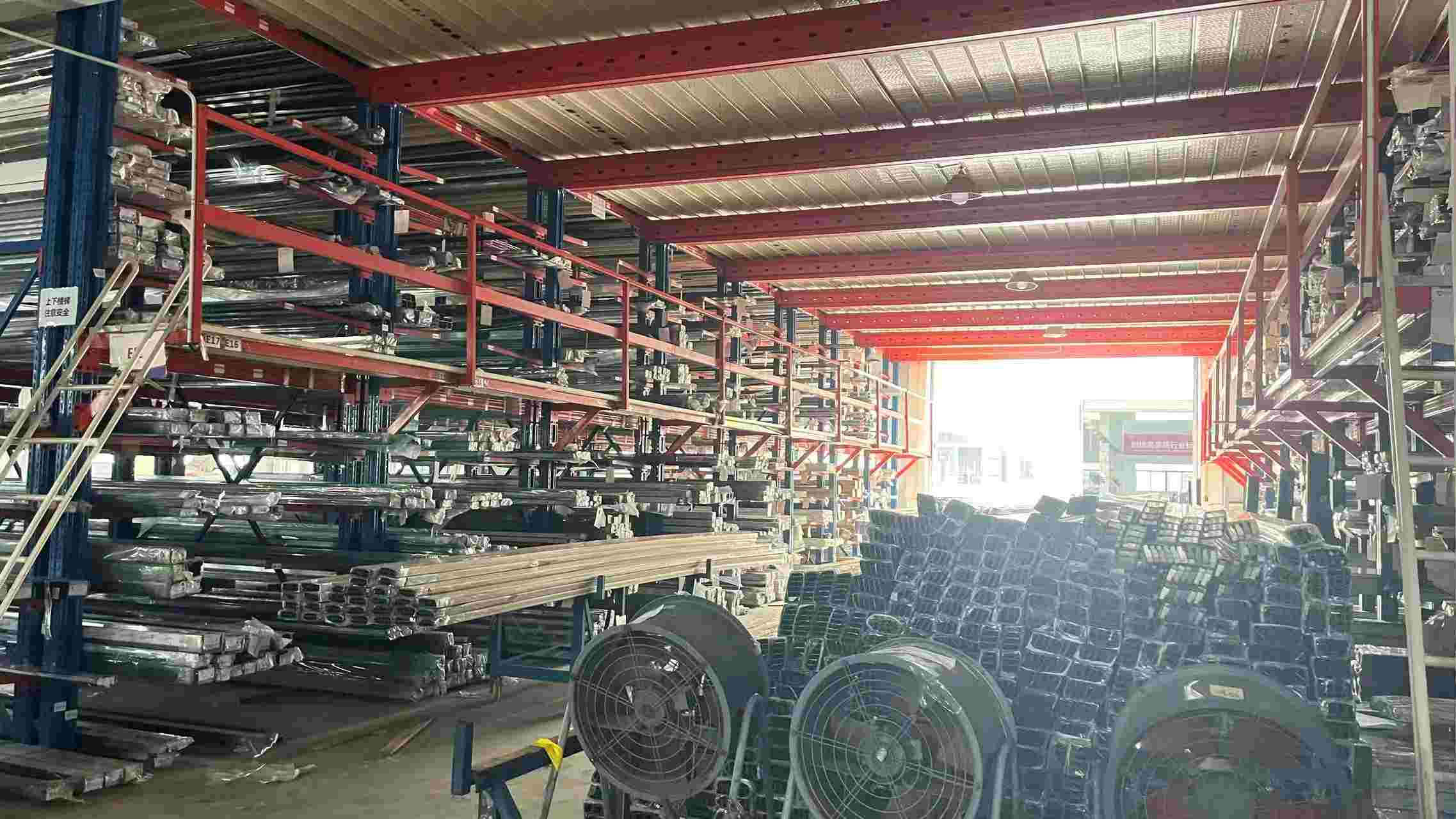 Raw Materials
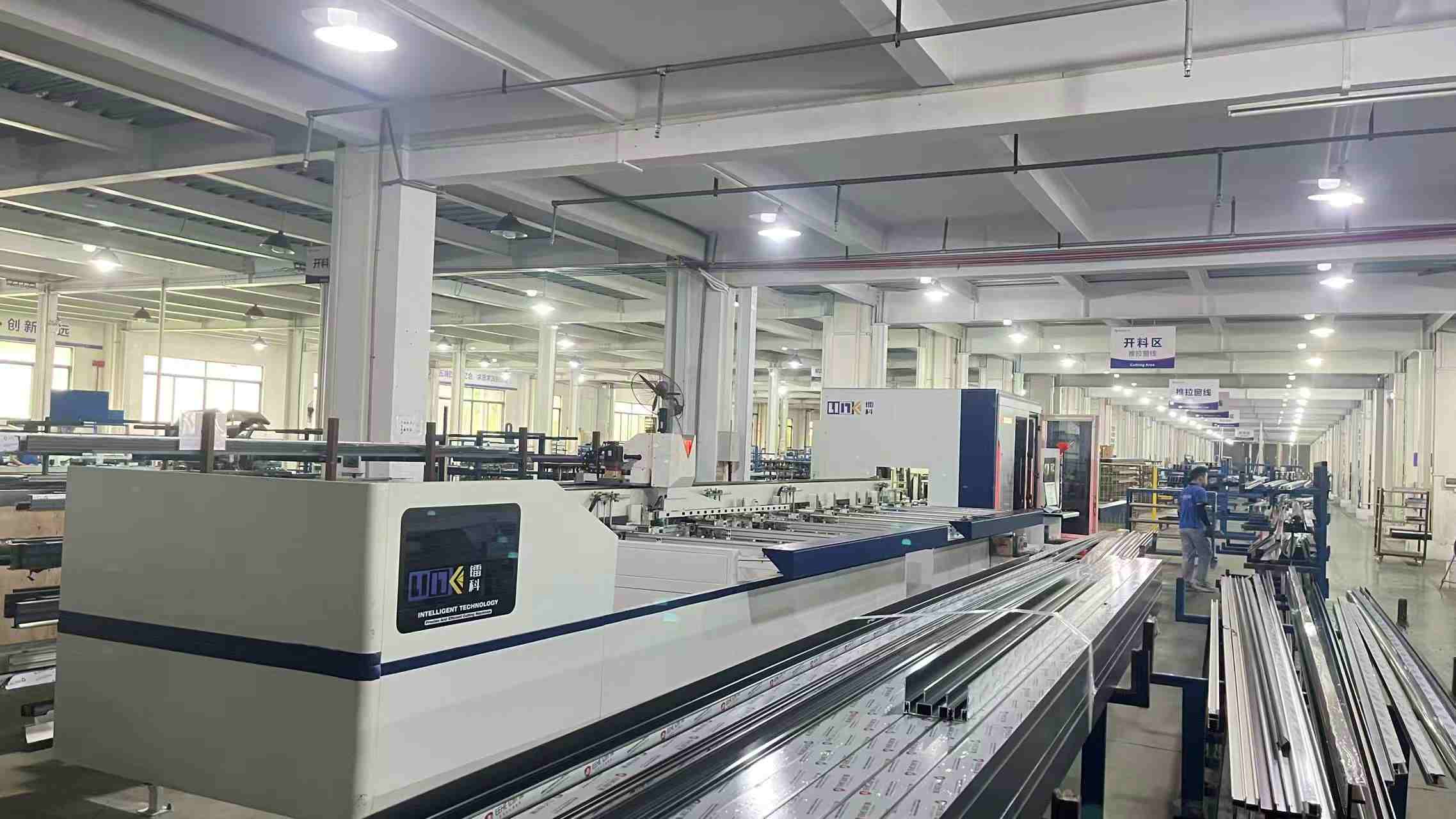 Cutting
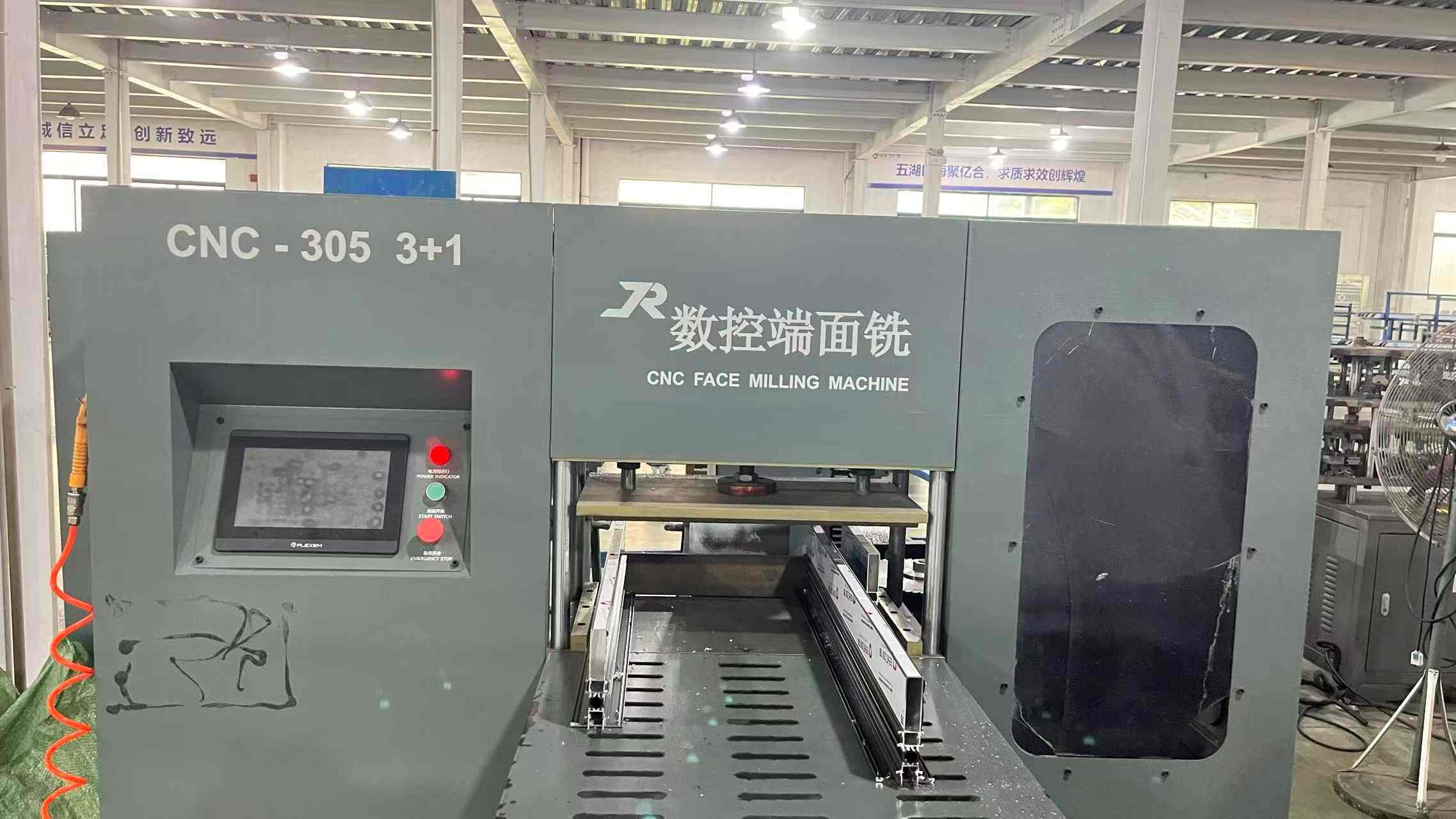 Milling
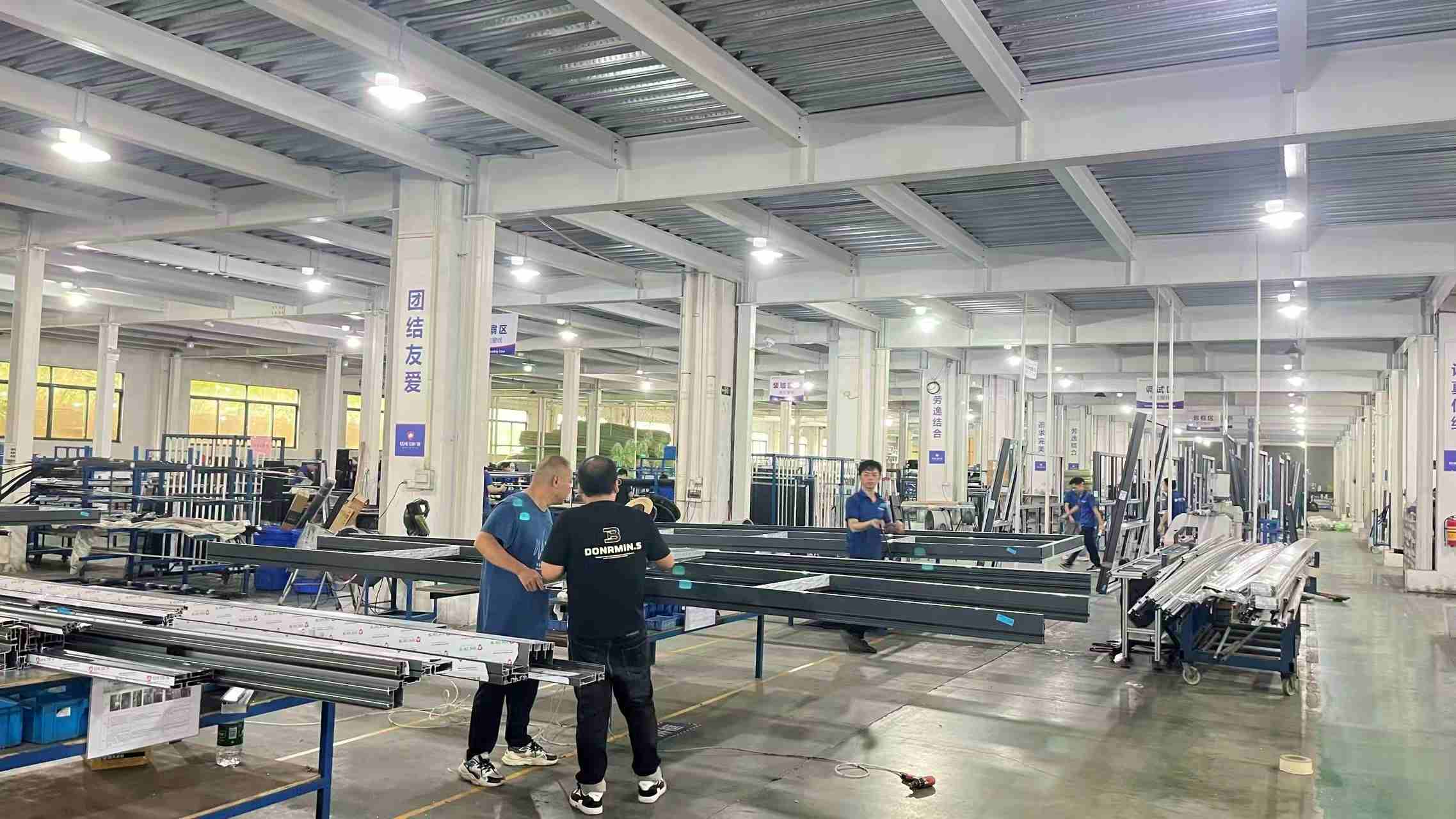 Assembling 1
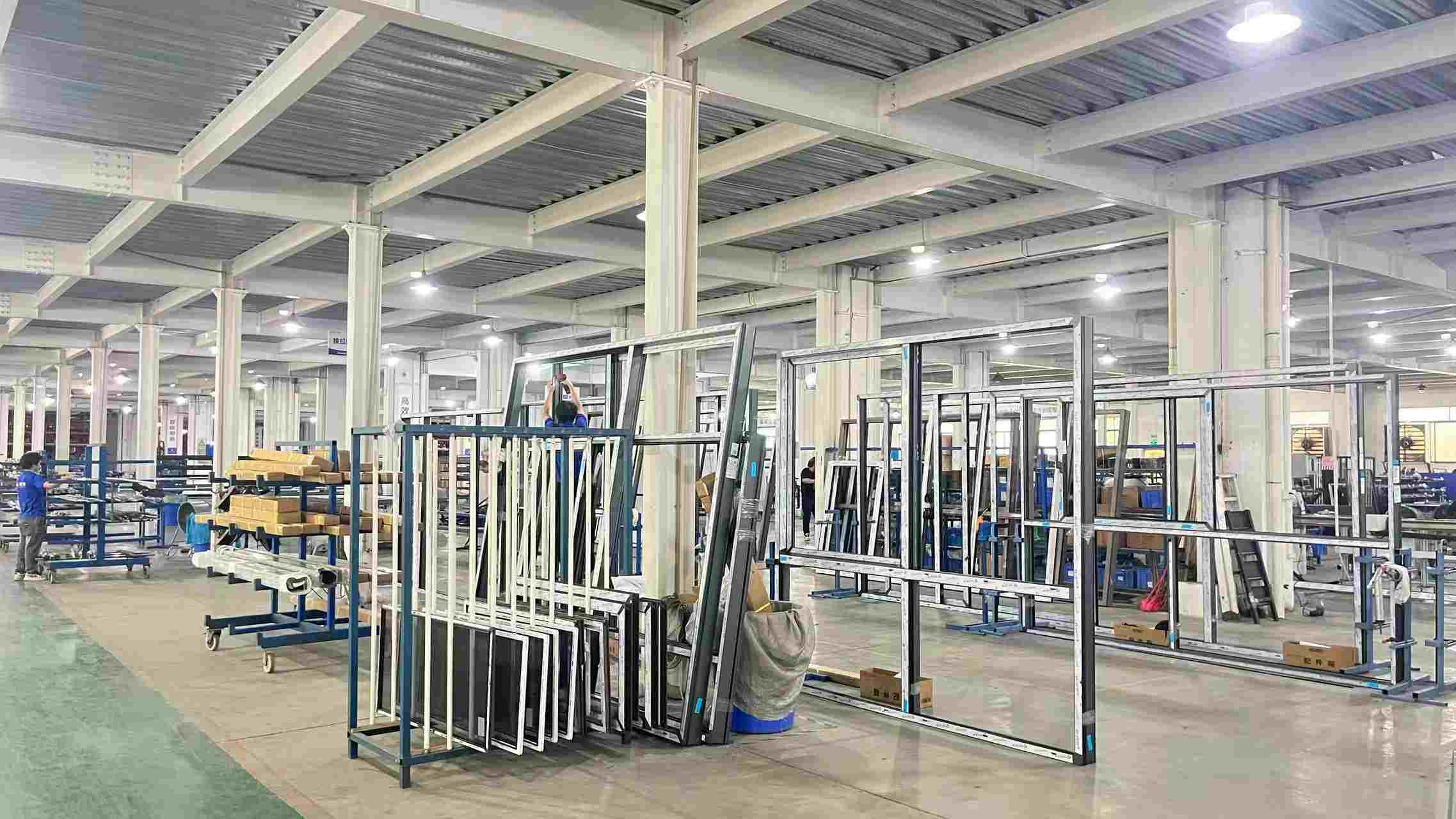 Assembling 2
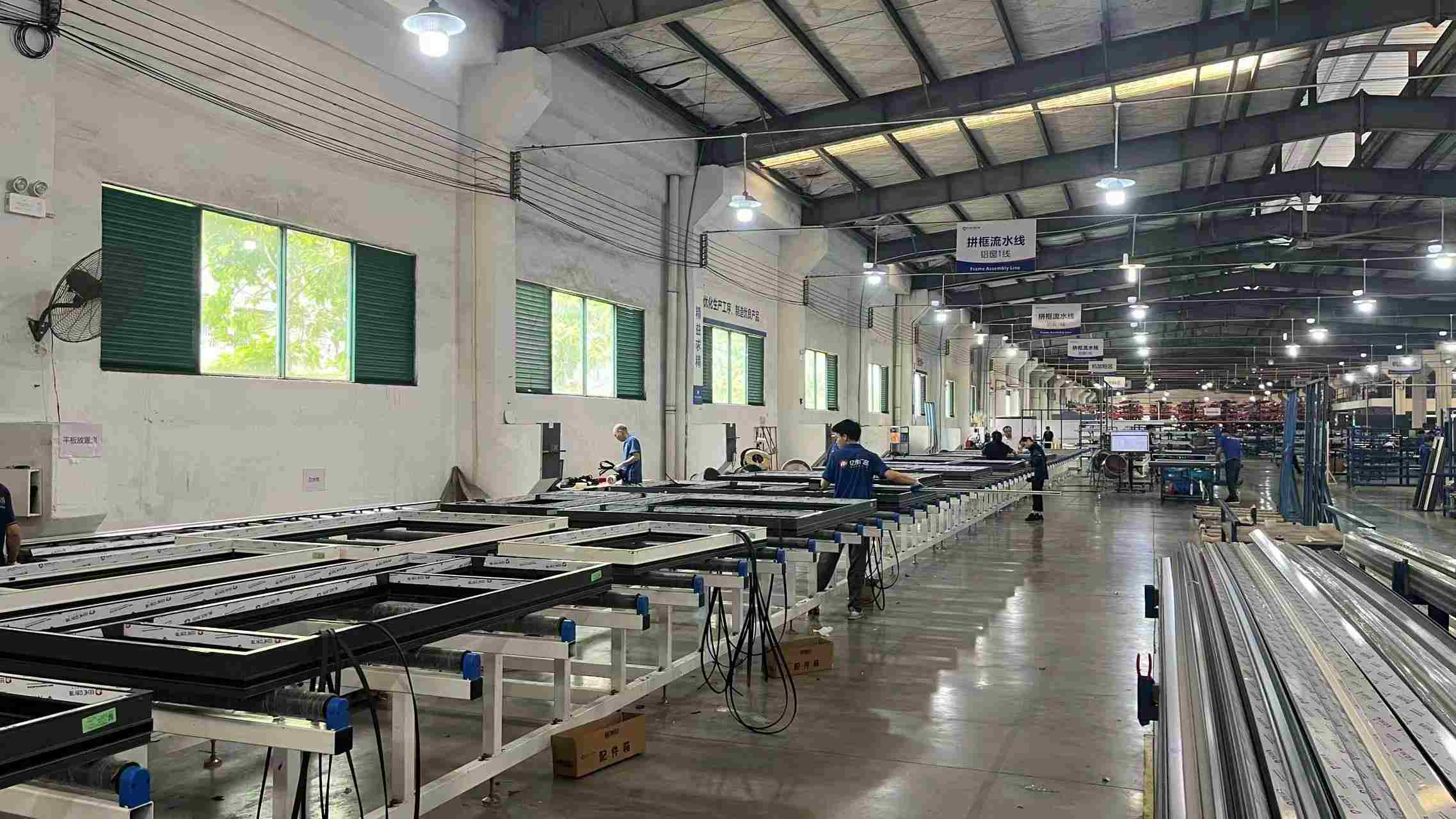 Gluing
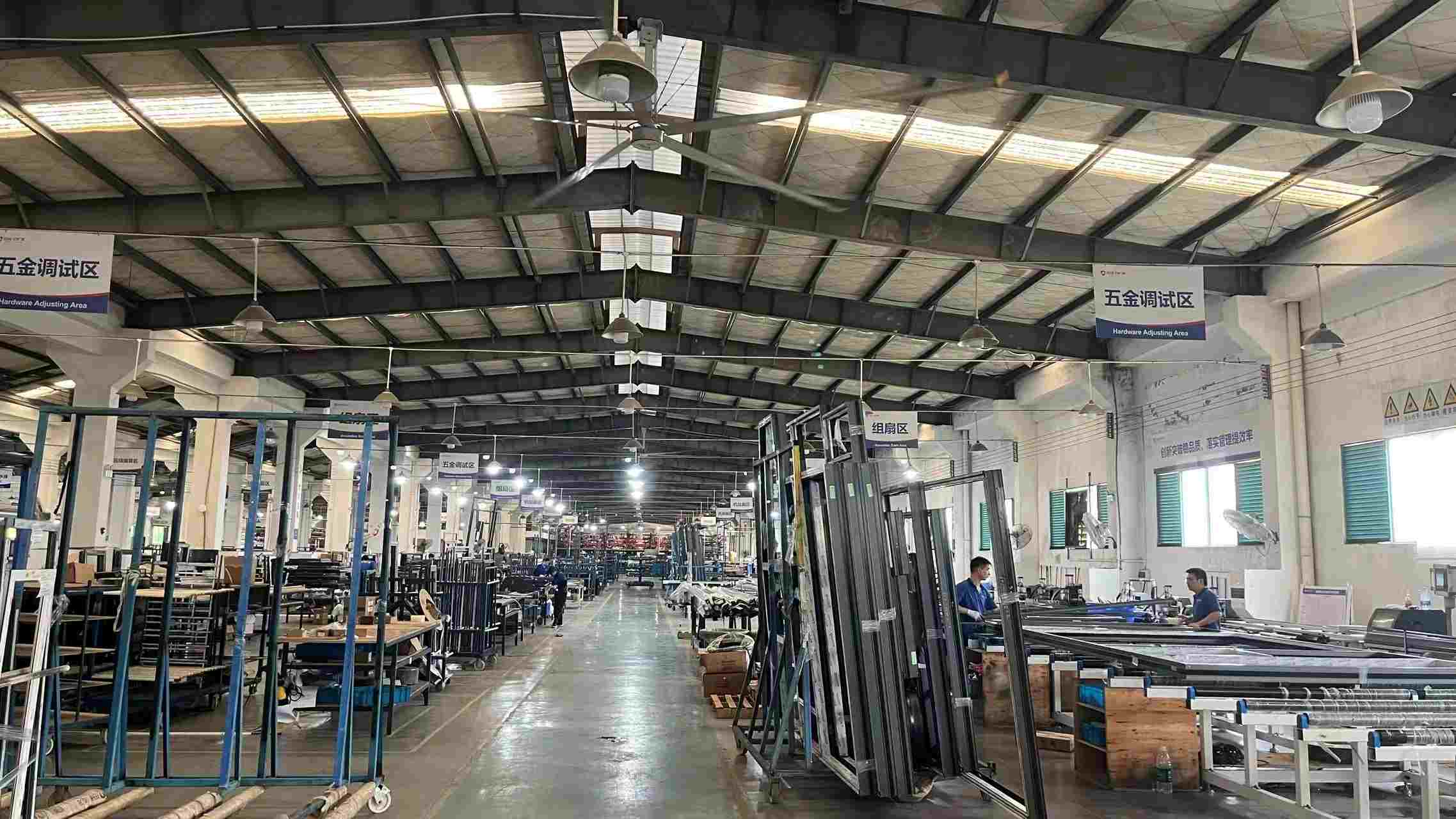 Testing
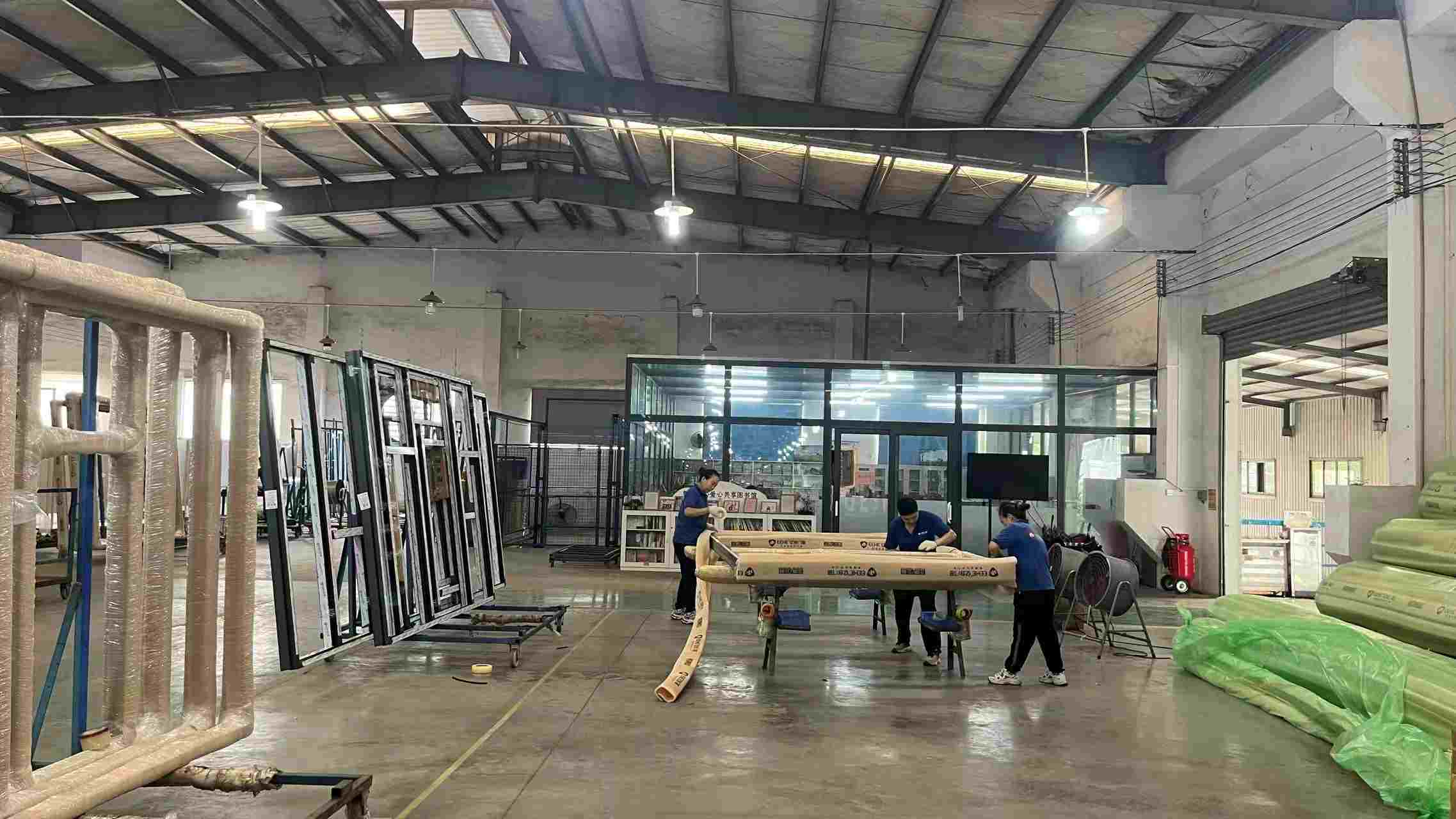 Packaging
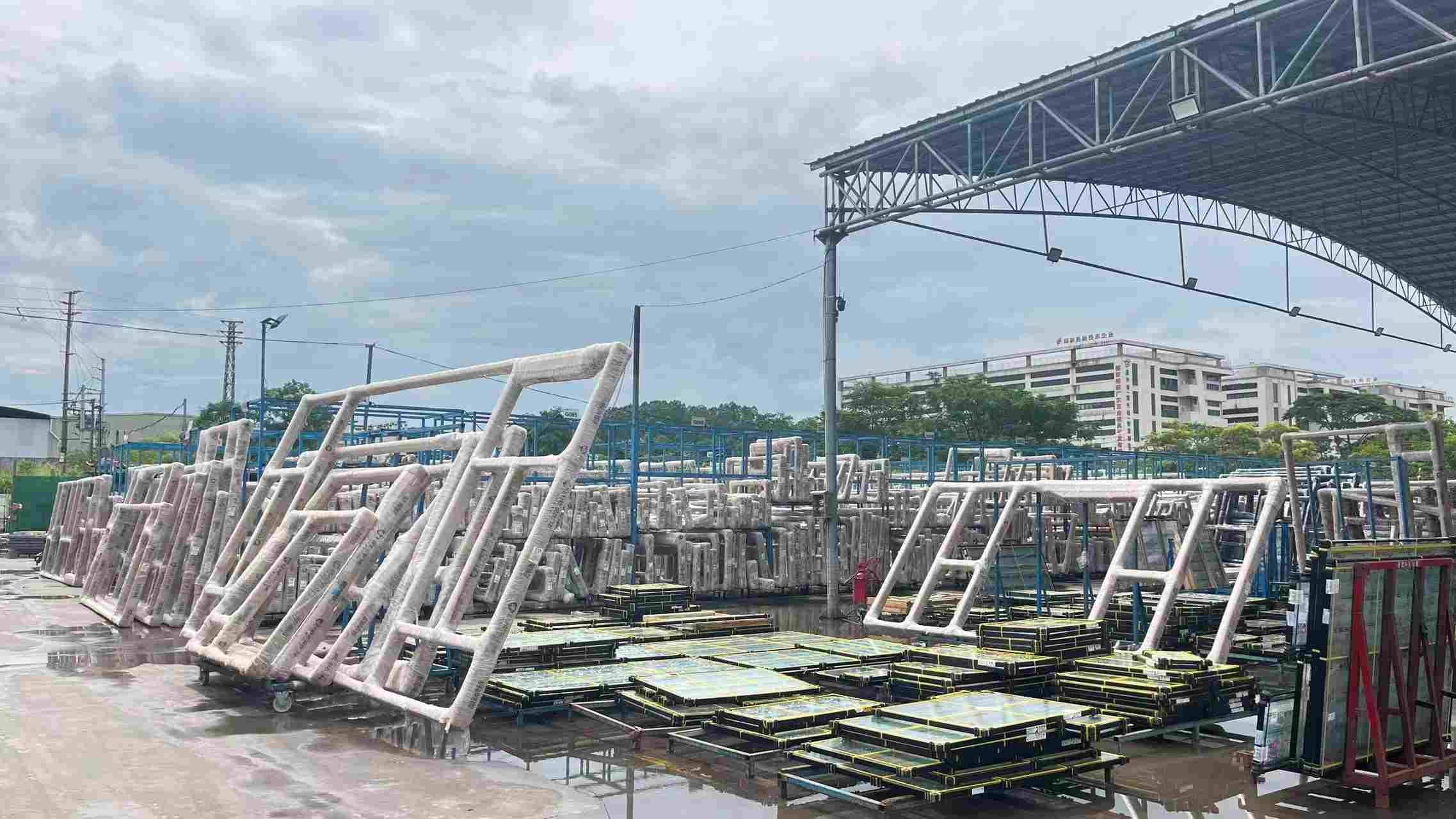 Warehouse
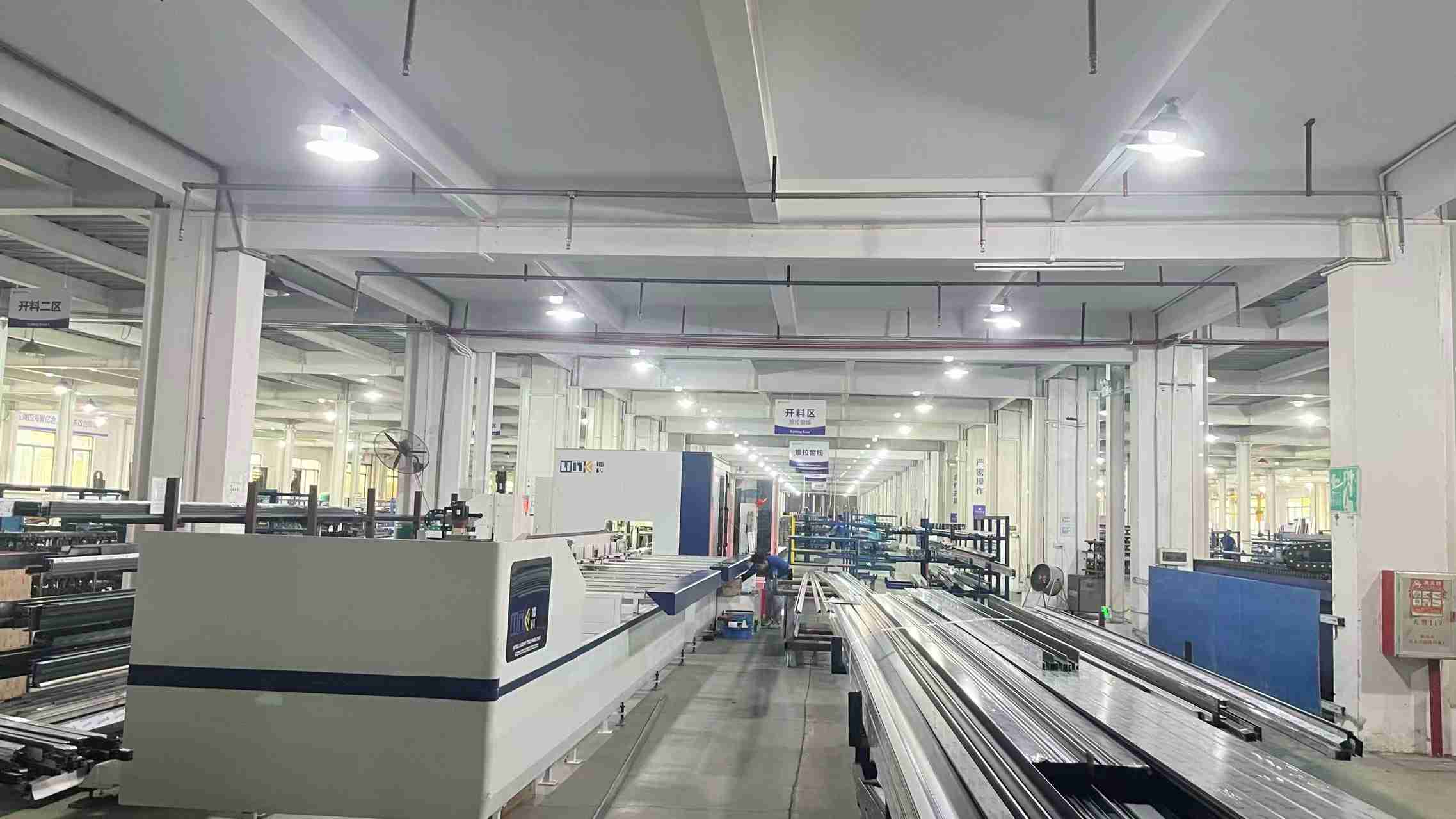 Cutting Machine
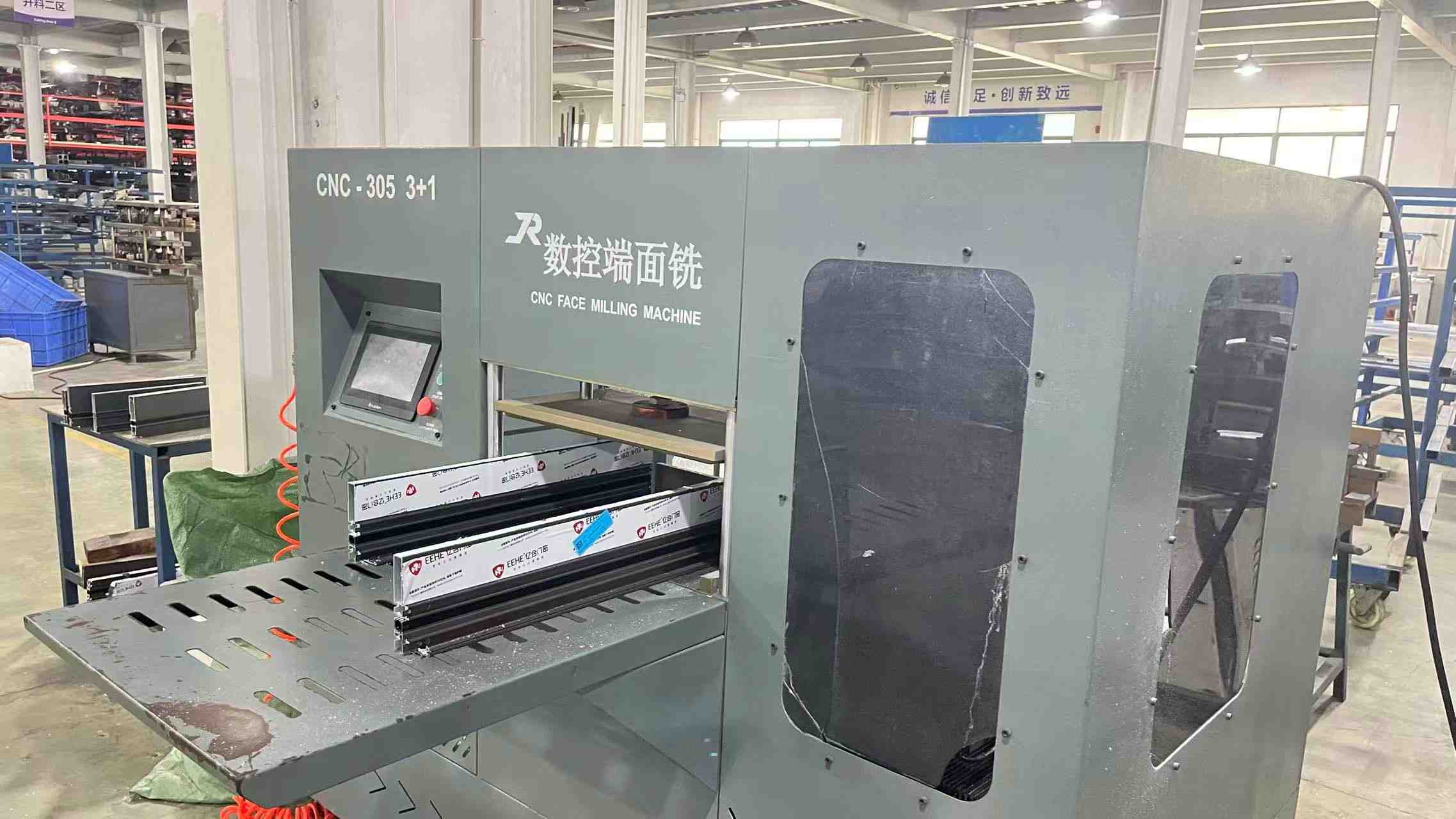 Milling Machine
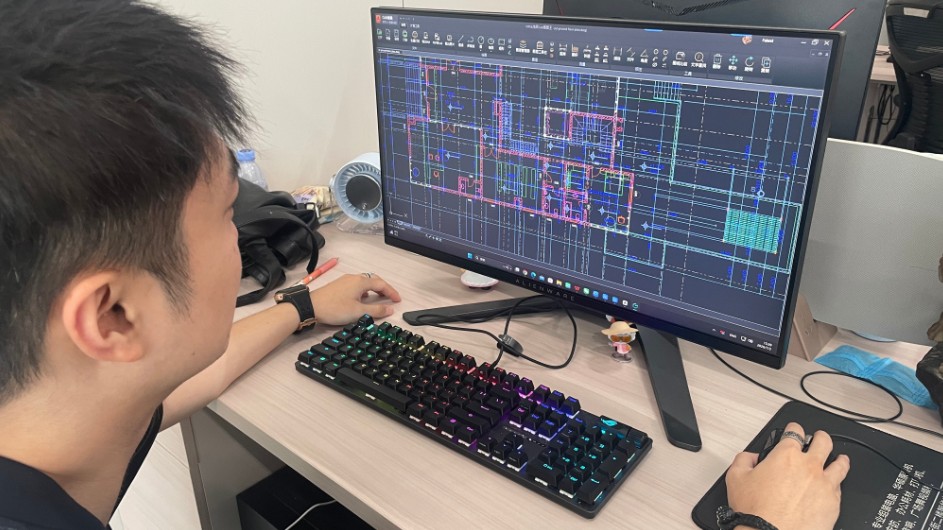 Design with CAD
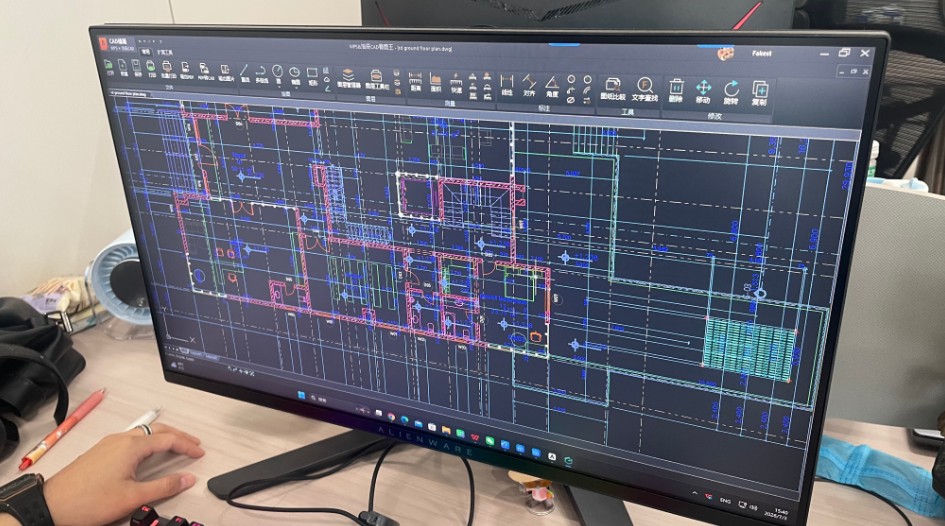 Design with Computer
Tailoring structural frameless entry systems to international building codes, wind loads, and thermal zones.
Requires compliance with NFRC (National Fenestration Rating Council) for U-factor and SHGC, along with Miami-Dade NOA (Notice of Acceptance) for coastal hurricane zones. Products must undergo large-missile impact testing (ASTM E1886/E1996) using laminated SGP interlayers to withstand wind speeds exceeding 150 mph.
Focuses on high solar performance and anti-dust sealing. Entrances require double-glazed unit configurations featuring Low-E coatings with a low Solar Heat Gain Coefficient (SHGC < 0.25), paired with heat-soak tested toughened glass to eliminate spontaneous nickel sulfide (NiS) inclusion breaks under extreme temperatures.
Strict enforcement of EN 12150 safety glass guidelines, CE Marking, and Australian standard AS2047 / AS2208. Heavy focus on acoustic dampening (STC ratings), dynamic water penetration resistance under high pressure, and floor closers compliant with accessibility standards (ADA / EN 1154 barrier-free opening forces).
| Entry System Type | Visual Aesthetics | Max Leaf Height & Weight | Structural Wind Load Resistance | Thermal Insulation (U-Value) | Ideal Applications |
|---|---|---|---|---|---|
| Frameless Heavy Glass Entry | 100% Sightline Transparency, Ultra-Minimalist | Up to 4000mm / 250kg per panel | High (Engineered SGP Laminated) | 1.6 – 2.2 W/m²K (Double Glazed Structural) | Commercial Storefronts, Luxury Malls, Modern Office Atriums |
| Slimline Aluminum Framed Door | 15-30mm Visible Profile Edge | Up to 3500mm / 180kg per panel | Very High (Thermal Break Alloy) | 1.1 – 1.6 W/m²K | Luxury Villas, High-End Retail, Boutique Hotels |
| Standard Steel Exterior Security Door | Opaque Solid Finish / Decorative Glass Cutouts | Up to 2500mm / 120kg per panel | Extreme (Ballistic & Forced Entry) | 0.8 – 1.4 W/m²K (Insulated Core) | Residential Entry, High-Security Vaults, Service Entrances |
Emerging innovations in smart glass integration, structural hardware miniaturization, and sustainability.
The next decade of frameless glass entry door manufacturing will be defined by smart building integration, active solar management, and sustainable manufacturing practices. Top-tier Chinese manufacturers are pioneering several key technology shifts:
Integration of Polymer Dispersed Liquid Crystal (PDLC) films directly within the laminated glass sandwich. Switches entry doors from transparent to opaque in under 100 milliseconds via wall switch, smartphone app, or building automation system for instant privacy in corporate boardrooms and VIP entrances.
Transparent and semi-transparent solar glass technologies embedded into entrance transoms and side-lites. Generating clean electricity directly from ambient sunlight while filtering harmful UV rays, reducing building operational energy demands.
Eliminating exposed mechanical keyholes by integrating electro-magnetic shear locks concealed within top transoms or floor channels. Compatible with facial recognition scanners, RFID cards, and encrypted mobile access systems.
Factory-applied titanium dioxide (TiO2) hydrophobic ceramic coatings that utilize rain and sunlight to break down organic dirt, reducing maintenance costs for high-rise commercial entryways by over 60%.
Direct technical guidance from industry experts to address common project specification and OEM procurement queries.
Browse our complete catalog of certified architectural fenestration and entrance door products for global distribution.
 Steelwar