High-performance entry doors, thermal break casement windows, and hurricane-rated impact systems engineered for commercial and high-end residential projects globally.
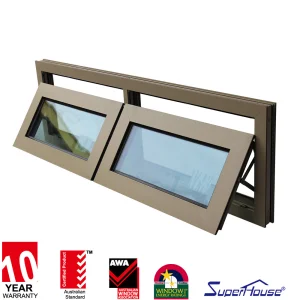
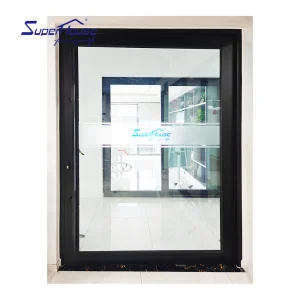
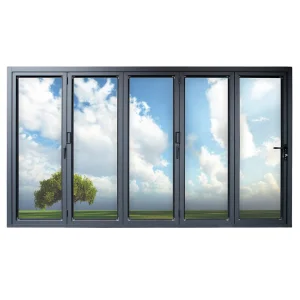
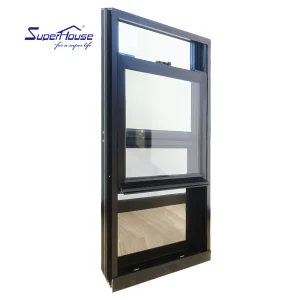
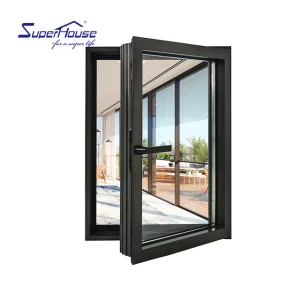
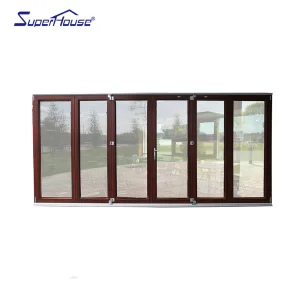
Established in 2003, Steelwar Entry Systems Co., Ltd. operates a state-of-the-art 40,000 m² manufacturing plant specializing in high-security, thermally broken exterior entry doors and fenestration solutions.
With 21 years of continuous manufacturing experience and 9 years of direct global export operational management, Steelwar Entry Systems Co., Ltd. has solidified its position as a primary OEM/ODM supplier for building material distributors, security door stockists, and tier-1 commercial construction contractors across North America, the Middle East, and Eastern Europe.
Our operational framework integrates dynamic structural compliance, automated frame tolerance checking, and rigorous quality control. Guided by a dedicated quality assurance division of 50 QC specialists, every manufactured batch undergoes dynamic impact resistance tests, air tightness verification, and microscopic corrosion-resistant coating audits prior to shipment authorization. Innovation is driven by our in-house engineering center, where 75 senior R&D engineers successfully developed and launched 230 new architectural door and window product models last year alone.
Engineered multi-layer ballistic steel cores and reinforced perimeter lock inserts meeting international EN 1627 RC2 through RC4 security standards.
Pre-drilled and wired housing channels tailored for biometric fingerprint scanners, RFID keypads, and multi-point motorized smart lock assemblies.
Fully customizable RAL powder coatings, fluorocarbon (PVDF) finishes, anodized metal textures, and bespoke frame depths engineered for seamless wall integration.
An exhaustive breakdown of performance mandates, structural verification, and laboratory testing parameters for importing entry doors into the European Economic Area (EEA).
The CE mark is not merely a marketing badge; it is a compulsory legal declaration of conformity indicating that an exterior entry door system meets the stringent requirements of the European Construction Products Regulation (CPR No 305/2011). The harmonized standard governing pedestrian entry doorsets without fire resistance characteristics is EN 14351-1:2006+A2:2016.
For entry door manufacturers supplying commercial or residential developments within Europe, compliance necessitates comprehensive Initial Type Testing (ITT) and Factory Production Control (FPC) systems across several vital vectors:
| Performance Indicator | Harmonized Test Standard | Classification Ratings | Architectural Requirement |
|---|---|---|---|
| Thermal Transmittance (U-Value) | EN ISO 10077-1 / EN ISO 10077-2 | Ud ≤ 1.0 to 1.4 W/(m²·K) | Mandatory thermal break design to prevent thermal bridging and interior condensation. |
| Air Permeability | EN 1026 / EN 12207 | Class 1 (lowest) to Class 4 (highest) | Class 4 minimizes uncontrolled building air leakage, maximizing HVAC efficiency. |
| Watertightness | EN 1027 / EN 12208 | Class 1A up to Class 9A / E750+ | Prevents moisture ingress under severe driving rain pressure differentials up to 600+ Pa. |
| Wind Load Resistance | EN 12211 / EN 12210 | Class A1 to C5 | Evaluates structural deflection (relative frontal deflection < 1/300) and repeated pressure pulses. |
| Burglar Resistance | EN 1627 to EN 1630 | RC1, RC2, RC3, RC4, RC5, RC6 | Defines resistance time against manual break-in attempts using levering, drilling, and impact tools. |
| Acoustic Performance | EN ISO 10140-2 / EN ISO 717-1 | Rw (C; Ctr) = 32 dB to 48 dB | Acoustic isolation using multi-chamber EPDM seals and heavy laminated insulating glass units. |
To satisfy the low U-value mandates imposed by the European Union’s Energy Performance of Buildings Directive (EPBD), modern aluminum entry doors must isolate the external aluminum extrusion from the interior frame. Steelwar Entry Systems utilizes 25% glass-fiber reinforced Polyamide (PA66GF25) thermal break strips. These bars exhibit a thermal conductivity of λ ≈ 0.30 W/(m·K), compared to raw aluminum’s high thermal conductivity of λ ≈ 200 W/(m·K), effectively reducing thermal conductivity by over 98% through the door profile structural core.
How localized raw material clusters, vertical industrial integration, and continuous automation empower Chinese door suppliers to deliver unmatched value without compromising compliance.
Direct access to primary 6063-T6 aluminum extrusion hubs and high-tensile steel mills minimizes raw material transit lead times and stabilizes material costs against global spot fluctuations.
Deployment of computerized 5-axis milling machineries guarantees tolerance margins within ±0.1mm, ensuring tight joint assembly, flawless hinge alignment, and zero air gaps.
High volume manufacturing yields significant per-unit cost savings. OEM clients obtain premium CE and NFRC certified fenestration products at 30-45% lower procurement expenses than European domestic fabricators.
The historical perception of low-cost manufacturing has evolved into an appreciation for high-precision advanced manufacturing. Modern Chinese entry door facilities like Steelwar operate fully digitized ERP and MES platforms. Raw aluminum extrusions undergo chemical chromating and electro-static fluorocarbon spraying, delivering surface weatherability backed by 10 to 25-year warranties against color fading, peeling, or chalking under harsh atmospheric exposure.
Examining macro shifts in global building codes, decarbonization mandates, and modern aesthetic choices reshaping front entry door engineering.
Modern architectural design favors minimalist aesthetics with maximum natural glass area. Modern exterior entry systems increasingly employ heavy-duty concealed offset pivot hinges capable of supporting single leaf panel weights up to 500 kg while maintaining ultra-narrow perimeter frame profiles of under 35mm.
With global Net-Zero carbon goals, building envelopes require sub-1.0 U-factor performance. Entry door manufacturers are adopting argon-filled triple insulating glass units (IGUs) coated with double Low-E silver layers alongside recycled low-carbon primary aluminum alloys.
Keyless access has transitioned from a commercial luxury to a standard residential feature. Entry systems now incorporate hidden electric strikes, motorized automatic lock gearboxes, facial recognition, and smart home hub connectivity directly from the factory.
Developers require multi-region compliant fenestration systems. Modern entry door systems are engineered to pass cross-regional standards: CE (Europe), NFRC / NOA / FPA (Florida HVHZ Hurricane Impact), and AS2047 (Australian Standard for structural performance).
Tailored architectural engineering solutions designed to withstand geographical climate stressors and commercial operational demands.
Environmental Challenge: Severe salt spray atmospheric corrosion, driving rain infiltration, and cyclic wind pressures exceeding 90 psf during hurricane events.
Engineering Solution: Marine-grade powder coatings (Qualicoat Class 2/3), 316 stainless steel multi-point hardware, laminated impact glass panels (PVB/SGP interlayers), and Florida NOA/FPA structural testing compliance.
Environmental Challenge: Extreme ambient temperature differentials (ΔT > 40°C), thermal bridging leading to interior frost, and seal degradation.
Engineering Solution: Multi-chamber thermal break profiles with polyurethane foam insertion, triple EPDM compression weatherstripping, warm-edge glass spacers, delivering Ud values below 0.85 W/(m²·K).
Environmental Challenge: High surface thermal expansion, intense UV solar degradation, and micro-particle sand infiltration into locking gearboxes.
Engineering Solution: UV-resistant PVDF surface coatings, dust-proof double brush and EPDM perimeter seals, solar control low-E reflective glass, and heavy-duty gearboxes certified for dust resistance.
A structured procurement framework for commercial developers, general contractors, and door importers sourcing large-scale custom door assemblies.
Procuring large volumes of entry doors for international projects requires balancing unit cost against compliance risk, freight efficiency, and field installation timelines. Below are key operational protocols implemented by Steelwar Entry Systems to guarantee frictionless project delivery:
For large-scale commercial contracts, shipping fully pre-hung and glass-fitted doors can increase container cube footprint by up to 300%. We offer modular Knock-Down (KD) frame system packaging with clear alignment pins and pre-drilled hardware slots. This strategy increases container loading capacity from 60 units to over 180 units per 40ft HQ container, dramatically reducing international sea freight cost per unit.
To eliminate jobsite defects, every bespoke production run undergoes a rigorous FAT protocol prior to container packing. Our 50-member QC team documents mill test certificates (MTC) for alloy purity, coating thickness gauge readouts, and hydrostatic water leakage testing. Third-party inspection agencies (SGS, TUV, Intertek) are routinely hosted on-site for customer approval signatures.
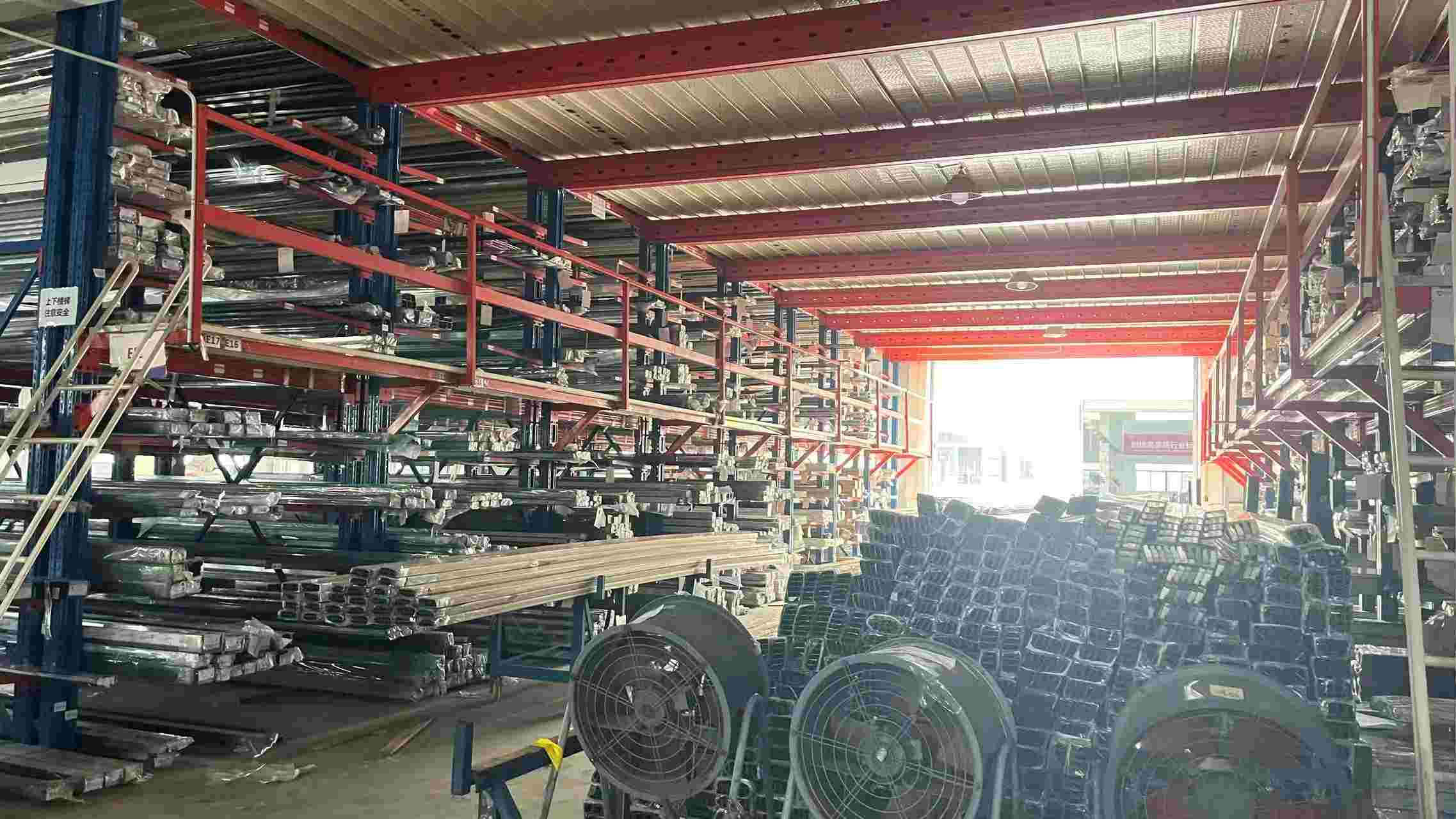
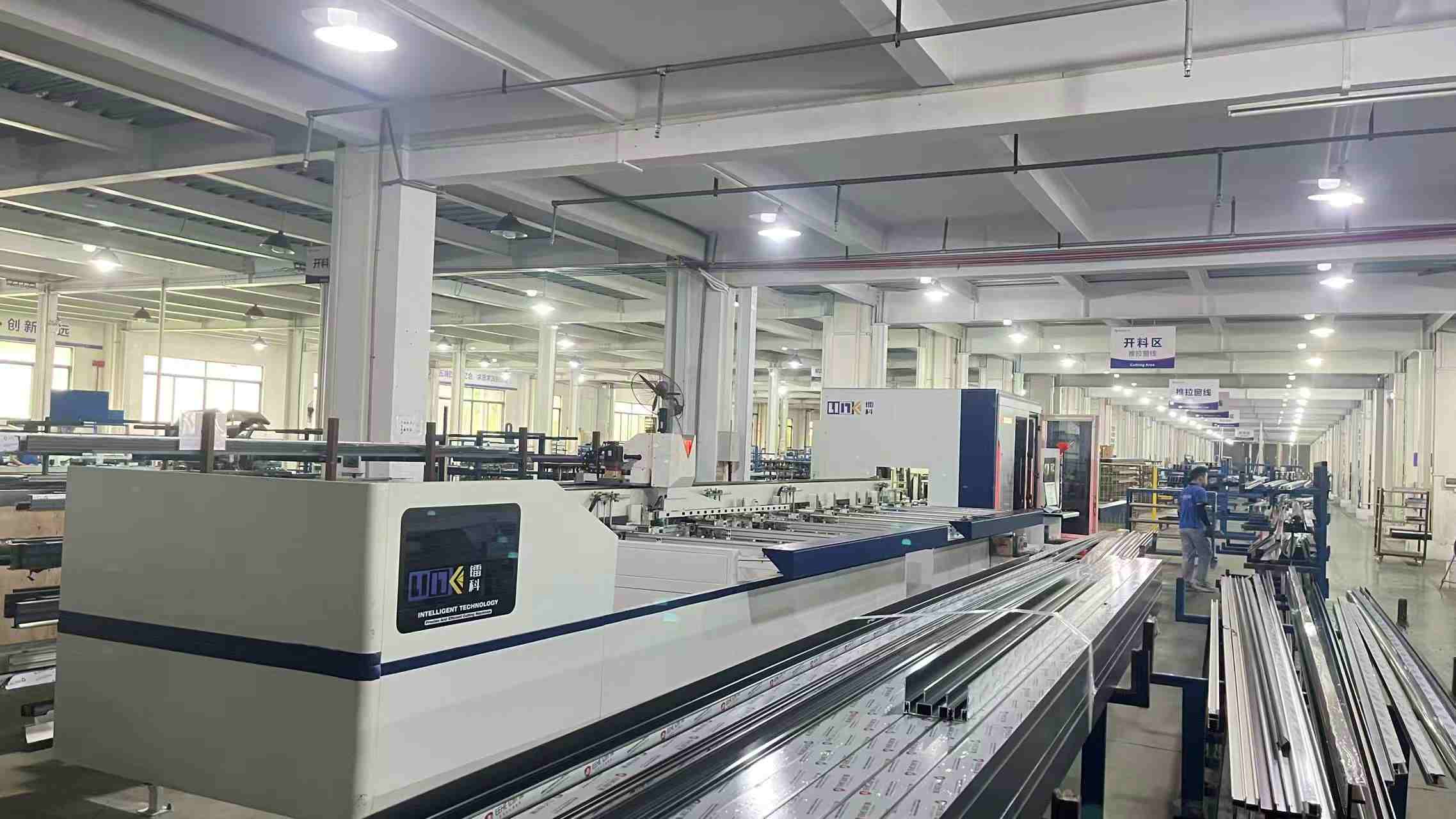
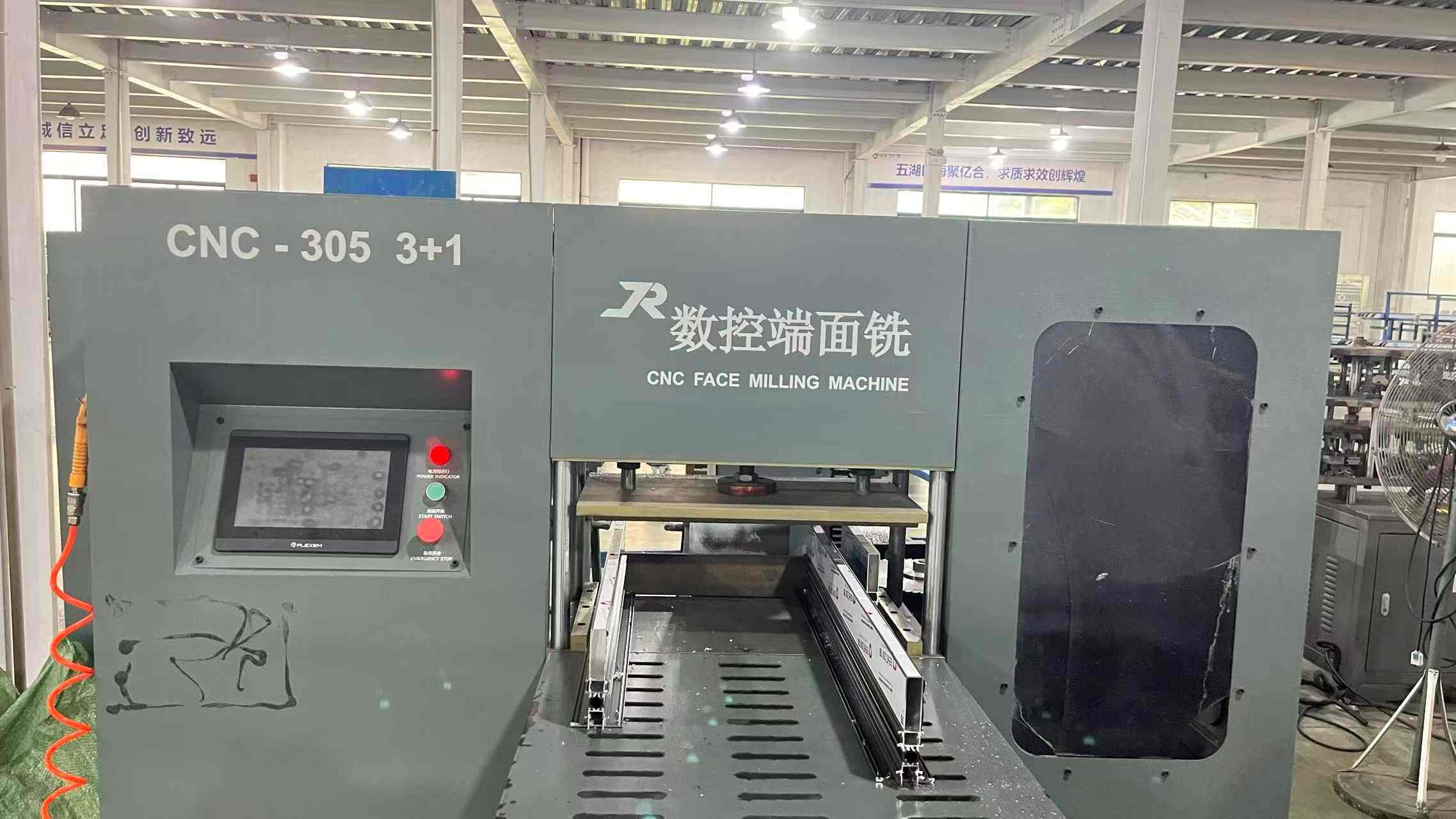
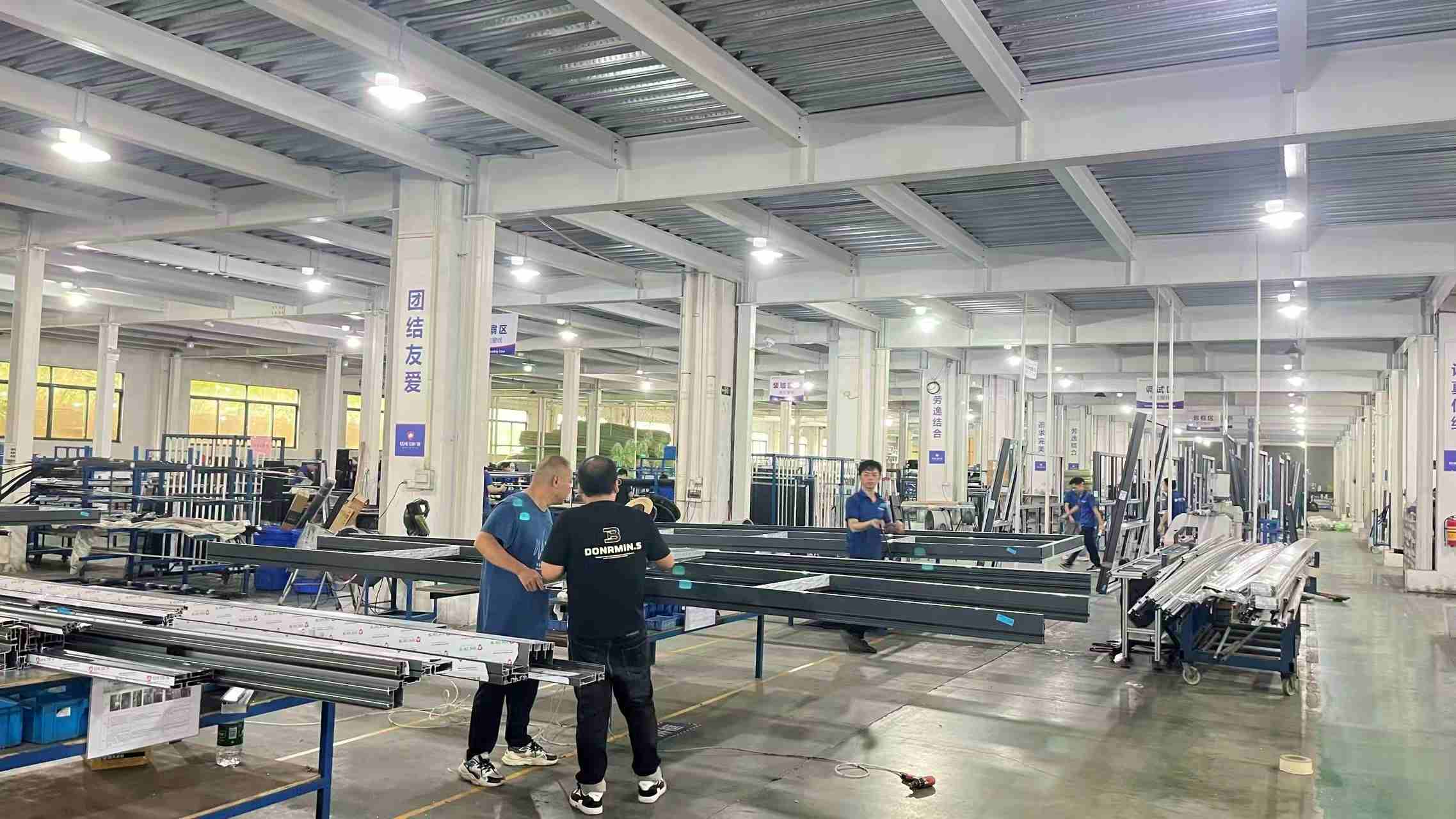
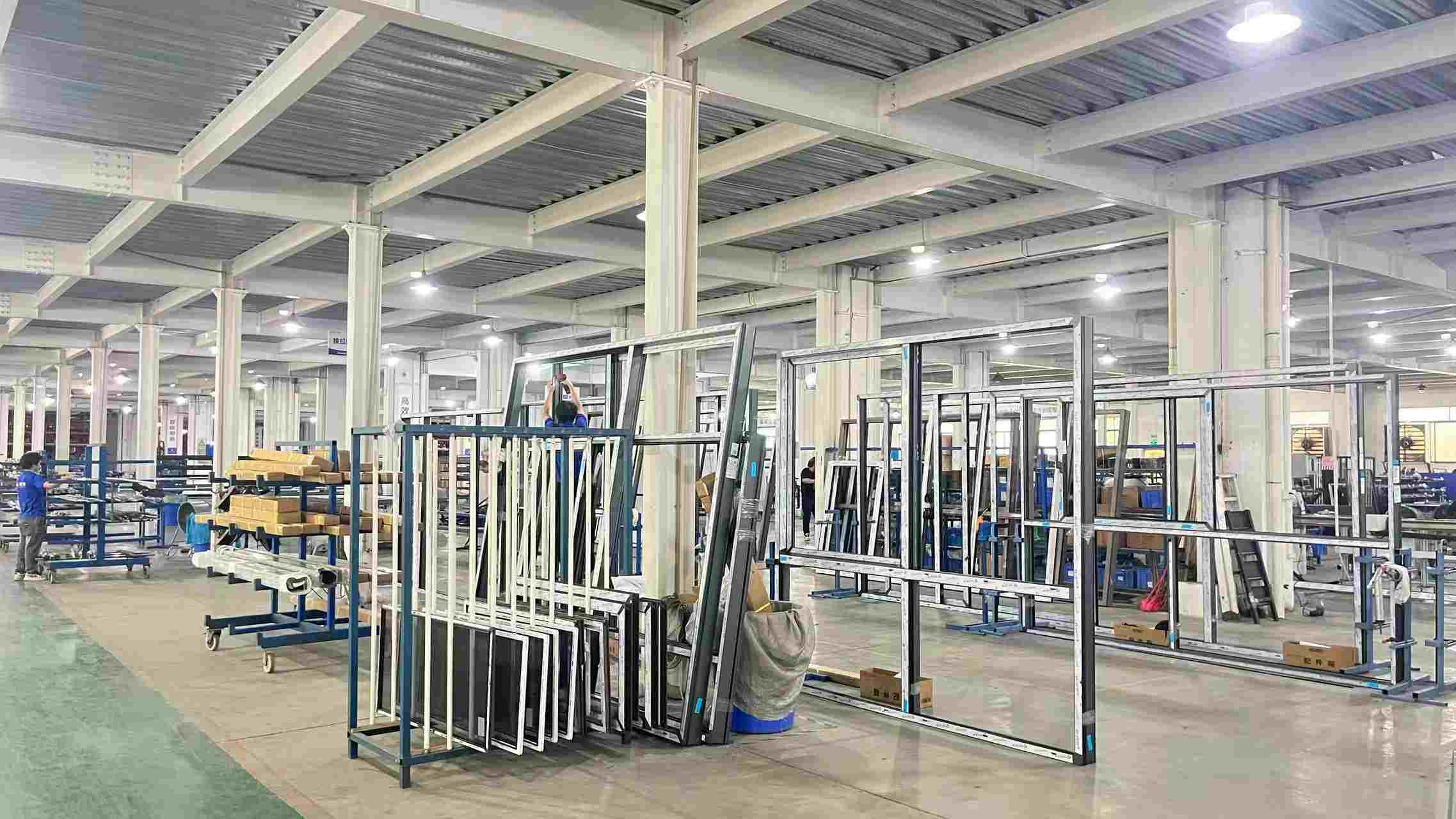
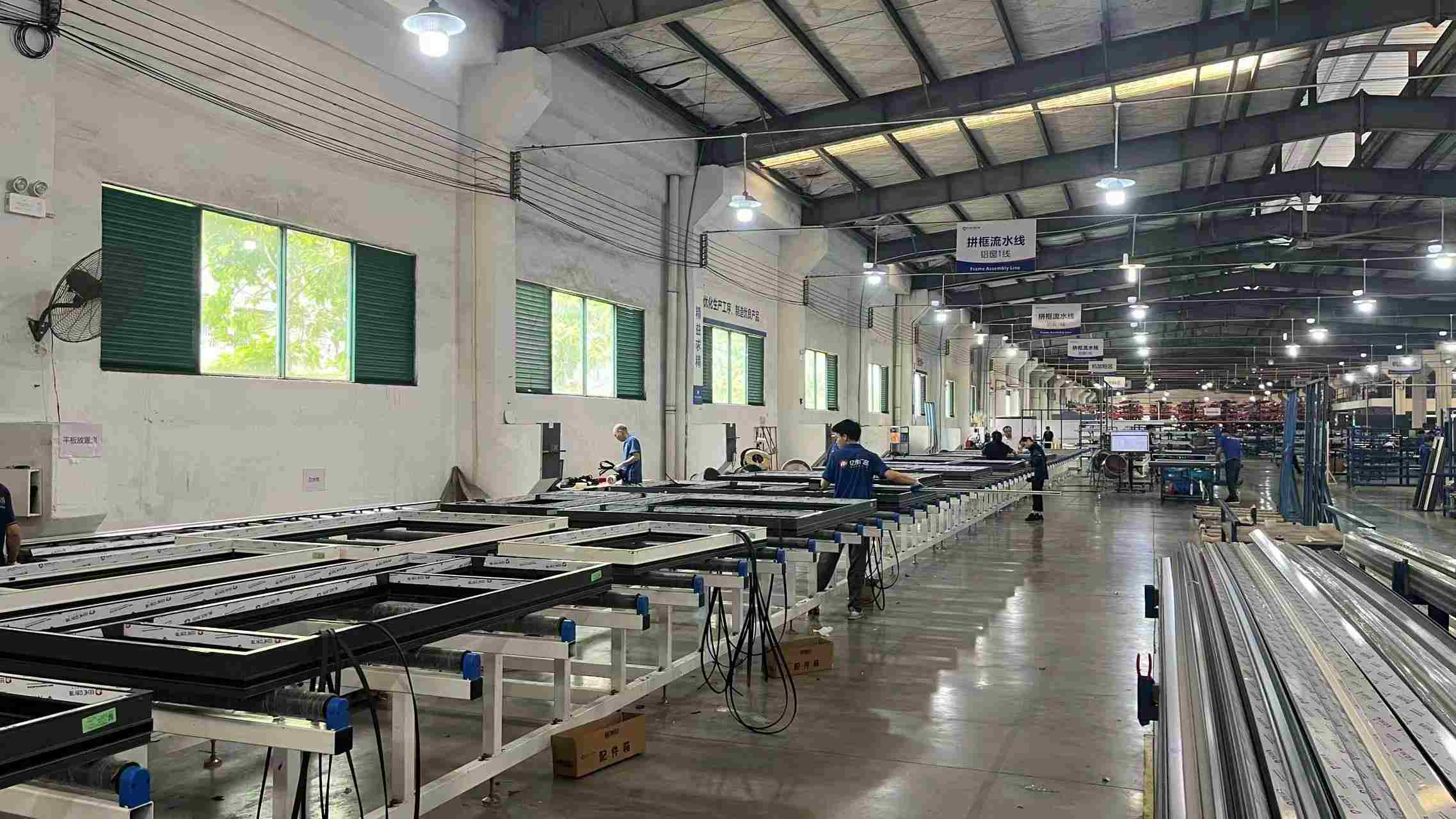
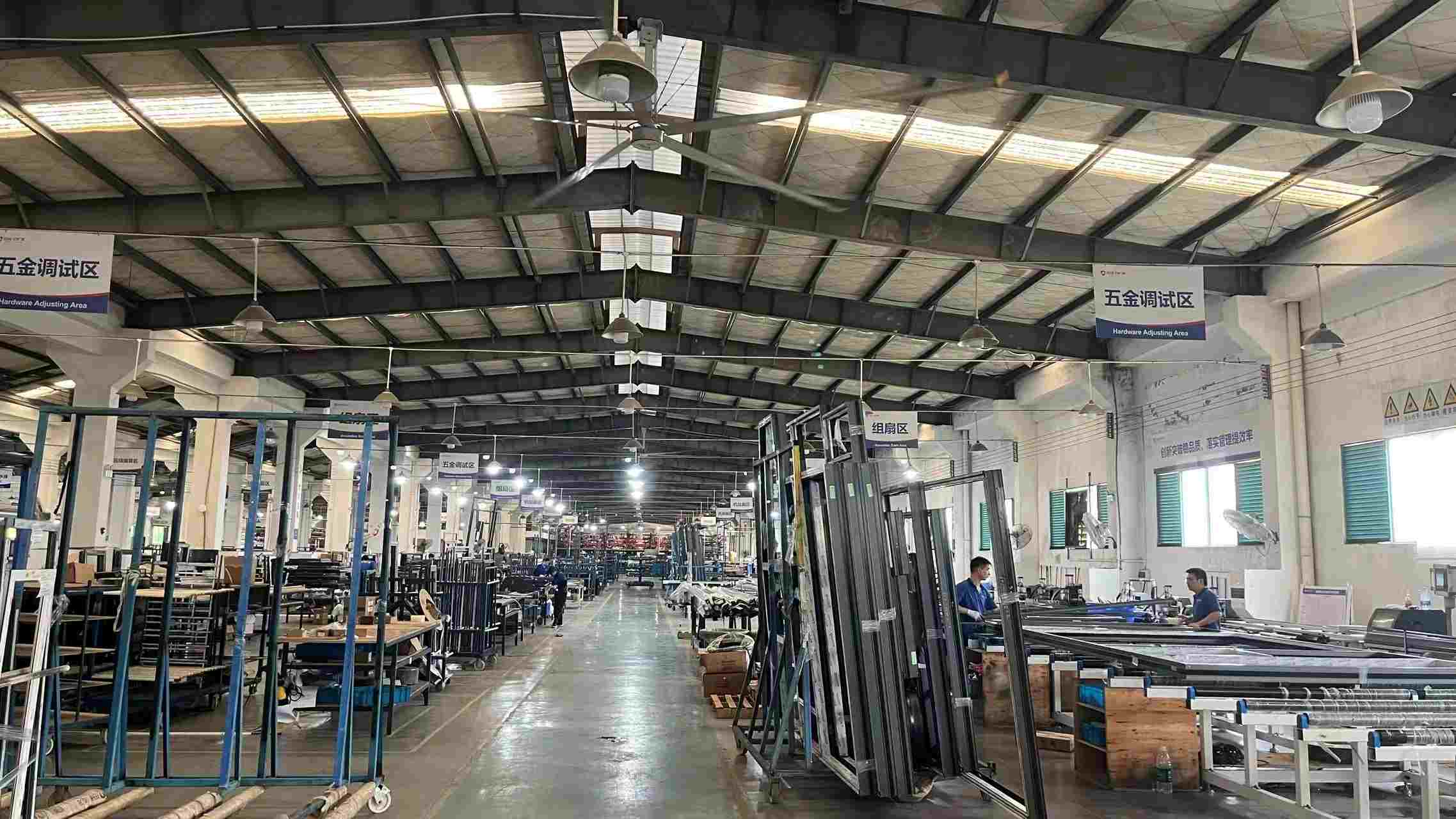
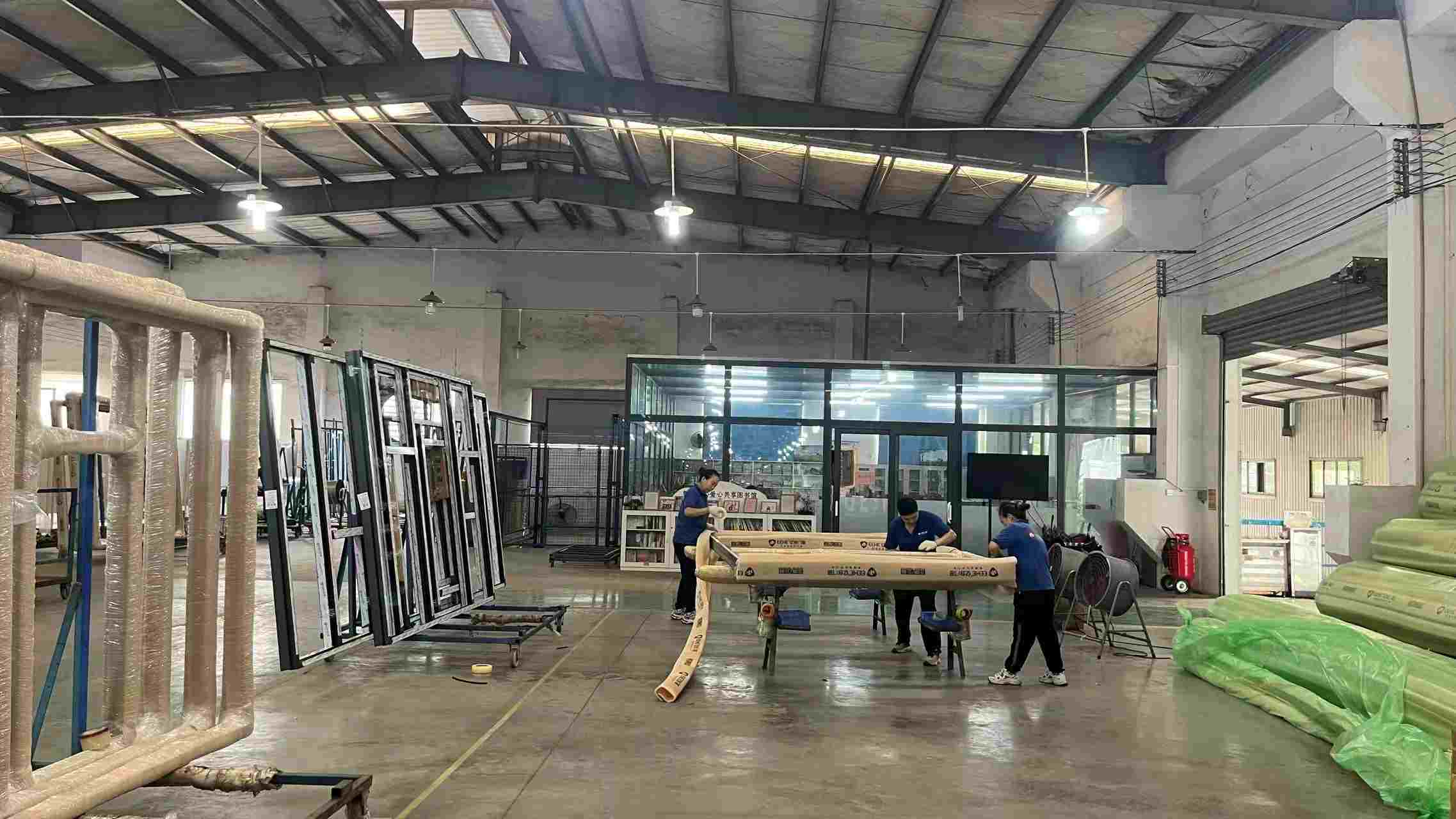
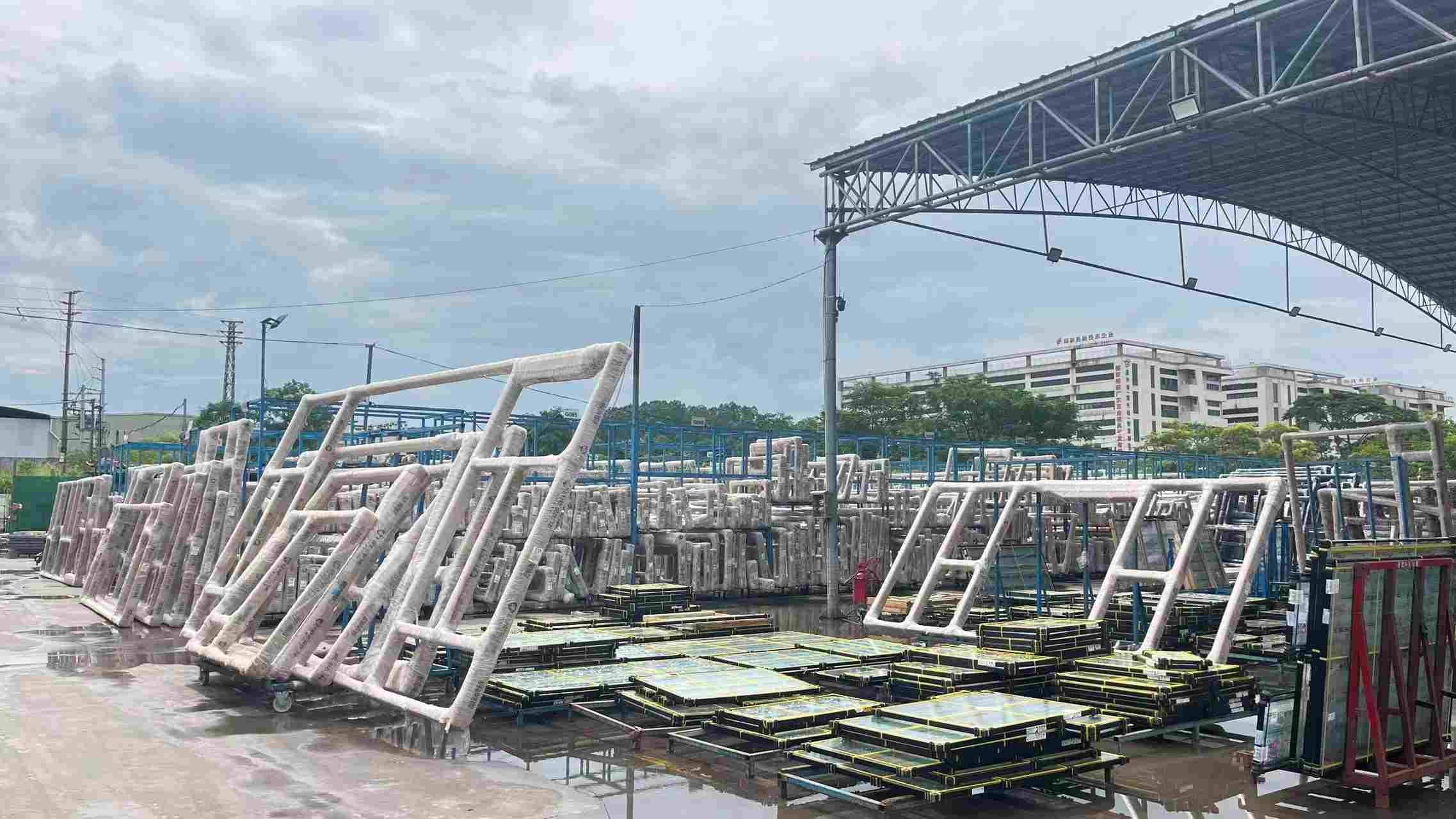
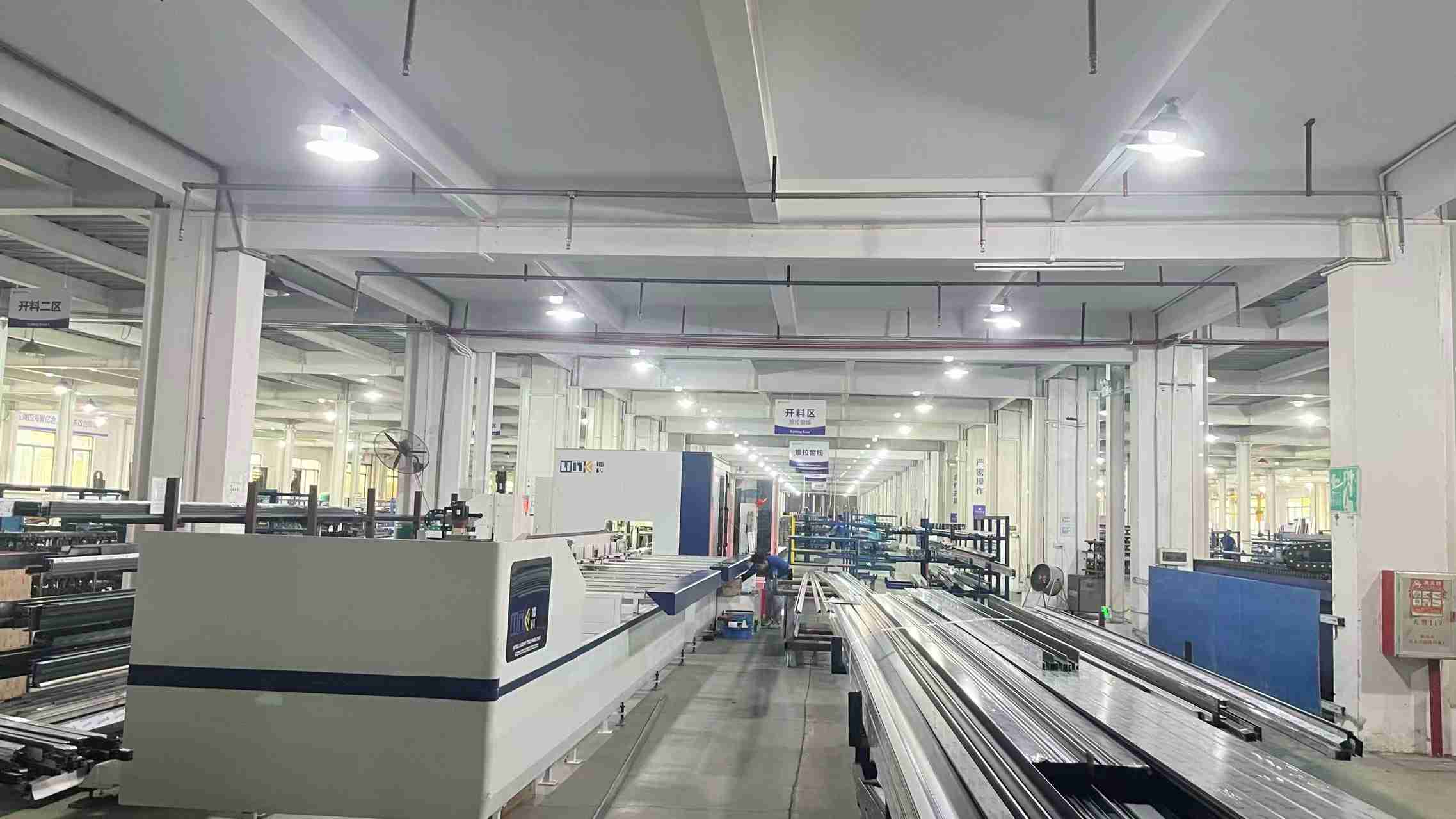
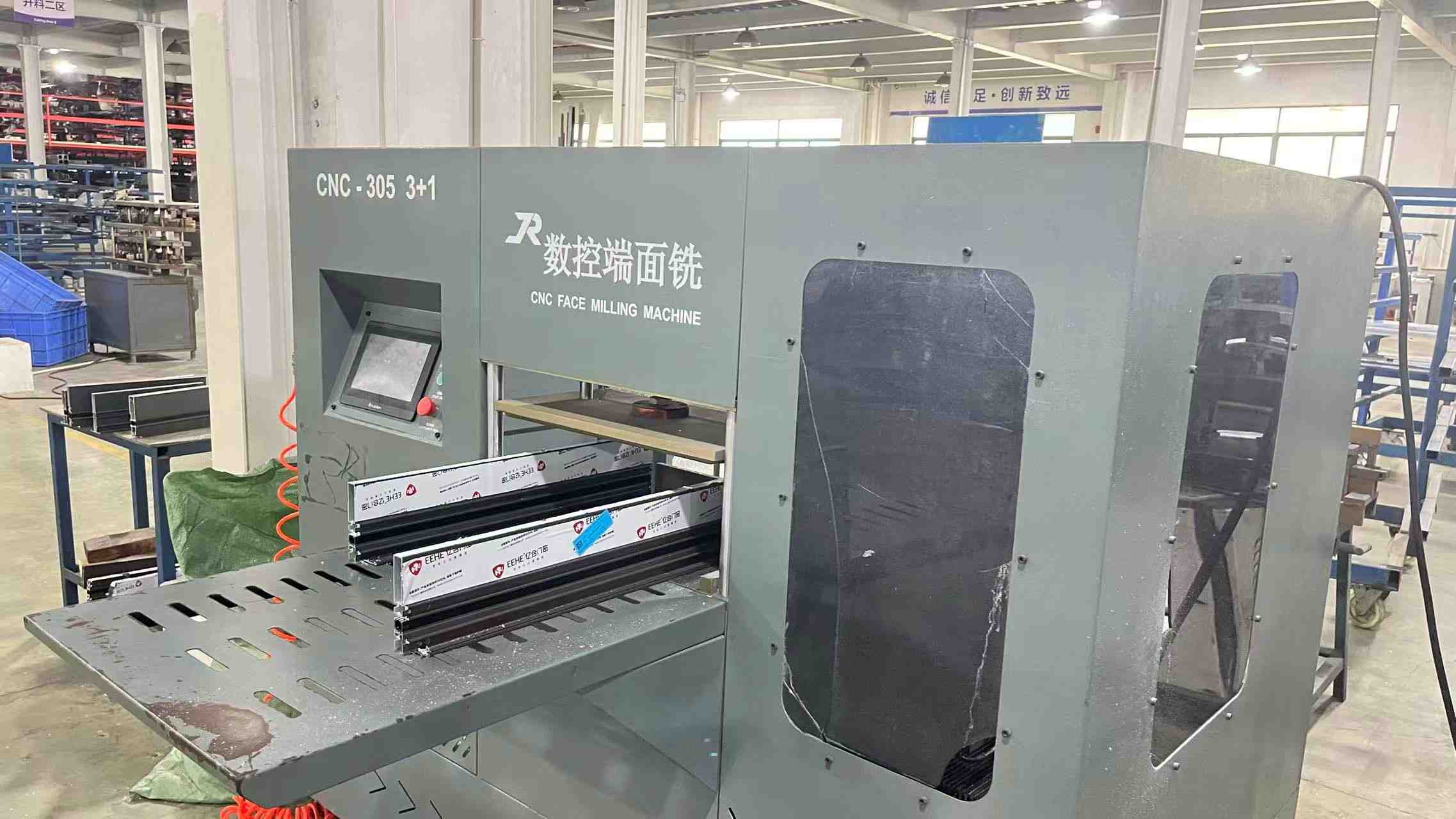
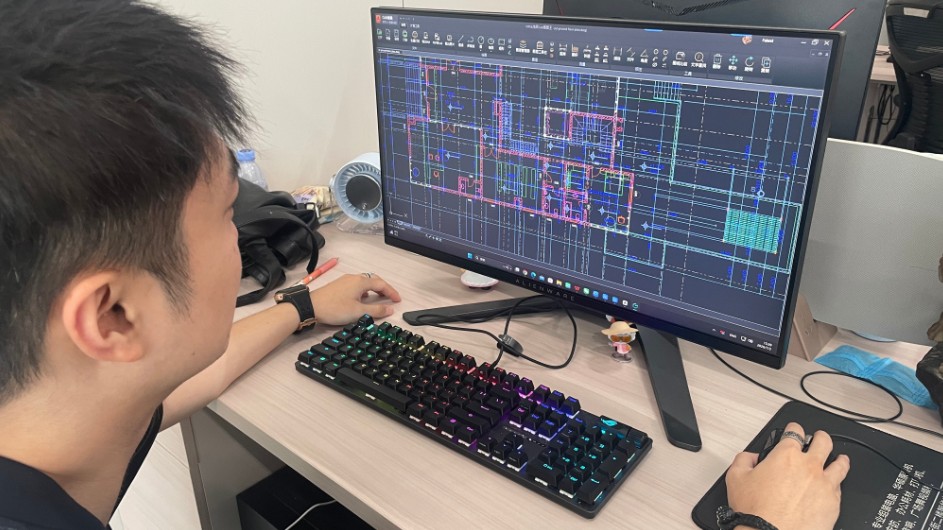
Inside our 40,000 m² modern production facility: From CAD technical design to final protective container packaging.
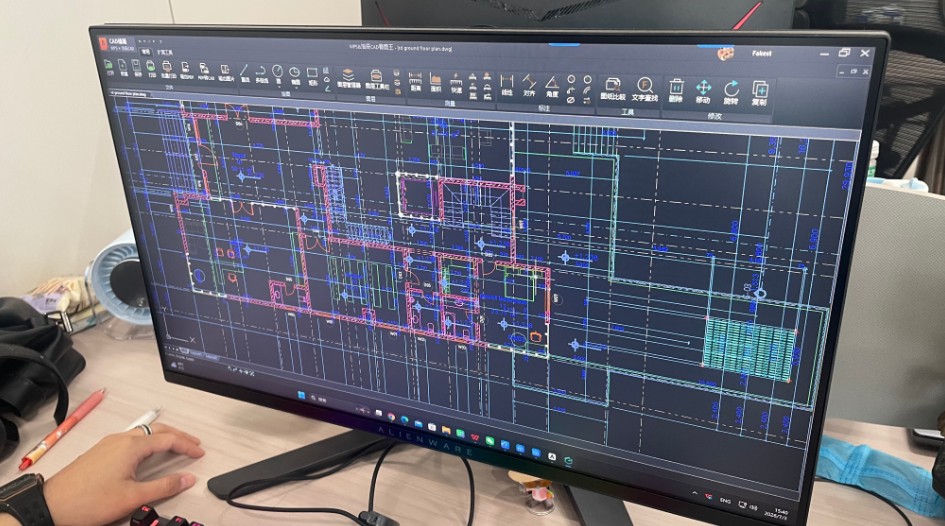
Answers to critical questions regarding CE certification, custom engineering, lead times, and structural compliance.
Every CE certified entry door shipment includes a comprehensive Declaration of Performance (DoP) pursuant to CPR No 305/2011, detailed test report summaries from accredited notified bodies for EN 14351-1 compliance, installation and maintenance instructions in the destination language, and physical CE labeling affixed to the door edge or frame rebate.
For oversized entry door panels exceeding 2.5 meters in height, we utilize dual high-strength Polyamide PA66GF25 thermal struts combined with anti-bi-metal expansion strips. This anti-warping feature allows the exterior and interior aluminum skins to expand independently during extreme temperature differentials, preventing frame deflection, latch binding, or air seal failure.
Yes. In addition to European CE certification, specific entry door product lines are specifically engineered and tested to satisfy Florida Building Code High-Velocity Hurricane Zone (HVHZ) requirements, including ASTM E1886/E1996 missile impact testing and TAS 201/202/203 large missile impact and cyclic pressure criteria.
Standard production lead times range from 25 to 35 calendar days following shop drawing (CAD) sign-off and deposit confirmation. Rapid prototyping service is available for architectural samples within 10 to 14 days, supported by our 75-engineer dedicated R&D department.
During CNC profile milling, precise cutouts for multi-point lock bodies, electric strike plates, wire transfer hinges, and door sensors are machined according to the chosen hardware brand (e.g., KABA, DORMAKABA, GU, HOPPE, or client-specified smart hardware). All internal conduits are pre-installed for seamless plug-and-play field wiring.
Explore our full line of hurricane-resistant garage doors, sliding glass walls, awning units, and soundproof entry systems.
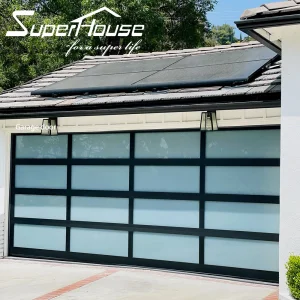
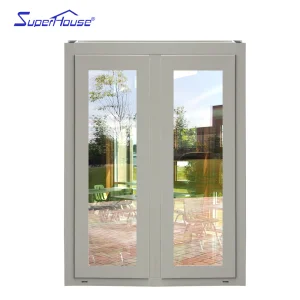
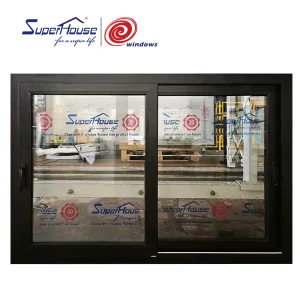
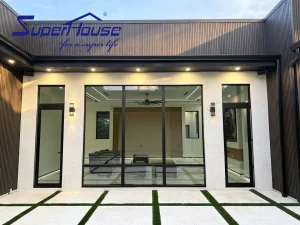
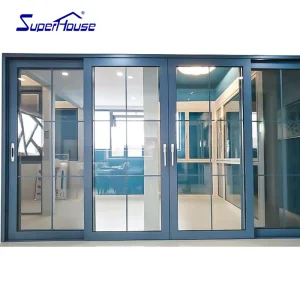
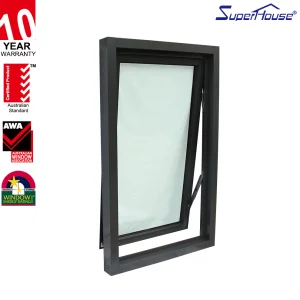
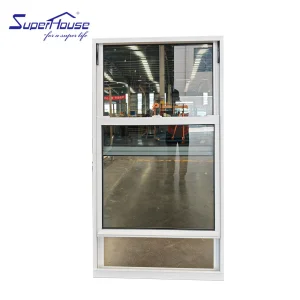
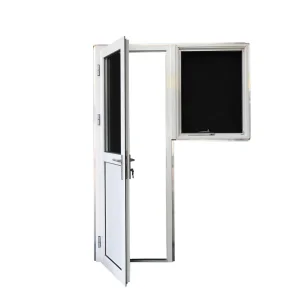
Whether you are designing a high-end luxury residential development or procuring structural doors for commercial projects, Steelwar Entry Systems provides engineering support, CAD drawings, and certified manufacturing capacity.
 Steelwar