What Are the 2026 Top Aluminium Front Door Trends?

Time:2026-10-11 Author:Mason
0%

What Are the 2026 Top Aluminium Front Door Trends? The answer begins with performance, not decoration. The International Energy Agency reports that buildings consume about 30% of global final energy and produce 26% of energy-related emissions. This pressure is reshaping entrance design. In 2026, homeowners and developers will likely seek Aluminium Front Door systems with stronger thermal breaks, airtight seals, and low-emissivity glazing.

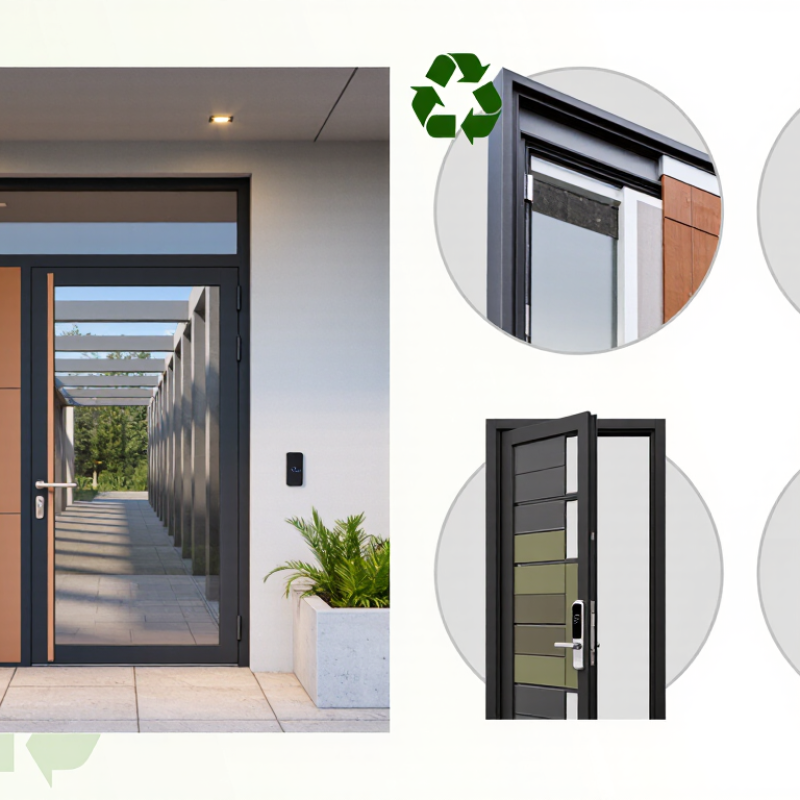
Slim sightlines will remain highly visible. Large glazed panels can bring daylight into a dark hallway, while powder-coated frames provide sharper colour control. Matte black may continue to dominate, but warm bronze, muted olive, and textured grey could become more distinctive choices. These finishes also hide fingerprints better. Small detail, noticeable daily.

Sustainability will become more measurable. The Aluminum Association states that recycling aluminium saves approximately 95% of the energy required for primary production. Meanwhile, the International Aluminium Institute highlights aluminium’s long service life and established recycling potential. This supports doors made with verified recycled content, although recycled claims still require careful supplier documentation. Green labels alone are not enough.

Smart locks, concealed hinges, and contactless entry will add convenience, especially in urban housing. Yet technology should not weaken manual access or maintenance simplicity. That is where some forecasts feel too optimistic. Trends do not automatically create better doors. Correct installation, tested security hardware, weather resistance, and responsible sourcing will decide real value. The strongest 2026 designs will therefore balance clean geometry, measurable efficiency, and practical everyday use.
What Are the 2026 Top Aluminium Front Door Trends?

What Defines the Top Aluminium Front Door Trends in 2026

What Defines the Top Aluminium Front Door Trends in 2026

The leading aluminium front door trends in 2026 combine clean design with measurable everyday performance. Slim frames create wider glass areas and stronger connections between hallways and gardens. However, appearance should not replace practical testing. A well-made door needs reliable thermal breaks, accurate seals, and stable hardware. These features reduce drafts, outside noise, and heat loss during seasonal changes. Matte black, warm bronze, and soft grey finishes remain popular, while textured surfaces add depth without excessive decoration. The most photogenic choice is not always practical.

Tips: Check the door’s thermal data, drainage design, and security testing before choosing a style. Ask how the finish performs in strong sunlight and coastal air. Measure twice. A professional installer should also inspect the opening, threshold, and surrounding wall before fitting.

Another defining trend is flexible personalization. Homeowners are combining vertical glass panels, solid lower sections, concealed hinges, and discreet access controls. Frosted or patterned glass can protect privacy while still admitting daylight. Smart entry features may improve convenience, but they should include dependable manual access and clear maintenance instructions. Sustainable decisions also matter. Durable aluminium, replaceable components, and long service life can reduce future waste. Still, sustainability claims deserve evidence, not attractive wording alone. I would question vague statements about recycled content, because percentages and certification standards can differ. A door that looks minimal may require more careful cleaning than expected, especially around narrow drainage channels and textured coatings.

How Slim Frames and Large Glass Panels Transform Entryways

What Are the 2026 Top Aluminium Front Door Trends?

In 2026, slim aluminium frames are reshaping modern entryways. They create cleaner sightlines and make large glass panels feel less heavy. A narrow profile can turn a dark hallway into a brighter, more open arrival space. The effect is practical, not merely decorative. Visitors may notice the view before the door itself.

Large glazing also demands careful technical choices. The U.S. Department of Energy reports that windows can represent 25–30% of residential heating and cooling energy use. That figure makes glass selection important. Specify low-emissivity glazing, thermally broken aluminium, and suitable solar-control performance. NFRC rating guidance helps compare U-factor, solar heat gain coefficient, visible transmittance, and air leakage. These details matter more than frame colour.

The best designs balance openness with comfort. A full-height panel can frame a garden, stone path, or softly lit foyer. Yet oversized glass may increase glare, overheating, and privacy concerns. This trend is not flawless. In my experience, homeowners often choose maximum transparency first, then reconsider it after seeing afternoon sun on the floor. External shading, textured glass, and carefully positioned lighting can correct that mistake. Door hardware should remain visually quiet, while hinges and seals still need robust daily performance. Thin does not mean fragile.

Which Colours, Textures, and Finishes Are Shaping Modern Doors

In 2026, aluminium front doors are becoming quieter, warmer-looking, and more individual. Colour is moving beyond plain black. Soft graphite, clay grey, muted olive, and warm bronze suit contemporary brick and pale render. These shades hide dust better than glossy white. They also change noticeably in morning and evening light. A useful test is simple: view samples outdoors, not only under showroom lamps. Small detail, big difference. From site consultations, I have found that homeowners often choose a colour too quickly. The final door can appear cooler against a north-facing wall.

Texture is shaping the door’s character. Fine-grain powder-coated surfaces add depth without pretending to be natural timber. Satin finishes reflect gentle light, while ultra-matt coatings create a calmer, architectural appearance. Wood-effect textures can soften a modern façade, but poor colour matching may look artificial. I would request a full-size sample before ordering. Door proportions matter too. A strong texture on a narrow panel may feel visually busy.

Finish quality should support performance, not only appearance. Look for consistent coating coverage, carefully fitted seals, and a thermally broken aluminium frame. These details help reduce drafts and improve everyday comfort. Dark finishes can become hot in strong sunlight, especially on exposed entrances. That deserves attention. I still think some trend advice ignores practical maintenance. Textured coatings may hide fingerprints, yet dirt can collect around handles and panel edges. Choose a finish you can clean easily, and inspect it in changing daylight before making the final decision.

What Are the 2026 Top Aluminium Front Door Trends? - Which Colours, Textures, and Finishes Are Shaping Modern Doors

Trend Popular Colour Direction Texture Preferred Finish Design Character Practical Considerations 2026 Outlook
Warm neutral minimalism Warm white, ivory, sand, greige and light taupe Smooth or very fine micro-texture Low-sheen matt powder coating Soft, calm and architectural Light colours can make an entrance appear wider; textured matt surfaces are generally more forgiving of minor marks than high-gloss finishes. Very strong
Deep architectural tones Charcoal, graphite, black-grey and deep bronze Fine-grain or lightly structured surface Matt or satin powder coating Bold, premium and clearly defined Dark finishes provide strong contrast with pale render, brick and stone; they may show dust or water marks more visibly than mid-tones. Very strong
Nature-inspired greens Sage, olive, moss, forest and muted eucalyptus Fine matt texture or subtle mineral effect Matt powder coating Biophilic, welcoming and distinctive without being highly saturated Muted greens pair effectively with timber, natural stone, red brick and planting; colour samples should be checked in daylight. Strong
Natural wood appearance Oak, walnut, smoked timber and dark wood tones Directional woodgrain with tactile grain variation Decorative wood-effect sublimated finish Warm and residential, while retaining aluminium stability Wood-effect aluminium avoids the regular repainting associated with exposed timber; grain direction and joint detailing strongly affect realism. Strong
Metallic and brushed accents Champagne, muted bronze, natural silver and dark metallic Linear brushed grain or subtle metallic movement Anodised or metallic-effect finish Refined, contemporary and light-responsive Anodised aluminium offers a hard, integral surface; colour variation between batches and viewing angles should be allowed for. Strong
Tactile textured surfaces Mid-tone grey, clay, stone, black and earthy neutrals Fine-grain, sand-textured or lightly hammered appearance Structured matt powder coating Tactile, robust and visually understated Texture can reduce the visual impact of fingerprints and small surface imperfections; cleaning should follow the coating supplier's guidance. Very strong
Two-tone and contrast framing Dark exterior with a lighter interior, or neutral door with a dark frame Smooth door leaf with contrasting textured frame Matt exterior combined with satin or matt interior Flexible, tailored and visually layered Different interior and exterior colours allow the entrance to coordinate with both the façade and hallway without compromising the overall palette. Strong
Minimal glazed detailing Black, charcoal, bronze, warm white and natural metallics Plain aluminium panels with clear, frosted or textured glass Matt frame with satin, privacy or decorative glazing Light-filled, private and contemporary Glazing can improve daylight at the entrance; privacy, solar exposure, safety glass and thermal performance should be considered during specification. Strong

Note: The outlook ratings summarise design direction and specification interest for 2026; actual colour availability, coating durability and performance depend on the selected aluminium system, finish specification, exposure conditions and local building requirements.

How Smart Security Features Are Changing Aluminium Front Doors

In 2026, aluminium front doors are becoming slimmer, stronger, and more connected. Smart security is driving much of this change. Homeowners now expect a door to protect the entrance and communicate with them.

Fingerprint readers can replace traditional keys for approved users. Mobile access allows residents to unlock the door remotely. Video doorbells show visitors clearly, even in low evening light. Motion sensors can record activity near the threshold. Some systems also send instant alerts when the door remains open.

This technology works best when fitted into a well-designed aluminium frame. Multi-point locking, reinforced hinges, and laminated glass still matter. Digital features cannot repair poor installation. Experienced installers should check frame alignment, weather seals, wiring, and emergency access before completing the work. Independent security testing also offers useful reassurance.

Privacy needs careful attention. Cameras should face the entrance, not the pavement or neighbouring windows. Access records should be limited to trusted household members. A strong password is essential, even for a smart lock. Small details matter.

Power cuts and weak internet connections can create problems. A dependable system should include manual entry and battery warnings. No device is flawless. Homeowners should question impressive claims and request clear maintenance guidance before buying. The best 2026 aluminium front door combines clean design, physical strength, and sensible digital protection.

How to Choose a 2026 Aluminium Front Door for Your Home

What Are the 2026 Top Aluminium Front Door Trends?

In 2026, aluminium front doors are becoming slimmer, warmer, and more practical. Homeowners prefer clean panels, soft colours, and wide glass sections. These designs bring daylight into hallways without making the entrance feel exposed. Textured finishes are also gaining attention because they hide fingerprints and small marks. I have found that a beautiful finish can still disappoint when it shows every dusty handprint.

How to Choose a 2026 Aluminium Front Door for Your Home

Start with your home’s position and daily weather. A north-facing entrance may benefit from larger glazing for natural light. A windy doorway needs strong seals, reliable hinges, and a correctly fitted threshold. Choose thermally broken aluminium to reduce heat transfer between the inside and outside surfaces.

Check the door’s insulation, water resistance, air tightness, and security performance through verified test information. Local building requirements still matter. Do not rely on appearance alone.

Think about the opening size, frame depth, glass privacy, and cleaning routine. Triple glazing may improve comfort, but it can increase weight and cost.

A large handle looks striking, yet it may be awkward for children or older users. Installation quality is equally important. Even an excellent door can leak air when the surrounding frame is poorly sealed.

Tips: View colour samples outdoors, not only under showroom lights. Test the handle before ordering. Ask for written performance data and installation details. Leave room for honest review; the trendiest door may not suit your entrance.

FAQS

What aluminium front door styles are trending in 2026?

Slim frames, wider glass areas, and clean panels are popular. Soft grey, warm bronze, and matte black remain common choices. Minimal design still needs practical testing.

Why are thermally broken aluminium frames important?

Thermal breaks reduce heat transfer through the frame. They can help limit drafts, indoor heat loss, and cold interior surfaces. Check verified insulation data before ordering.

How can glass improve an entrance?

Wider glass panels can bring daylight into a dark hallway. Vertical glazing creates a stronger visual link with a garden. Frosted or patterned glass can protect privacy.

What should homeowners check before installation?

Inspect the opening, threshold, surrounding wall, and drainage route. Accurate measurements matter. Measure twice. Poor sealing can make a high-quality door leak air.

Which finish is practical for everyday use?

Textured coatings can hide fingerprints and small marks. Smooth finishes may be easier to wipe clean. Narrow drainage channels and textured surfaces can still collect dust.

How should the door suit local weather?

Windy entrances need strong seals, stable hinges, and a correctly fitted threshold. Coastal air and strong sunlight may affect finishes. Ask for relevant durability information.

Are smart entry features worth considering?

They may improve convenience during busy mornings. Reliable manual access should remain available. Clear maintenance instructions are essential, but convenience can sometimes create extra upkeep.

What sustainability claims deserve attention?

Durable aluminium, replaceable parts, and long service life may reduce future waste. Vague recycled-content claims should be questioned. Look for percentages and credible certification details.

Can a larger glass panel or handle create problems?

Triple glazing may improve comfort but increase weight and cost. A large handle can look impressive yet feel awkward for children or older users. Test the handle personally.

Conclusion

In 2026, Aluminium Front Door design is defined by a balance of minimalist style, energy efficiency, durability, and everyday functionality. Slimmer frames and larger glass panels are transforming entryways by creating brighter interiors, wider views, and a stronger connection between indoor and outdoor spaces. At the same time, homeowners are exploring more expressive finishes, including soft neutral colours, deep contemporary shades, realistic textured surfaces, and subtle metallic effects that complement different architectural styles.

Technology is also becoming a more important part of modern front-door design. Integrated smart locks, keyless access, video doorbells, sensors, and improved lighting can provide greater convenience and support home security when selected and installed responsibly. Choosing the right 2026 Aluminium Front Door involves considering the home’s overall appearance, local climate, insulation requirements, privacy preferences, available space, maintenance expectations, and security needs. A successful choice combines refined visual details with reliable performance, creating an entrance that feels welcoming, practical, and ready for future lifestyles.

Mason

Mason

Mason is a seasoned marketing professional with a deep expertise in the company's offerings and a passion for driving brand awareness. With a strong background in digital marketing strategies, he has an innate ability to connect with diverse audiences and effectively communicate product benefits.......