7 Tips for Choosing a Premium Aluminum Entry Door

Time:2026-11-06 Author:Ethan
0%

A Premium Aluminum Entry Door should do more than look striking beneath a porch light. It should open smoothly, seal tightly, and suit the climate it faces. The National Fenestration Rating Council’s certified product directory gives buyers a practical way to compare tested U-factor and solar heat gain ratings. Those figures matter. They are more useful than a vague “energy efficient” label on a showroom card. The U.S. Department of Energy’s Energy Saver guidance also stresses proper weatherstripping and a well-fitted exterior door. Even an expensive slab can disappoint when installation leaves a cold draft at the threshold.

Building-science expert Joseph Lstiburek is widely associated with the blunt warning, “Water always wins.” For entry doors, that is a useful reminder to examine sill design, drainage, seals, and installation—not only the aluminum finish. A good door has details you can touch: a firm latch, even reveals, and no rattling when the wind rises. Small clues.

This guide’s seven tips will help you assess frame construction, thermal breaks, glazing, hardware, finish, security, and installer skill. Look for documented performance, clear warranty terms, and ratings that match your local conditions. Do not assume every premium model performs equally. Aluminum is durable, but poor detailing can still invite drafts or water. That part deserves more thought. The right choice balances appearance with evidence, and it should feel dependable long after the first polished photographs.
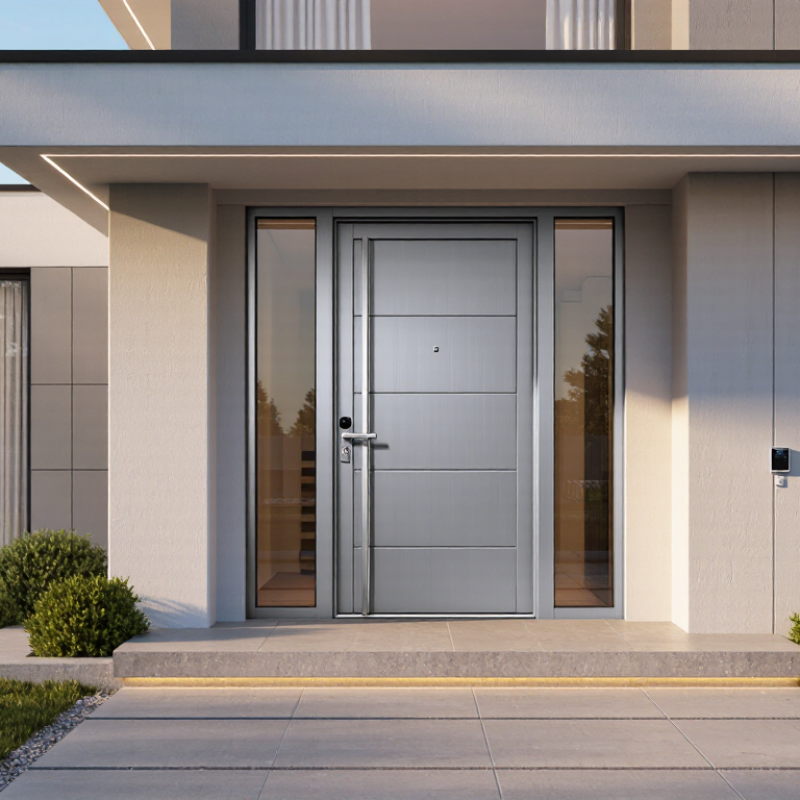
7 Tips for Choosing a Premium Aluminum Entry Door

Define the Entry Door’s Purpose, Climate, and Performance Needs

A premium aluminum entry door should match the way your entrance is used. A busy family entry may need a durable finish, a sturdy lock, and a threshold that handles frequent foot traffic. A sheltered side entrance may benefit more from a glazed panel that brings daylight into a dim hallway. Consider who uses the door, how often it opens, and whether deliveries or muddy shoes are part of daily life. Small details count.

Climate changes the specification. In cold regions, look for a thermally broken frame, which helps limit heat transfer through the aluminum. Pair it with suitable glazing and well-fitted weather seals to reduce drafts and condensation. In rainy or humid areas, check drainage details and ask how the finish resists moisture. Coastal air can be demanding, too, so confirm that the coating and hardware suit salt exposure. A striking finish alone tells you little.

Then define the performance you actually need. Wind exposure, privacy, daylight, and sound control can all affect the right panel and glass choices. Ask for documented ratings where available, and compare them with your site conditions rather than relying on broad claims. A heavier door is not automatically a better door; hinges, frame anchoring, and installation matter just as much. It is easy to focus on appearance and overlook these details. That happens.

Compare Aluminum Construction, Profiles, and Thermal Breaks

Aluminum entry doors differ in more than finish. Ask how the frame is assembled and what gauge of aluminum it uses. A rigid, well-reinforced frame helps keep the door aligned through frequent use. Inspect the corners and hinge area; these spots reveal whether the construction feels substantial or merely looks sleek.

The profile—the frame’s shape and depth—affects both appearance and performance. Slim profiles allow more glass and a lighter look, while deeper profiles can provide room for stronger reinforcement and better insulation. Neither is automatically superior. Check that the profile suits the door’s size, hardware, and exposure to wind. Look closely. A narrow frame that flexes when pressed may not be the bargain it appears to be.

Thermal breaks separate the interior and exterior aluminum with a less conductive material, reducing heat transfer through the frame. They matter most where indoor and outdoor temperatures differ, but they cannot compensate for poor glazing or worn weather seals. Ask for tested whole-door performance figures, not just claims about the frame. Feel the edge. I used to judge doors mainly by their finish; that was an incomplete measure. Installation gaps and threshold details can also undermine a carefully designed thermal break.

Assess Security Features, Hardware, and Weather Sealing

A premium aluminum entry door should feel solid before it looks impressive. Check that the frame stays rigid when you press near the lock side, and ask how the locking points engage. A reinforced strike area can help resist forced movement, but the whole installation matters too. Even a strong door can perform poorly in a weak opening. Tip: Test the lock with the door both open and closed.

Hardware gets frequent use, so choose a handle and lock that feel comfortable and operate smoothly. Look for corrosion-resistant materials, especially if rain or salty air reaches the entrance. Ask whether hinges can be adjusted and whether replacement parts are available. I still find hinge details easy to overlook. Small parts matter.

Weather sealing deserves a close inspection. Look for continuous compression seals around the frame, a well-fitted threshold, and a sweep that meets the floor without dragging. On a windy day, check for drafts near the corners; a thin strip of paper can reveal uneven contact. Tip: Inspect the seal after installation, not just in the showroom. No seal stays perfect forever, so ask how it should be cleaned and when it may need adjustment.

Choose a Design, Finish, and Glazing That Suit the Building

A premium aluminum entry door should feel connected to the building, not pasted onto its façade. Match its proportions to nearby windows, rooflines, and the entry recess. A narrow frame can suit a crisp modern elevation; a deeper profile may sit better beside stone or textured masonry. Finish matters in changing light. A charcoal coating can look nearly black beneath a porch, while a pale bronze tone may warm a north-facing entrance. Ask for a large finish sample and view it outdoors. Small samples can mislead.

Choose glazing for both appearance and performance. Clear glass suits a shaded, private entrance; textured or low-transparency glazing softens views while still bringing daylight inside. Check the door’s U-factor and solar heat gain coefficient rather than judging glass by appearance alone. The U.S. Department of Energy’s Energy Saver guidance estimates that windows account for about 25–30% of residential heating and cooling energy use; that figure concerns windows, but it shows why glazed areas deserve careful specification. For a door assembly, compare rated performance data and installation details. A poor perimeter seal can undermine a good unit. It happens.

Consider the building’s orientation, local climate, and exposure to rain before finalizing the glass and finish. The National Fenestration Rating Council label can help compare U-factor and solar heat gain coefficient across products. Still, a number cannot show how a finish will age beside your actual brickwork. Request project-specific samples, and inspect hardware, frame corners, and drainage paths—not just the showroom face. I would leave room for doubt. A beautiful specification on paper may feel too reflective or too stark once installed.

Choosing Glazing for an Aluminum Entry Door

Typical visible light transmittance (VLT) varies by glazing type. Higher VLT generally lets in more daylight; solar-control glass can reduce glare and solar heat gain. Values below are indicative examples, not product specifications—check the door manufacturer’s data for the exact glazing.

Check Installation Standards, Warranty Coverage, and Maintenance Needs

Before comparing finishes, ask how the installer will prepare the opening. A premium aluminum door still depends on a square, level frame and careful sealing. Ask how flashing, sill drainage, and perimeter sealant will be handled. These details help limit drafts and water entry. Requirements vary by location and wall construction, so confirm applicable installation standards with a qualified professional. Get the written scope, too. It should clarify who handles old-door removal, trim, and any repairs if the opening is damaged.

Read the warranty before you buy. Check the coverage period for the frame, finish, hardware, and glass seals. Then look for exclusions, such as damage from harsh cleaners or missed maintenance. Does coverage include labor, or only replacement parts? “Limited warranty” can mean different things. Keep the warranty, installation records, and dated photos together; they may help if a problem appears later.

Maintenance is usually modest, but it is not zero. Wash the frame with mild soap and water, and avoid abrasive pads that can mark the finish. Inspect weatherstripping, hinges, the threshold, and drainage paths at least once a year. Clear leaves and grit from the sill. Follow the care instructions for your specific finish and hardware. A calendar reminder sounds obvious, yet it is easy to miss. Small checks can catch loose screws or worn seals before they become larger repairs.

7 Tips for Choosing a Premium Aluminum Entry Door - Check Installation Standards, Warranty Coverage, and Maintenance Needs

Tip What to Evaluate Practical Checks Why It Matters
1 Verify the door’s thermal performance Request the product’s documented U-factor and air-leakage information. Compare ratings for the complete door assembly, not just the frame or glass. A lower U-factor indicates less heat transfer. Performance depends on the full assembly, including the frame, glazing, seals, and installation.
2 Check installation requirements and standards Confirm that the installer will follow the manufacturer’s written instructions and applicable local building codes. Ask how the opening will be measured, flashed, sealed, and fastened. Correct installation helps reduce drafts and water intrusion and allows the door to operate as intended. Local code requirements vary by location.
3 Review the warranty in writing Check the coverage period and terms for the frame, finish, hardware, glass, and weather seals. Look for exclusions, maintenance conditions, transfer rules, and who handles labor costs. Warranty terms differ across components. Written details help clarify what is covered and what actions could affect coverage.
4 Assess finish durability and care needs Ask how to clean the finish and whether the care instructions differ for coastal, high-pollution, or other demanding environments. Use only cleaning methods approved for the finish. Regular gentle cleaning can remove dirt and deposits. Abrasive pads and harsh chemicals may damage some coatings.
5 Inspect weather seals and drainage details Look for continuous, replaceable weatherstripping and a threshold designed to manage water. Ask how the sill and surrounding opening are protected from moisture. Seals and drainage details contribute to weather resistance, but their performance also depends on proper installation and ongoing inspection.
6 Choose glazing and security features for your needs For glazed doors, compare glass type, safety-glazing requirements, and available hardware options. Confirm that locks and hinges are compatible with the door design. Glass and hardware choices affect safety, privacy, light, and security. Applicable safety-glazing requirements depend on the door’s location and local code.
7 Plan for routine inspection and adjustment Ask whether hinges, locks, and seals need periodic checks. Confirm how to identify loose hardware, sticking operation, damaged seals, or signs of water entry. Routine inspection can help identify wear early. Follow the manufacturer’s maintenance instructions and arrange adjustments or repairs when needed.

FAQS

How can I judge an aluminum door frame?

Ask how it is assembled and what aluminum gauge it uses. Press near the corners and hinges; a rigid frame should stay aligned.

Are slim profiles always better?

Not always. Slim profiles allow more glass, while deeper ones may provide room for reinforcement and insulation. Match the profile to the door size, hardware, and wind exposure.

What does a thermal break do?

It separates interior and exterior aluminum with a less conductive material, reducing heat transfer through the frame. It cannot make up for weak glazing or worn seals.

What performance information should I request?

Ask for tested whole-door figures, not claims about the frame alone. Installation gaps and threshold details can weaken thermal performance. I used to judge doors by finish alone; that missed important details.

How can I check a door’s security?

Press near the lock side and see whether the frame feels rigid. Ask how the locking points engage and whether the strike area is reinforced. Test the lock with the door open and closed.

Which hardware details matter?

Choose a handle and lock that feel comfortable and operate smoothly. Check for corrosion-resistant materials, adjustable hinges, and available replacement parts. Small parts matter.

How can I inspect weather seals?

Look for continuous compression seals, a fitted threshold, and a sweep that meets the floor without dragging. On a windy day, use a thin strip of paper to check for drafts near corners.

When should I check the seals?

Inspect them after installation, not only in a showroom. Ask how to clean them and when adjustment may be needed. No seal stays perfect forever.

Conclusion

Choosing a Premium Aluminum Entry Door starts with understanding how the entrance will be used and what conditions it must withstand. Consider your local climate, expected traffic, and priorities such as energy efficiency and durability. Compare frame construction and profile options, paying close attention to thermal breaks, which can help limit heat transfer. Security features, dependable hardware, and effective weather seals also contribute to comfort and peace of mind.

Next, select a design, finish, and glazing that complement the building while meeting your practical needs. Before making a decision, confirm that the door will be installed according to appropriate standards and that its warranty coverage is clear. Ask about routine care, too, so you know how to keep the finish, seals, and hardware in good condition. Evaluating these factors together helps you choose an entrance that balances appearance, performance, and long-term value.

Ethan

Ethan

Ethan is a seasoned marketing professional with a deep expertise in our company's innovative product line. With a passion for sharing knowledge and insights, he takes the lead in regularly updating our corporate blog, where he explores industry trends, product features, and effective marketing......