Choosing an Aluminum Exterior Door means balancing appearance with performance. A slim frame may look elegant, but the right door must also handle daily use, wind-driven rain, and changing temperatures. Start with the opening, not the showroom sample. Measure the frame carefully, and note whether the entry faces harsh afternoon sun or collects water near the threshold. Small details matter.
“Judge the door by how it performs after years of weather, not only by its finish on installation day,” says Elena Morris, an illustrative aluminum fenestration specialist created for this guide. Treat that as a practical reminder, not a product guarantee. Ask about thermal breaks, weather seals, drainage paths, glazing options, and hardware durability. Check the stated performance data, and confirm that the tested configuration matches the door you plan to buy. Specs can be easy to misread.
A strong choice should suit both the building and its occupants. For a busy entrance, test the handle and locking action; for a cold climate, pay close attention to frame insulation and glass performance. Inspect sample corners and seals. Look closely. Compare finishes in natural light, where scratches and color shifts are easier to spot. Installation quality also counts: even a well-made door can leak or bind if the opening is out of square. I would not choose on price alone. A cheaper model may be sensible, but only when its verified performance, warranty terms, and installation plan meet your needs.
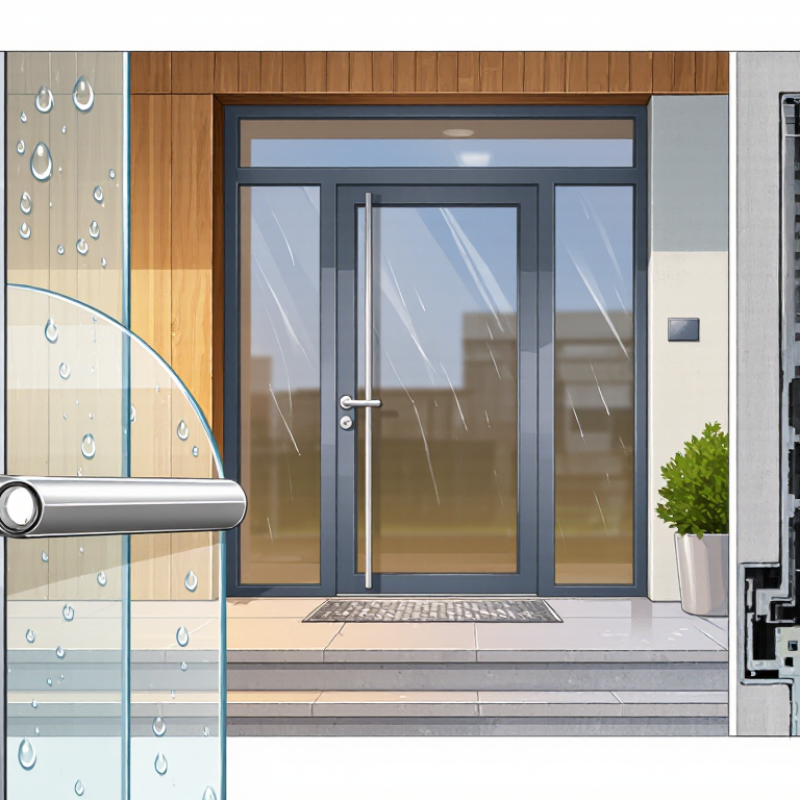
A good aluminum exterior door starts with accurate measurements, not a catalog photo. Record the opening width and height at several points, since older frames can be slightly out of square. Include the frame, threshold, and clearance for flooring when confirming the required size. Measure twice.
Next, match the door’s design to how your home is used. A wide glazed panel can bring daylight into a dim entry, but it may reduce privacy. For a narrow porch, a simple single door often leaves more room for plants, furniture, and comfortable access. Check that the swing direction will not hit a wall or block a walkway. Small details matter.
Climate should shape the specification. In cold or hot regions, look for a thermally broken frame and clear information about insulation and air leakage. In rainy or coastal settings, pay attention to drainage, weather seals, and a durable finish suited to frequent moisture. Ask how the threshold handles wind-driven rain, not just ordinary showers. No door is maintenance-free, and even a strong finish can need cleaning or inspection over time. A qualified installer can check the opening and explain which performance details matter for your local conditions.
Start by measuring the opening and deciding whether a single or double door suits your entryway. The chart shows common nominal slab widths; actual sizes and availability vary by manufacturer and home.
Climate matters: Compare the complete door’s published U-factor, glazing, and weather-sealing details, and check local energy-code requirements. Lower U-factor generally means less heat transfer.
Compare the opening style with the room and traffic flow. Hinged aluminum doors seal neatly and suit compact entries. Sliding doors save floor space and frame broad views, but their tracks need regular cleaning. Folding systems open wide, though their hardware adds maintenance. Look for a thermally broken frame: the insulating barrier between inner and outer aluminum helps limit heat transfer. A slim frame looks elegant, but glass area and frame design both affect performance.
Tip: Check the whole assembly. Ask for tested air-leakage and water-penetration results, not just a frame specification. For glazed doors, compare U-factor and solar heat gain coefficient on the NFRC label.
The U.S. Department of Energy estimates that windows account for 25%–30% of residential heating and cooling energy use. That figure concerns windows, not doors, but it shows why large glazed openings deserve careful comparison. Choose clear, durable finishes suited to exposure: salt air and strong sun can challenge coatings. AAMA 2605 sets stringent performance requirements for high-quality organic coatings on architectural aluminum. Still, a coating standard cannot predict every installation’s wear. I would not choose by color alone; that shortcut is tempting, and incomplete. Check drainage details, hardware, and the installer’s finish-care instructions before deciding.
| Category / Option | Typical Configuration | Advantages | Considerations | Often Suited To |
|---|---|---|---|---|
| Door Types | ||||
| Hinged (swing) door | One or two panels rotate on side hinges; available as an inswing or outswing design. | Simple operation and familiar hardware. A well-designed hinged system can provide effective weather seals around the perimeter. | Needs clear space for the panel’s swing. Performance depends on the frame, seals, threshold, installation, and hardware. | Main entrances, side doors, and locations where there is enough space for the swing. |
| Sliding door | One or more panels move horizontally on tracks; configurations vary by the number of fixed and moving panels. | Does not require swing clearance and can create a wide glazed opening. | Track cleanliness and drainage matter. The clear passage can be narrower than the full frame opening because panels overlap or remain fixed. | Patios, decks, and rooms opening onto outdoor living areas. |
| Bifold / folding door | Multiple hinged panels fold and stack to one or both sides, usually guided by a track system. | Can open a large portion of a wall opening when the panels are folded back. | Uses more hinges, rollers, and track components than a simple hinged door; check the required stacking space and maintenance needs. | Wide openings where a broad connection to an outdoor area is desired. |
| Pivot door | A panel rotates on pivot hardware set away from the side edge, often near the top and bottom of the door. | Supports distinctive proportions and a visually clean opening design. | Requires suitable structural support and careful coordination of pivot hardware, clearances, seals, and panel weight. | Feature entrances designed around a large or unusually proportioned door panel. |
| Frame and Thermal Design | ||||
| Thermally broken aluminum frame | Uses a non-metal insulating barrier between the interior and exterior aluminum sections. | Reduces heat transfer through the frame compared with a continuous metal frame. | Does not by itself determine the whole door’s energy performance; glazing, seals, installation, and local climate also matter. | Exterior doors where improved thermal separation is important, especially in climates with notable temperature differences. |
| Non-thermally broken aluminum frame | Aluminum sections form a continuous metal path between the indoor and outdoor sides. | Provides aluminum’s slim, rigid frame characteristics and may suit less demanding thermal applications. | Aluminum conducts heat readily, so this frame type generally offers less thermal separation than a thermally broken frame. | Interior applications or exterior locations where thermal performance is a lower priority. |
| Frame depth and glazing capacity | Frame profiles are designed to accept particular glass thicknesses and hardware. | Matching the frame to the specified glazing and hardware supports proper fit and operation. | Confirm compatibility with the planned insulating glass unit, screen, locks, threshold, and wall construction before ordering. | All projects, particularly replacements or designs with thicker multi-pane glazing. |
| Finish and Glazing | ||||
| Powder-coated finish | A dry coating is applied to the aluminum and cured to form a finished surface. | Available in a wide range of colors and surface appearances; the coating protects the aluminum when properly applied and maintained. | Color and gloss can vary between production batches. Clean according to the door maker’s care instructions and avoid abrasive products. | Projects that need a particular color or a coordinated exterior appearance. |
| Anodized finish | An electrochemical process creates a controlled oxide layer on the aluminum surface. | Retains a metallic appearance and adds a durable surface layer. | Color choices and appearance differ from painted finishes; samples should be reviewed because lighting and batch variation affect appearance. | Designs that favor a natural or metallic aluminum look. |
| Insulating glass unit (IGU) | Two or more panes are separated by a sealed cavity; some units also include a low-emissivity coating. | Can improve thermal insulation compared with a single pane of similar glass; Low-E coatings can help manage heat transfer and solar gain. | Performance depends on the complete glass specification, including pane type, cavity, coatings, and orientation. Check local safety-glazing requirements. | Glazed exterior doors where comfort, energy performance, or daylight control is a priority. |
| Safety glazing | Typically tempered or laminated glass, selected according to the application and applicable building rules. | Tempered glass is designed to break into smaller pieces; laminated glass holds fragments together using an interlayer. | Required locations and acceptable glass types vary by local code and door design. Confirm requirements with the project professional. | Glazed door panels and adjacent areas where safety-glazing rules apply. |
Selection tip: Compare the complete door system—not just the aluminum profile. Check the tested performance data, glass specification, weather seals, threshold, hardware, installation details, and warranty for the exact configuration.
When choosing an aluminum exterior door, check its thermal performance, not just the frame’s appearance. Aluminum conducts heat readily, so look for a continuous thermal break between the inner and outer frame. Compare the door’s U-factor and air-leakage rating on its National Fenestration Rating Council label; lower U-factors indicate less heat transfer. The U.S. Department of Energy estimates that windows account for 25–30% of residential heating and cooling energy use, highlighting why the surrounding glazing and seals matter too. A well-rated door can still underperform if its threshold is poorly fitted. Small details matter.
For security, inspect the lock, strike plate, hinge attachment, and glass location. Ask whether the complete door assembly—not just the lock—has been tested, such as under ASTM F476 for swinging doors. Weather resistance also depends on the installation. Look for documented air, water, and structural performance under a recognized standard, such as AAMA/WDMA/CSA 101/I.S.2/A440. Match the tested rating to local wind and rain exposure, and check that the sill drains outward. Test the fit. I would not assume a heavier door is automatically safer or more weatherproof; that shortcut can miss weak seals, loose hardware, or poor installation. A small gap beneath the sweep can admit drafts and wind-driven rain.
Before ordering an aluminum exterior door, measure the rough opening at the top, middle, and bottom. Record width, height, and jamb depth, then use the smallest readings. Check whether the sill is level and the frame is square; older openings often are not. Old frames can lie. The National Fenestration Rating Council’s certified ratings provide comparable U-factor and solar heat-gain data, but they cannot predict drafts from a poorly sealed installation.
Plan installation around the wall, not just the door. Confirm the opening allows room for shimming, flashing, and drainage, and ask who will seal the frame against water and air. The U.S. Department of Energy’s Building America guidance treats water management and continuous air sealing as key parts of durable opening installation. A small gap can matter. Ask for the installer’s written scope, including removal of the old frame and repair of trim or siding.
Warranty terms deserve a close read. Separate coverage for the door slab, finish, hardware, glass, and labor; note exclusions for coastal exposure, improper cleaning, or installation by others. The 2024 Cost vs. Value report estimated a 97.4% cost recoup for a steel entry-door replacement, based on national averages. That is not an aluminum-door forecast, but it shows why replacement value can vary by material and project. Keep the invoice, product rating label, and installation photos together; paperwork is easy to lose.
Set your budget around the complete installation, not just the door slab. Include the frame, hardware, glazing, removal, and any trim repairs. Thermal breaks and insulated glass can raise the upfront price, but may improve comfort near the doorway. Ask for itemized quotes using the same specifications. Otherwise, the lowest price may conceal missing work.
For perspective, Remodeling magazine’s 2024 Cost vs. Value report estimated a national average of $2,355 for a steel entry-door replacement, with 188.1% cost recouped at resale. That is not an aluminum-door price or a guarantee of resale value; it is only a comparison point. Aluminum quotes vary with size, finish, glass, and installation conditions. I would treat any payback estimate cautiously.
Tips: Check the finish warranty and ask what routine care it requires. Rinse off dust and road salt, inspect weatherstripping, and lubricate hinges when needed. Small tasks help. In coastal or wet locations, ask how the finish and hardware handle exposure before choosing. A low-maintenance door still needs occasional attention.
A hinged door seals neatly and works well in compact spaces. Check that its swing does not block a walkway.
Sliding doors save floor space and can frame a broad view. Tracks collect grit. Clean them regularly.
It separates the inner and outer aluminum frame with an insulating barrier. This helps limit heat transfer through the frame.
Check the door’s U-factor and air-leakage rating on its performance label. Lower U-factors mean less heat transfer. Glazing and seals matter too.
Frame details alone do not show how the installed door performs. Ask for tested air, water, and structural results for the whole assembly.
Match tested performance to local wind and rain exposure. Check that the sill drains outward and that no gap sits beneath the door sweep.
Inspect the lock, strike plate, hinge attachments, and glass location. A heavier door is not automatically safer; I might overvalue weight at first.
Strong sun and salt air can challenge coatings. Check drainage, hardware, and care instructions, not just the color. Small details matter.
Choosing the right Aluminum Exterior Door starts with understanding your home’s dimensions, architectural style, and local climate. Consider how much daylight, ventilation, and privacy you want, then compare suitable door types, frame designs, and finishes. A finish should complement your home while standing up to the sun, rain, humidity, or temperature changes common in your area.
Look beyond appearance when comparing options. Check insulation performance, locking features, and resistance to wind and moisture. Confirm the opening measurements and determine whether professional installation or additional preparation will be needed. Review the warranty carefully so you know what is covered and for how long. Finally, balance the purchase price with expected upkeep: a door that fits your budget and maintenance preferences can offer lasting comfort, security, and visual appeal.

Steelwar