What is an Aluminum Entrance Door? It is an exterior door system built around aluminum profiles, panels, glass, seals, and hardware. Unlike a simple metal slab, it can combine structure, insulation, security, and visual design. Aluminum is light for its strength and resists rust better than untreated steel. That makes it practical for homes, offices, apartments, and commercial buildings. Its slim frames can admit more daylight without making the opening look heavy.
A well-designed Aluminum Entrance Door usually includes a thermal break, weather seals, reinforced locks, and durable hinges. These details matter when rain presses against the threshold or winter air meets the frame. Field installers often find that installation decides performance. Even an excellent door may leak if the opening is uneven or drainage is blocked. Measure carefully. Check the wall condition. A qualified installer should follow manufacturer instructions and applicable building requirements. Testing air, water, operation, and security can reveal problems before daily use begins.
Aluminum also needs realistic expectations. It is not automatically energy-efficient, silent, or maintenance-free. Not always. Glass choice, frame depth, orientation, and local climate influence results. Some finishes may scratch, and hardware can loosen over time. Regular cleaning and small adjustments help preserve smooth operation. This guide examines the main components, benefits, limitations, selection points, and care practices behind a dependable entrance door. It also questions common marketing claims, because an attractive appearance alone proves very little.
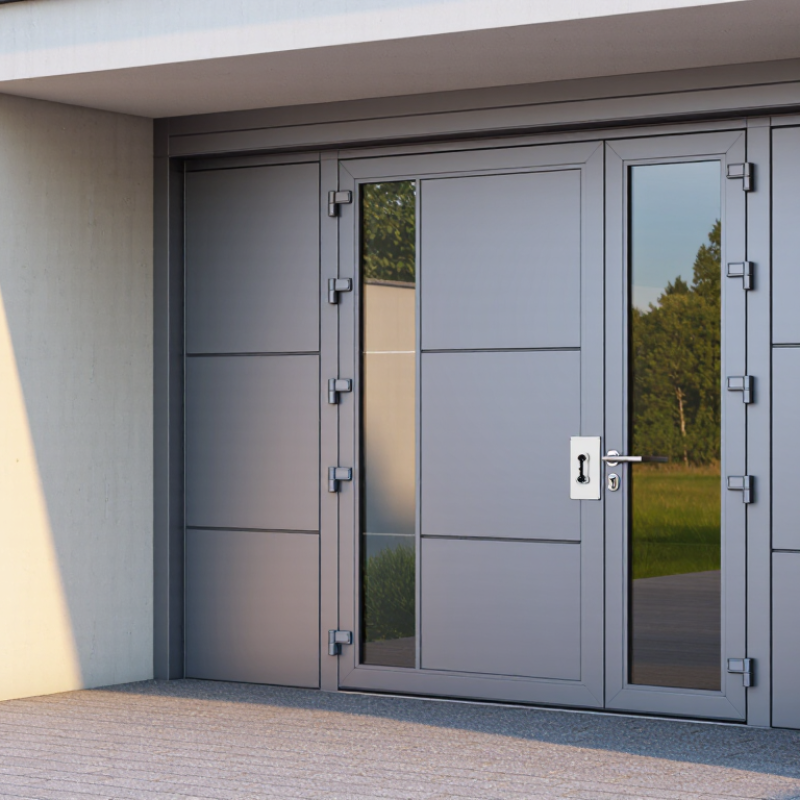
An aluminum entrance door is an exterior door made with aluminum profiles, panels, and hardware. It creates a controlled opening between indoor and outdoor areas. Unlike solid timber, aluminum resists moisture, insects, and many common weather effects. Its slim frame can also provide a wider glass area and a cleaner appearance.
The basic structure includes an aluminum frame, door leaf, hinges, lockset, handle, seals, and threshold. Some models use insulated profiles with a thermal break. This feature separates inner and outer aluminum sections, helping reduce heat transfer. Glass panels may be single, double, or laminated, depending on design and performance needs. Weather seals around the edges limit drafts and rainwater. A strong threshold supports alignment and helps protect the floor.
In practical inspections, I check whether the door closes smoothly without rubbing. I also examine corner joints, seal compression, drainage paths, and hardware movement. A beautiful finish is not enough. I once focused too much on surface quality and overlooked a poorly adjusted hinge. That small issue caused uneven gaps. Specifications can vary, so measurements and installation details deserve careful review.
Tips: Check the wall opening before ordering. Keep the frame level and square. Confirm the glass type, thermal-break design, and threshold height. Clean the seals regularly, but avoid harsh chemicals. Even a well-made door may perform poorly when installed carelessly.
An aluminum entrance door uses lightweight metal frames, engineered panels, and weather-resistant hardware to create a strong building entrance. Aluminum alloys are common because they resist rust and remain stable through seasonal temperature changes. The frame is usually made by extrusion, a process that pushes heated aluminum through a shaped die. This creates precise profiles with channels for seals, glass, locks, and drainage.
Material selection affects comfort as much as appearance. A thermal break separates the exterior and interior aluminum sections with an insulating polyamide strip. This reduces heat transfer and helps limit condensation around the frame. The door panel may contain a honeycomb, foam, or insulated composite core. Each option changes weight, stiffness, sound control, and energy performance. There is no perfect combination. A lighter panel can feel less substantial, while a thicker one may need stronger hinges.
Manufacturing quality depends on more than accurate cutting. Technicians should check corner joints, panel alignment, gasket compression, drainage paths, and hardware movement before installation. Powder coating offers a durable colored surface, while anodizing preserves a metallic appearance and adds surface protection. Small gaps can cause drafts, even when the materials are excellent. On site, the frame must be leveled carefully and sealed against the surrounding wall. This step is sometimes underestimated, and it can weaken the door’s real-world performance.
Aluminum entrance doors combine strong, lightweight aluminum profiles with thermal breaks, insulated glazing, weather seals, and protective finishes. The chart compares typical thermal conductivity values of common door materials; lower values generally indicate better resistance to heat transfer.
An aluminum entrance door combines a lightweight metal frame with glass, insulated panels, or both. In practice, its appeal is clear: it resists rust, keeps its shape, and needs limited repainting. I have seen homeowners choose slim frames for daylight, then regret overlooking thermal performance. Design decisions matter. A large glazed door feels open, while a solid panel provides privacy and a stronger visual boundary. Single doors suit compact entries; double doors create a wider, more formal opening. Pivot styles are striking, but they require careful floor and head clearance.
Common finishes include anodized aluminum and powder coating. Anodizing preserves a metallic appearance and can show subtle variation between batches. Powder coating offers many colors, from warm white to deep charcoal, with a consistent surface when properly applied. Dark finishes look refined, yet they may reveal dust, scratches, and heat-related movement more easily. Texture also changes maintenance; fine matte coatings can hide fingerprints better than glossy ones. Request a finish sample outdoors. Indoor lighting can mislead.
Functional components determine daily comfort. Look for insulated cores, thermal breaks, weather seals, adjustable hinges, and a multipoint locking system. Low-threshold options help mobility, but poor drainage can invite water problems. Glass should match the home's privacy, safety, and energy needs. A door closer may improve control, although it can feel heavy for children or older users. I would measure the opening twice and confirm local installation requirements. Small gaps often become noticeable drafts. Specifications are not always perfectly interpreted on site.
An aluminum entrance door combines a lightweight metal frame with panels, glass, seals, and locking hardware. In residential and commercial projects, installers often choose it for clean lines and manageable handling. A large door can feel surprisingly light. That matters during delivery and fitting.
Aluminum resists rust better than ordinary steel, especially when its protective finish remains intact. It also supports narrow frames, allowing more daylight through the entrance. Powder-coated surfaces usually need only mild soap, water, and a soft cloth. Scratches still require attention. Exposed metal can stain or weaken over time in harsh coastal air.
Thermal performance depends heavily on the design. Basic aluminum conducts heat quickly, which may create a cold interior frame or surface condensation. A thermally broken frame performs better, but it costs more and needs careful installation. Poorly adjusted seals can also cause drafts, even with a high-quality door. I have seen attractive doors lose comfort because the threshold was fitted unevenly. That detail is easy to overlook.
Aluminum can dent under a strong impact, and repairs may show color differences. Dark finishes may also expand noticeably under direct summer sunlight. Check the frame depth, glazing specification, drainage, hardware, and local weather conditions before selecting one. A door should match the building, not only the photograph.
An aluminum entrance door uses lightweight, corrosion-resistant metal for its frame and panels. It suits homes, offices, shops, and public buildings. Before installation, measure the opening at several points. Walls are rarely perfectly square. A small error can cause uneven gaps, air leakage, or difficult locking.
Professional installers should check the threshold, frame anchors, drainage path, and door swing. The sill must sit level and remain firmly supported. Thermal-break construction can reduce heat transfer, especially in exposed entrances. Sealant around the frame helps block rain, but it cannot correct a poorly aligned door. A common mistake is tightening fasteners too early. The frame may shift before the opening is fully checked.
Maintenance is simple, but regular attention matters. Wipe aluminum surfaces with mild soap and clean water. Avoid abrasive pads, harsh solvents, and stagnant water near the sill. Inspect weatherstripping, hinges, locks, and drainage openings every few months. In coastal or dusty areas, cleaning may need to happen more often. Do not ignore a slight scrape. It can become a larger alignment problem.
Tips: Keep the threshold clear of grit. Test the latch gently. Replace damaged seals promptly. Record seasonal changes in closing pressure. Installation guides are useful, but local building requirements still need confirmation.
It is an exterior door made from aluminum profiles, panels, glass, seals, and hardware. It controls movement between indoor and outdoor spaces.
Common parts include the frame, door leaf, hinges, lockset, handle, seals, and threshold. Some designs also include insulated profiles and glass panels.
A thermal break separates inner and outer aluminum sections. It reduces heat transfer through the frame. Installation still matters.
Doors may use single, double, or laminated glass. The choice depends on insulation, safety, appearance, and project requirements.
Aluminum is lightweight, moisture-resistant, and resistant to many insects. Slim frames can provide more daylight and a cleaner view.
Basic aluminum transfers heat quickly and may feel cold indoors. Strong impacts can dent it, while dark finishes may expand in direct sunlight.
Check smooth closing, corner joints, seal compression, drainage paths, and hardware movement. The door should not rub against the frame.
The wall opening must be measured accurately. The frame should remain level and square, with an evenly fitted threshold.
Clean the frame and seals with mild soap, water, and a soft cloth. Avoid harsh chemicals. Inspect scratches before exposed metal worsens.
Yes. Poor sealing, uneven thresholds, or misaligned hinges can cause drafts and gaps. I once focused on surface quality and missed a hinge problem. Small details matter.
An Aluminum Entrance Door is an exterior door built primarily from aluminum frames and panels, designed to provide access, security, and weather protection at residential or commercial buildings. Its basic structure commonly includes a lightweight aluminum frame, insulated or solid infill panels, glass sections, hinges, locks, handles, seals, and threshold components. During manufacturing, aluminum is cut, formed, joined, and treated with protective coatings to improve strength, corrosion resistance, and appearance. Thermal breaks and insulated cores may also be added to improve energy efficiency.
Aluminum Entrance Door designs range from simple and modern to decorative and customized styles. Available finishes can include painted, powder-coated, anodized, or wood-look surfaces, while functional options may include multi-point locks, safety glass, closers, and smart access components. These doors are durable, low-maintenance, lightweight, and resistant to moisture, although they may offer less natural insulation than some alternative materials unless properly engineered. Professional installation helps ensure accurate alignment, sealing, and reliable operation. With regular cleaning, hardware checks, and seal replacement when needed, aluminum entrance doors are suitable for homes, offices, retail spaces, public buildings, and other frequently used entrances.

Steelwar